Athletes and fitness enthusiasts constantly seek effective methods to manage post-workout discomfort and accelerate recovery. While traditional approaches like ice baths, foam rolling, and anti-inflammatory medications have dominated the recovery landscape for decades, CBD has emerged as a natural alternative that addresses muscle soreness through multiple physiological pathways. As research continues to explore cannabinoid interactions with the endocannabinoid system, many individuals are discovering that cbd for muscle soreness after workout provides targeted relief without the side effects associated with conventional pain management options. Understanding how CBD works, selecting the right products, and implementing proper dosing strategies can transform your recovery routine and help you maintain consistent training schedules.
Understanding Muscle Soreness and Recovery Mechanisms
Post-workout muscle soreness typically manifests in two distinct forms. Acute soreness develops during or immediately after exercise, resulting from metabolic waste accumulation like lactic acid in muscle tissues. Delayed onset muscle soreness (DOMS) appears 24 to 72 hours after intense physical activity, caused by microscopic tears in muscle fibers and the subsequent inflammatory response.
The body's natural recovery process involves inflammation, which serves as a protective mechanism to repair damaged tissue. However, excessive inflammation can prolong discomfort and delay return to training. This is where CBD topicals for post-workout recovery enter the equation, offering a targeted approach to managing both inflammation and pain perception.
The Endocannabinoid System's Role in Exercise Recovery
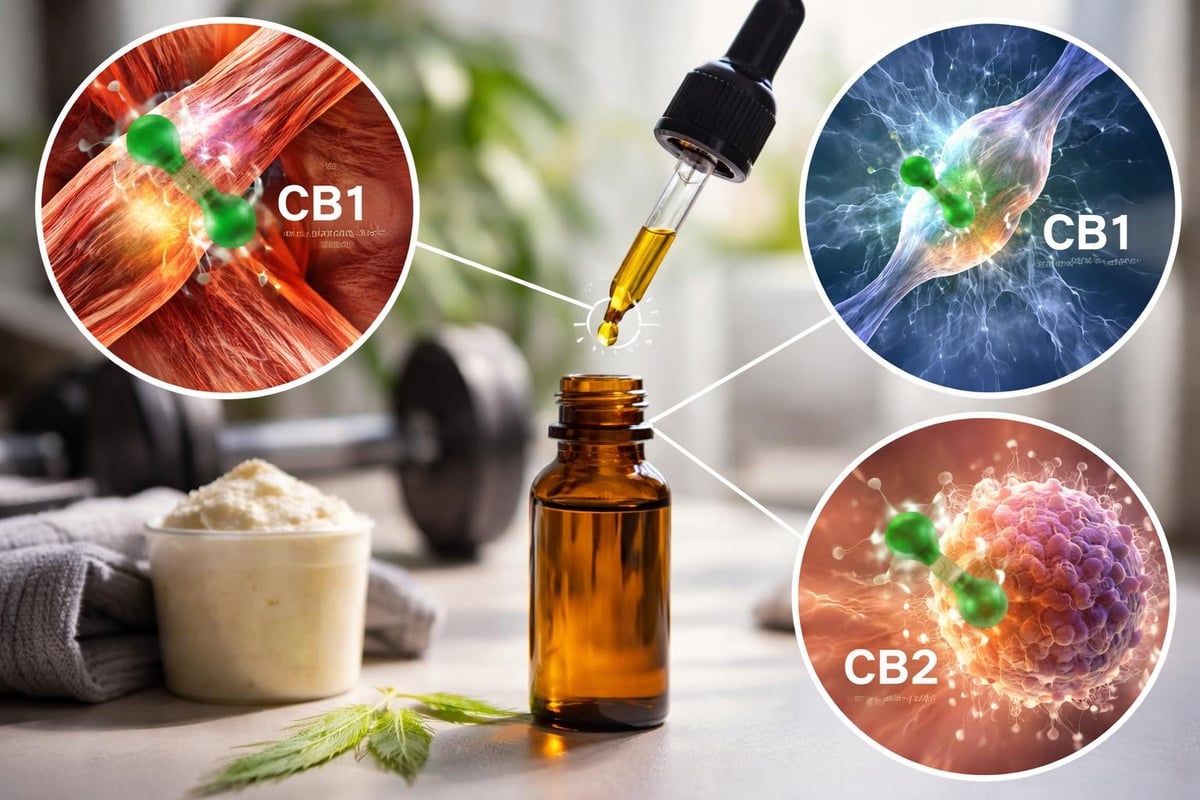
Your endocannabinoid system (ECS) regulates numerous physiological functions including pain perception, inflammation, sleep quality, and muscle repair. This complex network consists of cannabinoid receptors (CB1 and CB2), endogenous cannabinoids produced by your body, and enzymes that synthesize and break down these compounds.
During intense physical activity, your body releases endocannabinoids that interact with receptors throughout your muscles, nervous system, and immune cells. CBD supports this natural process by influencing how these receptors respond to signaling molecules, potentially enhancing your body's inherent recovery mechanisms.
How CBD Addresses Post-Workout Muscle Discomfort
CBD for muscle soreness after workout operates through several distinct mechanisms that contribute to comprehensive recovery support. Rather than simply masking pain like traditional analgesics, CBD appears to address underlying factors contributing to discomfort.
Anti-Inflammatory Properties
Research suggests CBD interacts with both CB2 receptors in immune cells and non-cannabinoid receptors involved in inflammation regulation. By modulating inflammatory cytokine production, CBD may help reduce excessive tissue inflammation without completely blocking the beneficial aspects of the inflammatory response necessary for muscle adaptation.
Pain Perception Modulation
CBD influences vanilloid receptors (TRPV1) and serotonin receptors (5-HT1A), both involved in pain signal transmission. This multi-target approach may explain why many individuals report reduced pain intensity when using CBD products after strenuous workouts.
Muscle Relaxation Benefits
Muscle tension and spasms commonly accompany intense training sessions. CBD's potential interaction with GABA receptors and its influence on calcium regulation in muscle cells may contribute to reduced muscle tension and improved relaxation during recovery periods.
Types of CBD Products for Workout Recovery
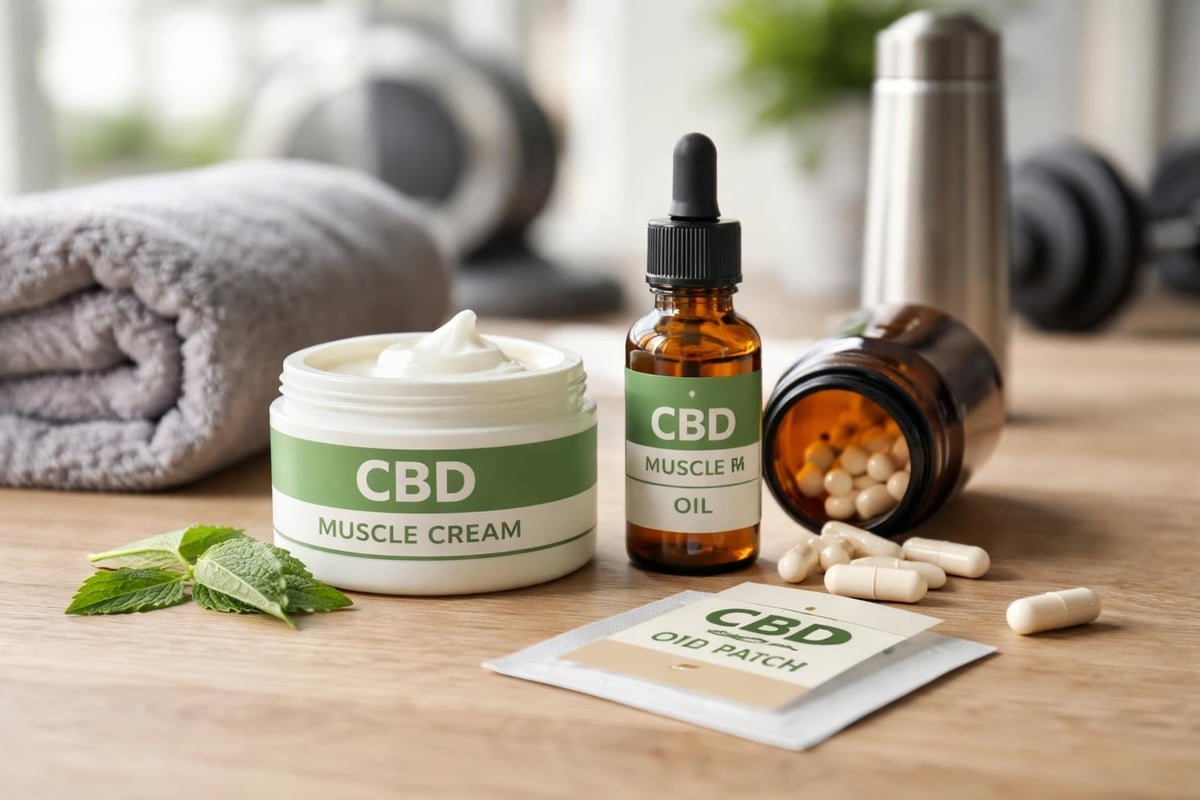
Selecting the appropriate CBD format significantly impacts effectiveness for managing post-exercise discomfort. Each delivery method offers distinct advantages depending on your specific recovery needs and preferences.
| Product Type | Onset Time | Duration | Best For |
|---|---|---|---|
| Topical Creams/Balms | 15-30 minutes | 2-4 hours | Localized muscle soreness, joint discomfort |
| Roll-On Applicators | 10-20 minutes | 2-3 hours | Targeted relief, convenient application |
| Tinctures/Oils | 30-60 minutes | 4-6 hours | Systemic inflammation, overall recovery |
| Capsules | 60-90 minutes | 6-8 hours | Sustained relief, consistent dosing |
| Transdermal Patches | 1-2 hours | 8-12 hours | Long-lasting relief, steady absorption |
Topical CBD Solutions
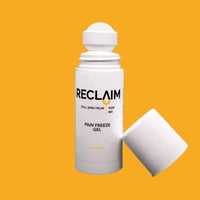
Topical products deliver CBD directly to affected muscle groups through skin absorption. The CBD-infused relief roll-on stick format has gained popularity among athletes due to its convenience and targeted application capabilities.
When applying topical CBD, focus on areas experiencing the most significant discomfort. Massage the product into skin using circular motions to enhance absorption and promote blood flow to affected tissues. Many formulations combine CBD with complementary ingredients like menthol, arnica, or essential oils for enhanced cooling or warming sensations.
Oral CBD Products
Sublingual tinctures and capsules provide systemic effects that address inflammation throughout the body. This approach benefits individuals experiencing widespread muscle soreness or those seeking comprehensive recovery support beyond isolated muscle groups.
For managing chronic pain that extends beyond typical workout soreness, oral CBD products offer sustained relief that complements your regular training routine. The broad-spectrum CBD hemp oil contains multiple beneficial cannabinoids and terpenes that work synergistically through the entourage effect.
Transdermal Patches for Extended Relief
CBD patches for pain relief deliver cannabinoids through the skin directly into the bloodstream, bypassing digestive system metabolism. This method provides consistent CBD levels over extended periods, making patches ideal for overnight recovery or during long recovery days between intense training sessions.
Optimal Dosing Strategies and Timing
Determining the right CBD dosage for muscle soreness requires consideration of multiple factors including body weight, exercise intensity, individual endocannabinoid system sensitivity, and product potency. Starting with conservative doses and gradually increasing allows you to identify your optimal serving size without overwhelming your system.
General Dosing Guidelines
- Beginners: 10-25 mg per day
- Moderate users: 25-50 mg per day
- Experienced users: 50-100 mg per day
- Athletic recovery: 100-300 mg per day (divided doses)
These ranges serve as starting points. Individual responses vary significantly, and practical advice on dosage emphasizes the importance of patience when finding your ideal serving size.
Strategic Timing for Maximum Benefit
When you take CBD relative to your workout significantly influences its effectiveness for muscle soreness management. Consider these timing strategies:
Pre-Workout Application (30-60 minutes before exercise) Some athletes use CBD before training to potentially reduce acute inflammation during intense sessions. This proactive approach may minimize initial tissue damage and subsequent soreness development.
Immediate Post-Workout (within 30 minutes) Applying topical CBD or taking oral formulations immediately after exercise targets the inflammatory cascade at its onset. This timing capitalizes on the critical recovery window when your body initiates repair processes.
Before Sleep CBD's potential to support sleep quality makes evening dosing particularly valuable. Quality rest represents the most critical recovery factor, and combining CBD's anti-inflammatory properties with improved sleep may accelerate muscle repair.
Combining CBD with Complementary Recovery Strategies
CBD for muscle soreness after workout works most effectively when integrated into a comprehensive recovery protocol. Relying solely on any single intervention limits your recovery potential compared to strategic combination approaches.
Synergistic Recovery Methods
- Active Recovery: Light movement promotes blood flow, nutrient delivery, and metabolic waste removal
- Hydration: Proper fluid intake supports cellular repair and helps transport CBD through your system
- Nutrition: Adequate protein and anti-inflammatory foods complement CBD's effects
- Stretching and Mobility Work: Enhances tissue flexibility and CBD absorption in topical applications
- Cold and Heat Therapy: Alternating temperatures combined with CBD application may enhance pain relief
Creating a structured recovery routine that incorporates these elements alongside CBD use provides comprehensive support for muscle repair and adaptation. Many athletes report superior results when using CBD to support muscle soreness recovery within a broader wellness framework rather than as an isolated intervention.
Exercise Type Considerations
Different training modalities produce distinct recovery demands. Resistance training creates muscle fiber micro-tears requiring structural repair, while endurance activities generate metabolic stress and systemic inflammation. Adjust your CBD application strategy accordingly:
Strength Training Recovery Focus on localized topical application to specific muscle groups worked during your session. Consider higher CBD concentrations for major muscle groups like quadriceps, glutes, and back muscles.
Endurance Training Recovery Systemic inflammation from prolonged cardiovascular activity may respond better to oral CBD products that address whole-body inflammation. Combining oral and topical applications provides comprehensive coverage.
High-Intensity Interval Training HIIT sessions tax both muscular and cardiovascular systems. A combination approach using oral CBD for systemic effects and topicals for particularly taxed muscle groups offers balanced recovery support.
Quality Considerations and Product Selection
Not all CBD products deliver equivalent results for managing muscle soreness. Product quality, cannabinoid profile, and additional ingredients significantly impact effectiveness and safety.
Third-Party Testing and Transparency
Reputable manufacturers submit products for independent laboratory testing to verify cannabinoid content, ensure THC levels remain below legal limits (0.3%), and confirm absence of contaminants like heavy metals, pesticides, and residual solvents. Companies demonstrating transparency through readily accessible Certificates of Analysis (COA) provide assurance that products contain advertised CBD concentrations.
Full-Spectrum vs. Broad-Spectrum vs. Isolate
| CBD Type | THC Content | Entourage Effect | Best For |
|---|---|---|---|
| Full-Spectrum | Up to 0.3% | Maximum | Individuals tolerant of trace THC |
| Broad-Spectrum | 0% (non-detectable) | Moderate | Those avoiding THC completely |
| CBD Isolate | 0% | None | THC-sensitive individuals |
The entourage effect describes enhanced benefits when multiple cannabis compounds work together synergistically. Many users report superior results from full-spectrum or broad-spectrum products compared to pure CBD isolate for managing exercise-related inflammation and discomfort.
Addressing Common Questions and Concerns
Athletes considering CBD for muscle soreness after workout frequently have questions about safety, legality, and potential side effects. Understanding these considerations helps you make informed decisions about incorporating CBD into your recovery routine.
Safety and Side Effect Profile
CBD demonstrates a favorable safety profile with relatively few reported adverse effects. Most users tolerate CBD well, though some individuals experience:
- Mild digestive discomfort (with oral products)
- Temporary fatigue or drowsiness
- Dry mouth
- Changes in appetite
- Potential interactions with certain medications
Consulting healthcare providers before starting CBD supplementation is particularly important if you take prescription medications, as CBD can influence how your liver processes certain drugs through cytochrome P450 enzyme interactions.
Athletic Testing and Legality
The World Anti-Doping Agency (WADA) removed CBD from its prohibited substances list in 2018, making it permissible for competitive athletes. However, THC remains banned, and full-spectrum CBD products containing trace THC amounts could theoretically result in positive drug tests. Athletes subject to drug testing should consider broad-spectrum or isolate products to eliminate this risk.
Timeline for Results
Individual responses to CBD vary considerably. Some users notice immediate relief from topical applications, while others require several days of consistent use before experiencing significant benefits. Factors influencing response time include:
- Dosage and product potency
- Individual endocannabinoid system sensitivity
- Severity of muscle damage and inflammation
- Consistency of use
- Overall recovery protocol effectiveness
Realistic expectations involve giving CBD a minimum two-week trial with consistent dosing before evaluating its effectiveness for your specific recovery needs. The science behind CBD's effects on soreness continues evolving, but patience and systematic experimentation typically yield the best results.
Integrating CBD into Your Training Program
Successfully incorporating CBD for muscle soreness after workout requires thoughtful planning and systematic implementation. Treating CBD as one component within your broader athletic development strategy produces superior outcomes compared to haphazard use.
Creating Your CBD Recovery Protocol
Step 1: Establish Baseline Metrics Track your current recovery patterns, including soreness intensity, duration, and impact on subsequent workouts. This baseline enables objective assessment of CBD's effects on your recovery.
Step 2: Select Appropriate Products Choose CBD formats matching your specific needs based on soreness location, intensity, and desired relief duration. Starting with a combination of topical and oral products often provides comprehensive coverage.
Step 3: Implement Consistent Dosing Maintain regular CBD use rather than sporadic application. The endocannabinoid system responds better to consistent cannabinoid presence, and cumulative effects may develop over time.
Step 4: Monitor and Adjust Record subjective recovery quality, soreness levels, and any side effects. Adjust dosage, timing, or product selection based on observed results.
Step 5: Optimize Integration Fine-tune your protocol based on accumulated data. Some individuals discover specific timing windows or dosage amounts that maximize benefits for their unique physiology.
Cost-Benefit Analysis
Quality CBD products represent an investment in your recovery and performance. Evaluating cost-effectiveness involves considering:
- Reduced need for over-the-counter pain medications
- Fewer missed workouts due to excessive soreness
- Improved training consistency and progression
- Enhanced recovery quality and sleep
- Potential reduction in injury risk through better inflammation management
Many athletes find that strategic CBD use pays dividends through improved training capacity and reduced reliance on conventional pain management approaches.
Special Considerations for Chronic Pain Populations
Individuals managing conditions like rheumatoid arthritis, fibromyalgia, or osteoarthritis face unique challenges when incorporating exercise into their wellness routines. CBD for muscle soreness after workout offers particular value for these populations by addressing both exercise-induced discomfort and underlying chronic pain conditions.
Balancing Exercise and Chronic Inflammation
Chronic inflammatory conditions create elevated baseline inflammation levels that complicate post-exercise recovery. Using CBD as part of your arthritis management strategies may help control background inflammation while supporting recovery from beneficial physical activity.
Regular movement remains crucial for joint health and overall wellness, even with chronic pain conditions. CBD helps many individuals maintain exercise consistency by making post-workout recovery more manageable, preventing activity avoidance that can worsen long-term outcomes.
Dosing Adjustments for Chronic Conditions
Individuals with chronic inflammatory conditions often require higher CBD doses than those using it solely for exercise recovery. Working with healthcare providers familiar with both your underlying condition and CBD supplementation helps develop appropriate dosing strategies that address multiple therapeutic goals simultaneously.
Combining different CBD delivery methods may prove particularly effective. For example, using oral CBD products for systemic inflammation management throughout the day while adding topical applications for acute post-workout muscle soreness provides layered relief addressing different aspects of your recovery needs.
Building Sustainable Recovery Habits
Long-term success with CBD for muscle soreness after workout depends on developing sustainable habits that integrate seamlessly into your lifestyle. Consistency outweighs intensity when establishing effective recovery routines.
Habit Stacking Strategies
Link CBD use to existing routines to ensure consistency:
- Apply topical CBD while performing post-workout stretching
- Take CBD tincture with your post-workout protein shake
- Use CBD patches as part of your evening wind-down routine
Progressive Implementation
Rather than overwhelming yourself with dramatic recovery protocol changes, gradually introduce CBD alongside existing recovery methods. This measured approach helps you isolate CBD's specific contributions to your recovery quality.
Documentation and Refinement
Maintain simple records tracking workouts, CBD dosage, timing, and subjective recovery quality. Over several weeks, patterns emerge that guide protocol optimization specific to your response characteristics.
Managing muscle soreness effectively accelerates your fitness progress and helps you maintain consistent training schedules that drive meaningful results. CBD offers a natural, multi-faceted approach to post-workout recovery that addresses inflammation, pain perception, and overall recovery quality through interaction with your endocannabinoid system. Whether you're an athlete pushing performance boundaries or someone managing chronic inflammatory conditions while staying active, incorporating quality CBD products can transform your recovery experience. Reclaim Labs provides premium, third-party tested CBD hemp oil products specifically formulated to address inflammation and discomfort, offering reliable solutions for both exercise recovery and chronic pain management. Discover how our transparent, quality-focused approach to CBD supplementation can support your wellness journey and help you reclaim the active lifestyle you deserve.