Neuropathy affects millions of Americans, causing debilitating nerve pain that disrupts daily activities and diminishes quality of life. As conventional treatments often fall short or produce unwanted side effects, many individuals are exploring cannabidiol (CBD) as a natural alternative. This comprehensive guide examines the potential of cbd for nerve pain neuropathy, exploring scientific evidence, practical application methods, and what to expect when incorporating CBD into your pain management strategy.
Understanding Neuropathy and Its Impact on Daily Life
Neuropathy encompasses a range of conditions involving nerve damage that manifests as burning, tingling, numbness, or sharp shooting pains. The condition typically affects the hands and feet but can occur anywhere in the body where peripheral nerves exist.
Types of Neuropathic Pain
Different forms of neuropathy present unique challenges for treatment. Diabetic neuropathy affects approximately 50% of individuals with diabetes, while chemotherapy-induced peripheral neuropathy impacts cancer patients undergoing treatment. Other common types include:
- Post-herpetic neuralgia following shingles
- Idiopathic neuropathy with unknown causes
- Compression neuropathies like carpal tunnel syndrome
- Autoimmune-related nerve damage
Each type shares common symptoms but may respond differently to various treatment approaches.
Traditional Treatment Limitations
Conventional medications for neuropathic pain include gabapentin, pregabalin, and tricyclic antidepressants. While these pharmaceuticals provide relief for some patients, they frequently cause drowsiness, dizziness, weight gain, and cognitive impairment. Additionally, opioid medications carry significant addiction risks and have become increasingly controversial in pain management protocols.
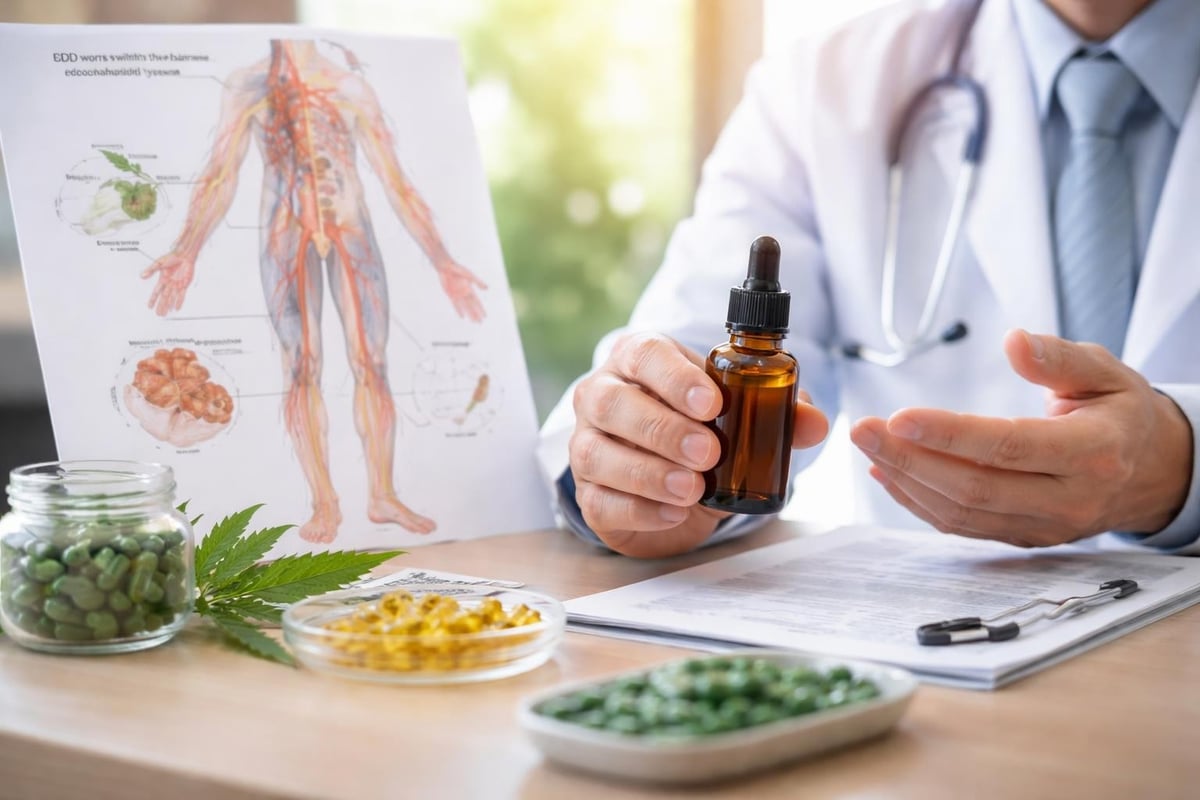
The Science Behind CBD for Nerve Pain Neuropathy
Research into cbd for nerve pain neuropathy has expanded significantly over the past five years. Understanding how CBD interacts with our body's systems provides insight into its potential therapeutic benefits.
How CBD Interacts with the Endocannabinoid System
The endocannabinoid system (ECS) regulates numerous physiological processes, including pain perception, immune response, and inflammation. CBD influences this system differently than THC, primarily by:
Indirect CB1 and CB2 receptor modulation rather than direct binding, which produces therapeutic effects without intoxication. CBD also interacts with TRPV1 receptors involved in pain and inflammation signaling, potentially explaining its analgesic properties.
According to research published in Current Pharmaceutical Biotechnology, topical CBD oil showed promise in relieving peripheral neuropathy symptoms in the lower extremities. The study participants reported reduced sharp pains, cold sensations, and itching after consistent CBD application.
Anti-Inflammatory and Neuroprotective Properties
Inflammation plays a central role in neuropathic pain development and progression. CBD demonstrates potent anti-inflammatory effects through multiple pathways, potentially reducing the inflammatory cascade that damages nerves and amplifies pain signals.
Furthermore, CBD exhibits neuroprotective qualities that may help preserve nerve function and prevent further deterioration. These properties make cbd for nerve pain neuropathy particularly interesting for long-term management strategies. Understanding how CBD works within the body helps patients make informed decisions about incorporating it into their treatment plans.
Clinical Evidence and Research Findings
The scientific community continues investigating cannabinoids for neuropathic conditions with increasingly sophisticated methodologies. Recent studies provide valuable insights into efficacy and optimal usage patterns.
Recent Research Developments
A 2025 systematic review in the Journal of Hand Surgery examined cannabinoids in treating peripheral neuropathy and neuropathic pain. The analysis of multiple clinical trials revealed moderate evidence supporting cannabinoid use for specific neuropathy types, particularly diabetic neuropathy.
| Study Type | Year | Key Finding | Limitation |
|---|---|---|---|
| Topical Application Study | 2020 | Significant symptom reduction | Small sample size |
| Systematic Review | 2025 | Moderate evidence for efficacy | Varied dosing protocols |
| Meta-Analysis | 2026 | Positive outcomes in 60% of trials | Short study durations |
The meta-analysis reviewing cannabinoids for neuropathic pain found that approximately 60% of reviewed trials demonstrated positive outcomes, though researchers emphasized the need for standardized dosing and longer observation periods.
Patient-Reported Outcomes
Beyond controlled studies, patient testimonials and surveys provide real-world evidence of CBD's impact. Many individuals report meaningful improvements in pain intensity, sleep quality, and functional capacity when using cbd for nerve pain neuropathy consistently over several weeks.
However, responses vary considerably between individuals, highlighting the importance of personalized approaches and realistic expectations.
Choosing the Right CBD Product for Neuropathy
Product selection significantly impacts therapeutic outcomes. Understanding the differences between formulations, delivery methods, and quality markers helps patients identify optimal options for their specific needs.
Full-Spectrum vs. Broad-Spectrum vs. Isolate
Full-spectrum CBD contains all naturally occurring compounds from hemp, including trace THC (below 0.3%), terpenes, and other cannabinoids. This composition may produce an "entourage effect" where compounds work synergistically for enhanced benefits.
Broad-spectrum CBD offers similar benefits without any THC, making it preferable for individuals subject to drug testing or those who wish to avoid THC entirely. Understanding the differences outlined in resources about broad spectrum CBD oil uses helps clarify which option suits individual circumstances.
CBD isolate contains pure cannabidiol without other plant compounds, providing predictable dosing but potentially missing synergistic benefits.
Delivery Methods for Neuropathic Pain
Different application methods offer distinct advantages for managing nerve pain:
- Topical applications: Roll-ons, creams, and balms provide targeted relief directly to affected areas
- Sublingual oils: Tinctures placed under the tongue offer systemic effects with relatively fast onset
- Capsules and edibles: Convenient dosing with longer-lasting effects but delayed onset
- Transdermal patches: Sustained release over extended periods for consistent blood levels
For localized neuropathy in hands or feet, topical products combined with systemic approaches often yield optimal results. Many patients find CBD roll-ons particularly effective for targeted application to specific nerve pain areas.

Dosing Strategies and Application Guidelines
Determining the appropriate dose represents one of the most common challenges when starting cbd for nerve pain neuropathy. No universal dosing protocol exists due to individual variations in metabolism, condition severity, and product potency.
Starting Low and Titrating Up
The widely recommended approach involves beginning with low doses and gradually increasing until therapeutic benefits emerge. A typical starting point ranges from 5-10mg of CBD taken twice daily.
Week 1-2: Establish baseline at 5-10mg twice daily
Week 3-4: Increase to 15-20mg twice daily if no adverse effects occur
Week 5-6: Adjust to 25-30mg twice daily based on symptom response
Week 7+: Fine-tune dosing to individual optimal level
This gradual approach minimizes potential side effects while identifying the minimum effective dose. Some individuals find relief at lower doses, while others require 50-100mg daily for meaningful symptom management.
Timing and Consistency Matter
Consistent daily use appears more effective than sporadic application for chronic neuropathic conditions. Taking CBD at the same times each day maintains steady blood levels and allows proper assessment of effectiveness.
For sleep-disrupting nerve pain, taking a larger dose 60-90 minutes before bedtime may improve rest quality. Morning doses support daytime symptom management and functionality. Detailed guidance on CBD oil dosage considerations helps establish effective regimens.
Combining CBD with Conventional Treatments
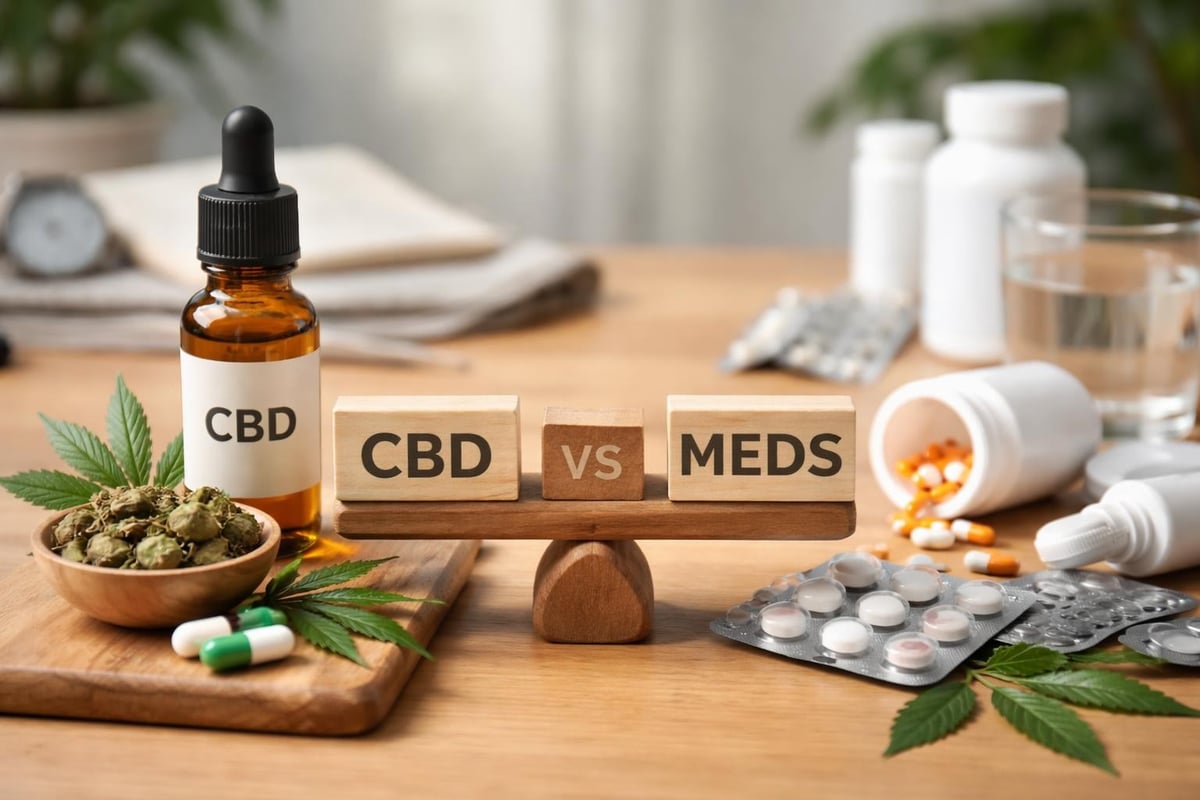
Many patients successfully integrate cbd for nerve pain neuropathy into existing treatment protocols rather than replacing medications entirely. This complementary approach may allow dose reduction of pharmaceuticals while maintaining or improving symptom control.
Potential Medication Interactions
CBD metabolizes through the cytochrome P450 enzyme system, the same pathway used by many medications. This creates potential for interactions that could increase or decrease drug effectiveness. Always consult healthcare providers before combining CBD with:
- Blood thinners (warfarin)
- Anti-seizure medications
- Antidepressants
- Immunosuppressants
- Pain medications
A systematic medication review ensures safe integration and appropriate monitoring for any adjustment needs.
Synergistic Non-Pharmacological Approaches
Combining CBD with other natural interventions may enhance overall outcomes. Evidence supports the benefits of:
| Approach | Mechanism | Compatibility with CBD |
|---|---|---|
| Physical therapy | Improves nerve function | Excellent |
| Acupuncture | Modulates pain pathways | Excellent |
| Alpha-lipoic acid | Antioxidant support | Good |
| B-vitamin complex | Nerve health support | Excellent |
| Meditation/mindfulness | Central pain modulation | Excellent |
These multimodal strategies address neuropathic pain from multiple angles, potentially producing superior results compared to single-intervention approaches.
Quality Considerations and Third-Party Testing
Product quality varies dramatically across the CBD industry. Selecting rigorously tested products from reputable manufacturers ensures safety, consistency, and therapeutic potential.
What to Look for in Lab Reports
Certificates of Analysis (COAs) from independent laboratories should verify:
Cannabinoid content: Confirming CBD levels match label claims and THC remains below legal limits
Contaminant screening: Testing for pesticides, heavy metals, residual solvents, and microbial contamination
Terpene profile: Identifying beneficial aromatic compounds that contribute to therapeutic effects
Premium manufacturers provide easily accessible COAs for every product batch, demonstrating transparency and quality commitment. This level of testing ensures products meet the standards expected by individuals seeking natural alternatives to prescription medications for joint and nerve pain.
Extraction Methods and Purity
CO2 extraction represents the gold standard for CBD production, yielding pure extracts without harmful solvent residues. This method preserves beneficial plant compounds while removing unwanted materials.
Ethanol extraction offers another acceptable approach when properly executed. Avoid products using potentially toxic solvents like butane or propane unless rigorous testing confirms complete removal.
Managing Expectations and Tracking Progress
Realistic expectations prevent disappointment and support informed decision-making when exploring cbd for nerve pain neuropathy. Understanding what CBD can and cannot accomplish helps patients evaluate their personal experience appropriately.
Timeline for Potential Benefits
Unlike some pharmaceutical interventions that work within hours, CBD typically requires consistent use over several weeks before maximum benefits emerge. Many users report:
- Days 1-7: Minimal changes, possible improved sleep
- Weeks 2-4: Gradual reduction in pain intensity
- Weeks 4-8: More noticeable symptom improvements
- Weeks 8-12: Stabilization at optimal benefit level
Individual responses vary significantly. Some people experience faster relief, while others need longer trial periods. Patience and consistent tracking prove essential for accurate assessment.
Keeping a Symptom Journal
Documenting pain levels, sleep quality, medication use, and functional capacity provides objective data for evaluating CBD effectiveness. A simple daily log should include:
- Morning and evening pain ratings (0-10 scale)
- CBD dose and timing
- Activity tolerance and limitations
- Sleep quality and duration
- Other medications or interventions used
- Notable improvements or concerns
This systematic approach reveals patterns that might otherwise go unnoticed and supports productive conversations with healthcare providers.
Safety Profile and Potential Side Effects
CBD demonstrates a favorable safety profile compared to many neuropathy medications. However, understanding potential side effects and contraindications ensures responsible use.
Common Mild Side Effects
Most CBD users tolerate the compound well, though some experience minor effects including:
- Dry mouth requiring increased water intake
- Temporary drowsiness, particularly at higher doses
- Changes in appetite or weight
- Diarrhea with very high doses
- Mild dizziness upon initial use
These effects typically resolve with continued use or dose adjustment. Starting with lower amounts and gradual increases minimizes occurrence.
Who Should Exercise Caution
Certain populations should consult healthcare providers before using cbd for nerve pain neuropathy:
Pregnant or nursing individuals due to insufficient safety data
People with liver conditions requiring lower doses and monitoring
Those taking multiple medications with potential interaction concerns
Individuals with low blood pressure as CBD may cause further reduction
Professional medical guidance ensures safe integration tailored to individual health circumstances. Resources explaining whether CBD makes you feel high help address common misconceptions about CBD's psychoactive properties.
Cost Considerations and Accessibility
Financial factors influence treatment accessibility and sustainability. Understanding pricing structures and value assessment helps patients make economically sound decisions.
Calculating Cost Per Milligram
Price comparison requires calculating actual CBD content rather than comparing bottle prices. A 30mL bottle containing 1000mg of CBD at $60 provides better value than a 15mL bottle with 500mg at $40.
Formula: Total price ÷ total mg of CBD = cost per mg
Products ranging from $0.05 to $0.20 per milligram represent typical market rates, with premium brands often commanding higher prices justified by superior sourcing, testing, and manufacturing standards.
Insurance and FSA/HSA Eligibility
Most health insurance plans do not cover CBD products as of 2026, though this landscape continues evolving. However, some Flexible Spending Accounts (FSA) and Health Savings Accounts (HSA) allow CBD purchases with proper documentation of medical necessity.
Checking with plan administrators and maintaining receipts facilitates potential reimbursement where policies permit.
Real-World Applications and Patient Perspectives
Clinical data provides one perspective, but understanding how individuals incorporate cbd for nerve pain neuropathy into daily life offers practical insights.
Case Examples of Different Neuropathy Types
Diabetic neuropathy management: A 58-year-old patient with type 2 diabetes experienced burning foot pain that disrupted sleep. After eight weeks using 40mg daily CBD oil combined with topical application before bed, pain ratings decreased from 8/10 to 4/10, with markedly improved sleep quality.
Chemotherapy-induced neuropathy: Cancer survivors frequently face persistent nerve damage in hands and feet. Multiple accounts describe meaningful symptom reduction allowing return to activities like cooking, crafting, and walking that became difficult during treatment.
Idiopathic neuropathy: When no clear cause exists, treatment becomes particularly challenging. Some patients report CBD providing relief where other interventions failed, though responses remain highly individual.
These examples, while anecdotal, reflect patterns seen across broader patient populations and complement formal research findings. Expert perspectives from sources like NuggMD's exploration of cannabis for peripheral neuropathy provide additional context for understanding potential benefits.
Topical vs. Systemic Approaches for Different Neuropathy Locations
Neuropathy location influences optimal application strategy. Matching delivery method to affected areas maximizes therapeutic contact while minimizing unnecessary systemic exposure.
Localized Peripheral Neuropathy
For neuropathy confined to specific areas like hands, feet, or post-surgical sites, topical applications offer advantages:
- Direct delivery to affected tissues
- Higher local concentrations without systemic side effects
- Easy application to problem areas
- Reduced medication interactions
Learning proper techniques for how to apply CBD roll-on products optimizes absorption and effectiveness. Gentle massage during application may enhance penetration and provide additional therapeutic benefit through improved circulation.
Widespread or Central Neuropathic Pain
When neuropathy affects multiple body regions or stems from central nervous system involvement, systemic CBD delivery through oral products provides more comprehensive coverage. Sublingual oils offer faster onset than capsules while maintaining convenience and consistent dosing.
Some patients benefit from combining both approaches, using oral CBD for baseline symptom control supplemented with topical applications for breakthrough pain in specific locations.
The Role of CBD in Comprehensive Neuropathy Management
No single intervention addresses all aspects of neuropathic conditions. CBD functions most effectively as part of a holistic strategy addressing multiple contributing factors.
Lifestyle Modifications That Support Nerve Health
Combining cbd for nerve pain neuropathy with supportive lifestyle changes amplifies benefits:
- Blood sugar control for diabetic neuropathy prevents progression
- Nutrient-dense diet provides building blocks for nerve repair
- Regular movement maintains circulation and nerve function
- Stress management reduces pain amplification through central sensitization
- Quality sleep supports healing and pain tolerance
These foundational elements create an environment where CBD and other interventions work more effectively.
Building a Personalized Treatment Protocol
Effective neuropathy management requires customization based on:
| Factor | Consideration | Impact on CBD Use |
|---|---|---|
| Pain severity | Mild to severe ratings | Influences dose requirements |
| Neuropathy type | Cause and location | Affects delivery method selection |
| Other conditions | Comorbidities present | Determines interaction concerns |
| Current medications | Pharmaceutical regimen | Guides integration strategy |
| Individual goals | Desired outcomes | Shapes realistic expectations |
Working with knowledgeable healthcare providers who understand CBD's potential facilitates development of truly personalized approaches. Resources discussing CBD oil for fibromyalgia and other chronic pain conditions offer insights applicable to neuropathy management.
Emerging Research Directions and Future Possibilities
Scientific understanding of cbd for nerve pain neuropathy continues advancing rapidly. Staying informed about developing research helps patients and providers make evidence-based decisions.
Novel Delivery Systems Under Investigation
Researchers explore innovative CBD delivery methods potentially offering superior bioavailability and targeted effects:
- Nano-emulsion technology increasing absorption rates
- Transdermal patches providing sustained 24-hour delivery
- Liposomal encapsulation protecting CBD through digestive processes
- Targeted formulations addressing specific neuropathy mechanisms
As these technologies mature and reach market, they may enhance therapeutic outcomes for individuals who respond suboptimally to current products.
Cannabinoid Combination Therapies
Preliminary evidence suggests combining CBD with other cannabinoids or plant compounds might produce enhanced benefits through synergistic interactions. Future research will likely identify optimal ratios and combinations for specific neuropathy types, allowing more precise therapeutic targeting.
Addressing Common Misconceptions About CBD for Neuropathy
Misinformation surrounding CBD creates confusion and potentially prevents beneficial use. Clarifying widespread misconceptions supports informed decision-making.
"CBD Works Immediately Like Pain Relievers"
Unlike NSAIDs or opioids that provide rapid symptom suppression, CBD typically requires consistent use over weeks for maximum benefit. This delayed onset reflects CBD's mechanism of supporting endocannabinoid system balance rather than blocking pain signals directly.
Patience during the initial trial period proves essential for fair evaluation.
"Higher Doses Always Work Better"
CBD demonstrates a bell-shaped dose-response curve, meaning effectiveness may actually decrease at very high doses for some individuals. Finding the optimal dose requires systematic experimentation rather than assuming "more is better."
Many patients achieve excellent results with moderate doses when using quality products consistently.
"All CBD Products Are Essentially the Same"
Product quality varies dramatically based on sourcing, extraction methods, testing protocols, and formulation expertise. Premium products from reputable manufacturers offer superior consistency, purity, and therapeutic potential compared to budget alternatives with questionable quality control.
Investment in thoroughly tested products from companies committed to transparency typically yields better outcomes and value over time.
Managing neuropathic pain requires comprehensive strategies that address both symptoms and underlying nerve health. CBD offers a promising natural option for individuals seeking alternatives to conventional pharmaceuticals, with emerging research supporting its potential benefits for various neuropathy types. When selecting CBD products, prioritize quality, third-party testing, and appropriate formulations for your specific needs. Reclaim Labs provides premium, thoroughly tested CBD products specifically designed for chronic pain management, offering both full-spectrum and broad-spectrum options backed by transparent lab results and dedicated customer support. Whether you're exploring CBD for the first time or looking to optimize your current regimen, starting with quality products from trusted sources sets the foundation for successful symptom management.