Managing chronic pain affects millions of Americans every day, impacting quality of life, mobility, and overall wellness. As people increasingly seek natural alternatives to traditional pharmaceutical interventions, cannabidiol has emerged as a widely discussed option. Understanding the science behind cbd for pain relief requires examining current research, real-world applications, and quality standards that separate effective products from ineffective ones. With regulatory changes and expanding clinical evidence throughout 2026, making informed decisions about CBD supplementation has never been more important for those struggling with persistent discomfort.
Understanding How CBD Works in the Body
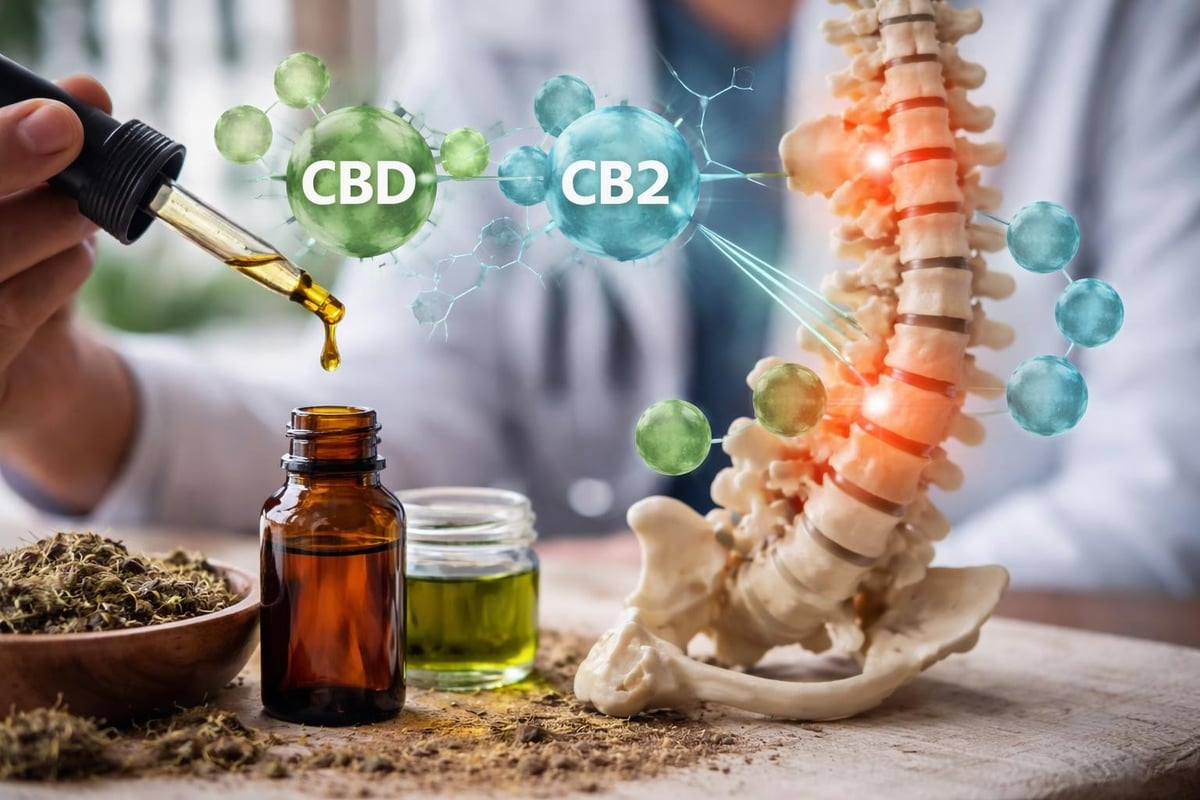
Cannabidiol interacts with the endocannabinoid system (ECS), a complex cell-signaling network that plays crucial roles in regulating pain perception, inflammation, immune response, and homeostasis. Unlike THC, CBD does not produce psychoactive effects, making it an attractive option for individuals seeking therapeutic benefits without altered consciousness.
The ECS consists of cannabinoid receptors (CB1 and CB2), endogenous cannabinoids produced by the body, and enzymes that synthesize and break down these compounds. CBD for pain relief primarily works by influencing these receptors indirectly, modulating their activity rather than binding directly like THC does.
Mechanisms of Action for Pain Management
Research suggests CBD influences pain through multiple pathways:
- Anti-inflammatory effects through inhibition of inflammatory mediators
- Neuroprotective properties that may reduce nerve pain sensitivity
- Serotonin receptor activation potentially affecting pain perception
- Anandamide modulation by preventing breakdown of this natural pain-relieving compound
According to research published in Science Direct, the physiological basis for CBD's analgesic activity involves complex interactions with multiple receptor systems beyond the endocannabinoid system itself. This multi-target approach distinguishes cannabidiol from conventional pain medications that typically work through single mechanisms.
Scientific Evidence for CBD and Chronic Pain
The scientific community continues to evaluate CBD's effectiveness for various pain conditions, with mixed but evolving results. While early studies showed promise, more recent comprehensive analyses present a nuanced picture that patients should understand before starting supplementation.
Current Research Findings
A 2023 analysis examining multiple clinical trials found that CBD products may have limited effectiveness for pain relief compared to placebo in some controlled settings. However, these findings contrast with substantial anecdotal evidence and certain condition-specific studies showing positive outcomes.
Harvard Health's examination of current research highlights both potential benefits and important safety considerations for using cbd for pain relief. The institution notes that while definitive large-scale studies remain limited, existing evidence suggests possible efficacy for specific pain types, particularly neuropathic and inflammatory pain.
| Research Perspective | Key Finding | Implication |
|---|---|---|
| Systematic Reviews | Mixed results across pain types | Individual response varies significantly |
| Neuropathic Pain Studies | Promising preliminary results | May be more effective for nerve-related pain |
| Inflammatory Conditions | Anti-inflammatory properties confirmed | Benefits likely for inflammation-driven pain |
| Safety Profile | Generally well-tolerated | Fewer side effects than traditional medications |
The American Academy of Family Physicians notes that while effectiveness in treating chronic pain remains under investigation, the safety profile and potential benefits warrant consideration for patients who have not found relief through conventional treatments.
Conditions That May Benefit from CBD
Different chronic pain conditions respond variably to cannabidiol supplementation. Understanding which conditions show the most promise helps patients make targeted decisions about incorporating cbd for pain relief into their management strategies.
Arthritis and Joint Pain
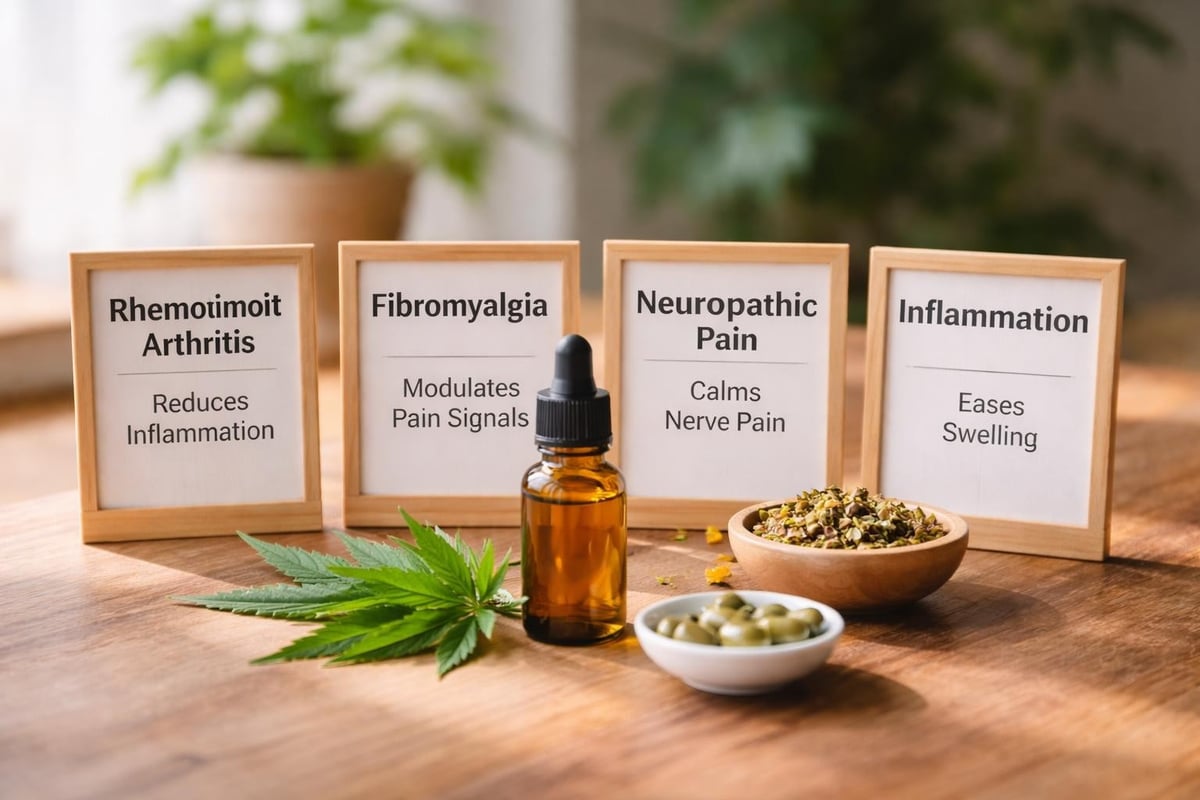
Both rheumatoid arthritis and osteoarthritis involve inflammation that CBD may help address. Many individuals report reduced joint stiffness and improved mobility when using topical or oral CBD products consistently. For those specifically managing arthritis symptoms, combining CBD with lifestyle modifications often produces better outcomes than either approach alone.
Topical applications allow direct delivery to affected joints. A CBD roll-on provides convenient targeted application for hands, knees, and other accessible joints experiencing inflammation.
Fibromyalgia Pain Management
Fibromyalgia presents unique challenges with widespread pain, fatigue, and heightened pain sensitivity. The condition's complex nature means standard pain medications often provide inadequate relief. CBD's potential to modulate pain perception through multiple pathways makes it particularly interesting for fibromyalgia patients.
Research examining CBD oil for fibromyalgia suggests that consistent use may help reduce pain intensity and improve sleep quality, which often suffers in fibromyalgia patients.
Neuropathic Pain
Nerve damage from diabetes, chemotherapy, or injuries creates burning, tingling, or shooting pain that traditional painkillers struggle to address. CBD's interaction with neurological pathways offers a different approach to managing these difficult-to-treat sensations.
Additional Pain Conditions
- Post-workout muscle soreness and exercise-related inflammation
- Chronic back pain from structural issues or inflammation
- Migraine and headache disorders where inflammation plays a role
- Menstrual cramping and associated discomfort
Full-Spectrum vs. Broad-Spectrum vs. Isolate
Understanding product formulation fundamentally impacts effectiveness. The three main CBD product types offer different cannabinoid profiles that influence therapeutic potential.
Full-Spectrum CBD
Contains all naturally occurring compounds from the hemp plant, including trace amounts of THC (below 0.3% federally legal limit), other cannabinoids, terpenes, and flavonoids. The "entourage effect" theory suggests these compounds work synergistically, potentially enhancing overall effectiveness for cbd for pain relief.
Advantages:
- Maximum entourage effect potential
- Complete cannabinoid and terpene profile
- Often most effective for complex pain conditions
Considerations:
- Contains trace THC (may appear on drug tests)
- Stronger hemp taste
- May not be suitable for THC-sensitive individuals
Broad-Spectrum CBD
Provides multiple cannabinoids and terpenes while removing THC entirely. This middle-ground option offers entourage benefits without THC concerns.
Advantages:
- Entourage effect without THC
- Safe for drug testing situations
- Suitable for THC-sensitive users
Considerations:
- Slightly reduced entourage effect compared to full-spectrum
- Processing may affect some beneficial compounds
CBD Isolate
Pure CBD (99%+ cannabidiol) with all other plant compounds removed. Provides predictable dosing without additional cannabinoids.
Advantages:
- No THC whatsoever
- Flavorless and odorless
- Precise CBD dosing
Considerations:
- No entourage effect
- May be less effective for complex pain conditions
- Lacks beneficial terpenes and flavonoids
| Product Type | THC Content | Other Cannabinoids | Best For |
|---|---|---|---|
| Full-Spectrum | <0.3% | Yes | Maximum therapeutic potential |
| Broad-Spectrum | 0% | Yes | THC-free entourage effect |
| Isolate | 0% | No | Pure CBD, predictable dosing |
Selecting Quality CBD Products
Product quality varies dramatically across the CBD market. Third-party testing, extraction methods, and sourcing practices separate premium products from ineffective or potentially harmful alternatives.
Essential Quality Markers
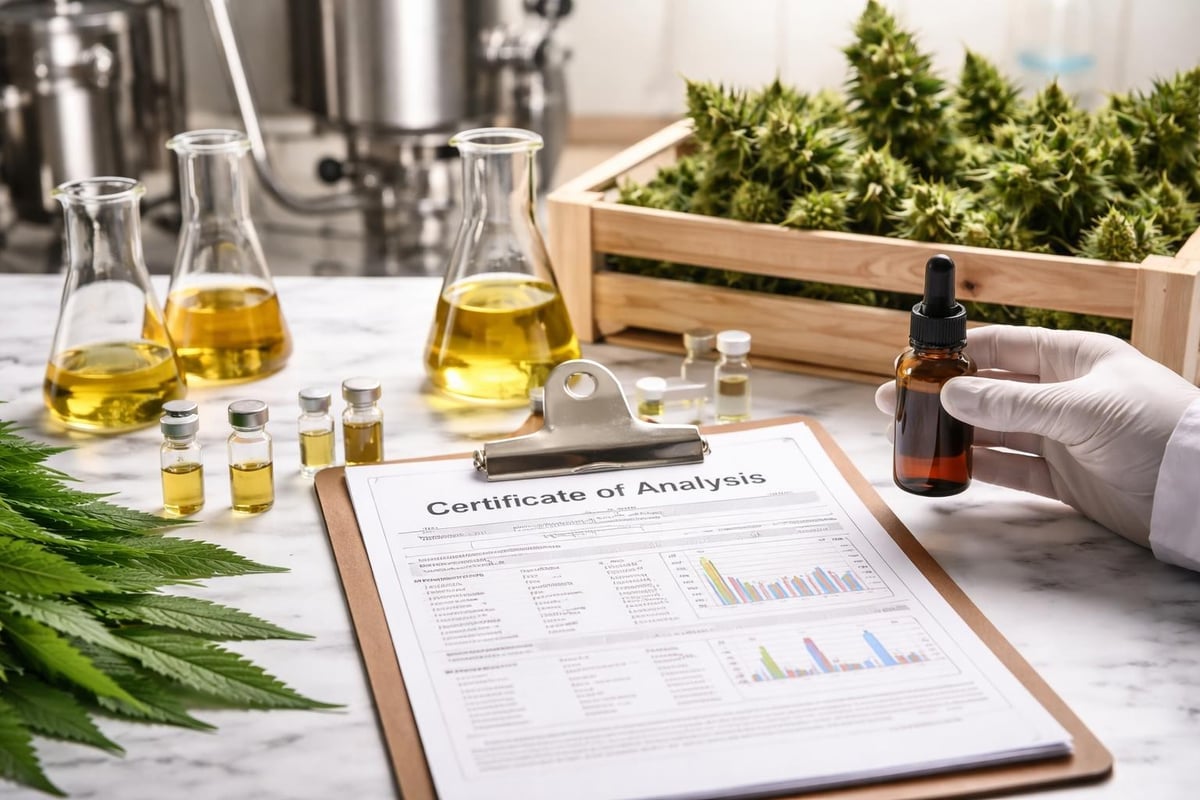
Third-Party Lab Testing represents the most critical quality indicator. Certificates of Analysis (COA) verify cannabinoid content, confirm THC levels, and screen for contaminants including pesticides, heavy metals, and residual solvents. Reputable companies make current COAs readily accessible.
Extraction Methods significantly impact purity. CO2 extraction is considered the gold standard, producing clean cannabinoid extracts without harmful solvents. Ethanol extraction also works well when properly executed. Avoid products using potentially dangerous extraction methods.
Hemp Source and Cultivation matters for final product quality. Domestically grown hemp under strict agricultural standards typically ensures cleaner, more consistent raw material than imported hemp from regions with less stringent regulations.
Red Flags to Avoid
- Unrealistic health claims or "cure" language
- Missing or outdated third-party lab results
- Unclear cannabinoid content or serving sizes
- Significantly below-market pricing (suggests inferior quality)
- No contact information or customer service access
Premium manufacturers prioritize transparency, providing detailed product information, responsive customer support, and educational resources to help consumers make informed decisions about cbd for pain relief.
Delivery Methods and Their Applications
CBD administration routes affect onset time, duration, bioavailability, and targeted versus systemic effects. Choosing appropriate delivery methods optimizes therapeutic outcomes for specific pain patterns.
Oral Tinctures and Oils
Sublingual administration (under the tongue) allows CBD to absorb through mucous membranes, bypassing first-pass liver metabolism. This method provides:
- Onset: 15-45 minutes
- Duration: 4-6 hours
- Bioavailability: Moderate (12-35%)
- Best for: Systemic pain, consistent daily management
Tinctures offer flexible dosing and easy titration. Starting with low doses and gradually increasing helps identify the minimum effective amount.
Topical Applications
Creams, balms, roll-ons, and patches deliver CBD directly to affected areas through skin absorption. Benefits include:
- Targeted relief for localized pain
- No systemic effects (doesn't enter bloodstream significantly)
- Convenient application for accessible areas
- Combined ingredients often enhance effectiveness
CBD pain relief patches provide extended-release delivery, maintaining consistent levels over 8-12 hours. This makes patches particularly useful for chronic conditions requiring all-day management.
Capsules and Edibles
Pre-measured oral forms offer convenient, discreet dosing with predictable cannabinoid content.
- Onset: 45-90 minutes
- Duration: 6-8 hours
- Bioavailability: Lower (6-15%) due to digestive processing
- Best for: Consistent daily supplementation, overnight relief
Comparison of Delivery Methods
| Method | Onset Time | Duration | Best Application |
|---|---|---|---|
| Sublingual Tincture | 15-45 min | 4-6 hours | Daily systemic management |
| Topical | 15-30 min | 2-4 hours | Localized joint/muscle pain |
| Patches | 30-60 min | 8-12 hours | Extended chronic pain relief |
| Capsules | 45-90 min | 6-8 hours | Consistent daily dosing |
Many individuals find combining methods provides optimal results. For example, daily oral supplementation for baseline management with topical application during flare-ups addresses both systemic and localized pain components.
Dosing Guidelines and Personalization
Determining effective CBD dosages remains more art than science due to individual variability in metabolism, pain severity, body weight, and endocannabinoid system responsiveness. No universal dosing recommendation exists, but systematic approaches help identify personal optimal doses.
Starting Low and Titrating Up
The conservative approach minimizes side effects while establishing baseline response:
- Begin with 5-10mg of CBD once or twice daily
- Maintain this dose for 5-7 days, monitoring effects
- Increase by 5-10mg if insufficient relief after the initial period
- Continue gradual increases every 5-7 days until achieving desired effects
- Document dosing and outcomes in a pain journal
Factors Influencing Dosing Requirements
Body weight affects distribution volume, with heavier individuals often requiring higher doses. A common starting guideline suggests 1-6mg of CBD per 10 pounds of body weight, though individual needs vary substantially.
Pain severity correlates with dosing needs. Mild occasional discomfort may respond to 10-20mg daily, while severe chronic conditions might require 40-100mg or more divided across multiple doses.
Previous cannabis exposure may influence sensitivity. Cannabis-naive individuals often respond to lower doses than those with prior cannabinoid use.
Product type impacts effective dosing due to bioavailability differences. A 25mg sublingual dose may produce effects similar to a 50mg capsule due to better absorption.
Common Dosing Ranges for Pain Relief
- Mild pain: 10-25mg daily
- Moderate pain: 25-50mg daily
- Severe chronic pain: 50-100mg+ daily (split into 2-3 doses)
Consistency matters significantly. CBD builds in the system with regular use, potentially becoming more effective over 2-4 weeks than initial doses suggest. Patience during this adjustment period helps accurately assess long-term efficacy for cbd for pain relief.
Safety Considerations and Drug Interactions
While CBD demonstrates a favorable safety profile compared to many conventional pain medications, awareness of potential side effects and drug interactions ensures responsible use.
Potential Side Effects
Most people tolerate CBD well, but some experience:
- Fatigue or drowsiness (especially at higher doses)
- Digestive changes (diarrhea, appetite changes)
- Dry mouth
- Dizziness or lightheadedness
- Mood changes (rare)
These effects typically resolve with dosage adjustment or discontinuation. Starting with conservative doses minimizes occurrence.
Drug Interactions
CBD inhibits certain liver enzymes (particularly cytochrome P450), potentially affecting metabolism of other medications. This can increase blood levels of drugs processed through these pathways.
Medications requiring caution:
- Blood thinners (warfarin)
- Certain antidepressants
- Anti-seizure medications
- Immunosuppressants
- Some heart medications
For individuals taking prednisone or other corticosteroids for inflammation management, CBD may offer a complementary approach. Understanding prednisone side effects and tapering strategies helps those considering transitions or combinations with natural alternatives.
Consultation with healthcare providers before starting CBD is essential, particularly for individuals with existing medical conditions or taking prescription medications. This collaborative approach ensures safety while exploring cbd for pain relief options.
Special Populations
- Pregnant and nursing women: Insufficient safety data suggests avoiding CBD during these periods
- Children: Limited pediatric research outside specific epilepsy applications
- Elderly individuals: May be more sensitive to effects; start with lower doses
Integrating CBD into Comprehensive Pain Management
CBD works best as part of holistic pain management strategies rather than as a standalone solution. Combining cannabidiol with evidence-based lifestyle interventions often produces superior outcomes.
Complementary Approaches
Physical therapy and movement maintain joint mobility and muscle strength, addressing structural pain contributors while CBD manages inflammation and discomfort.
Stress management techniques reduce pain amplification from anxiety and tension. Meditation, deep breathing, and progressive muscle relaxation complement CBD's potential anxiety-reducing properties.
Nutrition optimization influences inflammation levels throughout the body. Anti-inflammatory diets rich in omega-3 fatty acids, vegetables, and whole foods work synergistically with CBD's anti-inflammatory effects.
Sleep hygiene breaks pain-insomnia cycles. CBD's potential sleep-supporting properties enhance natural approaches like consistent sleep schedules and screen-time reduction.
Post-Exercise Recovery
Athletes and active individuals often incorporate CBD into post-workout recovery protocols alongside proper nutrition, hydration, and rest. The anti-inflammatory properties may reduce exercise-induced muscle damage and accelerate recovery.
Tracking and Optimization
Systematic outcome tracking identifies patterns and optimization opportunities:
- Pain intensity ratings (0-10 scale) morning and evening
- Activity limitations and mobility assessments
- Sleep quality measurements
- Mood and energy observations
- Medication usage (particularly rescue pain medications)
Reviewing this data weekly reveals trends that single-day observations might miss, supporting informed dosage and timing adjustments.
Product Formulation Considerations
Beyond delivery method, formulation details significantly impact therapeutic potential for cbd for pain relief. Understanding these nuances helps select products aligned with specific needs.
Carrier Oils
CBD products use various carrier oils that affect absorption and provide additional benefits:
MCT oil (medium-chain triglycerides from coconut) offers neutral taste and excellent bioavailability. It absorbs rapidly and doesn't interfere with CBD's therapeutic properties.
Hemp seed oil provides complementary omega fatty acids with anti-inflammatory properties. While beneficial, it shouldn't be confused with CBD hemp oil, which contains cannabinoids.
Olive oil offers familiar flavor with antioxidant benefits but slightly lower bioavailability than MCT oil.
Additional Beneficial Ingredients
Premium formulations often include complementary compounds:
- Terpenes: Aromatic compounds from hemp with potential therapeutic effects (myrcene for relaxation, limonene for mood support)
- Turmeric/Curcumin: Powerful anti-inflammatory that may enhance CBD's effects
- Arnica: Traditional topical pain reliever commonly combined in CBD creams
- Menthol: Provides cooling sensation and immediate comfort in topical applications
Nano-Emulsification Technology
Some manufacturers use nanotechnology to create water-soluble CBD particles with enhanced bioavailability. This process breaks CBD into microscopic particles that absorb more efficiently, potentially requiring lower doses for equivalent effects.
Market Trends and Regulatory Landscape in 2026
The CBD industry continues evolving rapidly with changing regulations, improved quality standards, and expanding research throughout 2026.
Current Regulatory Status
The 2018 Farm Bill federally legalized hemp-derived CBD containing less than 0.3% THC, but regulatory oversight remains complex. The FDA continues developing comprehensive CBD regulations while currently prohibiting CBD in conventional foods and making unapproved health claims.
State regulations vary significantly, with some states imposing additional restrictions or testing requirements beyond federal standards. Consumers should verify their state's specific CBD laws before purchasing or traveling with products.
Quality Standardization Improvements
Industry maturation has driven better manufacturing practices and standardization:
- More rigorous third-party testing protocols
- Improved extraction technologies yielding purer products
- Enhanced agricultural practices producing consistent hemp crops
- Better consumer education reducing misleading marketing
Research Expansion
Clinical trials examining CBD for specific pain conditions continue expanding in 2026. Ongoing studies investigate optimal dosing, mechanism clarification, and condition-specific protocols that will inform future medical recommendations.
Making Informed CBD Purchasing Decisions
Armed with comprehensive understanding, consumers can navigate the CBD marketplace confidently, selecting products that maximize therapeutic potential while ensuring safety and value.
Questions to Ask Before Purchasing
- Is current third-party lab testing available? Request and review COAs
- What extraction method was used? Verify clean, professional extraction
- Where was the hemp sourced? Confirm domestic, organic when possible
- What is the exact CBD content per serving? Ensure clear labeling
- What type of CBD does it contain? Verify full-spectrum, broad-spectrum, or isolate
- What is the return/satisfaction policy? Understand options if the product doesn't work
Value vs. Price Considerations
While premium CBD costs more than budget options, price per milligram of CBD provides better value comparison than bottle price alone. A $60 tincture with 1500mg CBD ($0.04/mg) offers better value than a $30 product with 300mg CBD ($0.10/mg).
However, cheapest per-milligram isn't always optimal. Quality manufacturing, organic ingredients, and rigorous testing justify reasonable price premiums. Extremely low prices often indicate inferior source material, inadequate testing, or inaccurate labeling.
Building Trust with CBD Brands
Established companies with transparent practices, responsive customer service, and educational resources typically provide more reliable products than new entrants making extraordinary claims. Understanding cannabidiol basics helps evaluate whether company information aligns with scientific knowledge or relies on marketing hype.
Reading verified customer reviews, particularly from individuals managing similar conditions, provides real-world effectiveness insights beyond marketing materials.
Understanding the science, quality standards, and application strategies for cbd for pain relief empowers individuals to make informed decisions about incorporating cannabidiol into their pain management approaches. While research continues evolving and individual responses vary, many people find meaningful relief through high-quality CBD products used consistently as part of comprehensive wellness strategies. Reclaim Labs provides premium, third-party tested CBD hemp oil products specifically formulated for chronic pain and inflammation management, offering transparent quality standards and dedicated support to help you find natural relief from conditions like rheumatoid arthritis and fibromyalgia.
Frequently Asked Questions About CBD for Pain Relief
How long does it take for CBD to work for pain relief?
The onset time for CBD pain relief varies by delivery method. Sublingual tinctures typically work within 15-45 minutes, while topical applications like CBD roll-ons may provide relief in 20-60 minutes. Oral capsules take 1-2 hours to take effect. For chronic pain management, consistent daily use over 2-4 weeks often yields the best results as CBD builds up in your system.
What is the best CBD dosage for pain relief?
CBD dosage for pain varies based on pain severity, body weight, and individual response. Most experts recommend starting with 5-10mg of CBD twice daily and gradually increasing by 5-10mg every 3-5 days until you find relief. For moderate pain, 10-20mg twice daily is common, while severe chronic pain may require 20-40mg or more. Always start low and increase slowly to find your optimal dose.
Is CBD better than ibuprofen for pain?
CBD and ibuprofen work through different mechanisms. Ibuprofen is a proven NSAID that blocks pain-causing enzymes, while CBD interacts with the endocannabinoid system to modulate pain perception and reduce inflammation. Some people find CBD effective for chronic pain with fewer side effects than long-term NSAID use, but it's not a direct replacement. Consult your healthcare provider before switching from prescription pain medications.
Can I use CBD for pain relief every day?
Yes, CBD is generally considered safe for daily use. In fact, consistent daily dosing is often more effective for chronic pain management than occasional use. Research suggests CBD has a favorable safety profile with minimal risk of dependence or tolerance. However, it's important to use quality products, follow dosing guidelines, and consult your doctor if you're taking other medications.
Does CBD really work for chronic pain?
Research suggests CBD may be effective for certain types of chronic pain, particularly neuropathic pain and inflammatory conditions. A 2020 review of studies found that CBD showed promise for chronic pain management with minimal side effects. However, individual results vary, and more large-scale clinical trials are needed. Many people report significant relief, while others experience modest or no benefits.
What type of CBD is best for pain - full-spectrum, broad-spectrum, or isolate?
Full-spectrum CBD is often considered most effective for pain due to the "entourage effect," where cannabinoids, terpenes, and other compounds work synergistically. However, it contains trace THC (under 0.3%). Broad-spectrum offers similar benefits without THC, making it ideal for those who want to avoid THC entirely. CBD isolate is pure CBD and may be less effective for pain but works for some people. Start with broad-spectrum for a balance of effectiveness and THC-free assurance.
Can CBD help with nerve pain (neuropathy)?
Yes, CBD shows particular promise for neuropathic pain. Studies suggest CBD may help reduce nerve pain by interacting with receptors involved in pain signaling and reducing inflammation around damaged nerves. Many people with diabetic neuropathy, post-surgical nerve pain, or chemotherapy-induced neuropathy report relief with CBD. Topical application combined with oral CBD often provides the best results for localized nerve pain.
Is topical CBD or oral CBD better for pain?
The best delivery method depends on your pain type. Topical CBD (roll-ons, patches, creams) is ideal for localized pain like arthritis, muscle soreness, or joint pain because it targets the specific area without entering the bloodstream. Oral CBD (tinctures, capsules) is better for widespread or systemic pain like fibromyalgia or chronic inflammation. Many people use both: topical for targeted relief and oral for overall pain management.
How much CBD should I take for arthritis pain?
For arthritis pain, most people find relief with 15-30mg of oral CBD twice daily, combined with topical application to affected joints. Start with 10mg twice daily and increase gradually. CBD roll-ons or CBD patches applied directly to painful joints can provide additional targeted relief. Consistency is key - allow 2-4 weeks of regular use to assess effectiveness.
Does CBD interact with pain medications?
CBD can interact with certain pain medications, particularly those metabolized by the liver's cytochrome P450 enzyme system. This includes some opioids, NSAIDs, and corticosteroids like prednisone. CBD may increase or decrease the effectiveness of these medications. Always consult your healthcare provider before combining CBD with prescription pain medications, especially if you're taking blood thinners, benzodiazepines, or immunosuppressants.
Can I use CBD for pain if I'm drug tested?
Full-spectrum CBD products contain trace amounts of THC (under 0.3% legally) which could potentially cause a positive drug test with regular, high-dose use. If you're subject to drug testing, choose broad-spectrum CBD or CBD isolate products that are certified THC-free. Always check third-party lab reports (COAs) to verify THC content. Even THC-free products should be used cautiously if drug testing is a concern.
How long does CBD pain relief last?
CBD pain relief duration varies by delivery method. Sublingual tinctures typically last 4-6 hours, oral capsules 6-8 hours, and topical applications 2-4 hours. CBD patches can provide sustained relief for 8-12 hours or longer. For chronic pain, taking CBD 2-3 times daily maintains consistent levels in your system for better overall pain management.
Disclaimer: These statements have not been evaluated by the Food and Drug Administration. CBD products are not intended to diagnose, treat, cure, or prevent any disease. Consult your healthcare provider before using CBD, especially if you take medications or have a medical condition.