Athletes and fitness enthusiasts constantly seek effective methods to enhance recovery and reduce the discomfort that follows intense physical activity. As more individuals explore natural alternatives to traditional recovery methods, CBD has emerged as a promising option for managing post-exercise inflammation and muscle soreness. Understanding how cbd for post-workout recovery works and its potential benefits can help active individuals make informed decisions about incorporating this natural compound into their fitness regimen.
Understanding CBD and the Endocannabinoid System
The human body contains a sophisticated endocannabinoid system (ECS) that regulates various physiological processes, including pain perception, inflammation response, and immune function. This complex network of receptors plays a crucial role in maintaining homeostasis throughout the body.
CBD, or cannabidiol, is a non-psychoactive compound derived from the hemp plant that interacts with the ECS. Unlike THC, CBD does not produce a "high" or intoxicating effects, making it an attractive option for individuals focused on recovery and wellness without altered mental states.
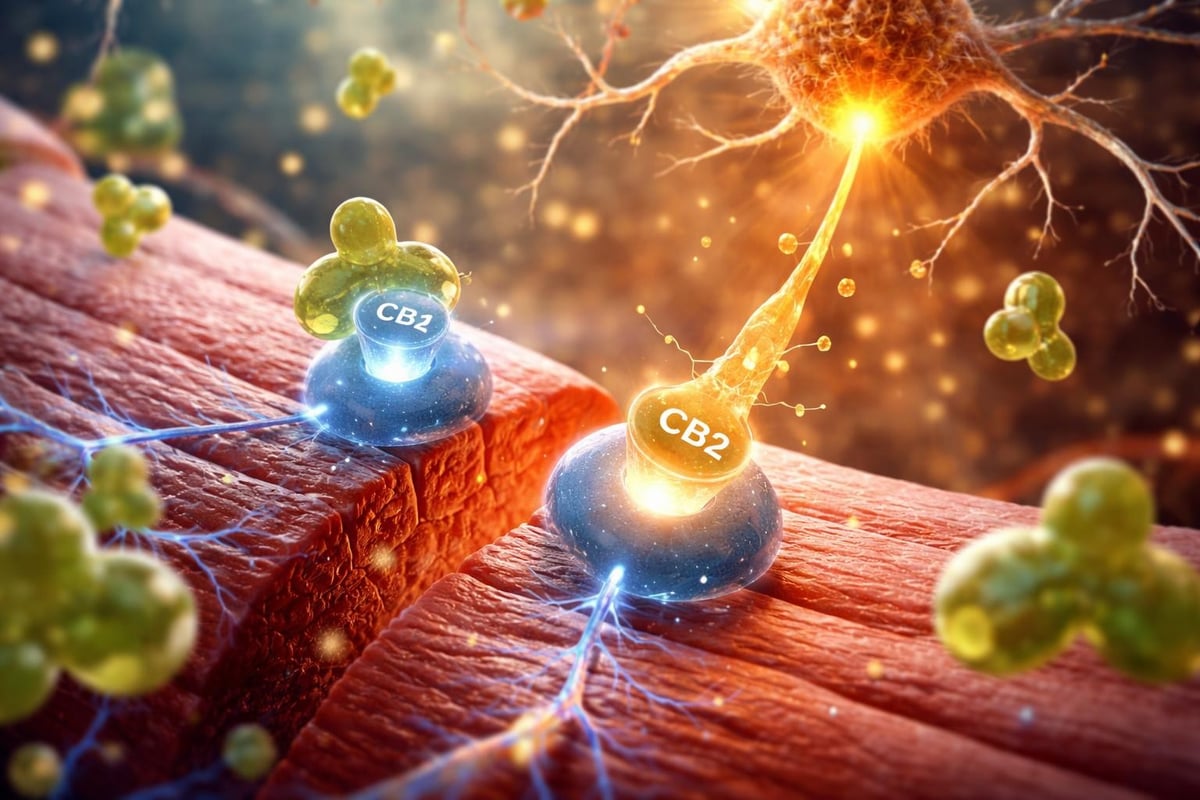
When you exercise, your body undergoes stress that triggers inflammatory responses. The ECS helps regulate these responses, and CBD may support this natural process by interacting with CB1 and CB2 receptors found throughout the body, including in muscle tissue and the nervous system.
How CBD Differs from Traditional Recovery Methods
Traditional post-workout recovery often relies on over-the-counter pain medications, ice baths, compression garments, and rest periods. While these methods have their place, many athletes are turning to CBD as a complementary approach that works with the body's natural systems.
CBD offers several advantages worth considering:
- Natural anti-inflammatory properties that may reduce exercise-induced inflammation
- Non-addictive alternative to pharmaceutical pain medications
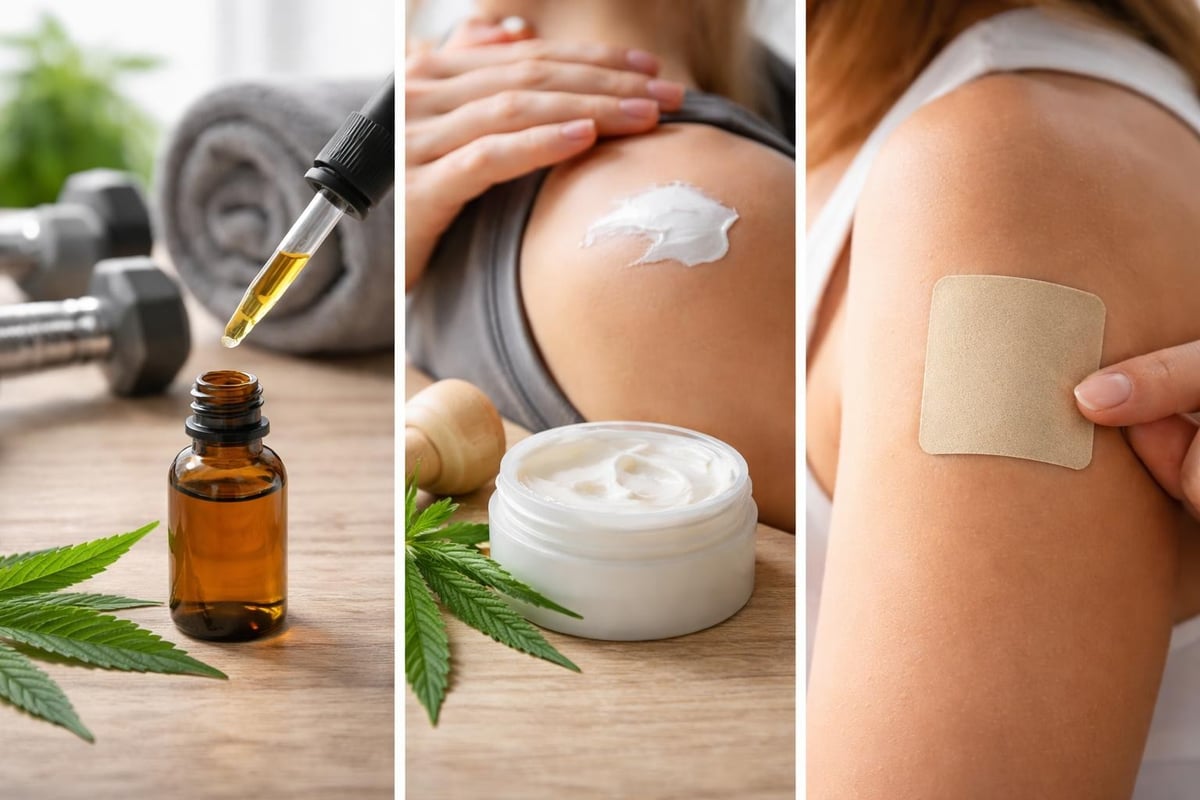
- Multiple delivery methods including oils, topicals, and patches
- Minimal side effects compared to NSAIDs and other medications
- Supports overall wellness beyond just muscle recovery
Research on cannabis use for exercise recovery in trained individuals indicates that many athletes perceive CBD as effective for managing post-workout discomfort and supporting their recovery routines.
The Science Behind CBD for Post-Workout Recovery
Scientific investigation into cbd for post-workout recovery continues to expand, revealing promising mechanisms through which CBD may support athletes and active individuals. Understanding these mechanisms provides insight into how this natural compound functions in the body.
Anti-Inflammatory Properties
Inflammation is a natural response to exercise-induced muscle damage. While acute inflammation is necessary for muscle adaptation and growth, excessive inflammation can impair recovery and performance. CBD's potential anti-inflammatory effects may help modulate this response.
Research suggests that CBD may influence inflammatory pathways by:
- Reducing pro-inflammatory cytokine production that contributes to excessive inflammation
- Supporting the resolution phase of inflammation for faster recovery
- Protecting cells from oxidative stress caused by intense exercise
- Modulating immune responses to prevent excessive inflammatory reactions
For individuals dealing with chronic inflammatory conditions like rheumatoid arthritis, understanding CBD's anti-inflammatory mechanisms is particularly relevant since exercise recovery involves similar inflammatory pathways.
Pain Management and Muscle Soreness
Delayed onset muscle soreness (DOMS) typically appears 24-72 hours after intense exercise and can significantly impact training consistency. CBD's potential role in post-workout recovery includes addressing this common challenge.
CBD may help manage post-exercise discomfort through several mechanisms:
- Interaction with pain receptors in the nervous system
- Reduction of inflammation that contributes to soreness
- Support for muscle tissue repair processes
- Promotion of relaxation that aids recovery
| Recovery Aspect | Traditional Approach | CBD Approach | Combined Benefit |
|---|---|---|---|
| Inflammation Control | Ice, NSAIDs | ECS modulation | Enhanced reduction |
| Pain Management | Medications, rest | Natural pain signaling | Reduced medication need |
| Sleep Quality | Sleep aids | Natural relaxation | Better recovery sleep |
| Stress Response | Meditation, stretching | ECS balance | Improved adaptation |
Methods of Using CBD for Exercise Recovery
The versatility of CBD products allows athletes to choose delivery methods that best suit their needs and preferences. Each method offers distinct advantages for post-workout recovery applications.
Oral CBD Products
CBD oil tinctures and capsules provide systemic effects throughout the body. When taken orally, CBD enters the bloodstream and can address widespread inflammation and discomfort. The 2800mg broad spectrum CBD hemp oil offers a potent option for individuals seeking comprehensive recovery support.
Advantages of oral CBD:
- Longer-lasting effects (4-6 hours)
- Systemic anti-inflammatory benefits
- Easy to measure and adjust dosage
- Convenient for daily supplementation
Topical CBD Applications
Topical CBD products, including creams, balms, and roll-ons, allow for targeted application to specific muscle groups or joints. These products work locally without entering the bloodstream, making them ideal for addressing localized soreness.
The CBD hemp infused relief roll-on stick provides convenient, mess-free application directly to affected areas after workouts. This delivery method is particularly useful for athletes who experience consistent discomfort in specific regions.
Transdermal CBD Patches
CBD patches offer sustained, controlled release of cannabidiol through the skin and into the bloodstream. This method provides consistent CBD levels over extended periods, supporting recovery throughout the day and night.
CBD patches for pain relief deliver steady doses over 8-12 hours, making them excellent for overnight recovery or all-day support during intense training periods.
Optimizing CBD Timing for Maximum Recovery Benefits
Strategic timing of CBD consumption can enhance its effectiveness for post-workout recovery. Understanding when and how to use cbd for post-workout recovery maximizes potential benefits.
Pre-Workout CBD Use
Some athletes incorporate CBD into their pre-workout routine to potentially reduce exercise-induced inflammation from the outset. Taking CBD 30-60 minutes before training may help prepare the body's inflammatory response systems.
Post-Workout CBD Protocol
The most common approach involves using CBD immediately after exercise when inflammation begins to develop. This timing may help modulate the initial inflammatory response and support faster recovery initiation.
Recommended post-workout CBD routine:
- Apply topical CBD to worked muscle groups within 30 minutes of finishing exercise
- Take oral CBD tincture or capsule with post-workout meal
- Consider CBD patches before bed for overnight recovery support
- Monitor response and adjust timing based on personal recovery patterns
Daily CBD Supplementation
Many athletes benefit from consistent daily CBD use rather than only post-workout application. Regular supplementation may help maintain baseline anti-inflammatory effects and support the ECS for improved overall recovery capacity.
Dosage Considerations for Athletes
Determining appropriate CBD dosage for post-workout recovery requires individual experimentation, as optimal amounts vary based on body weight, metabolism, exercise intensity, and personal biochemistry.
Starting Dosage Guidelines
Begin with lower doses and gradually increase until desired effects are achieved. This approach minimizes potential side effects while allowing you to identify your optimal dosage.
| Body Weight | Starting Dose (Daily) | Moderate Dose | Higher Dose |
|---|---|---|---|
| Under 130 lbs | 10-15 mg | 20-30 mg | 40-50 mg |
| 130-200 lbs | 15-25 mg | 30-45 mg | 50-75 mg |
| Over 200 lbs | 25-35 mg | 45-60 mg | 75-100 mg |
Factors Affecting Dosage Needs
Several variables influence how much CBD an individual may need for effective post-workout recovery. Training intensity, frequency, and the individual's recovery capacity all play roles in determining optimal dosage.
Athletes engaged in high-intensity training or multiple daily sessions may require higher doses than recreational exercisers. Similarly, individuals with existing inflammatory conditions may benefit from increased CBD amounts to support both chronic condition management and exercise recovery.
Understanding CBD oil benefits for chronic pain can help athletes with ongoing pain conditions determine appropriate dosing strategies that address both issues simultaneously.
Quality and Safety Considerations
Not all CBD products offer equal quality or effectiveness. Athletes must prioritize products that meet rigorous standards to ensure safety and optimal results for post-workout recovery.
Third-Party Testing and Transparency
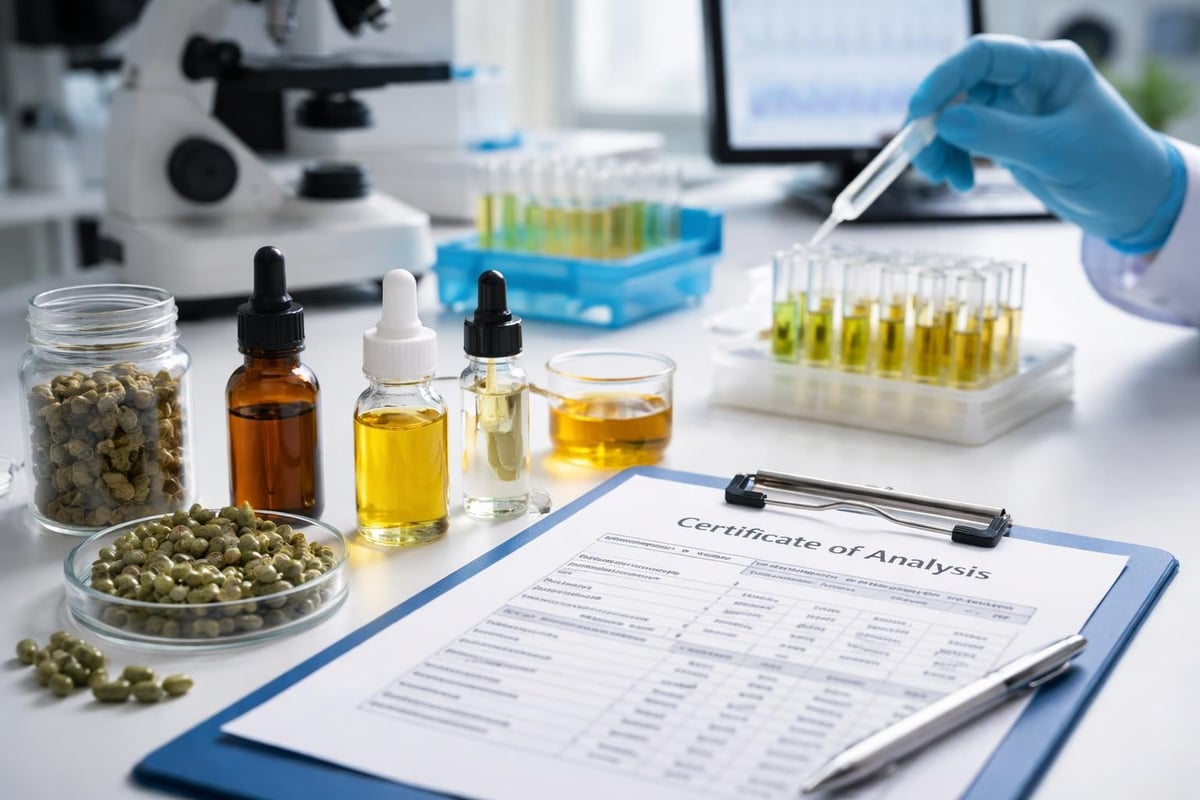
Premium CBD products undergo independent laboratory testing to verify cannabinoid content, confirm absence of contaminants, and ensure product safety. These tests should screen for:
- Cannabinoid profile accuracy to verify CBD concentration
- Heavy metals that could pose health risks
- Pesticides and herbicides from cultivation
- Microbial contamination including mold and bacteria
- Residual solvents from extraction processes
Reclaim Labs demonstrates commitment to quality through comprehensive third-party testing, providing customers with confidence in product purity and potency.
Full-Spectrum vs. Broad-Spectrum CBD
Understanding the difference between CBD product types helps athletes select options aligned with their needs and preferences.
Full-spectrum CBD contains all hemp plant compounds, including trace amounts of THC (below 0.3%). These products may offer enhanced benefits through the "entourage effect," where cannabinoids and terpenes work synergistically.
Broad-spectrum CBD includes multiple hemp compounds but removes THC entirely, making it ideal for athletes subject to drug testing or those who prefer zero THC consumption.
Complementary Recovery Strategies with CBD
While cbd for post-workout recovery offers promising benefits, combining CBD with other evidence-based recovery methods creates a comprehensive approach to optimal healing and adaptation.
Nutrition and Hydration
Proper nutrition supports muscle repair and reduces inflammation naturally. Combining adequate protein intake, anti-inflammatory foods, and proper hydration with CBD use may enhance overall recovery outcomes.
Recovery nutrition guidelines:
- Consume 20-40 grams of protein within 2 hours post-workout
- Include anti-inflammatory foods like berries, fatty fish, and leafy greens
- Maintain hydration with electrolyte-rich fluids
- Consider timing CBD oil with post-workout meals for better absorption
Sleep Optimization
Quality sleep is fundamental to athletic recovery, with most adaptation and healing occurring during rest periods. CBD's potential effects on sleep may complement other sleep hygiene practices for improved recovery.
Active Recovery and Mobility Work
Light activity, stretching, and mobility exercises promote blood flow and reduce stiffness between intense training sessions. Applying topical CBD before active recovery sessions may enhance comfort and range of motion during these activities.
Real-World Applications for Different Athletes
Various athletic populations can benefit from cbd for post-workout recovery, though specific approaches may differ based on training demands and recovery needs.
Strength Training and Bodybuilding
Athletes focused on muscle growth and strength development often experience significant muscle damage and soreness. CBD's potential anti-inflammatory properties may support recovery between intense lifting sessions without interfering with the adaptive response necessary for gains.
Strength athletes might benefit from:
- Topical CBD application to specific muscle groups after training
- Oral CBD supplementation to support systemic inflammation management
- CBD patches during rest days for sustained recovery support
Endurance Athletes
Runners, cyclists, and other endurance athletes face oxidative stress, joint stress, and systemic inflammation from prolonged exercise. The relationship between CBD and exercise recovery is particularly relevant for these individuals who train with high volume and frequency.
Combat Sports and High-Impact Activities
Athletes in boxing, martial arts, and contact sports experience both muscle soreness and potential joint inflammation from impact. CBD's dual action on pain and inflammation makes it especially relevant for these demanding activities.
Legal and Regulatory Considerations
Understanding the legal status and regulatory landscape of CBD helps athletes make informed decisions about incorporating it into their recovery protocols.
CBD and Athletic Drug Testing
The World Anti-Doping Agency (WADA) removed CBD from its prohibited substances list in 2018, though THC remains banned. Athletes subject to drug testing should choose THC-free broad-spectrum products to avoid potential positive tests from trace THC amounts in full-spectrum products.
Quality Standards and Regulations
The CBD industry continues to evolve regarding regulatory oversight. The 2018 Farm Bill legalized hemp-derived CBD containing less than 0.3% THC at the federal level, though state regulations vary.
Premium manufacturers voluntarily adhere to Good Manufacturing Practices (GMP) and provide transparent testing results, regardless of current regulatory requirements. This commitment to quality ensures athletes receive safe, effective products for post-workout recovery.
Common Questions About CBD for Recovery
Athletes new to CBD often have questions about implementation, effectiveness, and safety. Addressing these concerns helps individuals make confident decisions about incorporating CBD into their recovery routines.
How Quickly Does CBD Work for Recovery?
Onset time depends on the delivery method. Topical applications may provide localized effects within 15-30 minutes, while oral CBD typically takes 30-90 minutes to produce noticeable effects. Consistent daily use may provide cumulative benefits that enhance overall recovery capacity over time.
Can CBD Replace Other Recovery Methods?
CBD should complement, not replace, fundamental recovery practices like adequate sleep, proper nutrition, and rest periods. According to information from CBD and muscle recovery resources, CBD works best as part of a comprehensive recovery strategy rather than a standalone solution.
Are There Side Effects to Consider?
CBD generally demonstrates excellent safety profiles with minimal side effects. Some individuals may experience mild effects including dry mouth, drowsiness, or digestive changes, particularly at higher doses. Starting with lower amounts and gradually increasing helps minimize potential side effects while identifying optimal dosing.
Integration with Chronic Condition Management
For individuals managing chronic inflammatory conditions while maintaining active lifestyles, cbd for post-workout recovery offers dual benefits. The same anti-inflammatory properties that support exercise recovery also help manage ongoing conditions.
Athletes dealing with conditions like fibromyalgia or osteoarthritis can benefit from CBD's comprehensive approach to inflammation management, supporting both condition symptoms and exercise-related discomfort.
This dual application makes CBD particularly valuable for individuals who refuse to let chronic conditions prevent them from maintaining active, healthy lifestyles. By addressing both baseline inflammation and exercise-induced inflammation, CBD supports continued physical activity despite ongoing health challenges.
CBD for post-workout recovery represents a natural, promising approach to managing exercise-induced inflammation and muscle soreness while supporting the body's natural healing processes. Whether you're an elite athlete or fitness enthusiast managing chronic conditions, quality CBD products can complement your recovery strategy. Reclaim Labs offers premium, third-party tested CBD hemp oil products specifically designed to address inflammation and pain, providing athletes and active individuals with reliable, effective natural alternatives for comprehensive recovery support.