Rheumatoid arthritis affects more than 1.3 million Americans, causing persistent joint inflammation, pain, and reduced mobility that can significantly impact quality of life. As research into natural alternatives for managing chronic inflammatory conditions continues to expand, CBD hemp oil has emerged as a promising option for individuals seeking relief from RA symptoms. Understanding how cbd for rheumatoid arthritis inflammation works requires examining the science behind cannabinoids, their interaction with the immune system, and the growing body of evidence supporting their therapeutic potential.
Understanding Rheumatoid Arthritis and Inflammation
Rheumatoid arthritis is an autoimmune disorder where the body's immune system mistakenly attacks the synovial membrane lining the joints. This chronic inflammatory response leads to swelling, pain, and eventual joint damage if left unmanaged.
Unlike osteoarthritis, which primarily results from wear and tear, RA involves systemic inflammation that can affect multiple joints simultaneously. The condition typically manifests in the hands, wrists, knees, and feet, causing stiffness that is often worse in the morning.
The Inflammatory Cascade in RA
The inflammatory process in rheumatoid arthritis involves several key components:
- Cytokine production: Pro-inflammatory proteins like TNF-alpha and interleukin-6 drive inflammation
- Synovial fibroblast activation: These cells proliferate abnormally, contributing to joint destruction
- Immune cell infiltration: White blood cells accumulate in joint tissue, perpetuating inflammation
- Cartilage and bone erosion: Chronic inflammation leads to permanent structural damage
Traditional treatment approaches focus on suppressing the immune response through medications like methotrexate, biologics, and corticosteroids. However, these pharmaceuticals often come with significant side effects, prompting many patients to explore complementary therapies.

How CBD Works Against Inflammation
CBD (cannabidiol) is a non-psychoactive compound derived from hemp plants that interacts with the body's endocannabinoid system (ECS). This complex network of receptors plays a crucial role in regulating inflammation, pain perception, and immune function.
Research published in Nature demonstrates that CBD affects rheumatoid arthritis synovial fibroblasts, showing significant anti-inflammatory properties. The study reveals that CBD can induce apoptosis (cell death) in these problematic cells while reducing inflammatory markers.
Mechanisms of Action
| Mechanism | Effect on RA | Supporting Evidence |
|---|---|---|
| CB2 receptor activation | Reduces immune cell activity | Multiple preclinical studies |
| Cytokine modulation | Decreases TNF-alpha and IL-6 | Clinical observations |
| Oxidative stress reduction | Protects joint tissue | Laboratory research |
| Pain pathway interaction | Alters pain perception | Patient reports |
The endocannabinoid system contains CB1 and CB2 receptors throughout the body. While CB1 receptors are primarily found in the central nervous system, CB2 receptors are concentrated in immune cells and peripheral tissues, making them particularly relevant for addressing cbd for rheumatoid arthritis inflammation.
CBD doesn't bind strongly to either receptor type but instead modulates their activity indirectly. This subtle interaction may explain why CBD produces therapeutic effects without the intoxicating properties associated with THC.
Current Research on CBD for Rheumatoid Arthritis
The scientific community has shown increasing interest in cannabinoids for autoimmune conditions. A comprehensive study on high-CBD extracts investigated the effects on inflammation and immune cell activity in rheumatoid arthritis, providing valuable insights into therapeutic potential.
Clinical Evidence and Observations
While large-scale human trials specifically examining cbd for rheumatoid arthritis inflammation remain limited in 2026, existing research offers encouraging preliminary findings:
- Preclinical animal models show CBD reduces joint swelling and slows progression
- In vitro studies demonstrate CBD's ability to reduce inflammatory markers in synovial cells
- Observational patient reports indicate improvements in pain and function
- Safety profiles suggest CBD is well-tolerated with minimal adverse effects
According to WebMD's analysis, patients should understand both the potential benefits and current limitations of CBD research. The gap between laboratory findings and clinical application remains significant, though ongoing studies continue to bridge this divide.
The Role of Full-Spectrum vs. Broad-Spectrum Products
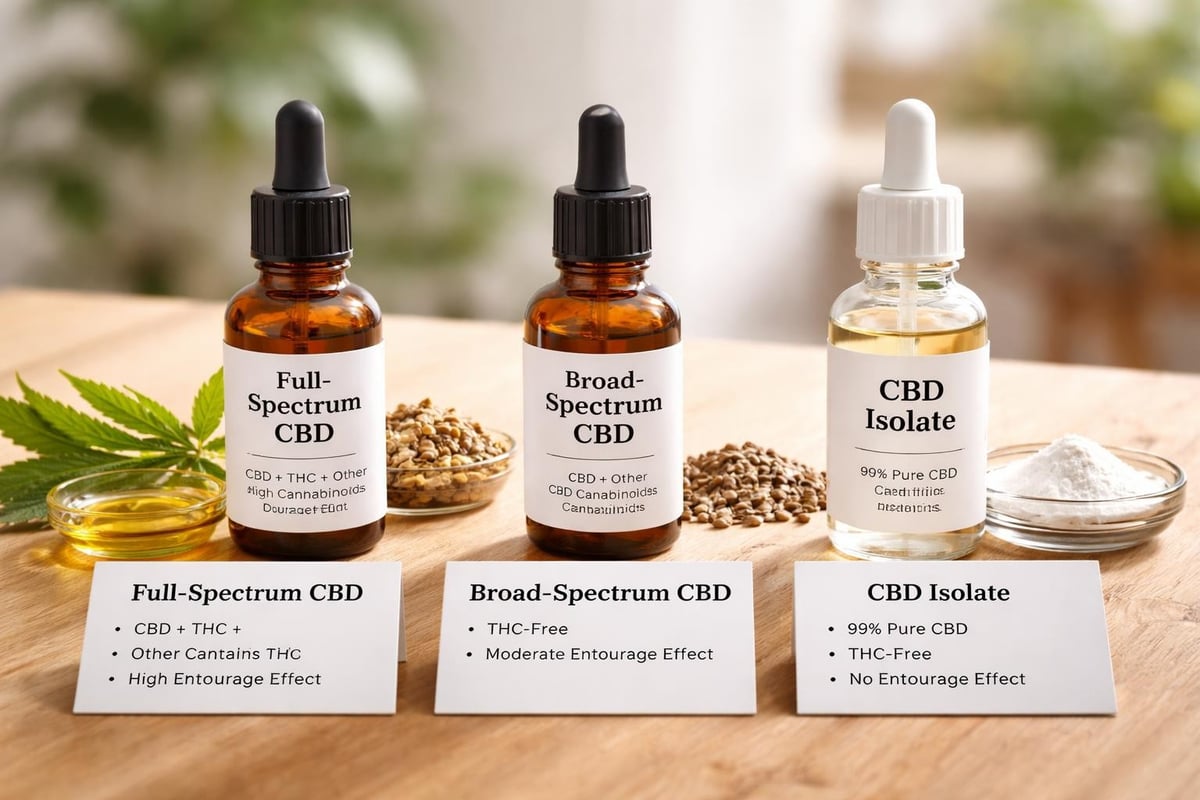
When exploring CBD options for RA, understanding product types is essential. Full-spectrum CBD contains all cannabinoids found in hemp, including trace amounts of THC (below 0.3%). Broad-spectrum products contain multiple cannabinoids but with THC completely removed.
The entourage effect suggests that cannabinoids work synergistically, potentially offering greater benefits than CBD isolate alone. For individuals managing rheumatoid arthritis, this comprehensive approach may provide more robust anti-inflammatory effects.
Dosing Strategies for Rheumatoid Arthritis
Determining the optimal CBD dose for managing RA inflammation requires a personalized approach. No universal dosing guidelines exist, as individual factors like body weight, metabolism, symptom severity, and product potency all influence effectiveness.
Starting and Adjusting Dosage
Most experts recommend beginning with a low dose and gradually increasing until desired effects are achieved. This "start low, go slow" methodology minimizes potential side effects while identifying the minimum effective dose.
Initial dosing framework:
- Begin with 10-20 mg of CBD daily
- Maintain this dose for 5-7 days to assess effects
- Increase by 5-10 mg increments weekly
- Monitor symptoms, pain levels, and functional improvements
- Adjust based on individual response
Many patients find relief with doses ranging from 20-50 mg daily, though some individuals with severe inflammation may require higher amounts. Quality products from companies like Reclaim Labs provide clear dosing information and third-party testing results, ensuring consistency and safety.
Delivery Methods for Maximum Benefit
| Method | Onset Time | Duration | Best For |
|---|---|---|---|
| Sublingual oil | 15-45 minutes | 4-6 hours | Systemic inflammation |
| Topical application | 10-20 minutes | 2-4 hours | Localized joint pain |
| Capsules | 45-90 minutes | 6-8 hours | Consistent daily dosing |
| Transdermal patches | 30-60 minutes | 12-24 hours | Long-lasting relief |
For targeting cbd for rheumatoid arthritis inflammation, many patients combine methods. A daily oral dose addresses systemic inflammation while topical applications provide targeted relief for particularly painful joints. The 1000mg CBD relief roll-on exemplifies how topical formulations can complement oral supplementation.
Safety Considerations and Drug Interactions
CBD is generally well-tolerated, but understanding potential interactions and side effects is crucial for anyone managing rheumatoid arthritis with multiple medications.
Common Side Effects
Most CBD users experience minimal adverse effects. When they do occur, symptoms typically include:
- Mild digestive upset or diarrhea
- Changes in appetite
- Fatigue or drowsiness
- Dry mouth
These effects are usually dose-dependent and resolve with dosage adjustment. Healthline's comprehensive guide provides detailed information on managing potential side effects.
Medication Interactions
CBD is metabolized by cytochrome P450 enzymes in the liver, the same pathway used by many RA medications. This can affect how quickly the body processes certain drugs, potentially altering their effectiveness or side effects.
Key medications that may interact with CBD:
- Methotrexate (common RA medication)
- Biologic agents (TNF inhibitors)
- Corticosteroids like prednisone
- NSAIDs (though generally minor interaction)
- Blood thinners
Patients should always consult healthcare providers before adding CBD to their treatment regimen, especially when taking prescription medications. Understanding prednisone side effects becomes particularly relevant when considering CBD as a complementary or alternative approach.

Selecting Quality CBD Products for RA
The unregulated nature of the CBD industry in 2026 means product quality varies dramatically. Individuals using cbd for rheumatoid arthritis inflammation must prioritize quality assurance to ensure safety and effectiveness.
Essential Quality Markers
When evaluating CBD products, look for these critical indicators:
- Third-party laboratory testing: Independent verification of cannabinoid content and purity
- Certificate of Analysis (COA): Publicly available test results showing cannabinoid profile and contaminant screening
- Hemp source: Organically grown, domestically sourced hemp
- Extraction method: CO2 extraction produces cleaner, more consistent products
- Transparency: Clear labeling with ingredient lists and dosing information
Premium manufacturers provide detailed testing documentation. For example, Reclaim Labs' COA pages demonstrate commitment to transparency and quality assurance that serious RA patients should expect.
Red Flags to Avoid
Warning signs of questionable products:
- Extraordinary health claims or "cure" promises
- Missing or incomplete testing information
- Prices significantly below market average
- Unclear cannabinoid content or dosing
- No customer service or educational resources
The difference between therapeutic-grade CBD and inferior products can significantly impact outcomes for individuals managing rheumatoid arthritis inflammation.
Integrating CBD into a Comprehensive RA Management Plan
CBD should be viewed as one component of a holistic approach to managing rheumatoid arthritis rather than a standalone solution. The most successful outcomes occur when patients combine CBD with established treatment strategies.
Complementary Approaches
Effective RA management typically includes multiple interventions working synergistically:
- Pharmaceutical medications: Disease-modifying antirheumatic drugs (DMARDs) remain foundational
- Physical therapy: Maintains joint mobility and muscle strength
- Anti-inflammatory diet: Reduces systemic inflammation through nutrition
- Stress management: Addresses psychological factors that can exacerbate symptoms
- CBD supplementation: Provides additional anti-inflammatory and pain-relieving support
Resources like beating rheumatoid arthritis pain offer comprehensive strategies that extend beyond single interventions.
Tracking Progress and Adjusting Treatment
Monitoring symptoms helps determine whether cbd for rheumatoid arthritis inflammation provides meaningful benefits. Consider tracking:
| Metric | Frequency | Purpose |
|---|---|---|
| Pain levels (1-10 scale) | Daily | Identify trends and triggers |
| Joint stiffness duration | Morning | Measure functional improvement |
| Activity limitations | Weekly | Assess quality of life impact |
| Sleep quality | Daily | Evaluate overall symptom burden |
| Medication usage | Daily | Track reduction in rescue medications |
This data-driven approach enables informed conversations with healthcare providers and helps optimize the treatment regimen over time.
Patient Experiences and Real-World Results
While scientific research provides the foundation, patient experiences offer valuable insights into practical applications of CBD for rheumatoid arthritis. Many individuals report significant improvements in daily functioning, though results vary considerably.
Common Reported Benefits
Patients using high-quality CBD products for RA frequently describe:
- Reduced morning stiffness and improved mobility
- Decreased reliance on NSAIDs and pain medications
- Better sleep quality despite joint discomfort
- Improved ability to perform daily activities
- Enhanced overall quality of life
These anecdotal reports align with the mechanisms identified in research, though individual responses depend on numerous factors including disease severity, product quality, dosing, and concurrent treatments.
Setting Realistic Expectations
It's important to understand that cbd for rheumatoid arthritis inflammation is not a cure. CBD may help manage symptoms and potentially slow disease progression, but it doesn't reverse existing joint damage or eliminate the autoimmune response entirely.
Most patients notice gradual improvements over weeks rather than immediate dramatic changes. Consistency matters significantly, as the anti-inflammatory effects of CBD appear to build with regular use. The arthritis management strategies resource provides realistic frameworks for setting and achieving treatment goals.
Legal and Accessibility Considerations
The legal landscape for CBD continues evolving in 2026. The 2018 Farm Bill federally legalized hemp-derived CBD containing less than 0.3% THC, but state regulations vary considerably.
Current Legal Status
Most states permit hemp-derived CBD products, though some maintain restrictions. Patients should verify their state's current regulations before purchasing or using CBD products.
Key legal points:
- Hemp-derived CBD with <0.3% THC is federally legal
- Some states have additional licensing or registration requirements
- International travel with CBD may face restrictions
- Employment drug testing policies vary by employer
Insurance and Medical Coverage
As of 2026, most health insurance plans don't cover CBD products, even when used for documented medical conditions like rheumatoid arthritis. This means patients typically pay out-of-pocket for CBD supplementation.
However, some health savings accounts (HSAs) and flexible spending accounts (FSAs) may permit CBD purchases with proper documentation. Checking with plan administrators can clarify coverage possibilities.
Future Directions in CBD and RA Research
The scientific understanding of cbd for rheumatoid arthritis inflammation continues advancing as more rigorous studies emerge. Several promising research directions may significantly impact treatment approaches in coming years.
Ongoing Clinical Trials
Multiple clinical trials are currently investigating cannabinoids for rheumatoid arthritis and related autoimmune conditions. These studies aim to establish:
- Optimal dosing protocols for different severity levels
- Long-term safety profiles with extended use
- Potential disease-modifying effects beyond symptom management
- Combinations of cannabinoids for enhanced therapeutic benefit
- Biomarkers to predict individual response to CBD
Results from these trials will provide the evidence-based foundation needed for wider medical acceptance and potential insurance coverage.
Emerging Cannabinoid Research
While CBD receives the most attention, other cannabinoids show promise for inflammation management. Research on cannabigerol (CBG) suggests it may offer anti-inflammatory effects through different mechanisms than CBD, potentially providing complementary benefits.
Understanding how various cannabinoids work individually and synergistically will enable more targeted therapeutic applications. Premium manufacturers are already exploring formulations that optimize cannabinoid ratios for specific conditions like rheumatoid arthritis.
Making Informed Decisions About CBD for RA
Choosing to incorporate cbd for rheumatoid arthritis inflammation into a treatment plan represents a significant decision that deserves careful consideration. Patients should approach this option with realistic expectations, thorough research, and professional guidance.
Questions to Ask Before Starting CBD
- What are my primary treatment goals (pain reduction, inflammation control, improved function)?
- Have I discussed CBD use with my rheumatologist and other healthcare providers?
- What quality standards should I prioritize when selecting products?
- How will I track effectiveness and adjust dosing?
- What is my budget for ongoing CBD supplementation?
The FAQ section addresses many common concerns and provides additional guidance for those new to CBD supplementation.
Building a Support Network
Successfully managing rheumatoid arthritis requires support from healthcare providers, family, and others facing similar challenges. Connecting with RA communities, whether online or in-person, provides valuable practical insights about integrating CBD into daily life.
Many patients find that sharing experiences helps refine their approach and discover solutions they hadn't considered. The combination of professional medical guidance and peer support creates the optimal environment for exploring complementary therapies like CBD.
Managing rheumatoid arthritis inflammation requires a multifaceted approach that addresses both symptoms and underlying disease processes. CBD hemp oil represents a promising natural option that many patients find helpful when integrated thoughtfully into comprehensive treatment plans. If you're seeking premium, third-party tested CBD products specifically designed for chronic inflammatory conditions, Reclaim Labs offers transparent, high-quality solutions backed by rigorous testing and dedicated customer support. Their full-spectrum and broad-spectrum formulations provide reliable options for individuals exploring natural alternatives to manage their rheumatoid arthritis symptoms effectively.