Shoulder pain affects millions of Americans each year, limiting mobility and disrupting daily activities. Whether caused by rotator cuff injuries, arthritis, bursitis, or overuse, persistent shoulder discomfort can significantly diminish quality of life. As individuals seek alternatives to traditional pain medications, CBD for shoulder pain has emerged as a promising natural option. Understanding how cannabidiol interacts with the body's pain pathways and inflammatory processes can help you make informed decisions about incorporating this therapeutic compound into your pain management strategy.
Understanding Shoulder Pain and Its Common Causes
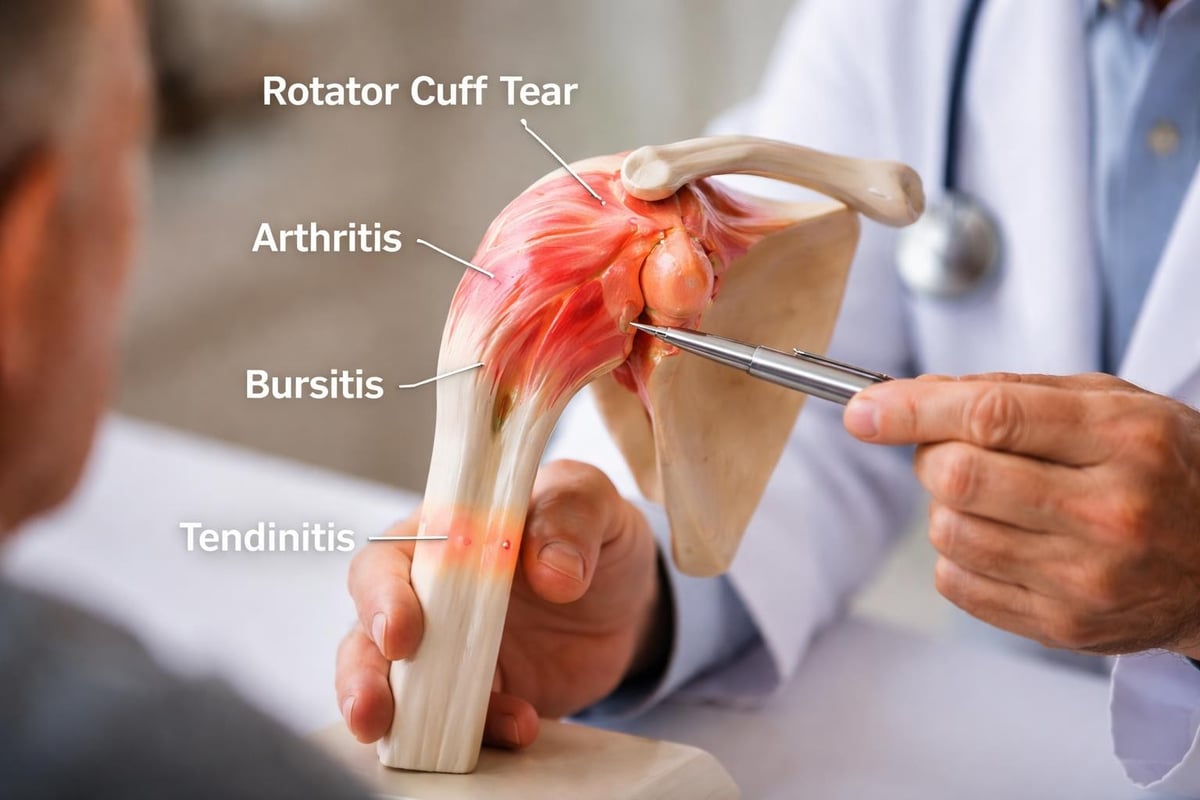
Shoulder pain manifests through various conditions that share common inflammatory pathways. The shoulder joint's complex structure makes it vulnerable to multiple types of injuries and degenerative conditions.
Primary Sources of Shoulder Discomfort
The rotator cuff, a group of four muscles and tendons surrounding the shoulder joint, represents one of the most common pain sources. Tears, strains, or inflammation in these tissues create persistent discomfort that worsens with movement. Tendinitis develops when repetitive motions cause inflammation in the shoulder tendons, particularly affecting athletes and manual laborers.
Frozen shoulder, or adhesive capsulitis, occurs when the shoulder capsule thickens and tightens, severely restricting movement. Arthritis affects shoulder joints in multiple forms, including osteoarthritis from cartilage breakdown and rheumatoid arthritis from autoimmune inflammation.
Bursitis develops when fluid-filled sacs cushioning the shoulder joint become inflamed. Shoulder impingement syndrome happens when shoulder blade rubs against surrounding bones and tissues during arm movement.
How CBD Works for Pain Management
CBD for shoulder pain operates through multiple biological mechanisms that address both pain signals and underlying inflammation. The endocannabinoid system plays a central role in regulating pain perception and inflammatory responses throughout the body.
The Endocannabinoid System Connection
CB1 and CB2 receptors distribute throughout the nervous system and immune cells, moderating pain transmission and inflammation. CBD interacts indirectly with these receptors while also influencing other pain-related pathways. Understanding how CBD works reveals its multifaceted approach to pain relief.
Research published in peer-reviewed journals demonstrates CBD's potential for chronic pain management. Evidence on CBD's role in chronic pain shows its interaction with multiple receptor systems beyond the endocannabinoid system, including serotonin and vanilloid receptors involved in pain modulation.
| Mechanism | Effect on Pain | Impact on Inflammation |
|---|---|---|
| CB2 Receptor Modulation | Reduces pain signal transmission | Decreases immune cell activation |
| TRPV1 Interaction | Desensitizes pain receptors | Reduces neurogenic inflammation |
| Adenosine Uptake Inhibition | Enhances natural pain relief | Suppresses inflammatory mediators |
| Cytokine Regulation | Modulates pain-related proteins | Reduces inflammatory cytokines |
The anti-inflammatory properties of CBD address the root causes of many shoulder pain conditions. By reducing inflammation in rotator cuff tissues, joint spaces, and bursae, CBD may help break the cycle of pain and tissue damage.
Clinical Research on CBD for Shoulder Conditions
Scientific studies have begun examining CBD's specific applications for shoulder pain and related joint conditions. These investigations provide evidence-based insights into efficacy and safety profiles.
Rotator Cuff Repair Studies
Clinical trials on CBD after rotator cuff surgery have demonstrated promising results. One randomized controlled trial examined buccally absorbed cannabidiol following arthroscopic rotator cuff repair, showing improved pain control and patient satisfaction in the immediate postoperative period.
Further research at NYU explores CBD's potential to reduce opioid use after shoulder surgery, addressing the critical need for non-addictive pain management alternatives. Long-term follow-up studies indicate that CBD for shoulder pain produces no deficits in patient-reported outcomes compared to placebo groups.
Arthritis and Joint Pain Evidence
While direct shoulder-specific research continues expanding, studies on other joints provide transferable insights. Research on CBD for hand osteoarthritis and psoriatic arthritis demonstrates effectiveness for inflammatory joint conditions that similarly affect shoulders.
Topical CBD applications have shown particular promise for localized joint pain. Studies examining transdermal cannabidiol delivery suggest this method effectively targets affected tissues while minimizing systemic exposure.
CBD Application Methods for Shoulder Pain Relief
Selecting the appropriate delivery method maximizes therapeutic benefits for shoulder discomfort. Different application routes offer distinct advantages depending on pain severity, location, and personal preferences.
Topical CBD Products
CBD roll-ons and balms provide targeted relief directly to painful shoulder areas. These formulations penetrate skin layers to reach underlying muscles, tendons, and joint tissues without entering the bloodstream significantly.
Application technique matters considerably:
- Clean and dry the affected shoulder area thoroughly
- Apply CBD topical directly over the pain site
- Massage gently in circular motions for 60-90 seconds
- Allow 10-15 minutes for absorption before clothing contact
- Reapply every 4-6 hours as needed for persistent pain
Topical applications work exceptionally well for superficial muscle pain, tendinitis, and localized inflammation. They offer the advantage of avoiding first-pass metabolism, delivering cannabidiol directly to affected tissues.
Oral CBD Formulations
CBD oil drops and tinctures provide systemic relief that addresses widespread inflammation and central pain processing. Sublingual administration allows rapid absorption through mucous membranes under the tongue.
Capsules and softgels offer precise dosing and convenience, though they require longer to take effect due to digestive processing. These forms work well for chronic shoulder conditions requiring consistent daily CBD levels.
Combination Approaches
Many individuals find optimal relief combining topical and oral CBD products. This dual approach addresses both localized tissue inflammation and systemic pain signals. For example, applying topical CBD directly to the shoulder while taking oral drops maintains baseline therapeutic levels throughout the day.
| Application Method | Onset Time | Duration | Best For |
|---|---|---|---|
| Topical Roll-On | 15-30 minutes | 2-4 hours | Acute localized pain |
| Sublingual Oil | 15-45 minutes | 4-6 hours | Moderate systemic pain |
| Capsules | 45-90 minutes | 6-8 hours | Chronic ongoing discomfort |
| Transdermal Patches | 1-2 hours | 8-12 hours | Extended relief needs |
Dosage Considerations and Safety Guidelines
Determining appropriate CBD for shoulder pain dosage requires understanding individual factors and starting conservatively. No universal dosage exists due to variations in body weight, metabolism, pain severity, and product concentration.
Starting Dosage Recommendations
Begin with low doses and gradually increase until achieving desired pain relief. For topical applications, start with a pea-sized amount applied 2-3 times daily. For oral CBD, initial doses typically range from 10-20 mg once or twice daily.
Track your response systematically:
- Document pain levels before and after CBD use
- Note dosage amounts and timing
- Record any side effects or reactions
- Adjust incrementally every 3-5 days
- Maintain consistency for accurate assessment
Understanding proper CBD oil dosage principles helps optimize therapeutic outcomes while minimizing unnecessary consumption. Most individuals find effective relief within the 20-50 mg daily range for moderate shoulder pain.
Safety Profile and Potential Interactions
CBD demonstrates an excellent safety profile with minimal adverse effects reported in clinical trials. Common side effects, when they occur, typically include mild fatigue, changes in appetite, or temporary digestive changes.
Important safety considerations include:
- Consult healthcare providers before starting CBD, especially if taking other medications
- CBD can interact with certain pharmaceuticals metabolized through liver enzymes
- Pregnant or nursing individuals should avoid CBD products
- Start with third-party tested products to ensure purity and accurate labeling
- Avoid driving or operating machinery until understanding CBD's personal effects
According to Harvard Health's assessment of CBD for pain management, cannabidiol shows promise as a pain management tool, though more research continues developing optimal protocols.
Full-Spectrum vs. Broad-Spectrum CBD for Pain
Product formulation significantly impacts CBD's effectiveness for shoulder pain. Understanding the differences between CBD spectrum types helps select the most appropriate option for individual needs.
Entourage Effect Advantages
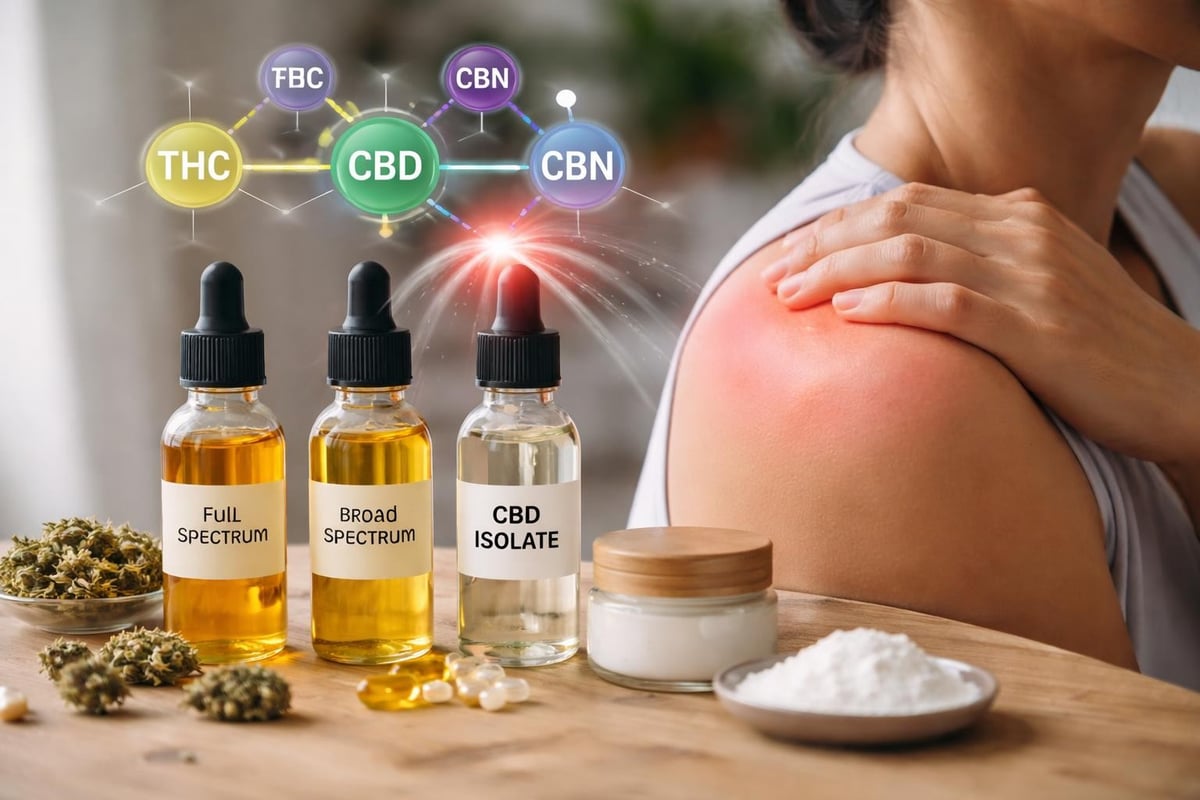
Full-spectrum CBD contains all naturally occurring hemp compounds, including cannabinoids, terpenes, flavonoids, and trace amounts of THC (below 0.3% federally legal limit). These components work synergistically in what researchers term the "entourage effect," potentially enhancing therapeutic benefits.
Broad-spectrum CBD provides similar benefits without any THC, making it suitable for individuals concerned about drug testing or those preferring complete THC avoidance. Understanding broad-spectrum CBD oil uses clarifies which formulation aligns with specific requirements.
Terpene Contributions to Pain Relief
Terpenes, aromatic compounds in hemp, contribute anti-inflammatory and analgesic properties that complement CBD's effects. Beta-caryophyllene specifically interacts with CB2 receptors, enhancing anti-inflammatory responses crucial for shoulder pain management.
Myrcene provides muscle-relaxing effects beneficial for tension-related shoulder discomfort. Limonene offers mood-elevating properties that help manage pain-associated stress and anxiety.
Integrating CBD with Comprehensive Pain Management
CBD for shoulder pain works most effectively as part of a holistic approach combining multiple therapeutic strategies. Complementary interventions enhance overall outcomes and support long-term joint health.
Physical Therapy and Movement
Gentle stretching and strengthening exercises prevent shoulder stiffness while promoting healing. CBD's anti-inflammatory effects may improve exercise tolerance, allowing more consistent physical therapy participation. Range-of-motion exercises performed after CBD application often feel more comfortable and productive.
Recommended complementary practices include:
- Pendulum exercises for gentle shoulder mobilization
- Wall walks to gradually increase overhead reach
- Resistance band training for rotator cuff strengthening
- Postural correction exercises reducing shoulder strain
- Ice therapy combined with topical CBD for acute inflammation
Lifestyle Modifications
Sleep position adjustments prevent additional shoulder stress during rest. Ergonomic workplace modifications reduce repetitive strain contributing to chronic pain. Stress management through meditation or breathing exercises addresses tension that exacerbates shoulder discomfort.
Anti-inflammatory nutrition supports CBD's effects by reducing systemic inflammation. Foods rich in omega-3 fatty acids, antioxidants, and polyphenols create an internal environment conducive to healing.
Quality Standards and Product Selection
Choosing high-quality CBD products ensures safety, efficacy, and value. The CBD market's rapid expansion has created variability in product quality, making informed selection critical.
Third-Party Testing Requirements
Reputable manufacturers provide Certificate of Analysis (COA) documents from independent laboratories verifying cannabinoid content and purity. These reports confirm CBD concentration accuracy, verify THC levels remain within legal limits, and screen for contaminants including pesticides, heavy metals, and residual solvents.
Premium CBD products undergo batch testing, ensuring consistency across production runs. Batch testing for CBD purity and potency represents the gold standard for quality assurance in pain management products.
Source and Extraction Methods
High-quality CBD originates from organically grown hemp cultivated in regulated environments. CO2 extraction represents the cleanest method, avoiding chemical solvents that could leave harmful residues. This process preserves beneficial plant compounds while removing unwanted materials.
| Quality Indicator | What to Look For | Why It Matters |
|---|---|---|
| Hemp Source | U.S.-grown, organic certification | Ensures clean, regulated cultivation |
| Extraction Method | Supercritical CO2 extraction | Produces pure, solvent-free CBD |
| Third-Party Testing | Current COA readily available | Verifies claims and safety |
| Transparency | Clear ingredient lists, dosage information | Enables informed decisions |
| Customer Reviews | Verified purchaser feedback | Real-world efficacy indicators |
Comparing CBD with Traditional Pain Medications
Understanding how CBD for shoulder pain compares to conventional pharmaceutical options helps individuals make informed treatment decisions. Each approach offers distinct benefits and considerations.
Non-Steroidal Anti-Inflammatory Drugs (NSAIDs)
Traditional NSAIDs like ibuprofen effectively reduce inflammation and pain but carry risks with long-term use. Gastrointestinal complications, cardiovascular concerns, and kidney stress limit extended NSAID therapy. CBD provides anti-inflammatory benefits without these serious adverse effects, making it potentially safer for chronic use.
However, NSAIDs demonstrate more extensive clinical research for acute pain management. Many individuals successfully use CBD to reduce NSAID consumption rather than completely replacing them, minimizing pharmaceutical exposure while maintaining adequate pain control.
Opioid Alternatives
The opioid crisis has intensified searches for non-addictive pain management alternatives. CBD lacks addiction potential and doesn't produce euphoria or respiratory depression associated with opioids. Research examining CBD as a natural alternative demonstrates its viability for managing various pain conditions.
For post-surgical shoulder pain, CBD may reduce opioid requirements during recovery, addressing both immediate discomfort and long-term dependency risks. Clinical trials continue investigating optimal protocols for opioid-sparing pain management strategies.
Corticosteroid Injections
Shoulder cortisone injections provide powerful anti-inflammatory effects but are limited to several treatments yearly due to potential tissue damage. CBD offers a gentler anti-inflammatory approach suitable for daily use without injection-related risks. While CBD may not match corticosteroids' immediate potency, it provides sustained inflammation management supporting long-term shoulder health.
Real-World Applications and Patient Experiences
Patient reports and practical applications provide valuable insights beyond controlled clinical studies. Understanding common usage patterns helps set realistic expectations for CBD for shoulder pain.
Acute Injury Management
Athletes and active individuals frequently use CBD following shoulder injuries. Topical applications immediately after workouts or minor strains may prevent inflammation escalation. Oral CBD taken before activities with known shoulder stress might provide protective anti-inflammatory effects.
Typical acute injury protocol:
- Apply ice to injured shoulder for 15-20 minutes
- Apply topical CBD directly over affected area
- Take oral CBD dose (20-30 mg) for systemic support
- Rest and elevate as appropriate
- Reapply topical CBD every 4-6 hours during initial 48 hours
Chronic Condition Maintenance
Individuals with degenerative shoulder conditions report CBD helps maintain function and quality of life. Consistent daily dosing appears more effective than sporadic use for chronic arthritis or rotator cuff degeneration. Managing chronic pain while staying active often requires comprehensive strategies where CBD plays a supportive role.
Many users combine morning oral CBD doses with targeted topical application before activities triggering shoulder pain. This proactive approach may prevent pain flares rather than simply reacting to discomfort.
Future Directions in CBD Pain Research
Ongoing research continues expanding our understanding of CBD's therapeutic potential for shoulder pain and related conditions. Emerging studies investigate optimal formulations, delivery methods, and combination therapies.
Novel Delivery Systems
Nanotechnology applications create smaller CBD particles with enhanced bioavailability. These nano-formulations may increase absorption rates and therapeutic effects at lower doses. Transdermal patch technology continues advancing, offering extended-release CBD delivery maintaining consistent blood levels for 12-24 hours.
Liposomal encapsulation protects CBD molecules during digestion, potentially improving oral bioavailability. These innovations may significantly enhance CBD's effectiveness for shoulder pain management in coming years.
Combination Cannabinoid Therapies
Research exploring CBD combined with other cannabinoids like CBG (cannabigerol) and CBN (cannabinol) investigates whether specific ratios optimize pain relief. Early findings suggest certain combinations may provide superior anti-inflammatory and analgesic effects compared to CBD alone.
Promising research areas include:
- Personalized CBD dosing based on genetic factors
- Targeted formulations for specific shoulder conditions
- Integration with regenerative medicine approaches
- Biomarker identification predicting CBD response
- Long-term safety studies in diverse populations
The expanding body of evidence, including assessments from authoritative sources evaluating CBD's evidence for pain treatment, continues informing clinical practice and product development.
Practical Tips for Maximizing CBD Benefits
Strategic implementation enhances CBD's effectiveness for shoulder pain. Small adjustments in usage patterns can significantly impact therapeutic outcomes.
Consistency and Patience
CBD's full benefits often emerge gradually over several weeks of consistent use. Unlike fast-acting pharmaceuticals, CBD may require time to accumulate in tissues and optimize endocannabinoid system function. Maintain regular dosing schedules rather than intermittent use for chronic shoulder conditions.
Document your experience systematically, noting pain levels, functional improvements, and any adjustments needed. This record helps identify optimal dosing and timing for your specific situation.
Optimize Absorption
Take oral CBD with healthy fats to enhance absorption since cannabidoids are lipophilic (fat-soluble). Consider timing doses with meals containing nuts, avocado, or olive oil. For sublingual oils, hold under the tongue for 60-90 seconds before swallowing to maximize mucous membrane absorption.
Store CBD products properly in cool, dark locations to preserve potency. Exposure to heat, light, and air degrades cannabinoids over time, reducing effectiveness.
Combine with Supportive Therapies
Enhance CBD's effects through complementary approaches addressing multiple aspects of shoulder health. Heat therapy before CBD application may improve tissue penetration. Gentle massage while applying topical CBD promotes absorption and addresses muscle tension contributing to pain.
Adequate hydration supports overall body function and may influence CBD metabolism. Quality sleep allows natural healing processes to work alongside CBD's anti-inflammatory effects.
CBD for shoulder pain represents a promising natural option for individuals seeking alternatives to traditional pharmaceuticals, offering anti-inflammatory and analgesic properties through multiple biological pathways. Whether addressing acute injuries, chronic arthritis, or post-surgical recovery, understanding proper application methods, dosing strategies, and quality standards maximizes therapeutic potential. Reclaim Labs provides premium, third-party tested CBD products specifically formulated to address chronic pain and inflammation, offering both full-spectrum and broad-spectrum options to meet diverse needs. Explore their range of hemp oil solutions to discover how quality CBD products can support your journey toward improved shoulder health and enhanced quality of life.