Shoulder pain affects millions of Americans each year, disrupting daily activities and diminishing quality of life. Whether stemming from rotator cuff injuries, arthritis, tendinitis, or repetitive strain, chronic shoulder discomfort can be debilitating. Traditional pain management approaches often rely on NSAIDs or prescription medications that carry concerning side effects. As individuals seek natural alternatives, cannabidiol (CBD) has emerged as a promising option. Understanding how cbd for shoulder pain relief works requires examining both the scientific research and practical application strategies that can help manage inflammation and discomfort effectively.
Understanding Shoulder Pain and Its Causes
Shoulder pain manifests through various conditions, each presenting unique challenges. Rotator cuff injuries rank among the most common, affecting the group of muscles and tendons stabilizing the shoulder joint. These injuries often result from repetitive overhead motions or acute trauma.
Arthritis represents another significant contributor to shoulder discomfort. Both osteoarthritis and rheumatoid arthritis can affect the shoulder joint, causing inflammation, stiffness, and progressive pain. The shoulder's complex structure makes it particularly vulnerable to degenerative changes.
Common Shoulder Pain Conditions
- Rotator cuff tears and strains
- Frozen shoulder (adhesive capsulitis)
- Tendinitis and bursitis
- Shoulder impingement syndrome
- Arthritis (osteoarthritis and rheumatoid)
- Labral tears
Inflammation plays a central role in most shoulder pain conditions. The body's inflammatory response, while initially protective, can become chronic and contribute to ongoing tissue damage. This inflammatory cascade involves various chemical mediators, pain receptors, and immune system components.
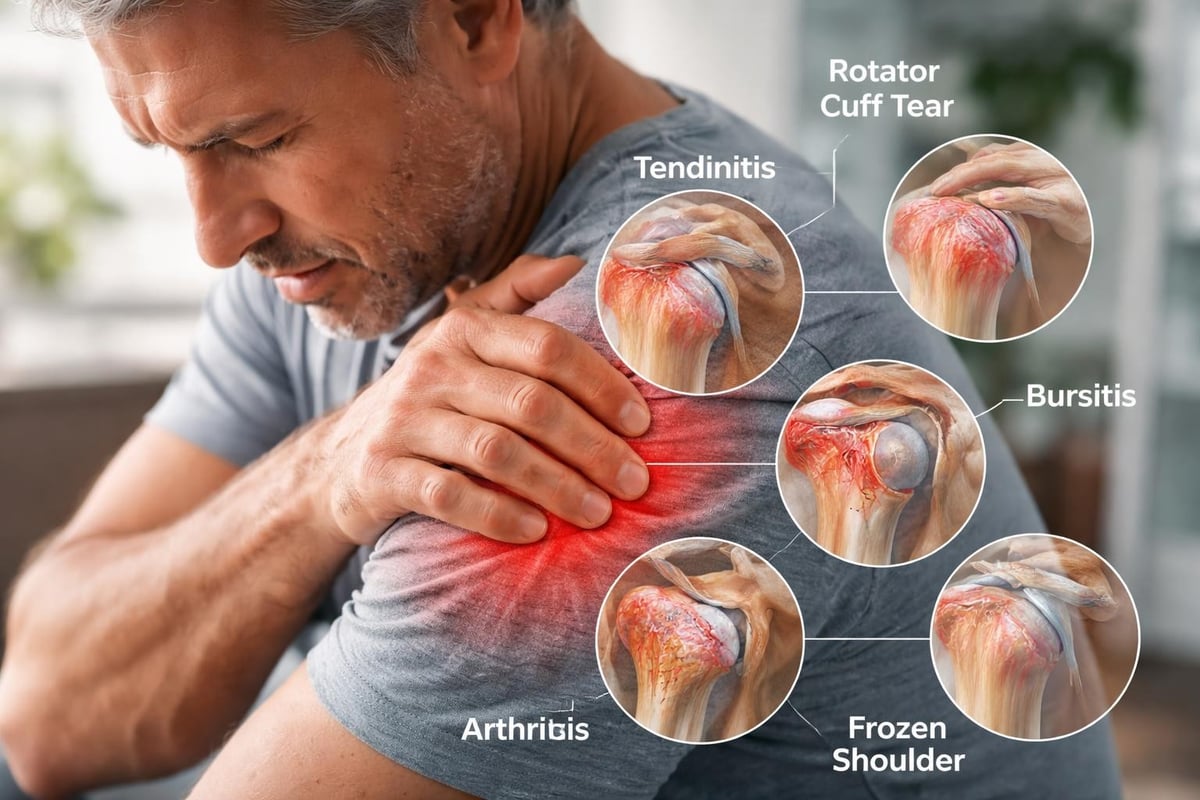
Understanding the inflammatory nature of shoulder pain helps explain why CBD hemp oil benefits for pain have gained attention in recent years.
How CBD Works for Pain Management
CBD interacts with the body's endocannabinoid system (ECS), a complex network of receptors, enzymes, and endogenous cannabinoids that regulate various physiological processes. The ECS plays a crucial role in pain perception, inflammation, and immune function.
The endocannabinoid system contains two primary receptor types: CB1 receptors (predominantly in the central nervous system) and CB2 receptors (mainly in peripheral tissues and immune cells). CBD doesn't bind directly to these receptors like THC does. Instead, it modulates their activity indirectly.
CBD's Mechanisms of Action
CBD influences pain and inflammation through multiple pathways. It inhibits enzymes that break down anandamide, one of the body's natural endocannabinoids, allowing it to remain active longer in the system. This extended activity can enhance pain relief and reduce inflammation.
Research published in NCBI's clinical cannabidiol resources indicates CBD also interacts with non-cannabinoid receptors, including TRPV1 receptors involved in pain and inflammation signaling. By desensitizing these receptors, CBD may reduce pain perception.
| Mechanism | Effect on Pain | Timeline |
|---|---|---|
| ECS Modulation | Reduces pain signals | 30-90 minutes |
| Anti-inflammatory | Decreases swelling | 1-4 hours |
| TRPV1 Interaction | Lowers pain perception | 45-120 minutes |
| Anandamide Enhancement | Prolongs natural relief | 2-6 hours |
CBD's anti-inflammatory properties stem from its ability to reduce cytokine production and modulate immune cell activity. These effects can be particularly beneficial for shoulder conditions driven by inflammatory processes.
Research on CBD for Shoulder Pain Relief
Clinical studies investigating cbd for shoulder pain relief have produced encouraging findings. A 2022 randomized trial examining buccally absorbed CBD demonstrated superior immediate postoperative pain control following arthroscopic rotator cuff repair. Patients receiving CBD reported improved satisfaction and reduced discomfort compared to placebo groups.
Additional research from 2024 evaluated cannabidiol's effects on postoperative pain management. This study on CBD after rotator cuff repair found no deficits in patient-reported outcomes compared to placebo, suggesting CBD's safety profile while providing pain management benefits.
Current Research Initiatives
Ongoing investigations continue to explore CBD's potential. NYU Langone Health's double-blind study examines whether CBD can reduce pain and opioid consumption after shoulder arthroscopy. Such research provides valuable insights into optimal dosing and delivery methods.
The University of Rochester Medical Center's 2025 research highlights CBD's effects on the nervous system, particularly its implications for chronic pain management. These findings suggest CBD may offer benefits beyond acute injury recovery.
While shoulder-specific studies remain limited, research on related conditions provides relevant insights. A 2024 trial investigating transdermal CBD for hand osteoarthritis demonstrated analgesic and anti-inflammatory effects, suggesting similar benefits may apply to shoulder joints affected by arthritis.
Application Methods for Shoulder Pain
CBD for shoulder pain relief comes in multiple delivery formats, each offering distinct advantages. Selecting the appropriate method depends on pain severity, onset speed preferences, and individual response patterns.
Topical CBD Products
Topical applications deliver CBD directly to affected areas. Creams, balms, and roll-on formulations allow targeted treatment without systemic absorption. This localized approach minimizes potential side effects while concentrating relief where needed most.
CBD pain relief patches provide sustained release over extended periods. These transdermal delivery systems maintain consistent CBD levels at the application site, offering continuous relief throughout the day or night.
Oral CBD Formulations
Sublingual oils and tinctures absorb through mucous membranes under the tongue, entering the bloodstream rapidly. This method provides systemic effects beneficial for widespread inflammation or multiple pain sites.
Capsules and soft gels offer precise dosing and convenient administration. While they take longer to take effect due to digestive processing, their effects typically last longer than sublingual methods.
Application Method Comparison
| Method | Onset Time | Duration | Best For |
|---|---|---|---|
| Topical Cream | 15-30 minutes | 4-6 hours | Localized pain |
| Transdermal Patch | 30-60 minutes | 8-12 hours | Sustained relief |
| Sublingual Oil | 15-45 minutes | 4-8 hours | Systemic effects |
| Capsules | 45-90 minutes | 6-10 hours | Consistent dosing |
| Roll-on | 10-20 minutes | 3-5 hours | Quick application |
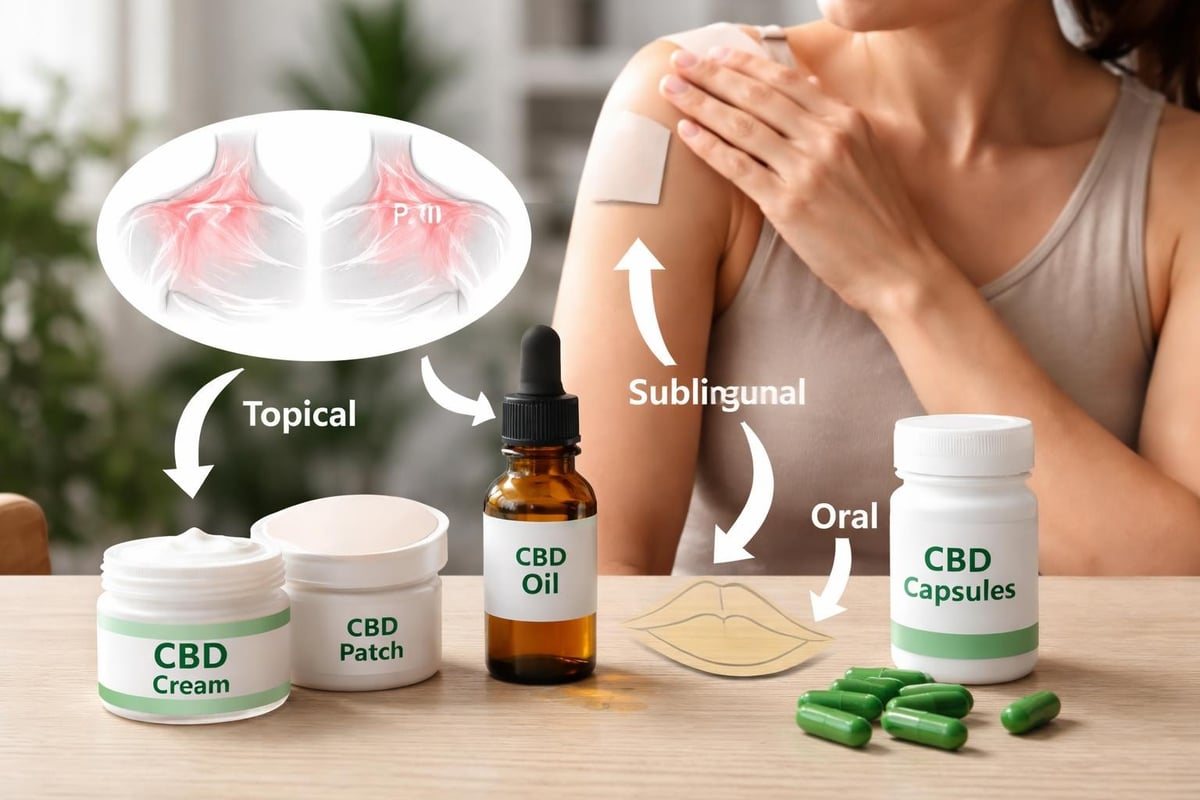
Combining methods can enhance effectiveness. Many individuals use oral CBD for baseline relief while applying topicals for breakthrough pain or specific flare-ups. This multimodal approach addresses both systemic inflammation and localized discomfort.
Dosing Guidelines and Considerations
Determining appropriate CBD dosage for shoulder pain requires individualized approaches. No universal dosing standard exists, as optimal amounts vary based on body weight, pain severity, metabolism, and product concentration.
Starting Dosage Recommendations
Begin with conservative doses and gradually increase until achieving desired relief. For oral CBD, initial doses typically range from 10-25mg daily. Monitor effects for 3-5 days before adjusting.
- Week 1: Start with 10-15mg daily (divided into two doses)
- Week 2: Increase to 20-25mg if needed
- Week 3: Adjust to 30-40mg based on response
- Week 4: Fine-tune dosage to optimal level
Topical applications don't follow the same dosing protocols since they work locally. Apply generously to affected areas 2-3 times daily, adjusting frequency based on pain levels and product strength.
Factors Influencing Dosage
Body weight significantly impacts CBD requirements. Larger individuals generally need higher doses to achieve comparable effects. As a general guideline, consider 1-6mg of CBD per 10 pounds of body weight, depending on pain severity.
Product concentration matters substantially. Full-spectrum CBD contains additional cannabinoids and terpenes that may enhance effectiveness through the "entourage effect." Broad-spectrum products offer similar benefits without THC, while isolates contain only CBD.
Understanding how CBD hemp oil benefits arthritis can inform dosing decisions for inflammatory shoulder conditions. Arthritis-related pain may respond better to higher doses with consistent daily use.
Quality and Safety Considerations
Not all CBD products deliver equivalent results. Quality variations significantly impact effectiveness and safety. Third-party laboratory testing represents the gold standard for verifying product contents and purity.
Essential Quality Indicators
- Third-party lab testing with accessible certificates of analysis
- Clear CBD concentration labeling
- Hemp source and extraction method disclosure
- Absence of heavy metals, pesticides, and contaminants
- Appropriate cannabinoid profile (full-spectrum, broad-spectrum, or isolate)
Premium CBD products undergo rigorous testing protocols. Certificates of Analysis (COA) should confirm cannabinoid potency, terpene profiles, and the absence of harmful substances. Reputable manufacturers make these documents readily available.
Extraction methods affect final product quality. CO2 extraction produces clean, potent CBD without residual solvents. Ethanol extraction also yields high-quality results when properly executed. Avoid products using potentially harmful extraction solvents.
Understanding Product Labels
Hemp source matters considerably. Domestically grown hemp must comply with federal regulations limiting THC to 0.3% or less. Organic certification indicates cultivation without synthetic pesticides or fertilizers.
Concentration measurements can confuse consumers. Total bottle content differs from per-serving amounts. A 2800mg bottle with 30 servings provides approximately 93mg per serving, not 2800mg.
Integrating CBD with Other Pain Management Strategies
CBD for shoulder pain relief works most effectively as part of comprehensive treatment approaches. Combining CBD with physical therapy, exercise, and lifestyle modifications enhances overall outcomes.
Physical therapy addresses underlying mechanical issues contributing to shoulder pain. Strengthening rotator cuff muscles, improving range of motion, and correcting movement patterns prevent recurring injuries. CBD can facilitate therapy by reducing pain during exercises.
Complementary Approaches
Movement and Exercise
Gentle stretching maintains shoulder flexibility and prevents stiffness. Start with pendulum exercises, progressing to wall walks and resistance band work as tolerated. CBD application before exercise sessions may improve comfort and participation.
Heat and Cold Therapy
Alternating temperatures can complement CBD's anti-inflammatory effects. Apply cold packs during acute flares to reduce swelling, then use heat to relax tight muscles. Some individuals apply CBD topicals before temperature therapy for enhanced penetration.
Stress Management
Chronic stress exacerbates pain perception and inflammation. Mind-body practices like meditation, deep breathing, and progressive muscle relaxation work synergistically with CBD's calming properties. Research covered in Healthline's comprehensive CBD oil overview discusses these interconnected benefits.
| Strategy | Frequency | CBD Integration |
|---|---|---|
| Physical Therapy | 2-3x weekly | Apply CBD 30 minutes before |
| Stretching | Daily | Use after CBD application |
| Ice Therapy | During flares | Follow with CBD topical |
| Heat Therapy | As needed | Combine with CBD for muscle relaxation |
| Meditation | Daily | Oral CBD enhances relaxation effects |
For individuals managing multiple pain conditions, understanding resources like beating rheumatoid arthritis pain provides additional context for comprehensive management strategies.

Potential Side Effects and Interactions
While CBD demonstrates favorable safety profiles, awareness of potential side effects ensures informed usage. Most individuals tolerate CBD well, but some experience mild adverse reactions.
Common side effects include fatigue, changes in appetite, and digestive discomfort. These effects typically occur at higher doses and often diminish with continued use as the body adjusts.
Drug Interactions
CBD can interact with certain medications by affecting liver enzyme activity, particularly cytochrome P450 enzymes. These enzymes metabolize many pharmaceuticals, and CBD's interference may alter drug effectiveness or increase side effect risks.
Medications Requiring Caution
- Blood thinners (warfarin)
- Certain antidepressants
- Anti-seizure medications
- Immunosuppressants
- Some pain medications
Consult healthcare providers before combining CBD with prescription medications. Blood level monitoring may be necessary for drugs with narrow therapeutic windows.
Topical CBD applications pose fewer interaction risks since systemic absorption remains minimal. However, individuals on multiple medications should still exercise caution and maintain open communication with healthcare teams.
Quality Control and Contamination Risks
Low-quality CBD products may contain contaminants or inaccurate labeling. Heavy metals, pesticides, and residual solvents pose health risks. Some products contain less CBD than labeled, while others include undisclosed THC amounts.
Third-party testing eliminates these concerns. Reputable manufacturers provide batch-specific COAs verifying product safety and potency. Additional information about managing chronic pain naturally emphasizes quality's importance in achieving desired outcomes.
Realistic Expectations and Timeline
Understanding what cbd for shoulder pain relief can realistically achieve prevents disappointment and supports appropriate usage patterns. CBD isn't a cure-all but rather a tool for managing symptoms and supporting overall wellness.
Expected Outcomes
Pain reduction varies considerably among individuals. Some experience significant relief within days, while others require weeks of consistent use before noticing improvements. Topical applications may provide faster localized relief compared to oral formulations requiring systemic distribution.
Short-term Effects (Days 1-7)
Initial CBD use may produce subtle changes. Acute pain intensity might decrease slightly, and sleep quality could improve if discomfort previously disrupted rest. Some individuals notice reduced muscle tension around affected areas.
Medium-term Effects (Weeks 2-4)
Continued use often yields more pronounced benefits. Inflammation markers may decrease, leading to improved range of motion. Daily pain levels might stabilize at lower intensities, with fewer severe flare-ups.
Long-term Effects (Months 2-3)
Sustained CBD use combined with other management strategies can produce cumulative benefits. Reduced inflammation, improved function, and enhanced quality of life become more apparent. Some individuals reduce reliance on other pain medications.
Individual Variation Factors
Response differences stem from multiple variables including genetics, endocannabinoid system function, pain condition specifics, and overall health status. Resources like Medical News Today's CBD analysis discuss these individual factors affecting chronic pain management outcomes.
Patient expectations should remain realistic. CBD typically reduces rather than eliminates pain. Combining CBD with appropriate exercise, physical therapy, and lifestyle modifications produces optimal results. For conditions like frozen shoulder or severe rotator cuff tears, professional medical intervention remains essential.
Choosing the Right CBD Product
Selecting appropriate CBD products for shoulder pain requires evaluating several factors. Product type, concentration, spectrum, and quality all influence effectiveness and satisfaction.
Product Type Selection
Consider your specific needs and preferences. Topical applications suit those seeking targeted relief without systemic effects. Oral formulations benefit individuals managing multiple pain sites or seeking whole-body anti-inflammatory effects.
Combination products offer versatility. Maintaining both a high-concentration oral tincture for daily baseline relief and a topical roll-on for breakthrough pain provides comprehensive coverage.
Spectrum Considerations
Full-spectrum CBD contains all hemp plant compounds including trace THC (under 0.3%), other cannabinoids, and terpenes. These components may work synergistically through the entourage effect, potentially enhancing therapeutic benefits.
Broad-spectrum products include multiple cannabinoids and terpenes but remove THC entirely. This option suits individuals concerned about THC presence due to drug testing or personal preferences.
CBD isolate contains only cannabidiol without additional compounds. While lacking entourage effects, isolates allow precise CBD dosing and eliminate any THC exposure concerns.
| Spectrum Type | THC Content | Best For | Considerations |
|---|---|---|---|
| Full-spectrum | <0.3% | Maximum benefits | May show on drug tests |
| Broad-spectrum | 0% | Balanced approach | No drug test concerns |
| Isolate | 0% | Pure CBD effects | No entourage benefits |
Concentration matters significantly for value and effectiveness. Higher concentrations allow smaller serving sizes and often prove more economical. A 2800mg bottle provides stronger per-dose effects than a 1000mg bottle of equal volume.
Professional Guidance and Medical Oversight
While CBD products are widely available without prescriptions, medical consultation ensures safe and effective usage, particularly for individuals with complex health conditions or multiple medications.
Healthcare providers can help determine whether cbd for shoulder pain relief suits your specific situation. They assess potential interactions with existing treatments and monitor progress objectively.
When to Seek Professional Advice
Schedule medical consultations before starting CBD if you take prescription medications, have liver conditions, or experience severe chronic pain. Professional oversight becomes especially important for post-surgical pain management or acute injuries requiring formal diagnosis.
Physical therapists and pain management specialists can integrate CBD recommendations into comprehensive treatment plans. Their expertise ensures CBD complements rather than conflicts with other interventions.
Documentation and Tracking
Maintain records of CBD usage including product type, dosage, timing, and effects observed. Document pain levels using numeric scales (0-10) before and after CBD use. Track functional improvements like increased range of motion or enhanced activity tolerance.
This documentation helps identify optimal dosing patterns and demonstrates effectiveness objectively. Share these records with healthcare providers to inform treatment decisions and adjustments.
For individuals exploring multiple natural approaches, resources about arthritis management strategies provide broader context for developing comprehensive wellness plans.
Legal Considerations and Access
CBD legality varies by jurisdiction despite federal hemp legalization in 2018. Understanding current regulations ensures compliant purchasing and usage.
The 2018 Farm Bill legalized hemp-derived CBD containing less than 0.3% THC at the federal level. However, state laws vary considerably. Most states permit CBD sales and possession, while some maintain restrictions or require specific licensing.
Purchase Considerations
Buy CBD products from reputable sources providing third-party testing verification. Avoid purchasing from gas stations or unverified online retailers where quality control remains questionable. Established manufacturers with transparent practices ensure product safety and legal compliance.
Online purchases offer convenience and often better selection compared to local retailers. Reputable companies provide detailed product information, customer reviews, and accessible laboratory testing results. Some offer satisfaction guarantees or return policies supporting first-time buyers.
Travel and Possession
When traveling with CBD, research destination regulations beforehand. While domestic travel within the United States generally poses few issues, international travel may present complications depending on destination country laws.
Carry products in original packaging with clear labeling showing CBD content and THC levels. Keep certificates of analysis accessible if questioned by authorities. For air travel, place CBD products in checked luggage when possible.
Managing shoulder pain requires comprehensive approaches addressing both symptoms and underlying causes. CBD for shoulder pain relief offers a promising natural option supported by emerging research and positive user experiences. Through various application methods, appropriate dosing, and integration with other pain management strategies, CBD can help reduce inflammation, decrease discomfort, and improve daily function. At Reclaim Labs, we provide premium, third-party tested CBD products specifically formulated for chronic pain and inflammation management, ensuring you receive safe, effective, and reliable hemp solutions backed by transparency and quality assurance.