Managing chronic pain while trying to get quality sleep creates a frustrating cycle that affects millions of Americans. Pain keeps you awake, and lack of sleep intensifies pain sensitivity, creating a loop that's difficult to break. Many individuals dealing with conditions like rheumatoid arthritis, fibromyalgia, and chronic inflammation are turning to cbd for sleep and pain relief as a natural alternative to traditional pharmaceuticals. This comprehensive guide examines the science, practical applications, and quality considerations for using CBD to address both conditions simultaneously.
Understanding How CBD Addresses Sleep and Pain
CBD interacts with the body's endocannabinoid system, a complex network of receptors that regulate various physiological processes including pain perception, inflammation, and sleep-wake cycles. Unlike THC, CBD doesn't produce psychoactive effects, making it an appealing option for those seeking relief without impairment.
The compound works through multiple mechanisms. It influences CB1 and CB2 receptors throughout the body, modulates inflammatory responses, and affects neurotransmitter systems involved in pain signaling. For sleep, CBD may reduce anxiety, address underlying pain that disrupts rest, and potentially extend sleep duration.
The Pain-Sleep Connection
Chronic pain conditions create significant sleep disturbances. Research shows that cbd for sleep and pain relief addresses both issues through interconnected pathways:
- Pain reduction decreases nighttime awakenings and movement restrictions
- Anti-inflammatory effects target the root causes of many pain conditions
- Anxiety reduction helps quiet racing thoughts that prevent sleep onset
- Muscle relaxation eases tension that contributes to both pain and restlessness
When pain levels decrease, sleep quality naturally improves. Conversely, better sleep enhances the body's natural pain management systems, creating a positive feedback loop.

Scientific Evidence for CBD's Effectiveness
Recent studies provide compelling evidence for CBD's dual benefits. A systematic review on CBD for chronic pain management examined multiple trials, demonstrating significant pain reduction across various conditions including neuropathic pain, arthritis, and fibromyalgia.
For sleep specifically, clinical research on non-psychoactive cannabinoid formulations showed measurable improvements in sleep quality and duration. Participants reported fewer nighttime awakenings and improved daytime functioning.
What the Research Shows
| Study Focus | Key Findings | Relevance for 2026 |
|---|---|---|
| Chronic Pain | 30-40% reduction in pain scores | Validated efficacy across pain types |
| Sleep Quality | Increased total sleep time by 45-60 minutes | Significant for pain-related insomnia |
| Inflammation | Reduced inflammatory markers in arthritis patients | Addresses root cause, not just symptoms |
| Safety Profile | Minimal adverse effects compared to pharmaceuticals | Long-term use appears sustainable |
The convergence of pain relief and sleep improvement makes cbd for sleep and pain relief particularly valuable for conditions like rheumatoid arthritis and fibromyalgia, where both symptoms create compounding challenges.
Choosing the Right CBD Product Type
Not all CBD products deliver the same results. Understanding the differences between formulations helps you select the most effective option for your specific needs.
Full-spectrum CBD contains all naturally occurring compounds from the hemp plant, including trace amounts of THC (below 0.3%), other cannabinoids, terpenes, and flavonoids. These compounds work synergistically in what's called the "entourage effect," potentially enhancing therapeutic benefits.
Broad-spectrum CBD provides the entourage effect without THC, making it ideal for those who want comprehensive cannabinoid benefits but need to avoid even trace THC amounts due to drug testing or personal preference.
CBD isolate contains pure CBD with no other cannabis compounds. While it lacks the entourage effect, some individuals respond better to isolated CBD, and it offers precise dosing.
Delivery Methods for Sleep and Pain
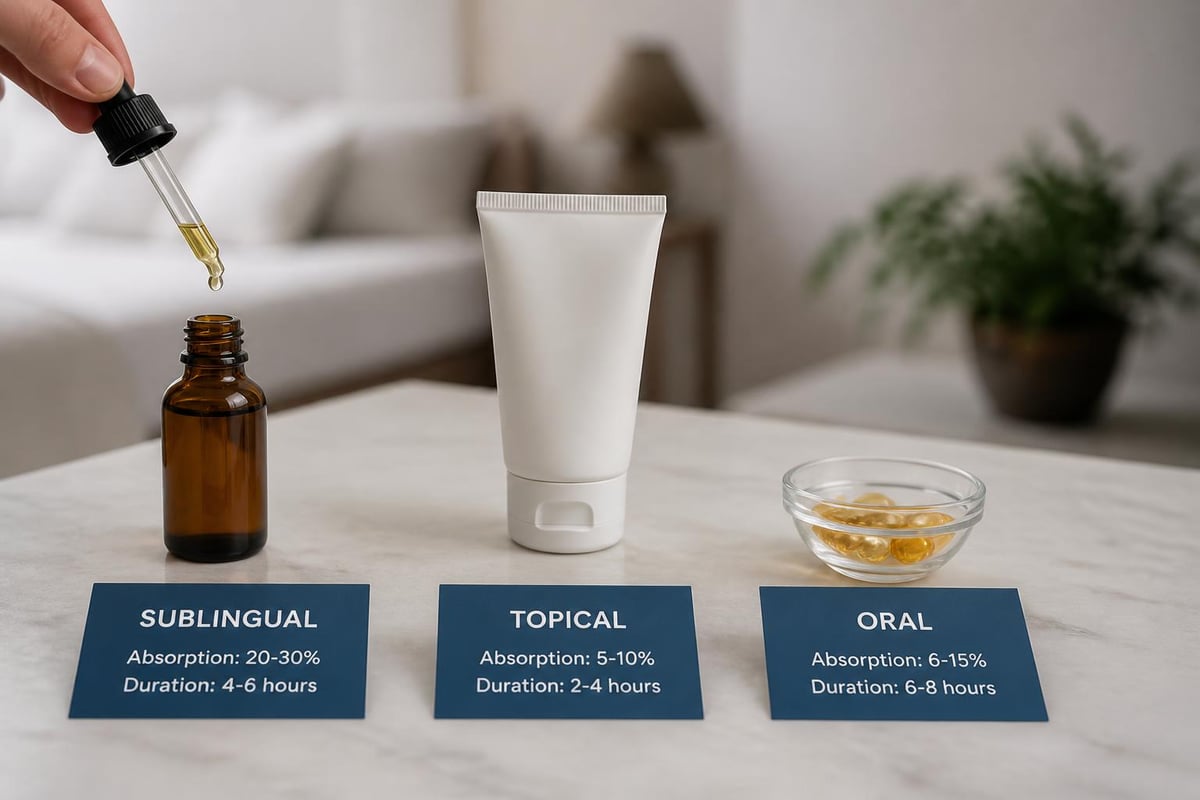
Different administration methods offer varying onset times and duration of effects:
- Sublingual oils and tinctures: Absorbed through mucous membranes, effects begin in 15-30 minutes and last 4-6 hours
- Topical applications: Target localized pain directly, ideal for joint pain and muscle soreness
- Capsules: Provide consistent dosing with longer-lasting effects (6-8 hours)
- Transdermal patches: Deliver steady CBD levels throughout the night, particularly beneficial for sleep
Many people find that combining methods works best. For example, using a broad-spectrum CBD oil before bed while applying a topical roll-on to painful joints addresses both systemic and localized needs.
Dosing Guidelines for Sleep and Pain Relief
Finding the optimal dose requires patience and systematic experimentation. CBD for sleep and pain relief dosing varies significantly based on individual factors including body weight, metabolism, pain severity, and the specific condition being treated.
Starting Point Recommendations
Most experts recommend starting low and gradually increasing until you find your effective dose. For sleep and pain management:
- Low dose (5-15mg): May help with mild anxiety-related sleep issues
- Medium dose (15-30mg): Often effective for moderate pain and sleep disturbances
- Higher dose (30-60mg): May be necessary for severe chronic pain conditions
- Very high dose (60mg+): Reserved for severe conditions under healthcare guidance
Track your response in a journal, noting dose, timing, pain levels, and sleep quality. This data helps identify patterns and optimal dosing schedules.
Timing Considerations
For dual benefits, timing matters significantly:
| Objective | Recommended Timing | Notes |
|---|---|---|
| Sleep improvement | 30-60 minutes before bed | Allows sublingual absorption before sleep onset |
| Pain management | Split doses (morning and evening) | Maintains consistent blood levels |
| Combined approach | Larger evening dose, smaller morning dose | Addresses nighttime pain while supporting daytime function |
| Acute pain flares | As needed, up to 3x daily | Stay within total daily limits |
Some individuals with chronic pain conditions find that taking CBD twice daily provides better round-the-clock relief than a single dose.
Quality Standards and Third-Party Testing
The CBD industry remains largely unregulated, making quality verification essential. Premium products undergo rigorous third-party testing to ensure safety, potency, and purity.
Certificate of Analysis (COA) documents should verify:
- CBD content accuracy: Confirming the labeled potency matches actual cannabinoid levels
- THC levels: Ensuring compliance with legal limits (below 0.3%)
- Contaminant screening: Testing for pesticides, heavy metals, residual solvents, and microbial contaminants
- Terpene profile: For full-spectrum and broad-spectrum products
Reputable manufacturers provide batch-specific COAs readily accessible to customers. This transparency demonstrates commitment to quality and consumer safety.
Red Flags to Avoid
When selecting cbd for sleep and pain relief products, watch for these warning signs:
- No third-party testing or inaccessible COAs
- Unrealistic health claims or "miracle cure" marketing
- Unclear sourcing or manufacturing information
- Prices significantly below market average
- Missing contact information or customer support
Quality CBD products represent an investment in your health. Choosing verified, tested products ensures you receive the therapeutic benefits you're seeking.
Combining CBD with Other Pain Management Strategies
CBD works most effectively as part of a comprehensive approach to pain and sleep management. Integrating multiple strategies creates synergistic benefits that exceed what any single intervention provides.

Complementary Approaches
Physical interventions enhance CBD's effects through different mechanisms. Gentle exercise, stretching, and physical therapy for arthritis improve joint mobility and reduce inflammation. When combined with cbd for sleep and pain relief, these activities become more accessible as pain decreases.
Sleep hygiene practices maximize CBD's sleep-promoting benefits:
- Maintain consistent sleep and wake times, even on weekends
- Create a cool, dark, quiet sleep environment
- Limit screen exposure 60-90 minutes before bed
- Avoid caffeine after 2 PM and alcohol close to bedtime
- Establish a relaxing pre-sleep routine
Stress management techniques like meditation, deep breathing, and progressive muscle relaxation complement CBD's anxiety-reducing properties. Research indicates that the latest findings on cannabis and CBD for sleep show enhanced benefits when combined with behavioral interventions.
Dietary Considerations
Certain foods and nutrients support CBD's effectiveness:
- Anti-inflammatory foods: Omega-3 fatty acids, turmeric, ginger, and leafy greens
- Magnesium-rich foods: Support muscle relaxation and sleep quality
- Tryptophan sources: Aid natural melatonin production for better sleep
- Adequate hydration: Supports overall CBD absorption and metabolism
Avoiding inflammatory foods like refined sugars, processed foods, and excessive alcohol helps reduce baseline pain levels, allowing CBD to work more effectively.
Managing Expectations and Timeline
Understanding realistic timelines prevents premature discontinuation before benefits manifest. CBD for sleep and pain relief doesn't work instantly like pharmaceutical pain relievers or sleep medications.
Most individuals notice initial effects within the first week, particularly for sleep quality. However, maximum pain relief benefits often require 2-4 weeks of consistent use as CBD accumulates in the system and exerts ongoing anti-inflammatory effects.
What to Expect Week by Week
- Week 1: Improved sleep onset, reduced nighttime anxiety, slight pain reduction
- Weeks 2-3: More noticeable pain relief, fewer nighttime awakenings, improved daytime energy
- Week 4+: Cumulative anti-inflammatory benefits, optimized dosing, sustainable relief patterns
For conditions like fibromyalgia or severe arthritis, longer timelines may be necessary. Some people require 6-8 weeks to experience full benefits, particularly when addressing deep-seated inflammation.
Adjusting Your Approach
If you don't see improvements after 2-3 weeks at your current dose, consider these modifications:
| Issue | Potential Solution | Rationale |
|---|---|---|
| No sleep improvement | Increase evening dose by 5-10mg | May need higher dose for sleep effects |
| Inconsistent pain relief | Split into 2-3 daily doses | Maintains steady blood levels |
| Morning grogginess | Take CBD earlier in evening | Allows processing before wake time |
| Minimal overall effect | Try different product type | May respond better to full-spectrum vs. broad-spectrum |
Keep detailed records to identify subtle changes you might otherwise miss. Even modest improvements in pain scores or sleep duration represent meaningful progress.
Safety Considerations and Potential Interactions
CBD demonstrates an excellent safety profile with minimal adverse effects. Most people tolerate it well, even at higher doses. However, awareness of potential interactions and contraindications ensures safe, effective use.
Common Side Effects
When side effects occur, they're typically mild and transient:
- Dry mouth (easily managed with hydration)
- Slight drowsiness (usually desired for sleep applications)
- Changes in appetite or weight
- Mild digestive changes
These effects often diminish within the first few weeks as your body adjusts to CBD.
Medication Interactions
CBD can interact with certain medications by affecting liver enzymes that metabolize drugs. CBD for sleep and pain relief may interact with:
- Blood thinners (warfarin, heparin)
- Certain antidepressants and anti-anxiety medications
- Some seizure medications
- Immunosuppressants
- Pain medications (opioids, NSAIDs)
If you take prescription medications, particularly those with grapefruit warnings, consult your healthcare provider before starting CBD. They may recommend adjusted dosing or monitoring to ensure safety.
Special Populations
Pregnant or nursing women should avoid CBD due to insufficient safety data. Individuals with liver disease should use caution and lower doses, as CBD is metabolized by the liver. Those with specific chronic conditions should discuss CBD integration with their healthcare team.
Long-Term Use and Sustainability
Unlike many pain medications that lose effectiveness over time or carry addiction risks, cbd for sleep and pain relief appears sustainable for long-term use. Studies extending beyond one year show continued benefits without significant tolerance development.
Maintaining Effectiveness
To optimize long-term results:
Consistency matters more than intensity. Regular, moderate dosing typically outperforms sporadic high doses. Your endocannabinoid system responds better to steady support.
Periodic dose adjustments may be necessary as your condition changes or improves. Some people successfully reduce doses after achieving stable pain control and sleep patterns.
Quality maintenance ensures continued therapeutic benefits. Stick with verified, third-party tested products from reputable manufacturers. Switching to cheaper, unverified products often results in disappointing results and wasted money.
Cost-Effectiveness Over Time
While quality CBD represents an upfront investment, long-term costs often compare favorably to pharmaceutical alternatives:
- No expensive prescription co-pays or doctor visits solely for medication management
- Reduced need for over-the-counter pain relievers and sleep aids
- Potentially fewer side effects requiring additional medications
- Improved quality of life reducing indirect costs of pain and poor sleep
Many users find that the initial investment pays dividends through improved function, reduced healthcare utilization, and enhanced daily living.
Personalized Approaches for Different Pain Conditions
Different chronic pain conditions respond to cbd for sleep and pain relief in distinct ways. Tailoring your approach to your specific diagnosis optimizes outcomes.
Arthritis-Specific Strategies
For rheumatoid arthritis and osteoarthritis, combining systemic and topical CBD addresses both widespread inflammation and localized joint pain. Morning stiffness often responds well to evening CBD doses that provide overnight anti-inflammatory action.
Application tips for arthritis:
- Apply topical CBD directly to affected joints before bed
- Take oral CBD 60 minutes before sleep to address systemic inflammation
- Consider CBD patches for consistent delivery to specific problem areas
- Combine with gentle movement and heat therapy for enhanced relief
Fibromyalgia Considerations
Fibromyalgia involves widespread pain, sleep disturbances, and fatigue. CBD's multi-targeted approach makes it particularly relevant for this complex condition. Higher doses (40-60mg) often prove necessary for adequate symptom management.
Many fibromyalgia patients benefit from full-spectrum products that provide the entourage effect, potentially addressing the condition's diverse symptoms more comprehensively.
Neuropathic Pain Applications
Nerve pain often proves resistant to conventional treatments. CBD's effects on both pain signaling and inflammation make it a valuable option for neuropathic conditions. Consistent, twice-daily dosing typically works better than single doses for nerve pain management.
Managing chronic pain while pursuing quality sleep requires a comprehensive, sustained approach that addresses root causes rather than merely masking symptoms. The scientific evidence supporting cbd for sleep and pain relief continues growing, offering hope for those seeking natural alternatives to pharmaceutical interventions. By selecting quality products, starting with appropriate doses, and integrating CBD into broader lifestyle strategies, many individuals achieve meaningful improvements in both pain control and sleep quality. Reclaim Labs provides premium, third-party tested CBD products specifically formulated for chronic pain and inflammation management, offering the quality, transparency, and efficacy you need to reclaim your nights and days from pain's grip.