Sleep disturbances affect millions of Americans, with chronic pain and inflammation often serving as primary culprits behind restless nights. For individuals managing conditions like rheumatoid arthritis and fibromyalgia, poor sleep quality creates a vicious cycle where pain disrupts rest, and inadequate sleep heightens pain sensitivity. CBD for sleep quality improvement has emerged as a promising natural alternative, offering potential relief without the dependency risks associated with traditional sleep medications. Understanding how cannabidiol works within your body's systems can help you make informed decisions about incorporating it into your nighttime routine.
Understanding the Sleep-Pain Connection
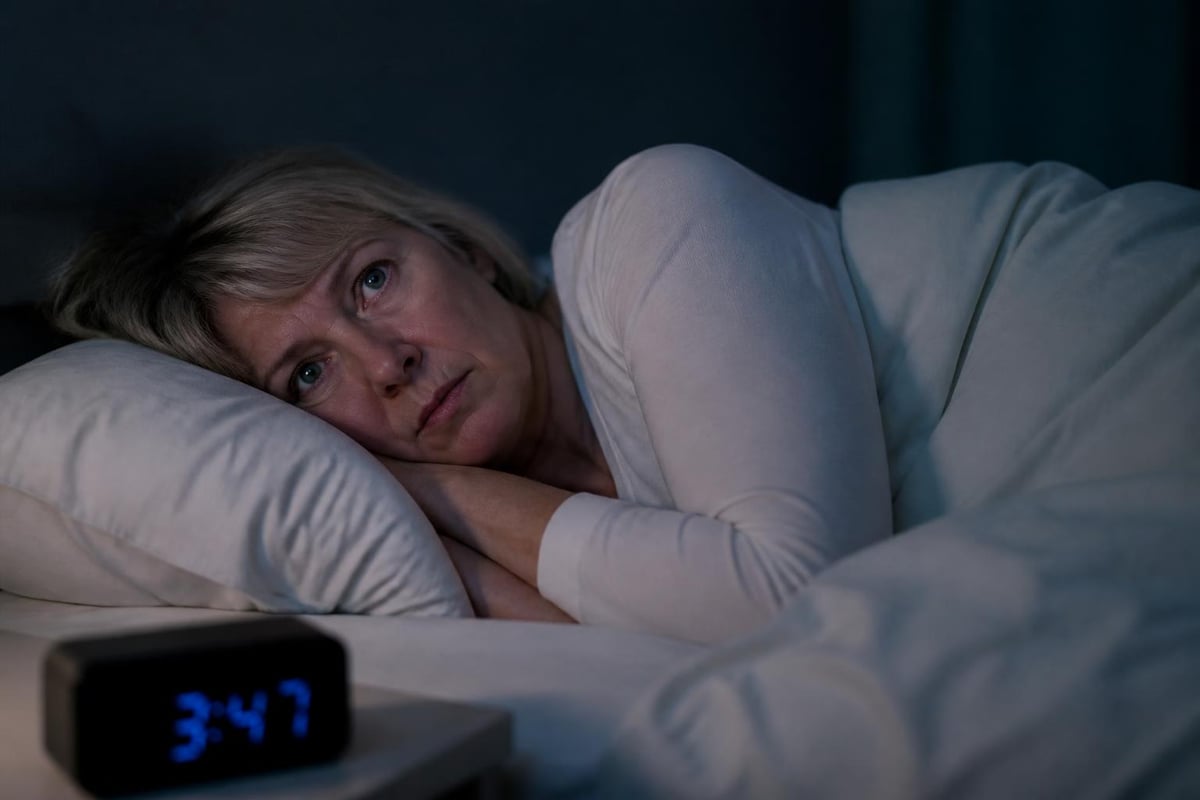
Chronic pain conditions fundamentally alter sleep architecture. When inflammation keeps the body in a heightened state of alert, the natural progression through sleep stages becomes disrupted. This disruption prevents restorative deep sleep, leaving individuals exhausted despite spending hours in bed.
The relationship between pain and sleep operates bidirectionally. Poor sleep lowers pain thresholds, making existing discomfort feel more intense. Meanwhile, persistent pain triggers stress responses that interfere with the body's natural sleep-wake cycle. Breaking this cycle requires addressing both components simultaneously.
How Inflammation Affects Sleep Patterns
Inflammatory cytokines released during chronic pain conditions interfere with sleep-promoting neurotransmitters. These chemical messengers create an internal environment hostile to quality rest. The immune system's constant activation prevents the body from entering the parasympathetic state necessary for deep, restorative sleep.
Key inflammatory disruptions include:
- Elevated cortisol levels preventing natural evening wind-down
- Pro-inflammatory cytokines blocking adenosine receptors
- Heightened nervous system sensitivity reducing sleep onset
- Increased nighttime movement from discomfort
Research demonstrates that individuals with conditions like fibromyalgia experience unique sleep challenges characterized by non-restorative sleep patterns. Addressing inflammation becomes essential for improving overall sleep quality.
The Science Behind CBD for Sleep Quality Improvement
Cannabidiol interacts with the endocannabinoid system, a complex network of receptors regulating numerous physiological processes including sleep, pain perception, and immune function. Unlike THC, CBD does not produce psychoactive effects, making it appealing for those seeking therapeutic benefits without altered consciousness.
The endocannabinoid system maintains homeostasis throughout the body. When chronic pain or inflammation throws this system off balance, sleep disturbances often follow. CBD for sleep quality improvement works by supporting the endocannabinoid system's natural regulatory functions.
Mechanisms of Action
CBD influences sleep through multiple pathways. It modulates GABA receptors, the primary inhibitory neurotransmitters in the central nervous system responsible for calming neural activity. By enhancing GABA function, CBD promotes relaxation conducive to sleep onset.
Additionally, CBD demonstrates anxiolytic properties that reduce the racing thoughts and worry often preventing sleep initiation. For chronic pain sufferers, nighttime anxiety about potential discomfort frequently compounds sleep difficulties.
| Mechanism | Effect on Sleep | Timeframe |
|---|---|---|
| Pain reduction | Decreased nighttime awakenings | 1-2 hours |
| Anxiety modulation | Improved sleep onset | 30-60 minutes |
| Inflammation control | Enhanced deep sleep stages | 2-4 weeks |
| Circadian rhythm support | Normalized sleep-wake cycles | 4-8 weeks |
Research indicates CBD may also influence adenosine signaling, which regulates sleep pressure accumulation throughout the day. By affecting adenosine reuptake, CBD potentially enhances the natural drive for sleep as evening approaches.
Clinical Evidence and Research Findings
Recent clinical investigations provide encouraging data about CBD for sleep quality improvement. A randomized controlled trial examining non-psychoactive cannabinoid formulations demonstrated measurable improvements in sleep quality among adults with sleep disturbances, particularly when CBD was combined with complementary compounds.
Recent Trial Outcomes
The scientific community has conducted several rigorous studies examining CBD's efficacy for sleep disorders. A clinical trial reported that oral CBD dosing improved sleep quality while simultaneously enhancing immune cell function, suggesting broader health benefits beyond rest improvement.
One particularly notable investigation involved 150 mg nightly CBD administration. This 2024 randomized controlled trial on CBD and insomnia provided valuable insights into both efficacy and limitations, highlighting that response varies among individuals based on factors including pain levels, metabolism, and existing sleep disorders.
Key research findings include:
- Improved subjective sleep quality scores
- Reduced nighttime awakenings in pain populations
- Enhanced immune function markers
- Better daytime alertness following consistent use
- Minimal adverse effects compared to traditional sleep aids
A particularly compelling study found that eight weeks of daily 50 mg CBD supplementation improved sleep quality and enhanced immune cell function in healthy adults, suggesting preventive benefits for those at risk of developing sleep disturbances.
Dosing Strategies for Optimal Results
Determining the appropriate CBD dosage for sleep quality improvement requires individualized assessment. Unlike pharmaceutical sleep aids with standardized dosing, CBD demonstrates a wide therapeutic window where effectiveness varies based on body weight, metabolism, pain severity, and product formulation.
Starting Points and Titration
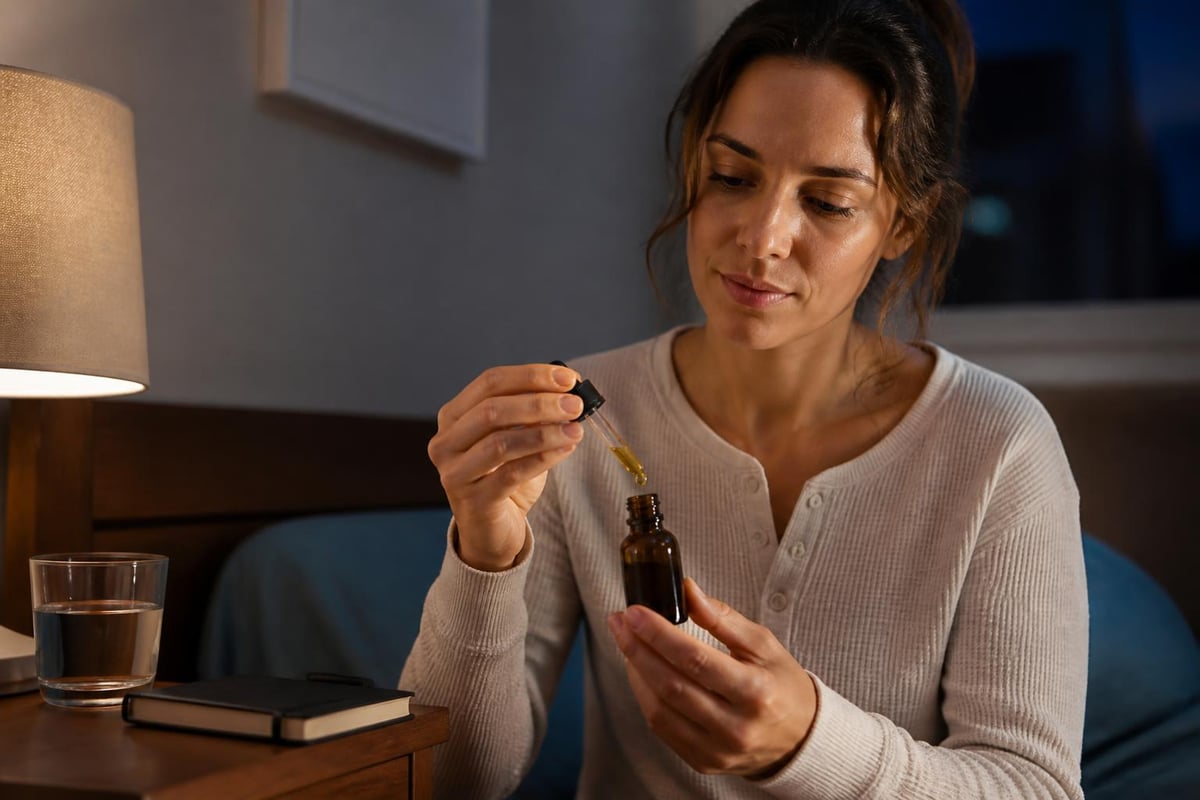
Most sleep-focused CBD protocols recommend beginning with modest doses and gradually increasing until desired effects manifest. This approach minimizes potential side effects while helping identify the minimal effective dose for each individual.
For chronic pain populations seeking sleep improvements, initial doses typically range from 25-50 mg taken 1-2 hours before bedtime. This timing allows CBD to reach peak concentration as you prepare for sleep while providing pain relief throughout the night.
Titration schedule example:
- Week 1: 25 mg nightly, 90 minutes before bed
- Week 2: Increase to 40 mg if insufficient improvement
- Week 3: Adjust to 50-75 mg based on response
- Week 4: Fine-tune timing and dosage for optimal effect
The relationship between CBD dosage and sleep follows a bell curve in many individuals. Excessive doses may actually impair sleep quality, while insufficient amounts provide minimal benefit. Finding your optimal dose requires patience and systematic tracking. Those managing arthritis pain alongside sleep issues may require higher doses to address both concerns simultaneously.
Product Selection and Quality Considerations
Not all CBD products deliver equivalent results for sleep quality improvement. Product formulation, cannabinoid spectrum, and manufacturing quality significantly impact therapeutic outcomes. Understanding these distinctions helps consumers make informed purchasing decisions.
Full-Spectrum vs. Broad-Spectrum Formulations
Full-spectrum CBD contains all naturally occurring cannabis plant compounds, including trace amounts of THC (below 0.3% in hemp-derived products). The "entourage effect" suggests these compounds work synergistically, potentially enhancing overall efficacy for both pain management and sleep improvement.
Broad-spectrum products contain multiple cannabinoids and terpenes but remove THC entirely. This formulation appeals to those avoiding even trace THC amounts while still benefiting from other plant compounds that support sleep quality.
| Product Type | THC Content | Best For | Considerations |
|---|---|---|---|
| Full-Spectrum | <0.3% | Maximum entourage effect | Possible drug testing concerns |
| Broad-Spectrum | 0% | THC-sensitive individuals | Maintains most beneficial compounds |
| CBD Isolate | 0% | Pure CBD only | Lacks entourage effect benefits |
Third-party laboratory testing provides essential verification of product quality and cannabinoid content. Reputable manufacturers transparently share certificates of analysis confirming CBD concentration, absence of contaminants, and THC levels.
Delivery Methods and Bioavailability
How you consume CBD affects both onset time and overall effectiveness for sleep quality improvement. Sublingual tinctures offer faster absorption than capsules, with effects typically manifesting within 30-60 minutes. This timing works well for addressing both sleep onset and nighttime pain management.
Topical applications like CBD roll-on products provide localized pain relief that indirectly supports better sleep by reducing discomfort in specific areas. Combining systemic and topical applications often yields superior results for chronic pain populations.
Integrating CBD Into Your Sleep Routine
CBD for sleep quality improvement achieves best results when incorporated into comprehensive sleep hygiene practices. While cannabidiol addresses pain and anxiety that interfere with rest, optimizing your entire nighttime routine amplifies these benefits.
Creating a Sleep-Conducive Environment
Environmental factors profoundly influence sleep quality regardless of supplementation. Temperature regulation, light exposure, and noise control form the foundation of good sleep hygiene. CBD works more effectively when these fundamental elements support natural sleep processes.
Essential sleep environment modifications:
- Maintain bedroom temperature between 65-68°F
- Eliminate blue light exposure 2 hours before bedtime
- Use blackout curtains to ensure complete darkness
- Consider white noise machines for auditory consistency
- Reserve the bedroom exclusively for sleep and intimacy
Timing CBD administration consistently reinforces your circadian rhythm. Taking your dose at the same time nightly signals your body that sleep approaches, creating predictable physiological responses that facilitate rest.

Complementary Lifestyle Modifications
Physical activity during appropriate times enhances CBD's sleep-promoting effects. Morning or early afternoon exercise reduces inflammation, promotes healthy fatigue, and supports circadian rhythm alignment. Avoid vigorous activity within 3 hours of bedtime, as this can elevate cortisol and body temperature.
Dietary choices also impact how effectively CBD supports sleep quality. Heavy meals close to bedtime divert blood flow to digestion, potentially interfering with both CBD absorption and sleep onset. Light evening snacks containing tryptophan or magnesium complement CBD's sleep-promoting properties.
Managing Expectations and Timeline
Understanding realistic expectations for CBD for sleep quality improvement prevents premature discontinuation. Unlike pharmaceutical sleep aids that work immediately, CBD often requires consistent use before full benefits manifest, particularly for chronic pain populations.
Short-Term vs. Long-Term Effects
Initial improvements often appear within the first week of consistent use. Many individuals report easier sleep onset and reduced nighttime awakenings from pain within 3-5 days. These early changes reflect CBD's acute effects on pain perception and anxiety.
Deeper sleep architecture improvements typically emerge after 2-4 weeks of regular use. Enhanced deep sleep stages, improved sleep efficiency, and better morning restoration represent adaptations in sleep regulation systems. For those managing conditions like rheumatoid arthritis, this timeline aligns with the gradual inflammation reduction CBD provides.
Expected improvement timeline:
- Days 1-7: Reduced sleep onset latency, decreased nighttime anxiety
- Weeks 2-4: Fewer pain-related awakenings, improved sleep continuity
- Weeks 4-8: Enhanced deep sleep percentages, better daytime function
- Beyond 8 weeks: Optimized sleep-wake regulation, sustained pain management
Tracking your sleep patterns helps identify improvements that might otherwise go unnoticed. Simple sleep diaries recording bedtime, wake time, nighttime awakenings, and morning restoration provide valuable feedback for dosage adjustments.
Safety Considerations and Potential Interactions
CBD demonstrates excellent safety profiles in clinical research, with minimal adverse effects reported even at high doses. However, understanding potential interactions and contraindications ensures responsible use for sleep quality improvement.
Common Side Effects and Mitigation
Most individuals tolerate CBD well, but some experience mild side effects particularly when initiating use or adjusting dosages. Daytime drowsiness, though potentially problematic, actually indicates CBD's sleep-promoting properties.
Digestive changes including diarrhea or changes in appetite occur in approximately 10-15% of users. These effects typically resolve within 1-2 weeks as the body adjusts. Taking CBD with small amounts of healthy fats may reduce digestive discomfort while improving absorption.
| Side Effect | Frequency | Management Strategy |
|---|---|---|
| Drowsiness | 15-20% | Adjust dosing time earlier |
| Dry mouth | 10-15% | Increase water intake |
| Digestive changes | 10-15% | Take with food containing fats |
| Changes in appetite | 5-10% | Monitor, usually self-resolves |
Medication Interactions
CBD inhibits certain cytochrome P450 enzymes responsible for metabolizing many medications. This interaction can alter blood levels of prescription drugs, potentially increasing side effects or reducing effectiveness. Individuals taking medications for chronic pain conditions should consult healthcare providers before starting CBD for sleep quality improvement.
Particular caution applies with blood thinners, certain antidepressants, and medications carrying grapefruit warnings. These drugs utilize metabolic pathways affected by CBD. Discussing CBD use with prescribing physicians allows for appropriate monitoring and dosage adjustments if necessary.
Optimizing Results Through Combination Approaches
While CBD for sleep quality improvement offers significant benefits independently, strategic combinations often enhance outcomes. Pairing CBD with evidence-based sleep supplements or complementary therapies addresses multiple aspects of sleep disturbance simultaneously.
Synergistic Supplements
Certain natural compounds complement CBD's mechanisms of action. Magnesium supports muscle relaxation and GABA function, addressing physical tension that prevents sleep onset. L-theanine promotes alpha brain wave activity associated with relaxed alertness, facilitating the transition into sleep.
Melatonin regulates circadian rhythm timing, particularly beneficial for those with disrupted sleep-wake cycles. While CBD influences sleep quality and pain management, melatonin specifically addresses timing issues. This combination proves especially effective for individuals whose chronic pain has disrupted normal circadian patterns.
Complementary compounds for enhanced results:
- Magnesium glycinate: 300-400 mg for muscle relaxation
- L-theanine: 200 mg for anxiety reduction without sedation
- Melatonin: 1-3 mg for circadian rhythm support
- Valerian root: 300-600 mg for additional GABAergic activity
Those exploring CBD hemp oil benefits for pain often find that addressing pain management comprehensively improves sleep as a secondary benefit. The interconnected nature of these systems means improvements in one area frequently cascade into others.
Behavioral and Cognitive Techniques
Cognitive behavioral therapy for insomnia (CBT-I) represents the gold standard non-pharmaceutical sleep intervention. This structured program addresses thought patterns and behaviors undermining sleep quality. When combined with CBD for sleep quality improvement, CBT-I techniques amplify results by targeting psychological and physiological sleep barriers simultaneously.
Relaxation techniques including progressive muscle relaxation, guided imagery, and diaphragmatic breathing enhance CBD's calming effects. These practices activate the parasympathetic nervous system, creating internal conditions favorable for sleep onset and maintenance.
Addressing Specific Sleep Disorders
Different sleep disorders respond variably to CBD intervention. Understanding your specific sleep challenge helps tailor CBD use for maximum effectiveness. Chronic pain populations frequently experience multiple overlapping sleep disorders requiring comprehensive approaches.
Insomnia Phenotypes
Sleep onset insomnia, characterized by difficulty falling asleep initially, often stems from anxiety and pain anticipation. CBD's anxiolytic properties directly address this phenotype, reducing the cognitive arousal preventing sleep initiation. Doses taken 60-90 minutes before desired sleep time align peak CBD effects with bedtime.
Sleep maintenance insomnia involves frequent nighttime awakenings or early morning awakening. For chronic pain sufferers, breakthrough pain often triggers these disruptions. Higher CBD doses or extended-release formulations maintain therapeutic blood levels throughout the night, reducing pain-related awakenings.
Tailoring CBD for insomnia types:
- Onset insomnia: Standard dose 60-90 minutes pre-bed
- Maintenance insomnia: Higher dose or split dosing (evening + bedtime)
- Early awakening: Extended-release formulation or late-evening dose
- Mixed presentation: Comprehensive approach with timing optimization
Individuals dealing with fibromyalgia-related sleep issues often present with complex sleep disturbances involving both onset and maintenance problems. These cases may require higher doses and multi-modal interventions combining CBD with other therapeutic approaches.
Restless Sleep and Periodic Movement
Chronic pain frequently manifests as restless sleep with excessive movement attempting to find comfortable positions. CBD's anti-inflammatory effects reduce the underlying discomfort driving this restlessness. Over time, decreased nighttime movement correlates with improved sleep efficiency and morning restoration.
Some individuals experience periodic limb movements during sleep, which fragment sleep architecture even without conscious awareness. While CBD research specific to movement disorders remains limited, its muscle relaxant and anti-inflammatory properties theoretically address contributing factors.
Measuring Progress and Adjusting Protocols
Systematic tracking transforms subjective sleep experiences into actionable data guiding CBD optimization. Without measurement, distinguishing placebo effects from genuine improvements becomes difficult, potentially leading to premature protocol abandonment or unnecessary dosage escalation.
Subjective and Objective Metrics
Sleep quality encompasses multiple dimensions requiring varied assessment approaches. Subjective measures capture how rested you feel, while objective metrics quantify actual sleep parameters. Combining both provides comprehensive understanding of CBD's effects on your sleep.
The Pittsburgh Sleep Quality Index (PSQI) offers validated self-assessment of overall sleep quality. Completing this questionnaire monthly tracks global improvements as CBD protocols develop. Comparing baseline scores with follow-up assessments demonstrates tangible progress.
Key metrics to track:
- Sleep onset latency: Minutes from lights out to sleep
- Nighttime awakenings: Frequency and duration
- Total sleep time: Hours of actual sleep achieved
- Sleep efficiency: Percentage of time in bed actually sleeping
- Morning restoration: Subjective energy and pain levels upon waking
Wearable sleep trackers provide objective data about sleep stages, heart rate variability, and movement patterns. While not as accurate as laboratory polysomnography, consumer devices offer sufficient precision for tracking trends over time. Correlating these objective measures with CBD dosage adjustments reveals individual response patterns.
Protocol Refinement Strategies
After establishing baseline measurements, implement CBD protocols systematically. Change only one variable at a time to isolate effects. Increasing dosage while simultaneously adding complementary supplements obscures which intervention produced observed changes.
Allow 7-10 days at each dosage level before adjusting. This duration permits physiological adaptation and distinguishes transient effects from sustained improvements. Premature dosage escalation risks exceeding your optimal dose, potentially diminishing benefits.
If progress plateaus after initial improvements, consider these refinement strategies before increasing doses:
- Adjust administration timing (earlier or later relative to bedtime)
- Experiment with delivery methods (sublingual vs. capsules)
- Evaluate product quality and consider switching formulations
- Assess sleep hygiene compliance and environmental factors
- Review medication interactions or lifestyle changes affecting sleep
CBD for sleep quality improvement offers promising benefits for individuals managing chronic pain and inflammation, particularly when integrated into comprehensive sleep optimization strategies. The research supporting CBD's role in reducing pain-related sleep disturbances continues expanding, providing evidence-based confidence in this natural approach. If you're ready to experience better rest and pain relief, Reclaim Labs offers premium, third-party tested CBD products specifically formulated to address the sleep challenges faced by chronic pain sufferers. Our transparent approach and quality-focused formulations provide the foundation for reclaiming both restful nights and comfortable days.