Athletes and active individuals face a constant challenge: balancing peak performance with the inevitable wear and tear on their bodies. From weekend warriors to professional competitors, sports injuries affect millions of people each year, disrupting training schedules and diminishing quality of life. As the search for effective, natural recovery solutions intensifies, cannabidiol (CBD) has emerged as a promising option for managing pain and inflammation without the side effects associated with traditional medications. Understanding how cbd for sports injury recovery works can help athletes make informed decisions about incorporating this natural compound into their wellness routines.
Understanding CBD and Its Mechanism in Athletic Recovery
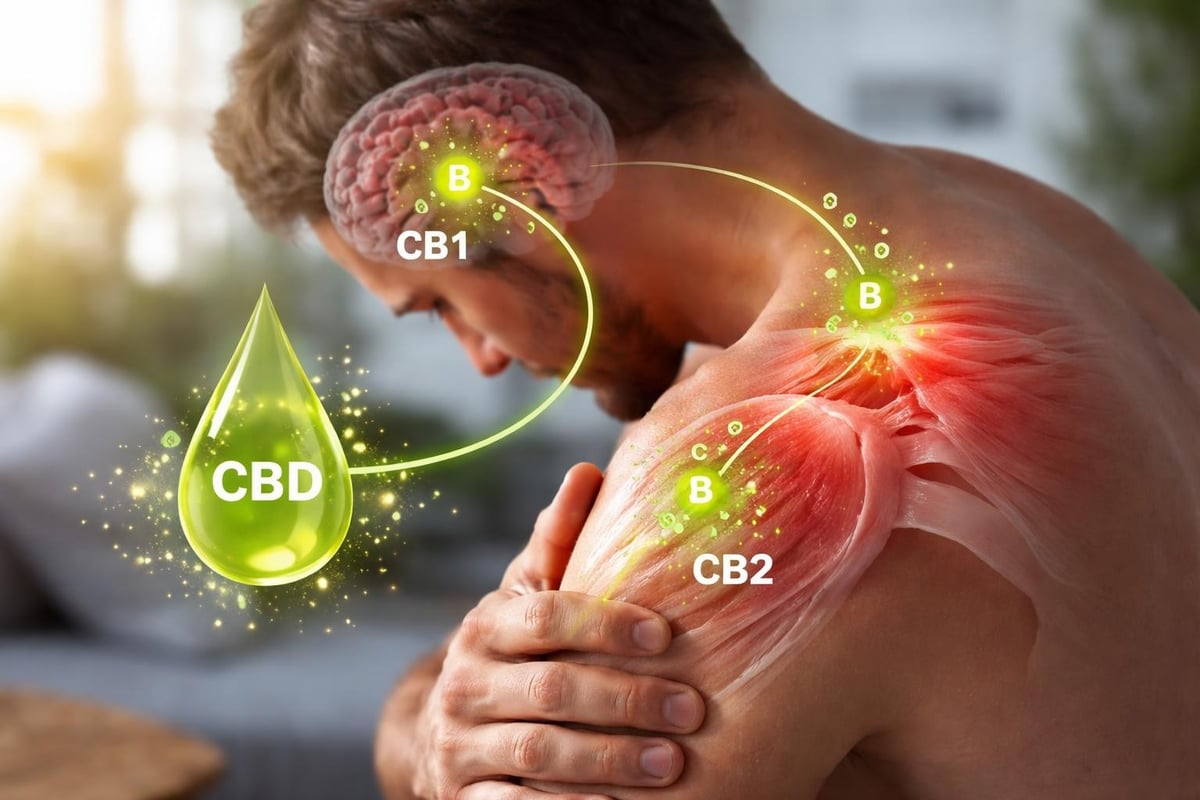
Cannabidiol is a non-psychoactive compound derived from the hemp plant that interacts with the body's endocannabinoid system (ECS). This complex network of receptors regulates various physiological processes, including pain perception, inflammation response, and tissue repair. Unlike THC, CBD does not produce intoxicating effects, making it an attractive option for athletes who need to maintain mental clarity while managing physical discomfort.
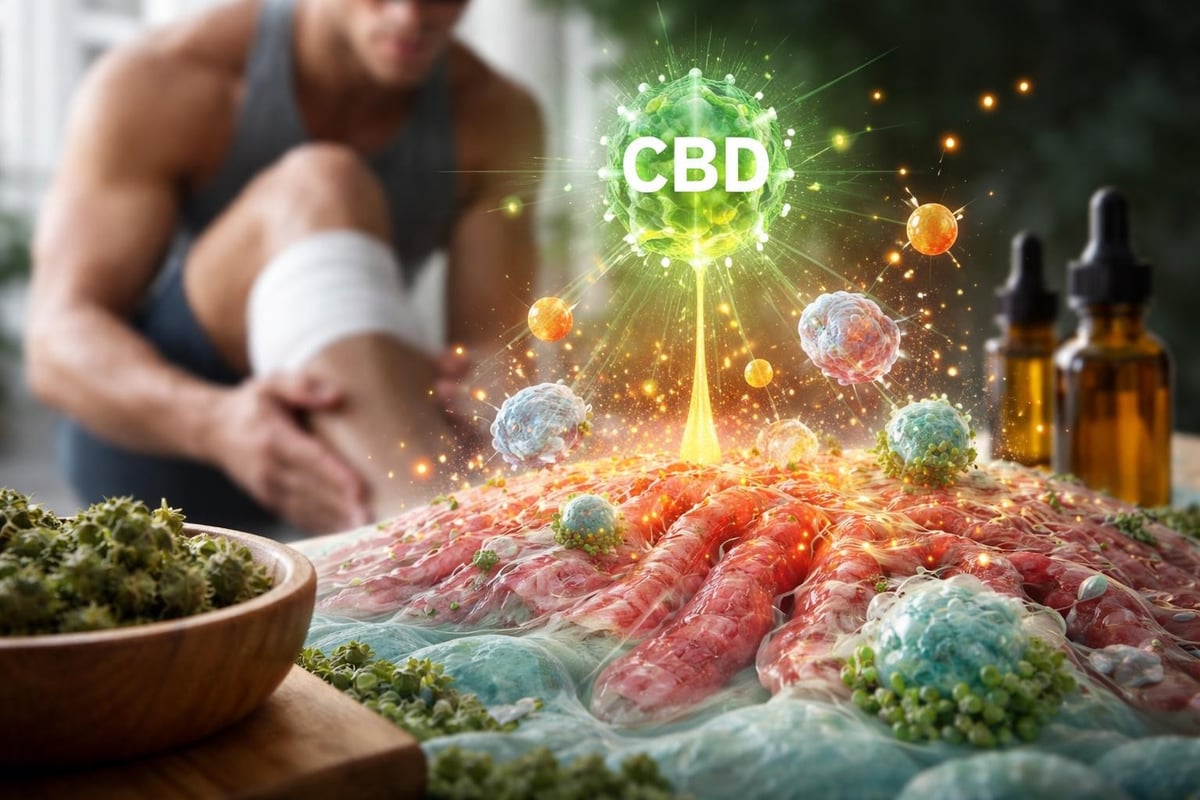
The endocannabinoid system consists of CB1 and CB2 receptors distributed throughout the body. CB2 receptors are particularly concentrated in immune cells and peripheral tissues, where they play a crucial role in modulating inflammatory responses. When sports injuries occur, the body's inflammatory cascade activates as a natural healing mechanism, but excessive or prolonged inflammation can delay recovery and intensify pain.
CBD influences the ECS through multiple pathways:
- Inhibiting enzymes that break down endocannabinoids, allowing these natural compounds to remain active longer
- Interacting with non-cannabinoid receptors involved in pain and inflammation
- Modulating immune cell activity to balance the inflammatory response
- Supporting mitochondrial function and cellular energy production
Research indicates that CBD may improve athletic performance and recovery by addressing key factors that limit training capacity and delay healing after injuries.
Types of Sports Injuries That May Benefit From CBD
Sports injuries span a broad spectrum of severity and tissue types, each presenting unique recovery challenges. CBD for sports injury recovery shows potential across various injury categories due to its anti-inflammatory and analgesic properties.
Acute Traumatic Injuries
Sudden impact injuries like sprains, strains, and contusions create immediate inflammation and pain. These injuries occur when forces exceed the tissue's capacity to absorb stress, resulting in torn ligaments, damaged muscle fibers, or bruised tissue. The initial inflammatory response is critical for healing, but managing excessive inflammation helps reduce secondary tissue damage and accelerate recovery.
CBD's ability to modulate inflammation without completely suppressing the immune response distinguishes it from traditional non-steroidal anti-inflammatory drugs (NSAIDs). While NSAIDs can interfere with long-term tissue healing, CBD appears to support the body's natural recovery processes while providing symptomatic relief.
Overuse and Chronic Injuries
Repetitive stress injuries develop gradually through accumulated microtrauma to tendons, muscles, and joints. Conditions like tendinitis, plantar fasciitis, and runner's knee plague athletes who push through persistent discomfort. The chronic inflammation associated with these conditions creates a cycle of pain and tissue degradation that becomes increasingly difficult to break.
Similar to how CBD helps manage chronic pain conditions, it may offer sustained relief for athletes dealing with overuse injuries. The compound's long-term safety profile makes it suitable for extended use during recovery periods that can span weeks or months.
Joint-Related Sports Injuries
Impact sports and high-intensity training place tremendous stress on joints, contributing to cartilage damage, synovial inflammation, and degenerative changes. Athletes frequently develop early-onset osteoarthritis or experience acute joint injuries that require comprehensive management strategies.
| Injury Type | Common Sports | Primary Symptoms | Recovery Timeline |
|---|---|---|---|
| ACL Tear | Soccer, Basketball, Skiing | Knee instability, severe pain, swelling | 6-12 months |
| Rotator Cuff Strain | Baseball, Swimming, Tennis | Shoulder pain, weakness, limited range | 4-8 weeks |
| Ankle Sprain | Running, Volleyball, Football | Swelling, bruising, difficulty bearing weight | 2-6 weeks |
| Tennis Elbow | Racquet Sports, Golf | Elbow pain, grip weakness | 6-12 weeks |
The anti-inflammatory effects of CBD may complement traditional joint injury protocols, potentially reducing recovery time and improving functional outcomes. Those interested in joint-specific applications can explore how CBD oil supports osteoarthritis management.
Scientific Evidence Supporting CBD for Sports Recovery
The growing body of research examining cbd for sports injury recovery provides valuable insights into its therapeutic potential. While studies are still emerging, early findings suggest meaningful benefits across multiple recovery parameters.
A comprehensive narrative review published in 2021 examined CBD's role in managing fatigue and muscle damage related to physical exertion. The authors noted that CBD's anti-inflammatory, neuroprotective, and analgesic properties align well with the physiological demands of athletic recovery.
Pain Management and Analgesic Effects
Pain represents one of the most significant barriers to maintaining training consistency and achieving optimal recovery. Traditional pain medications carry risks of dependency, gastrointestinal complications, and potential performance impacts. CBD offers a different approach by modulating pain signals without the adverse effects associated with opioids or NSAIDs.
The compound influences pain perception through multiple mechanisms, including interactions with vanilloid receptors, serotonin receptors, and glycine receptors. This multi-target approach may explain why CBD shows promise for various pain types, from acute post-injury discomfort to chronic inflammatory pain.
Inflammation Reduction and Immune Modulation
Inflammation serves both protective and potentially harmful roles in sports injury recovery. The initial inflammatory response clears damaged tissue and initiates repair processes, but excessive inflammation can cause secondary damage and prolong recovery. Evidence suggests CBD may improve sports performance partly through its ability to regulate inflammatory responses without completely suppressing beneficial immune functions.
CBD's anti-inflammatory mechanisms include:
- Reducing pro-inflammatory cytokine production
- Inhibiting inflammatory enzyme activity
- Promoting anti-inflammatory signaling pathways
- Supporting regulatory immune cell function
A systematic review from 2024 assessed CBD's effects on performance and post-load recovery among healthy and physically active individuals. The researchers found preliminary evidence supporting CBD's potential to reduce exercise-induced inflammation and accelerate recovery markers.
Sleep Quality and Recovery Optimization
Quality sleep is fundamental to athletic recovery, facilitating tissue repair, hormone regulation, and nervous system restoration. Many athletes struggle with sleep disturbances related to pain, anxiety, or disrupted circadian rhythms from training schedules. CBD has shown promise in supporting better sleep quality without the dependency risks or morning grogginess associated with prescription sleep medications.
The relationship between CBD and sleep appears complex, involving interactions with adenosine receptors, regulation of cortisol levels, and modulation of the sleep-wake cycle. For athletes managing injuries, improved sleep quality can accelerate healing and enhance overall recovery outcomes. Those interested in this application can learn more about CBD hemp seed oil for sleep.
Practical Application: Using CBD for Sports Injury Recovery
Implementing cbd for sports injury recovery effectively requires understanding dosage considerations, delivery methods, and timing strategies. Athletes should approach CBD use systematically, monitoring responses and adjusting protocols based on individual needs.
Delivery Methods and Bioavailability
CBD products come in various forms, each offering distinct advantages for sports injury applications:
Topical Applications deliver CBD directly to affected areas through creams, balms, or roll-on formulations. These products provide localized relief without systemic absorption, making them ideal for joint pain, muscle soreness, and localized inflammation. Topical CBD concentrates effects at the application site while minimizing potential interactions with other supplements or medications.
Oral Tinctures and Oils offer systemic effects through sublingual absorption or ingestion. These products provide broader anti-inflammatory and analgesic benefits throughout the body, supporting overall recovery. Full-spectrum and broad-spectrum formulations contain additional hemp compounds that may enhance CBD's effects through synergistic interactions.
Transdermal Patches deliver sustained CBD release over extended periods, maintaining consistent blood levels for prolonged symptom management. This delivery method suits athletes managing persistent pain or inflammation that requires round-the-clock support.
| Delivery Method | Onset Time | Duration | Best For | Bioavailability |
|---|---|---|---|---|
| Topical | 15-30 min | 2-4 hours | Localized pain, joint inflammation | Minimal systemic |
| Sublingual Oil | 15-45 min | 4-6 hours | Overall recovery, sleep support | 12-35% |
| Capsules | 45-90 min | 6-8 hours | Sustained relief, convenience | 6-15% |
| Transdermal | 30-60 min | 8-12 hours | Chronic pain, consistent dosing | 25-50% |
Dosage Considerations for Athletes
CBD dosing remains highly individualized, influenced by body weight, injury severity, metabolism, and product concentration. Athletes new to CBD should start with low doses and gradually increase until achieving desired effects. Most research protocols use dosages ranging from 10mg to 200mg daily, though optimal amounts vary significantly among individuals.
General dosing guidelines include:
- Low dose (5-15mg): Suitable for mild discomfort, preventive use, or initial trials
- Moderate dose (15-50mg): Appropriate for moderate pain, inflammation, or recovery support
- High dose (50-200mg): Reserved for severe injuries, intense pain, or significant inflammation
Athletes should maintain consistency in timing and dosage to evaluate effectiveness accurately. Tracking symptoms, recovery progress, and any side effects helps optimize individual protocols.
Integration With Training and Recovery Protocols
CBD for sports injury recovery works best when integrated into comprehensive recovery strategies. Athletes should combine CBD use with proven recovery modalities including proper nutrition, hydration, sleep hygiene, physical therapy, and appropriate rest periods.
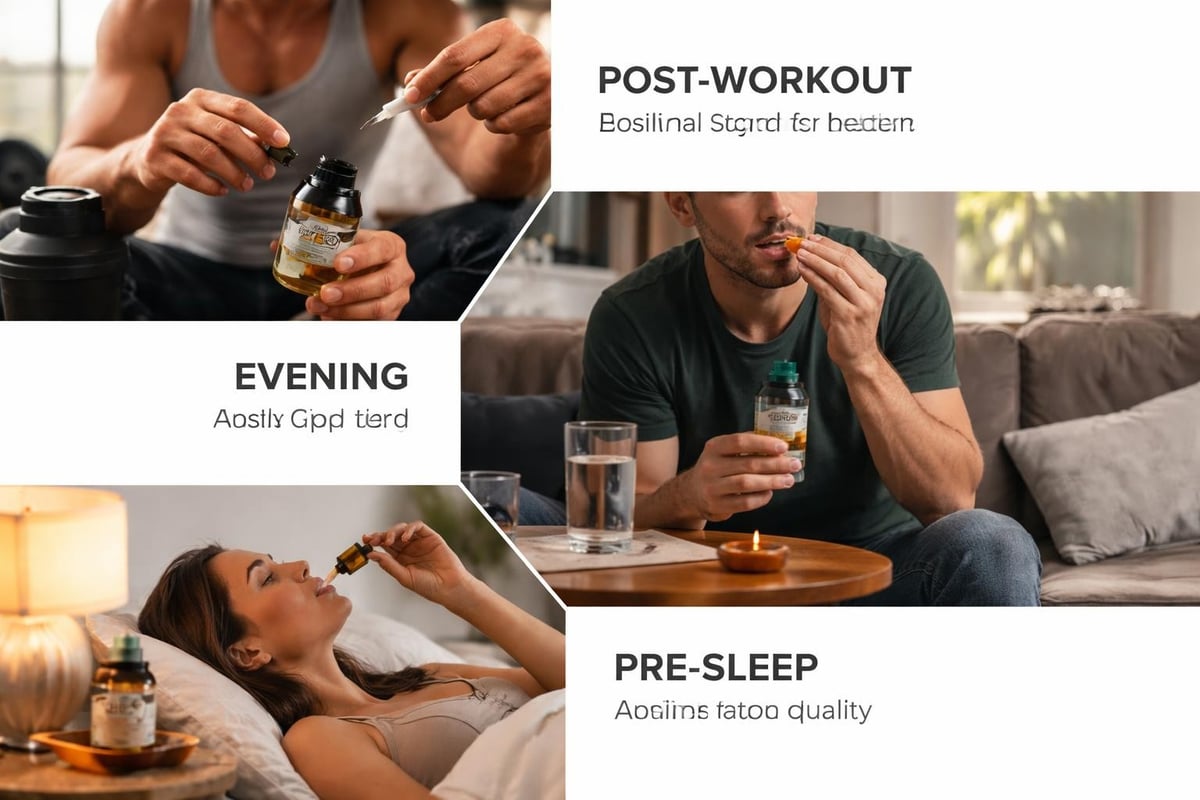
Timing CBD administration strategically can maximize benefits. Post-workout doses may help manage exercise-induced inflammation and support overnight recovery. Pre-sleep doses can enhance sleep quality when pain or discomfort interfere with rest. For acute injuries, more frequent dosing throughout the day maintains consistent symptom management.
Safety Considerations and Quality Standards
While CBD demonstrates a favorable safety profile, athletes must consider several factors when incorporating it into recovery protocols. Understanding potential interactions, quality standards, and regulatory considerations ensures safe and effective use.
Potential Side Effects and Interactions
CBD is generally well-tolerated, with most reported side effects being mild and transient. Common reactions include fatigue, changes in appetite, and digestive discomfort. These effects typically diminish with continued use or dosage adjustments.
Athletes taking medications should consult healthcare providers before starting CBD, as it can interact with certain drugs metabolized by liver enzymes. CBD may affect blood thinners, some anti-seizure medications, and drugs with grapefruit warnings. The compound's safety profile surpasses many traditional pain medications, but individual medical contexts require professional evaluation.
Third-Party Testing and Product Quality
The CBD market's rapid growth has created quality inconsistencies across products. Athletes should prioritize brands that provide comprehensive third-party laboratory testing, verifying cannabinoid content, confirming THC levels below legal limits, and screening for contaminants like heavy metals, pesticides, and solvents.
Quality indicators to evaluate:
- Certificate of Analysis (COA) from independent laboratories
- Batch-specific testing results accessible to customers
- Clear labeling of CBD concentration and cannabinoid profile
- Transparent sourcing information for hemp materials
- Good Manufacturing Practice (GMP) certification
Premium brands like Reclaim Labs demonstrate commitment to quality through rigorous testing protocols and transparent documentation, ensuring athletes receive consistent, safe products.
Regulatory Status and Athletic Compliance
The World Anti-Doping Agency (WADA) removed CBD from its prohibited substances list in 2018, allowing athletes to use pure CBD products without violation concerns. However, THC remains prohibited, requiring athletes to choose CBD isolates or broad-spectrum products with verified THC-free status.
Different athletic organizations maintain varying policies regarding cannabis-derived compounds. Athletes competing under specific governing bodies should verify current regulations and ensure their CBD products meet compliance requirements. Documentation from third-party testing helps demonstrate product legitimacy if questions arise.
Comparing CBD to Traditional Recovery Approaches
Athletes traditionally rely on various interventions for injury recovery, each offering distinct benefits and limitations. Understanding how cbd for sports injury recovery compares to established approaches helps inform comprehensive treatment strategies.
NSAIDs and Conventional Pain Management
Non-steroidal anti-inflammatory drugs like ibuprofen and naproxen represent first-line treatments for sports injuries. While effective for acute pain and inflammation, long-term NSAID use carries risks including gastrointestinal bleeding, cardiovascular complications, and potential interference with tissue healing. Some research suggests NSAIDs may impair tendon and bone healing when used extensively during recovery.
CBD offers anti-inflammatory effects without the gastrointestinal or cardiovascular risks associated with NSAIDs. The compound's different mechanism of action may complement healing processes rather than potentially interfering with them. Athletes seeking alternatives to NSAIDs, particularly for chronic or recurring injuries, may find CBD a valuable option. Similar considerations apply to those exploring alternatives to steroid medications for inflammation.
Physical Therapy and Rehabilitation
Physical therapy remains essential for sports injury recovery, addressing biomechanical issues, restoring function, and preventing re-injury. CBD does not replace structured rehabilitation but may enhance compliance and outcomes by managing pain that limits therapy participation. Athletes who can engage more fully in physical therapy due to better pain control may achieve superior functional recovery.
The combination of CBD for symptom management and professional rehabilitation for structural recovery creates a comprehensive approach addressing both immediate comfort and long-term healing. This integrated strategy acknowledges that optimal recovery requires multiple interventions working synergistically.
Emerging Recovery Technologies
Modern athletes access various recovery technologies including cryotherapy, compression therapy, electrical stimulation, and infrared treatment. These modalities target specific aspects of recovery, from reducing muscle soreness to improving circulation. CBD can complement technological interventions by addressing inflammation and pain through biological pathways.
Athletes often achieve best results by combining multiple evidence-based approaches tailored to their specific injury and recovery goals. CBD represents one tool in a comprehensive recovery toolkit rather than a standalone solution.
Future Research Directions and Emerging Applications
The scientific understanding of cbd for sports injury recovery continues evolving as researchers conduct more rigorous studies. Current evidence provides encouraging preliminary support, but several knowledge gaps require attention.
Areas Requiring Further Investigation
Researchers need to conduct large-scale, randomized controlled trials examining specific injury types, optimal dosing protocols, and long-term outcomes. Most existing studies involve small sample sizes or animal models, limiting definitive conclusions about clinical applications. Future research should address:
Dose-response relationships for different injury severities and athlete populations, establishing evidence-based dosing guidelines that account for individual variability and product formulations.
Comparative effectiveness studies evaluating CBD against standard treatments, helping determine when CBD offers advantages over or complements traditional approaches.
Long-term safety monitoring tracking athletes using CBD consistently over extended periods, documenting any cumulative effects or tolerance development.
A review by the Gatorade Sports Science Institute highlights the need for more robust research evaluating CBD's effects on athletic performance and recovery outcomes.
Potential Applications Beyond Injury Recovery
Emerging research explores CBD's neuroprotective properties, particularly relevant for athletes in contact sports at risk for concussions and traumatic brain injuries. A 2026 study in Phytomedicine investigated how CBD improves cognitive impairment after traumatic brain injury by attenuating neuronal oxidative stress and apoptosis, suggesting potential applications for head injury management.
CBD may also support injury prevention by reducing chronic inflammation that predisposes tissues to damage, promoting better sleep quality that enhances recovery capacity, and potentially reducing anxiety that can impair performance and increase injury risk.
Personalized CBD Protocols
Future developments may include personalized CBD protocols based on genetic markers, injury biomarkers, and individual endocannabinoid system characteristics. As understanding of individual variability grows, athletes may benefit from customized dosing and formulation recommendations optimized for their unique physiology and recovery needs.
Selecting Quality CBD Products for Athletic Recovery
Athletes seeking to incorporate cbd for sports injury recovery face numerous product choices across varying quality levels. Making informed selections ensures safety, effectiveness, and regulatory compliance.
Understanding Product Labels and Formulations
CBD products fall into three main categories based on cannabinoid content. Full-spectrum formulations contain all hemp compounds including trace THC (below 0.3%), potentially offering enhanced effects through synergistic interactions. Broad-spectrum products include multiple cannabinoids while removing THC completely, suitable for athletes requiring zero THC exposure. CBD isolate provides pure cannabidiol without other hemp compounds, offering the lowest risk of THC detection.
Athletes should evaluate concentration carefully, noting that higher CBD content per serving may provide better value and more precise dosing. Product labels should clearly indicate total CBD per container and per serving, allowing accurate dose calculation.
Evaluating Brand Transparency and Reputation
Reputable CBD companies provide extensive information about sourcing, extraction methods, and testing protocols. Key transparency indicators include:
- Detailed information about hemp cultivation practices and geographic origin
- Explanation of extraction methods (CO2 extraction preferred for purity)
- Batch-specific Certificates of Analysis readily accessible
- Clear contact information and responsive customer support
- Educational resources demonstrating company expertise
Companies serving health-conscious consumers should demonstrate commitment to quality that extends beyond marketing claims. Third-party verification provides independent confirmation of product contents and purity.
Price Considerations and Value Assessment
CBD product pricing varies significantly based on concentration, formulation, and brand positioning. Athletes should evaluate cost per milligram of CBD rather than package price alone. Higher concentrations often provide better value despite elevated upfront costs.
Value assessment factors:
- CBD concentration and cost per milligram
- Presence of additional beneficial compounds (broad vs. isolate)
- Quality certifications and testing documentation
- Company reputation and customer feedback
- Product format convenience and application suitability
Investing in premium products from transparent manufacturers ensures athletes receive consistent, effective doses while minimizing contamination risks that could affect health or competitive status.
CBD for sports injury recovery offers athletes a natural approach to managing pain and inflammation while supporting the body's healing processes. Whether you're dealing with acute injuries or chronic conditions, understanding how CBD works and choosing quality products can enhance your recovery strategy. Reclaim Labs provides premium, third-party tested CBD hemp oil products designed for those seeking effective, reliable alternatives to traditional pain management. Our commitment to transparency and quality ensures you receive consistent, safe formulations that support your journey toward optimal recovery and performance.