Tendonitis is a debilitating condition that affects millions of people each year, causing significant pain, swelling, and limited mobility in the affected joints. Whether triggered by repetitive motion, athletic activity, or age-related degeneration, this inflammation of the tendons can severely impact daily life. As individuals increasingly seek natural alternatives to traditional pain management approaches, CBD has emerged as a promising option. Understanding how cbd for tendonitis pain works requires examining both the underlying mechanisms of the condition and the unique properties of cannabidiol that make it potentially effective for managing inflammatory pain.
Understanding Tendonitis and Its Impact
Tendonitis occurs when tendons, the fibrous connective tissues that attach muscles to bones, become inflamed or irritated. According to Stanford Health Care's comprehensive overview, common areas affected include the shoulders, elbows, wrists, knees, and heels. The condition manifests through several characteristic symptoms that progressively worsen without proper intervention.
Primary Symptoms and Risk Factors
The hallmark signs of tendonitis include persistent pain that intensifies with movement, tenderness around the affected joint, mild swelling, and stiffness that often worsens after periods of rest. Athletes, manual laborers, and office workers performing repetitive tasks face elevated risk for developing this condition.
Common Causes Include:
- Repetitive strain from sports or occupational activities
- Sudden injury or trauma to the tendon
- Age-related degeneration of tendon tissue
- Poor posture or biomechanical issues
- Inadequate warm-up before physical activity

Traditional treatment approaches outlined by Medscape's tendonitis management guide typically involve rest, ice therapy, compression, elevation (RICE protocol), anti-inflammatory medications, and physical therapy. However, these conventional methods don't always provide adequate relief, and long-term use of NSAIDs carries potential side effects.
How CBD Addresses Tendonitis Pain
Cannabidiol interacts with the body's endocannabinoid system (ECS), a complex network of receptors that helps regulate pain perception, inflammation, and immune response. When using cbd for tendonitis pain, the compound's anti-inflammatory properties become particularly relevant. The ECS includes CB1 and CB2 receptors distributed throughout the body, with CB2 receptors concentrated in immune cells and peripheral tissues.
Research published in a 2023 pilot study examining CBD's impact on inflammation demonstrated that cannabidiol may reduce exercise-induced inflammation and discomfort. This mechanism proves particularly valuable for tendonitis sufferers, as inflammation represents the primary driver of pain and limited mobility.
Anti-Inflammatory Mechanisms
CBD operates through multiple pathways to combat inflammation. It inhibits inflammatory cytokines, reduces oxidative stress, and modulates immune system responses. Unlike traditional NSAIDs that primarily block COX enzymes, CBD's multi-targeted approach may offer broader benefits with fewer systemic side effects.
| Traditional NSAIDs | CBD Approach |
|---|---|
| Blocks COX-1 and COX-2 enzymes | Modulates endocannabinoid system |
| Risk of gastrointestinal issues | Generally well-tolerated |
| May affect cardiovascular health | Multiple anti-inflammatory pathways |
| Short-term symptom relief | Potential for tissue healing support |
Additional research on CBD's efficacy in pain treatment suggests that cannabidiol may influence pain perception by interacting with serotonin receptors and TRPV1 channels, creating a comprehensive approach to pain management.
Choosing the Right CBD Product for Tendonitis
Product selection significantly influences outcomes when using cbd for tendonitis pain. Different delivery methods offer distinct advantages depending on the severity and location of symptoms. Understanding these options empowers patients to make informed decisions aligned with their specific needs.
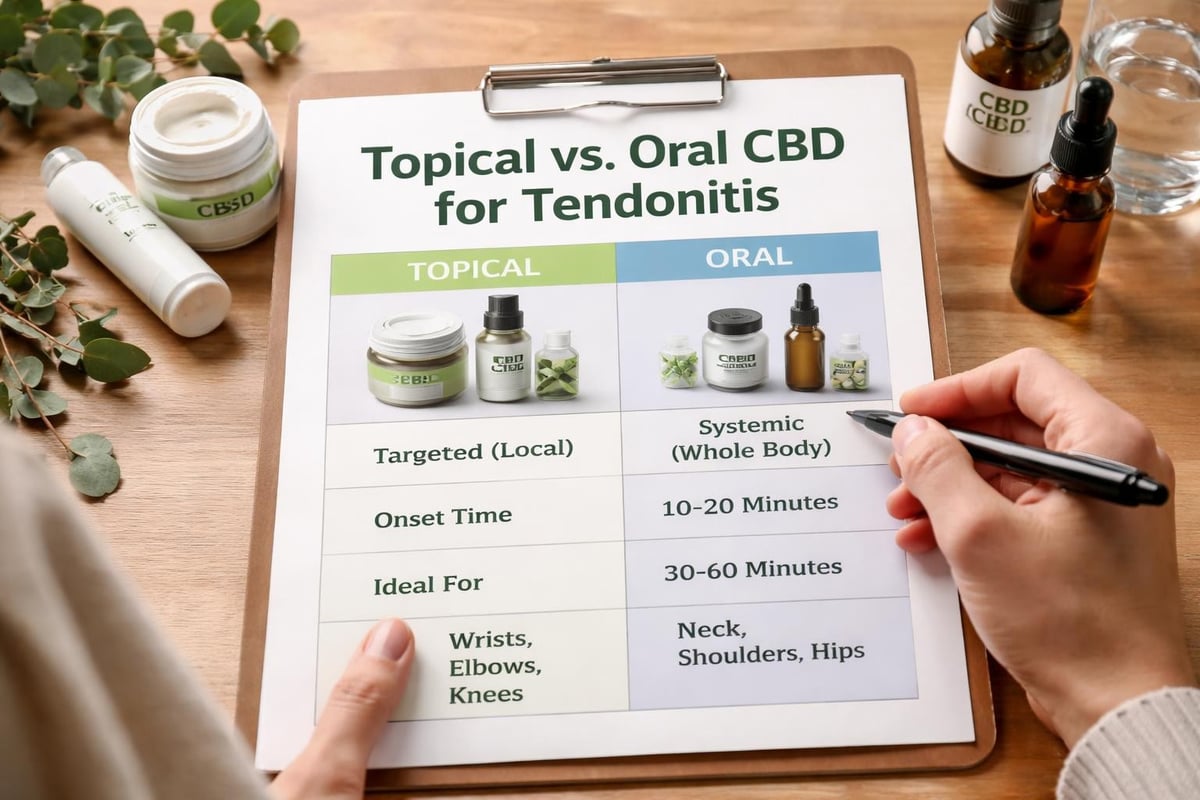
Topical Applications
Topical CBD products provide targeted relief directly at the site of inflammation. The CBD hemp infused relief roll-on stick offers convenient application for areas like elbows, wrists, and ankles. These products absorb through the skin, delivering cannabidiol to local tissues without entering the bloodstream.
Benefits of Topical CBD:
- Direct application to affected area
- No systemic absorption
- Quick onset of relief
- Convenient for on-the-go use
- Can be combined with other treatments
Oral CBD Products
Broad-spectrum and full-spectrum CBD oils taken orally provide systemic relief throughout the body. For individuals managing multiple areas of tendonitis or seeking comprehensive inflammation support, products like broad-spectrum CBD hemp oil deliver consistent daily dosing.
Transdermal Patches
CBD patches for pain relief offer sustained release over extended periods. These adhesive patches provide steady cannabidiol absorption through the skin, maintaining consistent levels for up to 24 hours. This method proves particularly beneficial for chronic tendonitis requiring round-the-clock management.
Dosing Guidelines and Administration
Determining the appropriate dose when using cbd for tendonitis pain requires consideration of multiple factors including body weight, severity of symptoms, product concentration, and individual biochemistry. No universal dosage exists, making the "start low and go slow" approach essential for finding optimal relief.
Starting Dosage Recommendations
- Begin with low doses (10-20mg daily for oral products)
- Monitor symptom changes over 3-7 days
- Gradually increase by 5-10mg increments
- Document effectiveness in a pain journal
- Adjust based on response until reaching desired relief
For topical applications, apply a small amount to the affected area 2-3 times daily. The localized nature of topical CBD means dosing depends more on coverage area than body weight. Those exploring CBD hemp oil benefits for pain will find that consistent daily use often yields better results than sporadic application.
| Product Type | Starting Dose | Frequency | Onset Time |
|---|---|---|---|
| Oral Tincture | 10-20mg | Once or twice daily | 30-60 minutes |
| Topical Cream/Roll-on | Pea-sized amount | 2-3 times daily | 15-30 minutes |
| Transdermal Patch | One patch | Every 24 hours | 1-2 hours |
| Sublingual Drops | 0.5-1mL | Twice daily | 15-45 minutes |
Integrating CBD with Comprehensive Tendonitis Management
While cbd for tendonitis pain shows promise, optimal outcomes typically result from combining CBD with other evidence-based interventions. This multimodal approach addresses inflammation, promotes healing, and prevents recurrence.
Complementary Treatment Strategies
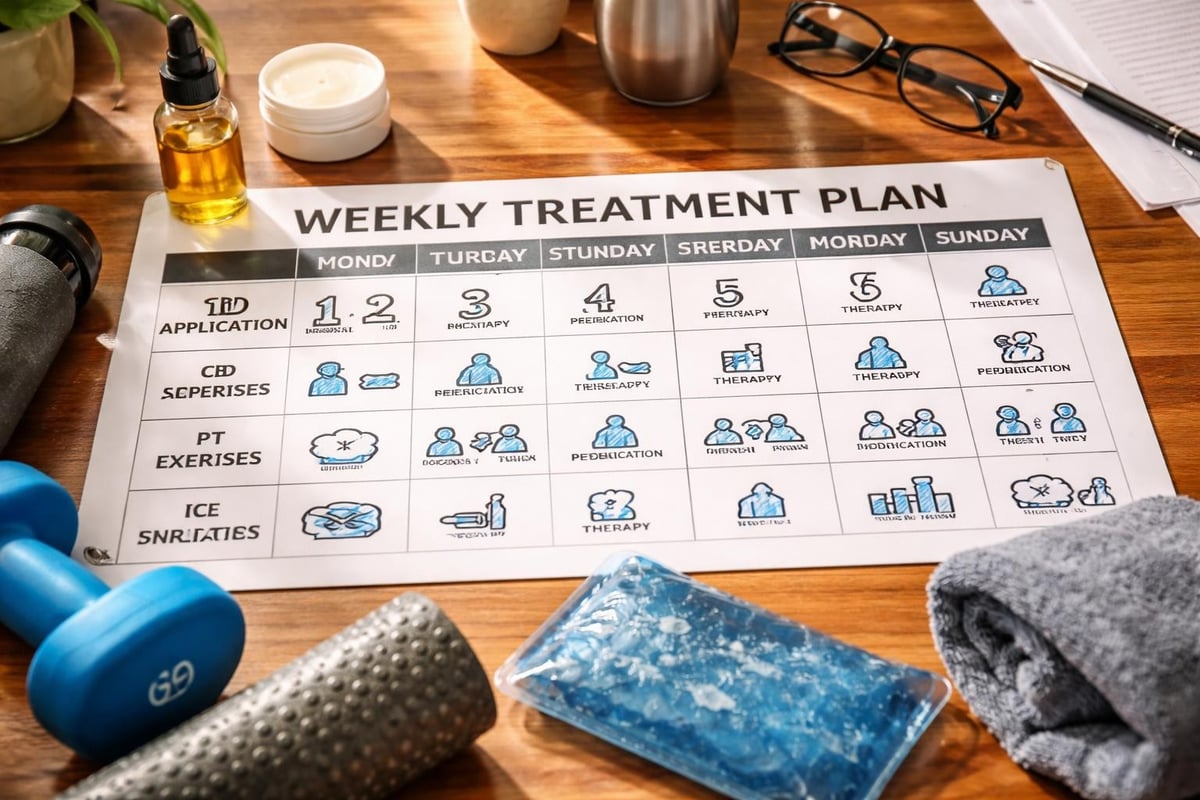
Physical therapy remains foundational for tendonitis recovery. Specific exercises strengthen surrounding muscles, improve flexibility, and correct biomechanical imbalances contributing to tendon stress. CBD may enhance this process by reducing inflammation that inhibits proper exercise execution.
Effective Combination Approaches:
- CBD application before physical therapy sessions
- Ice therapy alternating with topical CBD
- Ergonomic modifications plus daily oral CBD
- Stretching routines supported by CBD's anti-inflammatory effects
- Rest periods with transdermal patch application
Alternative therapies like platelet-rich plasma for chronic tendonitis represent another option for severe cases. Some practitioners suggest CBD may complement PRP therapy by managing post-procedure inflammation, though more research is needed in this area.
Similar to approaches discussed in arthritis management strategies, managing tendonitis requires consistent adherence to multiple interventions rather than relying on a single solution.
Evidence and Research Developments
Scientific investigation into cbd for tendonitis pain continues evolving, with recent studies providing encouraging insights into cannabidiol's therapeutic potential for musculoskeletal conditions. While direct research specifically on tendonitis remains limited, studies on related inflammatory conditions offer relevant findings.
Current Research Landscape
A 2022 study exploring CBD in treating arthritis and joint pain demonstrated cannabidiol's potential anti-inflammatory and analgesic effects. These mechanisms translate directly to tendonitis management, as both conditions involve inflammatory processes affecting connective tissues.
More recent findings from a 2025 randomized controlled trial investigating CBD-rich Cannabis sativa oil in knee osteoarthritis showed promising results regarding pain reduction and improved function. Though osteoarthritis differs from tendonitis, the inflammatory component shares common pathways.
A 2023 review discussing cannabidiol's potential applications in musculoskeletal regenerative medicine highlighted CBD's relevance in treating conditions like tendonitis. Researchers noted cannabidiol's ability to modulate inflammation, oxidative stress, and cell death-all factors involved in tendon degeneration.
Quality and Safety Considerations
Product quality dramatically impacts effectiveness and safety when using cbd for tendonitis pain. Third-party laboratory testing ensures products contain advertised CBD concentrations without harmful contaminants like heavy metals, pesticides, or residual solvents.
Essential Quality Markers:
- Certificate of Analysis (COA) from independent labs
- Clear cannabinoid profile showing CBD content
- Verification of THC levels (below 0.3% for hemp-derived products)
- Testing for microbial contamination
- Transparency in sourcing and manufacturing
Reclaim Labs maintains rigorous testing standards, with detailed certificates of analysis available for products including the 2800mg broad-spectrum formulation and 1000mg relief roll-on, ensuring customers receive verified, safe products.
Tracking Progress and Adjusting Your Approach
Successfully managing tendonitis with CBD requires systematic monitoring of symptoms, responses, and overall progress. Maintaining detailed records helps identify patterns and optimize treatment protocols.
Creating an Effective Tracking System
- Document baseline pain levels using a 0-10 scale
- Record CBD dose, timing, and product type for each application
- Note activity levels and any triggering movements
- Track improvements or setbacks in mobility and function
- Review patterns weekly to identify what works best
Many individuals managing chronic conditions find value in exploring resources about beating arthritis, as the inflammatory management principles apply across various musculoskeletal conditions.
| Week | Morning Pain | Evening Pain | CBD Dose | Mobility Improvement |
|---|---|---|---|---|
| 1 | 7/10 | 8/10 | 20mg oral + topical | Baseline |
| 2 | 6/10 | 7/10 | 25mg oral + topical | Slight (10%) |
| 3 | 5/10 | 6/10 | 30mg oral + topical | Moderate (25%) |
| 4 | 4/10 | 5/10 | 30mg oral + topical | Significant (40%) |
Addressing Common Concerns and Side Effects
While cbd for tendonitis pain generally demonstrates favorable safety profiles, understanding potential interactions and side effects ensures responsible use. Most people tolerate CBD well, but individual responses vary.
Potential Side Effects
Common mild side effects include fatigue, changes in appetite, digestive upset, and dry mouth. These typically resolve with dosage adjustment or occur primarily at higher doses. Starting with conservative amounts minimizes these experiences.
Drug Interaction Considerations:
- CBD may interact with blood thinners
- Consultation recommended for immunosuppressant users
- Potential interaction with certain antidepressants
- May affect medications metabolized by liver enzymes
Anyone taking prescription medications should consult healthcare providers before incorporating CBD into their regimen. This proves especially important for individuals managing conditions discussed in resources like beating rheumatoid arthritis pain, where multiple medications often form part of treatment protocols.
Long-Term Use and Sustainability
Chronic tendonitis may require extended management strategies, making sustainability an important consideration when using cbd for tendonitis pain. Unlike some pharmaceutical interventions where tolerance develops or side effects accumulate, CBD appears to maintain effectiveness with continued use for many individuals.
Building Sustainable Habits
Consistency proves more important than intensity when managing chronic inflammatory conditions. Establishing regular application routines, whether through morning oral doses, pre-activity topical application, or overnight patch use, creates the steady cannabinoid levels that support ongoing inflammation control.
Regular reassessment every 4-6 weeks allows for protocol adjustments based on changing symptoms, activity levels, or seasonal variations. Some individuals find their needs fluctuate with weather changes, stress levels, or activity intensity, requiring flexible dosing approaches.
Those interested in comprehensive wellness approaches may also explore related topics such as managing chronic pain while maintaining active lifestyles, which emphasizes balanced strategies for long-term health.
Managing tendonitis effectively requires a comprehensive approach that addresses both symptoms and underlying inflammation. CBD offers a promising natural option backed by emerging research and supported by countless user experiences. With proper product selection, appropriate dosing, and integration into a broader treatment plan, cbd for tendonitis pain can help reduce discomfort and support recovery. Reclaim Labs provides premium, third-party tested CBD products specifically designed for individuals seeking natural alternatives to manage inflammatory conditions, with transparent quality standards and formulations backed by science. Explore how Reclaim Labs can support your journey toward better pain management and improved quality of life.