Chronic pain affects millions of Americans, driving many to seek alternatives beyond traditional pharmaceuticals. CBD oil for pain has emerged as a popular natural option, with increasing numbers of individuals exploring cannabidiol products for conditions ranging from arthritis to fibromyalgia. As research continues to evolve and product quality improves, understanding how CBD works, what the evidence shows, and how to choose effective products becomes essential for anyone considering this wellness approach. This guide examines the science, practical applications, and considerations for using CBD oil to manage pain in 2026.
Understanding CBD and Pain Mechanisms
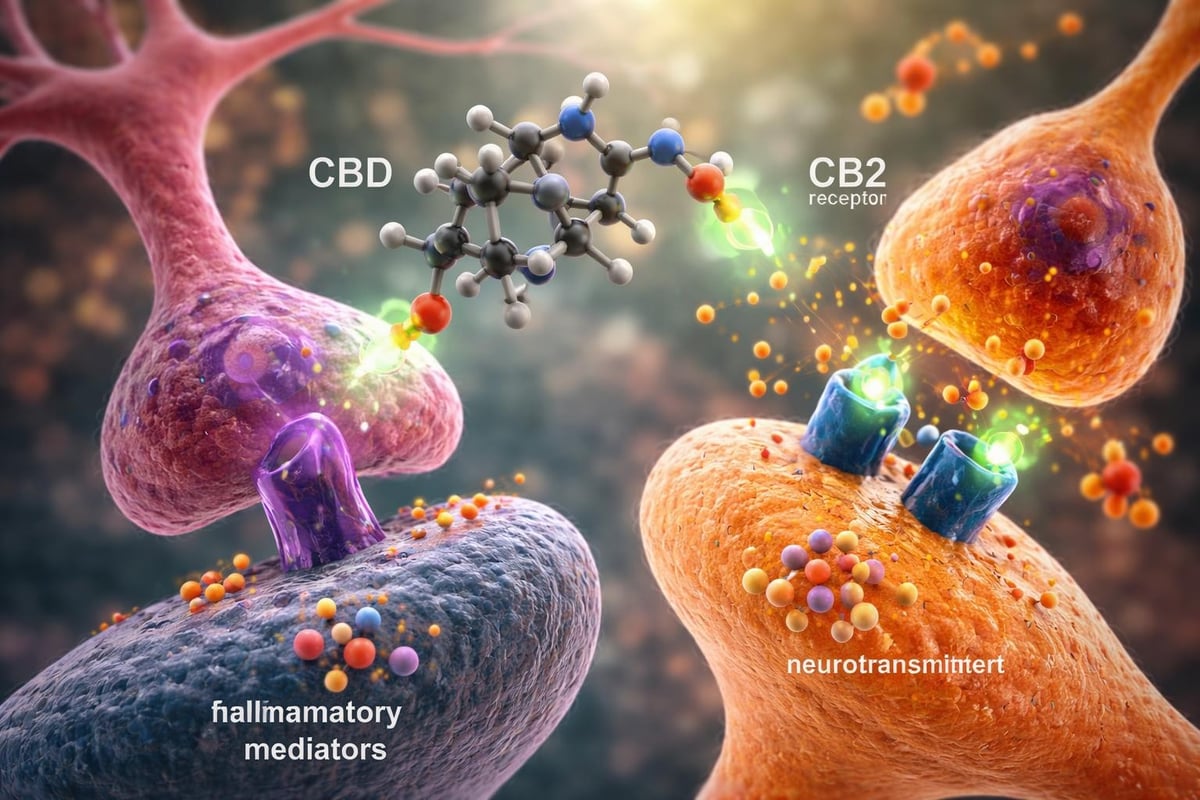
Cannabidiol (CBD) is a non-intoxicating compound derived from hemp plants that interacts with the body's endocannabinoid system. This complex network of receptors influences various physiological processes, including pain perception, inflammation response, and immune function.
The endocannabinoid system consists of CB1 and CB2 receptors distributed throughout the body. While THC directly binds to these receptors, CBD works differently, modulating receptor activity and influencing how the body processes pain signals. This indirect mechanism may help explain why CBD oil for pain produces effects without the psychoactive properties associated with marijuana.
How CBD May Influence Pain Pathways
Research suggests several mechanisms through which CBD may help manage discomfort:
- Inflammation reduction: CBD interacts with immune cells to potentially decrease inflammatory responses
- Pain signal modulation: Cannabidiol may influence how pain signals travel through neural pathways
- Neurotransmitter regulation: CBD affects serotonin and other neurotransmitters involved in pain perception
- Oxidative stress reduction: Antioxidant properties may protect cells from damage associated with chronic conditions
These mechanisms work together in complex ways, though researchers continue studying exactly how CBD oil for pain produces its effects. For individuals managing conditions like rheumatoid arthritis, understanding these pathways helps explain why CBD may offer relief where other interventions fall short.
Current Research on CBD for Pain Management
The scientific evidence for CBD oil for pain continues to develop, with studies showing both promise and the need for further investigation. Research on CBD's effectiveness indicates potential benefits for certain types of pain, though the quality and quantity of clinical trials remain limited compared to conventional pain medications.
A critical examination of CBD products reveals that while preclinical studies show encouraging results, large-scale human trials are still needed to establish definitive therapeutic protocols. The American Academy of Family Physicians notes that CBD effectiveness for chronic pain remains questionable based on current evidence standards, emphasizing the importance of realistic expectations.
| Study Type | Findings | Limitations |
|---|---|---|
| Animal Studies | Significant pain and inflammation reduction | Results may not translate directly to humans |
| Small Human Trials | Modest pain improvements reported | Limited sample sizes, short duration |
| Observational Studies | Many users report subjective benefits | Lack of placebo controls, self-reporting bias |
| Large Clinical Trials | Currently insufficient data | More rigorous studies needed for FDA approval |
Despite these limitations, many individuals using CBD oil for pain report meaningful improvements in their quality of life. Personal experiences with managing chronic conditions suggest that CBD may offer benefits even as the scientific community works to establish definitive proof through clinical trials.
Types of CBD Products for Pain Relief
The CBD market offers various product formats, each with distinct advantages for pain management. Understanding these options helps individuals select the most appropriate form for their specific needs.
Oral CBD Oils and Tinctures
CBD oil for pain is most commonly taken sublingually, with drops placed under the tongue for 60-90 seconds before swallowing. This method allows cannabidiol to absorb through mucous membranes, providing effects within 15-45 minutes that typically last 4-6 hours.
Benefits of oral CBD oils:
- Precise dosing control
- Longer-lasting effects compared to topicals
- Systemic relief throughout the body
- Flexible concentration options
Full-spectrum products contain all naturally occurring hemp compounds, including trace amounts of THC (under 0.3% legally), while broad-spectrum options remove THC entirely. Both types preserve beneficial terpenes and cannabinoids that may work synergistically with CBD.
Topical Applications
For localized discomfort, topical CBD products apply directly to affected areas. CBD roll-on sticks offer convenient application for joint pain, muscle soreness, and targeted relief without systemic absorption.
Topical product advantages:
- Direct application to pain sites
- No systemic effects or drug interactions
- Convenient for on-the-go use
- Combined with other beneficial ingredients like menthol
CBD pain relief patches provide extended release over 8-12 hours, maintaining consistent cannabidiol levels in the targeted area. This delivery method works well for chronic conditions requiring sustained relief throughout the day or night.

Dosing Guidelines and Considerations
Determining the right CBD oil for pain dosage requires individual experimentation, as responses vary based on body weight, metabolism, pain severity, and product potency. No universal dosing standard exists, making the "start low and go slow" approach essential.
Starting Dosage Recommendations
Most experts suggest beginning with 5-10 mg of CBD twice daily, monitoring effects for one week before increasing. This conservative approach allows individuals to identify their minimum effective dose while minimizing potential side effects.
| Body Weight | Starting Dose | Moderate Dose | Higher Dose |
|---|---|---|---|
| Under 130 lbs | 5-10 mg | 15-25 mg | 30-40 mg |
| 130-200 lbs | 10-15 mg | 25-40 mg | 45-60 mg |
| Over 200 lbs | 15-20 mg | 40-60 mg | 65-80 mg |
These ranges provide general guidance, but individual needs vary significantly. Some people experience relief at lower doses, while others with severe chronic pain may require higher amounts under healthcare provider supervision.
Factors Affecting CBD Effectiveness
Several variables influence how CBD oil for pain works in different individuals:
- Product quality and potency: Third-party lab testing ensures accurate CBD content
- Bioavailability: How efficiently the body absorbs and uses cannabidiol
- Consistency: Regular daily use often produces better results than sporadic application
- Complementary approaches: CBD works best as part of comprehensive pain management
- Individual biochemistry: Genetic variations affect endocannabinoid system function
For conditions like fibromyalgia or osteoarthritis, maintaining consistent CBD levels through regular dosing may provide more substantial benefits than occasional use.
Safety Profile and Potential Side Effects
CBD oil for pain is generally well-tolerated, with a favorable safety profile compared to many pharmaceutical pain medications. However, understanding potential side effects and interactions remains important for responsible use.
Common Side Effects
Most people experience no adverse effects from CBD, but some individuals report:
- Mild digestive changes or upset stomach
- Fatigue or drowsiness, especially at higher doses
- Dry mouth or changes in appetite
- Temporary changes in blood pressure
These effects are typically mild and resolve as the body adjusts to CBD supplementation. Starting with lower doses minimizes the likelihood of experiencing side effects.
Drug Interactions and Precautions
CBD can interact with certain medications by affecting liver enzyme activity. Anyone taking prescription medications should consult healthcare providers before using CBD oil for pain, particularly those on:
- Blood thinners like warfarin
- Anti-seizure medications
- Immunosuppressants
- Certain antidepressants
For individuals tapering off prednisone, discussing CBD integration with physicians ensures safe coordination of both approaches. CBD may help manage discomfort during the transition period, but medical supervision remains essential.
Choosing Quality CBD Products
The unregulated nature of the CBD market in 2026 makes product selection challenging. Quality varies dramatically between manufacturers, with some products containing significantly less CBD than labeled or harboring contaminants.
Third-Party Testing Standards
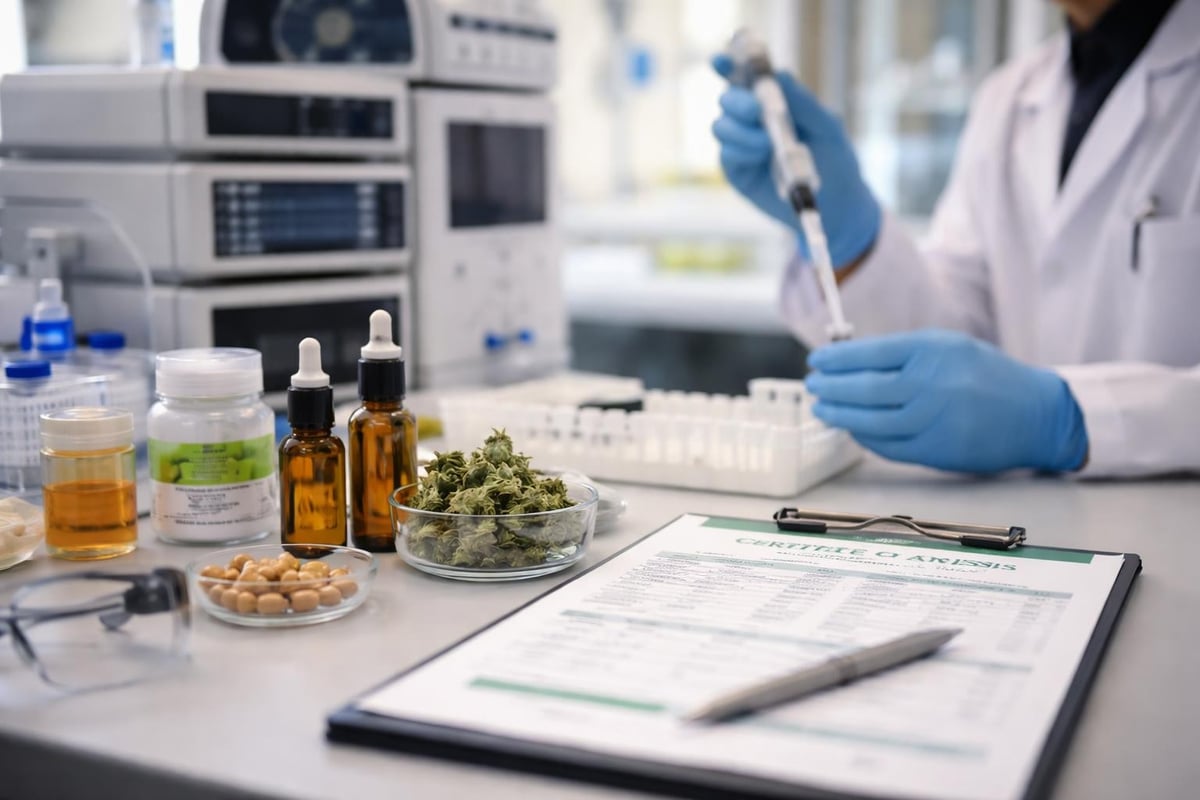
Reputable CBD companies provide certificates of analysis (COA) from independent laboratories verifying:
- Cannabinoid content accuracy: Confirming CBD levels match label claims
- THC levels: Ensuring compliance with 0.3% legal limit
- Contaminant screening: Testing for pesticides, heavy metals, and solvents
- Microbial safety: Checking for mold, bacteria, and fungi
Premium manufacturers make these test results easily accessible, demonstrating transparency and commitment to quality. Reviewing COAs before purchasing protects consumers from ineffective or potentially harmful products.
Extraction Methods and Purity
The extraction process significantly impacts CBD oil for pain quality and effectiveness:
CO2 extraction uses pressurized carbon dioxide to extract cannabinoids without chemical solvents, producing clean, high-quality CBD oil. This method preserves beneficial plant compounds while removing unwanted substances.
Ethanol extraction effectively pulls cannabinoids and terpenes from hemp but may extract chlorophyll and other compounds that affect taste and purity. Quality manufacturers remove these through additional refinement steps.
Hydrocarbon extraction uses propane or butane, producing potent extracts but risking solvent residue if not properly purged. This method is less common among premium CBD producers.
Integrating CBD Into Pain Management Strategies
CBD oil for pain works most effectively as part of comprehensive wellness approaches rather than as a standalone solution. Combining CBD with other evidence-based strategies often produces superior results.
Complementary Interventions
Successful pain management typically involves multiple modalities working together:
- Physical therapy and targeted exercises strengthening supporting muscles
- Anti-inflammatory dietary changes reducing systemic inflammation
- Stress reduction techniques like meditation or yoga
- Quality sleep practices supporting natural healing processes
- Appropriate medical care for underlying conditions
For those managing arthritis pain, CBD complements rather than replaces these fundamental approaches. The compound may help reduce inflammation and discomfort, making it easier to engage in physical therapy and exercise that provide long-term benefits.
Tracking Progress and Adjusting Approaches
Maintaining a pain journal helps identify patterns and optimize CBD use:
- Record daily CBD dosage, timing, and product type
- Rate pain levels on a consistent scale throughout the day
- Note activities, stress levels, and other relevant factors
- Track sleep quality and overall functionality
- Document any side effects or concerns
This systematic approach reveals what works best for individual circumstances, allowing for informed adjustments to dosing, timing, or product selection. Many people find that CBD oil for pain effectiveness improves as they fine-tune their approach based on personal response patterns.
CBD for Specific Pain Conditions
Different types of pain may respond differently to CBD supplementation, with varying degrees of evidence supporting each application.
Neuropathic Pain
Nerve-related pain from conditions like diabetic neuropathy or post-surgical trauma represents one area where CBD shows particular promise. The compound's influence on nerve signaling pathways may help reduce the burning, tingling, or shooting sensations characteristic of neuropathic conditions.
Research suggests CBD may help modulate hyperactive nerve responses without the cognitive side effects of gabapentin or pregabalin. However, individuals should maintain realistic expectations and work with healthcare providers to develop comprehensive treatment plans.
Inflammatory Pain Conditions
Arthritis, tendonitis, and similar inflammatory conditions represent common applications for CBD oil for pain. The compound's anti-inflammatory properties may help reduce swelling and associated discomfort in affected joints and tissues.
Combining oral CBD for systemic effects with topical applications targeting specific joints often provides optimal relief. This dual approach addresses both underlying inflammation and localized symptoms simultaneously.
Musculoskeletal Pain
Back pain, muscle soreness, and tension-related discomfort affect countless individuals. CBD's muscle-relaxing properties and anti-inflammatory effects may help ease these common complaints, particularly when combined with stretching, massage, or physical therapy.
CBD for foot pain exemplifies this application, with many individuals finding relief from plantar fasciitis, arthritis, or general foot discomfort through consistent CBD use alongside proper footwear and stretching protocols.
Legal Status and Regulatory Landscape
The 2018 Farm Bill legalized hemp-derived CBD containing less than 0.3% THC at the federal level, though state regulations vary. Most states permit CBD products, but some maintain restrictions or specific labeling requirements.
FDA Position and Future Regulation
The Food and Drug Administration has not approved CBD oil for pain as a therapeutic product outside of prescription Epidiolex for epilepsy. The agency continues evaluating CBD safety and efficacy data while working toward comprehensive regulatory frameworks.
This regulatory uncertainty means CBD products remain classified as supplements rather than medicines, limiting the health claims manufacturers can legally make. Reputable companies carefully word their marketing to comply with current regulations while providing helpful information about potential applications.
Quality Standards Evolution
As the CBD industry matures, quality standards continue improving. Industry groups have developed voluntary certification programs, and some states have implemented mandatory testing requirements. These developments benefit consumers by increasing product reliability and safety.
When selecting CBD oil for pain products, choosing manufacturers committed to exceeding minimum standards demonstrates wise consumer practice. Premium companies view third-party testing, quality sourcing, and transparent practices as fundamental rather than optional.
Cost Considerations and Value Assessment
CBD products span a wide price range, from budget options to premium formulations. Understanding what drives pricing helps consumers make informed purchasing decisions.
Factors Affecting CBD Product Pricing
Several elements contribute to CBD oil costs:
- Hemp cultivation methods (organic vs. conventional)
- Extraction process quality and efficiency
- Third-party testing frequency and comprehensiveness
- CBD concentration and overall potency
- Additional ingredients and formulation complexity
- Brand reputation and customer service
Higher-quality CBD oil for pain typically costs more but provides better value through superior effectiveness and safety. Cheaper products may contain less CBD than advertised or include contaminants that compromise both safety and results.
Calculating Cost Per Milligram
Comparing CBD products requires calculating cost per milligram of cannabidiol:
Cost per mg = Total price ÷ Total CBD content in mg
For example, a $60 bottle containing 1,000 mg of CBD costs $0.06 per milligram, while a $90 bottle with 2,000 mg costs $0.045 per milligram. The larger bottle offers better value despite the higher upfront cost.
Frequently Asked Questions About CBD Oil for Pain
How long does CBD oil take to work for pain?
Effects timing depends on consumption method. Sublingual CBD oil for pain typically begins working within 15-45 minutes, with peak effects at 1-2 hours. Topical applications may provide localized relief within 20-30 minutes. Oral capsules take longer (45-90 minutes) but last longer. Consistent daily use over 2-4 weeks often produces the most significant benefits as CBD accumulates in the system.
Can I use CBD oil for pain along with my current medications?
CBD may interact with certain medications by affecting liver enzyme activity. Always consult your healthcare provider before combining CBD with prescription drugs, especially blood thinners, anti-seizure medications, or immunosuppressants. Many people successfully use CBD alongside other pain management approaches, but medical supervision ensures safety and effectiveness.
What's the difference between full-spectrum and broad-spectrum CBD?
Full-spectrum CBD contains all naturally occurring hemp compounds, including trace THC (under 0.3%), terpenes, and other cannabinoids. Broad-spectrum removes THC entirely while preserving other beneficial compounds. Both may be more effective than CBD isolate due to the entourage effect, where compounds work synergistically. Choose broad-spectrum if you want to avoid THC completely or undergo drug testing.
How much CBD oil should I take for chronic pain?
Start with 5-10 mg twice daily and increase gradually every 5-7 days until you find effective relief. Most people use 15-60 mg daily for chronic pain, though some require higher doses under medical supervision. Body weight, pain severity, and individual metabolism influence optimal dosing. Track your response in a journal to identify your personal minimum effective dose.
Does CBD oil for pain cause any side effects?
CBD is generally well-tolerated with minimal side effects. Some individuals experience mild digestive changes, drowsiness, dry mouth, or temporary blood pressure fluctuations. These effects are typically minor and resolve as your body adjusts. Starting with lower doses and increasing gradually minimizes potential side effects. Consult your healthcare provider if you experience concerning symptoms.
Will CBD oil make me fail a drug test?
Full-spectrum CBD contains trace THC (under 0.3%) that might accumulate with high doses and trigger positive drug tests. Broad-spectrum CBD and CBD isolate contain no THC and shouldn't cause positive results. If drug testing is a concern, choose THC-free products and review certificates of analysis confirming zero THC content before purchasing.
How should I store CBD oil to maintain potency?
Store CBD oil in a cool, dark place away from direct sunlight and heat sources. A kitchen cabinet or dresser drawer works well. Refrigeration can extend shelf life but may thicken the oil. Most CBD products remain potent for 12-18 months when properly stored. Check expiration dates and discard products showing discoloration, separation, or off odors.
Can I use CBD oil for pain topically and orally together?
Combining oral and topical CBD oil for pain is safe and often provides superior relief. Oral CBD addresses systemic inflammation and overall pain levels, while topicals target specific problem areas. This dual approach works particularly well for conditions like arthritis where both localized joint pain and systemic inflammation contribute to discomfort. Consider using CBD roll-ons for targeted relief.
Is CBD oil addictive or habit-forming?
CBD has no addictive potential according to current research. Unlike opioid pain medications, CBD doesn't create physical dependence or withdrawal symptoms when discontinued. The World Health Organization has stated that CBD exhibits no effects indicative of abuse or dependence potential, making it a safer long-term option for chronic pain management compared to many conventional medications.
How do I know if a CBD product is high quality?
Look for third-party lab testing certificates confirming CBD content and purity. Quality products use organic hemp, CO2 extraction, and contain no harmful contaminants. Reputable companies provide transparent information about sourcing, manufacturing processes, and testing protocols. Avoid products making exaggerated health claims or lacking verifiable lab results. Customer reviews and company reputation also indicate product quality.
Can CBD help with fibromyalgia pain specifically?
Many individuals with fibromyalgia report benefits from CBD, though research specific to this condition remains limited. CBD's anti-inflammatory properties and effects on pain signaling may help reduce fibromyalgia symptoms including widespread pain, fatigue, and sleep disturbances. Consistent daily use typically produces better results than sporadic application. Always discuss CBD use with your healthcare provider when managing complex conditions like fibromyalgia.
Are there any conditions where I should avoid CBD oil?
People with liver disease, pregnancy or breastfeeding, severe low blood pressure, or certain medication regimens should avoid CBD without medical supervision. Those with compromised immune systems or taking immunosuppressants should consult healthcare providers before using CBD. If you have significant health concerns or take multiple medications, discuss CBD use with your doctor to ensure safety and avoid potential interactions.
These statements have not been evaluated by the FDA. This product is not intended to diagnose, treat, cure, or prevent any disease. Consult your healthcare provider before using CBD.
CBD oil for pain represents a promising natural approach for managing chronic discomfort, though individual results vary and more research is needed to establish definitive therapeutic protocols. Understanding product quality, proper dosing, and realistic expectations helps maximize potential benefits while ensuring safety. Reclaim Labs offers premium, third-party tested CBD hemp oil products specifically formulated for individuals managing chronic pain and inflammation, providing transparent, reliable solutions for those seeking natural alternatives to conventional pain management approaches.