As we approach 2026, more people are searching for natural and effective solutions to manage pain, with CBD leading this movement. The demand for cbd pain management is rising as individuals seek safer, research-backed alternatives to traditional medications.
In this article, you will discover seven essential tips to use CBD for pain relief, guidance on choosing the right products, and strategies to make your routine both safe and effective. Get ready to explore expert advice that helps you manage pain confidently and legally.
Understanding CBD for Pain Management in 2026
As the demand for natural solutions increases, cbd pain management stands out as a leading approach for those seeking relief. Understanding the science, research, and safety behind CBD is essential for making informed choices in 2026.
What is CBD and How Does It Work?
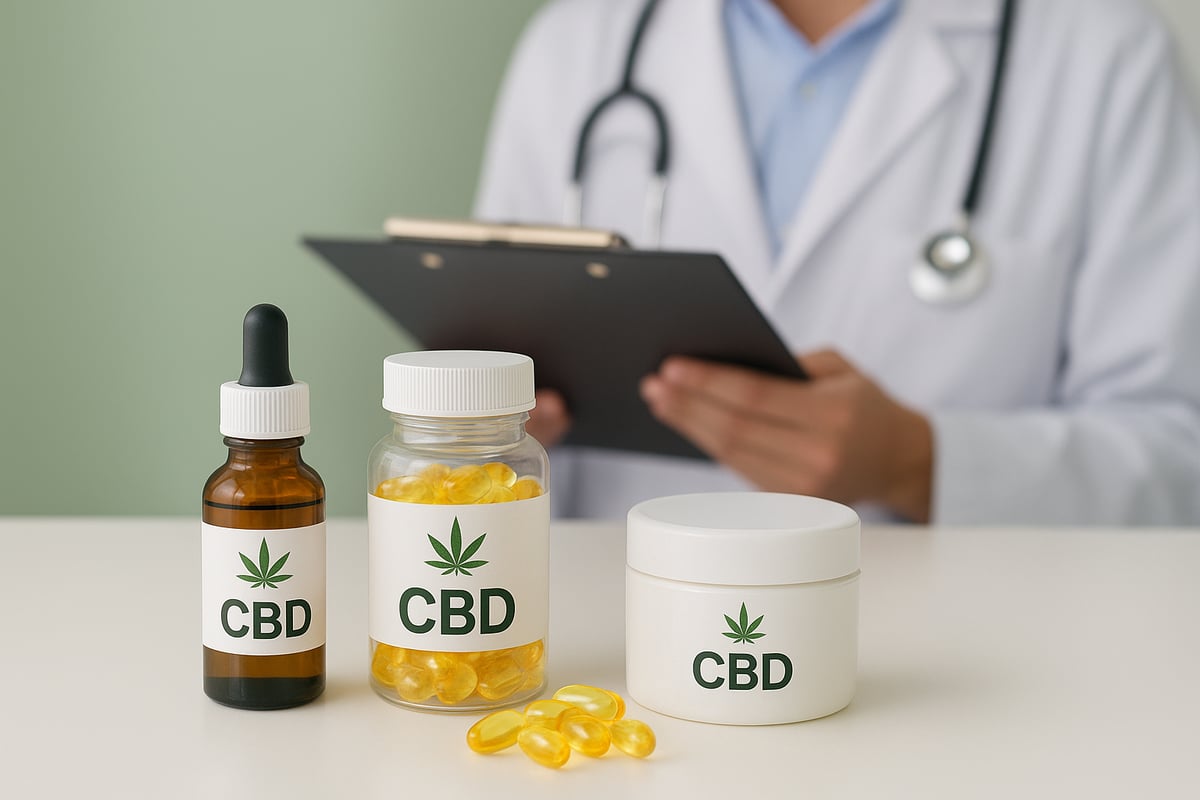
CBD, or cannabidiol, is a natural compound extracted from hemp plants. Unlike THC, CBD does not produce a psychoactive effect, making it suitable for daily use in cbd pain management.
CBD interacts with the endocannabinoid system, a network of receptors in the body that helps regulate pain, inflammation, and mood. By influencing these pathways, CBD may help reduce the perception of pain without causing a “high.”
Recent years have seen a surge in CBD’s popularity as an alternative to opioid medications. Some FDA-approved CBD drugs now address specific conditions such as certain types of epilepsy, reflecting the growing acceptance of this approach in cbd pain management.
Latest Research and Trends in CBD Pain Relief
Ongoing clinical studies continue to evaluate the effectiveness of cbd pain management for conditions like chronic pain and neuropathy. Innovations such as nano CBD formulations and transdermal patches have improved absorption and targeted relief.
Healthcare professionals are increasingly accepting CBD as part of comprehensive pain care. According to recent statistics, the global medical cannabis market is projected to grow significantly by 2026, with user satisfaction rates for cbd pain management reaching new highs.
These trends signal a shift toward evidence-based use of CBD, prompting more patients and providers to consider it alongside traditional therapies.
Common Types of Pain Addressed by CBD
CBD is used for various pain types, making it a versatile option in cbd pain management. Chronic conditions like arthritis, fibromyalgia, and neuropathic pain often respond well to ongoing CBD use.
For acute pain, such as sports injuries or post-surgery recovery, topical CBD products can provide targeted relief. Inflammatory pain from autoimmune disorders is another area where CBD shows promise.
Many individuals report improved symptoms and quality of life. For a deeper look at how CBD supports pain relief, see Does CBD Oil Help with Chronic Pain.
Legal and Safety Considerations in 2026
The legal landscape for cbd pain management continues to evolve. In 2026, most states allow CBD products, but regulations may vary, so it is important to stay informed about local laws.
Always choose products with third-party lab testing to verify purity and potency. Be aware of possible side effects, such as fatigue or digestive changes, and the potential for drug interactions.
Before starting cbd pain management, consult a qualified healthcare provider, especially if you have pre-existing health conditions or take prescription medications. Informed, safe use ensures the best results.
7 Essential CBD Pain Management Tips for 2026
As we enter 2026, individuals seeking natural solutions for chronic and acute pain are turning to cbd pain management more than ever. With the right knowledge and approach, you can maximize the benefits of CBD for pain relief and overall wellness. Below are seven essential, research-backed tips to help you navigate cbd pain management safely and effectively.

1. Start with the Right CBD Product for Your Needs
Choosing the correct product is the foundation of successful cbd pain management. With a variety of options on the market, understanding each format's strengths and weaknesses will help you target your pain efficiently.
Product Types and Applications:
- Oils & Tinctures: Fast-acting, versatile, suitable for systemic pain.
- Topicals (creams, roll-ons): Ideal for localized pain such as arthritis or muscle soreness.
- Edibles: Discreet, with longer-lasting effects, but slower onset.
- Capsules: Convenient dosing, consistent effects.
- Patches: Provide steady, targeted relief over several hours.
| Format | Onset Time | Duration | Best For |
|---|---|---|---|
| Oil/Tincture | 15-30 min | 4-6 hours | Systemic pain |
| Topical | 10-20 min | 2-4 hours | Localized pain |
| Edible | 30-90 min | 6-8 hours | Chronic pain, sleep |
| Capsule | 30-60 min | 6-8 hours | Daily management |
| Patch | 30-60 min | 8-12 hours | Persistent, localized |
When comparing full-spectrum, broad-spectrum, and isolate products, consider your sensitivity to THC and desired entourage effect. Full-spectrum contains all cannabinoids including trace THC, broad-spectrum removes THC, and isolate is pure CBD.
Tips for Selection:
- Always read labels for cannabinoid content and ingredient transparency.
- Look for products with clear dosing instructions and third-party lab results.
- For targeted relief, try topical roll-ons or patches, while systemic pain may respond better to oils or capsules.
Selecting the right product lays the groundwork for effective cbd pain management and minimizes trial-and-error.
2. Determine Your Optimal CBD Dosage
Finding the right dosage is crucial in cbd pain management. Dosage needs vary widely based on body weight, metabolism, pain severity, and individual response.
Key Dosage Factors:
- Body weight: Heavier individuals may require higher doses.
- Pain type and severity: Acute pain may need a different approach than chronic conditions.
- Metabolism: Faster metabolisms process CBD more quickly.
Start Low, Go Slow: Begin with the lowest recommended dose, gradually increasing until you find effective relief. Clinical studies suggest starting with 5-10 mg of CBD, adjusting by 5 mg increments every few days.
- Microdosing: Taking small amounts throughout the day can help maintain consistent levels.
- Standard dosing: Twice-daily or as-needed dosing may suit chronic pain.
Keep a log of your dosage, timing, and effects. This helps identify the optimal range for your needs.
For more detailed guidance, refer to the CBD Oil Dosage Guide, which provides practical advice for tailoring your cbd pain management regimen.
Remember, dosage for arthritis may differ from neuropathic pain, so adjust as necessary for your condition.
3. Consistency is Key: Establish a Routine
Consistency is a cornerstone of cbd pain management, especially for chronic conditions. Regular, scheduled use allows CBD to build up in your system, enhancing its pain-relieving effects over time.
Integrating CBD Into Your Day:
- Take CBD at the same times each day, such as morning and evening.
- Pair CBD use with daily routines, like after breakfast or before bedtime.
- Use reminders or alarms to stay on track.
Benefits of Routine:
- Promotes steady pain relief and reduces flare-ups.
- Helps prevent tolerance by maintaining stable levels.
- Supports better sleep and mood regulation.
Practical Example: A user with chronic back pain might take CBD oil every morning and use a topical cream after physical therapy in the evening. Over time, this routine can provide sustained relief.
Keeping a pain journal can help you track patterns and adjust your routine as needed. Many users report greater success with cbd pain management when they stick to a consistent schedule.
4. Combine CBD with Other Pain Management Strategies
CBD works best when integrated into a broader pain management plan. Combining cbd pain management with other evidence-based strategies enhances outcomes and overall well-being.
Synergistic Approaches:
- Physical therapy and exercise: CBD may ease soreness, making movement more comfortable.
- Mindfulness and meditation: Reduces stress, which can amplify pain perception.
- Anti-inflammatory diet: Supports the body’s natural healing processes.
Examples:
- Apply a CBD topical before or after workouts to soothe muscles.
- Pair CBD with relaxation techniques to manage tension headaches.
Cautions:
- Consult a healthcare provider before combining CBD with prescription medications.
- Monitor for any side effects or interactions.
Multimodal pain management empowers you to address pain from multiple angles, making cbd pain management more effective and sustainable.
5. Monitor and Track Your Progress
Effective cbd pain management relies on ongoing monitoring. Keeping detailed records helps you identify what works and make informed adjustments.
Tracking Tools:
- Use apps, pain journals, or spreadsheets to log CBD use, pain levels, sleep quality, and side effects.
- Rate pain daily on a scale of 1-10 for objective tracking.
Optimization:
- Adjust dosage or product type if you notice changes in pain relief or side effects.
- Look for patterns, such as improved sleep correlating with reduced pain.
Example: A patient may discover that increasing their evening CBD dose improves sleep and reduces morning stiffness.
Competitor advice emphasizes patient self-monitoring as a best practice for cbd pain management, enabling you to take control of your health journey.
6. Prioritize Quality and Transparency When Choosing Products
Quality and transparency are essential for safe cbd pain management. Not all products are created equal, and low-quality items may be ineffective or unsafe.
What to Look For:
- Third-party lab testing: Ensure products have Certificates of Analysis (COA) verifying potency and purity.
- Reputable brands: Choose companies with positive reviews and industry certifications.
- Clear labeling: Avoid products with vague or incomplete ingredient lists.
Red Flags:
- Synthetic additives or contaminants.
- False claims or lack of lab results.
Industry Standards (2026):
- Most reputable brands offer QR codes linking to lab reports.
- Transparent sourcing and manufacturing practices are the norm.
Prioritizing quality ensures your cbd pain management journey is both safe and effective.
7. Stay Informed on Evolving CBD Research and Regulations
The field of cbd pain management is rapidly evolving. Staying current with research, product innovations, and legal updates is vital for long-term success.
How to Stay Updated:
- Follow medical journals and reputable health websites for new studies.
- Subscribe to newsletters from trusted CBD brands or organizations.
- Join online support communities to share experiences and tips.
Adapting Practices:
- Be open to adjusting your regimen as new evidence emerges.
- Consult healthcare providers regularly to align your plan with the latest guidance.
Ongoing education empowers you to make informed decisions and adapt your cbd pain management approach for optimal results.
Maximizing the Effectiveness of CBD for Different Pain Conditions
Personalizing your cbd pain management approach is crucial for optimal results. Different pain conditions require tailored strategies, product types, and routines. Understanding how to adapt cbd pain management for your unique needs can make a significant difference in outcomes.

Customizing CBD Use for Chronic vs. Acute Pain
Chronic and acute pain respond differently to cbd pain management. Chronic conditions, like arthritis, often benefit from daily, consistent CBD dosing to maintain steady relief. Acute pain, such as from injuries, may require short-term, targeted use, often with fast-acting formats like topicals or patches.
| Pain Type | Product Choice | Dosing Approach |
|---|---|---|
| Chronic | Oils, capsules | Regular, scheduled |
| Acute | Topicals, patches | As needed, targeted |
For a deeper look at managing long-term pain, see Understanding Chronic Pain and CBD. Adjusting cbd pain management strategies based on pain duration helps maximize comfort and effectiveness.
Addressing Inflammation and Neuropathic Pain
Inflammation and nerve pain present unique challenges in cbd pain management. CBD’s anti-inflammatory properties can help reduce symptoms in autoimmune disorders and inflammatory pain. For neuropathic pain, such as that from fibromyalgia or nerve injuries, CBD may modulate pain signaling pathways, improving comfort.
Effective cbd pain management for these conditions often combines oral and topical products. For example, applying a CBD cream to inflamed joints while taking a daily oil can provide both local and systemic benefits. Consistent monitoring helps tailor approaches to individual needs.
Improving Sleep and Reducing Anxiety to Aid Pain Relief
Quality sleep and reduced anxiety are essential components of successful cbd pain management. Chronic pain often disrupts sleep, which in turn can worsen pain perception. CBD has shown potential for improving sleep quality and alleviating mild anxiety, both of which support the body’s natural healing process.
Incorporating cbd pain management into an evening routine may promote relaxation and better rest. Many users report that improved sleep leads to lower pain levels during the day. Tracking these changes helps refine your approach over time.
When to Consult a Medical Professional
While cbd pain management is generally well-tolerated, some situations require professional guidance. If you experience persistent pain, unexpected side effects, or have complex health conditions, consult your healthcare provider. Integrating cbd pain management into a broader treatment plan ensures safety and effectiveness.
Signs you should seek expert advice include:
- No improvement after several weeks
- Worsening symptoms
- Concerns about drug interactions
A collaborative approach with your provider helps you achieve the best possible outcomes from cbd pain management.
Frequently Asked Questions About CBD Pain Management in 2026
Navigating cbd pain management can raise many questions. Here, we address the most common concerns for those considering or already using CBD for pain relief in 2026.
Is CBD safe for long-term use?
Current research suggests that cbd pain management is generally well tolerated for extended periods. Most studies report mild side effects, such as fatigue or changes in appetite. However, long-term safety data is still emerging. For a comprehensive review of CBD’s effectiveness and safety, see this systematic review of CBD for chronic pain.
Can CBD interact with my medications?
Yes, cbd pain management may interact with certain medications, especially those processed by the liver, such as blood thinners and some antidepressants. Always consult your healthcare provider before adding CBD to your routine to avoid potential drug interactions or adverse effects.
How soon will I feel pain relief after taking CBD?
The onset of relief depends on the product type. Oils and tinctures typically work within 30 to 60 minutes, while edibles may take longer. Topicals can provide localized relief quickly. Individual responses to cbd pain management vary, so monitoring your experience is important.
What are the most common side effects?
Most people experience mild side effects like drowsiness, dry mouth, or digestive changes. Serious side effects are rare with cbd pain management when used as directed. If you notice persistent or severe symptoms, consult a healthcare professional promptly.
Is CBD legal in all states in 2026?
CBD derived from hemp with less than 0.3% THC remains federally legal in the US as of 2026. However, some states have specific restrictions. Always verify local laws before purchasing or using cbd pain management products.
Can I use CBD for pain if I’m drug tested at work?
Most cbd pain management products contain little to no THC, but trace amounts may trigger a positive drug test. Choose broad-spectrum or isolate formulations and review lab reports to minimize risk. When in doubt, speak with your employer or HR department.
How do I choose a trustworthy CBD brand?
Look for brands that provide third-party lab results and Certificates of Analysis. These confirm product purity and potency. Trusted companies are transparent about their sourcing and manufacturing. For more details on safety and efficacy, the Yale study on cannabinoids for pain relief provides valuable insights.
Are there age restrictions for CBD use?
Yes, most states require users to be at least 18 or 21 years old to purchase cbd pain management products. Some products may have additional restrictions based on local regulations. Always check age requirements in your area before buying CBD.
Resources for Further Support and Education
Finding reliable information is essential for anyone exploring cbd pain management. Accessing trusted resources and connecting with knowledgeable professionals can help you make informed decisions.
- Research studies: Explore recent findings, such as this study on CBD's impact on pain signaling, for up-to-date scientific insights.
- Medical organizations: The Arthritis Foundation and American Chronic Pain Association offer guidance on cbd pain management.
- Online communities: Join forums or support groups focused on holistic pain relief to share experiences and tips.
- Tracking tools: Use apps or journals to monitor your pain, CBD use, and progress.
Continue learning and consult healthcare providers regularly to empower your cbd pain management journey.
As you explore these seven essential CBD pain management tips, remember that finding relief is about making informed, confident choices tailored to your needs. By choosing products that are thoroughly tested, prioritizing routines, and staying up to date on the latest research, you’re taking meaningful steps toward better pain management. If you’re ready to put these strategies into action and experience the difference that high quality CBD can make, I encourage you to Get Relief Now!