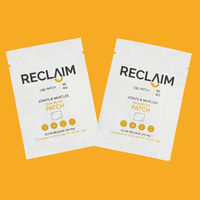
Chronic pain affects millions of Americans, disrupting daily activities and diminishing quality of life. While traditional pain management options exist, many individuals seek alternatives with fewer side effects and more targeted relief. CBD patches for chronic pain relief have emerged as an innovative solution, offering consistent cannabidiol delivery through the skin directly into the bloodstream. These transdermal patches provide a discreet, long-lasting alternative to oral supplements, making them particularly appealing for those managing conditions like rheumatoid arthritis, fibromyalgia, and localized musculoskeletal pain.
Understanding How CBD Patches Deliver Pain Relief
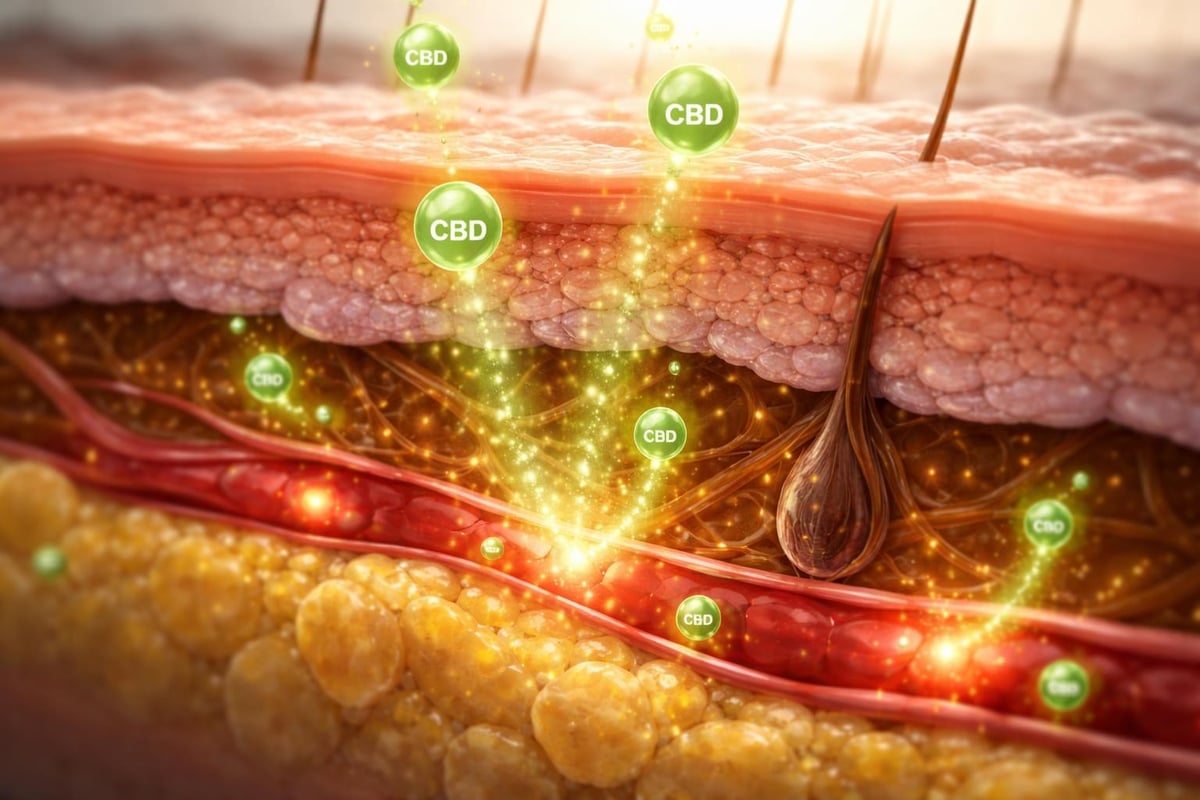
Transdermal delivery systems represent a significant advancement in cannabidiol administration. Unlike oral CBD products that must pass through the digestive system, patches deliver cannabinoids directly through the skin barrier into the bloodstream.
The Science Behind Transdermal CBD Absorption
The skin consists of multiple layers, with the outermost stratum corneum acting as the primary barrier to substance penetration. CBD patches utilize advanced formulation techniques to facilitate cannabidiol movement through this barrier. According to research on how CBD patches provide long-lasting relief, transdermal systems maintain steady cannabidiol levels over extended periods, typically 8 to 12 hours.
Key mechanisms include:
- Controlled release technology that meters cannabidiol delivery
- Permeation enhancers that temporarily increase skin permeability
- Lipophilic properties of CBD that allow passage through skin cell membranes
- Direct entry into capillaries beneath the skin surface
This delivery method bypasses first-pass metabolism in the liver, potentially increasing bioavailability compared to oral consumption. Understanding how CBD works within the body's endocannabinoid system helps explain why transdermal application can be particularly effective for localized pain management.
Comparing Absorption Rates Across CBD Delivery Methods
Different administration routes affect how quickly and efficiently CBD enters the bloodstream. The table below compares key characteristics:
| Delivery Method | Onset Time | Duration | Bioavailability | Best For |
|---|---|---|---|---|
| Transdermal Patch | 30-60 minutes | 8-12 hours | 40-50% | Sustained relief, localized pain |
| Sublingual Tincture | 15-30 minutes | 4-6 hours | 20-30% | Quick relief, dosage flexibility |
| Oral Capsules | 60-90 minutes | 6-8 hours | 6-15% | Convenience, systemic effects |
| Topical Cream | 10-20 minutes | 2-4 hours | Local only | Surface-level discomfort |
The extended duration of cbd patches for chronic pain relief makes them particularly valuable for individuals who need consistent symptom management throughout the day or night.
Clinical Evidence Supporting CBD Patches for Pain Management
Research into cannabidiol's pain-relieving properties continues to expand, though studies specifically examining transdermal patches remain limited compared to other delivery methods.
What Current Research Reveals
Multiple studies have demonstrated CBD's interaction with pain pathways through the endocannabinoid system. A comprehensive review on CBD patches for pain notes that cannabidiol may influence pain perception through multiple mechanisms, including reducing inflammation and modulating neurotransmitter activity.
Research highlights include:
- Anti-inflammatory effects that address underlying pain causes
- Interaction with TRPV1 receptors involved in pain signaling
- Potential reduction in neuropathic pain symptoms
- Improved sleep quality in chronic pain sufferers
For conditions like rheumatoid arthritis and fibromyalgia, where inflammation plays a central role, CBD's anti-inflammatory properties may provide particular benefit. The transdermal delivery system offers advantages for targeting specific pain locations.
User-Reported Outcomes and Real-World Effectiveness
While clinical trials provide controlled evidence, patient experiences offer valuable insights into practical applications. According to an analysis of CBD patches for chronic pain relief in neck, back, and knees, many users report significant improvements in daily functioning.
Common benefits reported include reduced morning stiffness, improved mobility during physical activities, decreased reliance on traditional pain medications, and better sleep quality due to nighttime pain reduction.
However, individual responses vary considerably. Factors affecting efficacy include pain type and severity, individual endocannabinoid system variations, patch quality and CBD concentration, and consistency of use over time.
Selecting High-Quality CBD Patches
The CBD market includes numerous products with varying quality standards. Choosing patches from reputable manufacturers ensures safety and effectiveness.
Essential Quality Indicators
Third-party laboratory testing stands as the most critical quality marker. Reputable companies provide certificates of analysis (COAs) confirming cannabinoid content, verifying absence of heavy metals and pesticides, documenting solvent residue levels, and testing for microbial contamination.
Hemp source matters significantly. Premium patches use CBD derived from organically grown hemp cultivated in regulated agricultural environments, extracted using clean CO2 or ethanol methods, and processed in GMP-certified facilities.

Full-Spectrum vs. Broad-Spectrum vs. Isolate Patches
Understanding cannabinoid profiles helps consumers select appropriate products for their needs.
Full-spectrum CBD patches contain all naturally occurring hemp compounds including cannabinoids, terpenes, flavonoids, and trace THC (below 0.3%). These products may offer enhanced benefits through the entourage effect, where compounds work synergistically.
Broad-spectrum options provide multiple cannabinoids and terpenes while removing THC entirely. This formulation suits individuals concerned about drug testing or those who prefer zero THC exposure. You can learn more about broad-spectrum CBD oil uses and their applications.
CBD isolate patches deliver pure cannabidiol without other hemp compounds. While lacking the entourage effect, isolates provide precise dosing and complete THC avoidance.
| Spectrum Type | THC Content | Entourage Effect | Best For |
|---|---|---|---|
| Full-Spectrum | <0.3% | Maximum | Comprehensive relief |
| Broad-Spectrum | 0% | Moderate | THC-sensitive users |
| Isolate | 0% | None | Pure CBD preference |
Proper Application and Dosage Guidelines
Maximizing benefits from cbd patches for chronic pain relief requires correct application techniques and appropriate dosing strategies.
Step-by-Step Application Process
- Clean the application area thoroughly with mild soap and water
- Dry skin completely to ensure proper adhesion
- Select appropriate location based on pain site and patch instructions
- Remove protective backing carefully without touching adhesive
- Apply patch firmly and smooth edges to prevent lifting
- Rotate application sites to prevent skin irritation
Ideal placement locations vary by pain type. For general systemic relief, consider areas with good blood flow like the inner wrist, upper arm, or shoulder. For localized arthritis pain, place patches near affected joints while avoiding directly over inflamed areas.
Determining Optimal CBD Dosage
CBD dosing remains highly individualized, with no universal recommendation applicable to all users. Patches typically contain between 10mg and 100mg of CBD, released gradually over their wear duration.
Starting with lower-dose patches allows users to assess individual tolerance and response. Many practitioners recommend beginning at 10-20mg daily, monitoring effects for one to two weeks, gradually increasing by 5-10mg increments if needed, and noting any side effects or adverse reactions.
Consider consulting resources on CBD oil dosage for broader context, though transdermal delivery differs from oral administration. Factors influencing optimal dosing include body weight and metabolism, pain severity and type, previous cannabinoid exposure, and concurrent medications or supplements.
Comparing CBD Patches to Other Pain Relief Options
Understanding how patches fit within the broader pain management landscape helps individuals make informed treatment decisions.
CBD Patches vs. Oral CBD Products
Both delivery methods offer distinct advantages depending on user preferences and pain characteristics. Detailed information about CBD oil for chronic pain relief explores oral administration benefits.
Patches excel in:
- Consistent blood levels without dosing schedules
- Bypassing digestive system issues
- Discreet, set-and-forget convenience
- Reduced risk of accidental overdosing
Oral products shine for:
- Flexible dosage adjustments
- Faster initial onset with sublingual options
- Systemic distribution for widespread pain
- Generally lower per-dose costs
For individuals managing fibromyalgia or other conditions with fluctuating symptoms, combining delivery methods may provide optimal relief. Some users apply patches for baseline management while keeping oral products available for breakthrough pain.
CBD Patches vs. Topical Applications
Topical CBD products like creams, balms, and roll-ons offer another alternative worth comparing. Information about CBD roll-on applications provides additional context for localized treatment.
The fundamental difference lies in penetration depth and systemic availability. Topicals work primarily at the application site without entering the bloodstream, while patches deliver CBD systemically through transdermal absorption.
Choose topicals when:
- Targeting very specific surface areas
- Needing immediate localized relief
- Combining with massage or physical therapy
- Preferring multiple daily applications
Choose patches when:
- Requiring sustained relief over many hours
- Managing deeper tissue or joint pain
- Seeking systemic anti-inflammatory effects
- Prioritizing convenience and discretion
Safety Considerations and Potential Side Effects
CBD patches for chronic pain relief generally demonstrate excellent safety profiles, though users should remain aware of potential concerns.
Common Side Effects and Management
Most individuals tolerate transdermal CBD well, with side effects typically mild when they occur. Skin reactions represent the most common concern with patch use, including redness at application site, mild itching or irritation, dry skin or flaking, and adhesive sensitivity.
Managing skin reactions:
- Rotate application sites daily
- Apply hypoallergenic moisturizer around patch edges
- Remove patches if severe irritation develops
- Consider patches with hypoallergenic adhesives
Systemic effects remain less common with patches compared to high-dose oral CBD but may include fatigue or drowsiness in some users, changes in appetite or weight, and mild gastrointestinal effects. These typically resolve with dosage adjustment or discontinuation.
Drug Interactions and Contraindications
CBD can interact with certain medications through cytochrome P450 enzyme inhibition. According to research on CBD patches reviewed by Healthline, individuals taking blood thinners, certain antidepressants, anti-seizure medications, or immunosuppressants should consult healthcare providers before using CBD products.
Pregnant or nursing women should avoid CBD due to insufficient safety data. Individuals with liver disease should use caution, as CBD metabolism occurs primarily in the liver.
Integrating CBD Patches into Comprehensive Pain Management
Effective chronic pain management typically requires multifaceted approaches rather than single interventions.
Complementary Therapies and Lifestyle Modifications
CBD patches for chronic pain relief work most effectively when combined with evidence-based complementary strategies. Physical therapy and targeted exercises strengthen supporting muscles and improve joint stability. Stress reduction techniques like meditation or deep breathing address pain's psychological components. Dietary modifications reducing inflammatory foods may enhance CBD's anti-inflammatory effects. Quality sleep hygiene supports the body's natural healing processes.
For those living with rheumatoid arthritis, integrating CBD patches with disease-modifying treatments and lifestyle adjustments offers comprehensive symptom management. Similarly, fibromyalgia patients often benefit from combining cannabidiol therapy with gentle exercise and stress management.
Working with Healthcare Providers
Open communication with medical professionals ensures safe, effective CBD integration into existing treatment plans. Before starting CBD patches, discuss current medications and potential interactions, review your complete pain management history, establish realistic outcome expectations, and create monitoring protocols to assess effectiveness.
Many healthcare providers have become more receptive to CBD as research expands and patient interest grows. Sharing third-party lab results from your chosen products helps providers assess quality and make informed recommendations.

Future Developments in Transdermal CBD Technology
The CBD patch market continues evolving with innovations aimed at improving efficacy and user experience.
Emerging Technologies and Formulations
Researchers are developing advanced delivery systems that may enhance cannabidoid penetration and effectiveness. Microneedle patches create microscopic channels in the skin for improved absorption without pain. Iontophoresis uses mild electrical currents to drive CBD molecules deeper into tissues. Nanotechnology reduces CBD particle size for better skin penetration. Time-release mechanisms provide more precise dosing curves.
According to analysis on why CBD patches are the future of pain management, these innovations may significantly improve treatment outcomes for chronic pain sufferers.
Combination Formulations
Next-generation patches may incorporate additional beneficial compounds alongside CBD. Minor cannabinoids like CBG or CBN could provide synergistic effects. Terpenes specific to pain relief may enhance therapeutic benefits. Traditional pain-relieving compounds like menthol could offer immediate cooling sensations. Anti-inflammatory agents might work alongside CBD for enhanced effect.
These developments promise more targeted, effective options for individuals seeking natural alternatives to prescription medications for managing chronic pain conditions.
Practical Tips for First-Time Patch Users
Starting with CBD patches for chronic pain relief requires some trial and error to find optimal approaches.
Setting Realistic Expectations
CBD is not a miracle cure, and responses vary significantly among individuals. Some people experience dramatic relief within days, while others notice subtle improvements over weeks. Setting realistic timelines helps prevent premature discontinuation before benefits manifest.
Typical response patterns:
- Week 1-2: Minimal to moderate initial effects
- Week 3-4: More consistent symptom improvement
- Week 5-8: Plateau at maximum personal benefit
- Ongoing: Stable relief with continued use
Maintaining a pain journal helps track changes that might otherwise go unnoticed. Record daily pain levels on a 1-10 scale, note activity limitations or improvements, document sleep quality and duration, and track any side effects or concerns.
Cost Considerations and Value Assessment
CBD patches typically cost more per dose than oral products, with prices ranging from $2 to $10 per patch depending on potency and brand. However, the extended duration and improved bioavailability may provide better value for some users.
Budget-friendly strategies include:
- Starting with smaller quantities to assess effectiveness
- Comparing cost per milligram of CBD across products
- Looking for subscription discounts from manufacturers
- Reserving patches for nighttime use while using less expensive options during the day
Quality should never be sacrificed for price when it comes to products you apply to your skin or introduce into your bloodstream. Investing in third-party tested products from reputable companies ensures safety and efficacy.
CBD patches for chronic pain relief offer a promising alternative for individuals seeking sustained, targeted symptom management without the inconvenience of multiple daily doses. By understanding how transdermal delivery works, selecting high-quality products, and integrating patches into comprehensive pain management strategies, many people find significant improvements in their daily comfort and functionality. If you're ready to explore premium, third-party tested CBD solutions specifically formulated for chronic pain and inflammation, Reclaim Labs offers a range of full-spectrum and broad-spectrum products designed to help you reclaim your quality of life.