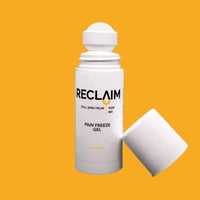
Managing chronic pain requires practical, accessible solutions that fit seamlessly into daily routines. A cbd roll on for pain offers a convenient, targeted approach to discomfort management without the complexity of measuring doses or dealing with messy creams. These portable applicators deliver cannabidiol directly to affected areas, providing localized relief for conditions ranging from arthritis to muscle soreness. As more individuals seek natural alternatives to traditional pain medications, understanding how these topical products work and selecting quality formulations becomes essential for effective pain management.
Understanding How CBD Roll-Ons Work for Pain Relief
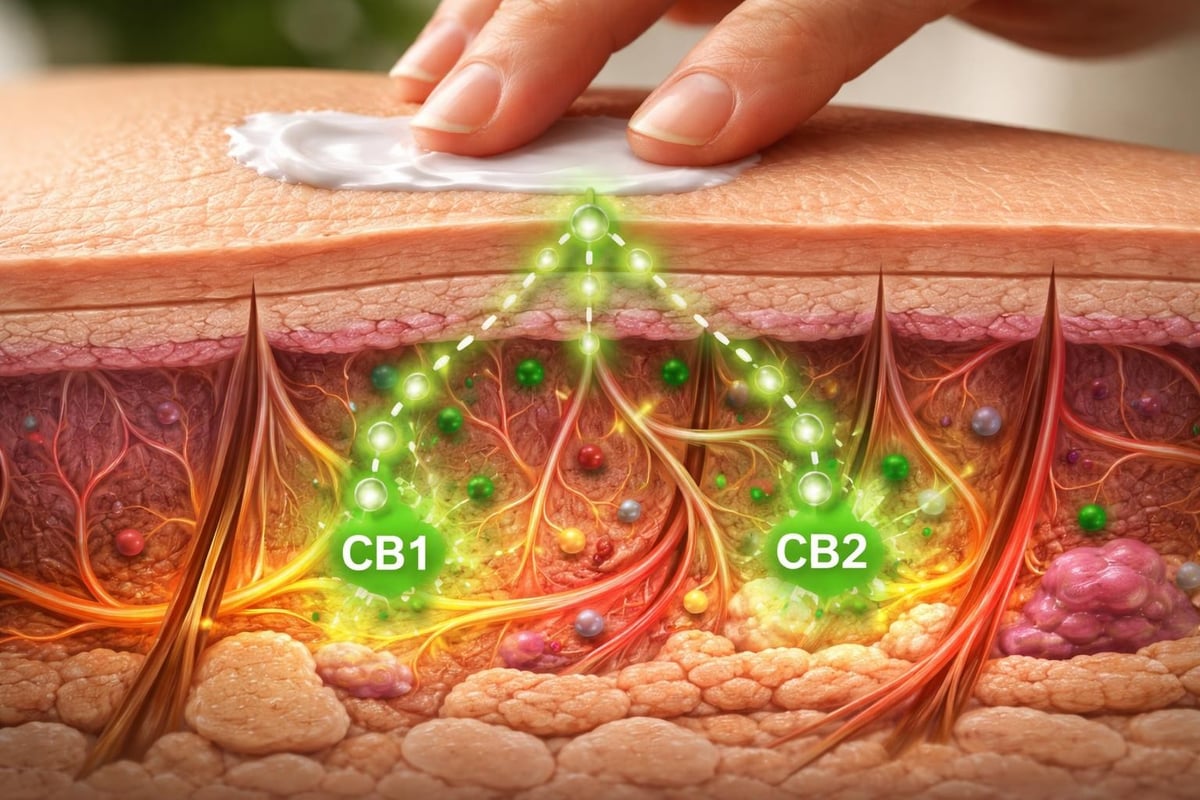
Cannabidiol interacts with the endocannabinoid system through receptors located throughout the body, including the skin. When applied topically, a cbd roll on for pain delivers cannabinoids directly to CB1 and CB2 receptors in localized tissues, potentially reducing inflammation and modulating pain signals without entering the bloodstream.
The transdermal delivery method offers distinct advantages over oral consumption. Rather than processing through the digestive system, topical CBD remains concentrated at the application site, allowing for higher localized concentrations. This targeted approach makes roll-ons particularly effective for joint pain, muscle tension, and inflammatory conditions.
The Science Behind Topical Cannabinoid Absorption
Research continues to explore how CBD penetrates skin barriers to reach underlying tissues. The molecular structure of cannabidiol allows it to pass through the stratum corneum, the outermost skin layer, especially when formulated with carrier oils and penetration enhancers.
According to Harvard Health Publishing's overview of CBD, while research is ongoing, preliminary studies suggest CBD may help with inflammation and pain management. The roll-on format enhances this potential by maintaining consistent contact with the skin, allowing for sustained absorption over time.
Key factors affecting absorption include:
- Carrier oil composition (MCT oil, coconut oil, hemp seed oil)
- CBD concentration and spectrum type
- Additional ingredients like menthol or camphor
- Skin condition and hydration levels
- Application frequency and massage technique
Types of CBD Formulations in Roll-On Products
Not all cbd roll on for pain products contain the same type of cannabidiol extract. Understanding the differences between formulation types helps consumers select products aligned with their needs and preferences.
| Formulation Type | Cannabinoid Content | THC Level | Best For |
|---|---|---|---|
| Full-Spectrum | All cannabinoids, terpenes, flavonoids | Up to 0.3% | Maximum entourage effect, comprehensive relief |
| Broad-Spectrum | Multiple cannabinoids, zero THC | 0% | THC-sensitive individuals, drug testing concerns |
| CBD Isolate | Pure CBD only | 0% | Simplicity, known sensitivities to other compounds |
Full-spectrum formulations contain the complete range of beneficial compounds found in hemp, creating an "entourage effect" where cannabinoids work synergistically. Broad-spectrum products offer similar benefits without THC, making them ideal for those who cannot risk any THC exposure.
Additional Therapeutic Ingredients
Premium roll-on formulations often incorporate complementary ingredients that enhance pain relief. Menthol creates a cooling sensation that distracts from pain signals, while arnica has been traditionally used for bruising and inflammation. Essential oils like lavender or eucalyptus provide aromatherapeutic benefits alongside potential anti-inflammatory properties.
The 1000mg CBD Hemp Infused Relief Roll-On Stick exemplifies how thoughtful formulation combines CBD with supporting ingredients for comprehensive relief. Quality products prioritize ingredient synergy rather than simply maximizing CBD concentration.
Identifying Quality CBD Roll-On Products
The CBD market's rapid expansion has created challenges for consumers seeking reliable products. Without FDA regulation specific to CBD wellness products, third-party testing and transparency become critical indicators of quality and safety.
Essential Quality Markers
Reputable manufacturers provide Certificates of Analysis (COA) from independent laboratories, verifying cannabinoid content and confirming the absence of contaminants. These documents should test for heavy metals, pesticides, residual solvents, and microbial contaminants.
When evaluating a cbd roll on for pain, examine:
- Source of hemp: Organically grown in the United States ensures quality agricultural practices
- Extraction method: CO2 extraction preserves beneficial compounds without chemical residues
- Third-party testing: Independent lab verification of potency and purity
- Ingredient transparency: Complete ingredient lists with clearly stated CBD content
- Company reputation: Customer reviews, industry standing, and educational resources
Manufacturing practices significantly impact product efficacy. Companies committed to quality invest in proper extraction techniques, controlled environments, and consistent batch testing. Reclaim Labs demonstrates this commitment through comprehensive third-party testing documentation available for customer review.

Application Techniques for Maximum Effectiveness
Proper application technique influences how effectively a cbd roll on for pain delivers relief. Unlike pills or tinctures where dosing is straightforward, topical products require strategic application for optimal results.
Step-by-Step Application Process
Begin with clean, dry skin to maximize absorption. Apply the roll-on directly to the affected area using gentle, circular motions. The rolling action not only distributes the product but also provides light massage, increasing blood flow to the area.
Application best practices:
- Apply 2-3 times daily or as needed for pain flare-ups
- Use consistent pressure during application
- Allow the product to absorb for several minutes before covering with clothing
- Reapply after showering or intense physical activity
- Store the roll-on at room temperature to maintain consistency
The amount needed varies based on pain severity and affected area size. Start with a thin layer and increase application if needed. Many users find relief within 15-30 minutes of application, with effects lasting several hours.
Combining Roll-Ons with Other Therapies
A cbd roll on for pain works effectively as part of a comprehensive pain management strategy. Pairing topical CBD with other modalities can enhance overall results. Physical therapy, gentle stretching, and heat therapy complement the anti-inflammatory properties of CBD.
For those managing conditions like rheumatoid arthritis, combining roll-on application with oral CBD hemp oil provides both systemic and localized relief. This dual approach addresses inflammation from multiple angles while maintaining convenience and ease of use.
Specific Conditions Benefiting from CBD Roll-Ons
Different pain conditions respond uniquely to topical CBD application. Understanding which types of discomfort may benefit most helps set realistic expectations and guides product selection.
Arthritis and Joint Pain
Individuals with osteoarthritis and rheumatoid arthritis frequently report positive results from cbd roll on for pain products. The anti-inflammatory properties of cannabidiol target the underlying inflammation that causes joint stiffness and discomfort.
Application to affected joints-knees, hands, elbows, or ankles-delivers concentrated relief where needed most. Many users appreciate the non-greasy formula that absorbs quickly, allowing them to continue daily activities without interruption.
Muscle Soreness and Exercise Recovery
Athletes and fitness enthusiasts increasingly incorporate CBD roll-ons into recovery routines. Post-workout muscle soreness stems from microscopic muscle fiber tears and subsequent inflammation. Topical CBD may help reduce this inflammatory response, potentially accelerating recovery.
The portability of roll-on applicators makes them ideal for gym bags or travel. Apply immediately after workouts or before bedtime to support overnight muscle recovery.
Localized Nerve Pain and Neuropathy
Neuropathic pain presents unique challenges, as it originates from nerve damage rather than tissue injury. Some individuals with conditions like diabetic neuropathy or fibromyalgia find relief through consistent topical CBD application.
The interaction between CBD and peripheral nerve receptors may help modulate pain signals, though individual responses vary. For persistent nerve pain, combining topical application with other pain management strategies often yields better results than relying on a single approach.
| Condition Type | Application Frequency | Typical Response Time | Complementary Approaches |
|---|---|---|---|
| Arthritis | 2-3 times daily | 20-45 minutes | Oral CBD, gentle exercise |
| Muscle soreness | Post-workout, before bed | 15-30 minutes | Stretching, hydration |
| Neuropathy | 3-4 times daily | Variable, 30-90 minutes | Physical therapy, supplements |
| Acute injury | Every 4-6 hours | 15-25 minutes | Ice/heat, rest |
Dosage Considerations and Strength Selection
Unlike oral CBD where milligram dosing is precise, topical products require a different approach to "dosing." The strength of a cbd roll on for pain indicates total CBD content, but actual absorption varies based on individual factors.
Understanding Concentration Labels
Roll-on products typically range from 500mg to 1500mg of CBD per container. Higher concentrations deliver more CBD per application, which may benefit individuals with severe or chronic pain. However, effectiveness depends on factors beyond just concentration.
Factors influencing dosage needs:
- Severity and chronicity of pain
- Body chemistry and receptor sensitivity
- Size of the affected area
- Skin thickness and condition
- Frequency of application
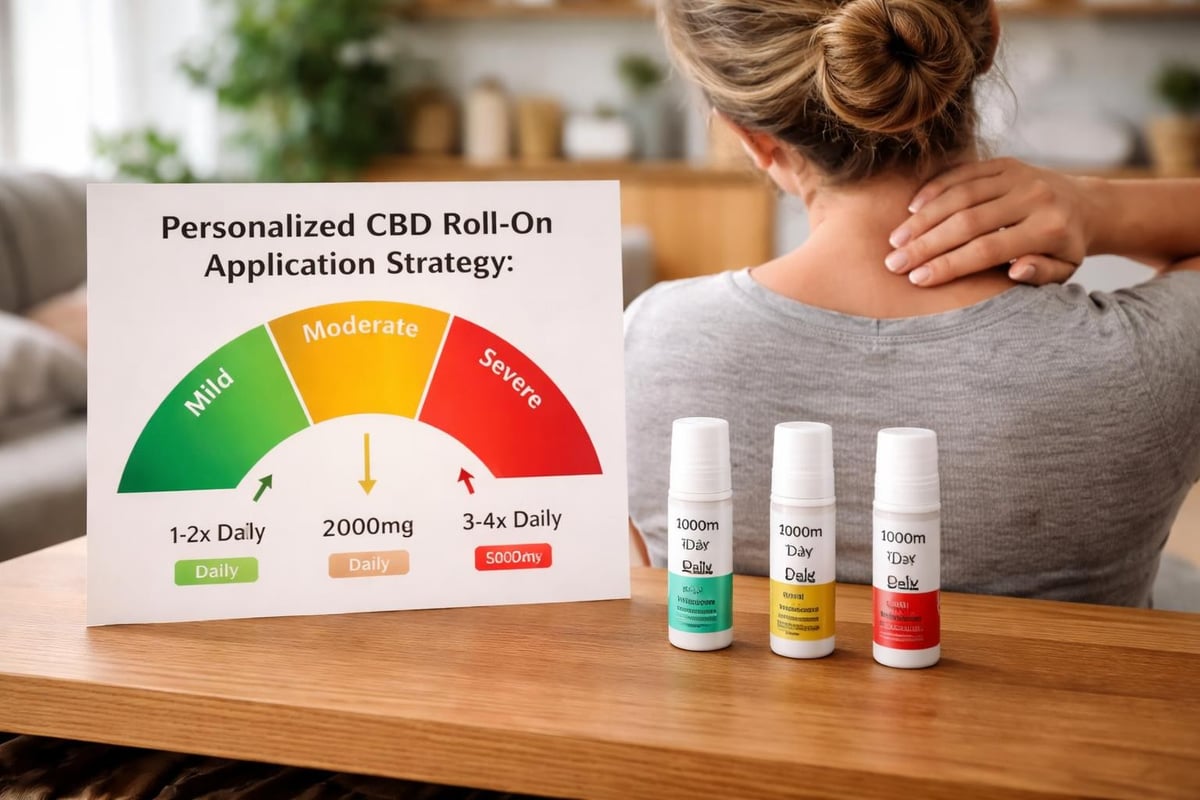
Start with moderate-strength products (750-1000mg) and adjust based on response. Some individuals achieve excellent results with lower concentrations through consistent application, while others require higher potencies for adequate relief.
Adjusting Usage Over Time
Pain levels fluctuate, requiring flexibility in application frequency and amount. During flare-ups, increase application frequency rather than immediately switching to higher concentrations. This approach maintains cost-effectiveness while providing needed relief.
Track application patterns and pain levels in a journal to identify what works best. Note the time of day, amount applied, and relief duration to optimize your routine. This data-driven approach helps refine usage for maximum benefit.
Safety Profile and Potential Interactions
Topical CBD maintains an excellent safety profile with minimal risk of adverse effects. Because roll-on products don't enter systemic circulation significantly, they avoid the drug interactions associated with oral CBD consumption.
Common Side Effects and Precautions
Most users tolerate cbd roll on for pain products without issue. Occasional skin irritation or allergic reactions to carrier ingredients can occur, though these remain rare. Perform a patch test on a small skin area before widespread use if you have sensitive skin.
Safety considerations include:
- Avoiding application to broken skin or open wounds
- Testing for allergic reactions to essential oils or botanicals
- Keeping products away from eyes and mucous membranes
- Discontinuing use if persistent irritation develops
- Consulting healthcare providers if taking anticoagulant medications
While topical CBD doesn't typically interact with medications, individuals on blood thinners should consult their physician before use. The anti-inflammatory properties may theoretically enhance anticoagulant effects, though evidence remains limited.
Pregnancy and Breastfeeding Considerations
Limited research exists on CBD use during pregnancy or while breastfeeding. Conservative medical guidance suggests avoiding cannabinoid products during these periods until more definitive safety data becomes available. Pregnant individuals experiencing pain should discuss alternatives with their healthcare providers.
Comparing Roll-Ons to Other CBD Pain Relief Methods
The CBD market offers various delivery methods for pain management, each with distinct advantages. Understanding how a cbd roll on for pain compares to alternatives helps consumers select appropriate products for their situations.
Roll-Ons vs. Creams and Lotions
Roll-on applicators eliminate the need for hands-on application, reducing mess and maintaining hygiene. The direct contact also provides gentle massage during application. Creams and lotions, however, cover larger surface areas more easily and allow for professional massage integration.
For targeted relief of joint pain or specific muscle groups, roll-ons excel. For broader areas like the entire back or multiple leg muscles, creams may prove more practical.
Topical vs. Oral CBD Products
Oral CBD products like tinctures and capsules provide systemic effects, potentially addressing pain throughout the body. This makes them suitable for widespread conditions like fibromyalgia. Topical products concentrate relief at specific sites without systemic absorption.
Many individuals use both approaches concurrently. Morning oral CBD doses establish baseline systemic support, while roll-on applications throughout the day provide on-demand targeted relief. This combination therapy addresses pain from multiple angles.
Alternative Topical Formats
CBD pain relief patches offer sustained, hands-free delivery over 8-12 hours. These work well for overnight relief or areas where repeated application proves inconvenient. Roll-ons provide more flexibility for adjusting application locations and frequency throughout the day.
Balms and salves typically contain higher concentrations of CBD in petroleum or beeswax bases. These create protective barriers on skin, beneficial for extremely dry areas but potentially too heavy for daily use on mobile joints.
Cost-Effectiveness and Value Assessment
Premium cbd roll on for pain products represent an investment in wellness. Evaluating cost-effectiveness requires considering more than just the initial price tag.
Calculating Per-Application Costs
Divide the total product cost by the number of applications per container to determine true value. A 1000mg roll-on priced at $50 providing 60 applications costs approximately $0.83 per use. Compare this to the cost of over-the-counter pain medications or prescription alternatives.
Value factors to consider:
- CBD concentration and quality
- Number of applications per container
- Ingredient quality and additional therapeutics
- Third-party testing and quality assurance
- Company reputation and customer support
Higher-priced products from reputable manufacturers often deliver better value through superior potency, purity, and customer satisfaction. Cheap products may contain less CBD than labeled or include contaminants, ultimately costing more through ineffectiveness.
Subscription and Bulk Purchase Options
Regular users benefit from subscription programs offering discounts and automatic deliveries. This ensures consistent supply while reducing per-unit costs. Evaluate whether monthly use justifies subscription enrollment based on your pain management needs.
Purchasing multiple units during promotional periods can significantly reduce costs for those committed to long-term CBD use. Properly stored roll-ons maintain stability for extended periods, making bulk purchases practical.
Selecting the Right Product for Your Needs
With numerous options available, choosing an appropriate cbd roll on for pain requires thoughtful consideration of personal factors and product characteristics.
Matching Products to Pain Conditions
Different formulations excel for specific conditions. Those managing arthritis benefit from broad-spectrum products with added anti-inflammatory botanicals. Athletes recovering from workouts might prefer formulations with cooling menthol for immediate sensation.
For individuals dealing with foot pain, roll-ons with penetrating ingredients reach deeper tissues where discomfort originates. Neuropathy sufferers often respond better to higher concentrations applied consistently throughout the day.
Personal Preference Factors
Scent significantly impacts user experience. Some individuals prefer unscented formulations, while others find aromatherapeutic essential oils enhance the pain relief experience. Consider where and when you'll apply the product-strong scents may be inappropriate for professional environments.
Texture preferences matter as well. Most roll-ons absorb quickly without residue, but formulations vary slightly in feel and absorption rate. Reading customer reviews often reveals these nuanced differences.
Building a Comprehensive Pain Management Routine
A cbd roll on for pain works most effectively as part of a holistic approach. Combine topical application with proper nutrition, adequate hydration, stress management, and appropriate physical activity. Quality sleep supports the body's natural healing processes, enhancing CBD's pain-relieving effects.
Consider working with healthcare providers familiar with CBD therapy for chronic conditions to develop integrated treatment plans. This collaborative approach ensures all pain management strategies work synergistically rather than in isolation.
Storage and Shelf Life Optimization
Proper storage extends product lifespan and maintains potency. CBD degrades when exposed to heat, light, and air, reducing effectiveness over time.
Best Storage Practices
Store roll-ons in cool, dark locations away from direct sunlight. Bathroom medicine cabinets often experience temperature fluctuations from showers, making them less ideal than bedroom drawers or closets. Extreme temperatures-both hot and cold-can alter product consistency.
Storage guidelines:
- Keep containers tightly sealed when not in use
- Avoid prolonged exposure to temperatures above 77°F
- Store away from windows and heat sources
- Use within 12-18 months of opening for optimal potency
- Check for changes in color, smell, or consistency
Properly stored cbd roll on for pain products maintain effectiveness throughout their shelf life. Discard products showing signs of separation, unusual odors, or significant color changes, as these indicate degradation.
Real-World Results and User Experiences
Understanding typical user experiences helps set realistic expectations. While individual responses vary, common patterns emerge among those using cbd roll on for pain regularly.
Timeline for Expected Results
Most users notice initial effects within 15-45 minutes of application. However, maximum benefits often emerge after consistent use over several weeks. The endocannabinoid system requires time to respond optimally to regular CBD exposure.
Acute pain from recent injuries may respond quickly, while chronic inflammatory conditions benefit from sustained daily application. Patience and consistency prove crucial for achieving desired outcomes.
Factors Influencing Individual Responses
Genetics, existing health conditions, medications, and pain severity all influence how individuals respond to CBD. What works excellently for one person may produce modest results for another. This variability doesn't indicate product failure but rather reflects human biological diversity.
Keep detailed records of your experience, noting application times, amounts used, and relief duration. This information helps optimize your routine and provides valuable data if consulting healthcare providers about your pain management strategy.
A cbd roll on for pain provides a practical, accessible approach to managing localized discomfort through targeted cannabinoid delivery. Understanding formulation types, quality markers, and proper application techniques maximizes the potential benefits of these convenient topical products. When you're ready to experience premium CBD relief backed by rigorous third-party testing and transparent manufacturing practices, explore the comprehensive product line at Reclaim Labs, where quality meets efficacy in every formulation designed for your chronic pain management needs.