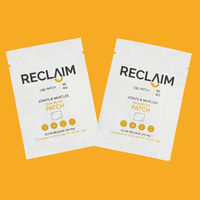
Chronic pain sufferers seeking natural relief increasingly turn to topical CBD products, but choosing between different delivery methods can be confusing. The cbd roll-on vs patches comparison represents one of the most important decisions for those managing conditions like rheumatoid arthritis, fibromyalgia, and localized inflammation. Both delivery systems offer distinct advantages and limitations that directly impact pain management outcomes. Understanding how each product works, their absorption rates, duration of relief, and practical applications helps you make an informed choice that aligns with your specific pain management needs. This comprehensive analysis examines the science, benefits, and real-world applications of both CBD roll-ons and patches to help you determine which option delivers the relief you need.
Understanding CBD Delivery Methods
CBD topical products work fundamentally differently than oral formulations. When you apply CBD directly to the skin, it interacts with cannabinoid receptors in the local area without entering the bloodstream in significant amounts. This localized action makes topical CBD particularly effective for targeted pain relief.
The skin serves as both a barrier and a delivery system. The epidermis, dermis, and subcutaneous layers each play roles in how CBD penetrates and distributes throughout affected tissues. Understanding this biological process becomes essential when evaluating the cbd roll-on vs patches comparison.
How Roll-Ons Deliver CBD
Roll-ons combine CBD extract with carrier oils, emollients, and sometimes additional therapeutic ingredients like menthol or arnica. The roll-on applicator allows for precise, mess-free application directly to painful joints and muscles.
When applied, the formulation sits on the skin surface and gradually penetrates through the outer layers. The massage action from rolling the product onto the skin increases blood flow to the area, potentially enhancing absorption. Additional ingredients often create immediate sensations of cooling or warming that provide temporary relief while the CBD begins working.
The absorption rate depends on several factors:
- Formulation composition: Oil-based versus water-based carriers affect penetration speed
- CBD concentration: Higher concentrations drive more cannabidiol into tissues
- Application technique: Massage pressure and duration influence absorption
- Skin condition: Hydration levels and skin integrity impact penetration rates
- Body location: Thinner skin absorbs compounds more readily than thicker areas

How Patches Deliver CBD Transdermally
CBD patches represent a more advanced delivery technology. These adhesive products use transdermal delivery systems designed to move CBD through the skin and into the bloodstream over extended periods.
Unlike topical roll-ons that work primarily at the application site, transdermal patches aim for systemic distribution. The patch maintains constant contact with skin, creating a concentration gradient that drives CBD molecules through dermal layers and into capillaries beneath.
Modern patches employ various enhancement technologies:
- Permeation enhancers: Chemical compounds that temporarily increase skin permeability
- Reservoir systems: Controlled-release mechanisms that meter CBD delivery over time
- Matrix designs: CBD distributed throughout an adhesive layer for consistent release
- Microneedle technology: Tiny projections that create microscopic channels for improved penetration
The distinction between topical and transdermal delivery fundamentally shapes the cbd roll-on vs patches comparison. According to research on transdermal versus topical mechanisms, patches designed for systemic absorption work differently than surface-level topical applications.
Effectiveness for Different Pain Types
The type of pain you experience significantly influences which product delivers better results. Chronic pain conditions manifest differently, requiring tailored approaches for optimal management.
Localized Joint Pain and Inflammation
For concentrated pain in specific joints affected by rheumatoid arthritis or osteoarthritis, roll-ons often provide superior targeting. You can apply product directly to swollen knees, painful wrists, or inflamed finger joints with precision.
The immediate application allows you to adjust the amount based on pain severity. Flare-ups receive extra attention, while maintenance application uses less product. This flexibility proves particularly valuable for conditions with variable symptoms.
CBD's interaction with inflammation pathways makes it especially relevant for arthritic conditions. The concentrated dose at the application site maximizes local anti-inflammatory effects where you need them most.
Widespread Musculoskeletal Discomfort
Fibromyalgia and other conditions causing diffuse pain across multiple body regions present different challenges. Applying roll-on to numerous locations becomes time-consuming and uses significant product.
Patches offer advantages for widespread pain through potential systemic circulation. A single patch placed on a venous area like the inner wrist or ankle may provide more generalized relief throughout the body. The mechanisms behind CBD patches suggest they can deliver consistent cannabidiol levels that address overall pain sensitivity.
However, evidence regarding true transdermal CBD absorption remains mixed. Many products marketed as patches function more like extended-release topicals, providing long-duration localized relief rather than genuine systemic distribution.
| Pain Type | Roll-On Advantage | Patch Advantage |
|---|---|---|
| Single joint inflammation | Direct high-dose application | Extended 8-12 hour coverage |
| Multiple joint pain | Customizable targeting | Fewer applications needed |
| Muscle soreness | Massage enhances relief | Hands-free sustained delivery |
| Nerve pain | Immediate cooling/warming sensation | Consistent dosing prevents gaps |
| Chronic widespread pain | Cost-effective for small areas | Potential systemic benefits |
Duration and Convenience Factors
Practical considerations often determine which product fits best into your daily routine. The cbd roll-on vs patches comparison reveals significant differences in how often you need to reapply and what level of discretion each option provides.
Application Frequency and Duration
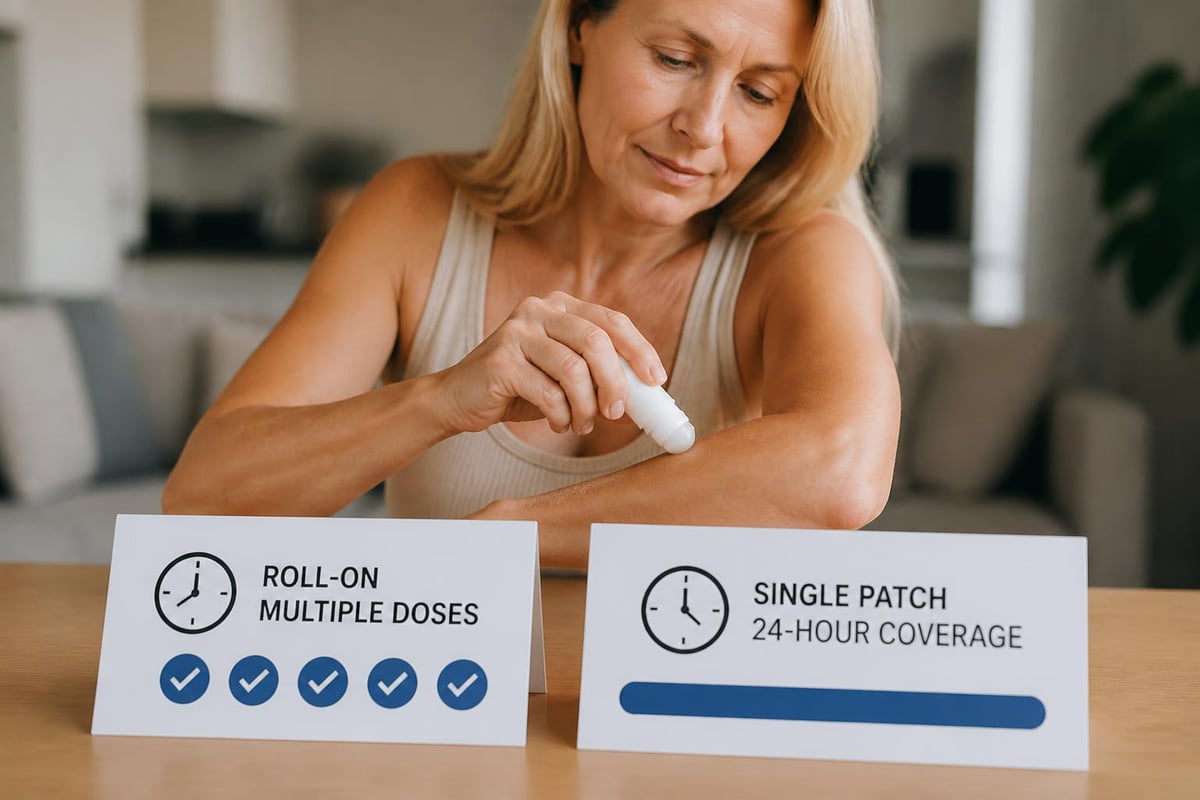
Roll-ons typically provide relief lasting two to four hours depending on formulation strength and individual metabolism. Active individuals may find relief fades more quickly as movement and perspiration affect product retention on skin.
Most users apply roll-ons three to four times daily for consistent pain management. Morning application addresses overnight stiffness, midday reapplication manages afternoon discomfort, and evening use supports restful sleep. This frequent application requirement can be inconvenient but allows for dose adjustment based on real-time pain levels.
Patches claim duration ranging from eight to twelve hours, with some products advertising 24-hour effectiveness. This extended timeline means fewer applications and more consistent CBD levels. You apply a patch in the morning and maintain coverage throughout your workday without interruption.
The reality often falls between manufacturer claims and user experience. Patch adhesion issues, reduced potency over time, and individual variation in absorption affect actual duration. Reading comprehensive guides on CBD patch usage helps set realistic expectations.
Lifestyle Integration
Your daily activities influence which delivery method works best. Roll-ons require clean, dry hands for application and brief moments to massage product into skin. This works well at home but becomes challenging in professional settings or during travel.
Patches offer superior discretion. Once applied under clothing, they remain invisible and require no attention until removal. This makes them ideal for:
- Office environments where frequent bathroom breaks for application seem disruptive
- Physical jobs where hand washing removes roll-on products
- Travel situations where carrying bottles raises TSA questions
- Social settings where pulling out pain relief products feels awkward
- Nighttime use when you want uninterrupted relief without reapplication
However, patches have limitations. Swimming, intense exercise causing heavy perspiration, and certain clothing fabrics can compromise adhesion. Some users experience skin irritation from adhesive components, particularly with extended wear.
Cost Analysis and Value Considerations
Budget constraints matter when managing chronic conditions requiring daily CBD use. Analyzing cost-per-dose and overall monthly expenses helps determine which option provides better value for your specific usage patterns.
Comparing Product Pricing
Roll-ons generally cost between $30 and $60 per unit, with premium formulations reaching $80 or more. The 1000mg CBD relief roll-on represents a mid-range option balancing potency and affordability.
A typical roll-on contains 1.5 to 3 ounces of product. With standard usage of three to four applications daily on two to three sites, a single roll-on lasts approximately three to four weeks. This creates a monthly cost of $30 to $80 depending on product choice and usage intensity.
Patches typically sell in packages of 10 to 30 units. Pricing ranges from $20 for basic 10-packs to $100 for premium 30-count packages. Premium CBD patches designed for pain relief often include higher CBD concentrations and advanced delivery technologies.
Individual patches cost $2 to $4 each. If you use one patch daily as intended, monthly costs range from $60 to $120. This positions patches as generally more expensive than roll-ons for equivalent timeframes.
Value Beyond Price
Cost per use tells only part of the story. Effectiveness, convenience, and waste reduction factor into true value assessment.
Roll-ons allow precise dosing control. You use exactly what you need, applying more during flare-ups and less during better days. This flexibility optimizes product usage and potentially extends supply.
Patches provide fixed doses regardless of pain levels. Mild pain days receive the same CBD amount as severe ones, potentially wasting product. However, the consistent dosing prevents gaps in coverage that allow pain to escalate, possibly reducing overall pain management costs by preventing severe episodes requiring additional interventions.
Consider also the opportunity costs. If roll-on application requires three daily bathroom breaks during work, and patches eliminate these interruptions, the productivity gain may justify higher product costs. For individuals with severe rheumatoid arthritis in hands, the dexterity required for roll-on application may make patches worth the premium despite higher prices.
Absorption and Bioavailability Science
Understanding how efficiently each delivery method gets CBD into your system helps predict which will provide better relief. The science behind cannabidiol absorption remains an active research area with important implications for product selection.
Topical Absorption Mechanisms
When you apply a CBD roll-on, the cannabidiol must navigate several skin barriers before reaching target tissues. The stratum corneum, your skin's outermost layer, functions as a protective barrier that resists penetration by foreign substances.
CBD's lipophilic (fat-loving) nature helps it dissolve through this lipid-rich barrier, but the process remains relatively slow and incomplete. Studies suggest that only a small percentage of applied CBD actually penetrates beyond surface layers.
Carrier ingredients significantly impact absorption rates. Bioavailability research demonstrates that formulation matters as much as CBD concentration. Ingredients like MCT oil, shea butter, and specific emulsifiers enhance penetration by disrupting skin barrier organization temporarily.
Additional factors affecting topical absorption include:
- Application site thickness (palms versus inner wrists)
- Skin hydration status
- Age-related skin changes
- Presence of hair follicles and sweat glands
- Duration of skin contact before washing
Transdermal Delivery Challenges
True transdermal delivery aims to move CBD through the skin and into bloodstream circulation. This requires overcoming not just the stratum corneum but also deeper dermal layers before reaching capillary beds.
CBD's molecular weight and structure create challenges for transdermal delivery. Most successfully transdermal drugs possess specific characteristics: molecular weight under 500 Daltons, moderate lipophilicity, and low melting points. CBD meets some criteria but not others, making efficient transdermal delivery technically difficult.
Many "transdermal" CBD patches actually function as extended-release topical products. They maintain prolonged skin contact and use permeation enhancers to improve dermal penetration, but don't necessarily achieve significant systemic absorption. This doesn't diminish their effectiveness for localized pain, but clarifies realistic expectations.
Advanced delivery systems show promise. Research exploring mathematical models for transdermal drug delivery suggests that emerging technologies like iontophoresis and microneedle arrays could dramatically improve CBD transdermal transport. However, consumer products utilizing these technologies remain limited and expensive.
Customization and Combination Approaches
Rather than viewing the cbd roll-on vs patches comparison as an either/or decision, many pain management strategies benefit from using both products strategically.
Strategic Product Selection by Situation
Different activities and times of day present varying pain management needs. Thoughtful product selection maximizes relief while optimizing cost and convenience.
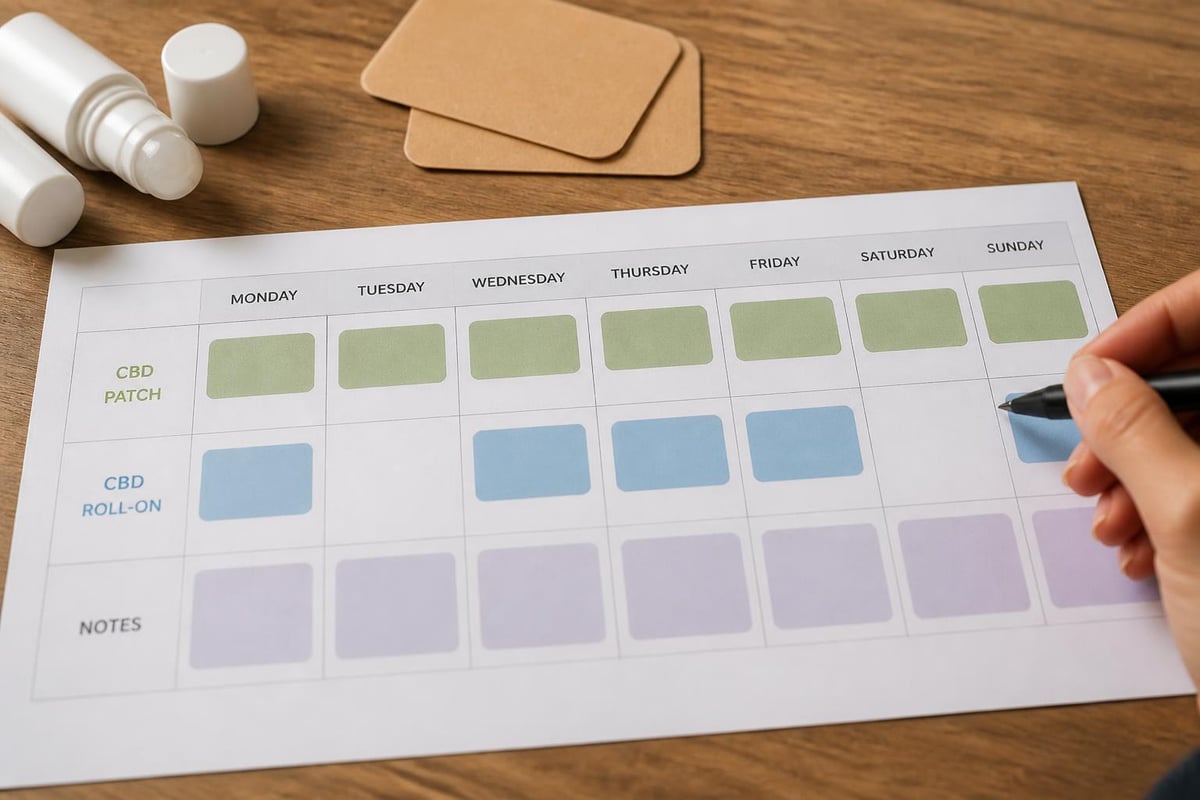
Morning routine: Apply a patch after showering to provide baseline coverage throughout the day. The clean, dry skin ensures optimal adhesion, and early application means maximum duration during active hours.
Breakthrough pain: Keep a roll-on accessible for acute pain episodes. When specific joints flare despite patch coverage, direct roll-on application to the affected area provides additional targeted relief without waiting for a new patch to take effect.
Evening recovery: Use roll-ons on muscles and joints stressed during the day. The massage application provides immediate soothing effects, and you avoid waste since you'll shower the next morning anyway. This approach to managing chronic pain while maintaining active lifestyles proves particularly valuable.
Travel days: Rely on patches for simplicity and TSA compliance. Their discrete nature works well in airports, airplanes, and hotels where privacy for roll-on application may be limited.
Complementary Product Synergy
Combining topical CBD products with oral formulations creates comprehensive pain management systems. While roll-ons and patches address localized inflammation and discomfort, broad-spectrum CBD oil taken orally provides systemic anti-inflammatory effects.
This multi-modal approach targets pain through different pathways:
- Oral CBD: Addresses overall inflammation and pain sensitivity through endocannabinoid system modulation
- Transdermal patches: Provide steady baseline topical relief to commonly affected areas
- Roll-on applications: Deliver immediate targeted relief to acute pain sites
The combined strategy often achieves better results than any single product alone while using lower doses of each. This may reduce costs despite using multiple products and minimizes the risk of diminishing returns from excessive single-product use.
Safety Considerations and Skin Sensitivity
Both roll-ons and patches applied to skin require consideration of potential adverse reactions and proper usage protocols. Understanding safety profiles helps you use products effectively while minimizing risks.
Potential Skin Reactions
Topical CBD products rarely cause serious adverse effects, but skin irritation occurs in some users. The CBD itself seldom triggers reactions; instead, carrier ingredients, essential oils, adhesives, and preservatives typically cause problems.
Common issues with roll-ons include:
- Mild redness or warmth at application sites
- Tingling sensations from menthol or camphor additions
- Allergic reactions to fragrance components
- Skin drying from alcohol-based formulations
These usually resolve quickly after discontinuing use. Starting with small test applications on less sensitive skin areas identifies potential sensitivities before full-scale use.
Patches present different concerns:
- Adhesive allergies causing rashes or itching
- Skin maceration from prolonged occlusion
- Irritation from permeation enhancers
- Contact dermatitis from preservatives
Rotating patch placement sites reduces irritation risk. Avoiding the same skin area for at least 48 hours allows recovery between applications. Removing patches before showering or swimming prevents excess moisture from compromising skin integrity.
Drug Interaction Considerations
Topical CBD products have minimal systemic absorption compared to oral formulations, reducing drug interaction risks. However, individuals taking medications metabolized by cytochrome P450 enzymes should consult healthcare providers before adding any CBD products.
True transdermal patches achieving significant bloodstream CBD levels carry greater interaction potential than surface-acting roll-ons. This represents another important distinction in the cbd roll-on vs patches comparison for individuals managing multiple medications alongside conditions like rheumatoid arthritis.
Third-party testing provides quality assurance. Products from companies like Reclaim Labs undergo independent verification for CBD content, absence of contaminants, and formulation purity. This testing reduces risks from mislabeled products or contaminated batches.
Making Your Decision: Key Selection Criteria
Choosing between CBD roll-ons and patches requires evaluating your specific circumstances against each product's strengths. Consider these decisive factors when making your selection.
Pain Pattern Assessment
Your pain characteristics should guide product choice. Ask yourself:
- Is your pain localized or widespread? Single-joint arthritis favors roll-ons; fibromyalgia may benefit more from patches
- Does pain intensity fluctuate significantly? Variable pain rewards roll-on flexibility; stable pain suits patch consistency
- Do you experience breakthrough pain episodes? Keeping roll-ons available supplements baseline patch coverage
- What time of day is pain worst? Morning stiffness may need overnight patches; evening soreness responds to pre-bed roll-on application
Lifestyle Compatibility
Honest assessment of your daily routine determines practical feasibility:
- Can you apply products three to four times daily? If not, patches offer better compliance
- Do you work in environments allowing private application? Office jobs may favor discrete patches
- Are your hands affected by arthritis? Severe hand involvement may make roll-on application difficult
- Do you exercise or swim regularly? Active lifestyles may compromise patch adhesion
Budget Realities
Financial considerations matter for sustainable long-term use:
- What's your monthly pain management budget? Roll-ons typically cost less
- Does insurance cover any CBD products? Coverage may favor specific formats
- Are you treating one area or multiple sites? Multiple sites make patches more economical
- Can you buy in bulk for discounts? Larger quantities reduce per-use costs for both products
| Selection Factor | Choose Roll-On If... | Choose Patch If... |
|---|---|---|
| Pain location | Single joint or muscle | Multiple areas or systemic |
| Pain consistency | Highly variable day-to-day | Relatively stable chronic pain |
| Lifestyle | Home-based or flexible schedule | Professional or physically active |
| Budget | Cost-conscious | Willing to pay for convenience |
| Skin sensitivity | Sensitive to adhesives | Reactive to oils or fragrances |
| Dexterity | Good hand function | Limited hand mobility |
Product Quality and What to Look For
Regardless of whether you choose roll-ons or patches, product quality dramatically affects outcomes. Understanding quality markers helps you select effective products worth your investment.
Third-Party Testing and Transparency
Reputable CBD companies provide certificates of analysis (COAs) from independent laboratories verifying product contents. These documents confirm:
- CBD concentration accuracy: Actual cannabidiol content matches label claims
- THC levels: Compliance with legal limits (under 0.3% for hemp-derived products)
- Contaminant absence: No heavy metals, pesticides, or microbial contamination
- Terpene profiles: Additional beneficial compounds present in full-spectrum products
Companies hiding test results or providing vague "in-house" testing lack transparency. Quality manufacturers prominently display COAs and update them for each production batch. This commitment to quality and transparency distinguishes professional operations from questionable suppliers.
Spectrum Type Considerations
CBD products come in three spectrum types, each offering different compound profiles:
Full-spectrum: Contains CBD plus other cannabinoids (including trace THC), terpenes, and plant compounds. The "entourage effect" suggests these components work synergistically for enhanced benefits. However, THC presence may concern individuals subject to drug testing.
Broad-spectrum: Includes CBD and other beneficial cannabinoids and terpenes but with THC removed. This provides entourage benefits without THC concerns, making it ideal for those requiring THC-free products.
Isolate: Pure CBD with all other compounds removed. This eliminates any possibility of THC presence but forgoes potential entourage effects.
For chronic pain conditions, many users find broad-spectrum or full-spectrum products more effective than isolates. The additional cannabinoids and terpenes may enhance anti-inflammatory and analgesic properties.
Additional Ingredient Synergies
Beyond CBD content, complementary ingredients enhance effectiveness:
In roll-ons:
- Arnica for bruising and inflammation
- Menthol or camphor for cooling sensation and increased blood flow
- Essential oils like lavender or eucalyptus for aromatherapeutic benefits
- MSM (methylsulfonylmethane) for additional anti-inflammatory effects
In patches:
- Vitamin E for skin health during extended wear
- Lavender or chamomile for calming effects
- Glucosamine for joint health support
- Capsaicin for enhanced pain relief (though this may cause skin sensitivity)
Quality formulations balance these additions without overwhelming skin or causing irritation. Reading ingredient lists helps identify potential allergens or irritants before purchase.
The cbd roll-on vs patches comparison ultimately depends on your individual pain patterns, lifestyle requirements, and personal preferences, with many users finding success combining both products strategically. Understanding how each delivery method works, their respective strengths and limitations, and how they fit into comprehensive pain management enables informed decisions that improve your quality of life. Whether you choose the targeted flexibility of roll-ons or the extended convenience of patches, selecting high-quality, third-party tested products ensures you receive effective, reliable relief from chronic pain and inflammation. Reclaim Labs offers premium CBD roll-ons and patches specifically formulated for conditions like rheumatoid arthritis and fibromyalgia, with complete transparency through independent lab testing and a commitment to helping you reclaim your life from chronic pain.