Understanding cbd safety and drug interactions has become increasingly important as more individuals turn to cannabidiol for managing chronic pain, inflammation, and conditions like rheumatoid arthritis. While CBD offers promising therapeutic benefits, it can interact with numerous medications through metabolic pathways in the body. These interactions may alter the effectiveness of prescription drugs or increase the risk of adverse effects. For individuals managing chronic conditions who rely on multiple medications, knowing how CBD affects drug metabolism is essential for safe and effective use.
How CBD Affects Medication Metabolism
CBD influences how the body processes medications primarily through the cytochrome P450 (CYP450) enzyme system in the liver. This system is responsible for metabolizing approximately 60% of all clinically prescribed medications. When CBD enters the system, it can inhibit certain CYP450 enzymes, particularly CYP3A4 and CYP2C19, which slows down the breakdown of medications metabolized by these enzymes.
This inhibition creates what researchers call the "grapefruit effect," similar to how grapefruit juice affects medication metabolism. When drugs remain in the bloodstream longer than intended, their concentration increases, potentially leading to elevated side effects or toxicity. Understanding CBD's metabolic effects helps explain why certain medication combinations require close medical supervision.
The Cytochrome P450 System Explained
The CYP450 system consists of multiple enzyme families, each responsible for processing different types of medications:
- CYP3A4: Metabolizes over 50% of prescription drugs including statins, calcium channel blockers, and immunosuppressants
- CYP2C19: Processes proton pump inhibitors, certain antidepressants, and antiplatelet medications
- CYP2D6: Handles opioids, beta-blockers, and some antipsychotics
- CYP2C9: Metabolizes NSAIDs, warfarin, and certain diabetes medications
CBD's interaction with these enzymes varies in strength and duration. Higher CBD doses generally create more pronounced inhibitory effects, which is why dosage considerations are critical when examining cbd safety and drug interactions.
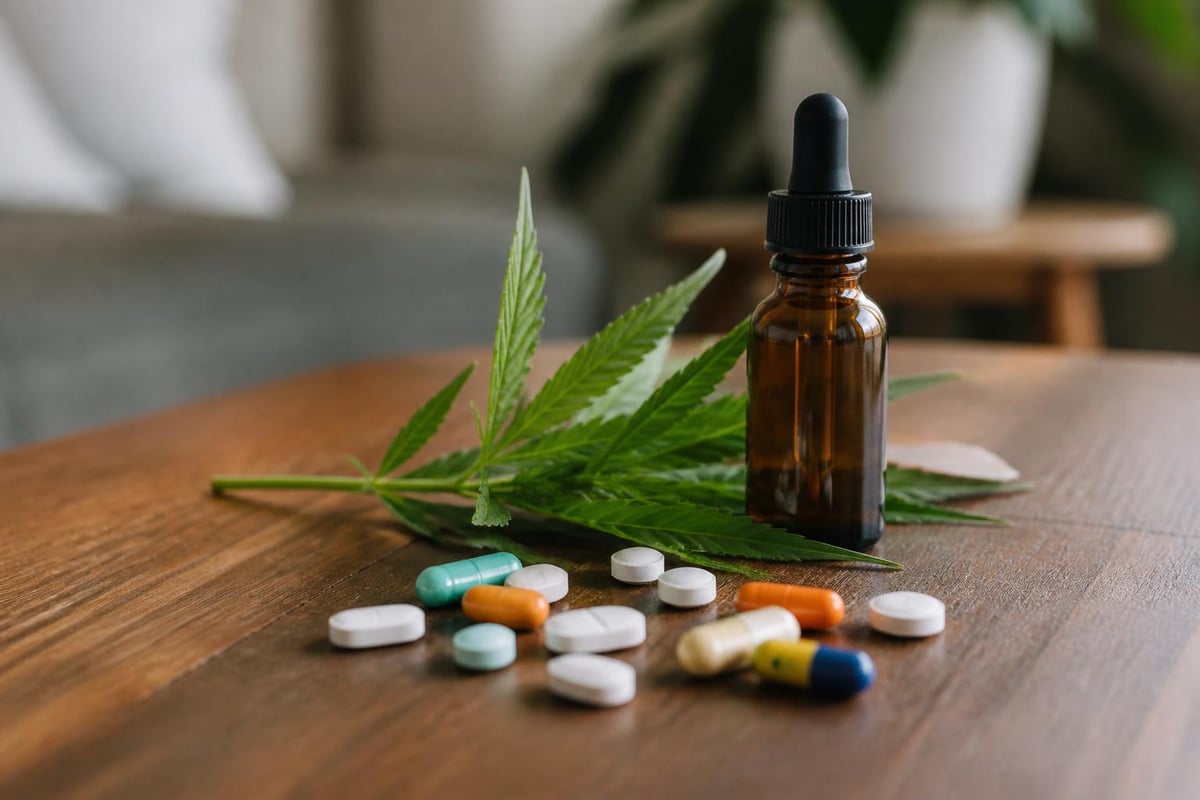
Medications That May Interact With CBD
Several medication categories require particular caution when combined with CBD products. The CDC provides important guidance on CBD use and potential health effects, emphasizing the need for medical consultation before starting any CBD regimen.
Blood Thinners and Anticoagulants
Warfarin poses one of the most significant concerns regarding cbd safety and drug interactions. CBD can increase warfarin levels in the blood, raising bleeding risk. Patients taking blood thinners require regular INR monitoring when using CBD products.
| Medication Type | Common Names | Interaction Risk | Monitoring Required |
|---|---|---|---|
| Blood Thinners | Warfarin, Coumadin | High | INR levels weekly initially |
| Antiplatelet Drugs | Clopidogrel, Plavix | Moderate | Bleeding symptoms |
| Direct Anticoagulants | Rivaroxaban, Apixaban | Moderate | Clinical observation |
Pain Medications and Opioids
For individuals using CBD alongside pain medications, understanding interaction potential is crucial. While many people explore CBD hemp oil benefits for pain as an alternative to opioids, some require both for adequate relief.
CBD may increase sedative effects when combined with opioids like:
- Oxycodone
- Hydrocodone
- Morphine
- Fentanyl
This enhanced sedation could affect coordination, reaction time, and respiratory function. The Merck Manual details CBD's metabolism and how it affects other medications through the liver.
Immunosuppressants and Anti-Inflammatory Drugs
Patients managing rheumatoid arthritis often take immunosuppressive medications that can interact with CBD. Those exploring CBD hemp oil benefits for arthritis should discuss potential interactions with their rheumatologist.
Medications requiring careful monitoring include:
- Methotrexate (affects liver enzymes)
- Tacrolimus (narrow therapeutic window)
- Cyclosporine (metabolized by CYP3A4)
- Prednisone (may have synergistic effects)
For those considering CBD as an alternative, understanding prednisone side effects and how to counter those provides valuable context for treatment decisions.
Neurological and Psychiatric Medications
Understanding cbd safety and drug interactions becomes particularly important for individuals taking medications that affect the central nervous system. CBD's potential to enhance sedative effects requires careful consideration when combined with certain drug classes.
Antidepressants and Anxiety Medications
CBD can interact with selective serotonin reuptake inhibitors (SSRIs) and benzodiazepines. While some individuals use CBD to support mental health, combining it with prescription medications may increase side effects.
SSRIs potentially affected by CBD:
- Sertraline (Zoloft)
- Fluoxetine (Prozac)
- Citalopram (Celexa)
- Escitalopram (Lexapro)
Benzodiazepines with interaction potential:
- Alprazolam (Xanax)
- Lorazepam (Ativan)
- Diazepam (Valium)
- Clonazepam (Klonopin)
These combinations may result in increased drowsiness, confusion, or impaired judgment. Research on CBD interactions highlights the importance of understanding these effects before combining treatments.

Anti-Seizure Medications
CBD gained FDA approval as Epidiolex for treating certain seizure disorders, but this doesn't mean it's safe to combine with all anti-epileptic drugs without medical supervision. Clobazam, valproic acid, and other seizure medications can have altered blood levels when taken with CBD.
Cardiovascular Medications and CBD
Individuals with cardiovascular conditions who take multiple medications face complex considerations regarding cbd safety and drug interactions. Blood pressure medications, cholesterol-lowering drugs, and heart rhythm medications all warrant discussion with healthcare providers.
Beta-Blockers and Calcium Channel Blockers
These commonly prescribed heart medications are metabolized through pathways affected by CBD:
| Medication Class | Examples | Primary Concern | Clinical Significance |
|---|---|---|---|
| Beta-Blockers | Metoprolol, Atenolol | Enhanced blood pressure lowering | Monitor BP regularly |
| Calcium Channel Blockers | Amlodipine, Diltiazem | Increased drug levels | Watch for dizziness, edema |
| ACE Inhibitors | Lisinopril, Enalapril | Potential additive effects | Track blood pressure changes |
CBD's potential to lower blood pressure independently may create additive effects with these medications, resulting in excessive blood pressure reduction, dizziness, or fainting.
Statins and Cholesterol Medications
Statins like atorvastatin and simvastatin are metabolized by CYP3A4, the same enzyme inhibited by CBD. This interaction can increase statin levels, potentially raising the risk of muscle pain, weakness, or more serious muscle damage (rhabdomyolysis).
Individuals taking statins should start with lower CBD doses and monitor for muscle-related symptoms. WebMD's comprehensive CBD overview includes detailed information about these potential interactions.
Diabetes Medications and Metabolic Considerations
For individuals managing diabetes alongside conditions like fibromyalgia or arthritis, understanding how CBD affects blood sugar medications is essential. Those exploring benefits of CBD oil for fibromyalgia should consider metabolic implications.
CBD may affect blood glucose levels and interact with diabetes medications:
- Insulin (may enhance glucose-lowering effects)
- Metformin (potential additive effects)
- Sulfonylureas (increased hypoglycemia risk)
- DPP-4 inhibitors (metabolic pathway overlap)
Blood sugar monitoring becomes even more critical when introducing CBD to a diabetes management regimen. The combination may require medication dose adjustments to prevent hypoglycemia.
Dosage Considerations and Safety Protocols
Managing cbd safety and drug interactions requires attention to dosing strategies. Unlike many medications with standardized dosing, CBD products vary significantly in concentration, bioavailability, and formulation.
Starting Low and Going Slow
Healthcare professionals recommend a conservative approach when initiating CBD use while taking other medications:
- Begin with the lowest effective dose (typically 5-10mg daily)
- Maintain consistent dosing for 1-2 weeks before adjusting
- Monitor for any changes in medication effects or new symptoms
- Increase gradually in 5mg increments if needed
- Keep detailed records of doses, timing, and effects
This methodical approach allows time to observe potential interactions before they become problematic. Many individuals managing chronic pain with CBD find that lower doses combined with other therapies provide adequate relief.
Timing Between Medications and CBD
Strategic timing can minimize interaction potential by reducing peak concentration overlap. Consider spacing CBD and other medications by 2-4 hours when possible, particularly for medications with narrow therapeutic windows.
Optimal timing strategies:
- Take CBD at different times than prescription medications
- Use CBD consistently (same time daily) for predictable effects
- Avoid taking CBD immediately before or after critical medications
- Consider morning vs. evening dosing based on medication schedule
Laboratory Testing and Medical Monitoring
Regular medical monitoring becomes particularly important when combining CBD with prescription medications. Understanding what to monitor helps catch potential problems early.
Essential Blood Tests and Monitoring
Depending on which medications you take, different tests may be necessary:
| Test Type | What It Monitors | Recommended Frequency | Relevant Medications |
|---|---|---|---|
| Liver Function (AST/ALT) | Hepatic enzyme levels | Every 3-6 months | Most medications metabolized by liver |
| INR | Blood clotting time | Weekly to monthly | Warfarin, anticoagulants |
| Therapeutic Drug Levels | Medication concentration | As directed by physician | Immunosuppressants, anti-seizure meds |
| Blood Glucose | Sugar levels | Daily to weekly | Diabetes medications |
NCBI research on CBD emphasizes the importance of monitoring liver function, particularly with higher doses or long-term use.

Symptoms That Require Immediate Medical Attention
While most cbd safety and drug interactions result in minor adjustments, certain symptoms warrant immediate medical consultation:
- Unusual bleeding or bruising (possible blood thinner interaction)
- Severe drowsiness or confusion (enhanced sedative effects)
- Muscle pain or weakness (potential statin interaction)
- Yellowing of skin or eyes (liver function concerns)
- Irregular heartbeat or chest pain (cardiovascular medication interaction)
- Severe dizziness or fainting (blood pressure medication interaction)
Quality and Third-Party Testing Considerations
The quality of CBD products significantly impacts cbd safety and drug interactions. Products with inconsistent CBD content, contamination, or undisclosed ingredients pose additional risks when combined with medications.
What Third-Party Testing Reveals
Reputable CBD manufacturers provide Certificates of Analysis (COA) from independent laboratories that verify:
- Actual CBD and THC content (ensuring label accuracy)
- Absence of heavy metals, pesticides, and solvents
- Microbial contamination testing
- Residual solvent screening
- Terpene profiles
Products without third-party verification may contain variable CBD concentrations, making consistent dosing impossible and increasing interaction unpredictability. Transparent companies make COAs readily accessible to customers.
Full-Spectrum vs. Broad-Spectrum vs. Isolate
The type of CBD product influences interaction potential:
Full-spectrum CBD contains all hemp plant compounds including up to 0.3% THC, multiple cannabinoids, and terpenes. These additional compounds may contribute to interactions through the "entourage effect."
Broad-spectrum CBD includes multiple cannabinoids and terpenes but removes THC. This option provides some entourage benefits while eliminating THC-related concerns.
CBD isolate contains pure CBD with no other cannabinoids or terpenes. This form offers the most predictable interaction profile since other compounds are absent.
For individuals taking multiple medications, CBD isolate or broad-spectrum products may offer more straightforward interaction profiles, though full-spectrum products often provide superior therapeutic benefits for conditions like arthritis.
Communicating With Healthcare Providers
Open communication with healthcare providers is fundamental to managing cbd safety and drug interactions effectively. Many patients hesitate to discuss CBD use with their doctors, but transparency ensures safer outcomes.
Preparing for Medical Appointments
Before discussing CBD use with your healthcare provider, gather essential information:
- Complete medication list: Include prescription drugs, over-the-counter medications, vitamins, and supplements
- CBD product details: Brand name, concentration, spectrum type (full/broad/isolate), and dosage
- Treatment goals: Specific conditions or symptoms you hope to address with CBD
- Current results: Any benefits or side effects experienced so far
- Questions and concerns: Specific interactions or monitoring needs you want to discuss
Having this information readily available facilitates productive conversations about safety and appropriate monitoring protocols. Those managing osteoarthritis with CBD benefit from discussing how CBD fits into their overall treatment strategy.
Questions to Ask Your Doctor
Frame your conversation around these key questions:
- Which of my current medications have the highest interaction risk with CBD?
- What symptoms should I monitor that might indicate a problematic interaction?
- How often should I have blood work done to check for interaction effects?
- Would adjusting the timing of my medications and CBD reduce interaction risk?
- Are there specific CBD doses or formulations you recommend for my situation?
- Should we adjust any of my current medication doses if I continue CBD use?
Special Populations and Additional Considerations
Certain groups face heightened concerns regarding cbd safety and drug interactions and require extra caution when considering CBD use.
Older Adults and Polypharmacy
Seniors often take multiple medications (polypharmacy), increasing interaction complexity. Age-related changes in metabolism further complicate CBD processing. Older adults typically require:
- Lower starting doses (2.5-5mg daily)
- More gradual dose increases
- More frequent monitoring
- Greater attention to sedation and fall risk
- Careful tracking of medication effectiveness
Pregnancy and Breastfeeding
Current medical guidance advises against CBD use during pregnancy and breastfeeding due to insufficient safety data. CBD can cross the placental barrier and appear in breast milk, potentially affecting fetal or infant development.
Individuals With Liver Conditions
Those with hepatic impairment face increased risks from cbd safety and drug interactions. Compromised liver function affects both CBD metabolism and the processing of other medications, potentially leading to elevated drug levels and increased side effects.
Monitoring and Adjusting Your CBD Regimen
Successful CBD integration with existing medications requires ongoing assessment and willingness to adjust approaches based on results and medical guidance.
Keeping a CBD Journal
Detailed record-keeping helps identify patterns, benefits, and potential interaction signals:
- Date and time of each CBD dose
- Amount taken and product used
- Timing relative to other medications
- Symptom changes (positive and negative)
- Sleep quality, energy levels, pain scores
- Any unusual symptoms or side effects
- Medication effectiveness changes
This information proves invaluable during medical appointments and helps healthcare providers make informed recommendations about your regimen.
When to Adjust or Discontinue
Consider modifying your CBD use if you experience:
- Decreased effectiveness of prescription medications
- New or worsening side effects
- Changes in laboratory test results
- Excessive sedation or impairment
- Gastrointestinal issues
- Unexpected medication effects
Working collaboratively with healthcare providers ensures adjustments support rather than compromise your overall treatment plan. Those exploring arthritis management strategies benefit from integrating CBD thoughtfully into comprehensive care approaches.
Emerging Research and Future Directions
Scientific understanding of cbd safety and drug interactions continues evolving as researchers conduct more sophisticated studies. Computational frameworks for detecting adverse drug interactions represent innovative approaches to identifying potential problems before they affect patients.
Current research focuses on:
- Precise quantification of CBD's effects on specific CYP450 enzymes
- Individual genetic variations affecting CBD metabolism
- Long-term interaction effects with chronic CBD use
- Interaction differences between CBD delivery methods (oral, topical, sublingual)
- Protective strategies to minimize interaction risks
As research progresses, healthcare providers will have more precise tools for predicting individual interaction risks and customizing safe CBD protocols for patients taking multiple medications.
Understanding cbd safety and drug interactions empowers individuals to make informed decisions about incorporating CBD into their wellness routines while protecting medication effectiveness and overall health. If you're managing chronic pain, inflammation, rheumatoid arthritis, or fibromyalgia and considering CBD as part of your treatment approach, Reclaim Labs provides premium, third-party tested CBD products designed with safety and efficacy as top priorities. Our transparent testing practices and commitment to quality help you confidently explore natural pain management options while maintaining the safety of your existing treatment regimen.