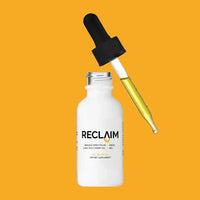
The CBD market has experienced explosive growth over the past decade, with millions of Americans turning to hemp-derived products for relief from chronic pain, inflammation, and various other health concerns. However, this rapid expansion has also created opportunities for unscrupulous manufacturers to cut corners, mislabel products, or sell contaminated items. Understanding CBD third-party testing importance has become essential for consumers who want to ensure they're receiving safe, effective products that deliver on their promises. Independent laboratory verification serves as the cornerstone of quality assurance in an industry that still faces regulatory challenges and inconsistent oversight.
What Third-Party Testing Actually Means
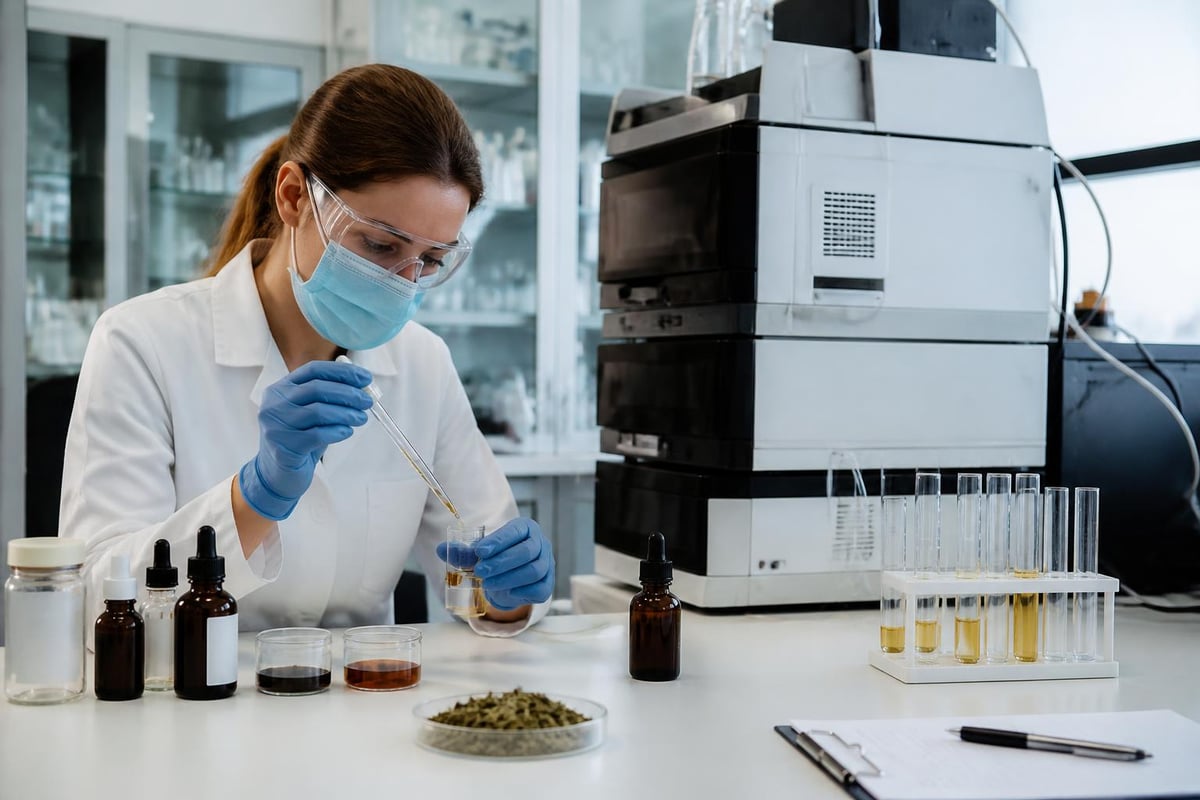
Third-party testing refers to the process of having independent laboratories analyze CBD products to verify their contents, potency, and purity. Unlike in-house testing conducted by manufacturers themselves, third-party labs have no financial stake in the product's success.
These independent facilities use sophisticated equipment and standardized methodologies to examine CBD products for various factors. The testing process typically includes cannabinoid profiling, contaminant screening, and verification of product claims. Understanding why third-party testing is crucial helps consumers make informed decisions about the products they purchase.
The Role of Independent Laboratories
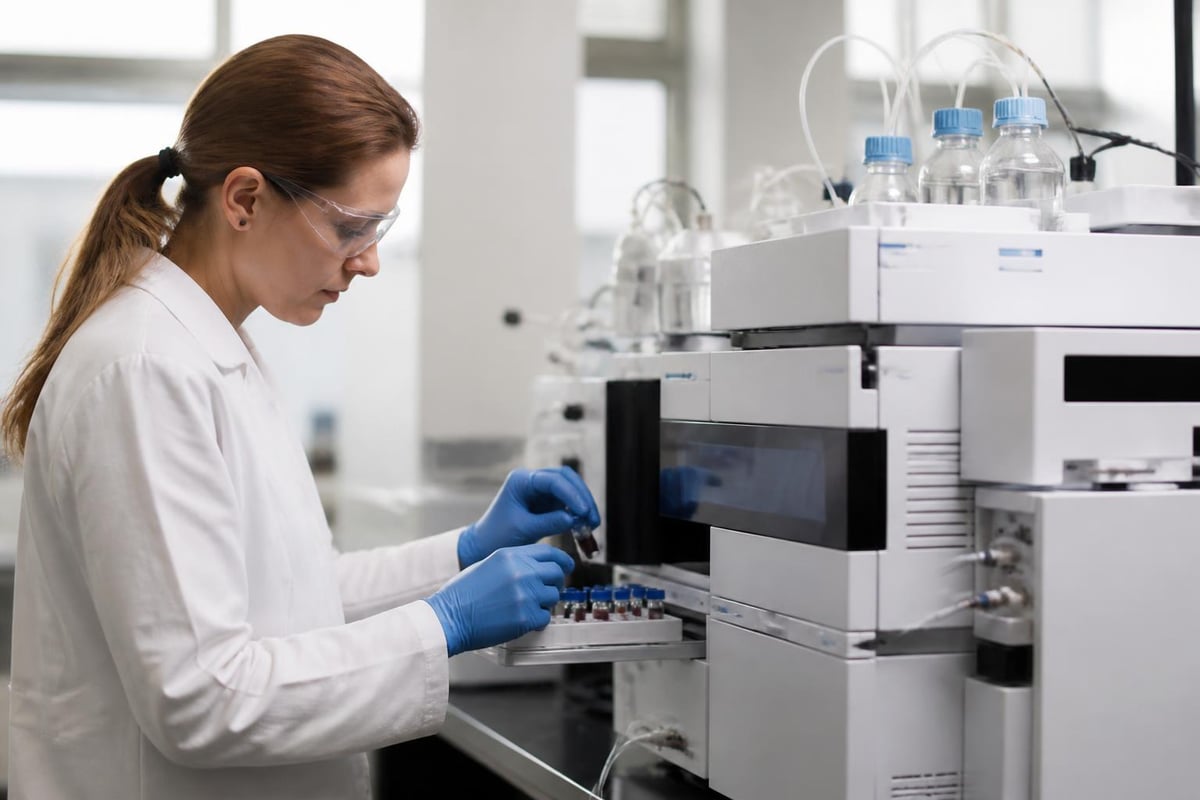
Independent testing laboratories follow strict protocols established by industry standards and regulatory guidelines. They employ trained scientists who use advanced techniques such as high-performance liquid chromatography (HPLC) and gas chromatography-mass spectrometry (GC-MS).
Key testing parameters include:
- CBD and THC concentration levels
- Full cannabinoid profile analysis
- Heavy metal detection (lead, arsenic, mercury, cadmium)
- Pesticide residue screening
- Microbial contamination testing
- Residual solvent analysis
The results of these comprehensive tests are compiled into a Certificate of Analysis (COA), which serves as a detailed report card for the product.
Why CBD Third-Party Testing Importance Cannot Be Overstated
The unregulated nature of the CBD industry creates significant risks for consumers. Without mandatory federal oversight, manufacturers can make unverified claims about their products' potency and purity. This is where cbd third-party testing importance becomes critical to consumer safety.
A 2017 study published in JAMA found that nearly 70% of CBD products sold online were mislabeled. Some contained significantly less CBD than advertised, while others contained potentially dangerous levels of THC that could result in failed drug tests or unwanted psychoactive effects.
Protecting Consumers from Contamination
Third-party testing identifies harmful contaminants that can compromise both product safety and efficacy. Hemp plants are bioaccumulators, meaning they absorb substances from the soil, including heavy metals and pesticides.
| Contaminant Type | Health Risks | Testing Method |
|---|---|---|
| Heavy Metals | Neurological damage, organ failure | ICP-MS analysis |
| Pesticides | Hormonal disruption, cancer risk | GC-MS/LC-MS screening |
| Microbial | Infections, illness | Microbiology cultures |
| Residual Solvents | Respiratory issues, toxicity | GC-FID/GC-MS testing |
For individuals managing chronic conditions like rheumatoid arthritis or fibromyalgia, exposure to these contaminants can exacerbate existing health problems. Reclaim Labs' commitment to third-party testing ensures that every product meets stringent safety standards.
Verifying Potency and Cannabinoid Content
Accurate potency labeling is essential for effective dosing and symptom management. When CBD products contain less active ingredient than advertised, consumers may not experience the relief they're seeking. Conversely, products with higher THC levels than stated could produce unwanted effects.
Third-party testing verifies that the CBD concentration matches label claims within an acceptable margin of error, typically ±10%. This verification is particularly important for those using CBD for managing chronic pain or arthritis symptoms, where consistent dosing is crucial for therapeutic effectiveness.
Understanding Certificates of Analysis
Certificates of Analysis provide transparency that builds consumer trust and demonstrates manufacturer accountability. These detailed documents translate complex laboratory data into accessible information that helps consumers make informed purchasing decisions.
How to Read a COA
Learning to interpret COA results empowers consumers to verify product quality independently. Every legitimate COA should include specific elements that confirm both the testing laboratory's credentials and the product's composition.
Essential COA components include:
- Laboratory information - Name, accreditation status, contact details
- Product details - Batch number, test date, sample identification
- Cannabinoid profile - CBD, THC, CBG, CBN, and other cannabinoid levels
- Contaminant results - Pass/fail status for heavy metals, pesticides, microbes
- Testing methodology - Analytical techniques used for each test
- Quality assurance - Lab certification and signature verification
The cannabinoid profile section shows the concentration of various compounds, typically measured in milligrams per gram (mg/g) or as a percentage. For a 2800mg broad-spectrum CBD oil, the COA should confirm this potency level through independent testing.
Red Flags to Watch For
Not all COAs are created equal. Some manufacturers may present incomplete, outdated, or even falsified test results to mislead consumers.
Be cautious of products that display these warning signs:
- COAs without laboratory contact information or accreditation
- Test results older than one year
- Missing batch numbers that match the product
- Incomplete testing panels that skip contaminant screening
- Results that seem too perfect (exactly matching label claims)
The Business Case for Third-Party Testing
While third-party testing represents an additional expense for CBD manufacturers, it delivers substantial benefits that justify the investment. Companies that prioritize independent verification differentiate themselves in a crowded marketplace and build lasting customer relationships.
Building Consumer Trust and Brand Loyalty
Transparency creates trust, and trust drives customer retention. When manufacturers openly share third-party test results, they demonstrate commitment to quality that resonates with informed consumers. Independent testing verification matters because it removes doubt and establishes credibility.
For individuals dealing with conditions like fibromyalgia who are exploring CBD as a natural alternative, the assurance of third-party testing can be the deciding factor between trying a new product or sticking with conventional treatments.
Legal and Regulatory Compliance
Although federal regulations remain inconsistent, many states have implemented their own CBD testing requirements. Third-party verification helps manufacturers stay compliant with evolving legal standards and avoid costly penalties.
The 2018 Farm Bill legalized hemp-derived CBD products containing less than 0.3% THC. Third-party testing provides documented proof of THC levels, protecting both manufacturers and consumers from legal complications.
Different Types of CBD Products and Testing Needs
Various CBD product formats require specialized testing approaches to ensure safety and efficacy. The extraction method, carrier ingredients, and intended use all influence which tests are most critical.
Full-Spectrum vs. Broad-Spectrum vs. Isolate
Each CBD formulation type presents unique testing considerations that affect how consumers should evaluate COAs.
| Product Type | THC Content | Cannabinoid Variety | Key Testing Focus |
|---|---|---|---|
| Full-Spectrum | Up to 0.3% | All hemp cannabinoids | THC verification, terpene profile |
| Broad-Spectrum | 0% (THC removed) | Multiple cannabinoids | THC absence confirmation |
| CBD Isolate | 0% | CBD only | Purity level (99%+) |
For individuals concerned about drug testing or THC sensitivity, broad-spectrum products offer cannabinoid diversity without THC risk. Third-party testing confirms the complete removal of THC while verifying the presence of beneficial compounds like CBG and CBC.
Topical Applications and Absorption
Topical CBD products like relief roll-on sticks and transdermal patches require additional testing beyond standard cannabinoid profiling.
Testing for topicals should include:
- Skin irritation potential assessment
- Preservative effectiveness testing
- Viscosity and consistency verification
- Stability testing under various storage conditions
These specialized tests ensure that topical products deliver CBD effectively through the skin while remaining safe for direct application.
The Testing Process: From Sample to Certificate
Understanding how the testing process works demystifies COAs and helps consumers appreciate the rigor involved in quality verification. CBD testing builds trust by providing objective evidence of product quality.
Sample Collection and Chain of Custody
The testing process begins when manufacturers send product samples to independent laboratories. Proper sample handling is crucial for accurate results.
Laboratories maintain strict chain of custody protocols to prevent tampering or contamination. Each sample receives a unique identification number that tracks its journey through the testing process. Documentation records who handled the sample, when it was received, and which tests were performed.
Analytical Testing Methods
Modern testing facilities employ multiple analytical techniques to provide comprehensive product evaluation. Each method targets specific compounds or contaminants with varying levels of sensitivity and precision.
Primary testing methodologies:
- HPLC (High-Performance Liquid Chromatography) - Separates and quantifies cannabinoids without heat degradation
- GC-MS (Gas Chromatography-Mass Spectrometry) - Identifies pesticides, residual solvents, and terpenes
- ICP-MS (Inductively Coupled Plasma Mass Spectrometry) - Detects heavy metals at parts-per-million levels
- PCR Testing - Identifies microbial DNA for pathogen detection
These sophisticated instruments require calibration, maintenance, and skilled operation to produce reliable results.
How to Verify Third-Party Test Results
Savvy consumers take extra steps to confirm that published COAs are legitimate and current. Manufacturers committed to transparency make verification easy and accessible.
Accessing COAs Directly from Laboratories
The most reliable way to verify test results is to contact the testing laboratory directly. Legitimate labs maintain databases of all COAs they've issued and can confirm whether a specific certificate is authentic.
Many leading CBD companies, including those focused on natural pain management solutions, provide direct links to laboratory COAs on their websites. This practice allows consumers to verify results without relying solely on manufacturer-provided documents.
QR Codes and Batch Verification Systems
Modern technology has made COA verification more convenient through QR code systems and online batch lookup tools. These innovations allow instant access to test results while shopping.
Best practices for verification:
- Scan QR codes with your smartphone to access COAs instantly
- Match batch numbers on product packaging with COA batch numbers
- Verify test dates are recent (within the past year)
- Check that laboratory contact information is provided
- Confirm the lab has ISO 17025 accreditation
This level of transparency demonstrates a manufacturer's confidence in their products and commitment to consumer safety.
Industry Standards and Accreditation
Not all testing laboratories operate with the same level of expertise or adherence to quality standards. Laboratory accreditation serves as an important indicator of testing reliability and accuracy.
ISO 17025 Accreditation Explained
ISO/IEC 17025 is the international standard for testing and calibration laboratories. Accreditation to this standard means that a laboratory has demonstrated technical competence and adheres to strict quality management systems.
Accredited laboratories undergo regular audits, participate in proficiency testing programs, and maintain documented procedures for all testing activities. Third-party testing ensures cannabis quality when conducted by properly accredited facilities.
Emerging Testing Standards in 2026
As the CBD industry matures, testing standards continue to evolve. New methodologies and stricter requirements are emerging to address previously overlooked safety concerns.
Recent developments include:
- Enhanced testing for synthetic cannabinoids
- Expanded pesticide screening panels covering 400+ compounds
- Standardized terpene profiling protocols
- Microplastic contamination detection in hemp products
These advancing standards reflect growing scientific understanding of CBD products and their potential contaminants.
The Cost of Quality: Testing Economics
Third-party testing represents a significant investment for CBD manufacturers, but it's an investment that directly benefits consumers. Understanding the economics helps explain why quality CBD products command premium prices.
What Testing Actually Costs
Comprehensive third-party testing for a single batch of CBD product typically ranges from $300 to $800, depending on the testing panel's scope. A complete analysis including cannabinoid profiling, heavy metals, pesticides, microbes, and terpenes can exceed $1,000 per batch.
For manufacturers producing multiple product lines with frequent batch releases, annual testing costs can reach tens of thousands of dollars. These expenses are ultimately reflected in retail pricing, but they represent value for consumers who prioritize safety and efficacy.
Value vs. Price in CBD Products
Suspiciously cheap CBD products often skimp on testing or use inferior ingredients. When evaluating CBD products, consider the total value proposition rather than focusing solely on price per milligram.
Factors that indicate quality investment:
- Published third-party COAs for every batch
- Organic or pesticide-free hemp sourcing
- Supercritical CO2 extraction methods
- GMP-certified manufacturing facilities
- Responsive customer service and education
Products like Reclaim Labs' CBD offerings reflect the true cost of quality, incorporating premium ingredients and rigorous testing protocols.
Taking Control of Your CBD Quality
Understanding cbd third-party testing importance empowers consumers to make informed decisions about the products they use for health and wellness. As the CBD market continues to expand in 2026, consumer education remains the most powerful tool for driving industry accountability.
Questions to Ask Before Purchasing
Before committing to any CBD product, especially when managing chronic conditions like rheumatoid arthritis or fibromyalgia, ask manufacturers these critical questions:
- Can you provide the COA for this specific batch? - Legitimate companies make this information readily available
- Is your testing laboratory ISO 17025 accredited? - Accreditation ensures testing reliability
- How often do you test your products? - Every batch should be tested, not just occasionally
- What contaminants do you screen for? - Comprehensive panels include heavy metals, pesticides, and microbes
- Can I verify results directly with your lab? - Transparency means allowing independent verification
Companies that hesitate to answer these questions or provide vague responses should raise red flags about their quality commitment.
Building a Relationship with Trusted Brands
Finding a CBD manufacturer that prioritizes third-party testing and transparency creates a foundation for long-term wellness success. Once you identify a brand that meets high-quality standards, building loyalty makes sense for both health outcomes and economic efficiency.
Many quality-focused companies offer subscription programs, loyalty rewards, and educational resources to support customers on their wellness journeys. Exploring how CBD works and understanding product quality helps maximize therapeutic benefits while minimizing risks.
The Future of CBD Testing and Regulation
As the CBD industry matures and regulatory frameworks evolve, testing requirements will likely become more standardized and stringent. Understanding current trends helps consumers anticipate future changes and continue making informed choices.
Anticipated Regulatory Changes
Federal agencies including the FDA continue developing guidelines for CBD products. While comprehensive regulations remain pending in 2026, momentum is building toward mandatory testing requirements for all hemp-derived products sold commercially.
Proposed regulatory frameworks under consideration include:
- Mandatory third-party testing for all CBD products
- Standardized labeling requirements including COA accessibility
- Heavy metal and pesticide limits aligned with pharmaceutical standards
- Good Manufacturing Practice (GMP) certification requirements
- Cannabinoid potency verification within strict tolerances
These potential changes would elevate baseline quality standards across the industry, protecting consumers and rewarding manufacturers who already prioritize quality.
Technology Advancements in Testing
Testing technology continues advancing, providing more accurate, faster, and comprehensive analysis capabilities. Emerging technologies promise to make quality verification even more accessible and reliable.
Innovation areas include:
- Portable testing devices for on-site verification
- Blockchain-based COA authentication systems
- Advanced spectroscopy for real-time contamination detection
- AI-powered analysis for identifying novel contaminants
These technological developments will further strengthen consumer confidence and manufacturer accountability in the CBD marketplace.
Third-party testing represents the foundation of safety, transparency, and efficacy in the CBD industry, protecting consumers who seek natural relief from chronic pain and inflammation. When you choose CBD products that prioritize independent laboratory verification, you're investing in your health with confidence. Reclaim Labs understands the cbd third-party testing importance and makes comprehensive COAs available for every product batch, ensuring you receive premium, verified CBD solutions for managing conditions like rheumatoid arthritis and fibromyalgia. Experience the difference that true quality commitment makes in your wellness journey.