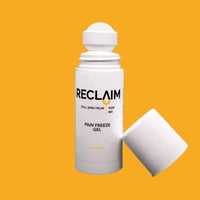
Managing chronic pain often requires exploring multiple therapeutic options, and many individuals are turning to natural alternatives alongside conventional treatments. CBD topical for pain has emerged as a popular choice for those seeking localized relief from conditions like arthritis, fibromyalgia, and muscle inflammation. Unlike oral CBD products that must pass through the digestive system, topical formulations allow for targeted application directly to affected areas, potentially offering relief where you need it most. Understanding how these products work, what the research indicates, and how to select quality formulations can help you make informed decisions about incorporating topicals into your pain management strategy.
Understanding How CBD Topicals Work for Pain Management
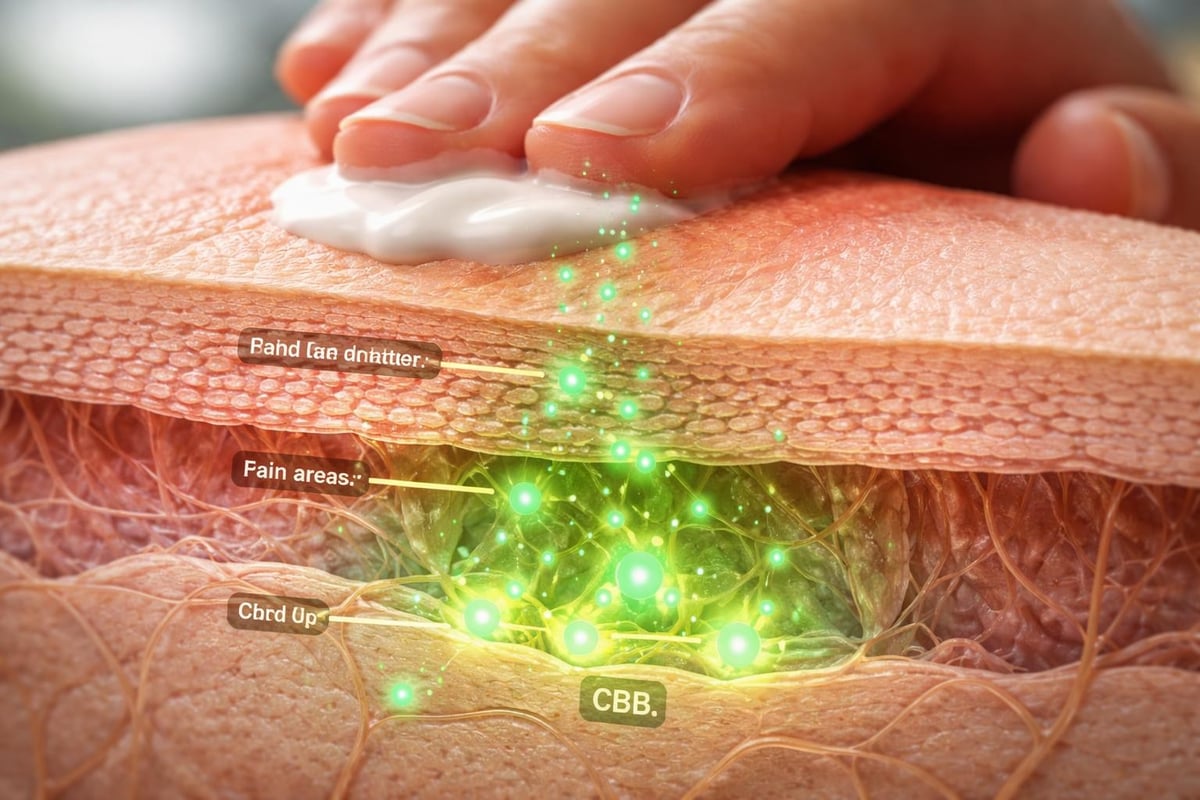
Topical CBD products function differently than other administration methods because they interact with cannabinoid receptors in the skin without entering the bloodstream. The endocannabinoid system includes CB2 receptors found throughout the skin, muscles, and connective tissues.
When you apply a cbd topical for pain, the cannabinoids penetrate the skin's outer layers and bind to these local receptors. This interaction may help modulate pain signals and inflammatory responses in the specific area where the product is applied. Research suggests this mechanism allows for targeted relief without systemic effects.
The Science Behind Topical Absorption
The effectiveness of topical CBD depends heavily on absorption quality. Several factors influence how well cannabinoids penetrate the skin:
- Product formulation and carrier ingredients
- Concentration of CBD and other cannabinoids
- Skin condition and hydration levels
- Application technique and massage duration
Recent studies examining topical CBD have shown that tolerability is generally favorable, with minor adverse effects reported. However, the clinical evidence base continues to evolve, and researchers emphasize the need for more rigorous controlled trials to fully understand efficacy.
Types of CBD Topical Products for Pain Relief
The market offers several distinct formats, each designed for specific applications and user preferences. Understanding the differences helps you select the most appropriate option for your needs.
| Product Type | Best For | Application Method | Duration |
|---|---|---|---|
| Creams & Lotions | Large areas, daily use | Massage into skin | 4-6 hours |
| Roll-ons | Targeted spots, joints | Roll directly on area | 4-8 hours |
| Patches | Continuous relief | Apply and leave | 8-12 hours |
| Balms & Salves | Intensive treatment | Thick application | 6-8 hours |
CBD Creams and Lotions
These water-based formulations absorb quickly and work well for broader areas experiencing discomfort. They typically contain additional moisturizing ingredients that benefit skin health while delivering cannabinoids. Many users prefer creams for daytime use because they don't leave a greasy residue.
Roll-On Applications
CBD roll-ons provide convenient, mess-free application directly to joints and muscles. The rolling mechanism also offers a gentle massage effect that may enhance circulation and absorption. This format excels for spot treatment of knees, elbows, wrists, and other specific pain points.
Transdermal Patches
CBD pain relief patches deliver consistent cannabinoid levels over extended periods. These adhesive applications work particularly well for overnight relief or situations where reapplication isn't practical. The controlled release mechanism provides steady support throughout wear time.
Selecting Quality CBD Topicals for Pain
Not all topical products deliver equal results. The quality of ingredients, extraction methods, and manufacturing standards significantly impact effectiveness and safety.
Third-party lab testing stands as the most important quality indicator. Reputable manufacturers provide certificates of analysis (COA) confirming cannabinoid content and verifying the absence of contaminants like heavy metals, pesticides, and residual solvents.
Full-Spectrum vs. Broad-Spectrum Formulations
Full-spectrum products contain all naturally occurring cannabinoids, including trace amounts of THC (under 0.3% legally). The combination of multiple cannabinoids and terpenes may create an "entourage effect" that enhances therapeutic potential.
Broad-spectrum formulations include various cannabinoids but remove THC completely. This option suits individuals who cannot have any THC in their system due to employment requirements or personal preference.
When evaluating cbd topical for pain products, consider:
- CBD concentration per application
- Additional beneficial ingredients (menthol, arnica, essential oils)
- Transparency about sourcing and manufacturing
- Customer reviews and third-party verification
- Ingredient list for potential allergens
Application Techniques for Maximum Benefit
Proper application significantly influences how well topical CBD works. Simply rubbing product on skin quickly won't deliver optimal results.
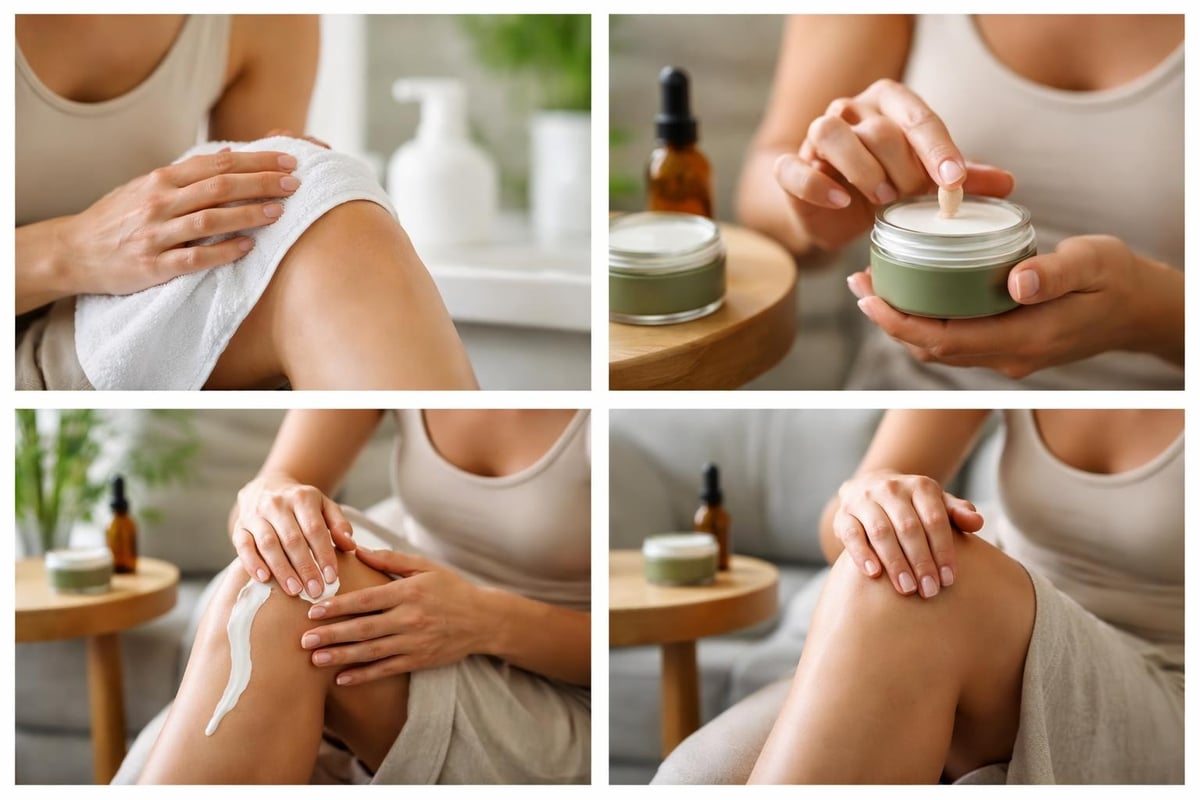
Step-by-Step Application Process
- Clean the area thoroughly with mild soap and water
- Dry completely to remove any barrier to absorption
- Apply generous amount of product to affected area
- Massage firmly for 2-3 minutes in circular motions
- Allow absorption for several minutes before covering with clothing
- Wash hands thoroughly after application
The massage component serves multiple purposes beyond spreading the product. It increases local blood flow, warms the tissue, and may help drive cannabinoids deeper into the skin layers.
Frequency and Dosage Considerations
Most manufacturers recommend starting with 2-3 applications daily, then adjusting based on response. Unlike oral CBD, you cannot overdose on topical applications, though using more than needed wastes product without additional benefit.
Managing arthritis pain often requires consistent application schedules. Establishing a routine-morning, midday, and evening applications-helps maintain steady relief levels.
What Research Says About CBD Topicals for Pain
The scientific community continues investigating cannabinoid efficacy for pain management, with topical applications receiving growing attention. While promising anecdotal evidence exists, researchers emphasize the need for larger, controlled studies.
A comprehensive 2024 review examining CBD products for pain management concluded that while CBD shows potential, effectiveness remains inconsistent across studies. The American Academy of Family Physicians notes that CBD effectiveness in treating chronic pain remains questionable, highlighting the variability in product quality and study design.
Specific Condition Research
Research on topical CBD for thumb basal joint arthritis provides encouraging preliminary data, though researchers call for larger trials to confirm findings. Similarly, studies examining chronic lower extremity pain in athletes have shown improved pain scores with generally good tolerability.
It's important to recognize that research continues evolving. A 2022 review on cannabinoids and pain emphasizes that while mechanisms appear sound, clinical evidence requires strengthening through rigorous trials.
Combining CBD Topicals with Other Pain Management Strategies
Most healthcare providers recommend multimodal approaches to chronic pain rather than relying on any single intervention. CBD topical for pain works best as part of a comprehensive strategy.
Complementary Therapies
- Physical therapy and targeted exercises
- Heat and cold therapy alternation
- Stress reduction techniques like meditation
- Dietary modifications to reduce inflammation
- Adequate sleep and rest periods
Many individuals managing conditions like rheumatoid arthritis or fibromyalgia find that combining CBD topicals with conventional treatments provides better overall results. Always consult your healthcare provider before making changes to your treatment plan.
Interaction with Medications
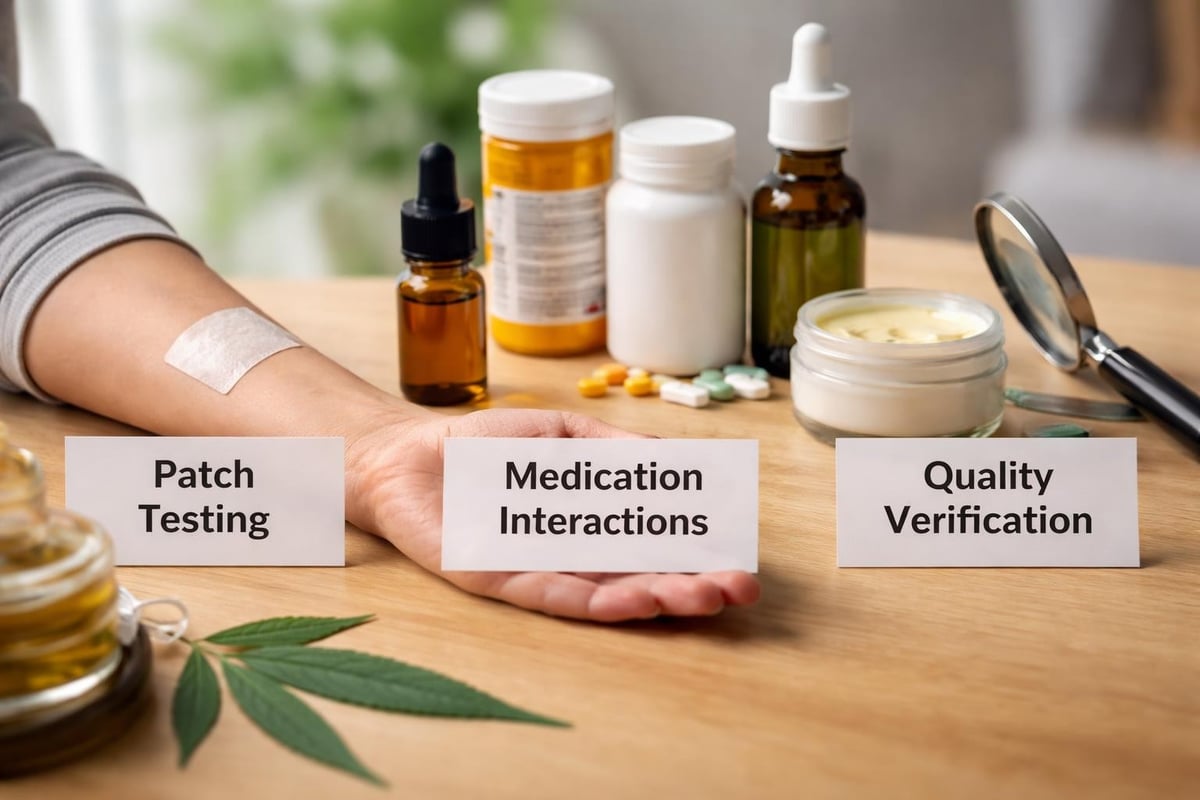
While topical CBD has minimal systemic absorption, discussing any new supplements or topical treatments with your doctor remains essential, especially if you take prescription medications. Those considering alternatives to medications like prednisone should review information about tapering safely with medical supervision.
Common Mistakes to Avoid When Using CBD Topicals
Understanding what doesn't work helps optimize your experience with these products.
Insufficient product amount ranks among the most frequent errors. Using too little prevents adequate cannabinoid delivery to affected tissues. Follow manufacturer recommendations, typically 1-2 grams per application area.
Inconsistent application undermines potential benefits. CBD works best with regular use, allowing cannabinoid levels to build in local tissues. Sporadic applications make it difficult to assess effectiveness.
Quality and Storage Issues
| Mistake | Consequence | Solution |
|---|---|---|
| Buying untested products | Unknown potency, possible contaminants | Choose third-party tested brands |
| Storing in heat/light | Cannabinoid degradation | Keep in cool, dark places |
| Using expired products | Reduced effectiveness | Check expiration dates |
| Expecting instant relief | Disappointment, discontinuation | Allow 2-4 weeks for assessment |
Healthline's guidance on CBD cream for back pain reinforces these considerations while noting that individual responses vary considerably.
Safety Considerations and Potential Side Effects
CBD topicals generally demonstrate excellent safety profiles compared to many conventional pain treatments. However, understanding potential issues helps you use these products responsibly.
Common Side Effects
Most people tolerate topical CBD well, but some experience:
- Mild skin irritation or redness
- Allergic reactions to carrier ingredients
- Dryness at application site
- Temporary increased sensitivity
These effects typically resolve quickly and often relate to other ingredients rather than CBD itself. Performing a patch test on a small skin area before full application can identify potential sensitivities.
Who Should Exercise Caution
While generally safe, certain populations should consult healthcare providers before using cbd topical for pain:
- Pregnant or nursing individuals
- Those with compromised skin barriers
- People taking immunosuppressants
- Individuals with known cannabinoid sensitivities
Quality matters tremendously for safety. Products from reputable manufacturers like Reclaim Labs undergo rigorous testing to ensure purity and accurate labeling.
Measuring Success with CBD Topical Pain Relief
Determining whether a cbd topical for pain works for you requires systematic evaluation rather than random assessment.
Tracking Your Response
Keep a simple pain journal noting:
- Baseline pain levels before starting (0-10 scale)
- Application times and amounts used
- Pain levels 30 minutes, 2 hours, and 4 hours post-application
- Activity levels and any functional improvements
- Side effects or concerns that arise
Most experts suggest a minimum two-week trial period before drawing conclusions. Pain conditions fluctuate naturally, so single-day assessments don't provide reliable data.
Realistic Expectations
CBD topicals may help reduce pain and inflammation for many users, but they're not miracle cures. Understanding fibromyalgia pain or other chronic conditions helps set appropriate expectations about what any intervention can achieve.
Some individuals experience noticeable relief within hours, while others require weeks of consistent use to perceive benefits. Variables including pain severity, underlying condition, product quality, and individual biology all influence outcomes.
Integrating CBD Topicals into Daily Life
Successfully incorporating these products into your routine requires planning and consistency. The convenience factor varies based on product format and lifestyle demands.
Morning applications before activities may help manage pain throughout the day. Many people apply cbd topical for pain to joints before exercise or work to support mobility and comfort.
Evening routines often include more intensive applications, allowing time for thorough massage and absorption without rushing. This timing works particularly well for managing foot pain or areas that benefit from rest after application.
Travel and On-the-Go Use
Roll-ons offer superior portability compared to jars or bottles. They fit easily in bags, apply without mess, and don't require washing hands immediately afterward. This convenience factor significantly impacts adherence for busy individuals.
Patches provide another excellent travel option, delivering continuous relief without reapplication needs. They remain discreet under clothing and maintain effectiveness during activities.
Frequently Asked Questions About CBD Topical for Pain
How long does it take for CBD topical for pain to work?
Most users notice initial effects within 15-45 minutes of application, with peak relief occurring around 90 minutes. However, full therapeutic benefits often require consistent use over 2-4 weeks as cannabinoids accumulate in local tissues. Individual response times vary based on pain severity, product concentration, and application technique. For chronic conditions, patience and regular application schedules yield the best results.
Can I use CBD topicals alongside prescription pain medications?
Generally, yes, as topical CBD has minimal systemic absorption and low interaction potential. However, always consult your healthcare provider before combining treatments, especially with medications like blood thinners or immunosuppressants. Your doctor can review your complete medication list and health conditions to ensure safe integration. CBD roll-ons and other topicals typically complement rather than replace prescribed treatments.
What concentration of CBD should I look for in topical pain products?
Effective concentrations typically range from 250mg to 1,500mg per container, though optimal strength depends on pain severity and affected area size. For localized joint pain, 500-750mg formulations often suffice, while broader areas or more intense discomfort may benefit from 1,000mg or higher. Start with moderate concentrations and increase if needed rather than beginning with maximum strength products.
Are there any skin types that shouldn't use CBD topicals?
People with extremely sensitive skin, active eczema, or psoriasis should consult dermatologists before application. Those allergic to hemp or coconut (common carrier oils) should carefully review ingredient lists. Perform patch tests on small areas before full application. Most skin types tolerate CBD well, but individual sensitivities to additional ingredients like essential oils or menthol occur occasionally.
How do CBD topicals differ from THC topicals for pain?
CBD topicals provide potential anti-inflammatory and pain-modulating effects without psychoactive properties, while THC topicals may offer stronger pain relief but can cause intoxication if absorbed systemically. CBD products remain federally legal (under 0.3% THC), while THC topicals face state-specific restrictions. Many users prefer CBD for daytime use and situations requiring mental clarity. CBD patches deliver consistent cannabinoid levels without psychoactive concerns.
Will CBD topicals show up on drug tests?
High-quality broad-spectrum or isolate-based topicals contain no THC and shouldn't trigger positive drug tests. Full-spectrum products contain trace THC amounts (under 0.3%) that typically don't enter the bloodstream through topical application. However, if drug testing is a concern, choose verified THC-free products and review certificates of analysis. The minimal systemic absorption from properly formulated topicals makes positive tests highly unlikely.
Can I make my own CBD topical for pain at home?
While possible, homemade formulations lack the quality control, testing, and optimized absorption technology of professional products. Proper dosing becomes challenging without laboratory analysis, and contamination risks increase with DIY preparation. Commercial products from reputable manufacturers undergo rigorous testing for potency, purity, and safety. The investment in quality products typically delivers better results than homemade alternatives.
How does CBD topical compare to oral CBD for pain management?
Topical applications provide targeted relief to specific areas without systemic effects, while oral CBD distributes throughout the body via the bloodstream. Topicals work faster for localized pain but don't address widespread discomfort. Oral CBD may help overall inflammation and pain perception but takes longer to act. Many people use both methods strategically, with oral CBD for systemic support and topicals for acute localized relief.
What should I do if I experience skin irritation from CBD topicals?
Discontinue use immediately and wash the area with mild soap and cool water. Apply unscented moisturizer if dryness occurs. Most irritation stems from carrier ingredients rather than CBD itself. Try products with different formulations, avoiding known allergens. If irritation persists beyond 24 hours or worsens, consult a healthcare provider. Patch testing new products on small skin areas before full application prevents widespread reactions.
How long do CBD topicals remain effective after opening?
Most products maintain potency for 12-18 months when stored properly in cool, dark locations away from direct sunlight and heat. Exposure to light and heat degrades cannabinoids, reducing effectiveness. Check expiration dates and observe changes in color, smell, or consistency indicating degradation. Pumps and roll-ons typically preserve freshness better than jars requiring finger contact. Refrigeration can extend shelf life for some formulations.
Can CBD topicals help with arthritis pain specifically?
Research suggests CBD topicals may help reduce inflammation and discomfort associated with arthritis, though individual responses vary. Studies on osteoarthritis management show promising results, particularly when combined with other therapies. The anti-inflammatory properties of cannabinoids interact with local receptors in joint tissues. Consistent application to affected joints, along with physical therapy and appropriate medical care, provides the most comprehensive approach.
Do I need a prescription to purchase CBD topical for pain products?
No, hemp-derived CBD products containing less than 0.3% THC are federally legal and available without prescription in most states. However, state laws vary, so verify local regulations. Choose products from reputable manufacturers that provide third-party testing results. While prescription isn't required, consulting healthcare providers about incorporating CBD into your pain management plan remains advisable, especially if you take other medications or have underlying health conditions.
These statements have not been evaluated by the FDA. This product is not intended to diagnose, treat, cure, or prevent any disease. Consult your healthcare provider before using CBD.
CBD topical for pain offers a promising natural option for individuals seeking targeted relief from chronic discomfort, though effectiveness varies based on product quality, application consistency, and individual factors. Understanding how these products work, selecting rigorously tested formulations, and maintaining realistic expectations helps optimize results. Reclaim Labs provides premium, third-party tested CBD topicals specifically formulated for chronic pain and inflammation management, offering transparent solutions for those exploring natural alternatives to support their pain management journey.