Managing chronic pain requires thoughtful consideration of treatment options, especially when exploring natural alternatives like CBD. One of the most common questions people face is whether to choose topical or oral CBD products for pain relief. Understanding the fundamental differences between these delivery methods can significantly impact your results and overall satisfaction with CBD therapy. Each approach offers distinct advantages depending on your specific pain condition, lifestyle preferences, and desired outcomes.
Understanding How CBD Delivery Methods Work
CBD interacts with your body's endocannabinoid system differently based on how you consume it. This system regulates pain perception, inflammation response, and overall homeostasis throughout your body.
Oral CBD products include tinctures, capsules, and oils that you swallow. When you take CBD orally, it travels through your digestive system and gets processed by your liver before entering your bloodstream. This process, called first-pass metabolism, affects how much CBD actually becomes available to your body.
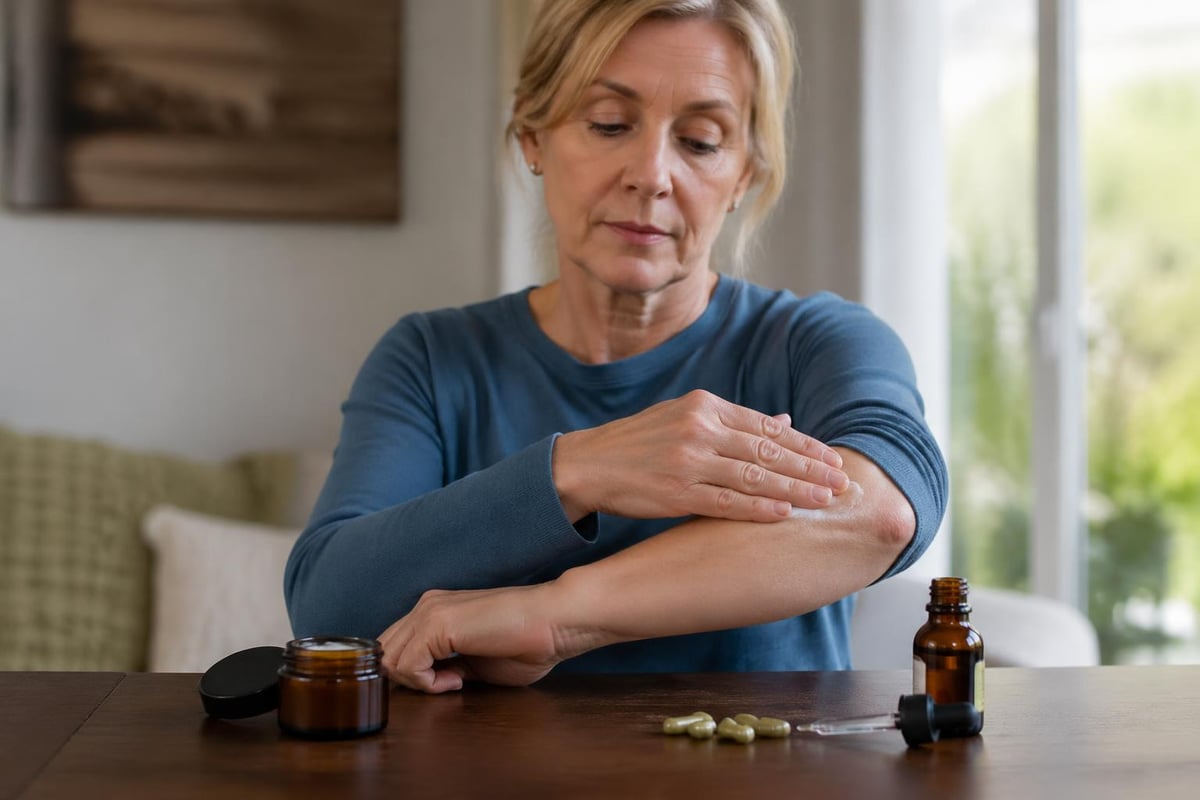
Topical CBD products include creams, balms, roll-ons, and patches applied directly to your skin. These products work locally, penetrating through skin layers to interact with cannabinoid receptors in the targeted area without entering your bloodstream in significant amounts.
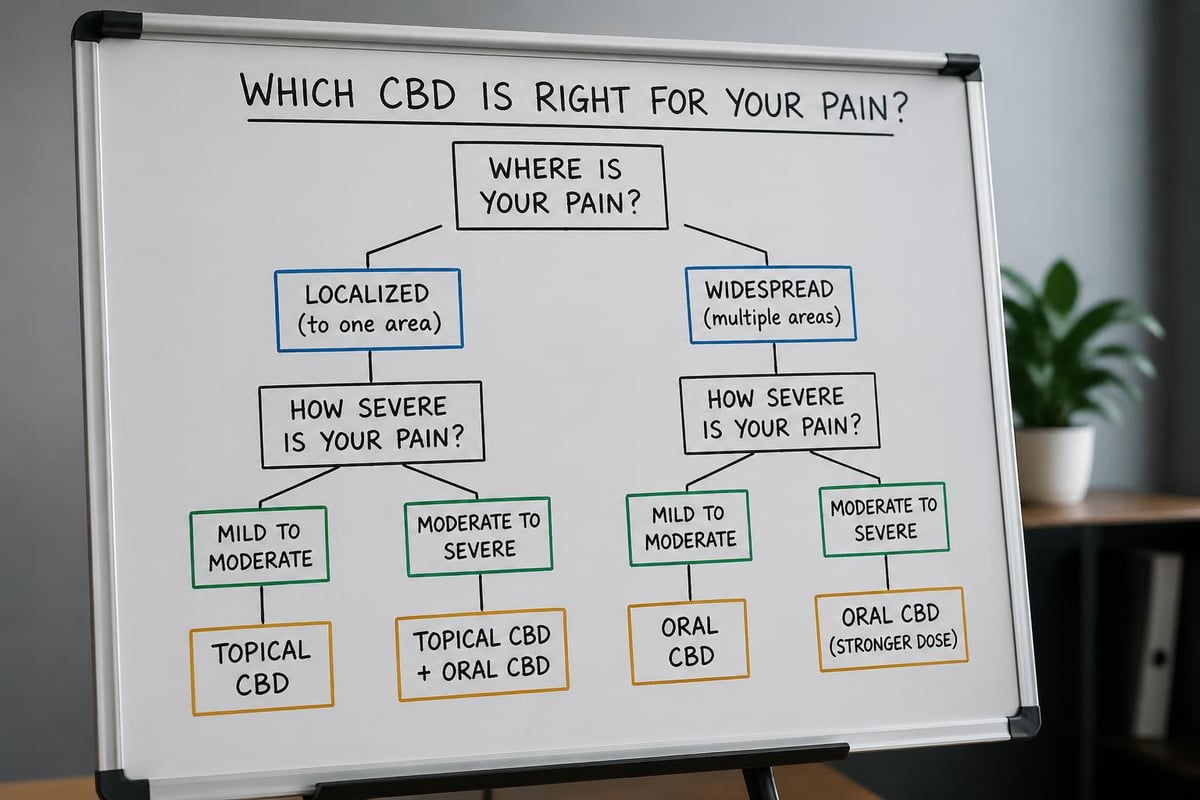
The question of cbd topical vs oral for pain depends largely on where your pain originates and how widespread it is throughout your body.

Bioavailability and Absorption Rates
Bioavailability refers to how much CBD actually reaches your system and becomes available for use. This metric varies dramatically between delivery methods.
Oral CBD Bioavailability
Oral CBD typically has a bioavailability range of 4-20%, meaning a significant portion gets broken down during digestion before reaching your bloodstream. When you take a 2800mg broad-spectrum CBD hemp oil, your body absorbs only a fraction of that total concentration.
Several factors influence oral CBD absorption:
- Food intake: Taking CBD with fatty foods increases absorption
- Metabolism speed: Individual metabolic rates affect processing time
- Liver function: Hepatic metabolism reduces available CBD
- Product formulation: Nano-emulsified products show better bioavailability
Topical CBD Bioavailability
Topical CBD works differently because it doesn't need to achieve high bloodstream concentrations. Instead, it penetrates skin layers to interact with local cannabinoid receptors. Products like a CBD relief roll-on deliver cannabinoids directly to affected areas.
The effectiveness of topical absorption depends on:
- Product formulation and carrier ingredients
- Skin condition and hydration levels
- Application technique and massage duration
- Concentration of CBD in the product
Understanding these differences helps when comparing topical versus oral CBD products for your specific pain management needs.
Onset Time and Duration of Effects
Timing matters significantly when you're dealing with pain, whether acute flare-ups or persistent chronic discomfort.
| Delivery Method | Onset Time | Peak Effects | Duration |
|---|---|---|---|
| Oral CBD | 30-90 minutes | 2-4 hours | 4-8 hours |
| Topical CBD | 15-45 minutes | 1-2 hours | 2-6 hours |
| CBD Patches | 30-60 minutes | 4-6 hours | 8-12 hours |
Oral CBD takes longer to kick in because it must travel through your digestive system. However, once it reaches your bloodstream, the effects last considerably longer, making it ideal for consistent, all-day pain management.
Topical CBD provides faster localized relief since it works directly at the application site. For individuals managing arthritis pain, this quick action can be invaluable during flare-ups.
CBD patches for pain relief offer a middle ground, providing extended release over many hours with minimal reapplication needed.
Best Use Cases for Each Method
The decision between cbd topical vs oral for pain should align with your specific condition and pain patterns.
When to Choose Oral CBD
Oral CBD works best for systemic conditions that affect multiple body areas:
- Fibromyalgia: This widespread pain condition benefits from systemic CBD that reaches throughout your body
- Rheumatoid arthritis: When inflammation affects multiple joints simultaneously
- Chronic widespread pain: Conditions requiring full-body pain management
- Sleep-related pain: Nighttime doses that provide sustained relief
- Anxiety-related pain: When psychological factors contribute to physical discomfort
Many people with fibromyalgia find oral CBD particularly helpful because it addresses both pain and associated symptoms like sleep disruption.
When to Choose Topical CBD
Topical applications excel for localized pain conditions:
- Osteoarthritis in specific joints: Knee, hip, or hand pain
- Foot pain: Plantar fasciitis, neuropathy, or arthritis
- Sports injuries: Muscle strains, sprains, or impact injuries
- Localized inflammation: Tendonitis or bursitis
- Skin conditions with pain: Psoriatic arthritis or dermatological issues
For individuals experiencing foot pain challenges, topical CBD provides targeted relief exactly where needed without systemic effects.
Combining Both Methods for Maximum Relief
Many people discover that using cbd topical vs oral for pain isn't an either-or decision. Combining both methods can provide comprehensive pain management.
Synergistic Approach Benefits
Using both delivery methods simultaneously offers several advantages:
- Immediate and sustained relief: Topicals work quickly while oral CBD builds up for longer-lasting effects
- Targeted plus systemic support: Address specific pain points while managing overall inflammation
- Flexible dosing: Adjust each method independently based on daily needs
- Enhanced effectiveness: Some research suggests complementary effects when combining methods
Creating Your Combined Protocol
A practical combination strategy might include:
- Morning oral CBD dose for all-day baseline pain management
- Topical application before physical activity or known trigger times
- Additional topical doses during pain flare-ups
- Evening oral dose to support restorative sleep
This approach mirrors strategies used in comprehensive arthritis management, where multiple interventions work together for optimal results.
Dosing Considerations and Adjustments
Finding the right dose represents one of the most important factors when comparing cbd topical vs oral for pain effectiveness.
Oral CBD Dosing Guidelines
Start low and increase gradually remains the gold standard for oral CBD:
- Beginner dose: 10-20mg daily
- Moderate dose: 25-50mg daily
- Higher dose: 50-100mg+ daily for severe conditions
Track your results for at least two weeks at each dose level before adjusting. The difference between topical and oral CBD means each requires different dosing strategies.
Topical CBD Dosing Guidelines
Topical dosing depends more on application area and pain severity than body weight:
- Apply a thin layer to affected area
- Massage thoroughly for 60-90 seconds
- Reapply every 4-6 hours as needed
- Use more product for larger areas
Consider product concentration when selecting topicals. Higher concentration products like professional-grade formulations deliver more CBD per application.
Safety Profile and Side Effects
Both oral and topical CBD demonstrate excellent safety profiles, though each carries distinct considerations.
Oral CBD Safety Considerations
| Potential Effect | Frequency | Severity |
|---|---|---|
| Digestive upset | Occasional | Mild |
| Drowsiness | Uncommon | Mild to Moderate |
| Dry mouth | Common | Mild |
| Drug interactions | Varies | Potentially Serious |
Drug interactions represent the most significant concern with oral CBD. CBD affects liver enzymes that metabolize many medications, potentially altering their effectiveness. Always consult healthcare providers before starting oral CBD, especially if you take prescription medications.
Topical CBD Safety Considerations
Topical CBD presents minimal safety concerns:
- Skin irritation or allergic reactions (rare)
- No significant drug interactions
- No psychoactive effects
- Generally suitable for sensitive individuals
Research on CBD topical versus oral pain management confirms topicals offer advantages for those concerned about systemic effects or drug interactions.
Product Quality and Third-Party Testing
Regardless of whether you choose topical or oral CBD, product quality dramatically impacts effectiveness and safety.
What to Look for in Quality CBD Products
- Third-party lab testing: Independent verification of cannabinoid content and purity
- Full-spectrum or broad-spectrum formulations: Multiple cannabinoids work together synergistically
- Transparent sourcing: Clear information about hemp origin and extraction methods
- Certificate of Analysis (COA): Publicly available test results showing contaminant screening
- Appropriate concentration: Sufficient CBD content to deliver therapeutic effects
Premium manufacturers provide detailed documentation about their testing protocols. This transparency ensures you're getting products that match label claims and contain no harmful contaminants.
Cost-Effectiveness and Long-Term Value
When evaluating cbd topical vs oral for pain, consider both initial costs and long-term value.
Oral CBD Cost Factors
- Higher initial concentration means fewer bottles over time
- Daily doses add up, requiring regular repurchasing
- More economical for whole-body pain management
- Subscription options often provide cost savings
Topical CBD Cost Factors
- Used only when and where needed, potentially lasting longer
- Higher-concentration products cost more upfront but require less product per application
- More expensive for treating multiple body areas
- Roll-ons and patches offer convenient, waste-free application
Calculate cost-per-dose rather than just bottle price to make accurate comparisons. A higher-priced concentrated product often delivers better value than a cheaper low-concentration alternative.
Special Considerations for Chronic Conditions
Certain chronic pain conditions benefit particularly from one method over another.
Rheumatoid Arthritis Management
RA patients often need both local and systemic inflammation control. Many find success combining oral CBD for overall inflammation management with topical applications for acutely inflamed joints.
Fibromyalgia Support
The widespread nature of fibromyalgia pain typically responds better to oral CBD that addresses systemic inflammation and nervous system dysregulation. However, topicals can supplement oral doses during particularly painful flare-ups.
Osteoarthritis Relief
Since osteoarthritis usually affects specific joints, topical CBD often provides sufficient relief without requiring systemic dosing. This makes it an excellent option for individuals who prefer avoiding oral supplements or have concerns about managing chronic pain with multiple methods.
Making Your Decision
Choosing between cbd topical vs oral for pain ultimately depends on your individual circumstances. Consider these questions:
- Where is your pain located (localized vs. widespread)?
- How quickly do you need relief?
- How long do you need the effects to last?
- Are you taking other medications that might interact with oral CBD?
- What's your budget for pain management solutions?
- Do you prefer convenience or targeted application?
Many successful pain management strategies incorporate elements of both approaches, allowing you to adjust based on daily needs and activity levels.
Implementation Tips for Success
Regardless of which method you choose, these strategies improve your results:
- Maintain consistency: Regular use produces better results than sporadic application
- Keep a pain journal: Track dosing, timing, and effectiveness to identify patterns
- Start conservatively: Begin with lower doses and build gradually
- Be patient: CBD's effects often improve over weeks of consistent use
- Quality matters: Invest in reputable brands with transparent testing
Understanding how CBD works in your body helps set realistic expectations and optimize your approach.
Remember that CBD represents one component of comprehensive pain management. Combining it with physical therapy, appropriate exercise, stress management, and other interventions typically produces the best outcomes for chronic conditions.
Both topical and oral CBD delivery methods offer legitimate benefits for pain management, each excelling in different situations. By understanding how these approaches differ in absorption, onset time, duration, and application, you can make an informed choice that aligns with your specific pain condition and lifestyle needs. Reclaim Labs provides premium, third-party tested CBD products in both topical and oral formulations, designed specifically for individuals managing chronic pain conditions like arthritis and fibromyalgia. Explore their full range of solutions to find the right combination for your pain relief journey.