Living with rheumatoid arthritis means facing daily challenges that extend far beyond occasional discomfort. This autoimmune condition creates persistent inflammation that attacks joints, causing pain, stiffness, and swelling that can dramatically impact quality of life. Finding effective help with rheumatoid arthritis pain requires a multifaceted approach that addresses both immediate symptoms and long-term disease management. Whether you've recently received a diagnosis or have been managing this condition for years, understanding the full spectrum of available treatment options empowers you to make informed decisions about your health and reclaim control over your daily activities.
Understanding Rheumatoid Arthritis Pain Mechanisms
Rheumatoid arthritis differs fundamentally from other forms of joint pain because it originates from an overactive immune system. Your body mistakenly identifies the synovial membrane lining your joints as a threat, triggering an inflammatory response that damages cartilage and bone over time.
This inflammation produces several distinct types of pain. Acute inflammatory pain occurs during flare-ups when joints become hot, swollen, and tender. Chronic pain persists even between flare-ups as structural damage accumulates. Morning stiffness lasting more than 30 minutes serves as a hallmark symptom, distinguishing rheumatoid arthritis from osteoarthritis.
The Inflammation Cascade
The pain you experience stems from a complex biological process. Pro-inflammatory cytokines flood affected joints, activating pain receptors while simultaneously breaking down protective cartilage. This creates a cycle where inflammation causes pain, and stress from pain can trigger additional inflammation.
Understanding this mechanism proves crucial for selecting appropriate treatments. Effective help with rheumatoid arthritis pain targets multiple points in this inflammatory cascade, interrupting the cycle and providing meaningful relief.
Medical Interventions for Pain Management
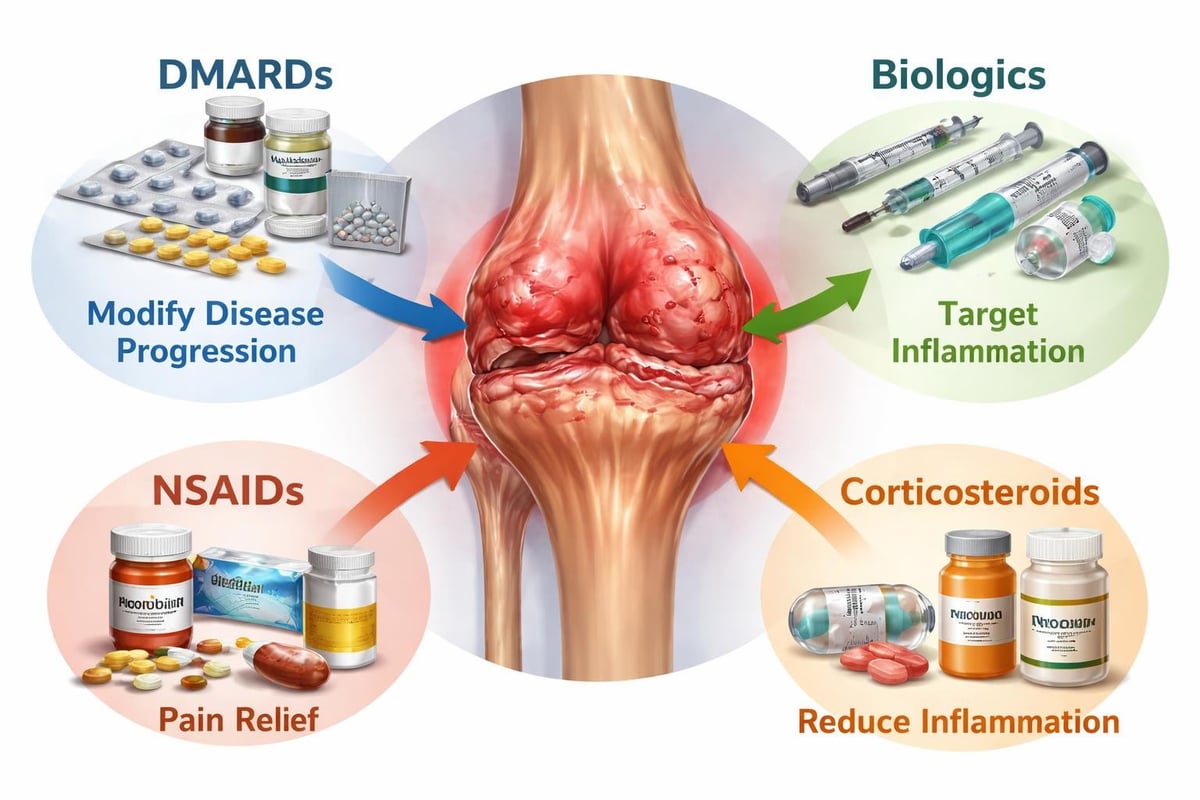
The Mayo Clinic outlines comprehensive treatment approaches that form the foundation of rheumatoid arthritis care. Disease-modifying antirheumatic drugs (DMARDs) represent the cornerstone of treatment, working to slow disease progression while reducing inflammation.
Standard pharmaceutical options include:
- Nonsteroidal anti-inflammatory drugs (NSAIDs) for immediate pain and inflammation relief
- Corticosteroids to quickly control severe flare-ups
- Biologic response modifiers that target specific immune system pathways
- JAK inhibitors offering newer mechanisms for inflammation control
| Medication Type | Primary Benefit | Typical Timeline | Common Considerations |
|---|---|---|---|
| NSAIDs | Rapid pain relief | Hours to days | Gastrointestinal side effects |
| DMARDs | Disease modification | Weeks to months | Regular monitoring required |
| Biologics | Targeted inflammation control | Weeks to months | Infection risk management |
| Corticosteroids | Quick inflammation reduction | Days | Long-term use concerns |
Many patients benefit from combination therapy, using multiple medications to address different aspects of the disease. Your rheumatologist tailors this approach based on disease severity, previous treatment responses, and individual health factors.
Physical Therapy and Movement Strategies
Movement might seem counterintuitive when joints hurt, but appropriate physical activity provides substantial help with rheumatoid arthritis pain. Physical therapists design customized programs that strengthen muscles supporting affected joints while maintaining flexibility.
Exercise Types That Help
Low-impact activities protect joints while building strength and endurance. Swimming and water aerobics utilize buoyancy to reduce joint stress. Walking, cycling, and tai chi improve cardiovascular health without excessive impact. Resistance training with light weights or resistance bands builds muscle that stabilizes joints.
Range-of-motion exercises should be performed daily:
- Gentle stretching in the morning to combat stiffness
- Mid-day movement breaks to prevent joint tightness
- Evening relaxation exercises to reduce inflammation
- Proper warm-up before any physical activity
- Cool-down stretches to maintain flexibility
The Arthritis Foundation emphasizes balancing activity with adequate rest. Pushing through severe pain damages joints further, while excessive rest leads to weakness and stiffness. Learning to recognize your body's signals helps you find this balance.
Heat and Cold Therapy Applications
Temperature-based treatments offer accessible, affordable help with rheumatoid arthritis pain. These complementary approaches work through different mechanisms, making them valuable additions to any pain management plan.
Heat therapy relaxes muscles, increases blood flow, and reduces stiffness. Apply heating pads, take warm baths, or use paraffin wax treatments for 15-20 minutes. Morning heat application proves particularly beneficial for reducing that characteristic early-day stiffness.
Cold therapy reduces inflammation and numbs acute pain. Ice packs wrapped in towels, cold compresses, or cooling gels provide relief during flare-ups. Limit cold application to 10-15 minutes to avoid tissue damage.
Strategic Temperature Use
| Symptom | Recommended Therapy | Application Method | Duration |
|---|---|---|---|
| Morning stiffness | Heat | Warm shower or heating pad | 15-20 minutes |
| Acute flare-up | Cold | Ice pack with barrier | 10-15 minutes |
| Muscle tension | Heat | Warm compress | 20 minutes |
| Post-activity inflammation | Cold | Cold pack rotation | 10 minutes on/off |
Alternating heat and cold, known as contrast therapy, provides benefits for some individuals. This approach stimulates circulation while managing inflammation, though you should consult your healthcare provider before trying this technique.
Natural Anti-Inflammatory Approaches
Dietary modifications offer meaningful help with rheumatoid arthritis pain by addressing inflammation at its source. Anti-inflammatory foods contain compounds that reduce cytokine production and oxidative stress.
Include these anti-inflammatory foods regularly:
- Fatty fish rich in omega-3 fatty acids (salmon, sardines, mackerel)
- Colorful fruits and vegetables high in antioxidants
- Nuts and seeds providing healthy fats and minerals
- Whole grains offering fiber and nutrients
- Green tea containing powerful polyphenols
Conversely, certain foods exacerbate inflammation. Processed foods, refined sugars, excessive alcohol, and trans fats can trigger flare-ups in sensitive individuals. Maintaining a food diary helps identify personal trigger foods.

CBD Hemp Oil as a Natural Alternative
Premium CBD hemp oil products offer an increasingly popular natural approach to managing chronic pain and inflammation. CBD hemp oil benefits for arthritis stem from cannabidiol's interaction with the endocannabinoid system, which plays a crucial role in regulating immune response and pain perception.
Full-spectrum CBD products contain multiple cannabinoids, terpenes, and beneficial compounds working synergistically. Third-party lab testing ensures product quality, potency, and safety. Many individuals seeking alternatives to pharmaceutical interventions find CBD provides effective relief without the side effects associated with conventional medications.
Understanding proper dosing, delivery methods, and product selection remains essential for achieving optimal results. Quality matters significantly in this space, making transparency and third-party verification critical factors when choosing CBD products.
Stress Management and Emotional Wellbeing
The connection between stress and rheumatoid arthritis pain creates a challenging cycle. Chronic pain elevates stress hormones, while stress triggers inflammatory responses that worsen symptoms. Breaking this cycle requires addressing emotional and psychological aspects of disease management.
WebMD highlights stress management techniques that complement physical treatments. Meditation, deep breathing exercises, and progressive muscle relaxation activate the parasympathetic nervous system, reducing stress hormone production.
Effective stress reduction strategies include:
- Mindfulness meditation practiced for 10-20 minutes daily
- Cognitive behavioral therapy to reframe pain-related thoughts
- Support groups connecting you with others facing similar challenges
- Creative outlets providing distraction and emotional expression
- Adequate sleep supporting immune system regulation
Quality sleep deserves particular attention. Pain often disrupts sleep patterns, while poor sleep increases pain sensitivity and inflammation. Establishing consistent sleep schedules, creating comfortable sleeping environments, and addressing pain before bedtime improves rest quality.
Assistive Devices and Joint Protection
Practical modifications reduce joint stress throughout daily activities. Assistive devices distribute force more evenly, decreasing strain on inflamed joints while helping you maintain independence.
Common helpful devices include jar openers reducing hand stress, ergonomic utensils with larger grips, raised toilet seats minimizing knee strain, and long-handled shoehorns avoiding excessive bending. Investing in quality tools that match your specific needs pays dividends in reduced pain and maintained function.
Joint Protection Principles
Proper body mechanics prevent unnecessary joint damage. Use larger, stronger joints when possible. Carry grocery bags on your forearms rather than gripping handles. Push doors open with your body weight instead of using hand pressure. Sit rather than stand when completing tasks.
Pacing activities prevents overexertion. Break large projects into smaller segments with rest periods between them. Alternate heavy and light tasks throughout the day. Listen to your body's signals and stop before pain becomes severe.
Complementary Therapies Worth Exploring
Beyond conventional treatments, several complementary approaches provide additional help with rheumatoid arthritis pain. While evidence levels vary, many patients report meaningful benefits from these therapies.
Massage therapy reduces muscle tension surrounding inflamed joints. Professional therapists trained in working with arthritis patients use gentle techniques that improve circulation without aggravating inflammation. Regular sessions can reduce pain levels and improve range of motion.
Acupuncture involves inserting thin needles at specific points to stimulate healing responses. Some research suggests acupuncture may reduce inflammatory markers and pain perception, though individual responses vary significantly.
Other complementary options include:
- Tai chi and yoga combining gentle movement with stress reduction
- Supplements like turmeric, ginger, and fish oil offering anti-inflammatory properties
- Topical capsaicin creams depleting pain-transmitting substances in nerves
- Transcutaneous electrical nerve stimulation (TENS) disrupting pain signals
Always discuss complementary therapies with your healthcare provider, as some may interact with medications or prove inappropriate for certain health conditions. Managing rheumatoid arthritis requires coordinated care that integrates all treatment approaches.
Building Your Personalized Pain Management Plan
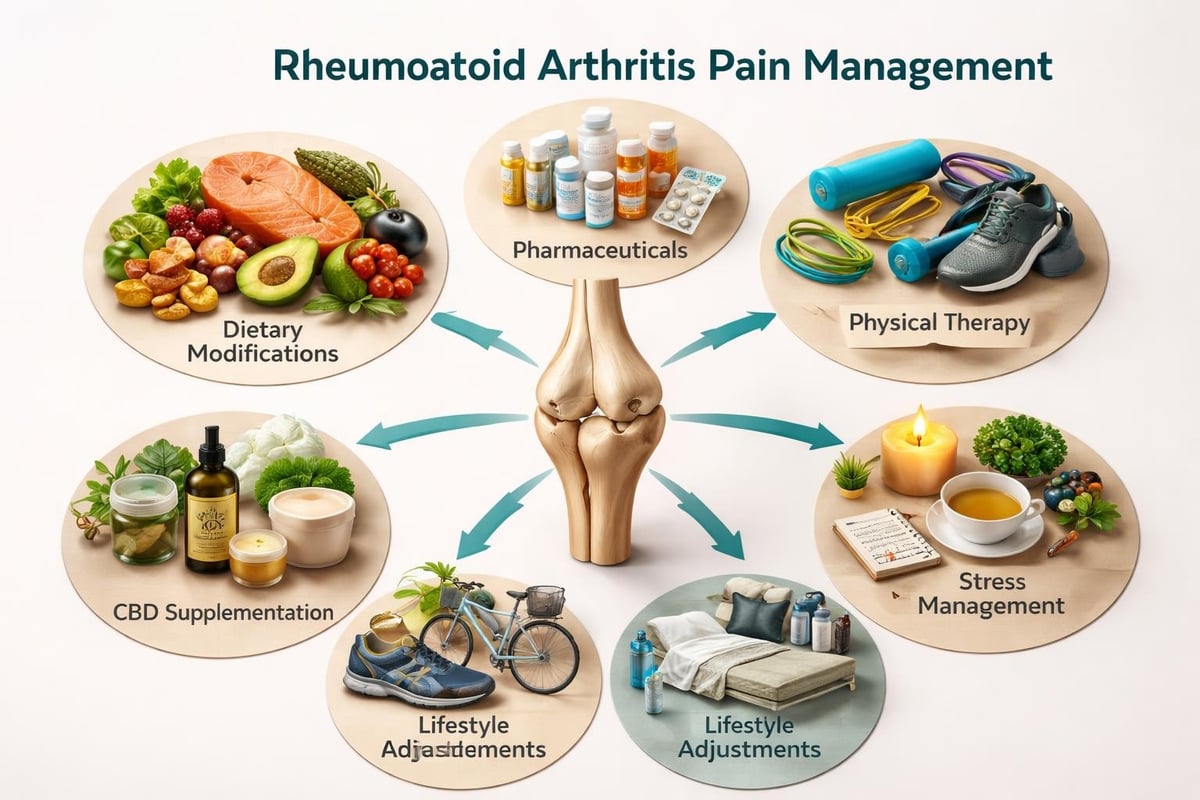
No single approach works universally for rheumatoid arthritis. Effective help with rheumatoid arthritis pain comes from combining strategies that address your specific symptoms, lifestyle, and treatment goals.
Start by tracking your symptoms systematically. Record pain levels, stiffness duration, trigger factors, and treatment responses. This data helps identify patterns and guides treatment adjustments with your healthcare team.
| Plan Component | Action Steps | Timeline | Success Markers |
|---|---|---|---|
| Medical management | Establish care with rheumatologist | Ongoing | Reduced inflammation markers |
| Physical activity | Begin low-impact exercise program | Start immediately | Improved mobility and strength |
| Dietary changes | Eliminate inflammatory foods | 2-4 weeks | Decreased flare frequency |
| Stress reduction | Practice daily relaxation techniques | Daily habit | Lower perceived pain levels |
| Natural supplements | Research quality CBD products | Research phase | Pain relief without side effects |
Working with a multidisciplinary team provides comprehensive care. Rheumatologists manage disease progression, physical therapists address mobility, occupational therapists optimize daily function, and mental health professionals support emotional wellbeing. Regular communication between team members ensures coordinated, effective treatment.
Monitoring Progress and Adjusting Strategies
Rheumatoid arthritis evolves over time, requiring ongoing assessment and treatment modification. What provides help with rheumatoid arthritis pain today might need adjustment as disease patterns shift or life circumstances change.
Schedule regular check-ins with your rheumatologist, typically every three to six months when stable. More frequent visits become necessary during flare-ups or when starting new treatments. Blood tests monitoring inflammation markers and medication effects guide treatment decisions.
Track these key indicators:
- Pain intensity using a consistent 0-10 scale
- Joint stiffness duration and severity
- Functional limitations in daily activities
- Medication effectiveness and side effects
- Quality of life measures including sleep and mood
Don't hesitate to advocate for treatment changes when current approaches fall short. Beating rheumatoid arthritis pain requires persistence and willingness to explore new strategies. New medications, therapies, and natural approaches continue emerging, offering hope for improved symptom control.
Long-Term Disease Management Considerations
Managing rheumatoid arthritis extends beyond addressing immediate pain. Long-term strategies prevent joint damage, maintain function, and preserve quality of life over decades of living with this chronic condition.
Adherence to disease-modifying medications remains crucial even when feeling well. These medications work preventatively, stopping damage before it occurs rather than simply masking symptoms. Stopping treatment during remission periods often leads to disease flare-ups and accelerated joint destruction.
Regular preventive care becomes increasingly important. Rheumatoid arthritis increases cardiovascular disease risk, making heart health monitoring essential. Osteoporosis screening, infection prevention, and cancer surveillance require attention due to both disease effects and medication impacts.
Building sustainable lifestyle habits provides foundation for long-term success. Consistent exercise routines, stable sleep patterns, stress management practices, and anti-inflammatory dietary patterns compound benefits over time. Small daily choices accumulate into significant health impacts across months and years.
Emerging Research and Future Options
The landscape of rheumatoid arthritis treatment continues evolving rapidly. Researchers develop increasingly targeted therapies with improved efficacy and reduced side effects, offering hope for those seeking better help with rheumatoid arthritis pain.
Biosimilar medications provide more affordable alternatives to expensive biologic drugs. These products contain similar active ingredients at lower costs, improving treatment access. Precision medicine approaches use genetic testing to predict which medications work best for individual patients.
CBD research expands our understanding of cannabinoid benefits for inflammatory conditions. Studies investigating optimal dosing, delivery methods, and product formulations help patients make informed choices about CBD hemp oil for pain management. As regulatory frameworks evolve, access to quality-tested products continues improving.
Staying informed about emerging options empowers you to discuss new possibilities with your healthcare team. Clinical trials offer access to cutting-edge treatments while contributing to medical knowledge that helps future patients.
Managing rheumatoid arthritis pain effectively requires combining medical treatments, lifestyle modifications, and natural approaches tailored to your individual needs. Success comes from consistent effort, open communication with healthcare providers, and willingness to adjust strategies as your condition evolves. If you're exploring natural alternatives to complement your treatment plan, Reclaim Labs offers premium CBD hemp oil products specifically formulated for managing chronic pain and inflammation, with full transparency through third-party lab testing and a commitment to helping you reclaim your quality of life.