Navigating the CBD market for pain management can feel overwhelming with countless products claiming to deliver relief from chronic conditions. Whether you're managing rheumatoid arthritis, fibromyalgia, or general inflammation, understanding how to choose CBD for pain relief requires knowledge about product types, quality standards, and your specific needs. This comprehensive guide will walk you through the essential factors that separate effective CBD products from those that fall short, helping you make informed decisions for your wellness journey.
Understanding CBD Spectrum Types
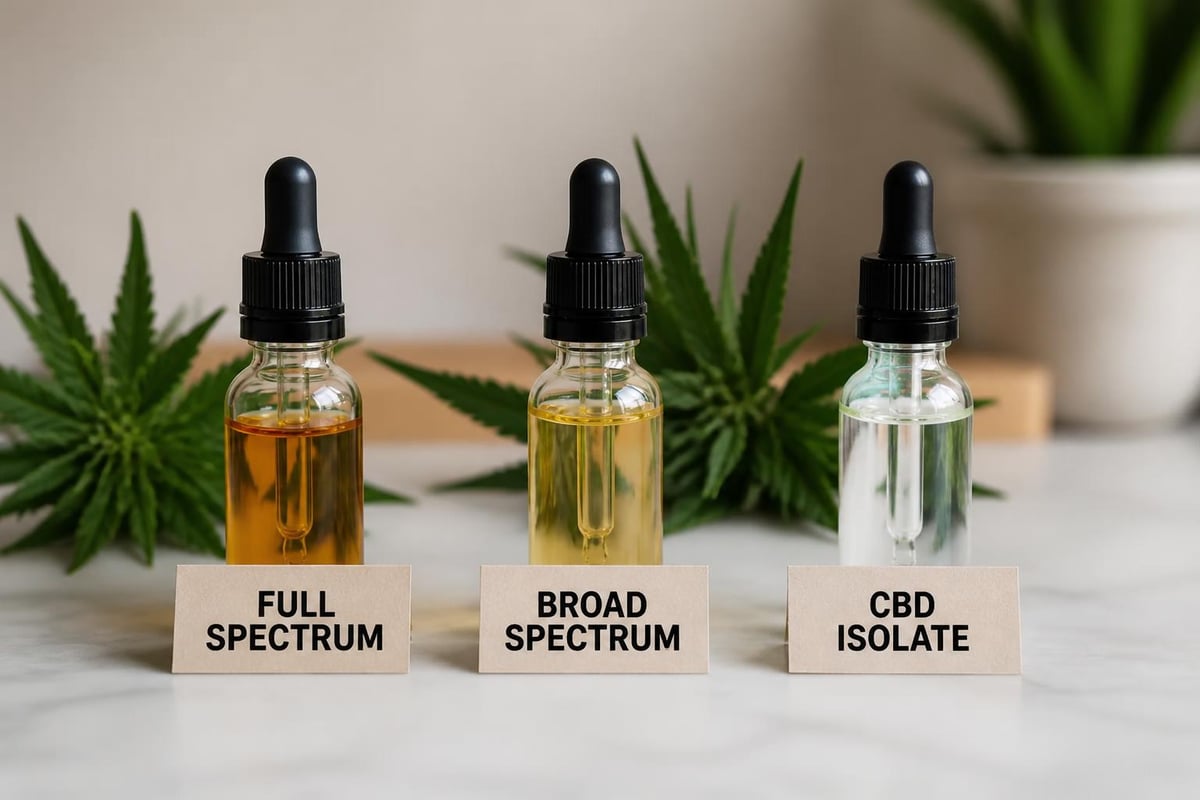
The first step in learning how to choose CBD for pain relief involves understanding the three main spectrum types available in the market. Each offers distinct advantages depending on your pain management needs and personal preferences.
Full-spectrum CBD contains all naturally occurring compounds from the hemp plant, including trace amounts of THC (below 0.3%), terpenes, and flavonoids. This combination creates what researchers call the "entourage effect," where compounds work synergistically to enhance therapeutic benefits.
Broad-spectrum CBD provides similar benefits without the THC, making it ideal for those who want the entourage effect but cannot consume any THC due to employment requirements or personal preference. Products like the 2800mg broad-spectrum CBD hemp oil offer maximum potency while remaining THC-free.
CBD isolate contains pure cannabidiol with no other hemp compounds. While it lacks the entourage effect, it provides predictable dosing and works well for those new to CBD or sensitive to other cannabinoids.
The Entourage Effect and Pain Management
Research suggests that whole-plant extracts may provide superior pain relief compared to isolated CBD. Terpenes like myrcene and beta-caryophyllene contribute anti-inflammatory properties, while minor cannabinoids enhance the overall therapeutic impact.
For conditions like arthritis and fibromyalgia, the synergistic effects of multiple compounds often translate to more comprehensive pain management. This explains why many individuals seeking CBD hemp oil benefits for arthritis report better results with full-spectrum or broad-spectrum products.
Evaluating Product Potency and Concentration
Determining the right potency is crucial when figuring out how to choose CBD for pain relief. Concentration directly impacts effectiveness, and selecting appropriate strength depends on several individual factors.
| Pain Level | Recommended CBD Strength | Daily Dosage Range |
|---|---|---|
| Mild | 300-600mg per bottle | 10-20mg per day |
| Moderate | 1000-1500mg per bottle | 20-40mg per day |
| Severe | 2000mg+ per bottle | 40-80mg per day |
Body weight influences how CBD metabolizes in your system. Generally, individuals weighing more require higher doses to achieve similar effects. A common starting point is 1-6mg of CBD per 10 pounds of body weight.
Pain severity determines baseline requirements. Those managing chronic conditions benefit from higher concentrations that provide sustained relief throughout the day. According to dosage guidelines for pain relief, starting low and gradually increasing allows you to find your optimal dose.
Reading Labels Correctly
Understanding product labels prevents confusion about actual CBD content. A 30ml bottle labeled "2800mg" contains approximately 93mg per milliliter. Dividing total milligrams by milliliters gives you concentration per serving.
Premium products clearly state:
- Total CBD content per container
- CBD amount per serving
- Spectrum type (full, broad, or isolate)
- Suggested serving size
- Additional active ingredients
Third-Party Testing and Quality Assurance
Quality verification stands as a non-negotiable factor when determining how to choose CBD for pain relief. Reputable manufacturers invest in independent laboratory testing to confirm product safety and accuracy.
Certificates of Analysis (COAs) provide transparent documentation of what's actually in your CBD product. These reports verify cannabinoid content, confirm THC levels remain within legal limits, and screen for contaminants like pesticides, heavy metals, and residual solvents.
When reviewing COAs, look for testing that covers:
- Cannabinoid potency verification
- Pesticide screening
- Heavy metal analysis
- Microbial contamination testing
- Residual solvent detection
Companies committed to transparency make COAs easily accessible on their websites or product pages. This level of openness indicates dedication to quality and customer safety.

GMP Certification and Manufacturing Standards
Good Manufacturing Practices (GMP) certification ensures products are consistently produced according to quality standards. Facilities with GMP certification follow strict protocols for:
- Raw material sourcing and verification
- Production environment cleanliness
- Equipment calibration and maintenance
- Batch documentation and traceability
- Quality control testing at multiple stages
The CBD pain relief buying guide emphasizes that GMP-certified facilities significantly reduce risks of contamination or inconsistency between batches.
Delivery Methods for Pain Relief
Selecting the right delivery method optimizes CBD effectiveness for your specific pain type. Different formats offer unique advantages in terms of onset time, duration, and targeted relief.
Sublingual Oils and Tinctures
CBD oils absorbed under the tongue enter the bloodstream through mucous membranes, bypassing digestive processing. This method provides relatively quick onset (15-45 minutes) and allows precise dosing adjustments.
Benefits include:
- Flexible dosing control
- Faster absorption than edibles
- Long-lasting effects (4-6 hours)
- Easy to incorporate into daily routines
Topical Applications
For localized pain in joints, muscles, or specific areas, topical products deliver targeted relief without systemic effects. The 1000mg CBD hemp-infused relief roll-on stick provides convenient application directly to problem areas.
Transdermal patches offer extended-release delivery over 8-12 hours, making them ideal for consistent pain management. CBD patches for pain relief maintain steady cannabinoid levels throughout the day.
| Delivery Method | Onset Time | Duration | Best For |
|---|---|---|---|
| Sublingual Oil | 15-45 min | 4-6 hours | Systemic pain, inflammation |
| Topical Cream | 10-20 min | 2-4 hours | Localized joint/muscle pain |
| Transdermal Patch | 30-60 min | 8-12 hours | Consistent all-day relief |
| Capsules | 45-90 min | 6-8 hours | Convenient daily dosing |
Ingredient Quality and Additional Compounds
Beyond CBD content, examining supporting ingredients helps you understand how to choose CBD for pain relief that addresses your comprehensive wellness needs.
Carrier oils affect absorption and provide their own therapeutic benefits. MCT oil derived from coconut offers efficient CBD delivery, while hemp seed oil adds omega fatty acids that support inflammation reduction.
Complementary botanicals enhance pain-relieving properties:
- Turmeric/curcumin for inflammation
- Arnica for muscle soreness
- Menthol for cooling relief
- Camphor for circulation
Premium formulations avoid unnecessary additives, artificial flavors, or synthetic ingredients that may diminish product effectiveness or cause sensitivities.
Hemp Source and Cultivation Practices
The quality of hemp used directly impacts final product purity and potency. Organically grown hemp from domestic sources typically ensures better oversight and cleaner extraction.
Questions to ask about hemp sourcing:
- Where is the hemp cultivated?
- Are organic farming practices used?
- What extraction method processes the hemp?
- How are plants tested before processing?

Price Versus Value Considerations
Understanding cost structure helps identify genuine value when learning how to choose CBD for pain relief. While price varies widely across brands, cheapest doesn't always mean best value.
Cost per milligram provides accurate comparison metrics. Divide total price by total CBD milligrams to calculate true value. A $120 bottle containing 2800mg costs approximately $0.043 per milligram, while a $60 bottle with 600mg costs $0.10 per milligram.
Premium products justify higher costs through:
- Superior sourcing and organic certification
- Advanced extraction technology
- Comprehensive third-party testing
- Additional therapeutic compounds
- Customer support and education
Budget-friendly options exist without sacrificing quality. Look for companies offering subscriptions, bundle discounts, or loyalty programs that reduce long-term costs while maintaining standards.
Matching Products to Specific Conditions
Different pain conditions respond better to specific CBD formulations. Tailoring your selection to your diagnosis improves outcomes and satisfaction.
Arthritis Management
Both rheumatoid arthritis and osteoarthritis benefit from anti-inflammatory properties in full-spectrum or broad-spectrum CBD. According to research on CBD for joint pain, consistent daily dosing combined with topical application to affected joints provides comprehensive management.
Fibromyalgia Relief
Individuals exploring the benefits of CBD oil for fibromyalgia often find success with higher potency products that address widespread pain and sleep disturbances. Combination approaches using both oral and topical formats target multiple symptoms simultaneously.
Nerve Pain Solutions
Selecting CBD products for nerve pain requires attention to terpene profiles. Products containing beta-caryophyllene and linalool may offer enhanced neuropathic pain relief through their interaction with CB2 receptors.
Brand Transparency and Customer Support
Reputable companies demonstrate commitment to customer success through transparent communication and educational resources. When evaluating how to choose CBD for pain relief, consider the company's overall approach to customer care.
Key transparency indicators include:
- Easily accessible product information
- Clear ingredient disclosure
- Responsive customer service
- Educational content about CBD use
- Money-back guarantees or satisfaction policies
Companies specializing in pain management understand the challenges faced by individuals with chronic conditions. They provide guidance on managing chronic pain and offer personalized recommendations based on specific needs.
Reading Customer Reviews and Testimonials
User experiences provide valuable insights beyond marketing claims. When reading reviews for pain management products, look for details about:
- Specific conditions being treated
- Timeframe until noticeable relief
- Dosage amounts used
- Any side effects experienced
- Overall satisfaction with results
Patterns across multiple reviews offer more reliable information than individual testimonials. Balance positive feedback with critical reviews to gain complete perspective.
Starting Your CBD Journey Safely
Once you've learned how to choose CBD for pain relief, implementing your selection requires attention to safe practices and realistic expectations.
Start low and go slow remains the golden rule for CBD dosing. Beginning with minimal doses allows you to assess tolerance and effectiveness without overwhelming your system. Gradually increase by 5-10mg increments every few days until desired relief occurs.
Track your experience through journaling or apps designed for symptom monitoring. Record:
- Dosage amount and timing
- Pain levels before and after
- Any side effects or changes
- Sleep quality impacts
- Overall functional improvements
Consult healthcare providers before starting CBD, especially if taking prescription medications. While CBD generally shows excellent safety profiles, potential drug interactions exist with certain medications metabolized by liver enzymes.
Common Mistakes to Avoid
Understanding pitfalls helps maximize success with CBD pain management:
- Expecting immediate results (allow 2-4 weeks for full effects)
- Inconsistent dosing schedules
- Choosing based solely on price
- Ignoring third-party testing requirements
- Not adjusting dosage as needed
- Purchasing from unverified sources
Legal Considerations and Compliance
Federal law permits hemp-derived CBD containing less than 0.3% THC, but state regulations vary. Verify your state's specific requirements before purchasing, particularly if using products containing any THC.
Legitimate companies clearly state compliance with federal regulations and provide documentation supporting legal status. Products should include batch numbers, manufacturing dates, and expiration information for full traceability.
Understanding the difference between hemp oil and CBD oil prevents confusion about what you're purchasing. Hemp seed oil offers nutritional benefits but lacks cannabinoids, while CBD oil specifically contains therapeutic cannabidiol compounds.
Selecting effective CBD for pain relief requires careful evaluation of spectrum type, potency, quality testing, and delivery methods matched to your specific condition. By prioritizing transparency, third-party verification, and reputable sourcing, you can confidently choose products that deliver genuine therapeutic benefits. Reclaim Labs specializes in premium, third-party tested CBD solutions specifically formulated for chronic pain conditions like arthritis and fibromyalgia, offering the quality and transparency needed for effective pain management. Explore their range of broad-spectrum products designed to help you reclaim your quality of life from chronic pain.