How to Reduce Arthritis Joint Inflammation Naturally: Lessons from 30 Years with RA
Living with arthritis inflammation can feel like your joints are constantly "on fire." If you are searching for how to reduce arthritis joint inflammation, you have likely encountered the standard clinical script: "Lose weight, take NSAIDs, and try a Mediterranean diet."
While those are valid tools, many people find they need a broader, multi-layered approach to manage the swelling, stiffness, and systemic fatigue that characterize a "flare."
This guide provides a holistic roadmap that combines:
- Clinical Science: What medical research understands about inflammatory pathways.
- Lifestyle Strategies: Evidence-based protocols for diet and movement.
- Lived Experience: Insights from my 30-year journey navigating severe Rheumatoid Arthritis (RA) and transitioning away from long-term steroid use under medical supervision.
Author Experience Note
I lived with severe Rheumatoid Arthritis for over three decades, including 23 years of corticosteroid (Prednisone) dependence. The strategies in this guide reflect both clinical research and the lived experience of reclaiming mobility through a disciplined, multi-faceted approach. Always consult a healthcare professional before changing your treatment plan.

1. Recognizing the Symptoms of Arthritis Inflammation
Before addressing the "fire," you must identify where it’s burning. Arthritis inflammation (particularly in autoimmune types like RA) presents through specific clinical signs:
- Joint Swelling: Visible puffiness caused by fluid accumulation in the synovium.
- Warmth and Redness: An increase in blood flow to the affected joint.
- Morning Stiffness: Stiffness lasting more than 30 minutes is a hallmark of inflammatory arthritis.
- Reduced Range of Motion: Difficulty fully extending or bending the joint.
- Systemic Fatigue: Inflammation isn't just local; it often causes a "flu-like" exhaustion.
2. What Causes Joint Inflammation in Arthritis?
At the cellular level, inflammation is driven by proteins called cytokines (such as TNF-alpha and IL-6). These proteins act as messengers that tell your immune system to attack the joint lining. The triggers for these cytokines include:
- Autoimmune Response: The body mistakenly identifies joint tissue as a foreign invader.
- Mechanical Stress: Excess body weight or previous injuries causing cartilage breakdown.
- Dietary Triggers: High intake of refined sugars and trans fats.
- Gut Health: Emerging research links intestinal permeability ("leaky gut") to systemic joint flares.
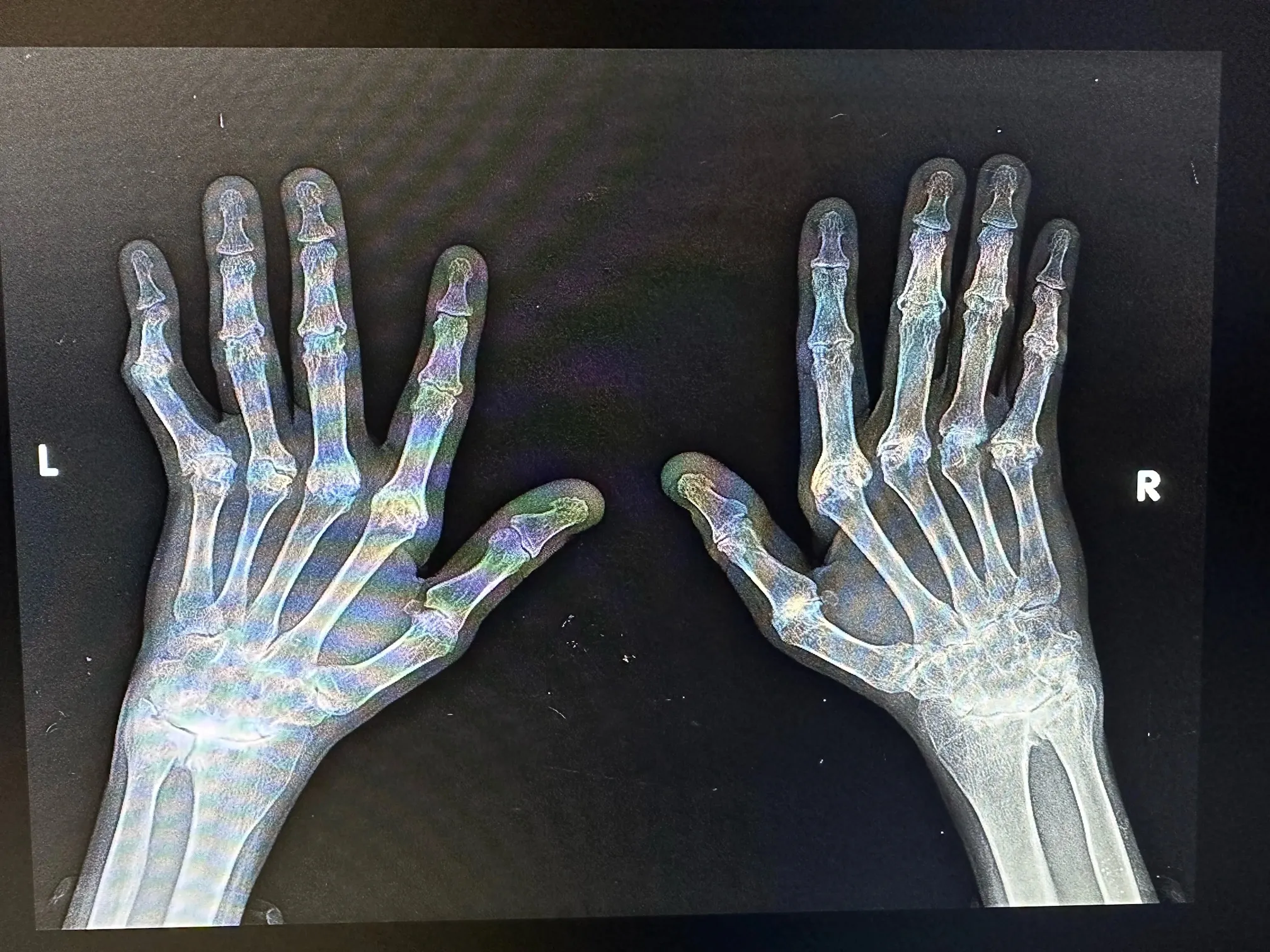
💡 KEY TAKEAWAY: THE WINDOW OF OPPORTUNITY
Modern rheumatology emphasizes that the first 24 months after diagnosis are critical. My goal with Reclaim Labs is to provide the tools I wish I had back in 1995: potent, natural ways to support the body in dampening the inflammatory response before the damage becomes irreversible.
3. Quick Ways to Calm an Acute Joint Flare
When you are in the middle of a flare, long-term diet changes won't provide immediate relief. Use these "First Aid" steps to lower the heat:
- Cold Therapy: Apply ice packs for 15 minutes to constrict blood vessels and reduce swelling.
- Elevation: Keep the inflamed joint above the level of your heart to encourage fluid drainage.
- Gentle "Micro-Movements": Non-weight-bearing movements (like air-cycling) help circulate synovial fluid without adding stress.
- Compression: Use copper-infused sleeves or wraps to provide external support to the joint.
4. Medical Treatments vs. Complementary Approaches
Most people manage arthritis through a combination of traditional medicine and lifestyle adjustments.
- Standard Medical Care: Includes NSAIDs (Ibuprofen), DMARDs (Methotrexate), and Biologics. These are essential for preventing permanent joint damage.
- The "Bridge Strategy": Many patients use natural protocols—including —as a complementary layer to support the body’s Endocannabinoid System (ECS) while working with doctors to reduce reliance on heavy corticosteroids.
- broad-spectrum hemp extracts
5. The Nutritional Protocol: Anti-Inflammatory Eating
Research published by confirms that certain foods can either fuel or dampen the inflammatory response.
The Omega Balance
The modern diet is too high in Omega-6 (pro-inflammatory). To reduce inflammation, increase Omega-3 fatty acids (EPA/DHA) found in fatty fish, walnuts, and flaxseeds. These fatty acids compete with the enzymes that produce inflammatory cytokines.
Foods to Avoid
- Refined Sugars: Trigger the release of pro-inflammatory messengers.
- Nightshades: Some patients (including myself) find that tomatoes, potatoes, and peppers can trigger localized joint flares.
- Processed Meats: High in nitrates and saturated fats that exacerbate systemic heat.
6. The Endocannabinoid System (ECS) & Inflammation
The ECS is a biological network that helps regulate immune response. Early research suggests that cannabinoids may interact with pathways involved in pain perception and inflammation.
While human evidence is still evolving, many individuals incorporate hemp-based products into their daily routines. At Reclaim Labs, we focus on Broad-Spectrum formulations. This ensures you receive the "Entourage Effect" of various cannabinoids and terpenes without the presence of THC. For those navigating chronic joint discomfort, a high-potency can be an effective tool for maintaining systemic balance.
7. Comparative Strategy Table
| Strategy | How It Helps | Evidence Level |
|---|---|---|
| Omega-3 Supplementation | Interferes with immune cells causing inflammation | Moderate/Strong |
| Low-Impact Movement | Stimulates synovial fluid and joint lubrication | Strong |
| Sleep Optimization | Allows the body to regulate cytokine production | Strong |
| Hemp/CBD Extracts | Interacts with the ECS to support immune balance | Emerging |
| Anti-Inflammatory Diet | Reduces the systemic "load" on the immune system | Moderate |
8. When to See a Doctor
Natural strategies are powerful, but you should seek immediate medical attention if you experience:
- Fever along with joint swelling (could indicate infection).
- Sudden, severe joint deformity.
- Pain that prevents you from performing basic daily tasks for more than 48 hours.
Frequently Asked Questions (FAQ)
What is the fastest way to reduce joint inflammation?
For immediate relief, physician-approved NSAIDs and cold therapy are the most effective. For long-term reduction, a combination of an anti-inflammatory diet and supporting the ECS through is recommended.
Can I reduce inflammation without steroids?
It is possible for many, but it must be done carefully. I successfully transitioned off steroids after 23 years by using a "Bridge Strategy" that replaced chemical suppression with natural immune-modulators and strict dietary protocols. You can read my
Is CBD safe for arthritis inflammation?
Preliminary research is promising, and many patients report significant relief. However, you should always discuss new supplements with your rheumatologist, especially if you are taking blood thinners or other maintenance medications.
Featured Resource
The 2800mg Broad Spectrum Protocol
Developed based on Ron's 30-year journey with RA, this high-potency formulation is designed to provide concentrated support for the Endocannabinoid System (ECS) during the chronic inflammation management process.
View Detailed Product SpecificationsThird-party lab tested for purity and potency.
Final Thoughts
Winning the battle against arthritis inflammation is a marathon of consistency. By layering medical care with specialized nutrition, movement, and ECS support, you can move from "fighting" your body to reclaiming your life.
Disclaimer: This content is for educational purposes only and is not medical advice. Always consult a healthcare professional before changing your treatment or supplement routine.