Joint inflammation is a leading cause of pain and disability, affecting over 54 million Americans and millions more worldwide. As we move into 2026, new research and therapies are changing how we understand and treat this widespread health issue.
In this comprehensive guide, you will explore the causes, symptoms, and risks of joint inflammation, along with the latest diagnostic innovations and evidence-based treatments. Discover lifestyle strategies and future trends that can help you prevent or manage this condition.
Understanding joint inflammation can empower you to improve your quality of life. Continue reading for up-to-date, actionable insights that will help you stay ahead in managing your joint health.
Understanding Joint Inflammation: Definition and Mechanisms
Joint inflammation, also known as synovitis, is a complex process that occurs when the body's immune system triggers swelling, pain, and warmth in the joints. Unlike general joint pain, which may result from injury or overuse, joint inflammation specifically involves an immune-mediated response that affects the joint lining and surrounding tissues. According to the Centers for Disease Control and Prevention, over 54 million Americans are affected by arthritis and related conditions, highlighting the widespread impact of joint inflammation on public health. For more insights on prevalence and types, review the Arthritis basics and statistics resource.
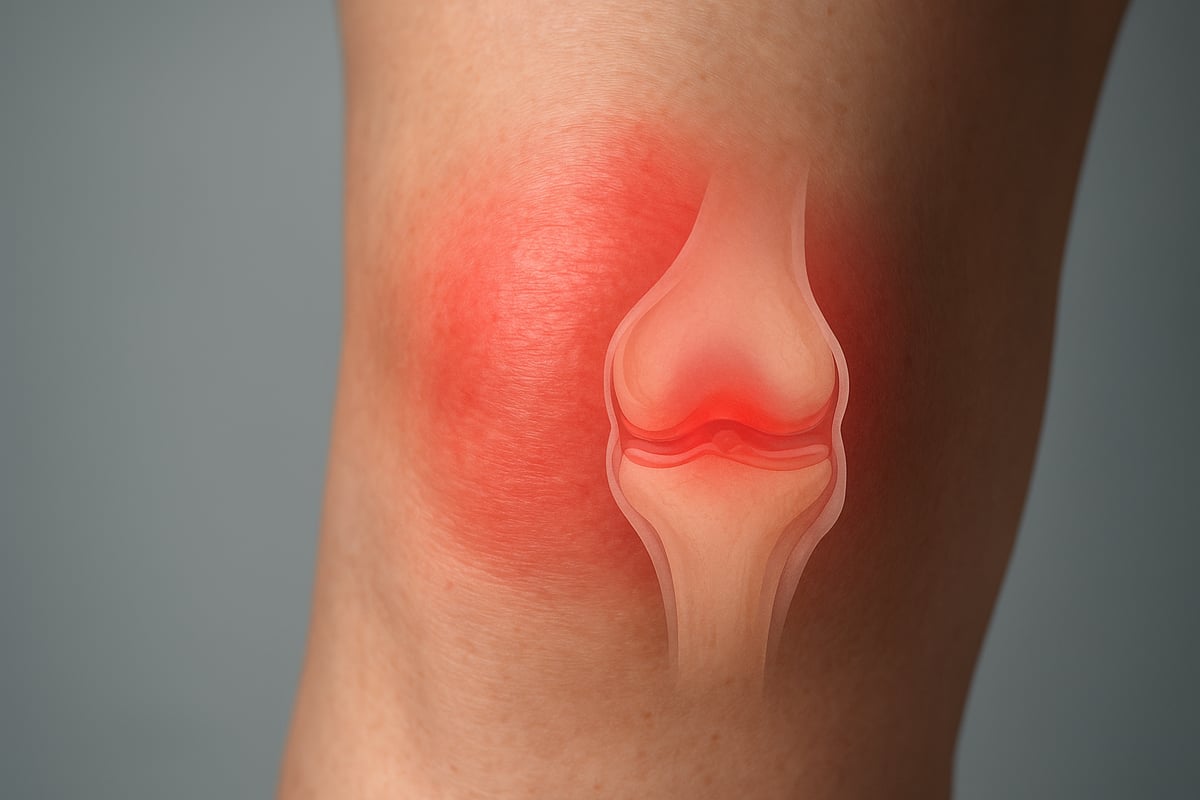
The inflammatory process begins when the immune system recognizes injury, infection, or abnormal tissue as a threat. In response, it releases chemical messengers called cytokines, which signal white blood cells to migrate into the joint space. This cascade leads to increased blood flow, swelling, and the accumulation of immune cells within the synovial membrane. The tissue becomes thickened and produces excess synovial fluid, resulting in the classic signs of joint inflammation: redness, heat, pain, and swelling.
Joint inflammation can be acute or chronic. Acute inflammation develops rapidly, often after trauma or infection, and typically resolves once the trigger is eliminated. Chronic inflammation, on the other hand, persists over time and can progressively damage joint structures. In chronic cases, ongoing immune activation leads to the destruction of cartilage and bone, increasing the risk of long-term disability and systemic complications. Understanding whether joint inflammation is acute or chronic is crucial for accurate diagnosis and effective treatment planning.
At the cellular level, several mechanisms drive joint inflammation. White blood cells, especially neutrophils and macrophages, infiltrate the synovial membrane and release enzymes and inflammatory mediators that break down cartilage. The synovial lining thickens, and cartilage loses its smooth surface, leading to joint stiffness and reduced mobility. Three main conditions exemplify the different mechanisms of joint inflammation:
| Condition | Cause | Key Features |
|---|---|---|
| Rheumatoid Arthritis | Autoimmune | Symmetric, chronic |
| Osteoarthritis | Degenerative | Wear and tear, gradual |
| Infectious Arthritis | Bacterial/Viral | Sudden, severe |
Rheumatoid arthritis represents an autoimmune process in which the immune system mistakenly attacks joint tissues. Osteoarthritis is primarily degenerative, resulting from mechanical wear and tear. Infectious arthritis arises from bacterial or viral invasion of the joint, causing rapid and intense inflammation. For a deeper comparison, explore this Understanding Rheumatoid vs. Osteoarthritis article.
It is important to recognize that joint inflammation serves a protective role by containing injury or infection. However, when the process becomes chronic, it can be destructive, leading to lasting joint damage, disability, and even systemic health issues. Early identification and management of joint inflammation are essential for preserving joint function and preventing complications.
Causes and Risk Factors of Joint Inflammation
Joint inflammation is a complex condition with a wide range of underlying causes and risk factors. Understanding what triggers joint inflammation is essential for prevention and targeted treatment. Factors can be genetic, environmental, mechanical, infectious, or lifestyle-related. Let’s explore the main contributors to joint inflammation in detail.

Autoimmune and Systemic Disorders
Autoimmune diseases are among the leading causes of chronic joint inflammation. In these conditions, the immune system mistakenly targets the body’s own joint tissues, leading to persistent inflammation and tissue damage.
Some of the most common autoimmune disorders linked to joint inflammation include:
- Rheumatoid arthritis: Characterized by symmetrical joint swelling and morning stiffness.
- Lupus: Can involve multiple organs and often causes joint pain and swelling.
- Psoriatic arthritis: Occurs in people with psoriasis, leading to both skin and joint symptoms.
A genetic predisposition plays a key role. Individuals with a family history of autoimmune diseases, especially those with HLA-DRB1 gene variants, have a higher risk of developing joint inflammation. Autoimmunity can drive chronic inflammation, potentially leading to joint destruction and disability if not managed early.
Systemic autoimmune conditions may also present with symptoms beyond the joints, such as fatigue, rashes, or organ involvement. Recognizing these patterns is crucial for early intervention and better outcomes in joint inflammation.
Infectious and Post-Infectious Causes
Infections can directly or indirectly trigger joint inflammation. Septic arthritis occurs when bacteria, viruses, or fungi invade a joint, causing rapid swelling, redness, and severe pain. This type of joint inflammation requires urgent medical attention due to the risk of joint destruction.
Common infectious agents include:
- Bacteria: Staphylococcus aureus is a frequent cause.
- Viruses: Parvovirus B19, hepatitis viruses.
- Fungi: Candida species, though rare.
Post-infectious or reactive arthritis can develop after certain infections, such as strep throat or gastrointestinal illnesses. The immune response to infection sometimes lingers, resulting in joint inflammation even after the original infection resolves.
Timely identification and treatment of infectious causes are vital to prevent long-term damage and complications related to joint inflammation.
Mechanical and Degenerative Factors
Mechanical stress and degeneration are significant contributors to joint inflammation, especially in older adults and those with physically demanding lifestyles. Osteoarthritis is the most prevalent degenerative joint disease, resulting from years of wear and tear on cartilage.
Risk factors for mechanical and degenerative joint inflammation include:
- Aging: Cartilage naturally wears down over time.
- Sports injuries: High-impact or repetitive motions increase risk.
- Obesity: Extra body weight puts additional stress on weight-bearing joints.
Athletes and older adults are particularly vulnerable. According to Osteoarthritis prevalence statistics, hundreds of millions globally are affected, with prevalence rising sharply with age. Repeated trauma or improper joint mechanics can accelerate cartilage breakdown and trigger chronic joint inflammation.
Lifestyle and Environmental Contributors
Lifestyle choices significantly influence the risk of joint inflammation. Obesity is a major factor, as excess weight increases mechanical load and promotes inflammation in the body. In fact, obesity multiplies the risk of knee osteoarthritis by four times.
Additional lifestyle and environmental contributors include:
- Poor diet: High intake of processed foods, sugars, and unhealthy fats.
- Sedentary habits: Lack of regular physical activity.
- Smoking: Increases inflammation and impairs healing.
- Excessive alcohol: Can worsen inflammation and damage joint tissues.
Environmental exposures, such as pollutants or occupational hazards, may also contribute to joint inflammation in susceptible individuals. Addressing these modifiable risks can greatly reduce the likelihood of developing chronic joint inflammation.
Emerging and Less Common Triggers
While most cases of joint inflammation are linked to well-known causes, emerging and less common triggers should not be overlooked. Metabolic conditions like gout and pseudogout result from crystal deposits within the joint, leading to sudden and intense inflammation.
Other rare triggers include:
- Drug-induced cases: Certain medications may provoke joint inflammation.
- Vaccine-related reactions: Rarely, vaccines can trigger short-term inflammatory responses.
- Environmental toxins: Industrial chemicals or heavy metals.
Understanding these less common factors is essential for a comprehensive approach to diagnosing and managing joint inflammation, especially when typical causes are ruled out.
Recognizing Symptoms and Early Warning Signs
Identifying joint inflammation early is crucial for effective management and prevention of long-term complications. Knowing what to look for can help distinguish between common aches and potentially serious underlying conditions. Understanding the unique patterns and warning signs of joint inflammation empowers you to take timely action.

Common Symptoms of Joint Inflammation
The hallmark features of joint inflammation are easy to spot when you know what to observe. Swelling is often the first visible sign, caused by increased fluid and immune cell activity in the joint space. Redness and warmth can develop as blood flow increases to the inflamed area.
Pain is a central symptom, typically described as aching or throbbing. This pain may worsen with movement or pressure. Stiffness is another classic indicator, especially after periods of inactivity. Many people with joint inflammation notice that their joints feel stiff in the morning, often for more than 30 minutes—this is particularly common in conditions like rheumatoid arthritis.
Additional symptoms can include:
- Limited range of motion in the affected joint
- Mild to moderate tenderness to touch
- Subtle joint deformity over time in chronic cases
Early recognition of these symptoms is essential for prompt evaluation and management of joint inflammation. Tracking changes in your joints over days or weeks can help your healthcare provider make an accurate diagnosis.
Systemic and Atypical Presentations
Joint inflammation does not always remain confined to the joints. In systemic inflammatory diseases, you may experience symptoms that affect your entire body. Fatigue is a frequent complaint, often accompanied by low-grade fever or unexplained weight loss.
Some conditions present with additional warning signs, such as:
- Rashes or skin changes (notably in lupus or psoriatic arthritis)
- Eye inflammation, leading to redness or blurred vision
- Swelling in other organs, including the heart or lungs
Atypical symptoms can make joint inflammation harder to diagnose, especially if joint pain is mild or intermittent. If you notice these systemic features along with joint issues, it is important to inform your doctor promptly.
Differentiating Inflammatory vs. Non-Inflammatory Pain
Understanding the differences between inflammatory and non-inflammatory joint pain is vital for correct identification. Inflammatory pain typically develops gradually, worsens with rest or inactivity, and improves with gentle movement. For example, people with joint inflammation often feel worse upon waking, but symptoms ease as they start moving.
In contrast, non-inflammatory or mechanical joint pain—such as that from overuse or injury—tends to worsen with activity and improve with rest. Mechanical pain rarely causes significant morning stiffness. Recognizing these patterns helps determine whether joint inflammation or another cause is responsible for your discomfort.
A helpful comparison:
| Feature | Inflammatory Pain | Non-Inflammatory Pain |
|---|---|---|
| Onset | Gradual | Sudden or after injury |
| Morning Stiffness | >30 minutes | <30 minutes |
| Improves With | Movement | Rest |
| Associated Symptoms | Swelling, redness | Usually absent |
If you are unsure which type of pain you are experiencing, keeping a symptom diary can provide valuable insights for your healthcare provider.
When to Seek Medical Attention
Certain signs mean you should seek medical care without delay. If you experience sudden severe joint pain, high fever, inability to move the joint, or suspect an infection, prompt medical evaluation is critical.
Early intervention for joint inflammation reduces the risk of permanent joint damage and disability. Do not hesitate to reach out to a healthcare professional if your symptoms are severe or rapidly worsening.
Diagnosis: Tools and Innovations in 2026
Diagnosing joint inflammation in 2026 combines clinical expertise with state-of-the-art technologies. Accurate identification is essential for effective management and prevention of long-term joint damage. Let us explore the multi-step approach that defines modern diagnostic strategies for joint inflammation.
Clinical Assessment and History
The first step in diagnosing joint inflammation remains a thorough clinical assessment. Practitioners start by collecting a detailed patient history, focusing on the onset, duration, and pattern of symptoms. They ask about recent illnesses, family history of autoimmune diseases, and any environmental or occupational exposures that might contribute to joint inflammation.
Physical examination is equally critical. Physicians inspect affected joints for swelling, redness, or warmth. They palpate to identify tenderness and assess the range of motion, noting any restrictions or deformities. Early signs of joint inflammation, such as morning stiffness or decreased flexibility, are often identified during this process.
By combining patient history with hands-on examination, clinicians can distinguish between acute and chronic joint inflammation and prioritize further diagnostic tests. This initial evaluation forms the foundation for a precise diagnosis and tailored treatment plan.
Laboratory and Imaging Advances
Laboratory and imaging technologies have greatly improved the accuracy of joint inflammation diagnosis. Blood tests are now able to detect specific markers of inflammation, such as C-reactive protein (CRP) and erythrocyte sedimentation rate (ESR). Autoantibody panels, including rheumatoid factor (RF) and anti-cyclic citrullinated peptide (anti-CCP), help differentiate types of inflammatory arthritis.
Joint fluid analysis is performed when infection or crystal-induced arthritis is suspected. This test examines white blood cell count, presence of crystals, and signs of infection in the synovial fluid.
Imaging has seen remarkable progress with the integration of AI-assisted diagnostics. X-ray, MRI, and ultrasound are standard, but AI algorithms now help identify subtle changes in joint structure and inflammation much earlier than before. For example, the development of digital twin systems for knee joints using quantitative MRI biomarkers, as discussed in the Knee joint digital twin study, allows for precise monitoring and prediction of osteoarthritis progression.
The combination of laboratory data and advanced imaging provides a comprehensive picture of joint inflammation, supporting early intervention and improved outcomes.
Differential Diagnosis and Overlapping Conditions
Differentiating joint inflammation from other joint disorders is crucial for effective treatment. Many conditions can mimic the symptoms of joint inflammation, including osteoarthritis, traumatic injuries, and infectious arthritis.
Clinicians use a systematic approach to rule out non-inflammatory causes. For example, osteoarthritis typically causes pain that worsens with activity and improves with rest, while joint inflammation often presents with pain that is more pronounced after periods of inactivity.
Certain laboratory and imaging findings can help distinguish between similar presentations. For instance, the presence of uric acid crystals in joint fluid points to gout, whereas a high white blood cell count with bacteria suggests septic arthritis. Accurate differential diagnosis ensures that patients receive the most appropriate therapy for their specific type of joint inflammation.
Predictive and Personalized Medicine
In 2026, predictive and personalized medicine is transforming the management of joint inflammation. Genetic and biomarker profiling can identify individuals at higher risk for certain types of inflammatory arthritis. This enables earlier screening and intervention, often before significant joint damage occurs.
Precision medicine tools analyze a patient's genetic makeup, immune response, and environmental exposures. These insights guide the selection of targeted therapies, maximizing effectiveness and minimizing side effects. For example, certain genetic markers predict response to biologic drugs, helping clinicians tailor treatment plans for optimal results.
The integration of predictive analytics with clinical data empowers patients and providers to anticipate disease flares, monitor progression, and adjust management strategies proactively. As a result, the future of joint inflammation diagnosis is increasingly personalized, precise, and patient-centered.
Evidence-Based Treatments for Joint Inflammation
Managing joint inflammation in 2026 requires a balanced approach that combines proven medical therapies with lifestyle and integrative strategies. Patients and clinicians have more options than ever to reduce pain, limit damage, and improve long-term outcomes.
Pharmacological Therapies
Pharmacological treatments remain the foundation for controlling joint inflammation, especially in moderate to severe cases. The first line often includes nonsteroidal anti-inflammatory drugs (NSAIDs) for symptom relief. These medications help decrease swelling and pain but do not alter disease progression.
Corticosteroids, administered orally or via injection, provide rapid reduction of inflammation during acute flares. However, long-term use can lead to side effects such as osteoporosis and increased infection risk.
Disease-modifying antirheumatic drugs (DMARDs), like methotrexate, target the underlying immune response and slow joint destruction. Biologic agents, including TNF inhibitors and IL-6 blockers, have revolutionized treatment for autoimmune forms of joint inflammation by targeting specific pathways in the inflammatory cascade.
Recent clinical trials (2025–2026) have shown that biologics significantly reduce disease activity and improve quality of life. The choice of therapy depends on the specific diagnosis, severity, and patient factors.
Non-Pharmacological Interventions
Non-pharmacological strategies play a vital role in joint inflammation management. Physical and occupational therapy help preserve joint function, maintain mobility, and teach adaptive techniques for daily activities.
Assistive devices such as canes, splints, or orthotics support joint alignment and reduce strain. Hydrotherapy, which uses water-based exercises, is especially beneficial for those with limited mobility or pain during weight-bearing activities.
Heat and cold therapy are simple yet effective methods to manage symptoms. Applying heat can loosen stiff joints, while cold packs help reduce acute swelling. These approaches are most effective when tailored to individual needs and used consistently alongside medical treatments.
Nutritional and Supplement Strategies
Diet significantly influences joint inflammation and symptom severity. Anti-inflammatory diets, such as the Mediterranean or DASH diet, emphasize fruits, vegetables, whole grains, healthy fats, and lean proteins. These patterns help reduce systemic inflammation and support joint health.
Supplements like omega-3 fatty acids from fish oil have demonstrated a measurable reduction in joint pain and swelling, according to Brown Health. Turmeric (curcumin) and ginger root extract are also gaining popularity for their natural anti-inflammatory properties.
It is important to consult healthcare professionals before starting any supplement, as interactions with medications are possible. Dietary changes can be a powerful adjunct to other therapies for joint inflammation.
Integrative and Alternative Approaches
Integrative therapies are increasingly recognized for their role in managing joint inflammation. Acupuncture is supported by studies showing pain relief and improved function in arthritis patients.
Mind-body practices such as yoga, tai chi, and mindfulness meditation foster flexibility, balance, and stress reduction. Regular tai chi practice, for example, has been linked to reduced joint pain and better mobility.
These approaches are generally safe when performed under professional guidance. Integrative therapies complement, but do not replace, conventional treatments for joint inflammation.
CBD and Hemp Oil for Inflammation: Potential and Evidence
CBD and hemp oil have emerged as promising natural agents for joint inflammation relief. These compounds interact with the endocannabinoid system, helping to modulate immune responses and decrease the release of inflammatory cytokines.

Clinical studies have reported improvements in arthritis pain and joint function for some patients using high-quality CBD products. Transparency and safety are crucial, so it is important to choose brands that offer third-party testing and clear labeling. For a deeper look at current evidence and best practices, explore CBD and Arthritis Relief Strategies for more insights on integrating CBD into a joint inflammation management plan.
As research continues, CBD may become a more established option for those seeking alternatives or adjuncts to traditional therapies.
Lifestyle Modifications and Self-Management Strategies
Managing joint inflammation effectively requires a holistic approach, where lifestyle choices play a central role in reducing symptoms and enhancing quality of life. By making targeted adjustments and embracing self-management techniques, you can take control of your joint health and minimize the impact of inflammation.
Physical Activity and Exercise
Regular physical activity is one of the most effective ways to manage joint inflammation. Low-impact exercises, such as walking, swimming, and cycling, help maintain joint mobility and reduce pain. Engaging in these activities strengthens the muscles around the joints, offering better support and decreasing stress on inflamed areas.
For those with joint inflammation, consistency matters more than intensity. Aim for at least 150 minutes of moderate exercise weekly, broken into manageable sessions. Activities like yoga, tai chi, and aquatic therapy are particularly beneficial, as they improve flexibility and balance without overloading the joints.
Consider consulting a physical therapist to develop a personalized plan, especially if you are new to exercise or have significant joint inflammation. Remember, every pound of weight lost can decrease knee joint load by up to four pounds, making movement easier and less painful.
Weight Management and Nutrition
Maintaining a healthy weight is essential for reducing the burden on joints affected by joint inflammation. Excess body weight significantly increases the risk of developing conditions like knee osteoarthritis and can worsen existing symptoms.
Nutritional choices also play a pivotal role. Focus on an anti-inflammatory diet rich in fruits, vegetables, whole grains, lean proteins, and healthy fats such as olive oil and fatty fish. Limit foods that can exacerbate inflammation, including added sugars, saturated fats, and highly processed carbohydrates.
Incorporating omega-3-rich foods and spices like turmeric and ginger may provide additional relief. These dietary strategies help reduce inflammation and support overall joint health, making daily movement more comfortable.
Stress Reduction and Sleep Optimization
Chronic stress and poor sleep are recognized triggers for joint inflammation flare-ups. Managing stress through techniques like meditation, deep breathing, and mindfulness can help regulate the body’s inflammatory response and improve pain tolerance.
Establishing a consistent sleep routine is equally important. Aim for seven to nine hours of restful sleep each night to allow the body to repair and recover. Creating a calming bedtime environment, limiting screen time before bed, and practicing relaxation exercises can all contribute to better sleep quality.
If stress or sleep problems persist, consider cognitive behavioral therapy or consult a healthcare provider for additional support. Managing these factors can lead to more stable joint inflammation control and a better overall sense of well-being.
Joint Protection and Ergonomics
Protecting your joints from unnecessary strain is vital when living with joint inflammation. Using proper body mechanics during daily activities reduces the risk of injury and further inflammation. For example, bend at the knees instead of the waist when lifting, and use both hands to distribute weight evenly.
Supportive devices such as braces, splints, or orthotic inserts can provide additional stability and comfort. In the workplace, ergonomic adaptations like adjustable chairs, standing desks, and cushioned mats can help prevent joint stress.
Choose joint-friendly hobbies and activities that minimize repetitive motion or impact. By making these adjustments, you can maintain independence and reduce the frequency of joint inflammation flare-ups.
Monitoring and Tracking Progress
Active self-monitoring is a cornerstone of effective joint inflammation management. Digital tools, such as mobile apps and wearable devices, allow you to track symptoms, activity levels, and medication usage over time. These insights help you and your healthcare team identify patterns and adjust your management plan as needed.
Regular follow-ups with your provider ensure that your strategies remain effective and that any early signs of worsening joint inflammation are addressed promptly. For more detailed guidance, the Arthritis Management Strategies Guide offers comprehensive tips to support your self-management journey.
Future Directions: Research, Innovations, and Prevention in 2026
The landscape of joint inflammation research is rapidly evolving, with 2026 marking a pivotal year for innovation and patient empowerment. As new technologies, therapies, and public health strategies emerge, individuals affected by joint inflammation can expect more personalized, effective, and accessible care. Let us explore the most promising directions shaping the future of joint inflammation management.
Advances in Personalized Medicine
Personalized medicine is transforming the way joint inflammation is diagnosed and managed. By leveraging genetic and molecular profiling, clinicians can now predict individual risk factors and tailor therapies to each patient’s unique biology.
Predictive analytics tools use large data sets to identify patterns in disease flares, helping providers intervene earlier. For example, patients with specific genetic markers may be offered targeted therapies that minimize side effects while maximizing effectiveness. This approach not only improves patient outcomes but also reduces unnecessary treatments, streamlining the path to remission for those living with joint inflammation.
Regenerative Therapies and Biologics
Regenerative medicine is at the forefront of joint inflammation treatment in 2026. Stem cell therapy, platelet-rich plasma (PRP), and tissue engineering are being studied in large clinical trials, offering hope for true tissue repair rather than just symptom relief.
Biologic drugs continue to evolve, targeting precise immune pathways involved in joint inflammation. According to recent joint pain injections market analysis, the demand for advanced biologics and injectables is expected to grow significantly by 2034, reflecting increased confidence in these innovative solutions. As these therapies become more widely available, patients have more options for long-term relief and disease modification.
Digital Health and Remote Monitoring
Digital health is revolutionizing joint inflammation care by bridging gaps in access and engagement. Telemedicine platforms allow patients to connect with specialists from the comfort of home, while AI-driven symptom trackers provide real-time insights into disease activity.
Wearable devices monitor movement patterns and detect early signs of flare-ups, enabling timely adjustments in treatment. Virtual rehabilitation programs, including guided exercise and pain management modules, empower patients to take control of their health between clinic visits. These advancements are making joint inflammation management more proactive and patient-centered.
Preventive Strategies and Public Health Initiatives
Prevention remains a key focus in the fight against joint inflammation. Public health campaigns in 2026 are targeting obesity reduction, healthy eating, and increased physical activity to lower the incidence of arthritis-related conditions.
Community-based screenings help identify at-risk individuals before symptoms become severe, allowing for early intervention. Data from recent initiatives show that education and lifestyle modification can significantly reduce new cases of joint inflammation and related disability. By prioritizing prevention, healthcare systems can decrease the societal burden of these chronic conditions.
Addressing Health Disparities and Access
Despite advances, disparities in joint inflammation care persist across socioeconomic, racial, and geographic lines. Efforts to close these gaps include expanding telemedicine access, offering culturally tailored educational resources, and increasing funding for community health programs.
Policymakers and providers are working together to ensure equitable distribution of new therapies and technologies. By focusing on inclusivity, the future of joint inflammation care will better serve diverse populations, enhancing outcomes for all.
Patient Empowerment and Education
Empowering patients is essential for successful joint inflammation management in 2026. Advocacy groups, online communities, and educational platforms are providing resources that help individuals understand their condition and navigate complex treatment decisions.
Self-tracking apps and digital coaching tools enable patients to monitor progress and communicate more effectively with their healthcare team. As knowledge and confidence increase, people living with joint inflammation become active participants in their care, driving better results and higher satisfaction.
As you’ve seen throughout this guide, understanding joint inflammation and staying up to date with the latest research can make a real difference in managing your health and quality of life. If you’re ready to take the next step and explore natural, science-backed solutions for relief, I invite you to discover Reclaim Labs’ premium CBD hemp oil products. Their commitment to quality and transparency means you can feel confident about what you’re putting in your body. Don’t let joint pain hold you back—Get Relief Now!