Are you tired of waking up to sore muscles or ongoing aches that disrupt your day? You are not alone. Millions of people experience muscle discomfort that impacts their comfort, movement, and overall quality of life.
This essential 2026 handbook is your trusted resource for muscle and pain relief, combining the latest research with expert advice. Here, you will discover proven strategies to address common pain causes, prevent future issues, and regain your mobility.
Explore innovative therapies, effective lifestyle changes, and practical tips designed to empower you towards a pain-free life. Ready to take the next step? Let us guide you on your journey to lasting relief and renewed well-being.
Understanding Muscle Pain: Causes and Types
Muscle pain, also known as myalgia, is a common experience that disrupts daily routines and quality of life for people across all ages. Whether it is a fleeting ache after physical activity or a persistent discomfort, the challenge of muscle and pain relief is both widespread and significant. According to recent chronic pain statistics in the U.S., over 80% of adults report muscle pain at least once per year, highlighting the urgent need for effective solutions. Understanding what causes muscle pain, the types that exist, and when to seek help is the first step toward successful muscle and pain relief.

What Is Muscle Pain? Definitions and Prevalence
Muscle pain refers to discomfort or soreness in the muscles, medically termed myalgia. This sensation can range from mild to severe and may last a short time or become a chronic burden. Muscle and pain relief is a crucial concern, as muscle pain often limits mobility and interferes with sleep, work, and recreation.
Acute muscle pain develops suddenly, often after strenuous activity or injury, and typically resolves as the body heals. Chronic muscle pain, however, persists for weeks or months and may signal an underlying health issue. The scope of muscle and pain relief is broad, given that more than 80% of adults experience at least one episode of muscle pain each year, making it a leading cause of decreased productivity and well-being.
Common Causes of Muscle Pain
Many factors can contribute to muscle pain, and understanding these is essential for muscle and pain relief. The most common causes include:
- Overuse from exercise or repetitive work activities
- Injuries such as sprains, strains, or direct trauma
- Medical conditions like fibromyalgia, rheumatoid arthritis, and lupus
- Infections, especially viral (such as influenza) and some bacterial illnesses
- Side effects of medications, especially cholesterol-lowering drugs (statins)
Each of these causes may require a unique approach to muscle and pain relief, underscoring the importance of identifying the precise source of discomfort.
Types of Muscle Pain
Muscle pain manifests in different ways, affecting how muscle and pain relief strategies are applied. The primary types include:
- Localized pain: confined to one area, often due to injury or strain
- Systemic pain: widespread discomfort, typical in conditions like fibromyalgia
- Myofascial pain syndrome: characterized by trigger points and referred pain
- Delayed onset muscle soreness (DOMS): appears hours after unfamiliar or intense activity
Recognizing the type of muscle pain helps tailor muscle and pain relief approaches for better results.
Risk Factors
Certain factors increase the likelihood of experiencing muscle pain and needing muscle and pain relief. These include:
- Age: older adults are more prone due to muscle loss and reduced flexibility
- Fitness level: both sedentary lifestyles and overtraining pose risks
- Occupation: jobs involving repetitive motions or heavy lifting
- Underlying health conditions: autoimmune diseases, metabolic disorders
Awareness of these risk factors enables proactive steps for muscle and pain relief and prevention.
When to Seek Medical Help
While most muscle pain resolves with self-care, some symptoms require prompt medical attention. Red flags include:
- Severe or worsening pain
- Swelling, redness, or warmth in the affected area
- Fever or unexplained weight loss
- Sudden muscle weakness or loss of function
Early diagnosis is critical for effective muscle and pain relief, especially if pain is persistent or linked to chronic health issues. Consulting a healthcare professional ensures that serious conditions are not overlooked.
The Science of Pain Relief: How Your Body Heals
Muscle and pain relief begins with understanding precisely how your body responds to injury or strain. The mechanisms behind pain are intricate, involving nerves, chemicals, and your unique biology. By exploring these processes, you can better appreciate why pain feels different for everyone and which strategies may work best for recovery.
The Pain Response: Neurology and Biochemistry
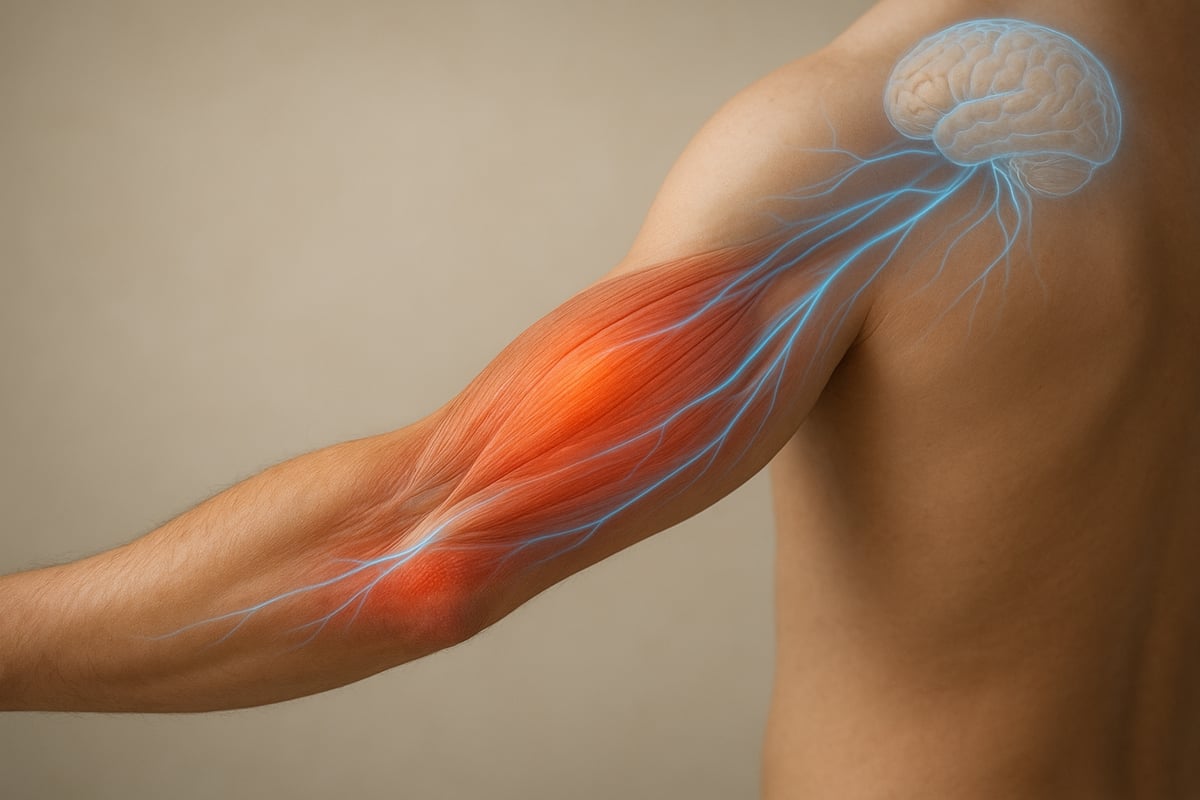
When muscles are injured or overworked, nerve endings send distress signals through the spinal cord to the brain. This process, essential for muscle and pain relief, relies on neurotransmitters such as substance P and glutamate. These chemicals amplify pain signals, prompting the brain to trigger protective responses like swelling or immobility. In acute pain, inflammation is a normal reaction, signaling your body to begin healing. In chronic cases, however, nerve pathways can become overactive, causing pain to persist even after the initial injury has healed.
Natural Healing Processes
The journey to muscle and pain relief depends on your body’s natural healing abilities. When muscle fibers are damaged, the inflammatory response delivers immune cells and nutrients that repair tissue. Swelling and redness are signs that this process is underway. Blood flow increases to support healing, while rest allows new cells to grow. Most minor muscle injuries recover within days to weeks, but chronic pain may linger if inflammation does not subside or if repeated stress occurs. Supporting your body’s recovery with proper care is vital.
Pain Perception: Why Pain Feels Different for Everyone
Not everyone experiences muscle and pain relief the same way. Genetics play a significant role in pain thresholds and sensitivity. Some people have more sensitive nerve endings or produce more pain-amplifying chemicals. Psychological factors, such as anxiety or depression, can intensify discomfort. Stress can also heighten your awareness of pain, making it feel more severe. Understanding these influences can help you choose interventions that address both physical and emotional aspects of pain.
Evidence-Based Pain Relief Approaches
A variety of proven approaches support muscle and pain relief. Analgesic medications, such as NSAIDs or acetaminophen, block pain signals or reduce inflammation, though long-term use has risks. Non-pharmacological therapies are equally important. Physical therapy helps restore movement, while massage and acupuncture address both muscle tension and nerve pain. Many people find benefit from combining these strategies for a comprehensive plan that targets pain from multiple angles.
Step-by-Step Guide: Effective Muscle and Pain Relief Strategies in 2026
Finding the right muscle and pain relief strategy can feel overwhelming, but breaking it down into actionable steps makes it more manageable. The following guide provides a structured approach, blending immediate solutions with sustainable, long-term practices.

Step 1: Immediate Relief for Acute Pain
When muscle and pain relief is needed urgently, start with the basics. The RICE protocol—rest, ice, compression, and elevation—remains a cornerstone for acute injuries.
Apply ice for the first 48 hours to reduce swelling, then switch to heat if stiffness persists. Over-the-counter NSAIDs like ibuprofen or topical analgesics can help manage discomfort, but always follow dosage guidelines.
Use cold therapy for new injuries and heat for chronic tension. If pain is severe, or you notice swelling or loss of function, seek medical attention. Quick action supports faster muscle and pain relief and reduces the risk of complications.
Step 2: Addressing Underlying Causes
Long-term muscle and pain relief requires identifying root causes. Assess your routine—are poor movement patterns or repetitive strain at fault? Small changes, like adjusting your desk height or improving lifting technique, can make a big difference.
Consult a physical therapist for professional evaluation. Chronic medical conditions may need coordinated care with your doctor. Remember, correcting underlying issues is key to sustained muscle and pain relief and preventing further injury.
Step 3: Long-Term Prevention and Recovery
Building resilience is at the core of muscle and pain relief. Incorporate daily stretching to maintain flexibility and reduce muscle tension. Strength training supports joints and lowers injury risk.
Alternate between activity and rest to avoid overuse. Pay attention to posture both at work and during exercise. Consistency is crucial—regular practice leads to gradual, lasting muscle and pain relief.
| Prevention Tip | Benefit |
|---|---|
| Stretching daily | Reduces stiffness |
| Strength training | Supports muscle health |
| Good posture | Prevents chronic pain |
Step 4: Integrative and Alternative Therapies
Modern muscle and pain relief includes proven alternative treatments. Physical therapy modalities like TENS (transcutaneous electrical nerve stimulation), ultrasound, and hydrotherapy can accelerate recovery.
Massage therapy and myofascial release target deep muscle knots. Acupuncture, supported by clinical research, may help with chronic pain. These approaches, when integrated with conventional care, offer holistic muscle and pain relief.
Step 5: Nutrition and Supplements for Muscle Health
Nutrition plays a vital role in muscle and pain relief. Key nutrients—magnesium, vitamin D, and omega-3 fatty acids—support muscle repair and reduce inflammation.
Adopting an anti-inflammatory diet, such as the Mediterranean or plant-based plan, can further ease pain. Hydration is essential for optimal muscle function. For targeted supplement advice, consider reading the Best Natural Supplements for Mobility to explore options that complement your routine.
Speak with a healthcare provider before starting new supplements. Well-chosen nutrition supports ongoing muscle and pain relief.
Step 6: Mind-Body Approaches
Mind-body techniques are powerful for muscle and pain relief. Mindfulness and meditation help reduce stress, which can intensify pain perception.
Cognitive behavioral therapy and biofeedback teach coping skills and relaxation. Simple breathing exercises or progressive muscle relaxation can be practiced at home, building resilience and enhancing muscle and pain relief.
Step 7: Monitoring Progress and Adjusting Strategies
Track your muscle and pain relief journey with apps or a pain journal. Record symptoms, triggers, and what works best for you.
Set realistic recovery goals and celebrate small wins. If pain persists or worsens, consult a healthcare professional. Regular monitoring ensures your muscle and pain relief plan stays effective and adapts to your changing needs.
Innovations in Muscle and Pain Relief: What’s New for 2026?
The field of muscle and pain relief is advancing rapidly in 2026, offering hope and real solutions for those struggling with discomfort. From cutting-edge technology to natural therapies, the latest breakthroughs are changing the way we manage pain, improve mobility, and support recovery. Let’s explore the most promising innovations shaping the future of muscle and pain relief.
Advances in Pain Relief Technology
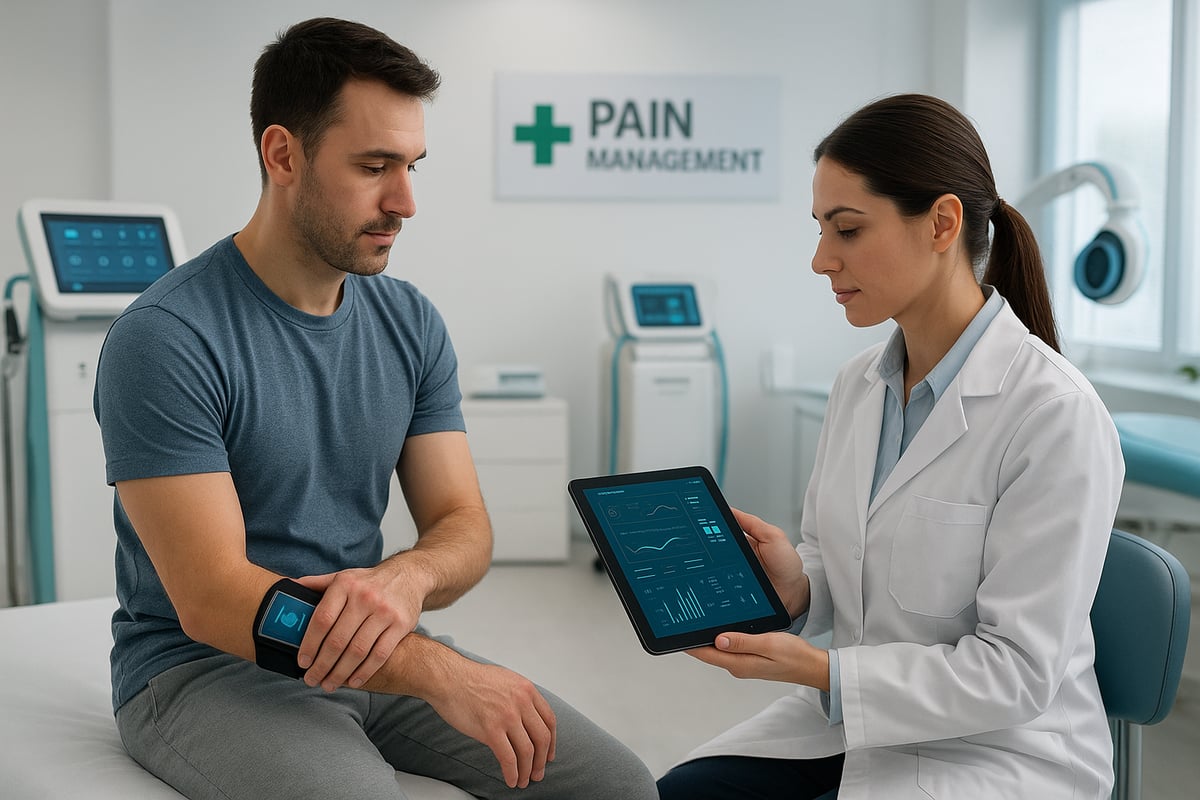
Technology is transforming muscle and pain relief, making therapies more accessible and effective. Wearable devices, such as smart TENS and EMS units, deliver targeted electrical stimulation to ease muscle tension and reduce pain. These devices are paired with mobile apps, allowing users to customize settings and track their progress in real time.
AI-powered pain management platforms are also becoming standard. They analyze individual pain patterns, recommend personalized exercises, and adjust therapy plans based on user feedback. For more on these advancements, see Emerging technologies in pain management, which highlights the latest research and clinical applications.
Regenerative Therapies
Regenerative medicine is opening new doors for muscle and pain relief, especially for individuals with chronic injuries. Platelet-rich plasma (PRP) and stem cell injections harness the body's own healing powers to repair damaged tissues and reduce inflammation.
These therapies are being studied for their ability to accelerate recovery after sports injuries, surgeries, and degenerative conditions. Early clinical evidence shows promise, but safety and long-term outcomes are still under review. Patients considering regenerative options should consult with a qualified healthcare provider to weigh the potential benefits and risks.
Breakthrough Medications and Topicals
The pharmaceutical landscape for muscle and pain relief is evolving, with new medications and topical agents entering the market. One notable development is the approval of non-opioid analgesics, such as Suzetrigine: A new non-opioid analgesic, which offers effective pain control without the risk of addiction.
Next-generation topical creams and patches are also gaining popularity. These products deliver fast-acting relief directly to affected areas, minimizing systemic side effects. Key features of these innovations include:
- Targeted delivery for localized pain
- Fewer adverse reactions compared to oral medications
- Improved user convenience and adherence
The Rise of Natural and Plant-Based Solutions
Natural therapies are an important part of modern muscle and pain relief strategies. Herbal remedies like arnica and turmeric are supported by a growing body of evidence for their anti-inflammatory effects. CBD and hemp-derived products are increasingly used for both acute and chronic pain, with many patients reporting reduced discomfort and improved function.
Transparency and third-party testing have become industry standards, ensuring product safety and quality. These plant-based solutions appeal to those seeking alternatives to traditional pharmaceuticals and are often integrated with other therapies for comprehensive care.
Data-Driven Pain Management
Digital health tools are empowering patients to take control of their muscle and pain relief journey. Remote monitoring devices track vital signs and therapy outcomes, while telemedicine platforms connect users with pain specialists from the comfort of home.
Virtual physical therapy and real-world data collection enable providers to tailor treatments and measure progress over time. Patient success stories highlight how these innovations are improving quality of life, helping individuals return to their favorite activities and maintain lasting relief.
Lifestyle and Daily Habits for Ongoing Pain-Free Living
Daily routines play a vital role in supporting muscle and pain relief. Adopting simple habits can dramatically reduce discomfort, boost resilience, and improve your quality of life. By making thoughtful changes to your environment, schedule, and mindset, you can create a foundation for long-term comfort.
Building a Pain-Resistant Routine
Establishing a pain-resistant routine is key for anyone seeking consistent muscle and pain relief. Begin each day with gentle stretching to loosen tight areas and promote circulation. Incorporate short movement breaks throughout your workday to counteract stiffness.
Optimizing your workspace with ergonomic chairs, supportive pillows, and proper desk height can prevent unnecessary strain. Prioritize sleep hygiene by maintaining a regular bedtime and creating a restful environment. Managing stress with breathing exercises or mindfulness further supports your body’s natural healing abilities.
Exercise: Balancing Activity and Recovery
Engaging in regular exercise is essential for muscle and pain relief, but balance is crucial. Choose low-impact activities such as swimming, yoga, or walking to strengthen muscles without overloading joints.
Alternate workout days with rest or active recovery, like light stretching or easy cycling, to prevent overuse injuries. Listen to your body and avoid pushing through sharp pain, as this can worsen discomfort. Consistency, rather than intensity, leads to long-term benefits.
Sleep and Pain: The Critical Connection
Quality sleep is fundamental for muscle and pain relief. Poor sleep can heighten pain sensitivity and slow healing. Aim for seven to nine hours of uninterrupted rest each night, and keep your bedroom cool, dark, and quiet.
Limit screen time before bed and establish a calming pre-sleep routine, such as reading or deep breathing. If pain disrupts your sleep, consider adjusting your sleeping position or using supportive pillows to relieve pressure points.
Social and Emotional Support
Social and emotional well-being are integral to muscle and pain relief. Connecting with others who share similar experiences can ease feelings of isolation and offer practical coping strategies. Support groups, whether online or in person, provide a safe space to share challenges and successes.
For those managing chronic pain conditions, resources like Living with Fibromyalgia: A Guide to Thriving offer expert advice and encouragement. Do not hesitate to seek help from mental health professionals when needed.
Tracking Progress and Staying Motivated
Monitoring your journey is vital for sustained muscle and pain relief. Use journals or pain tracking apps to record symptoms, activities, and triggers. Setting achievable goals and celebrating small victories keeps motivation high.
Leverage new technology, such as wearable devices for muscle fatigue detection, to gain real-time insights about your body’s response to daily activities. Regularly review your progress and adjust your habits as needed to support ongoing improvement.
As you explore the latest science-backed strategies for muscle and pain relief in this guide, remember that real change starts with taking action. Whether you’re managing daily discomfort, exploring natural alternatives, or searching for trusted solutions for chronic pain, you deserve effective options that prioritize your well-being. Reclaim Labs’ premium CBD hemp oil products are crafted with quality, transparency, and your comfort in mind—each batch is third-party tested to ensure safety and efficacy. If you’re ready to move beyond pain and reclaim your daily life, you can Get Relief Now!