As more people seek natural solutions, oils for pain management are gaining momentum and reshaping approaches to relief. With 2026 on the horizon, experts are uncovering new ways these oils offer hope beyond conventional medications.
This essential guide brings together the latest scientific findings, best practices, and safety advice to empower your decisions. You will discover how oils work, which options stand out, and what to expect as research evolves.
Ready to explore the science, expert recommendations, and future trends? Let this guide inspire confidence in your journey toward effective, natural pain relief.
The Science Behind Oils for Pain Management
Oils for pain management are gaining attention due to their unique bioactive properties and growing scientific support. Understanding how these oils work, how they compare to conventional medications, and what evidence supports their use is key to making informed choices.

Understanding How Oils Interact with the Body
Oils for pain management work through a range of bioactive compounds, each influencing the body's pain pathways. These include:
- Terpenes (like menthol and linalool)
- Cannabinoids (such as CBD)
- Other plant-derived molecules
These compounds provide anti-inflammatory, analgesic, and neuromodulatory effects, which means they can reduce swelling, dull pain, and affect nerve signaling. Oils can be absorbed in several ways:
- Topically (applied to the skin)
- Inhalation (aromatherapy)
- Orally (with medical oversight)
A key player is the endocannabinoid system, which helps regulate pain and inflammation. For example, menthol in peppermint oil relaxes muscle tissue and cools nerve endings, offering relief from tension headaches. Recent clinical studies from 2025 indicate certain essential oils can stimulate serotonin and dopamine release, which may help alter pain perception. Oils for pain management are thus rooted in both traditional use and modern scientific research.
Comparing Oils to Conventional Pain Medications
When considering oils for pain management, it is important to compare their effects to standard medications like acetaminophen or NSAIDs. Analgesic oils sometimes match pharmaceuticals in mild cases, but they are best used as adjuncts, not substitutes.
| Feature | Oils for Pain Management | Conventional Medications |
|---|---|---|
| Mechanism | Anti-inflammatory, analgesic | COX inhibition, analgesic |
| Side Effects | Skin irritation, allergies | GI upset, kidney/liver risks |
| Onset | Variable, often gradual | Rapid |
| Regulation | Less standardized | Highly regulated |
Pharmacists often recommend integrating oils with prescription therapies, especially for people seeking fewer systemic side effects. For example, peppermint oil has performed as well as acetaminophen for tension headaches in some studies. However, large-scale clinical trials and standardized dosing are still lacking. Oils for pain management offer a gentler safety profile but require careful selection and monitoring.
Evidence-Based Benefits and Limitations
The clinical evidence for oils for pain management has grown, with meta-analyses and randomized trials supporting their use for conditions like chronic musculoskeletal pain. Human studies have shown benefits for mild pain and headaches, while animal studies offer additional mechanistic insights.
Still, there are limitations:
- Product quality varies widely
- Lack of regulation in the supplement industry
- Insufficient long-term safety data
Some oils, such as peppermint and lavender, are recognized as safe by the FDA for certain uses, but others can be toxic if misused. For example, just one drop of undiluted peppermint oil is as potent as dozens of cups of herbal tea, and wintergreen oil poses poisoning risks for children. It is essential to use oils for pain management as part of a comprehensive strategy and under professional guidance.
Recent systematic reviews, like the MDPI Study on Essential Oils for Musculoskeletal Pain, have found that topical essential oils can reduce pain and stiffness in chronic conditions. However, the variability in product quality and lack of dosing standards remain challenges. Oils for pain management work best when combined with other therapies and tailored to individual needs.
Types of Oils for Pain Relief: Essential, Carrier, and CBD Oils
Exploring the different types of oils for pain management is crucial for anyone seeking natural relief. Essential oils, carrier oils, and CBD hemp oils each offer unique properties that contribute to effective pain strategies. Understanding their roles, benefits, and limitations empowers you to make informed choices tailored to your needs.
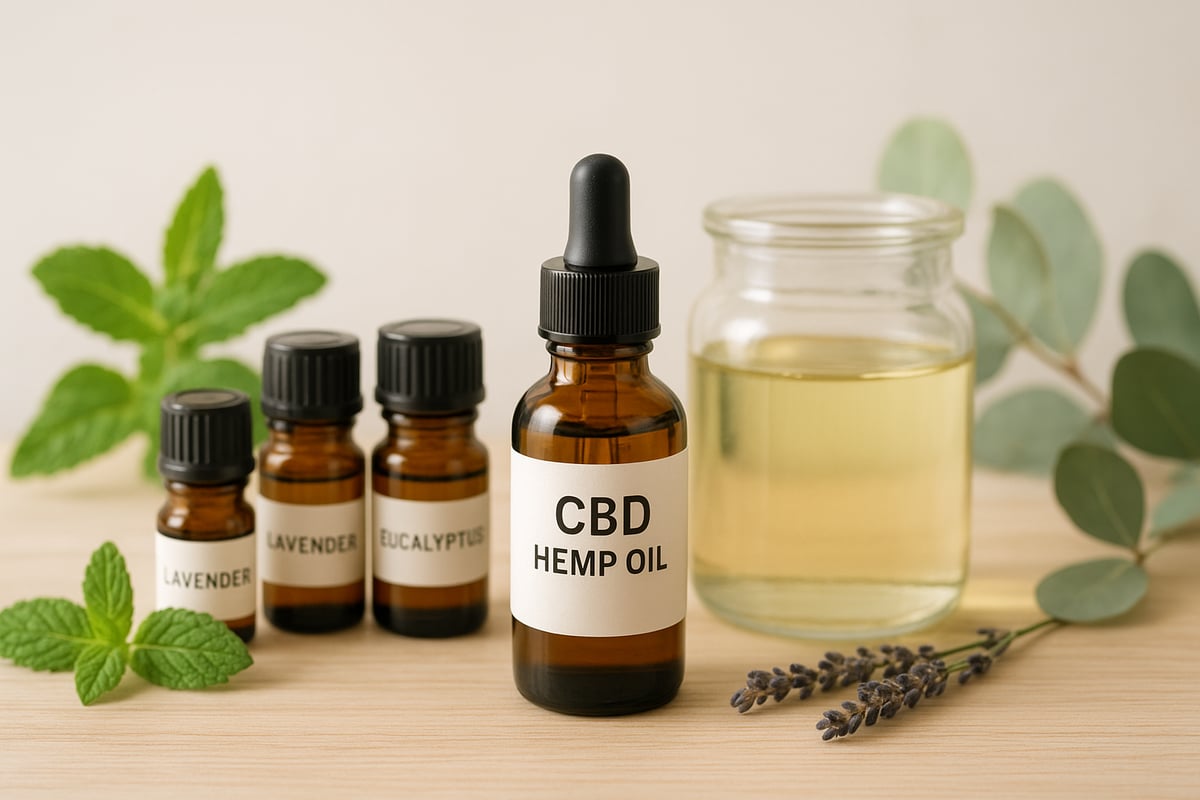
Essential Oils: Top Choices and Scientific Support
Essential oils are concentrated plant extracts containing active compounds that interact with pain pathways. Among the leading oils for pain management, some stand out for their clinical support and practical application.
Top Essential Oils for Pain Relief
| Oil | Key Compound | Primary Benefit | Clinical Support |
|---|---|---|---|
| Peppermint | Menthol | Cooling, headache relief | Effective for tension headaches |
| Lavender | Linalool | Calming, muscle tension | Reduces chronic pain, anxiety |
| Eucalyptus | Eucalyptol | Anti-inflammatory | Supports joint, respiratory relief |
| Clove | Eugenol | Analgesic, dental pain | Used for musculoskeletal discomfort |
| Rosemary | Cineole | Circulation, stiffness | Eases stiffness, improves mobility |
Peppermint oil, rich in menthol, provides a cooling sensation and is clinically shown to relieve tension headaches. Lavender oil is valued for its calming properties and ability to ease muscle tension and chronic pain. Eucalyptus and clove oils offer anti-inflammatory and analgesic benefits, while rosemary improves circulation.
When using oils for pain management, always follow dilution guidelines. Most essential oils should be diluted to 1–2% in a carrier oil to reduce the risk of skin irritation. Some oils, especially citrus varieties, can cause phototoxicity if exposed to sunlight.
Clinical studies support the use of peppermint and lavender for pain relief. However, product quality and individual response can vary, making professional guidance essential.
Carrier Oils: Role in Safe Application
Carrier oils are vital for the safe and effective use of oils for pain management. These base oils, such as coconut, jojoba, and almond oil, dilute essential oils to lower the risk of irritation and enhance absorption.
- Coconut oil is popular for its moisturizing properties and stability.
- Jojoba oil closely mimics skin’s natural oils, making it suitable for sensitive skin.
- Almond oil is effective but should be avoided by those with nut allergies.
For most adults, a 2% dilution is standard, while sensitive skin may require just 1%. Always store diluted blends in amber or blue glass bottles to prevent oxidation and maintain potency.
Proper use of carrier oils ensures that your oils for pain management are both safe and effective, especially for regular topical application.
CBD Hemp Oils: Emerging Evidence and Applications
CBD hemp oils are gaining recognition as a powerful addition to oils for pain management. Cannabidiol (CBD) interacts with the body’s endocannabinoid system, helping regulate pain and inflammation without psychoactive effects.
Clinical studies have shown that CBD oils can ease chronic pain conditions such as arthritis and fibromyalgia. Products like CBD patches and roll-ons deliver targeted relief, allowing for consistent application. It is important to choose products with less than 0.3% THC to comply with legal standards and avoid psychoactive effects.
Quality matters. Look for third-party lab testing to confirm purity and potency. Transparent labeling, including batch numbers and expiration dates, is essential for informed use. For a deeper dive into the science and practical benefits of CBD hemp oil, visit CBD Hemp Oil Benefits for Pain.
While CBD oils for pain management show promise, research gaps remain, especially around long-term safety and standardized dosing. Use these products as adjuncts to traditional therapies and consult healthcare professionals as needed.
Selecting the Right Oil for Your Needs
Choosing the best oils for pain management depends on several factors. Assess the type, location, and severity of your pain. Consider any allergies, skin sensitivities, or medications you may be taking.
Consulting with a healthcare provider ensures that your oil selection is safe and tailored to your needs. For example, avoid wintergreen oil in children due to toxicity risks, and steer clear of citrus oils on sun-exposed skin.
Patient-reported outcomes indicate high satisfaction when oils for pain management are chosen with professional guidance and used as part of a comprehensive plan. Regularly tracking your response can help refine your approach for optimal relief.
Safe Use, Storage, and Quality Considerations
Ensuring the safe use of oils for pain management is crucial for both effectiveness and minimizing risks. Understanding safety protocols, quality standards, and potential interactions helps users make informed choices. Whether you are new to oils for pain management or seeking advanced guidance, these best practices will help you maximize benefits and avoid common pitfalls.
Safety Guidelines for Using Oils
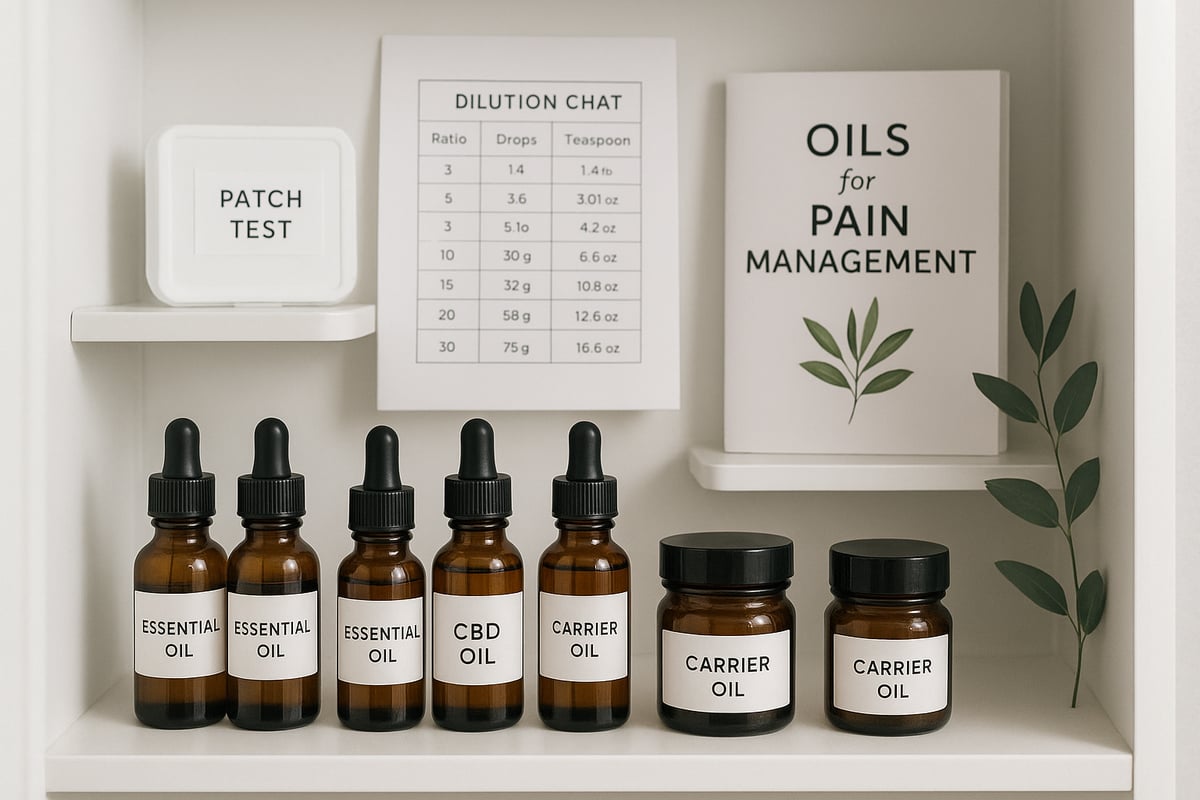
Proper safety measures are essential when using oils for pain management. Always dilute essential oils with a carrier oil before topical application to prevent skin irritation and sensitization. The standard dilution is 1% for sensitive skin and 2% for general adult use.
Perform a patch test by applying a small diluted amount to your inner forearm and waiting 24 hours to check for reactions. This simple step can help you avoid allergic responses.
Phototoxicity is a specific risk with certain oils, especially citrus varieties. Avoid sun exposure on treated skin for at least 12 hours after applying phototoxic oils.
Ingestion of oils for pain management should never be attempted without the supervision of a qualified healthcare provider. Some oils, such as wintergreen, are highly toxic even in small amounts, especially for children.
- Always keep oils out of reach of children and pets.
- Avoid applying undiluted oils directly to the skin.
- Use extra caution with the elderly, infants, and those with compromised health.
Following these guidelines helps ensure that oils for pain management remain safe and effective.
Quality, Purity, and Labeling Standards
Selecting high-quality oils for pain management is vital for safety and therapeutic value. Look for products that are certified organic, therapeutic-grade, and sourced from reputable suppliers.
Carefully read labels to verify purity claims, batch numbers, and expiration dates. The presence of third-party testing, such as gas chromatography-mass spectrometry (GC-MS), indicates verified composition and purity.
Due to regulatory gaps, many oils are marketed as cosmetics rather than drugs. Some essential oils are listed as “Generally Recognized as Safe” (GRAS) by the FDA for limited uses, but not all products meet these standards.
Store oils for pain management in cool, dark places using sealed glass containers, preferably amber or cobalt blue, to prevent oxidation.
If you want a deeper dive into quality, safety, and evidence-based use, Harvard Health on CBD for Pain provides expert insight into what to look for and how to use oils responsibly.
Drug Interactions and Contraindications
Oils for pain management can interact with medications, especially those metabolized by the cytochrome P450 enzyme system. This is particularly important for individuals on drugs with a narrow therapeutic index.
Special caution is necessary for pregnant or breastfeeding women, infants, and people with chronic health conditions. For example, peppermint oil may alter medication absorption or effect in certain populations.
Consulting a pharmacist or physician before adding oils for pain management to your regimen is always recommended. Professional guidance ensures your safety and optimizes pain relief.
Recognizing and Managing Adverse Effects
While most people tolerate oils for pain management well, side effects can occur. Common reactions include skin irritation, allergic responses, and phototoxicity.
Severe adverse effects, such as anaphylaxis or toxicity from ingestion or improper dilution, require immediate medical attention.
If you experience redness, swelling, or other unexpected symptoms, stop using the oil and wash the area with mild soap and water. Seek medical help if symptoms worsen or do not resolve.
Prompt recognition and response to adverse effects help maintain the safety and effectiveness of oils for pain management.
Expert Recommendations and Best Practices for 2026
The landscape of oils for pain management is evolving rapidly, and expert guidance is essential for safe, effective use. As 2026 approaches, integrating these solutions into comprehensive care requires a clear understanding of best practices and professional insights. Whether you are new to oils for pain management or seeking to optimize your regimen, the following expert recommendations can help you achieve better outcomes.
Integrating Oils into a Pain Management Plan
Successful use of oils for pain management begins with a stepwise approach. Experts recommend starting with low concentrations, especially if you are new to essential or CBD oils. Gradually increase the dosage only after assessing your body’s response and consulting with a healthcare provider.
Combining oils for pain management with other modalities, such as physical therapy and exercise, can enhance results. For example, applying diluted peppermint oil to the temples may complement standard treatments for tension headaches. Education is key—set realistic expectations and understand that oils for pain management are generally adjuncts, not replacements, for prescription medications.
Clinical data supports the integration of certain oils for pain management into broader care plans. For instance, studies indicate that peppermint oil can provide relief similar to acetaminophen for tension headaches. To explore how CBD oil specifically supports chronic pain, see Does CBD Oil Help with Chronic Pain.
Professional Perspectives: Pharmacists, Physicians, and Researchers
Healthcare professionals play a pivotal role in guiding the use of oils for pain management. Pharmacists can counsel patients on safe selection, proper dilution, and potential drug interactions. Physicians assess when to recommend or caution against specific oils, particularly for vulnerable groups such as pregnant women or those with complex medical histories.
Researchers continue to investigate the efficacy and safety of oils for pain management. The consensus is that these products are most effective for mild to moderate pain, especially when used under medical supervision. A 2025 survey found that pharmacists are fielding more questions about oils for pain management, reflecting growing public interest and the need for clear clinical guidelines.
CBD Hemp Oil Solutions from Reclaim Labs
Reclaim Labs is recognized for its premium, lab-tested CBD hemp oil products, specifically formulated for chronic pain and inflammation. Their range includes broad-spectrum oils, topical roll-ons, and pain relief patches, catering to diverse needs in oils for pain management.

Each product undergoes rigorous third-party testing to ensure purity and potency, supporting evidence-based formulations. Individuals with arthritis, fibromyalgia, and persistent pain have reported meaningful improvements, including reduced discomfort and greater mobility. Educational resources and guides are available to help users make informed choices about oils for pain management. Always consult your healthcare provider before starting new products.
Personalized Approaches and Patient Considerations
Personalization is at the heart of successful oils for pain management. Factors such as age, health status, pain type, and personal preferences should guide oil selection and usage. Customizing blends, like combining lavender and peppermint for migraines, can deliver synergistic effects.
Tracking outcomes through pain journals helps monitor the effectiveness of oils for pain management. Adjust protocols as needed, based on your response and any side effects. Patient satisfaction tends to rise when care is tailored, reinforcing the value of individualized approaches for oils for pain management.
Future Trends and Innovations in Oil-Based Pain Management
The landscape of oils for pain management is evolving rapidly as we approach 2026. New research, regulatory shifts, and changing consumer preferences are shaping a future where natural solutions play a bigger role in pain relief. Let's explore the innovations and trends set to define this field.
Advances in Research and Clinical Applications
Recent years have brought significant breakthroughs in understanding how oils for pain management can be used more effectively. Larger, well-controlled clinical trials are now underway, examining both essential oils and CBD formulations. For example, nanotechnology is being applied to enhance the bioavailability and targeted delivery of active compounds, making treatments more effective and consistent.
Innovative delivery systems, such as transdermal patches and nanoemulsions, are making it easier for patients to use oils for pain management with precise dosing. Digital health platforms also allow users to track their oil usage and pain levels, facilitating data-driven care. These technologies support a more personalized approach, where therapy can be adjusted based on real-time feedback.
Emerging research highlights the benefits of specific oils in targeted scenarios. A 2025 study on lavender aromatherapy showed measurable reductions in postoperative pain, pointing to the potential for non-pharmaceutical interventions. For those exploring natural options, Natural Alternatives to Prescription Medications offers a deeper look at how CBD oil and other plant-based solutions compare to standard pain medicine. As clinical evidence grows, oils for pain management are gaining acceptance as part of integrative care plans.
Regulatory Developments and Quality Assurance
As oils for pain management become more mainstream, regulatory bodies are enhancing oversight to ensure safety and efficacy. The FDA and international agencies are working to establish clearer guidelines for labeling, dosing, and product purity. New ISO standards are being introduced to set benchmarks for essential oil quality, including testing for contaminants and verifying botanical sources.
Third-party certifications are gaining traction, allowing consumers to select oils for pain management with greater confidence. These certifications verify not only the purity and potency of products but also adherence to ethical sourcing and manufacturing practices. Regulatory changes are also prompting manufacturers to improve transparency, with clearer labeling of ingredients, batch numbers, and expiration dates.
Quality assurance is further supported by advanced analytical methods, such as gas chromatography-mass spectrometry. These tools help verify the chemical composition of oils for pain management, reducing the risk of adulteration and ensuring consistency from batch to batch. As oversight strengthens, patients and practitioners can trust that the oils they use meet rigorous safety standards.
Consumer Trends and Market Growth
The demand for oils for pain management is rising globally, driven by a shift toward natural and holistic health solutions. Consumers are seeking alternatives to traditional medications, especially those with fewer side effects and a more favorable safety profile. This trend is especially prominent among individuals managing chronic pain, older adults, and wellness-focused younger generations.
Transparency and sustainability are key drivers in purchasing decisions. People want products that are not only effective but also ethically sourced and environmentally friendly. Online sales of oils for pain management, particularly CBD and essential oils, have surged in 2025, reflecting the convenience and accessibility of digital shopping. Market analysts predict continued growth as awareness and acceptance increase.
Integrative and Holistic Pain Management Models
A holistic approach is becoming standard practice in pain clinics and wellness centers. Oils for pain management are now often combined with other therapies, such as physical therapy, mindfulness, and nutrition counseling. Interdisciplinary teams collaborate to create comprehensive care plans that address both physical and emotional aspects of pain.
Patient education is central to these integrative models. Individuals learn how to use oils for pain management safely and effectively, often participating in shared decision-making with their care teams. Some clinics have introduced pain management programs that include aromatherapy, topical CBD, and guided relaxation techniques, offering patients multiple tools for relief.
Personalization is a growing focus. By tracking outcomes with pain journals and digital apps, patients and providers can adjust oil blends and application methods to maximize benefits. The future of oils for pain management lies in these tailored, evidence-based regimens that empower individuals to take control of their health.
As you’ve learned, navigating pain management in 2026 means having access to trusted, science-backed solutions that fit your unique needs. If you’re ready to explore safe, effective CBD hemp oil products designed to support relief from chronic pain and inflammation, Reclaim Labs offers quality you can count on. Their third party tested formulas emphasize transparency and customer satisfaction, so you can feel confident in every step of your wellness journey. Take the next step toward feeling better and regaining your daily comfort—Get Relief Now!