Millions of people worldwide are searching for natural relief as the demand for osteoarthritis oil solutions continues to grow. With 2026 bringing exciting advances in plant-based therapies, individuals now have more options than ever for managing joint pain.
This comprehensive guide will explore the latest science-backed oils, including how they work, their effectiveness, and practical tips for optimal joint health. You will discover how osteoarthritis affects the body, the unique benefits of natural oils such as krill and hemp, and how to choose the right product for your needs.
Stay informed about emerging breakthroughs and learn actionable steps to find lasting relief beyond traditional medications.
Understanding Osteoarthritis and the Need for Natural Relief
Osteoarthritis is the most common form of arthritis, impacting over 200 million people worldwide. As populations age, osteoarthritis becomes a leading cause of disability, especially among the elderly. The condition involves the gradual breakdown of cartilage, the tissue that cushions the ends of bones in joints. Without healthy cartilage, bones rub together, causing pain and reduced mobility. The need for effective osteoarthritis oil solutions has never been greater.

Osteoarthritis: Symptoms and Treatment Limitations
Osteoarthritis typically presents with:
- Persistent joint pain
- Swelling and stiffness, especially after periods of inactivity
- Loss of flexibility
- Gradual cartilage degradation
Standard treatments include NSAIDs, corticosteroid injections, and physical therapy. However, NSAIDs and steroids can cause gastrointestinal, cardiovascular, and dependency issues when used long-term. Many patients experience only partial relief, or develop side effects that limit their use. This creates a gap in care, where alternatives like osteoarthritis oil are being explored for safer symptom management.
The Demand for Natural, Non-Invasive Alternatives
The limitations of conventional medicines have driven a surge in interest toward natural, non-invasive relief options. People want solutions that support joint health without introducing new risks. Central to joint function is synovial fluid, which lubricates and nourishes cartilage. When synovial fluid is depleted or cartilage is damaged, movement becomes painful and joints lose their smooth glide. Here, osteoarthritis oil therapies offer a promising avenue, as they aim to mimic or support natural joint lubrication.
How Osteoarthritis Oil Supports Joint Health
Natural oils and lubricants are designed to supplement or replicate the function of synovial fluid. The best osteoarthritis oil formulations can reduce friction, ease pain, and potentially slow the progression of cartilage loss. Recent research, such as Boston University’s synthetic synovial fluid studies, has inspired new plant-based and marine-derived oils for joint support. For those seeking an evidence-based natural approach, options like CBD oil and hemp oil for osteoarthritis are gaining recognition for their multi-modal benefits. Ultimately, the right osteoarthritis oil can offer relief while supporting long-term joint health.
How Osteoarthritis Oils Work: Mechanisms and Benefits
Millions worldwide seek effective, lasting relief from osteoarthritis symptoms. Understanding the science behind osteoarthritis oil is crucial for making informed choices. Natural oils work through several mechanisms, each targeting core issues in joint health.
Lubrication and Cartilage Protection
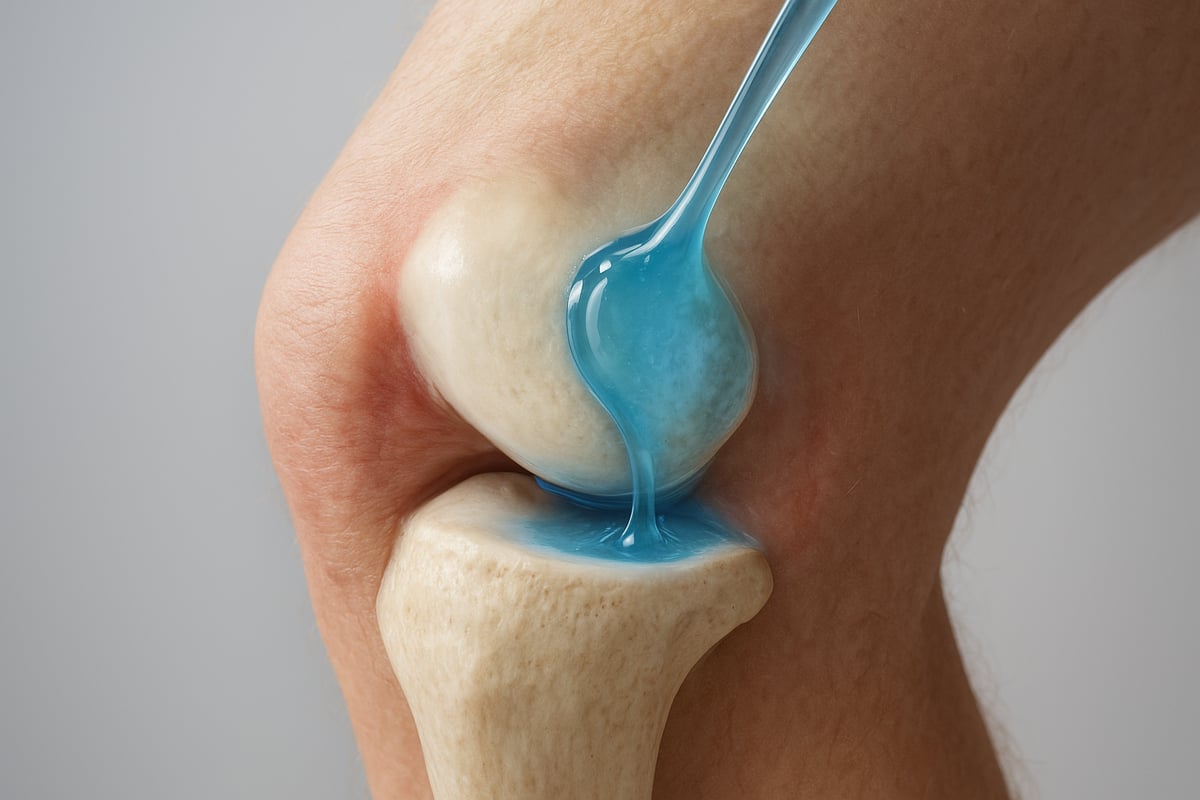
Lubrication is a vital function of osteoarthritis oil. Healthy joints rely on synovial fluid to minimize friction and support smooth movement. As osteoarthritis progresses, natural lubrication declines, exposing cartilage to increased wear.
Osteoarthritis oil supplements or mimics synovial fluid, creating a protective layer on cartilage surfaces. This reduces bone-on-bone contact, lessens abrasion, and slows cartilage breakdown. Large molecular weight oils, such as certain biopolymers, persist longer in the joint than traditional supplements, maintaining effective lubrication for weeks rather than days.
Key benefits of lubrication:
- Reduces joint friction
- Shields cartilage from further damage
- Supports smoother, more comfortable movement
Innovative research shows that synthetic polymers and advanced oils can lower cartilage friction significantly better than standard glucosamine or chondroitin. By enhancing lubrication, osteoarthritis oil may help slow the progression of joint degeneration.
Anti-Inflammatory and Pain-Relief Properties
Beyond lubrication, many types of osteoarthritis oil contain powerful natural anti-inflammatory compounds. Omega-3 fatty acids, cannabinoids, and terpenes are active ingredients that target inflammation at the source.
These compounds work by inhibiting inflammatory pathways and decreasing the production of cytokines, which are key drivers of swelling and pain. As inflammation subsides, pain and stiffness diminish, leading to improved joint function and mobility.
Clinical evidence supports these effects. For example, a Krill oil for knee osteoarthritis: JAMA study in 2024 demonstrated that krill oil supplementation reduced knee pain and improved function over 24 weeks. Participants reported noticeable relief compared to those taking a placebo, highlighting the multi-modal action of osteoarthritis oil.
Comparing oils to conventional options:
| Treatment | Inflammation Control | Pain Relief | Side Effects |
|---|---|---|---|
| Osteoarthritis oil | Yes | Yes | Mild, rare |
| NSAIDs | Yes | Yes | GI, cardiac |
| Steroids | Yes | Yes | Long-term risks |
Osteoarthritis oil offers similar pain reduction to NSAIDs but with a much lower risk of serious side effects. The combination of lubrication and inflammation control makes these oils a comprehensive solution for joint health.
Safety and Side Effect Profile
A major advantage of osteoarthritis oil is its favorable safety profile. Most oils, whether taken orally or applied topically, produce few side effects when used as directed.
Common mild effects include temporary digestive upset for oral oils or skin irritation for topical forms. Unlike pharmaceuticals, osteoarthritis oil rarely leads to gastrointestinal, cardiovascular, or dependency issues.
Safety tips:
- Choose third-party lab-tested oils to ensure purity and potency
- Review Certificates of Analysis before purchasing
- Start with a small dose to check for sensitivity
The strong safety record of osteoarthritis oil supports its use for daily, long-term relief. This makes it a sustainable part of any joint care routine.
Top Osteoarthritis Oils for 2026: Science-Backed Options
Exploring the world of osteoarthritis oil solutions reveals a rapidly evolving landscape for 2026. With clinical research and innovations accelerating, patients have more choices than ever. Below, we break down the top options, their mechanisms, evidence, and practical considerations.

Krill Oil: Clinical Evidence and Omega-3 Benefits
Krill oil has emerged as a leading osteoarthritis oil due to its rich concentration of omega-3 fatty acids, phospholipids, and astaxanthin. Its unique composition allows for superior absorption and targeted joint support.
Recent clinical trials, such as the Krill oil's impact on knee osteoarthritis, have shown that krill oil significantly reduces knee pain and improves joint function over a 24-week period. The anti-inflammatory and antioxidant properties of this osteoarthritis oil help reduce cytokine activity and oxidative stress, fostering better cartilage health.
Krill oil is typically available in capsule or liquid form. Most people tolerate it well, though mild digestive upset may occur in rare cases. Compared to traditional fish oil, krill oil's large molecular structure remains longer in the joint, supporting extended lubrication and comfort.
For those seeking a science-backed osteoarthritis oil, krill oil stands out as an evidence-based choice.
CBD & Hemp Oil: The Endocannabinoid Approach
CBD and hemp oil have gained traction as holistic osteoarthritis oil solutions, offering relief through modulation of the endocannabinoid system. Both full-spectrum and broad-spectrum CBD oils are being used to target pain and inflammation in osteoarthritis.
These oils work by interacting with cannabinoid receptors, reducing inflammatory markers and possibly providing cartilage-protective effects. Preclinical and clinical studies support the use of this osteoarthritis oil for joint pain, stiffness, and improved mobility. Applications include oral drops, topical roll-ons, and pain relief patches, giving users flexibility.
CBD hemp oil is non-psychoactive, containing less than 0.3 percent THC, and is generally well-tolerated. Regulatory standards continue to improve, but quality varies, making third-party lab testing crucial. Many arthritis communities share positive testimonials regarding this osteoarthritis oil, citing reduced pain and enhanced daily function.
Overall, CBD hemp oil offers a comprehensive and natural approach for those managing osteoarthritis symptoms.
Fish Oil: Traditional Choice with Modern Evidence
Fish oil remains a classic osteoarthritis oil option, valued for its high omega-3 content and anti-inflammatory effects. This supplement can reduce inflammation and may help slow cartilage breakdown in osteoarthritis.
Meta-analyses suggest that fish oil provides modest improvements in pain and joint function. While krill oil may offer better absorption and potency, fish oil is accessible and affordable for many. Typical dosing ranges from one to three grams of EPA and DHA daily.
Some users may notice a fishy aftertaste or mild gastrointestinal upset, but overall, fish oil is a safe and reliable osteoarthritis oil for ongoing support.
Essential Oils: Topical Relief and Aromatherapy
Essential oils are increasingly recognized as a supportive osteoarthritis oil for localized relief. Popular options include eucalyptus, lavender, peppermint, and ginger oils, each with unique anti-inflammatory and analgesic effects.
These oils are commonly applied through massage, compresses, or bath soaks. Small studies indicate that using this type of osteoarthritis oil can lower pain scores and enhance mobility, especially in hand or knee osteoarthritis. Eucalyptus oil, for example, has demonstrated meaningful pain reduction in affected joints.
Safety is important: always dilute essential oils before topical use and perform a patch test to avoid irritation. As an adjunct therapy, essential oils offer targeted, non-systemic relief that complements other osteoarthritis oil treatments.
Emerging Oils and Future Innovations
The future of osteoarthritis oil therapy is bright, with several innovative options on the horizon. Synthetic biopolymers are being developed to mimic natural synovial fluid, providing longer-lasting joint lubrication. Plant-derived polysaccharide oils show promise for cartilage protection, while combination formulations blend omega-3s, cannabinoids, and antioxidants for enhanced results.
Ongoing clinical trials in 2026 will refine the efficacy and duration of these next-generation osteoarthritis oil products. As research evolves, emerging oils are expected to deliver superior outcomes for joint health and comfort.
Selecting the Right Osteoarthritis Oil: Criteria and Considerations
Choosing the best osteoarthritis oil can feel overwhelming with so many options available. To maximize relief and safety, it is essential to consider several key factors before making a decision. By focusing on quality, delivery method, dosing, and cost, you can select a solution that fits your needs and lifestyle.
Purity, Potency, and Third-Party Testing
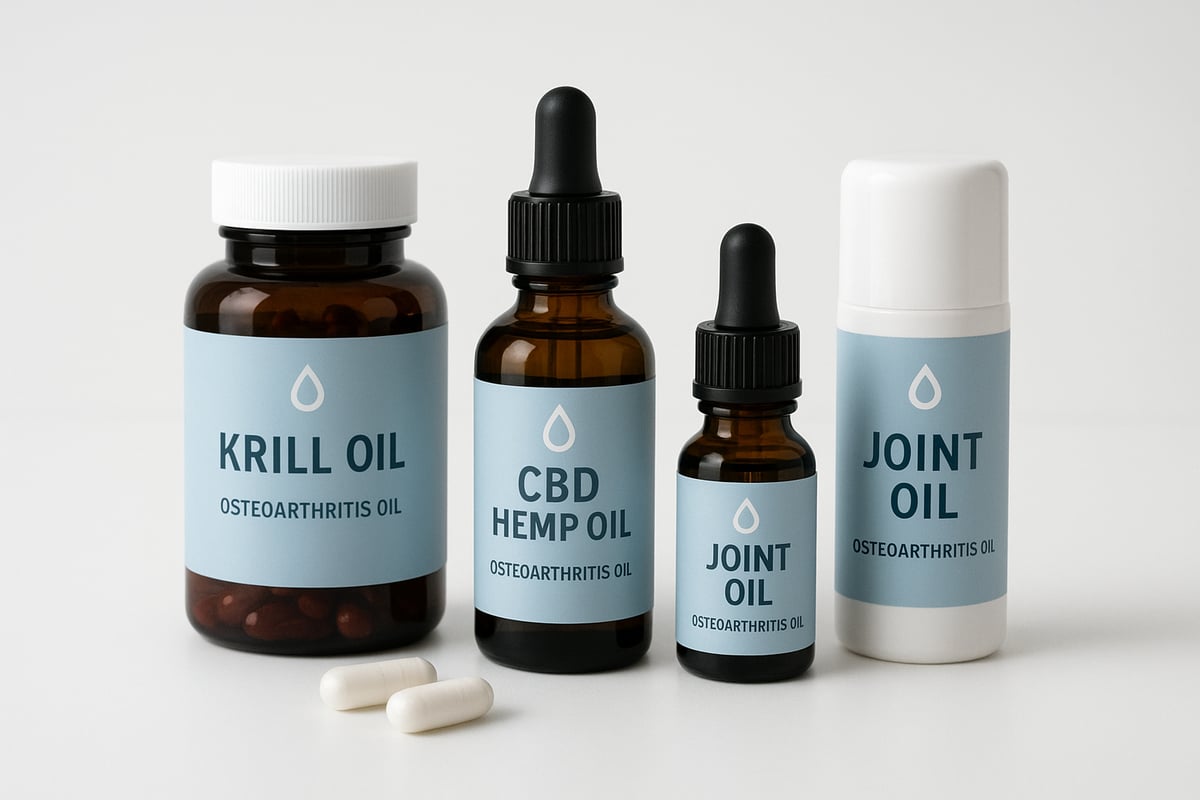
The foundation of any effective osteoarthritis oil is its quality. Always look for products that have undergone rigorous third-party lab testing. These tests confirm that the oil is free from contaminants such as heavy metals, pesticides, and synthetic additives.
Reputable brands will publish Certificates of Analysis (COA) to verify the levels of active ingredients like omega-3s or cannabinoids. Transparency in labeling and sourcing is crucial for both safety and efficacy. Avoid products with unverified claims or hidden fillers.
For those exploring CBD-based options, reading reviews and consulting resources like the Best CBD for osteoarthritis can further guide your selection process. Quality assurance not only minimizes risks but also helps ensure that your osteoarthritis oil will deliver the intended benefits.
Delivery Method: Oral vs. Topical vs. Injectable
How you use your osteoarthritis oil can greatly influence its effectiveness. Oral oils, such as krill or fish oil capsules, provide systemic anti-inflammatory benefits and are convenient for daily routines. Topical oils and roll-ons target specific joints, offering quick, localized relief where you need it most.
Injectable oils, including synthetic synovial fluids, are administered by healthcare professionals and can provide longer-lasting joint lubrication. Each method comes with its own pros and cons. Oral oils are easy to use but may take time to show effects, while topicals offer rapid relief for surface joints. Injectables, though effective, require medical supervision and are less accessible.
Consider your symptoms, severity, and personal preferences when choosing the delivery method for your osteoarthritis oil. Discuss these options with your healthcare provider for tailored recommendations.
Dosage, Frequency, and Duration
Finding the right dose is essential for achieving optimal results with any osteoarthritis oil. Typical dosages vary: krill oil often ranges from 500 mg to 2 grams daily, fish oil from 1 to 3 grams EPA/DHA, and CBD oils may start at 10-25 mg per day. Consistency is key, as benefits tend to accumulate over several weeks.
Most clinical studies report noticeable improvements within 4 to 24 weeks of regular use. Keep a journal or use an app to track your pain, mobility, and any side effects. Adjust the dosage gradually, under medical guidance, to balance effectiveness and safety.
Personalization is important. Your ideal osteoarthritis oil regimen may differ from someone else’s, so be patient and attentive to your body’s response.
Cost, Accessibility, and Insurance Coverage
The price of osteoarthritis oil products can vary widely based on the type, brand, and formulation. Premium krill or CBD oils may be more expensive than traditional fish oil or essential oils. Always compare the cost per serving and evaluate the value in terms of proven benefits.
Most oils are available online, in health stores, or at pharmacies. While supplements are rarely covered by insurance, some injectable treatments may be eligible under certain health plans. Plan for the long term, as ongoing use may be necessary for sustained relief.
Weigh both accessibility and budget against the efficacy and safety of your chosen osteoarthritis oil. Making an informed investment can lead to better outcomes and more consistent relief.
[CBD Hemp Oil for Osteoarthritis Relief: The Reclaim Labs Approach] (https://reclaimlabs.com)
Finding effective osteoarthritis oil solutions is vital for those coping with joint pain. Reclaim Labs stands out as a leader in premium CBD hemp oil products specifically designed to support chronic pain and inflammation, with a special focus on osteoarthritis oil relief.
Their product range includes broad-spectrum hemp oil tinctures, advanced nano CBD roll-on sticks, and discreet pain relief patches. Each formulation is developed by a chronic pain sufferer, ensuring that scientific research and real-world experience shape every product.
Quality is central to Reclaim Labs. All osteoarthritis oil products are third-party lab tested, with Certificates of Analysis available for full transparency. Every batch meets legal THC requirements, so users can trust both the safety and potency of these solutions.
Customers benefit from a satisfaction guarantee and free shipping, making it easy to try their offerings with confidence. Positive testimonials from arthritis and chronic pain communities further highlight the company’s commitment to effective relief.
For those seeking a reliable, science-backed alternative, Reclaim Labs provides oils and patches that target both systemic and localized osteoarthritis oil symptoms. To learn more about how their CBD hemp oil supports pain relief, visit their comprehensive guide on CBD hemp oil benefits for pain.
Step-by-Step Guide: Using Osteoarthritis Oils Safely and Effectively
Finding relief with osteoarthritis oil is a journey that works best when you approach it methodically. This step-by-step guide empowers you to use osteoarthritis oil confidently, maximizing safety and results. By following these five essential steps, you can personalize your routine, avoid common pitfalls, and ensure the most benefit from your chosen osteoarthritis oil.
Step 1: Consult with Your Healthcare Provider
Before starting any osteoarthritis oil, schedule a visit with your healthcare provider. They can confirm your diagnosis, review your medical history, and assess how osteoarthritis oil might interact with your current medications. For example, if you take anticoagulants, some oils may not be suitable.
Your provider can also help you choose between oral, topical, or even injectable forms based on your specific symptoms and lifestyle. Professional guidance ensures you avoid unnecessary risks and start your osteoarthritis oil journey on the right foot.
Step 2: Choose the Right Oil and Formulation
Selecting the best osteoarthritis oil depends on your needs, preferences, and goals. Do you want whole-body support or targeted relief? Krill oil, fish oil, and CBD hemp oil each offer unique benefits. Always look for products with third-party lab testing and clear ingredient labels.
Consider reviewing clinical evidence, such as recent CBD oil in osteoarthritis treatment studies, to inform your choice. Evaluating purity, potency, and delivery method can help you find the osteoarthritis oil that fits your lifestyle and expectations.
Step 3: Start with Recommended Dosage and Monitor Response
Begin using osteoarthritis oil at the lowest recommended dose, whether oral capsules or topical applications. Gradually increase only if needed, and always follow product or provider guidance. Keep a daily journal or use a tracking app to note changes in pain, stiffness, or side effects.
Monitoring your response helps you recognize benefits and catch any issues early. Consistency is key, as many osteoarthritis oil options require several weeks to reveal their full effect. Adjust your approach as needed, and never hesitate to ask your provider for advice.
Step 4: Incorporate Oils into a Holistic OA Management Plan
Osteoarthritis oil works best as part of a comprehensive care plan. Pair it with exercise, physical therapy, weight management, and a balanced diet for optimal results. Topical oils can be used before or after activity to enhance comfort and mobility.
For additional tips, consider exploring Arthritis management strategies to complement your regimen. Remember, effective osteoarthritis oil use is just one piece of your larger wellness puzzle.
Step 5: Reassess and Adjust as Needed
Check in with your healthcare provider regularly to evaluate your progress with osteoarthritis oil. Be open to adjusting the type, dose, or delivery form if your needs change or new research emerges.
Periodic lab tests may be recommended to monitor long-term safety, especially if you use osteoarthritis oil daily. Stay informed about new products and innovations, and remain flexible in your approach. Continuous reassessment ensures your osteoarthritis oil routine supports your joint health for years to come.
The Future of Osteoarthritis Oil Therapy: Trends and Innovations for 2026
The field of osteoarthritis oil therapy is on the verge of rapid transformation as we look toward 2026. Recent advancements are paving the way for more personalized, effective, and safer solutions for those living with osteoarthritis.
Personalized and Precision Osteoarthritis Oil Blends
Personalization is becoming central to osteoarthritis oil therapy. Companies are now developing blends tailored to individual genetic profiles, inflammation markers, and lifestyle factors. This approach aims to maximize relief by matching each patient with the ideal combination of ingredients.
For example, some emerging products analyze your DNA and daily habits to recommend the most effective osteoarthritis oil formulation. This level of customization could redefine how patients experience joint care.
Advanced Delivery Systems: Nano-Emulsions and Smart Patches
New delivery methods are making osteoarthritis oil therapy more efficient and longer-lasting. Nano-emulsions increase absorption rates and bioavailability, ensuring active ingredients reach affected joints faster.
Extended-release patches and smart injectables are also gaining traction. These innovations allow for steady, controlled dosing, reducing the need for frequent applications. As a result, users can expect more consistent pain relief and less fluctuation in symptom control from their osteoarthritis oil.
AI Integration and Wearable Technology
Artificial intelligence is now being used to track symptoms and optimize dosing schedules for osteoarthritis oil users. Wearable devices monitor movement, pain levels, and response to treatment in real time.
This data-driven approach allows for ongoing adjustments, ensuring therapy remains effective as your needs change. Custom alerts can remind users when to apply their osteoarthritis oil or when to consult a healthcare provider.
Ongoing Clinical Trials and Evidence-Based Innovations
Large-scale clinical trials are underway for krill, hemp, and synthetic oils, offering hope for even better outcomes. For those interested in the potential of cannabinoids, recent studies support the therapeutic effects of non-euphorigenic cannabis extracts in osteoarthritis, highlighting the promise of CBD and CBG oils for pain and disease progression.
These trials aim to confirm safety, efficacy, and long-term benefits of next-generation osteoarthritis oil products, guiding future recommendations.
Regulatory Evolution and Consumer Protections
As the market for osteoarthritis oil grows, regulatory bodies are updating guidelines to ensure product purity and consumer safety. There is a stronger emphasis on third-party testing, accurate labeling, and transparency.
Consumers should look for clear Certificates of Analysis and stay informed about changing regulations. These measures help build trust and protect users as new oils enter the market.
Integrating Natural Oils with Traditional Medicine
Healthcare providers are increasingly open to combining osteoarthritis oil therapy with established medical treatments. This integrative approach leverages the strengths of both natural remedies and pharmaceuticals, providing more comprehensive care.
Patients can benefit from collaborative treatment plans that address pain, inflammation, and joint function holistically.
The Road Ahead: Synthetic Synovial Fluids and Beyond
Looking forward, synthetic synovial fluid polymers are showing great promise in clinical trials. These innovations are designed to mimic natural joint lubrication and remain active for longer periods, offering improved protection against cartilage wear.
Here is a summary of key innovations shaping the future of osteoarthritis oil therapy:
| Innovation Area | Key Advancement | Expected Benefit |
|---|---|---|
| Personalization | DNA-based oil blends | Higher efficacy |
| Nano-Delivery | Nano-emulsions, smart patches | Better absorption, convenience |
| AI Integration | Wearable symptom trackers | Optimized dosing, monitoring |
| Clinical Trials | Krill, hemp, synthetic oils | Evidence-based recommendations |
| Regulation | Stricter standards, COA requirements | Increased safety, transparency |
The next decade holds remarkable promise for osteoarthritis oil therapy. With these trends and innovations, patients can look forward to safer, more effective, and individualized solutions for lasting joint health.
As you’ve discovered, finding real relief from osteoarthritis is possible when you have access to natural, science-backed solutions like premium CBD hemp oil. Reclaim Labs stands out for their commitment to transparency, safety, and customer care, offering products that are rigorously tested and tailored for those managing joint pain and inflammation. If you’re ready to explore effective, dependable alternatives—whether you’re interested in broad-spectrum oils or convenient roll-ons—you don’t have to wait. Take the next step toward better joint health and see what trusted, natural relief can do for you.
Get Relief Now!