Severe pain is becoming an increasingly common challenge for millions in 2026, making effective relief more urgent than ever. This guide is designed to help you navigate the latest pain pills for severe pain, taking into account recent advances in pharmaceuticals and evolving patient needs. We will explore seven essential options, each with unique benefits tailored to specific pain scenarios. Whether you are managing chronic conditions, recovering from surgery, or addressing acute pain, understanding your choices is crucial. Start your journey here to discover which solution may offer the comfort and control you deserve.
Understanding Severe Pain in 2026
Severe pain is a complex challenge that affects millions worldwide in 2026, demanding thoughtful solutions. It can be classified as acute, such as pain from injury or surgery, or chronic, where discomfort persists for months or years. Common sources include trauma, cancer, arthritis, and neuropathic disorders. For many, finding effective pain pills for severe pain remains a top priority as they navigate daily life.
The impact of severe pain extends far beyond physical discomfort. It can disrupt sleep, diminish energy, and limit mobility. Many individuals find their work productivity drops, relationships strain, and mental health suffers as anxiety or depression sets in. Managing these ripple effects is just as important as treating the pain itself, which is why pain pills for severe pain are often part of a broader care plan.
Recent data highlight the widespread nature of this issue. According to the Chronic Pain Among Adults — United States, 2019–2021, nearly 21% of U.S. adults reported chronic pain, with a significant portion experiencing severe or disabling symptoms. Globally, conditions like osteoarthritis and cancer continue to drive the demand for pain pills for severe pain, underscoring the need for accessible and effective treatments.
Pain management protocols have evolved in response to the opioid crisis and tighter regulations. Healthcare providers now emphasize a balanced approach, weighing efficacy, safety, and the potential for dependency. Patients expect more personalized care, with medications tailored to individual needs and risk profiles. Technology plays a growing role, as telemedicine and digital pain assessment tools make it easier to monitor symptoms and adjust pain pills for severe pain without frequent in-person visits.
Real-world stories illustrate the ongoing struggle. A patient recovering from spinal surgery may rely on a combination of prescription medications and non-opioid alternatives, while someone with advanced cancer might need stronger interventions. These diverse experiences highlight the importance of individualized pain management, where the right pain pills for severe pain can transform quality of life.
Key Considerations When Choosing Pain Pills
Selecting the right pain pills for severe pain in 2026 has become a nuanced process. With a wider array of medications and evolving patient needs, making informed decisions is more important than ever. Understanding the factors that influence your options can help you navigate the landscape and find effective relief.
Efficacy and Speed of Relief
The primary goal when evaluating pain pills for severe pain is rapid and substantial pain reduction. Some medications, like hydromorphone, act quickly for acute crises, while others, such as oxycodone extended-release, provide steady relief for chronic conditions. Efficacy can depend on the pain type—neuropathic, inflammatory, or musculoskeletal. Discussing how fast you need relief and how long it should last is crucial in the selection process.
Safety Profile and Side Effects
Safety is a top priority with pain pills for severe pain. Opioids carry a risk of dependency, respiratory depression, and constipation, whereas non-opioid alternatives may have gastrointestinal or cardiovascular risks. Drug interactions, especially in patients taking multiple medications, must be considered. Reviewing side effect profiles and understanding the potential for addiction or misuse is a vital step.
Regulatory Status and Prescription Requirements
In 2026, regulations for pain pills for severe pain have tightened due to the opioid crisis. Many potent analgesics require special prescriptions, ongoing monitoring, and risk evaluation strategies. Non-opioid options are more readily accessible, though some newer drugs may still need authorization. Always verify the legal and regulatory status of any medication you are prescribed.
Patient-Specific Factors
Personal health history shapes the best choice of pain pills for severe pain. Age, kidney or liver function, allergies, prior medication responses, and comorbidities all influence safety and effectiveness. For example, older adults may need lower doses or different medications. A comprehensive review of your medical background with your provider is essential.
Non-Opioid Alternatives and Multimodal Approaches
With growing emphasis on safety, non-opioid alternatives and integrative strategies are increasingly recommended. These include NSAIDs, anticonvulsants, and cannabinoid-based products. Exploring options such as CBD oil benefits for pain can be valuable for patients seeking effective relief with fewer side effects. Multimodal plans, combining medications with physical therapy or behavioral support, often yield better outcomes.
Cost and Insurance Coverage
Affordability is a practical concern. Insurance coverage for pain pills for severe pain varies in 2026, with some newer or branded drugs requiring higher out-of-pocket costs. Generic and non-opioid medications may offer budget-friendly alternatives. Discuss financial considerations with your provider and pharmacist to avoid unexpected expenses.
Real-World Scenarios and Decision-Making
Imagine a middle-aged patient with severe post-surgical pain who cannot tolerate opioids due to past side effects. Their care team might prioritize non-opioid medications and supplement with physical therapy. Another patient with cancer pain may benefit most from a potent opioid under close supervision. These scenarios highlight the importance of a personalized, collaborative approach.
Ultimately, choosing pain pills for severe pain requires balancing efficacy, safety, personal health factors, and cost. Always consult a healthcare professional before starting or changing any medication regimen.
7 Essential Pain Pills for Severe Pain Relief in 2026
Choosing the right pain pills for severe pain can feel overwhelming, especially with new pharmaceuticals and evolving patient needs in 2026. This curated guide highlights seven of the most essential options, each selected for their effectiveness, safety, and innovation. Whether you are a patient, caregiver, or healthcare professional, understanding these pain pills for severe pain helps you make informed decisions for optimal relief.
Oxycodone Extended-Release (OxyContin)
Oxycodone Extended-Release, commonly known as OxyContin, remains a cornerstone among pain pills for severe pain in 2026. Its extended-release formulation provides consistent relief for individuals suffering from chronic conditions, including cancer pain, post-surgical discomfort, and severe musculoskeletal injuries.
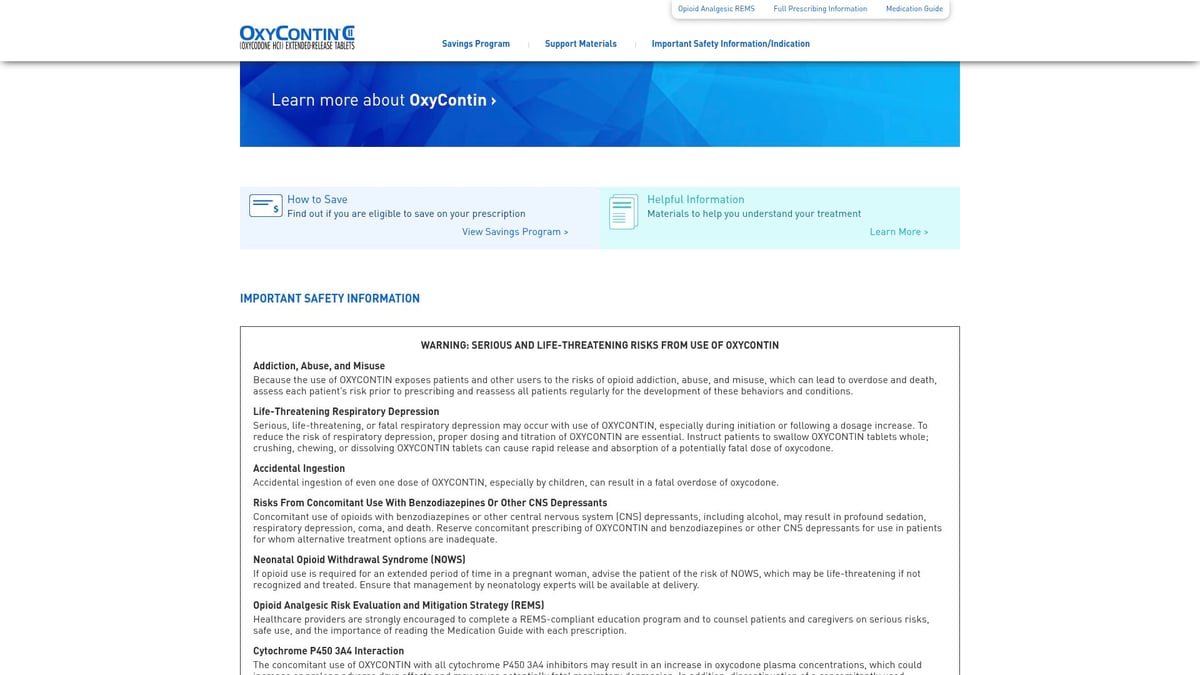
The 2026 market price for a monthly prescription averages $600–$900 before insurance. Many insurance plans now require step therapy, but coverage is generally available for patients with documented need. OxyContin's updated abuse-deterrent formulation reduces misuse risks, a crucial advancement given ongoing regulatory scrutiny.
Key strengths include its potent opioid effect and predictable long-term dosing, which can be life-changing for patients unresponsive to other pain pills for severe pain. However, the risk of addiction, constipation, and respiratory depression remains significant, leading to strict prescribing protocols.
Clinical trials from 2024–2026 show OxyContin provides a 60–80% reduction in reported pain scores for advanced cancer patients. Patient testimonials often cite improved sleep and daily function, though some note ongoing challenges with side effects.
Choosing OxyContin means balancing efficacy with the potential for dependency, making consultation with a pain specialist essential. For many, it remains one of the most reliable pain pills for severe pain.
Tapentadol (Nucynta ER)
Tapentadol, marketed as Nucynta ER, is gaining recognition as a modern choice among pain pills for severe pain, especially for neuropathic and musculoskeletal conditions. Its dual mechanism—acting both as an opioid receptor agonist and norepinephrine reuptake inhibitor—sets it apart from traditional opioids.

In 2026, a typical monthly supply costs around $550–$800, with most commercial insurers offering partial coverage under prior authorization. Nucynta ER’s extended-release design ensures steady pain control with fewer gastrointestinal side effects, such as constipation, compared to older opioids.
What makes it unique among pain pills for severe pain is its lower abuse potential, as confirmed by recent studies and real-world usage in pain clinics. It is particularly suitable for adults with neuropathic pain, like diabetic neuropathy or severe back pain, who have not responded to first-line therapies.
Pros include a dual mechanism that addresses both nociceptive and neuropathic pain, less risk of serotonin syndrome, and improved tolerability. However, there is still a risk of dependence, and it may not suit patients with certain health conditions.
Clinical outcomes published in 2025 report significant improvement in pain and quality of life for patients switching to Nucynta ER. This makes it a compelling option within the landscape of pain pills for severe pain.
Hydromorphone (Dilaudid)
Hydromorphone, or Dilaudid, is one of the most potent pain pills for severe pain, reserved primarily for acute situations such as post-surgical recovery, trauma, or advanced cancer pain. Its rapid onset and multiple formulations (oral, intravenous, injectable) make it a staple in hospital settings.
By 2026, the average price for a standard inpatient dose is $40–$90, with costs typically covered by hospital billing or insurance. Outpatient prescriptions are tightly regulated, reflecting its high potency and risk of misuse.
The primary benefit of Dilaudid among pain pills for severe pain is fast, reliable relief when seconds matter. Hospital protocols often use it for acute pain crises, with careful monitoring for respiratory depression and sedation.
Pros include a predictable response and rapid action, critical for patients in severe distress. Cons involve a high risk of overdose, dependency, and the need for intensive monitoring. Only pain management specialists or hospital teams should prescribe Dilaudid.
Case studies show that Dilaudid can turn a pain score of 9/10 to 3/10 within minutes for trauma patients. For those who need immediate relief, it remains one of the most effective pain pills for severe pain available.
Celecoxib (Celebrex)
Celecoxib, widely known by its brand name Celebrex, is a selective COX-2 inhibitor and a leading non-opioid option among pain pills for severe pain, particularly for inflammatory conditions like arthritis or after orthopedic surgery. Its ability to reduce inflammation while minimizing gastrointestinal side effects sets it apart from traditional NSAIDs.

Generic versions have brought the monthly cost down to $30–$60, making it accessible for most patients. Insurance coverage is broad, especially for chronic conditions such as osteoarthritis, a major source of severe pain around the world. For more information, see the Osteoarthritis Fact Sheet.
Celecoxib is prized among pain pills for severe pain for its non-addictive profile and suitability for long-term use. However, patients with cardiovascular risk factors must use caution, as COX-2 inhibitors can increase the risk of heart events.
Clinical trials consistently show significant pain reduction and improved mobility for arthritis sufferers. Patient stories highlight the ability to return to daily activities without the fog or dependency risks of opioids, making Celecoxib a preferred option for many seeking effective pain pills for severe pain.
Methadone
Methadone has a unique place among pain pills for severe pain, offering both opioid agonist and NMDA receptor antagonist activity. This makes it especially valuable for patients with complex pain syndromes or established opioid tolerance.
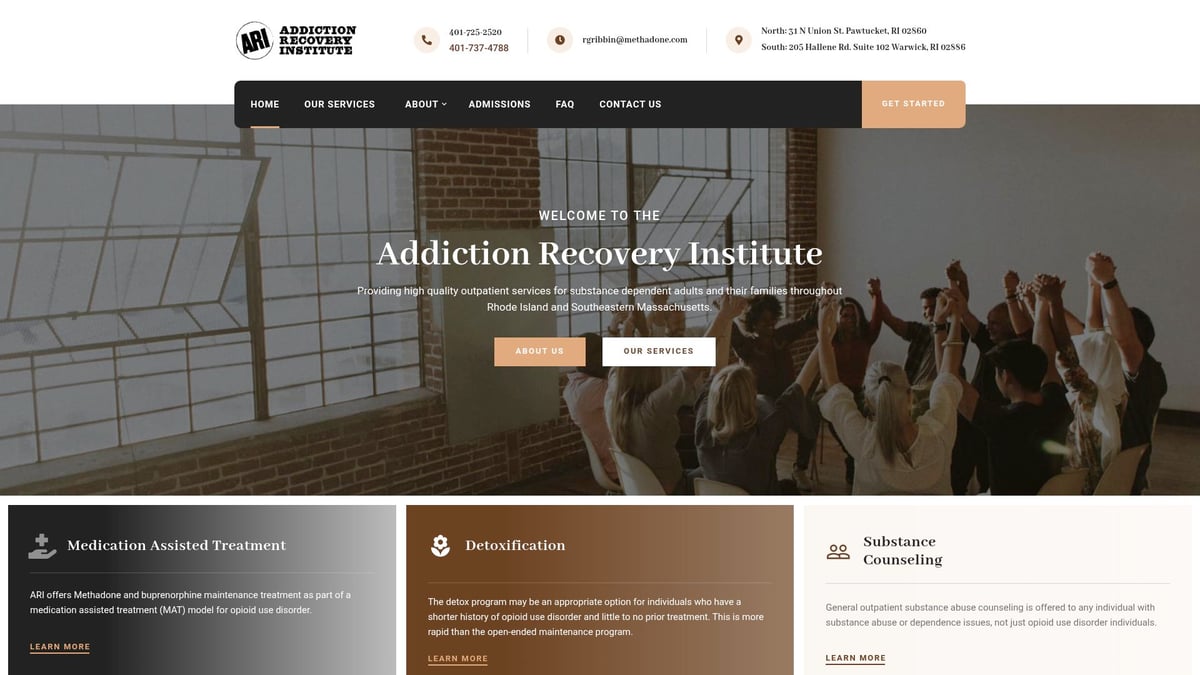
In 2026, methadone is available primarily through specialty pain clinics, with monthly costs ranging from $100–$250. Insurance coverage is common for pain management, though more closely monitored than other medications.
Methadone’s long duration of action is a key advantage, providing stable relief for severe, chronic pain, including neuropathic pain. It is also integral for patients transitioning from high-dose opioids or those with a history of opioid dependence.
Despite its strengths, methadone requires careful dosing and cardiac monitoring due to the risk of QT prolongation and arrhythmias. Pain specialists often employ individualized protocols for safe administration.
Case studies from multidisciplinary pain centers show methadone can achieve lasting relief where other pain pills for severe pain have failed. Its use is growing in specialized settings as part of a tailored pain management strategy, particularly for those with challenging pain profiles.
Reclaim Labs Broad Spectrum Hemp Extract Oil (2800mg)
Reclaim Labs Broad Spectrum Hemp Extract Oil stands out as a leading non-opioid alternative in the landscape of pain pills for severe pain. This high-potency CBD oil, priced at $79 (regular $95) with a 10% discount for new subscribers, is formulated with organic MCT oil and is third-party lab tested for purity.

Developed by a chronic pain survivor, this product leverages a science-backed blend of broad-spectrum cannabinoids to maximize the entourage effect. It is especially popular among adults with chronic pain from arthritis, fibromyalgia, or autoimmune conditions, who seek natural options beyond traditional pain pills for severe pain.
Key benefits include non-psychoactive relief, legal status, and minimal side effects. Customers praise its impact on daily pain levels and quality of life, citing noticeable improvements in mobility and sleep. While it may not act as quickly as prescription opioids and is less suitable for acute trauma, its reputation for safety and customer support is strong.
For readers interested in how CBD oil can support chronic pain management, explore Does CBD oil help with chronic pain relief. As more clinical studies validate the role of cannabinoids, products like this are becoming a mainstay among pain pills for severe pain.
Gabapentin (Neurontin)
Gabapentin, also known as Neurontin, plays a crucial role among pain pills for severe pain, particularly for those dealing with neuropathic pain, fibromyalgia, or post-herpetic neuralgia. Originally developed as an anticonvulsant, its off-label use in pain management has expanded significantly.
In 2026, gabapentin is widely available as a generic, with monthly costs as low as $15–$40. Insurance coverage is broad, and regulatory controls are less stringent than with opioids, making it accessible for many patients needing pain pills for severe pain.
Gabapentin’s strengths include its non-addictive profile, flexible dosing, and tolerability for long-term use. Common side effects are mild, such as drowsiness or dizziness, though there have been isolated reports of misuse in some populations.
Clinical data supports its efficacy for nerve-related pain, with patients often reporting a reduction in burning or shooting sensations. Gabapentin is frequently included in multimodal pain management plans, providing another effective option among pain pills for severe pain.
The Future of Pain Management: Trends and Innovations
The landscape of pain pills for severe pain is rapidly transforming as we move into 2026. Patients and clinicians alike are seeking new ways to balance effective relief, safety, and long-term well-being. Understanding these changes is vital for anyone navigating pain management today.
Emerging Technologies and Pharmacological Advances
Recent years have seen breakthrough developments in pain pills for severe pain. Pharmaceutical research is focusing on extended-release formulations, drugs with lower abuse potential, and medications tailored for specific types of pain. New molecules aim to reduce side effects and dependency risks.
| Innovation Area | Key Developments in 2026 |
|---|---|
| Drug Formulation | Extended-release, abuse deterrent, dual-action pills |
| Personalized Medicine | Genetic profiling, patient-specific regimens |
| Digital Health | Telemedicine, pain tracking, AI-driven guidance |
| Integrative Therapies | Non-opioid, plant-based, multimodal approaches |
Initiatives like the HEAL Initiative's Efforts to Improve Pain Management are accelerating the translation of research into real-world options. Many hospitals now deploy AI algorithms to help match patients with the most appropriate pain relief strategies.
Personalized Medicine and Digital Health Tools
Genetic profiling is shaping the way clinicians prescribe pain pills for severe pain. By analyzing a patient’s genetic makeup, providers can better predict which medications will be most effective and safest. This reduces trial-and-error and improves patient outcomes.
Digital health tools are also revolutionizing care. Telemedicine consultations, remote pain tracking apps, and AI-driven care plans allow for more frequent monitoring and rapid adjustments. These technologies help ensure that pain management remains adaptive and personalized, regardless of a patient's location.
Integrative Therapies and Non-Opioid Alternatives
There is a growing shift toward integrative approaches that combine traditional pain pills for severe pain with non-opioid therapies. Patients are exploring natural supplements, physical therapy, mindfulness, and medical devices to reduce reliance on opioids. To explore more about natural substitutes, see Natural alternatives to prescription medications.
These strategies not only address pain but also support overall wellness. Multimodal pain management is now a core element of many treatment plans, especially for chronic conditions.
Regulatory Changes and Healthcare System Adaptation
Regulators are tightening controls on opioid prescribing while expanding access to non-opioid options. Healthcare systems are investing in provider education, patient monitoring, and innovative care models. These changes aim to prevent misuse but also ensure that those with legitimate needs can access pain pills for severe pain without unnecessary barriers.
Patient Education and Advocacy
As the future unfolds, informed patients are empowered patients. Education, shared decision-making, and advocacy are crucial for navigating the evolving landscape of pain management. With so many new options, staying informed is the first step toward finding safe, effective relief.
As we’ve explored the latest advancements in pain management and reviewed the most effective options for severe pain relief in 2026, it’s clear that having safe, reliable solutions can make all the difference in your daily well being. If you’re searching for a natural alternative that’s backed by science and transparency, you deserve options you can trust. At Reclaim Labs, you’ll find premium CBD hemp oil products designed to help you take control of your pain with confidence. Take the first step toward meaningful relief—Get Relief Now!