Muscle pain affects millions of Americans every year, disrupting daily activities and diminishing quality of life. Whether caused by overexertion, chronic conditions, or inflammation, finding effective pain relief for muscle pain requires understanding both traditional and emerging therapeutic approaches. From targeted exercises and mind-body techniques to innovative natural solutions like CBD hemp oil, the landscape of muscle pain management has expanded significantly, offering hope to those seeking alternatives to conventional pharmaceutical interventions.
Understanding Muscle Pain and Its Impact
Muscle pain manifests in various forms, ranging from acute soreness following physical activity to persistent chronic discomfort associated with conditions like fibromyalgia and rheumatoid arthritis. The underlying mechanisms involve inflammation, nerve sensitization, and muscle tension that can create a cycle of pain and reduced mobility.
Common causes of muscle pain include:
- Overuse or strain from physical activity
- Poor posture and ergonomic issues
- Chronic inflammatory conditions
- Fibromyalgia and autoimmune disorders
- Injury or trauma to muscle tissue
- Stress-related muscle tension
The search for effective pain relief for muscle pain has led researchers and healthcare providers to explore both pharmacological and non-pharmacological interventions. According to comprehensive pain management strategies, a multimodal approach often yields the best results for individuals experiencing persistent muscle discomfort.
The Role of Inflammation in Muscle Pain
Inflammation serves as both a protective mechanism and a source of ongoing discomfort. When muscles experience injury or stress, the body releases inflammatory mediators that trigger pain signals. For individuals with chronic conditions, this inflammatory response becomes dysregulated, leading to persistent pain that requires targeted intervention.
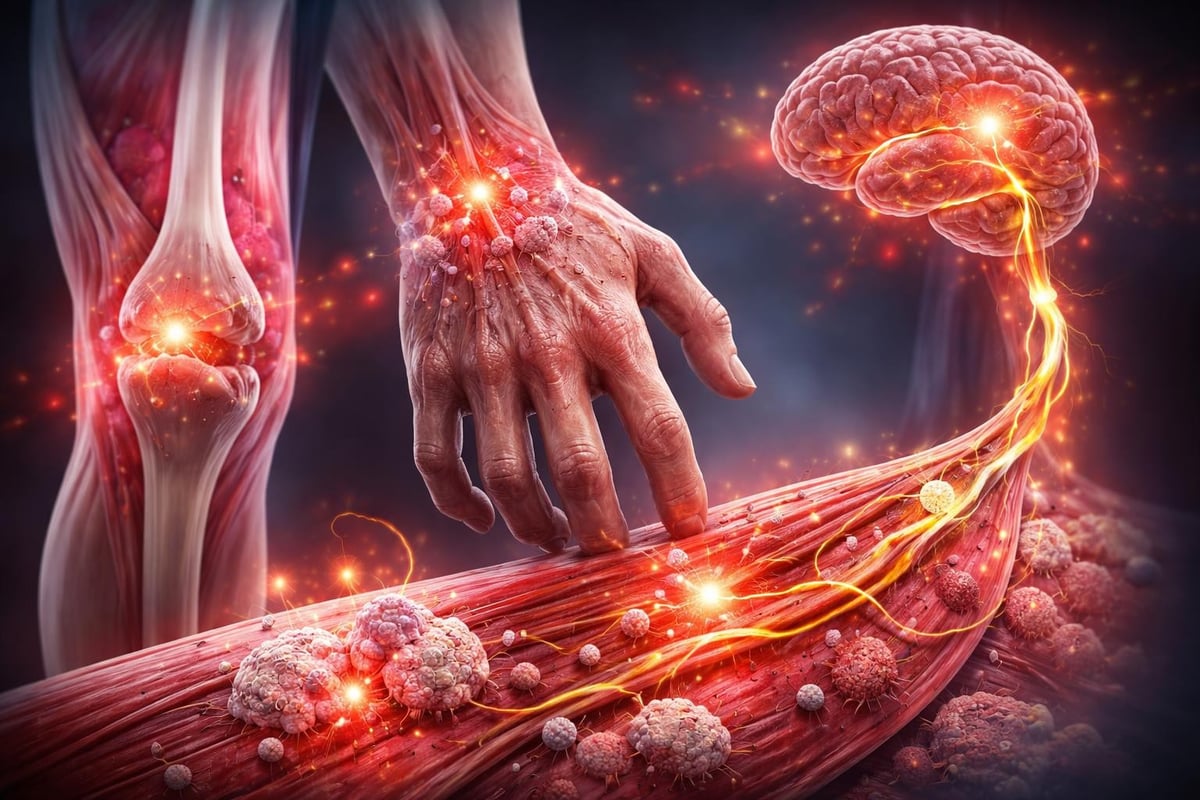
Understanding how inflammation contributes to muscle pain helps explain why CBD hemp oil benefits for pain have gained significant attention in recent years. Natural anti-inflammatory compounds can modulate pain pathways without the side effects associated with long-term pharmaceutical use.
Evidence-Based Approaches to Pain Relief
Modern pain management emphasizes personalized treatment plans that combine multiple therapeutic modalities. Research published by the National Center for Complementary and Integrative Health on complementary health approaches demonstrates that integrative strategies often provide superior outcomes compared to single-intervention approaches.
Physical Therapy and Targeted Exercise
Specific exercise protocols have demonstrated remarkable efficacy in managing muscle pain. A study on exercises for chronic back pain found that retraining deep trunk muscles significantly improved spinal stability and reduced pain intensity. This research underscores the importance of targeted movement in pain relief for muscle pain.
| Exercise Type | Benefits | Recommended Frequency |
|---|---|---|
| Stretching | Improves flexibility, reduces tension | Daily |
| Strengthening | Builds muscle support, prevents injury | 3-4 times weekly |
| Low-impact aerobic | Enhances circulation, reduces inflammation | 5 times weekly |
| Core stabilization | Improves posture, reduces strain | 3 times weekly |
Progressive loading and proper form remain essential components of any exercise-based pain management strategy. Working with qualified physical therapists ensures that movements target specific muscle groups without exacerbating existing pain conditions.
Mind-Body Techniques for Muscle Relaxation
The connection between mental stress and physical muscle tension has been well-documented in pain research. Mind and body approaches for chronic pain include techniques like yoga, tai chi, and meditation that address both psychological and physical components of muscle discomfort.
Progressive muscle relaxation represents one evidence-based technique that systematically reduces muscle tension throughout the body. This method involves deliberately tensing and then releasing specific muscle groups, creating awareness of the difference between tension and relaxation states.
Benefits of mind-body approaches include:
- Reduced muscle tension and spasms
- Improved stress management
- Enhanced body awareness
- Better sleep quality
- Decreased pain perception
For individuals managing conditions like fibromyalgia, incorporating mind-body practices into daily routines can complement other therapeutic interventions and provide sustainable pain relief for muscle pain.
Natural and Alternative Therapies
The growing interest in natural pain management solutions reflects both concerns about pharmaceutical side effects and a desire for more holistic approaches to wellness. Natural therapies offer viable options for individuals seeking pain relief for muscle pain without relying exclusively on conventional medications.
Heat and Cold Therapy Applications
Thermal therapies represent accessible, cost-effective interventions for acute and chronic muscle pain. Heat application increases blood flow, relaxes tense muscles, and promotes healing, while cold therapy reduces inflammation and numbs acute pain.
Heat therapy applications:
- Warm baths with Epsom salts
- Heating pads on affected areas
- Warm compresses for localized pain
- Infrared heat therapy devices
Cold therapy applications:
- Ice packs for acute injuries
- Cold compresses for inflammation
- Contrast therapy (alternating heat and cold)
- Cryotherapy for targeted relief
The choice between heat and cold depends on the nature and duration of muscle pain. Acute injuries typically respond better to cold therapy initially, while chronic muscle tension benefits from heat application.

Massage and Manual Therapies
Professional massage therapy addresses muscle pain through direct manipulation of soft tissues, improving circulation and releasing trigger points that contribute to discomfort. Various massage modalities offer distinct benefits for different pain presentations.
| Massage Type | Best For | Duration |
|---|---|---|
| Swedish | General relaxation, mild pain | 60-90 minutes |
| Deep tissue | Chronic tension, severe pain | 60-90 minutes |
| Trigger point | Localized pain, muscle knots | 30-60 minutes |
| Sports massage | Athletic injuries, recovery | 45-60 minutes |
Regular massage therapy sessions can provide cumulative benefits, particularly when integrated with other pain management strategies. Many individuals with rheumatoid arthritis report significant improvements in muscle stiffness and pain levels following consistent manual therapy treatments.
CBD Hemp Oil for Muscle Pain Management
The endocannabinoid system plays a crucial role in pain modulation, inflammation control, and muscle recovery. CBD hemp oil interacts with this system to provide targeted pain relief for muscle pain without psychoactive effects, making it an increasingly popular natural alternative for chronic pain management.
How CBD Addresses Muscle Pain
CBD's mechanism of action involves multiple pathways that contribute to pain relief. It modulates inflammatory responses, influences pain receptors, and promotes muscle relaxation through its interaction with the body's endocannabinoid system.
Key benefits of CBD for muscle pain:
- Reduces inflammatory markers in muscle tissue
- Modulates pain signal transmission
- Promotes muscle recovery after exercise
- Improves sleep quality for better healing
- Minimal side effects compared to pharmaceuticals
Research continues to expand our understanding of how cannabinoids support pain management. For individuals exploring CBD oil for fibromyalgia, the anti-inflammatory properties offer particular promise in managing widespread muscle pain and tenderness.
Full-Spectrum vs. Broad-Spectrum CBD
Understanding the differences between CBD formulations helps consumers make informed decisions about pain relief for muscle pain. Full-spectrum products contain all naturally occurring compounds from the hemp plant, including trace amounts of THC, while broad-spectrum products contain multiple cannabinoids but no THC.
| Product Type | THC Content | Entourage Effect | Best For |
|---|---|---|---|
| Full-spectrum | <0.3% | Maximum | Severe chronic pain |
| Broad-spectrum | 0% | Moderate | THC-sensitive individuals |
| CBD isolate | 0% | None | Targeted CBD-only therapy |
The entourage effect suggests that cannabinoids work synergistically to enhance therapeutic benefits. Many users find that full-spectrum formulations provide superior pain relief for muscle pain compared to isolated CBD compounds.

Choosing Quality CBD Products
Third-party laboratory testing ensures product purity, potency, and safety. Reputable manufacturers provide Certificates of Analysis (COA) that verify cannabinoid content and confirm the absence of contaminants like heavy metals, pesticides, and residual solvents.
Quality indicators for CBD products:
- Third-party lab testing and accessible COAs
- Clear labeling of cannabinoid content
- Transparent sourcing and extraction methods
- Customer reviews and testimonials
- Compliance with federal regulations
Premium CBD hemp oil products designed specifically for pain management often combine CBD with complementary ingredients like turmeric, ginger, or arnica to enhance anti-inflammatory effects and provide comprehensive pain relief for muscle pain.
Nutritional Approaches to Muscle Pain
Diet plays a significant role in inflammation and pain management. The National Center for Complementary and Integrative Health's research on nutritional approaches highlights how specific nutrients and dietary patterns influence muscle pain and recovery.
Anti-Inflammatory Foods and Supplements
Incorporating anti-inflammatory foods into daily nutrition supports the body's natural pain management systems. Omega-3 fatty acids, antioxidants, and phytonutrients work synergistically to reduce inflammatory markers associated with muscle pain.
Top anti-inflammatory foods:
- Fatty fish rich in omega-3s (salmon, mackerel, sardines)
- Colorful vegetables and berries high in antioxidants
- Nuts and seeds containing healthy fats
- Turmeric and ginger for natural pain relief
- Green leafy vegetables packed with nutrients
Supplementation may benefit individuals who struggle to obtain adequate anti-inflammatory nutrients through diet alone. Omega-3 supplements, curcumin extracts, and vitamin D can complement dietary interventions for enhanced pain relief for muscle pain.
Hydration and Muscle Function
Proper hydration supports muscle function and reduces the risk of cramps and soreness. Dehydration compromises nutrient delivery to muscle tissues and impairs waste removal, potentially exacerbating pain and prolonging recovery times.
Electrolyte balance matters equally to overall fluid intake. Magnesium, potassium, and calcium support proper muscle contraction and relaxation, preventing tension and spasms that contribute to chronic muscle pain.
Integrative Pain Management Strategies
Effective long-term pain management requires coordinated efforts across multiple therapeutic domains. Consumer Reports' overview of pain management treatments emphasizes the importance of personalized treatment plans that address individual needs and preferences.
Creating a Comprehensive Pain Relief Plan
Successful pain management combines immediate relief strategies with long-term preventive measures. Tracking pain patterns, triggers, and treatment responses helps refine approaches over time for optimal outcomes.
Components of an effective pain management plan:
- Medical evaluation and diagnosis
- Physical therapy and exercise protocols
- Natural anti-inflammatory interventions
- Stress management and relaxation techniques
- Nutritional optimization
- Quality sleep hygiene practices
- Regular monitoring and adjustment
For individuals managing chronic conditions like arthritis, consistency in implementing multiple strategies often yields better results than sporadic high-intensity interventions.
Monitoring Progress and Adjusting Approaches
Pain journals provide valuable insights into treatment efficacy and help identify patterns that might otherwise go unnoticed. Recording pain intensity, activities, treatments used, and outcomes creates a comprehensive picture of what works best for individual pain relief for muscle pain.
Digital tracking tools and apps facilitate consistent monitoring while allowing users to share data with healthcare providers for more informed treatment decisions. This collaborative approach ensures that pain management strategies evolve with changing needs and circumstances.
Emerging Research and Future Directions
Scientific understanding of muscle pain mechanisms continues to advance, opening new avenues for therapeutic intervention. A preliminary study on muscle pain protocols demonstrated promising long-term relief for chronic back pain patients, suggesting that targeted muscle-focused treatments warrant further investigation.
The Role of the Endocannabinoid System
Growing research into the endocannabinoid system reveals its central importance in pain modulation and inflammation control. This understanding supports the therapeutic potential of CBD and other cannabinoids for providing sustainable pain relief for muscle pain without the dependency risks associated with opioid medications.
Future research will likely explore optimal dosing protocols, delivery methods, and cannabinoid combinations for specific pain conditions. As regulatory frameworks evolve, clinical trials will provide more definitive evidence regarding efficacy and safety profiles.
Personalized Medicine Approaches
Advances in genetic testing and biomarker analysis promise more targeted pain management strategies. Understanding individual variations in pain perception, inflammatory responses, and treatment metabolism will enable healthcare providers to recommend more effective interventions with fewer trial-and-error cycles.
The integration of conventional and complementary approaches represents the future of pain management. Rather than viewing pharmaceutical and natural interventions as competing options, personalized medicine recognizes that different individuals benefit from different combinations of therapies tailored to their unique physiological profiles.
Finding effective pain relief for muscle pain requires a comprehensive approach that addresses inflammation, promotes healing, and supports overall wellness. Whether dealing with acute soreness or chronic conditions, combining evidence-based therapies with natural interventions provides the foundation for sustainable pain management. Reclaim Labs offers premium CBD hemp oil products specifically formulated to address muscle pain and inflammation, with third-party tested formulations designed for individuals seeking natural alternatives to conventional pain medications. Explore how quality CBD solutions can complement your pain management strategy and help you reclaim comfort and mobility.