Managing chronic pain requires a comprehensive understanding of available treatment options and how different pain relief products can work together to improve quality of life. Whether dealing with arthritis, fibromyalgia, or persistent inflammation, today's market offers an expanding range of solutions that combine traditional medicine with natural alternatives. The key lies in understanding which products align with your specific condition, lifestyle, and health goals while ensuring safety and efficacy through evidence-based selection.
Understanding Different Categories of Pain Relief Products
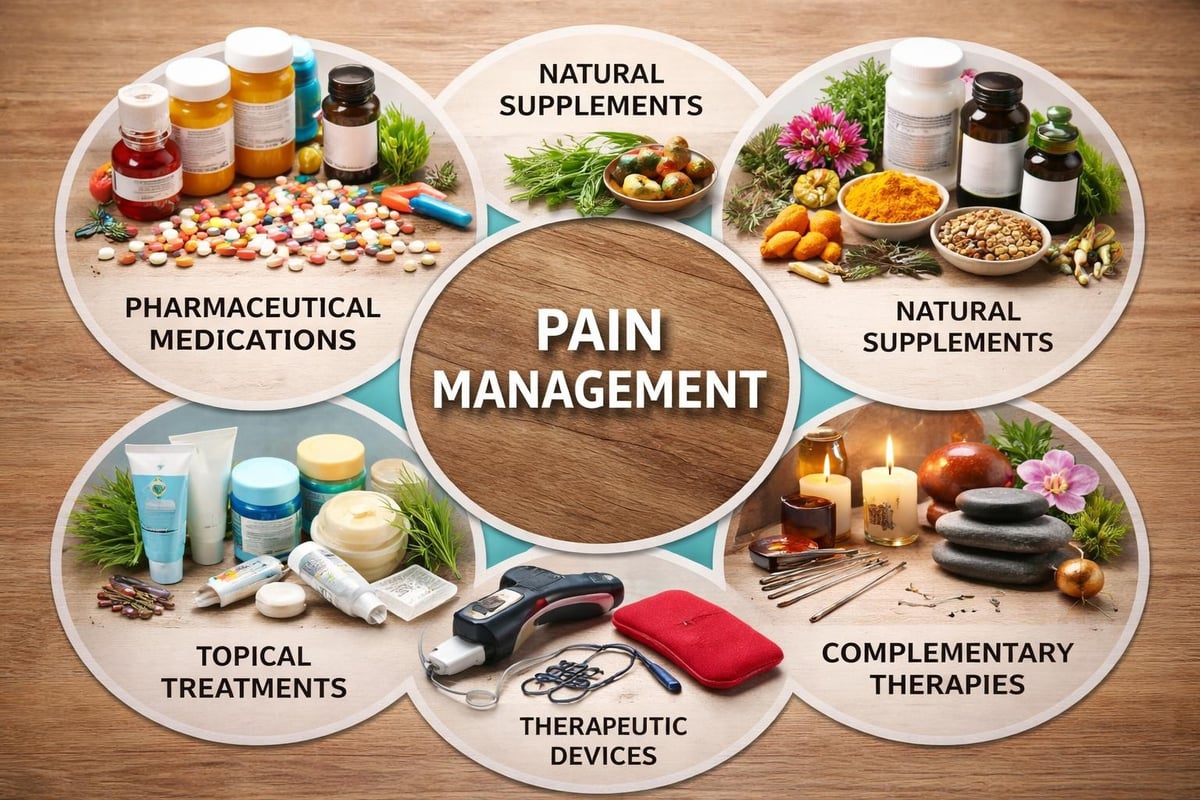
Pain relief products span multiple categories, each designed to address discomfort through distinct mechanisms. The diversity of available options allows individuals to create personalized pain management strategies that target their unique symptoms and conditions.
Traditional over-the-counter medications include nonsteroidal anti-inflammatory drugs (NSAIDs) like ibuprofen and naproxen, which reduce inflammation and provide temporary relief. Acetaminophen offers another option for those who cannot tolerate NSAIDs. Topical analgesics deliver medication directly to affected areas, minimizing systemic side effects while providing localized comfort.
Natural and complementary alternatives have gained significant traction as people seek options beyond conventional pharmaceuticals:
- CBD hemp oil products offering anti-inflammatory properties
- Herbal supplements including turmeric, ginger, and boswellia
- Topical capsaicin creams derived from chili peppers
- Essential oil blends for aromatherapy and topical application
- Magnesium supplements supporting muscle relaxation
The National Center for Complementary and Integrative Health provides extensive research on complementary approaches for chronic pain management. Their findings indicate that many patients benefit from combining conventional treatments with natural pain relief products, creating synergistic effects that address multiple aspects of discomfort.
Evaluating Quality and Safety Standards
Selecting effective pain relief products requires careful consideration of quality standards, third-party testing, and transparent manufacturing practices. Not all products deliver the promised benefits, making informed evaluation essential for both safety and efficacy.
Certification and Testing Requirements
Third-party laboratory testing provides crucial verification that products contain advertised ingredients in stated concentrations. For CBD and hemp-based pain relief products, Certificates of Analysis (COA) should confirm cannabinoid profiles, absence of heavy metals, pesticides, and microbial contamination. These documents offer transparency that builds consumer trust and ensures regulatory compliance.
Key quality indicators include:
- Independent laboratory verification
- Good Manufacturing Practice (GMP) certification
- Clear labeling with ingredient concentrations
- Batch-specific testing documentation
- Traceable sourcing information
| Quality Factor | Why It Matters | What to Look For |
|---|---|---|
| Third-Party Testing | Verifies product claims | Published COAs for each batch |
| Sourcing Transparency | Ensures ingredient quality | Origin details for active compounds |
| Manufacturing Standards | Guarantees consistency | GMP certification documentation |
| Concentration Accuracy | Delivers expected results | Precise mg measurements per serving |
Understanding chronic pain causes and symptoms helps identify which pain relief products address your specific condition most effectively. The Mayo Clinic emphasizes that successful pain management often requires a multifaceted approach combining various product types and therapeutic strategies.
Natural Alternatives for Chronic Inflammation
Natural pain relief products have emerged as preferred options for individuals managing conditions like rheumatoid arthritis and fibromyalgia. These alternatives often provide sustained benefits with fewer side effects compared to long-term pharmaceutical use.
CBD hemp oil represents one of the most researched natural pain relief products available in 2026. Full-spectrum and broad-spectrum formulations interact with the endocannabinoid system, modulating pain signals and reducing inflammatory responses. Understanding CBD hemp oil benefits for arthritis reveals how these products specifically target joint inflammation and associated discomfort.
Mechanism of Action in Natural Products
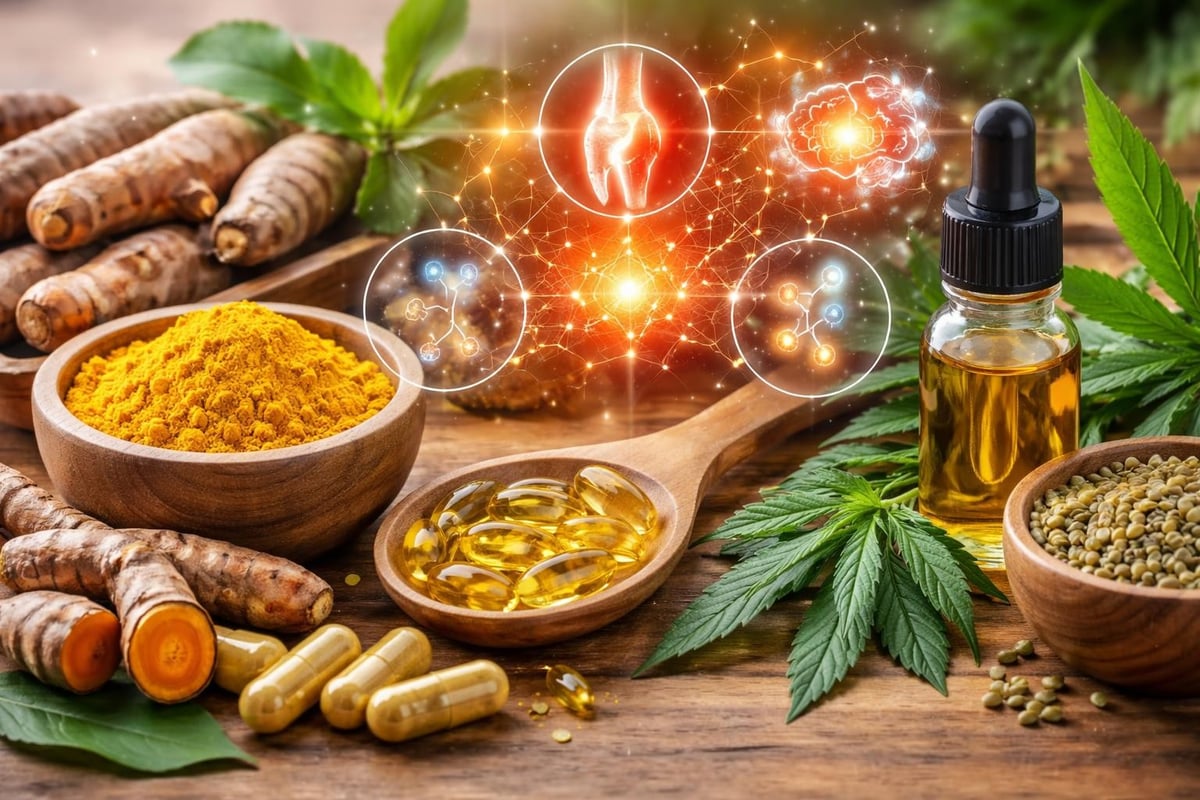
Natural pain relief products work through various biological pathways. CBD influences cannabinoid receptors throughout the body, affecting pain perception, inflammation, and immune response. Turmeric's active compound curcumin inhibits inflammatory enzymes, while omega-3 fatty acids from fish oil reduce pro-inflammatory cytokines.
The synergistic effects of combining multiple natural ingredients often enhance overall effectiveness. Many premium formulations blend CBD with complementary compounds like hemp seed oil, which provides additional anti-inflammatory omega fatty acids and plant-based nutrients.
For those specifically dealing with autoimmune conditions, exploring strategies for beating rheumatoid arthritis pain demonstrates how targeted natural products address both symptoms and underlying inflammation. These approaches focus on consistent daily use rather than reactive symptom management.
Topical Applications and Localized Relief
Topical pain relief products deliver active ingredients directly to affected areas, providing targeted comfort without systemic circulation. This localized approach proves particularly effective for joint pain, muscle soreness, and regional discomfort.
Available topical formats include:
- Roll-on applicators for convenient, mess-free application
- Creams and lotions for broader coverage areas
- Transdermal patches providing sustained release
- Balms and salves with higher concentration formulas
- Gel formulations for rapid absorption
Roll-on applications have gained popularity due to their portability and precision. Products combining CBD with cooling menthol or warming capsaicin create immediate sensory relief while the CBD addresses deeper inflammatory processes. The dual-action approach satisfies both immediate comfort needs and longer-term therapeutic goals.
Transdermal patches represent an innovative delivery method among pain relief products. These adhesive applications release active ingredients gradually over 8-12 hours, maintaining consistent therapeutic levels without repeated application. For individuals managing fibromyalgia symptoms, this sustained release proves valuable for addressing widespread, persistent discomfort.
Application Techniques for Maximum Effectiveness
Proper application significantly influences topical product performance. Clean, dry skin absorbs active ingredients most efficiently. Gentle massage during application enhances absorption while increasing local circulation, which aids in distributing therapeutic compounds throughout affected tissues.
For joint conditions, applying products before and after physical activity provides both preventive and reactive benefits. Morning applications prepare joints for daily demands, while evening use supports overnight recovery and reduces next-day stiffness.
Complementary Therapeutic Devices
Beyond consumable and topical products, various therapeutic devices complement pain relief strategies. These tools use physical mechanisms to interrupt pain signals, reduce inflammation, and promote healing.
Transcutaneous Electrical Nerve Stimulation (TENS) units deliver low-voltage electrical impulses that modulate pain perception. The Mayo Clinic notes these devices offer drug-free relief for various chronic pain conditions, making them valuable additions to comprehensive treatment plans.
| Device Type | Primary Benefit | Best For | Typical Usage |
|---|---|---|---|
| TENS Units | Pain signal interruption | Nerve-related pain | 20-30 minutes, 2-3 times daily |
| Heat Therapy | Increased circulation | Muscle tension, stiffness | 15-20 minutes per application |
| Cold Therapy | Inflammation reduction | Acute flares, swelling | 10-15 minutes per application |
| Massage Tools | Muscle relaxation | Tension, trigger points | As needed for symptom relief |
Heat and cold therapies remain foundational pain relief products despite their simplicity. Modern versions include infrared heating pads, gel-based cold packs, and combination devices offering both modalities. These tools address different aspects of pain-heat relaxes muscles and improves flexibility, while cold reduces acute inflammation and numbs intense discomfort.
Percussion massage devices have revolutionized at-home muscle therapy. These handheld tools deliver rapid, concentrated pulses that break up tension, increase blood flow, and accelerate recovery. When combined with CBD topicals, the enhanced circulation facilitates deeper ingredient penetration and more comprehensive relief.
Building an Integrated Pain Management Strategy
Effective pain management rarely relies on a single product. Instead, successful strategies combine multiple pain relief products that address different aspects of chronic conditions while supporting overall wellness.
A comprehensive approach might include daily oral CBD supplements for systemic anti-inflammatory effects, topical applications for acute symptom flare-ups, and therapeutic devices for targeted relief during particularly challenging periods. This layered strategy ensures consistent baseline management while providing tools for addressing breakthrough pain.
Components of an effective pain relief protocol:
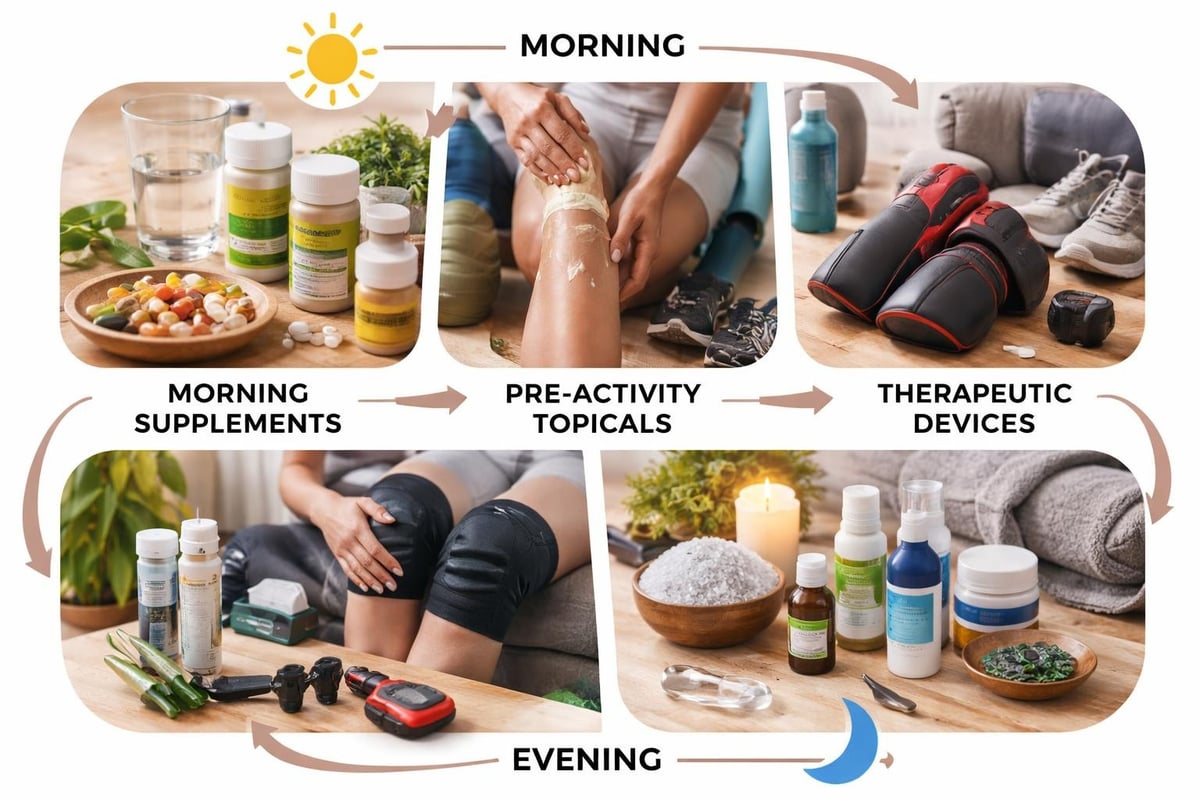
- Morning routine with anti-inflammatory supplements
- Topical applications before activities triggering discomfort
- Therapeutic device use for acute symptom management
- Evening products supporting restorative sleep
- Lifestyle modifications enhancing product effectiveness
Research on mind and body approaches for chronic pain demonstrates that combining pain relief products with practices like yoga, meditation, and gentle exercise amplifies overall benefits. The synergy between physical products and behavioral strategies creates more sustainable, long-term improvements than either approach alone.
Individuals managing specific conditions benefit from tailored product selection. Those dealing with foot pain challenges might emphasize topical roll-ons and supportive devices, while someone addressing widespread fibromyalgia symptoms may prioritize systemic supplements and full-body topical applications.
Dosing Considerations and Product Potency
Understanding proper dosing separates effective pain relief products from disappointing experiences. Potency, bioavailability, and individual physiology all influence optimal serving sizes and frequency.
Finding Your Effective Dose
For CBD-based pain relief products, starting with lower concentrations and gradually increasing allows identification of minimum effective doses. Some individuals find relief with 25-50mg daily, while others managing severe inflammation require 100mg or more. Body weight, metabolism, condition severity, and product quality all impact dosing needs.
Dosing progression guidelines:
- Begin with manufacturer's lowest recommended serving
- Maintain consistent dosing for 7-10 days before adjusting
- Increase by 25% increments if initial results prove insufficient
- Document symptoms and responses to identify patterns
- Consult healthcare providers when combining multiple products
Bioavailability varies significantly across product formats. Sublingual tinctures bypass digestive metabolism, delivering higher percentages of active compounds compared to capsules or edibles. Topical products don't enter systemic circulation but concentrate effects at application sites, requiring different potency considerations than oral supplements.
For individuals exploring CBD hemp oil benefits for pain, understanding these absorption differences helps set realistic expectations and choose appropriate product formats. Broad-spectrum formulations offer cannabinoid diversity without THC, while full-spectrum products include trace amounts that some research suggests enhance overall effectiveness through the "entourage effect."
Timing and Consistency in Product Use
When pain relief products are used matters as much as which products are chosen. Strategic timing maximizes therapeutic benefits while minimizing the need for higher doses or additional interventions.
Morning doses of systemic anti-inflammatory pain relief products establish baseline protection before daily activities trigger symptoms. This proactive approach prevents pain escalation rather than merely reacting to discomfort after it develops. For many chronic pain sufferers, prevention proves more effective than intervention.
Evening applications support restorative processes during sleep, when the body performs most cellular repair and inflammation resolution. Products promoting relaxation alongside pain relief serve dual purposes, addressing both discomfort and the sleep disruptions that often accompany chronic conditions.
| Timing Strategy | Product Type | Primary Benefit | Example Application |
|---|---|---|---|
| Early Morning | Oral supplements | Baseline anti-inflammatory protection | CBD tincture with breakfast |
| Pre-Activity | Topical products | Preventive joint support | Roll-on before exercise |
| Acute Symptoms | Fast-acting formats | Immediate symptom interruption | Topical cream at pain onset |
| Evening | Relaxation formulas | Sleep support and overnight recovery | CBD with calming terpenes |
Consistency amplifies results with most natural pain relief products. Unlike pharmaceutical medications providing immediate effects, CBD and herbal supplements often require several weeks of regular use before delivering full benefits. Daily consistency allows compounds to accumulate in tissues and modulate inflammatory processes at cellular levels.
Those managing arthritis symptoms particularly benefit from structured timing protocols that address morning stiffness, midday activity demands, and evening recovery needs. This comprehensive temporal strategy ensures continuous support throughout daily cycles when pain patterns fluctuate.
Quality Sourcing and Ingredient Transparency
Premium pain relief products distinguish themselves through meticulous sourcing and complete transparency about ingredients, origins, and processing methods. These factors directly impact both safety and therapeutic effectiveness.
Hemp-based products should derive from organically grown plants cultivated without pesticides or heavy metal contamination. Soil quality influences plant composition, making source verification essential. Domestic cultivation under regulated conditions typically ensures higher quality standards than imported products with unclear origins.
Extraction and Processing Methods
Extraction techniques significantly affect final product quality. CO2 extraction preserves delicate cannabinoids and terpenes while avoiding chemical solvent residues. Ethanol extraction offers another clean method, though some heat-sensitive compounds may degrade during processing. Hydrocarbon extraction using butane or propane requires thorough purging to eliminate potentially harmful residues.
Full-spectrum products retain the complete cannabinoid and terpene profile found in hemp plants, potentially enhancing effectiveness through compound interaction. Broad-spectrum processing removes THC while preserving other beneficial compounds. Isolate-based products contain only purified CBD, offering precise dosing without additional plant compounds.
Understanding these distinctions helps consumers select pain relief products aligned with their preferences regarding cannabinoid composition. Some individuals prefer avoiding even trace THC amounts due to employment testing or personal choice, making broad-spectrum formulations ideal. Others seek the potential enhanced benefits of full-spectrum products.
Companies like Reclaim Labs exemplify transparency by publishing third-party test results for each product batch, detailing exact cannabinoid concentrations, confirming absence of contaminants, and providing traceable sourcing information. This openness allows consumers to make informed decisions based on verified data rather than marketing claims.
Addressing Specific Chronic Pain Conditions
Different chronic pain conditions respond optimally to tailored product selections that address unique pathophysiology and symptom patterns. Customizing pain relief products to specific diagnoses enhances effectiveness while potentially reducing overall product usage.
Condition-specific product considerations:
- Rheumatoid Arthritis: High-potency anti-inflammatory formulations addressing autoimmune joint inflammation
- Osteoarthritis: Topical products targeting specific joints with degraded cartilage
- Fibromyalgia: Full-body approaches addressing widespread pain and sleep disturbances
- Neuropathic Pain: Products specifically formulated for nerve-related discomfort
- Menstrual Cramps: Antispasmodic and anti-inflammatory combinations
Autoimmune conditions like rheumatoid arthritis benefit from pain relief products with robust anti-inflammatory profiles. The immune dysregulation driving these conditions requires consistent, potent intervention. Combining oral CBD supplements with targeted topical applications addresses both systemic inflammation and localized joint symptoms.
Fibromyalgia's complex presentation involving widespread pain, fatigue, and sleep dysfunction demands comprehensive product strategies. Understanding what fibromyalgia pain feels like guides selection of pain relief products addressing multiple symptom dimensions simultaneously. Products combining CBD with sleep-supporting terpenes like myrcene and linalool serve dual therapeutic purposes.
Neuropathic pain resulting from nerve damage or dysfunction often resists conventional pain relief products. CBD's interaction with neurological pathways makes it particularly relevant for these challenging conditions, though results vary individually and may require higher concentrations or specific product formulations.
Cost-Effectiveness and Long-Term Value
Evaluating pain relief products requires considering both immediate costs and long-term value. Premium products with higher upfront prices often deliver superior results, requiring smaller doses and providing more consistent benefits that reduce overall expenditure.
Third-party tested products command higher prices reflecting quality assurance investments and premium sourcing. However, these pain relief products typically outperform cheaper alternatives that may contain inaccurate concentrations, contaminants, or inferior ingredients requiring larger doses for comparable effects.
Subscription models offer cost savings for individuals requiring ongoing pain management. Monthly deliveries ensure consistent product availability while typically providing 10-20% discounts compared to individual purchases. This approach also removes the risk of running out of essential pain relief products during particularly challenging symptom periods.
| Cost Factor | Budget Option | Premium Option | Long-Term Consideration |
|---|---|---|---|
| Initial Price | Lower | Higher | Premium often requires smaller doses |
| Testing Verification | Limited/None | Comprehensive | Ensures label accuracy and safety |
| Concentration Accuracy | Variable | Precise | Consistent results batch-to-batch |
| Customer Support | Minimal | Extensive | Guidance optimizes product selection |
Generic pain relief products may seem economical initially but often prove more expensive when accounting for effectiveness. A lower-priced CBD oil requiring double the serving size for comparable results costs more per dose than a premium product used efficiently.
Insurance coverage for natural pain relief products remains limited in 2026, making cost considerations particularly relevant. However, complementary health approaches often reduce dependence on prescription medications, potentially lowering overall healthcare costs through decreased pharmaceutical expenses and associated medical visits.
Combining Products with Lifestyle Modifications
Pain relief products deliver maximum benefits when integrated into comprehensive wellness strategies addressing diet, exercise, stress management, and sleep quality. These lifestyle factors profoundly influence inflammatory processes and pain perception.
Anti-inflammatory nutrition enhances pain relief products' effectiveness by reducing dietary inflammation triggers. Eliminating processed foods, refined sugars, and inflammatory oils while emphasizing whole foods, omega-3 fatty acids, and antioxidant-rich vegetables creates an internal environment supporting therapeutic compounds.
Gentle movement practices like yoga, swimming, and tai chi complement pain relief products by maintaining joint mobility, building supportive muscle strength, and releasing endorphins that naturally modulate pain signals. The mind-body connection in pain management proves particularly powerful when combined with quality topical and oral products.
Lifestyle factors enhancing product effectiveness:
- Adequate hydration supporting nutrient distribution
- Consistent sleep schedules promoting inflammation resolution
- Stress reduction practices lowering cortisol levels
- Regular movement preventing stiffness and deconditioning
- Social connection reducing pain-related isolation
Sleep quality directly impacts pain perception and inflammatory processes. Poor sleep amplifies pain sensitivity while disrupting the body's natural anti-inflammatory mechanisms. Pain relief products formulated with sleep-supporting compounds address this bidirectional relationship, improving both rest quality and daytime discomfort.
Stress management deserves particular attention, as chronic stress elevates cortisol and other hormones that increase inflammation and pain sensitivity. Meditation, breathing exercises, and other relaxation techniques amplify pain relief products' benefits by addressing physiological stress responses that undermine therapeutic interventions.
Navigating the diverse landscape of pain relief products requires understanding quality indicators, proper application strategies, and how different formats address specific chronic conditions. The most effective approaches combine premium products with lifestyle modifications that support overall wellness and reduce inflammatory triggers. For those seeking natural alternatives to conventional pain management, Reclaim Labs offers third-party tested, premium CBD hemp oil products specifically formulated for chronic pain and inflammation, providing transparent, reliable solutions backed by rigorous quality standards and comprehensive customer support.