Chronic pain affects millions of Americans, disrupting daily activities and diminishing quality of life. As individuals search for alternatives to traditional pharmaceuticals, cannabidiol (CBD) has emerged as a promising option for managing discomfort naturally. Understanding how pain relief with CBD works, what the research reveals, and how to use it safely can empower you to make informed decisions about incorporating it into your wellness routine.
Understanding CBD and Its Pain-Relieving Properties
CBD is a non-psychoactive compound derived from hemp plants that interacts with the body's endocannabinoid system (ECS). This complex network of receptors regulates various physiological processes, including pain perception, inflammation, and immune response.
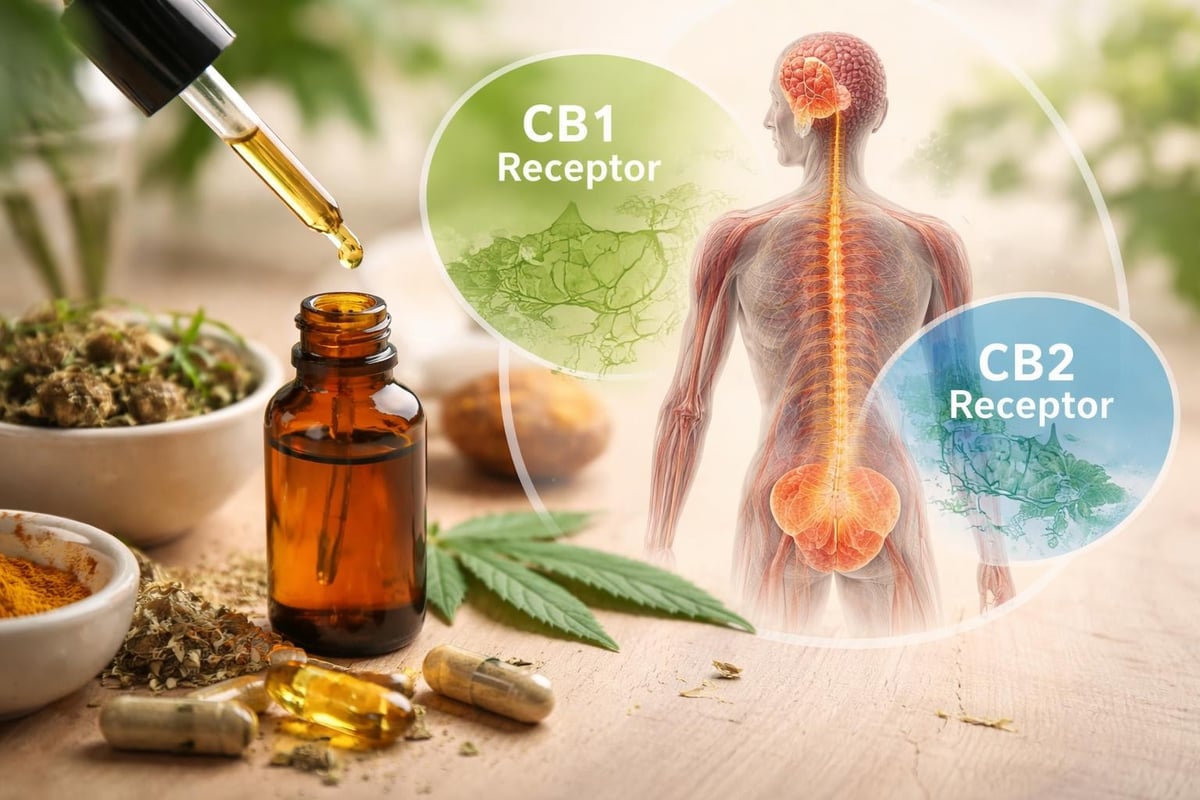
The endocannabinoid system contains two primary receptor types: CB1 receptors, primarily located in the central nervous system, and CB2 receptors, found predominantly in peripheral tissues and immune cells. CBD doesn't bind directly to these receptors but influences them indirectly, modulating pain signals and inflammatory responses.
How CBD Modulates Pain Pathways
When you experience pain, nerve cells transmit signals through your body to the brain. CBD appears to influence this transmission in several ways:
- Anti-inflammatory action through inhibition of inflammatory mediators
- Neuroprotective effects that may reduce nerve damage
- Modulation of serotonin receptors involved in pain processing
- Enhancement of natural endocannabinoid production in the body
Research from the University of Rochester Medical Center suggests that CBD may offer significant pain relief without the adverse side effects commonly associated with traditional pain medications. This makes it particularly attractive for individuals managing chronic conditions who need long-term solutions.
Research Evidence for Pain Relief with CBD
The scientific community continues to investigate CBD's efficacy for various pain conditions. While research remains ongoing, several studies provide valuable insights into its therapeutic potential.
Clinical Studies and Findings
A comprehensive examination by Harvard Health Publishing discusses current research on CBD for chronic pain management. The evidence base includes both animal studies and human trials, with varying degrees of success across different pain conditions.
| Condition | Research Status | Potential Benefits |
|---|---|---|
| Arthritis Pain | Moderate evidence | Reduced joint inflammation and discomfort |
| Neuropathic Pain | Limited evidence | Nerve pain modulation |
| Fibromyalgia | Emerging studies | Improved sleep and pain scores |
| General Chronic Pain | Mixed results | Variable individual responses |
Important considerations: A Cochrane review examining cannabis-based medicines for chronic neuropathic pain found that evidence remains inconclusive, highlighting the need for more rigorous, large-scale studies. This underscores the importance of realistic expectations when considering pain relief with CBD.
The Controversy and Contradictory Evidence
Not all research supports CBD's effectiveness for pain management. Some studies challenge the conventional wisdom, suggesting that CBD's pain-relieving effects may be overstated or largely attributed to placebo responses. The American Academy of Family Physicians emphasizes that CBD's effectiveness in treating chronic pain remains questionable, pointing to methodological limitations in many existing studies.
This conflicting evidence highlights why consulting healthcare professionals before starting any CBD regimen is essential, particularly for those with serious medical conditions.
Types of CBD Products for Pain Management
Understanding the different CBD formulations available helps you select the most appropriate option for your specific needs. Each delivery method offers distinct advantages and absorption characteristics.
Full-Spectrum vs. Broad-Spectrum CBD
Full-spectrum CBD contains all naturally occurring compounds from the hemp plant, including trace amounts of THC (less than 0.3%). This combination creates what researchers call the "entourage effect," where compounds work synergistically for enhanced benefits.
Broad-spectrum CBD contains multiple cannabinoids and terpenes but has THC completely removed. Products like Reclaim Labs' 2800mg Broad Spectrum CBD Hemp Oil offer potent pain relief without any THC exposure, ideal for individuals subject to drug testing or those who prefer zero THC consumption.
Delivery Methods and Their Applications
- Oral tinctures: Sublingual absorption provides faster onset (15-30 minutes) and flexible dosing
- Topical applications: Direct application to affected areas for localized relief
- Transdermal patches: Sustained release over extended periods for consistent pain management
- Roll-on formulas: Convenient targeted application for joint and muscle discomfort
For those managing arthritis or localized pain, the CBD Hemp Infused Relief Roll-On Stick provides convenient, mess-free application directly to sore joints. Many individuals find combining delivery methods-such as daily oral supplementation with topical application during flare-ups-maximizes pain relief with CBD.

Dosage Guidelines and Best Practices
Determining the optimal CBD dosage for pain management requires a personalized approach. No universal dosage exists, as individual factors including body weight, pain severity, metabolism, and product potency all influence effectiveness.
Starting Your CBD Journey
Begin with a conservative approach and adjust gradually:
- Start low: Begin with 5-10mg of CBD daily
- Monitor effects: Track pain levels and any side effects for at least one week
- Increase gradually: If needed, increase by 5-10mg weekly until desired relief is achieved
- Establish maintenance dose: Once you find effective relief, maintain that dosage consistently
The Arthritis Foundation's CBD guidance recommends this cautious approach, particularly for individuals new to cannabinoid therapies. This systematic method helps identify your minimum effective dose while minimizing unnecessary expense and potential side effects.
Factors Affecting CBD Effectiveness
Several variables influence how your body responds to CBD for pain management:
- Product quality: Third-party lab testing ensures purity and accurate potency
- Bioavailability: Different delivery methods have varying absorption rates
- Consistency: Regular, daily use often produces better results than sporadic application
- Individual biochemistry: Genetic factors affect endocannabinoid system function
- Severity of condition: More severe pain may require higher doses or combination approaches
Understanding how CBD works within your body's systems provides context for realistic expectations and optimal use strategies.
Safety Considerations and Potential Side Effects
While generally considered safe, CBD can cause side effects in some individuals and may interact with certain medications. Understanding these considerations ensures responsible use.
Common Side Effects
Most people tolerate CBD well, but some experience:
- Fatigue or drowsiness
- Changes in appetite
- Digestive discomfort
- Dry mouth
- Lightheadedness
These effects are typically mild and often diminish with continued use or dosage adjustment. Starting with low doses and increasing gradually minimizes the likelihood of adverse reactions.
Drug Interactions and Precautions
CBD can interact with medications metabolized by cytochrome P450 enzymes, potentially affecting blood levels of certain drugs. According to NCBI clinical resources, individuals taking blood thinners, seizure medications, or immunosuppressants should consult healthcare providers before using CBD.
| Medication Type | Interaction Risk | Recommendation |
|---|---|---|
| Blood Thinners | Moderate to High | Medical supervision required |
| Anti-seizure Drugs | Moderate | Dosage monitoring necessary |
| Immunosuppressants | Moderate | Physician consultation advised |
| Over-the-Counter Pain Relievers | Low | Generally safe, monitor effects |
Pregnant or nursing women should avoid CBD due to insufficient safety data. Additionally, individuals with liver disease should exercise caution, as CBD is metabolized by the liver.
CBD for Specific Chronic Pain Conditions
Different pain conditions may respond uniquely to CBD therapy. Understanding condition-specific applications helps optimize treatment approaches.
Rheumatoid Arthritis and Inflammatory Joint Pain
Rheumatoid arthritis involves chronic inflammation attacking joint tissues. CBD's anti-inflammatory properties make it particularly relevant for this autoimmune condition. A balanced review of clinical findings suggests that CBD may reduce inflammatory markers and provide pain relief for arthritis sufferers.
For comprehensive arthritis management, explore natural alternatives to prescription medications that complement traditional treatments. Many individuals find that combining CBD with lifestyle modifications-including anti-inflammatory diets, gentle exercise, and stress management-produces superior outcomes.
Fibromyalgia and Widespread Pain
Fibromyalgia presents unique challenges with widespread musculoskeletal pain, fatigue, and sleep disturbances. Pain relief with CBD may address multiple fibromyalgia symptoms simultaneously through its effects on pain processing, inflammation, and sleep regulation.
Those managing fibromyalgia can benefit from understanding CBD oil for fibromyalgia specifically, including optimal dosing strategies and product selection for this complex condition.
Osteoarthritis and Degenerative Joint Disease
Unlike rheumatoid arthritis, osteoarthritis results from mechanical wear and tear on joints. Both topical and oral CBD may provide relief. CBD patches for pain relief offer sustained delivery directly to affected joints, maintaining consistent therapeutic levels throughout the day.

Quality and Testing Standards
The CBD market lacks comprehensive federal regulation, making product quality highly variable. Ensuring you select high-quality, tested products is crucial for safety and effectiveness.
What to Look for in CBD Products
Third-party laboratory testing represents the gold standard for CBD quality assurance. Reputable manufacturers provide certificates of analysis (COAs) that verify:
- Actual CBD content matches label claims
- Absence of contaminants (heavy metals, pesticides, solvents)
- THC levels comply with legal limits
- Presence or absence of other beneficial cannabinoids
Premium manufacturers like Reclaim Labs prioritize transparency by making third-party test results readily accessible to customers. This commitment to quality ensures you receive safe, effective products for pain management.
Red Flags to Avoid
When evaluating CBD products, be wary of:
- Exaggerated health claims or "cure-all" marketing
- Absence of third-party testing documentation
- Unclear sourcing or manufacturing information
- Prices significantly below market average
- No contact information or customer service support
Investing in quality products from reputable sources maximizes your chances of experiencing effective pain relief with CBD while minimizing exposure to contaminants or mislabeled products.
Integrating CBD into Your Pain Management Strategy
CBD should be viewed as one component of a comprehensive pain management approach rather than a standalone solution. Combining multiple strategies often produces the best outcomes for chronic pain conditions.
Complementary Approaches
Consider integrating these evidence-based practices alongside CBD use:
- Physical therapy: Strengthens supporting muscles and improves joint mobility
- Anti-inflammatory nutrition: Reduces systemic inflammation through dietary choices
- Stress management: Chronic stress amplifies pain perception
- Adequate sleep: Essential for tissue repair and pain regulation
- Gentle exercise: Activities like swimming, yoga, or tai chi maintain function without exacerbating pain
For post-activity recovery, explore best post-workout recovery supplements that complement CBD's anti-inflammatory effects.
Tracking Your Progress
Maintaining a pain journal helps identify patterns and assess CBD effectiveness:
- Record daily pain levels on a consistent scale (1-10)
- Note CBD dosage, timing, and delivery method
- Document other factors (sleep quality, stress levels, activity)
- Track any side effects or changes in symptoms
- Review patterns monthly with your healthcare provider
This systematic approach provides objective data to inform dosage adjustments and overall treatment optimization.
Cost Considerations and Value Assessment
CBD products vary significantly in price, reflecting differences in quality, potency, and manufacturing standards. Understanding value helps you make cost-effective choices.
Calculating Cost Per Milligram
The most accurate way to compare CBD products is calculating cost per milligram of CBD:
Cost per mg = Total product price ÷ Total CBD content in mg
For example, a $60 bottle containing 1,000mg CBD costs $0.06 per milligram, while a $120 bottle with 2,800mg costs approximately $0.04 per milligram. Higher-potency products often provide better value for individuals requiring larger doses.
Long-Term Investment in Health
While quality CBD products require upfront investment, many users find the long-term benefits justify the cost. Potential savings include:
- Reduced over-the-counter pain medication expenses
- Fewer physician visits for pain management
- Improved function and productivity
- Better quality of life and reduced disability
Consider CBD as a health investment rather than a discretionary expense, particularly if it effectively reduces reliance on medications with problematic side effects.
Future Directions in CBD Pain Research
The field of cannabinoid medicine continues evolving rapidly, with new research emerging regularly. Understanding current research directions helps set realistic expectations while anticipating future developments.
Ongoing Clinical Trials
Researchers are currently investigating:
- Optimal dosing protocols for specific pain conditions
- Synergistic effects with other natural compounds
- Long-term safety profiles with extended use
- Genetic factors influencing CBD response
- Novel delivery systems for enhanced bioavailability
ScienceDirect research continues examining CBD's interaction with the endocannabinoid system, exploring mechanisms that may lead to more targeted therapeutic applications.
Regulatory Landscape
The regulatory environment for CBD continues maturing. Increased oversight may bring:
- Standardized testing requirements
- Quality assurance certifications
- Evidence-based dosing guidelines
- Insurance coverage for medical CBD
- Healthcare provider education programs
These developments should ultimately benefit consumers by ensuring product safety and efficacy while providing clearer guidance on appropriate use for pain relief with CBD.
Managing chronic pain requires a multifaceted approach, and CBD represents one promising tool in that comprehensive strategy. When sourced from reputable manufacturers committed to quality and transparency, CBD products may offer significant relief for various pain conditions. Reclaim Labs provides premium, third-party tested CBD products specifically formulated for individuals managing chronic pain and inflammation, offering the quality and consistency you need to reclaim comfort and mobility in your daily life.