Chronic pain affects millions of Americans daily, impacting quality of life, productivity, and overall well-being. Finding the right pain reliever for your specific condition requires understanding the various options available, their mechanisms of action, and potential side effects. While traditional over-the-counter and prescription medications have long dominated the pain management landscape, natural alternatives like CBD hemp oil are gaining recognition for their effectiveness in managing conditions such as rheumatoid arthritis, osteoarthritis, and fibromyalgia. This comprehensive guide explores different pain relief options and helps you make informed decisions about managing chronic discomfort.
Understanding Different Types of Pain Relievers
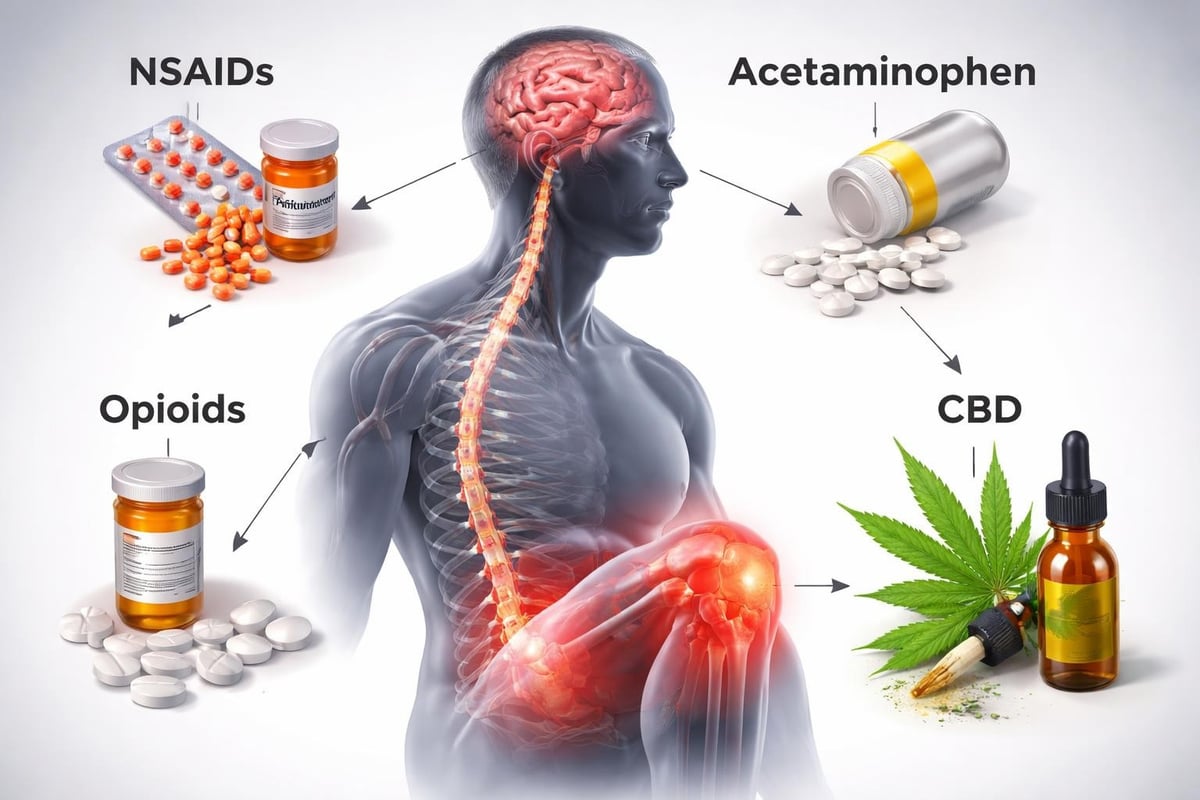
Selecting an appropriate pain reliever for your condition starts with understanding how different medications work in your body. The pain management landscape includes several distinct categories, each targeting specific pain pathways and inflammatory processes.
Nonsteroidal Anti-Inflammatory Drugs (NSAIDs)
NSAIDs represent the most commonly used pain reliever for inflammation-related conditions. These medications work by blocking enzymes called cyclooxygenases (COX-1 and COX-2) that produce prostaglandins, chemicals responsible for pain and inflammation.
Common NSAIDs include:
- Ibuprofen (Advil, Motrin)
- Naproxen (Aleve)
- Aspirin
- Celecoxib (Celebrex)
According to Harvard Health's comprehensive guide on pain relievers, NSAIDs effectively reduce inflammation but come with potential gastrointestinal and cardiovascular risks when used long-term. Individuals with chronic conditions often face a difficult choice between managing pain and accepting these risks.
Acetaminophen: A Different Approach
Acetaminophen (Tylenol) serves as a pain reliever for individuals who cannot tolerate NSAIDs. Unlike NSAIDs, acetaminophen does not reduce inflammation but effectively manages pain and fever through mechanisms not fully understood by researchers.
Key considerations for acetaminophen use:
- Maximum daily dose: 3,000-4,000 mg (consult your physician)
- Liver metabolism requires caution with alcohol consumption
- Does not address underlying inflammation
- Generally safer for stomach issues than NSAIDs
Prescription Pain Medications
For severe chronic pain, physicians may prescribe stronger pain reliever medications including opioids, muscle relaxants, or corticosteroids. The SAMHSA data on prescription pain reliever use highlights the importance of careful monitoring and appropriate prescribing practices.
| Medication Type | Primary Use | Addiction Risk | Duration of Use |
|---|---|---|---|
| Opioids | Severe acute/chronic pain | High | Short-term preferred |
| Muscle Relaxants | Muscle spasms, tension | Moderate | Short to medium-term |
| Corticosteroids | Inflammatory conditions | Low (physical dependence) | Varies, taper required |
| Gabapentinoids | Nerve pain | Low to moderate | Long-term possible |
Natural Alternatives as Pain Relievers
The growing interest in natural pain management reflects concerns about pharmaceutical side effects and the desire for holistic approaches. CBD hemp oil has emerged as a promising pain reliever for individuals seeking alternatives to traditional medications.
CBD Hemp Oil for Pain Management
CBD (cannabidiol) interacts with the body's endocannabinoid system, which regulates pain perception, inflammation, and immune response. Unlike THC, CBD does not produce intoxicating effects, making it an attractive option for daily pain management.
Research suggests CBD functions as an effective pain reliever for several mechanisms:
- Reducing inflammation through interaction with CB2 receptors in immune cells
- Modulating pain signals by influencing serotonin and vanilloid receptors
- Protecting nerve tissue from damage in chronic pain conditions
- Improving sleep quality, which supports natural healing processes
Understanding how CBD works provides valuable insight into its potential as a pain management tool. The compound offers a multi-faceted approach that addresses both symptoms and underlying inflammatory processes.
Topical Applications Versus Oral Formulations
Choosing the right delivery method affects how effectively a pain reliever for chronic conditions works in your specific situation. CBD products come in various formulations, each offering distinct advantages.
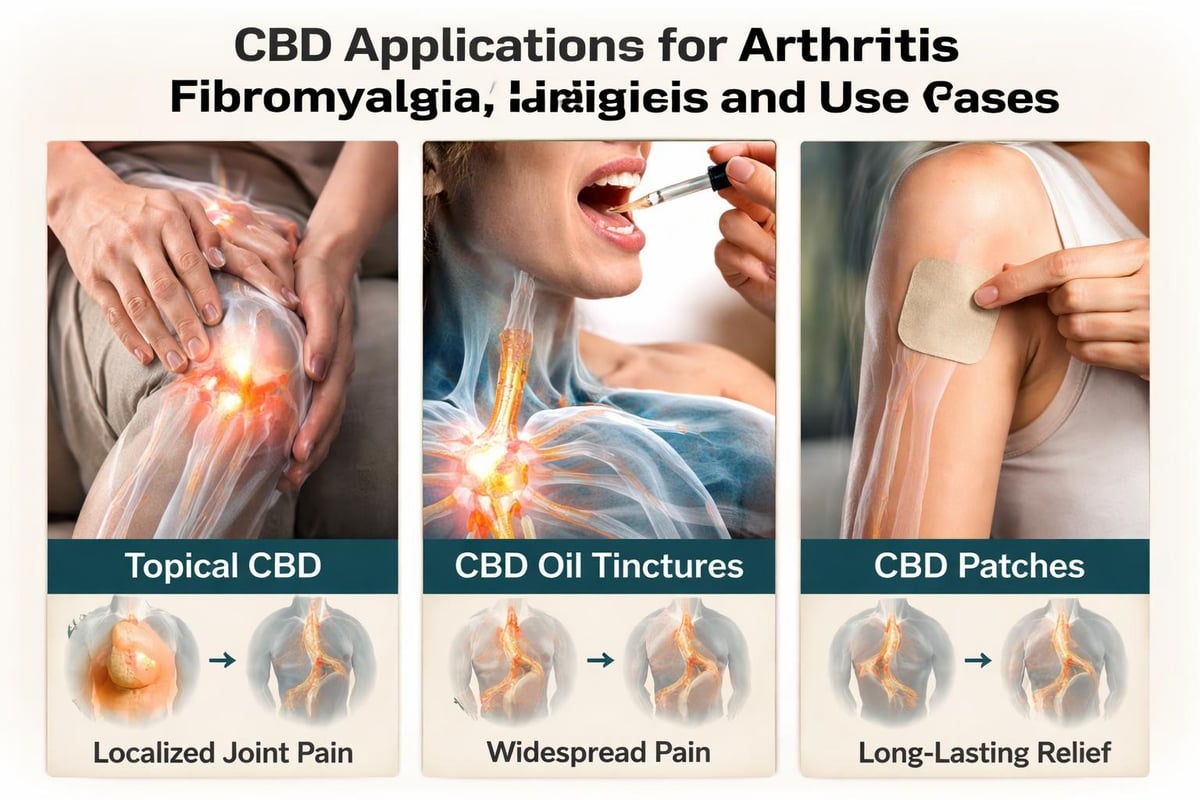
Topical CBD products like relief roll-on sticks deliver concentrated relief directly to affected joints and muscles. These formulations work locally without entering systemic circulation, making them ideal for:
- Targeted joint pain in hands, knees, or shoulders
- Muscle soreness after physical activity
- Localized inflammation in specific areas
- Situations requiring discrete application throughout the day
Oral CBD formulations such as broad-spectrum CBD hemp oil provide whole-body relief by entering the bloodstream through the digestive system. This systemic approach benefits individuals experiencing:
- Widespread pain affecting multiple body areas
- Fibromyalgia with diffuse tender points
- Inflammatory conditions requiring comprehensive management
- Sleep disturbances related to chronic pain
Selecting the Right Pain Reliever for Specific Conditions
Different chronic pain conditions respond better to specific types of pain relievers. Matching your treatment approach to your diagnosis improves outcomes and minimizes unnecessary side effects.
Rheumatoid Arthritis Pain Management
Rheumatoid arthritis (RA) involves autoimmune-driven inflammation that attacks joint tissue. Finding an effective pain reliever for RA requires addressing both inflammation and pain signals.
Traditional RA treatment typically includes:
- Disease-modifying antirheumatic drugs (DMARDs)
- Biologic agents targeting specific immune pathways
- Corticosteroids for flare management
- NSAIDs for symptomatic relief
Many individuals with RA explore CBD as a complementary approach alongside conventional treatment. The anti-inflammatory properties of CBD may help reduce joint swelling while minimizing the need for higher doses of pharmaceuticals.
Understanding lesser-known facts about arthritis empowers patients to make comprehensive treatment decisions. RA affects more than just joints, influencing cardiovascular health, energy levels, and mental well-being.
Osteoarthritis and Degenerative Joint Disease
Osteoarthritis results from cartilage breakdown and mechanical wear on joints. The ideal pain reliever for osteoarthritis addresses both pain and inflammation while supporting joint function.
Evidence-based approaches include:
- Acetaminophen for mild to moderate pain
- NSAIDs during inflammatory flares
- Topical analgesics applied directly to affected joints
- Physical therapy and weight management
- CBD products specifically formulated for osteoarthritis
Differentiating between rheumatoid arthritis and osteoarthritis helps ensure appropriate treatment selection. While both conditions cause joint pain, their underlying mechanisms require different management strategies.
Fibromyalgia Pain Relief
Fibromyalgia presents unique challenges in pain management due to its complex neurological components. This condition involves central sensitization, where the nervous system amplifies pain signals throughout the body.
Effective pain reliever options for fibromyalgia include:
- Pregabalin or duloxetine (FDA-approved medications)
- Low-dose naltrexone for immune modulation
- Muscle relaxants for tension and spasms
- CBD oil formulated for fibromyalgia symptoms
The National Center for Complementary and Integrative Health provides valuable information on integrative pain management approaches that complement conventional treatments. Fibromyalgia often responds well to multi-modal strategies combining medications, lifestyle modifications, and natural supplements.
Transdermal Systems for Continuous Relief
CBD patches for pain relief represent an innovative pain reliever for individuals requiring consistent medication levels throughout the day. These transdermal systems deliver CBD slowly through the skin, maintaining steady concentrations in tissues.
Advantages of patch-based delivery:
- Consistent dosing without peaks and valleys
- Extended duration lasting 8-12 hours per patch
- Bypass first-pass metabolism for improved bioavailability
- Convenient application requiring minimal daily attention
Patches work particularly well as a pain reliever for chronic conditions requiring around-the-clock management. Individuals with morning stiffness, nighttime pain, or difficulty remembering multiple daily doses benefit from this sustained-release approach.

Combining Pain Relief Strategies Safely
Most chronic pain specialists recommend multi-modal approaches rather than relying on a single pain reliever for comprehensive management. Combining different treatment modalities often provides superior results while minimizing individual medication doses.
Creating an Effective Pain Management Protocol
| Treatment Component | Example Options | Primary Benefit |
|---|---|---|
| Pharmaceutical | NSAIDs, acetaminophen | Rapid symptom relief |
| Natural supplement | CBD hemp oil, turmeric | Anti-inflammatory support |
| Physical therapy | Stretching, strengthening | Improved function |
| Mind-body practices | Meditation, yoga | Stress reduction |
| Lifestyle modification | Sleep hygiene, nutrition | Foundational health |
When combining a natural pain reliever for chronic conditions with pharmaceutical medications, consult healthcare providers about potential interactions. CBD generally demonstrates excellent safety profiles, but it can affect how the liver metabolizes certain medications.
Dosing Considerations and Titration
Finding the optimal dose of any pain reliever for your individual needs requires patience and systematic adjustment. CBD dosing, in particular, follows a "start low and go slow" approach.
Recommended titration protocol:
- Begin with low doses (10-20 mg CBD daily)
- Maintain consistent dosing for 3-5 days
- Assess pain levels, sleep quality, and function
- Increase gradually by 5-10 mg if needed
- Continue adjusting until achieving desired results
Proper CBD oil dosage varies based on body weight, pain severity, and individual metabolism. Third-party lab testing ensures accurate cannabinoid concentrations, allowing precise dose control.
Quality and Safety Considerations
Selecting a reliable pain reliever for long-term use requires attention to manufacturing standards, ingredient purity, and company transparency. The CBD industry lacks comprehensive federal regulation, making consumer vigilance essential.
Third-Party Testing and Certification
Premium CBD products undergo independent laboratory analysis verifying:
- Cannabinoid content accuracy
- Absence of heavy metals, pesticides, and solvents
- Microbial contamination testing
- THC levels below legal limits (0.3% for hemp-derived products)
Certificate of Analysis (COA) documents should be readily available for every product batch. This transparency demonstrates manufacturer commitment to quality and consumer safety.
Full-Spectrum Versus Broad-Spectrum Products
Understanding the difference between CBD formulations helps select the most appropriate pain reliever for your needs and preferences.
Full-spectrum CBD contains all naturally occurring cannabinoids, terpenes, and trace amounts of THC (below 0.3%). The "entourage effect" describes how these compounds work synergistically, potentially enhancing therapeutic benefits.
Broad-spectrum CBD includes multiple cannabinoids and terpenes but removes THC entirely. This option suits individuals subject to drug testing or those preferring complete THC avoidance.
Both formulations serve as effective pain relievers for chronic conditions, with choice depending on personal circumstances and comfort levels.
Lifestyle Factors Enhancing Pain Relief
No pain reliever for chronic conditions works optimally without supportive lifestyle practices. Addressing sleep quality, stress management, nutrition, and movement creates an environment conducive to healing and pain reduction.
Sleep Optimization for Pain Management
Poor sleep intensifies pain perception while adequate rest supports natural anti-inflammatory processes. CBD products formulated for sleep may improve both sleep quality and pain levels simultaneously.
Sleep hygiene recommendations:
- Maintain consistent sleep and wake times
- Create a dark, cool sleeping environment
- Limit screen exposure before bedtime
- Consider CBD taken 1-2 hours before sleep
- Address sleep disorders like sleep apnea
Anti-Inflammatory Nutrition
Diet significantly influences inflammation levels and pain intensity. Certain foods function as natural pain relievers for chronic conditions by reducing inflammatory markers throughout the body.
Anti-inflammatory dietary principles:
- Emphasize omega-3 fatty acids from fish, flax, and walnuts
- Include colorful fruits and vegetables rich in antioxidants
- Choose whole grains over refined carbohydrates
- Limit processed foods, added sugars, and trans fats
- Consider anti-inflammatory spices like turmeric and ginger
Movement and Exercise
While pain often discourages physical activity, appropriate movement serves as a powerful pain reliever for musculoskeletal conditions. Low-impact exercises maintain joint mobility, strengthen supporting muscles, and trigger endorphin release.
Suitable activities for chronic pain conditions include:
- Water-based exercise and swimming
- Gentle yoga or tai chi
- Walking at comfortable paces
- Resistance training with light weights
- Stretching and flexibility work
Managing chronic pain while maintaining active lifestyles requires balancing activity with adequate rest. Listen to your body's signals and adjust intensity based on daily pain levels.
Monitoring Progress and Adjusting Treatment
Effective use of any pain reliever for chronic conditions involves tracking outcomes and making data-driven adjustments. Pain journaling provides objective information about what works and what needs modification.
Essential Tracking Metrics
Daily pain journal elements:
- Pain intensity (0-10 scale) at different times
- Location and quality of pain (sharp, dull, burning)
- Medications and supplements taken with doses
- Sleep duration and quality
- Activity levels and limitations
- Mood and stress levels
- Weather patterns (for weather-sensitive conditions)
Patterns emerge over weeks of consistent tracking, revealing relationships between interventions and outcomes. Share this information with healthcare providers to optimize your pain management protocol.
When to Seek Medical Evaluation
While many pain conditions respond well to over-the-counter options and natural supplements, certain situations require professional medical assessment:
- Severe pain interfering with basic daily activities
- Pain accompanied by fever, redness, or swelling
- Progressive weakness or numbness
- Pain following injury or trauma
- Symptoms unresponsive to conservative measures after 2-3 weeks
Early diagnosis of conditions like rheumatoid arthritis significantly impacts long-term outcomes. Prompt evaluation allows earlier intervention, potentially preventing permanent joint damage.
Emerging Research and Future Directions
The landscape of pain management continues evolving as researchers investigate new pain reliever options and refine existing approaches. CBD research particularly shows promise, with studies exploring optimal formulations, delivery methods, and combination therapies.
Current research directions include:
- Targeted cannabinoid ratios for specific pain conditions
- Novel delivery systems improving bioavailability
- Combination therapies with conventional medications
- Personalized medicine based on genetic factors
- Long-term safety data from extended use studies
Exploring cannabinoids beyond CBD and THC reveals additional compounds like CBG, CBN, and CBC that may contribute to pain relief. Minor cannabinoids show distinct therapeutic profiles and may enhance overall effectiveness.
Understanding natural alternatives to prescription medications empowers individuals to make informed decisions about their health. While pharmaceuticals remain essential for many conditions, natural options provide valuable complementary support with favorable safety profiles.
Managing chronic pain requires a comprehensive approach combining effective pain relievers, lifestyle modifications, and consistent monitoring of results. Whether you choose traditional medications, natural alternatives like CBD hemp oil, or a combination of both, the key lies in finding solutions that improve your quality of life while minimizing unwanted side effects. Reclaim Labs offers premium, third-party tested CBD products specifically formulated for individuals managing chronic pain conditions like rheumatoid arthritis and fibromyalgia, providing transparent, reliable options for those seeking natural pain management solutions.