Joint inflammation affects millions of Americans, causing persistent pain, stiffness, and reduced mobility that can significantly impact quality of life. Whether you're dealing with rheumatoid arthritis, osteoarthritis, or general joint discomfort, understanding how to reduce inflammation joints effectively is essential for maintaining an active, fulfilling lifestyle. This comprehensive guide explores evidence-based strategies ranging from dietary modifications to natural supplements that can help manage inflammation and restore joint health.
Understanding Joint Inflammation and Its Impact
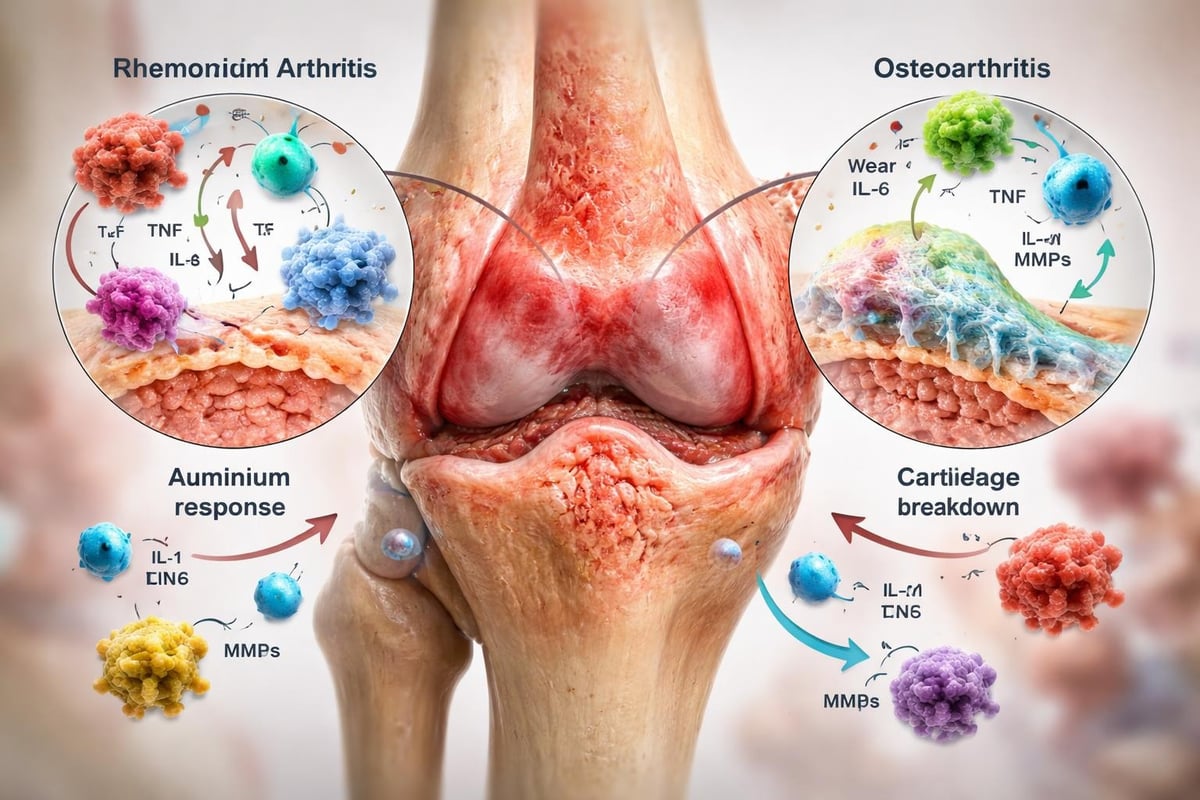
Joint inflammation occurs when the immune system triggers an inflammatory response in the tissues surrounding your joints. This process, while initially protective, can become chronic and damaging when it persists over time.
The inflammatory cascade involves several key components:
- White blood cells releasing chemical mediators
- Increased blood flow to affected areas
- Swelling and fluid accumulation in joint spaces
- Tissue damage from prolonged immune activity
- Pain signals transmitted to the nervous system
According to Harvard Health's research on chronic inflammation and joints, this persistent immune response can lead to cartilage breakdown, bone erosion, and permanent joint damage if left unmanaged. The challenge lies in addressing inflammation without compromising the body's natural healing mechanisms.
Types of Inflammatory Joint Conditions
Different conditions require tailored approaches to reduce inflammation joints effectively. Rheumatoid arthritis, an autoimmune disorder, attacks joint linings systematically. Osteoarthritis develops through wear and tear, triggering inflammatory responses as cartilage deteriorates. Gout creates sudden, intense inflammation through uric acid crystal formation.
Understanding your specific condition helps determine which interventions will provide the most significant relief. Many individuals benefit from combining multiple strategies to address inflammation from various angles simultaneously.
Dietary Approaches to Reduce Inflammation Joints
Nutrition plays a fundamental role in managing joint inflammation. The foods you consume can either fuel inflammatory processes or help suppress them through bioactive compounds and essential nutrients.
Anti-Inflammatory Foods That Support Joint Health
Omega-3 fatty acids stand among the most powerful dietary tools to reduce inflammation joints naturally. Found abundantly in fatty fish like salmon, mackerel, and sardines, these essential fats help modulate inflammatory pathways at the cellular level.
The Arthritis Foundation's ultimate arthritis diet recommends incorporating these key foods:
- Fatty fish (salmon, tuna, sardines) consumed 2-3 times weekly
- Leafy greens (spinach, kale, collards) rich in antioxidants
- Nuts and seeds (walnuts, flaxseeds, chia seeds) for omega-3s
- Berries (blueberries, strawberries, blackberries) packed with anthocyanins
- Olive oil containing oleocanthal, a natural anti-inflammatory compound
- Whole grains that support stable blood sugar levels
- Legumes providing fiber and plant-based protein
Fresh fruits and vegetables contain phytonutrients that combat oxidative stress, a contributor to joint inflammation. Aim for at least five servings daily, emphasizing colorful varieties for maximum antioxidant diversity.
Foods to Avoid for Joint Health
Certain dietary components actively promote inflammation and should be limited when working to reduce inflammation joints:
| Inflammatory Foods | Why They're Problematic | Better Alternatives |
|---|---|---|
| Refined sugars | Trigger cytokine release | Fresh fruit, stevia |
| Trans fats | Increase inflammatory markers | Olive oil, avocado oil |
| Processed meats | High in AGEs and sodium | Lean poultry, fish |
| Excessive alcohol | Disrupts immune function | Herbal teas, water |
| White bread/pasta | Spike blood sugar | Whole grain options |
Research from Harvard Health on anti-inflammatory diets demonstrates that eliminating these triggers while increasing anti-inflammatory foods can produce measurable improvements in joint pain and function within weeks.
Physical Activity and Movement Strategies
Exercise might seem counterintuitive when joints hurt, but appropriate physical activity is crucial to reduce inflammation joints and maintain mobility. Movement stimulates circulation, delivers nutrients to cartilage, and helps control weight that stresses joints.
Low-Impact Exercises for Inflamed Joints
Water-based activities offer exceptional benefits for those managing joint inflammation. Swimming and water aerobics provide resistance training while buoyancy reduces stress on weight-bearing joints. The hydrostatic pressure also helps decrease swelling.
Recommended exercise types include:
- Walking at a comfortable pace for 20-30 minutes daily
- Cycling or stationary biking to strengthen leg muscles without impact
- Yoga for flexibility, balance, and gentle strengthening
- Tai chi combining slow movements with meditation
- Resistance training using light weights or bands 2-3 times weekly
According to UT Health Austin's guidance on lifestyle changes, consistency matters more than intensity. Start slowly and gradually increase duration and difficulty as your joints adapt.
The Role of Rest and Recovery
While movement helps reduce inflammation joints, adequate rest prevents overuse injuries and allows tissues to repair. Balance activity with recovery periods, especially after more intense exercise sessions.
Quality sleep directly influences inflammatory markers throughout the body. Aim for 7-9 hours nightly in a cool, dark environment to optimize your body's natural anti-inflammatory processes.

Natural Supplements and CBD for Joint Inflammation
Beyond diet and exercise, specific supplements provide targeted support to reduce inflammation joints through various mechanisms. Understanding which compounds offer scientific backing helps you make informed decisions about supplementation.
CBD Hemp Oil for Joint Inflammation Management
Cannabidiol (CBD) has emerged as a promising option for individuals seeking natural alternatives to conventional anti-inflammatory medications. CBD interacts with the endocannabinoid system, which plays a crucial role in regulating pain perception and immune responses.
Key benefits of CBD for joint health include:
- Modulation of inflammatory cytokines that damage joint tissue
- Activation of pain-relieving pathways without psychoactive effects
- Support for better sleep quality, enhancing recovery
- Reduction in oxidative stress that contributes to joint degradation
Reclaim Labs' CBD hemp oil products are specifically formulated to help reduce inflammation joints through full-spectrum and broad-spectrum formulations. These products undergo rigorous third-party testing to ensure purity, potency, and safety for individuals managing chronic inflammatory conditions.
For those specifically dealing with rheumatoid arthritis, targeted information about managing RA symptoms with CBD provides additional context about dosing strategies and expected outcomes.
Other Evidence-Based Supplements
The National Center for Complementary and Integrative Health's overview of nutritional approaches highlights several supplements with research supporting their use:
| Supplement | Typical Dosage | Primary Mechanism | Evidence Level |
|---|---|---|---|
| Omega-3 fatty acids | 2-3g daily | Reduce inflammatory mediators | Strong |
| Curcumin (turmeric) | 500-1000mg daily | Inhibit NF-kB pathway | Moderate |
| Glucosamine & Chondroitin | 1500mg/1200mg daily | Support cartilage structure | Moderate |
| Vitamin D | 2000-4000 IU daily | Modulate immune function | Moderate |
| Ginger extract | 250-500mg daily | Cox-2 inhibition | Emerging |
When combining supplements to reduce inflammation joints, consult healthcare providers to avoid interactions and ensure appropriate dosing for your specific situation.
Weight Management and Joint Health
Excess body weight creates mechanical stress on joints while also promoting systemic inflammation through adipose tissue-derived inflammatory compounds. Even modest weight loss can significantly reduce inflammation joints and improve function.
The Inflammation-Weight Connection
Fat tissue isn't metabolically inert. It actively secretes pro-inflammatory cytokines including TNF-alpha and IL-6, which circulate throughout the body and contribute to joint inflammation. This creates a cycle where inflammation makes exercise difficult, leading to weight gain that further increases inflammation.
Weight loss benefits for joint health:
- Each pound lost reduces knee joint stress by approximately four pounds during walking
- Decreased production of inflammatory adipokines
- Improved insulin sensitivity and blood sugar control
- Enhanced mobility enabling more physical activity
- Reduced cardiovascular risk factors
Combining the anti-inflammatory dietary strategies mentioned earlier with regular physical activity creates the foundation for sustainable weight management. Focus on gradual, consistent progress rather than rapid weight loss that's difficult to maintain.

Stress Management and Mental Health
Psychological stress activates inflammatory pathways through cortisol dysregulation and sympathetic nervous system activation. Managing stress effectively is essential to reduce inflammation joints comprehensively.
Mind-Body Techniques for Inflammation Control
Meditation and mindfulness practices have demonstrated measurable effects on inflammatory markers in clinical studies. Just 10-15 minutes daily of focused breathing or guided meditation can help regulate stress responses.
AARP's insights on relieving inflammatory arthritis emphasize several evidence-based approaches:
- Progressive muscle relaxation releasing physical tension
- Biofeedback training to control physiological responses
- Cognitive behavioral therapy addressing pain-related thoughts
- Support groups providing community and coping strategies
- Journaling to process emotional challenges
These techniques don't directly target joints but reduce inflammation joints by lowering systemic stress hormones that amplify inflammatory processes.
Sleep Quality and Inflammatory Control
Poor sleep quality increases inflammatory markers while reducing the body's capacity to repair damaged tissues. Establishing consistent sleep hygiene practices supports your efforts to reduce inflammation joints naturally.
Create a sleep-conducive environment by maintaining bedroom temperatures between 60-67°F, eliminating blue light exposure two hours before bed, and establishing consistent sleep-wake schedules even on weekends. Some individuals find that CBD products for sleep support help establish healthier sleep patterns.
Hydration and Joint Lubrication
Proper hydration maintains the synovial fluid that lubricates joints and cushions cartilage during movement. Dehydration can exacerbate joint stiffness and discomfort, making it harder to reduce inflammation joints effectively.
Optimal Hydration Strategies
Aim for approximately half your body weight in ounces of water daily, adjusting for activity level, climate, and individual needs. Herbal teas and water-rich fruits and vegetables contribute to overall fluid intake.
Signs of adequate hydration include:
- Pale yellow urine color
- Consistent energy levels throughout the day
- Minimal joint stiffness upon waking
- Good skin elasticity
- Regular bowel movements
Avoid excessive caffeine and alcohol, which have diuretic effects that can compromise hydration status and potentially increase inflammation.
Environmental and Lifestyle Factors
Beyond nutrition and exercise, various environmental exposures and lifestyle habits influence your ability to reduce inflammation joints over the long term.
Reducing Toxic Exposures
Environmental toxins including heavy metals, pesticides, and industrial chemicals can trigger inflammatory responses and burden the body's detoxification systems. Choosing organic produce when possible, filtering drinking water, and using natural cleaning products reduces overall toxic load.
Smoking cessation ranks among the most important lifestyle changes for joint health. Tobacco use increases inflammatory markers, impairs circulation to joints, and interferes with the effectiveness of arthritis medications.
Temperature and Joint Function
Many individuals with inflammatory joint conditions report increased stiffness and pain with cold weather. While weather doesn't directly cause inflammation, temperature changes affect joint fluid viscosity and may influence pain perception.
Using heat therapy through warm baths, heating pads, or warm compresses helps reduce inflammation joints by improving circulation and relaxing surrounding muscles. Cold therapy with ice packs works better for acute inflammation flares by numbing pain and reducing swelling.
Tracking Progress and Adjusting Strategies
Implementing multiple strategies to reduce inflammation joints requires systematic tracking to identify which interventions provide the most benefit for your specific situation.
Measuring Joint Health Improvements
Key metrics to monitor include:
- Pain levels using a 0-10 scale at consistent times daily
- Range of motion measurements for affected joints
- Morning stiffness duration in minutes
- Function assessments (ability to complete daily tasks)
- Medication usage and dosage changes
- Sleep quality and duration
- Energy and fatigue levels
Keep a simple journal or use mobile apps designed for arthritis tracking to identify patterns between lifestyle factors and symptom severity. This data helps you and your healthcare providers make informed decisions about treatment adjustments.
When to Seek Professional Guidance
While natural strategies can significantly reduce inflammation joints for many individuals, persistent or worsening symptoms warrant medical evaluation. Comprehensive arthritis management strategies often combine natural approaches with medical interventions when necessary.
Consult healthcare providers if you experience sudden severe joint swelling, joints that feel hot to the touch, fever accompanying joint pain, or symptoms that don't improve with conservative measures after several weeks.
Building a Sustainable Joint Health Routine
Long-term success in managing joint inflammation requires creating sustainable habits rather than relying on short-term interventions. The most effective approach combines multiple strategies tailored to your lifestyle, preferences, and specific condition.
Start by implementing one or two changes at a time, allowing several weeks to assess their impact before adding additional interventions. This methodical approach helps you identify which specific strategies most effectively reduce inflammation joints in your unique situation.
Consider working with healthcare professionals including rheumatologists, registered dietitians, physical therapists, and integrative medicine practitioners who can provide personalized guidance. Many individuals find that exploring natural alternatives like CBD oil complements conventional treatments effectively.
Remember that managing joint inflammation is a journey rather than a destination. Your needs may change over time, requiring adjustments to your approach. Staying informed about emerging research, listening to your body's signals, and maintaining open communication with healthcare providers supports optimal outcomes.
Reducing joint inflammation requires a multifaceted approach combining dietary modifications, regular movement, stress management, and targeted supplementation. By implementing these evidence-based strategies consistently, you can take control of your joint health and improve your quality of life. Reclaim Labs offers premium, third-party tested CBD hemp oil products specifically formulated to support individuals managing chronic joint inflammation, providing a natural complement to your comprehensive wellness plan. Explore our range of full-spectrum and broad-spectrum options designed with transparency and efficacy at the forefront.