The search for natural ways to relieve pain is rapidly growing in 2026, as more people seek safer alternatives to pharmaceuticals. Many individuals are concerned about the risks and side effects that can come with conventional painkillers, especially with long-term use.
People are increasingly interested in proven methods that allow them to relieve pain without compromising their overall health. Are you ready to discover practical, science-backed techniques that experts recommend?
This article reveals 7 proven strategies to relieve pain naturally in 2026. From lifestyle adjustments and nutrition to advanced mind-body approaches, explore these actionable steps for a healthier, pain-free life.
Understanding Pain: Types, Causes, and Modern Challenges
Pain is a complex experience that affects millions worldwide, and understanding its nature is crucial to finding ways to relieve pain. Pain can be classified as either acute or chronic. Acute pain is usually sharp and sudden, often resulting from injury, surgery, or illness, and tends to resolve as the body heals. Chronic pain, in contrast, lasts for months or even years, frequently linked to long-term conditions like arthritis, fibromyalgia, or nerve damage.
Common causes of pain include inflammation, tissue damage, nerve dysfunction, and underlying chronic diseases. According to recent global statistics, over 20% of adults experience chronic pain, with significant impacts on daily life, mood, and productivity. In the United States, chronic pain is one of the leading causes of disability, affecting both physical activity and mental health. For a deeper look at specific pain types and what they feel like, explore Understanding types of pain.
The Shift Toward Natural Pain Relief
Concerns about opioid addiction, medication side effects, and long-term health risks have sparked a major shift toward natural approaches to relieve pain. Recent surveys show that more people are seeking holistic and non-pharmaceutical solutions, such as lifestyle changes, dietary adjustments, and mind-body practices.
Scientific advancements continue to support these natural interventions. Research on meditation, exercise, and nutrition highlights their effectiveness in reducing pain intensity and improving quality of life. Public interest in natural pain management has surged, with more individuals looking for safe, sustainable alternatives that relieve pain without the risks associated with conventional drugs.
Challenges in Managing Pain in 2026
Managing pain in 2026 brings new challenges. Medical guidelines have evolved, often resulting in reduced opioid prescriptions. While this change aims to curb addiction, it can leave patients searching for alternative ways to relieve pain. Barriers such as high costs, limited insurance coverage, and lingering stigma around pain conditions can make traditional care difficult to access.
Technology is transforming pain management, with telehealth services and digital tools providing remote support. However, not everyone has equal access to these innovations, and disparities persist in care delivery. Despite these obstacles, the growing emphasis on personalized, natural strategies is helping many people find effective ways to relieve pain and regain control of their lives.

7 Proven Ways to Relieve Pain Naturally in 2026
Seeking to relieve pain naturally has become a top priority for millions worldwide. Modern research, expert recommendations, and technological advancements now offer safer, more effective alternatives to conventional painkillers. Below, discover seven science-backed methods to relieve pain, each tailored to fit diverse lifestyles and needs in 2026.

1. Mind-Body Techniques: Meditation, Mindfulness, and Relaxation
Mind-body practices are now widely recognized as powerful ways to relieve pain without medication. Meditation, for example, has been shown through brain imaging to reduce pain perception by altering activity in pain-processing centers. Mindfulness-based stress reduction (MBSR) programs, which combine meditation and gentle movement, are especially effective for chronic pain sufferers.
In a recent study, individuals who completed an eight-week mindfulness program reported a 35% reduction in pain scores. This approach helps people become more aware of their bodies and responses, teaching them to observe pain sensations non-judgmentally. As a result, pain often becomes more manageable.
Breathing exercises and guided imagery are also practical tools to relieve pain in both acute and chronic settings. These techniques activate the body's relaxation response, lowering stress hormones and muscle tension. Digital resources in 2026 have made these practices even more accessible, with apps offering personalized meditation tracks and real-time feedback.
To start a daily mind-body routine, set aside 5-10 minutes each morning for meditation or deep breathing. Gradually increase the duration as you become more comfortable. Remember, consistency is key to seeing long-term benefits and to relieve pain effectively.
Tips for Success:
- Use meditation apps with pain-focused programs.
- Practice mindful breathing during flare-ups.
- Join online MBSR groups for support.
Mind-body methods are a cornerstone for those seeking to relieve pain naturally.
2. Exercise and Movement Therapies
Movement is essential for those looking to relieve pain and maintain mobility. The phrase “motion is lotion” rings true, as regular activity helps lubricate joints and strengthen muscles, reducing discomfort over time. Scientific research confirms that exercise can decrease chronic pain by up to 25%.
Low-impact options like yoga, tai chi, swimming, and walking are ideal for most people, including those with arthritis or fibromyalgia. These activities improve flexibility, balance, and circulation, all of which contribute to pain relief. Strength training, when done safely, also enhances joint stability and prevents future injuries.
Before starting a new exercise routine to relieve pain, consult with a healthcare provider, especially if you have underlying conditions. Physical therapists often recommend aquatic therapy for those with severe joint pain, as water supports the body and minimizes strain.
Sample Movement Plan:
| Activity | Frequency | Benefits |
|---|---|---|
| Yoga | 2-3x/week | Flexibility, stress relief |
| Walking | Daily | Cardiovascular health, joint function |
| Swimming | 1-2x/week | Low-impact, full-body workout |
| Tai Chi | 2x/week | Balance, pain reduction |
Real-life stories show that arthritis patients who participate in aquatic therapy often regain mobility and experience less pain, reinforcing the value of movement in any plan to relieve pain.
3. Anti-Inflammatory Diet and Nutrition
Nutrition plays a crucial role in efforts to relieve pain, particularly for those with chronic inflammation. Certain foods, such as fatty fish, berries, leafy greens, and turmeric, have natural anti-inflammatory properties. These can help lower pain levels by reducing inflammation at the cellular level.
Gut health is also linked to pain modulation. A healthy gut supports immune function, which in turn can help relieve pain. Diets like the Mediterranean, DASH, and plant-based approaches are supported by research for their pain-lowering effects.
Antioxidants and omega-3 fatty acids are key nutrients in these diets. Studies report that people following anti-inflammatory diets experience up to 20% less pain. To relieve pain through nutrition, focus on whole, unprocessed foods and limit sugars and processed fats.
Meal Planning Tips:
- Include fatty fish (salmon, sardines) twice a week.
- Add turmeric and ginger to meals for additional relief.
- Eat a variety of colorful fruits and vegetables daily.
For more detailed guidance, explore strategies in this Anti-inflammatory diet for pain resource, which outlines effective dietary and lifestyle changes to relieve pain.
4. Physical Therapies: Massage, Acupuncture, and Manual Therapy
Physical therapies are valuable tools for those looking to relieve pain without medications. Massage therapy, for instance, reduces muscle tension, improves circulation, and promotes relaxation, all of which help relieve pain. Acupuncture, another ancient practice, has robust evidence supporting its use for back pain, migraines, and arthritis.
Manual therapies, including physical therapy and chiropractic adjustments, target joint dysfunction and muscle imbalances. Integrative pain clinics in 2026 often combine these therapies for optimal results. Patients typically report improved function and significant pain reduction.
Finding a qualified practitioner is key. Look for therapists with certifications in pain management or relevant specialties. Combining therapies, such as massage and acupuncture, can enhance the ability to relieve pain by addressing multiple sources of discomfort.
Benefits of Physical Therapies:
- Non-invasive and drug-free
- Personalized for each individual's needs
- Effective for both acute and chronic pain
These approaches provide a hands-on, holistic way to relieve pain and restore quality of life.
5. Topical and Temperature Therapies
Topical and temperature-based therapies are accessible options to relieve pain at home. Hot and cold applications work by influencing blood flow and nerve signals. Heat relaxes muscles and improves circulation, making it ideal for chronic muscle pain. Cold reduces inflammation and numbs sharp pain, making it suitable for acute injuries.
Popular over-the-counter remedies include menthol, capsaicin, arnica, and magnesium creams. Wearable heat and cold devices have become more advanced in 2026, offering targeted relief with adjustable settings. Knowing when to use heat versus cold is essential to relieve pain safely. Generally, use cold for new injuries and heat for ongoing stiffness or soreness.
Athletes often use contrast therapy, alternating hot and cold treatments, to recover quickly and relieve pain after intense workouts. However, always follow safety guidelines and avoid applying extreme temperatures directly to the skin.
Cautions:
- Do not use heat on fresh injuries.
- Avoid cold therapy if you have circulation issues.
- Test topical products on a small area first.
These therapies add flexibility to any plan to relieve pain, offering quick, localized relief.
6. Sleep Optimization for Pain Relief
Improving sleep is a critical, yet often overlooked, way to relieve pain. The relationship between pain and sleep is bidirectional. Poor sleep increases pain sensitivity by up to 40%, while chronic pain can disrupt sleep patterns.
Optimizing sleep hygiene involves creating a consistent routine, reducing screen time before bed, and maintaining a comfortable sleep environment. Natural sleep aids such as melatonin, magnesium, and herbal teas can also help. In 2026, smart mattresses and advanced sleep trackers provide real-time feedback to improve rest and relieve pain.
Cognitive behavioral therapy for insomnia (CBT-I) is an effective behavioral intervention for those whose pain disrupts sleep. This therapy helps retrain the brain to establish better sleep habits, ultimately reducing pain levels.
Sleep Tips:
- Establish a regular bedtime and wake time.
- Avoid caffeine and electronics in the evening.
- Use relaxation techniques before bed.
Making sleep a priority is essential for anyone striving to relieve pain and enhance recovery.
7. Herbal and Natural Supplements for Pain Management
Herbal and natural supplements are increasingly popular for people seeking to relieve pain without pharmaceuticals. Well-researched options include turmeric (curcumin), omega-3 fatty acids, boswellia, and CBD. These supplements work by reducing inflammation, modulating pain pathways, or supporting nerve health.
Dosage and safety are crucial. For example, turmeric supplements should be standardized for curcumin content, and omega-3s should be sourced from reputable brands. Regulatory updates in 2026 have improved quality assurance, but it remains important to consult healthcare professionals before starting any new supplement.
Case studies show that supplement regimens tailored to individual needs can relieve pain for arthritis and neuropathic conditions. However, interactions with medications are possible, so professional guidance is vital.
Popular Supplements Table:
| Supplement | Main Benefit | Typical Dosage |
|---|---|---|
| Turmeric | Anti-inflammatory | 500-1000 mg/day |
| Omega-3s | Joint health | 1000-2000 mg/day |
| Boswellia | Reduces swelling | 300-500 mg/day |
| CBD | Neuropathic pain | Varies, start low |
Supplements can play a supportive role in comprehensive plans to relieve pain, especially when combined with other natural strategies.
Creating a Personalized Natural Pain Relief Plan
Personalizing your approach to relieve pain is essential for lasting results. Each person’s pain experience is unique, so a one-size-fits-all solution rarely works. By understanding your needs, combining the right strategies, and continuously monitoring your progress, you can build a plan that truly supports your journey toward comfort and wellness.
Assessing Your Pain and Needs
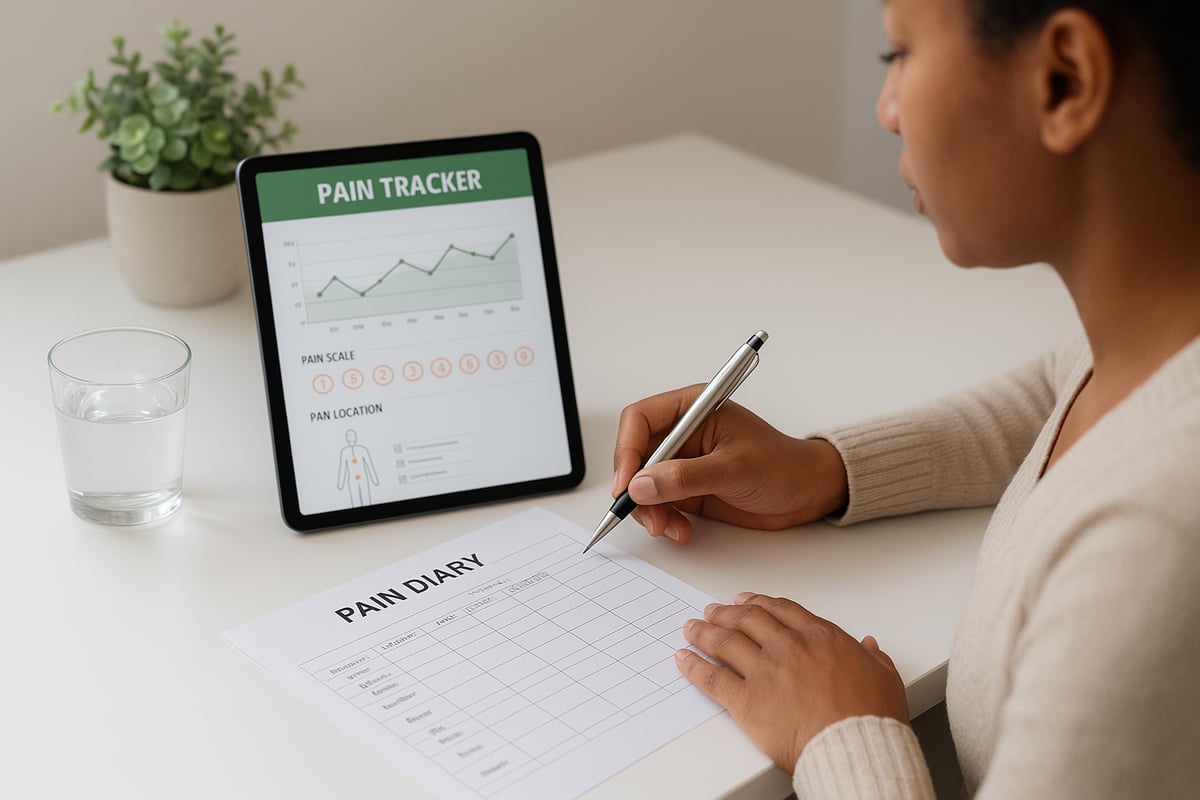
To relieve pain effectively, start by gaining a clear understanding of your symptoms. Keep a detailed pain diary, noting the time, intensity, triggers, and duration of each episode. This record helps you and your healthcare provider identify patterns and underlying causes.
Schedule a comprehensive medical evaluation to rule out serious conditions or pinpoint chronic issues like arthritis or nerve pain. Diagnostic tests and professional guidance are crucial for a safe and targeted plan.
Set realistic goals for your pain management journey. Aim for measurable improvements such as reduced discomfort, better sleep, or increased mobility. Clear objectives keep you motivated and provide benchmarks for tracking progress as you relieve pain.
Combining Multiple Strategies for Maximum Relief
No single method can relieve pain for everyone. The most successful plans blend several approaches, creating a synergistic effect that addresses pain from multiple angles.
For example, pairing mind-body practices with an anti-inflammatory diet, targeted exercise, and physical therapies can amplify results. Customizing your plan to your pain type—joint, nerve, or muscle—maximizes benefits and reduces frustration.
Leading clinics often use integrated care plans, combining therapies tailored to the patient’s needs. For more ideas on how to blend different approaches, explore these natural pain relief strategies. Remember, flexibility is key as you discover which combinations help you relieve pain most effectively.
Monitoring Progress and Adjusting Your Approach
Consistent monitoring is vital to relieve pain over time. Use digital tools and apps to track pain levels, triggers, and improvements. Many apps allow you to log daily symptoms, monitor activity, and generate reports for your healthcare team.
If your current plan stops working or your symptoms change, do not hesitate to seek professional advice. Adjusting your approach is normal and often necessary for continued progress.
Engage with support communities, both online and locally, for encouragement and new insights. This network can offer valuable tips and help you stay accountable as you relieve pain and move toward your wellness goals.
Frequently Asked Questions About Natural Pain Relief in 2026
Many people have questions about how to relieve pain naturally in 2026. Below, we answer the most common concerns to help you make informed decisions about your pain management journey.
What types of pain respond best to natural methods?
Natural approaches can relieve pain from various sources. Chronic back pain, arthritis, tension headaches, and fibromyalgia often respond well to lifestyle changes, mind-body techniques, and dietary adjustments. Acute pain from minor injuries may also improve with these strategies. However, severe or rapidly worsening pain should always be evaluated by a healthcare professional.
Are natural pain relief strategies safe for everyone?
Most people can safely try natural ways to relieve pain, but individual factors matter. For example, some supplements or therapies might interact with medications or medical conditions. Always consult your healthcare provider before starting new routines, especially if you are pregnant, elderly, or have chronic illnesses.
How long does it take to see results from these methods?
Timeframes to relieve pain naturally vary. Some techniques, like heat or cold therapy, may offer quick relief within minutes. Others, such as meditation or dietary changes, can take several weeks to show noticeable improvement. Consistency is key. Tracking your progress can help you identify what works best for your pain.
Can natural remedies replace prescription medications?
In some cases, natural methods may reduce the need for medications or complement existing treatments. Recent research, such as a breakthrough brain discovery reveals a natural way to relieve pain, highlights new non-opioid options. However, never stop prescribed medicines without medical guidance.
What are the most common mistakes people make when trying natural pain relief?
Common mistakes include:
- Expecting instant results from every method
- Using unproven remedies or incorrect dosages
- Ignoring underlying medical issues
- Not seeking professional advice when needed
Being patient and informed increases your chances to relieve pain effectively.
How can I find credible information and practitioners?
Look for licensed professionals experienced in natural pain relief. Check credentials, read reviews, and consult reputable health organizations. Reliable websites, clinical studies, and referrals from your doctor can also guide you to trustworthy resources. Staying informed helps you make safe, effective choices.
As you’ve seen throughout this article, finding lasting pain relief naturally in 2026 is more achievable than ever—whether you’re exploring mind body techniques, optimizing your diet, or seeking trusted CBD solutions. At Reclaim Labs, we’re dedicated to supporting your journey with premium, third party tested CBD hemp oil products designed to help manage chronic pain and inflammation safely. If you’re ready to take the next step and put these proven strategies into action, I encourage you to Get Relief Now! and discover solutions that put your wellness first.