Millions of people worldwide face the daily challenge of rheumatoid arthritis and foot pain, a combination that can make even simple tasks feel overwhelming. In recent years, research has shed new light on managing these symptoms, especially as they affect mobility and independence.
This guide provides the most current, expert-backed insights for 2026, designed to help both rheumatoid arthritis sufferers and caregivers navigate foot pain with confidence. You will discover the underlying causes, advanced diagnostic tools, treatment breakthroughs, practical daily strategies, and emerging trends shaping the future of care.
Whether you seek relief or want to support a loved one, this resource equips you with actionable solutions and the latest knowledge to reclaim comfort and quality of life.
Understanding Rheumatoid Arthritis and Foot Pain
Rheumatoid arthritis is a chronic autoimmune disease that causes the body's immune system to attack healthy joint tissue. This misguided response leads to persistent inflammation, pain, and over time, joint damage. Among the most affected areas are the feet, with research showing that nearly 90% of people diagnosed with rheumatoid arthritis and foot pain will experience significant foot involvement during the course of their illness.
The feet contain a complex network of small joints, ligaments, and tendons. In rheumatoid arthritis and foot pain, inflammation primarily targets the synovial lining of these joints. This process causes swelling, warmth, and stiffness, particularly in the forefoot and toes. Patients often report difficulty walking in the morning due to stiffness that gradually improves as the day progresses, but pain and swelling may persist throughout daily activities.
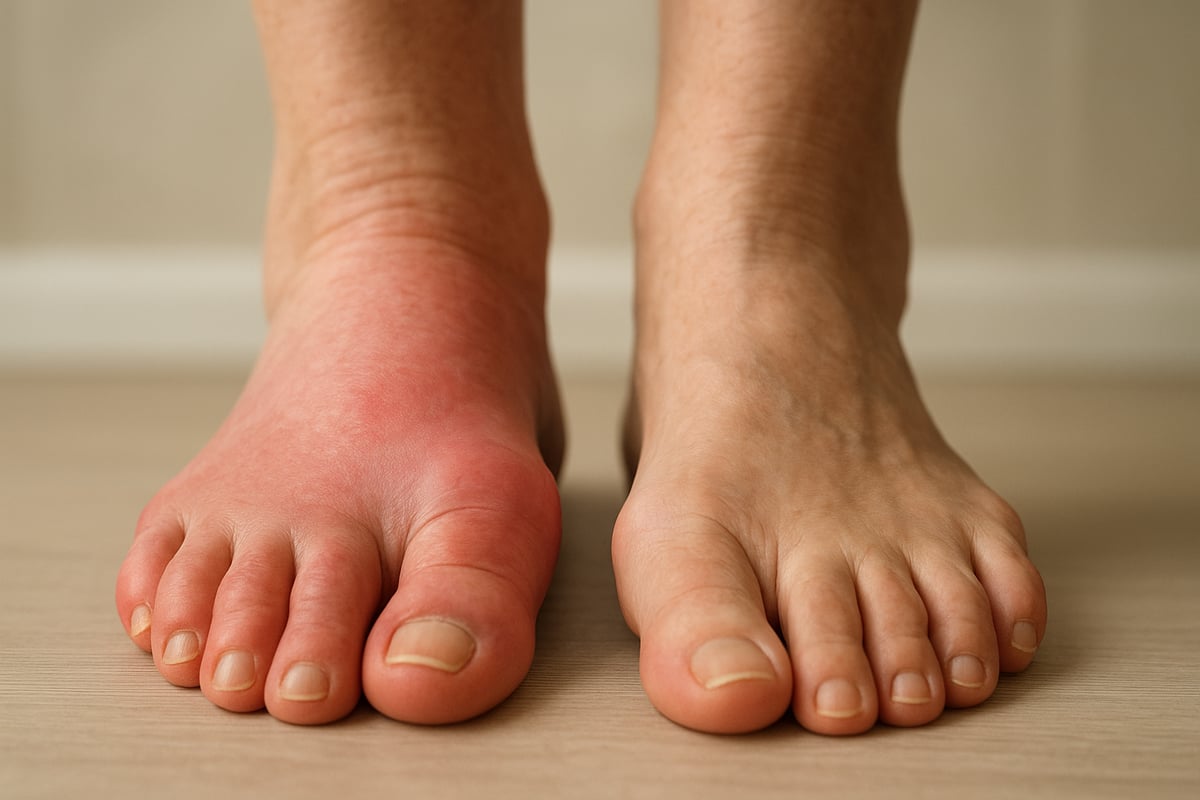
Common symptoms of rheumatoid arthritis and foot pain include tenderness, redness, visible swelling, and in some cases, deformities such as bunions or claw toes. These changes can make it challenging to find comfortable footwear and may lead to problems with balance and stability. According to the Arthritis Foundation (2025), up to 80% of individuals with rheumatoid arthritis and foot pain report moderate to severe pain in their feet, significantly impacting their ability to work, exercise, or enjoy hobbies.
The impact of foot symptoms extends beyond physical discomfort. Many people with rheumatoid arthritis and foot pain find that even simple tasks, like grocery shopping or standing for extended periods, become daunting. Real-life scenarios often involve adjusting daily routines, relying on family for support, or limiting social interactions due to mobility challenges.
The root cause of rheumatoid arthritis and foot pain lies in the ongoing inflammation of the synovial joints. Over time, this inflammation erodes cartilage and bone, while also damaging surrounding soft tissues such as ligaments and tendons. The result is a gradual loss of joint function and structural changes that can make walking painful or even impossible without assistance.
There are several misconceptions about rheumatoid arthritis and foot pain. Some believe it affects only older adults, but it can strike at any age, even in young adults. Others think foot pain is simply a result of aging or poor footwear, yet autoimmune-driven inflammation is the true underlying cause. For a comprehensive overview of the disease process, readers may find Understanding rheumatoid arthritis causes helpful.
Recent advances in research highlight the importance of early recognition and intervention. Detecting rheumatoid arthritis and foot pain at its onset can help prevent severe deformities, maintain mobility, and preserve quality of life. The journey with this condition is unique for everyone, but greater awareness and understanding empower patients and their caregivers to seek timely, effective treatment.
Diagnosis: Modern Approaches and Innovations
Diagnosing rheumatoid arthritis and foot pain has evolved significantly, providing patients with earlier and more accurate care than ever before. Foot pain is often the first sign of rheumatoid arthritis, yet it can be overlooked, delaying essential treatment. Understanding the latest diagnostic innovations empowers both patients and healthcare providers.
Traditional Diagnostic Methods
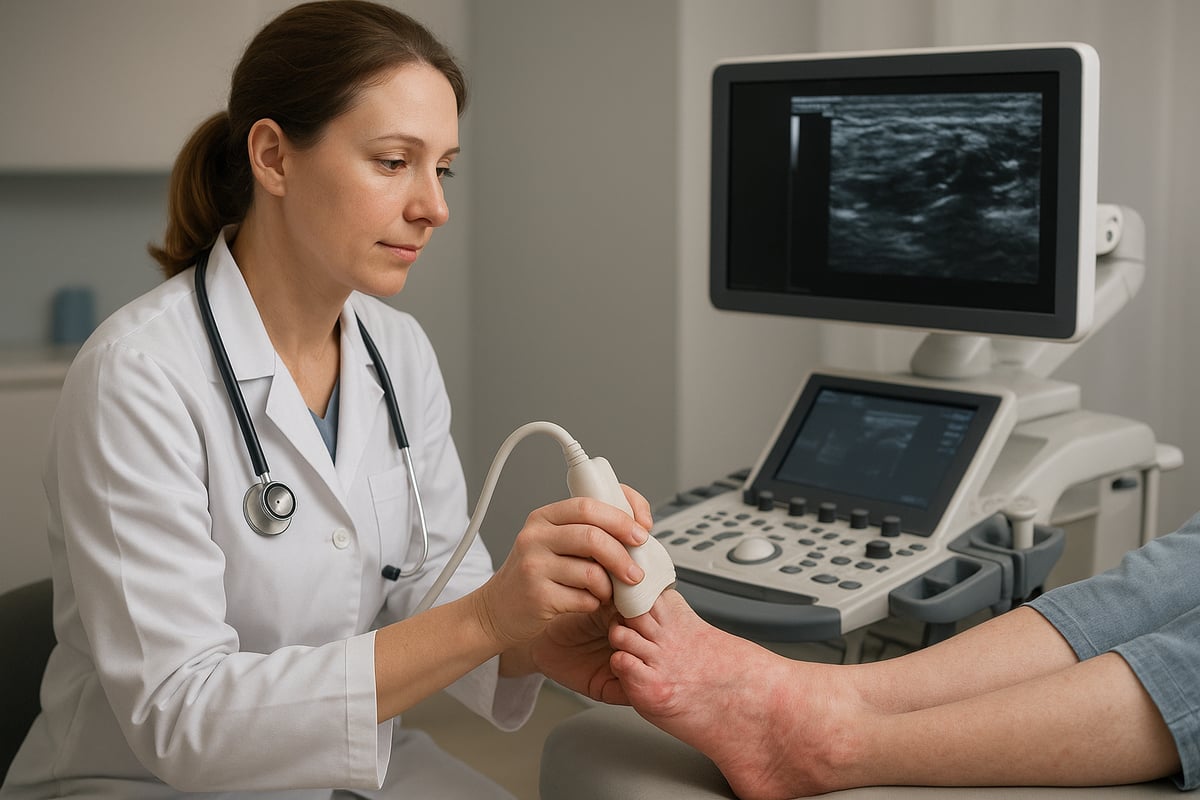
The journey to diagnosing rheumatoid arthritis and foot pain typically begins with a thorough physical examination. Physicians look for visible swelling, deformities, and tenderness in the joints of the feet. Blood tests, such as rheumatoid factor (RF) and anti-cyclic citrullinated peptide (anti-CCP), help confirm an autoimmune process.
Imaging like X-rays has long played a role, revealing joint erosion and narrowing in advanced cases. However, these methods may miss early changes, especially in the small joints of the feet.
Advances in Imaging and Technology
Modern imaging has transformed how clinicians detect rheumatoid arthritis and foot pain. High-resolution ultrasound uncovers inflammation in the synovial lining before it appears on X-rays. MRI provides detailed images of soft tissue and bone, helping spot erosions and synovitis early.
Recent studies, including Foot deformities in RA patients, show that advanced imaging not only improves detection but also helps assess the severity of foot involvement. These tools are crucial because foot symptoms often appear before hand symptoms in many patients.
Emerging technologies now include AI-powered imaging analysis, which can quickly identify subtle joint changes. Wearable sensors are being developed to monitor gait and detect abnormalities, offering valuable data for early diagnosis and ongoing management of rheumatoid arthritis and foot pain.
The Role of Podiatric Assessment and Multidisciplinary Care
Podiatrists play a pivotal role in diagnosing and managing rheumatoid arthritis and foot pain. Their expertise in foot structure, biomechanics, and skin health complements the care provided by rheumatologists and physical therapists.
A multidisciplinary approach ensures that all aspects of the condition are addressed, from joint inflammation to gait abnormalities. This team-based care model leads to better outcomes and helps patients maintain mobility and independence.
Barriers to Timely Diagnosis and Solutions
Despite advancements, delays in diagnosing rheumatoid arthritis and foot pain remain common. On average, diagnosis is delayed by 6 to 12 months, with foot symptoms often preceding those in the hands. Barriers include misattribution of foot pain to other causes, limited access to specialists, and lack of awareness about early signs.
To overcome these challenges, healthcare systems are integrating new diagnostic tools, increasing patient education, and promoting regular foot assessments for those at risk.
Early intervention is vital. Case studies show that patients receiving prompt diagnosis and care experience less joint damage and better long-term foot function. Recognizing the signs and utilizing modern diagnostic approaches ensures that rheumatoid arthritis and foot pain are managed effectively from the start.
Treatment Options for RA-Related Foot Pain
Managing rheumatoid arthritis and foot pain in 2026 involves a personalized, multidisciplinary approach that addresses not only the underlying disease but also the specific challenges faced by each patient. The array of treatments available continues to expand, offering hope for better mobility, reduced discomfort, and improved quality of life.
Pharmacological and Targeted Treatments
Pharmacological management is foundational for controlling rheumatoid arthritis and foot pain. Disease-modifying antirheumatic drugs (DMARDs) remain the first-line therapy, effectively slowing disease progression and minimizing joint damage. Biologics, such as TNF inhibitors and interleukin blockers, have revolutionized care by targeting specific immune pathways, often resulting in significant foot pain reduction.
Nonsteroidal anti-inflammatory drugs (NSAIDs) and corticosteroids are commonly prescribed for acute flare-ups, offering prompt relief from inflammation and pain. In recent years, personalized medicine has gained prominence, enabling clinicians to tailor treatments based on genetic profiles and individual disease characteristics.
A systematic review of biologics' effects on RA foot pain underscores their role in improving both pain and physical function in affected patients. These advances are especially crucial as rheumatoid arthritis and foot pain often persist despite standard therapies, necessitating more targeted approaches.
Orthotics and Custom Footwear
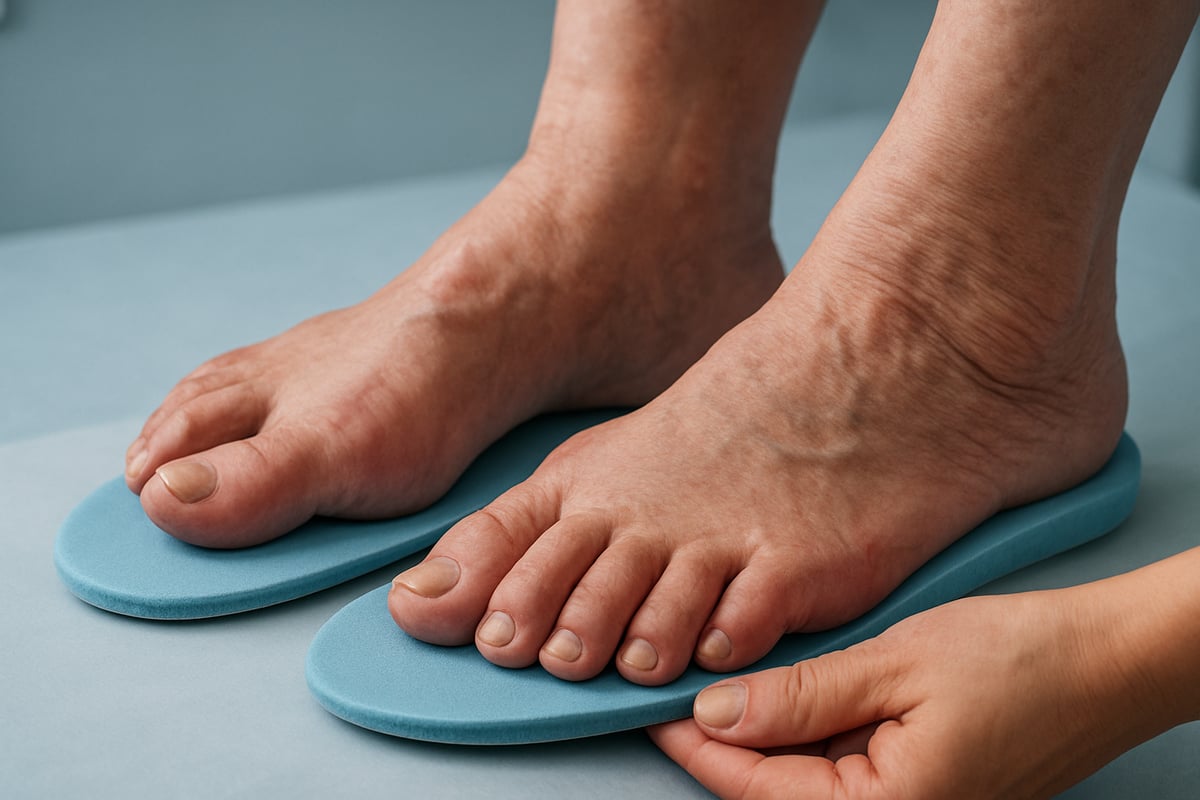
For many individuals with rheumatoid arthritis and foot pain, mechanical support is a game changer. Advances in foot-specific orthotics and custom footwear now provide targeted relief by redistributing pressure, stabilizing joints, and accommodating deformities.
Custom-molded orthoses are designed to fit the unique contours of each foot, reducing pain and preventing further damage. New materials and 3D-printing technology allow for lightweight, durable, and highly personalized devices. Supportive shoes with wide toe boxes, cushioned soles, and adjustable fastenings can significantly improve comfort and mobility.
These innovations can dramatically reduce the daily burden of rheumatoid arthritis and foot pain, enabling patients to remain active and independent.
Physical Therapy and Exercise
Physical therapy plays a pivotal role in managing rheumatoid arthritis and foot pain. Trained therapists develop individualized exercise programs that focus on flexibility, strength, and balance. Gentle stretching and range-of-motion exercises help maintain joint mobility and reduce stiffness in the feet.
Low-impact activities, such as swimming and cycling, keep patients active without placing excessive strain on inflamed joints. Mobility aids, like canes and shoe inserts, further support safe movement while minimizing discomfort.
Regular physical therapy sessions not only address immediate symptoms but also empower patients to manage rheumatoid arthritis and foot pain proactively.
Surgical Interventions
When conservative measures are insufficient, surgical options may be considered for rheumatoid arthritis and foot pain. Procedures such as joint fusion (arthrodesis) and toe realignment aim to correct severe deformities, relieve chronic pain, and restore function.
Surgery is typically reserved for advanced cases where joint destruction or instability impedes daily activities. The decision is made collaboratively, weighing potential benefits against risks and recovery times. Advances in surgical techniques continue to improve outcomes and reduce complications.
Non-Pharmacological Approaches
A growing number of patients turn to complementary therapies to manage rheumatoid arthritis and foot pain. Acupuncture, massage, and hydrotherapy have shown promise in alleviating symptoms and promoting relaxation.
These approaches are often used alongside conventional treatments, providing additional avenues for pain relief and stress reduction. While evidence varies, many individuals report meaningful improvements in comfort and well-being.
Holistic care that incorporates both medical and non-medical strategies is increasingly recognized as essential for addressing the multifaceted nature of rheumatoid arthritis and foot pain.
Foot Care, Monitoring, and Patient Stories
Ongoing foot care is vital for anyone living with rheumatoid arthritis and foot pain. Daily routines should include regular inspection for ulcers, infections, or changes in skin integrity. Moisturizing, proper nail trimming, and prompt attention to minor injuries can prevent serious complications.
Routine check-ups with podiatrists ensure that problems are detected and managed early. Many patients share stories of regained mobility and reduced pain after adopting comprehensive care plans that combine medical treatment, orthotics, and lifestyle adjustments.
These real-world outcomes highlight the importance of a proactive, individualized approach to managing rheumatoid arthritis and foot pain.
Living with RA and Foot Pain: Daily Strategies
Living with rheumatoid arthritis and foot pain can feel overwhelming, but daily strategies help you regain control and improve your quality of life. Empowering yourself with the right knowledge and practical habits is key to managing symptoms and staying active.

Choosing the Right Footwear
Footwear makes a significant difference for those with rheumatoid arthritis and foot pain. Supportive shoes help distribute weight evenly, protect joints, and reduce pressure on sensitive areas. When shopping for shoes, look for:
- Wide toe boxes to prevent crowding and pressure on toes
- Cushioned soles for shock absorption
- Adjustable straps or laces for a secure fit
- Low heels to support balance
- Removable insoles to accommodate custom orthotics
Specialized shoes and orthotic inserts, designed for rheumatoid arthritis and foot pain, can ease discomfort and prevent further joint damage. Consulting a podiatrist helps you select the best options for your specific needs.
Daily Home Care
Consistent foot care routines are essential to prevent complications and manage rheumatoid arthritis and foot pain. Each day, soak your feet in warm water to ease stiffness, then dry them thoroughly. Moisturize to prevent cracking and keep skin supple.
Trim toenails straight across to avoid ingrown nails, and inspect your feet for blisters, redness, or sores. Small issues can escalate quickly, so early attention is crucial. Using soft socks and avoiding tight footwear further protects sensitive areas.
Managing Activities and Flare-Ups
Activity modification is one of the most effective ways to minimize the impact of rheumatoid arthritis and foot pain. Pacing yourself throughout the day helps prevent overexertion. Choose low-impact exercises such as swimming, cycling, or gentle yoga to maintain mobility without straining joints.
If a flare-up occurs, elevate your feet, apply cool packs, and rest as needed. Anti-inflammatory strategies, such as gentle stretching and warm foot baths, can reduce swelling and pain. For more tailored tips, explore Beating rheumatoid arthritis pain for expert insights and practical advice.
Using Assistive Devices
Assistive devices play a vital role in preserving independence for people with rheumatoid arthritis and foot pain. Shoe inserts, canes, and walkers provide extra stability and support. These tools can reduce pressure on affected joints and help you move with confidence.
Consult your healthcare provider to determine which devices best suit your lifestyle and needs. Early adoption of the right device can prevent falls and further joint damage.
Supporting Mental Health
Living with rheumatoid arthritis and foot pain affects more than just your body. Emotional well-being is equally important. Counseling, support groups, and mental health professionals can help you process challenges and stay resilient.
Connecting with others who share similar experiences can provide encouragement and valuable coping strategies. The Challenges of foot pain in RA resource offers perspectives and solutions for overcoming everyday obstacles.
The Impact of Daily Self-Care
Research shows that patients who follow daily self-care routines for rheumatoid arthritis and foot pain experience 30% fewer flare-ups. By dedicating time each day to foot health, exercise, and emotional support, you can significantly improve comfort and mobility.
Empowerment comes from informed action. With the right strategies, you can manage rheumatoid arthritis and foot pain, protect your feet, and lead a more active, fulfilling life.
Future Trends and Innovations in RA Foot Pain Management
The future of rheumatoid arthritis and foot pain management is rapidly evolving, offering new hope for improved comfort and mobility. As technology and research advance, patients can expect more personalized and effective solutions tailored to their unique needs.
Personalized Medicine and Genetic Profiling
Personalized medicine is transforming how rheumatoid arthritis and foot pain are treated. With genetic profiling, clinicians can now predict which therapies will work best for each patient. This approach minimizes trial and error, reducing side effects and helping patients achieve faster relief. By analyzing a patient’s genetic markers, healthcare providers can create targeted treatment plans that address the specific causes of foot pain.
Wearable Technology: Smart Insoles and Gait Trackers
Wearable technology is another game-changer for those living with rheumatoid arthritis and foot pain. Smart insoles and gait trackers monitor pressure, stride, and balance in real-time, sending data to clinicians for immediate feedback. These devices help detect problems early and optimize interventions. For example, custom foot orthoses in RA are now being designed using digital scans and AI, resulting in a better fit and improved pain relief. Remote monitoring apps also allow patients to track symptoms and progress from home.
Regenerative Medicine: Stem Cells and Tissue Engineering
Regenerative medicine is pushing boundaries in rheumatoid arthritis and foot pain management. Researchers are exploring stem cell therapies and tissue engineering techniques to repair damaged joints and soft tissue. These methods aim to restore function and reduce pain, offering alternatives to traditional surgery. Although still in clinical trials, early results are promising, giving patients new reasons for optimism.
Telemedicine and AI-Powered Predictive Analytics
Telemedicine is making expert care accessible even for those with limited mobility. Virtual consultations and remote physical therapy sessions are now routine, saving time and reducing travel. Artificial intelligence is also revolutionizing care by analyzing patient data to predict flare-ups before they happen. This proactive approach enables timely adjustments to treatment, reducing the risk of severe pain episodes.
Clinical Trials, Digital Health Records, and Future Predictions
Ongoing clinical trials are testing new biologics, JAK inhibitors, and targeted small molecules, promising more options for rheumatoid arthritis and foot pain. Integration of digital health records ensures coordinated care among specialists, improving outcomes. Experts predict that, within the next decade, advances will continue to prioritize patient-centered solutions and prevention. For more on the importance of foot self-care and targeted interventions, see this scoping review on foot health in RA patients.
The future is bright for those living with rheumatoid arthritis and foot pain. With innovation and collaboration, managing foot pain will become more precise, effective, and empowering.
If you’re ready to put these expert strategies into action and take control of your RA foot pain, you don’t have to do it alone. At Reclaim Labs, you’ll find premium CBD hemp oil solutions designed specifically for people managing chronic pain and inflammation—just like we discussed here. Each product is rigorously tested for safety and quality, giving you peace of mind as you explore natural ways to find relief. Take the next step toward greater comfort and mobility. Get Relief Now!