Living with rheumatoid arthritis presents daily challenges that millions of Americans face, and the search for effective rheumatoid arthritis cures continues to drive medical research and innovation. While the term "cure" may be ambitious when discussing this chronic autoimmune condition, significant advances in treatment have transformed the prognosis for those diagnosed with RA. Today's medical landscape offers a comprehensive array of therapeutic approaches, from conventional pharmaceuticals to emerging natural alternatives, each designed to manage symptoms, slow disease progression, and improve quality of life. Understanding the full spectrum of treatment options empowers patients to make informed decisions about their health journey.
Understanding Rheumatoid Arthritis and Treatment Goals
Rheumatoid arthritis affects approximately 1.3 million Americans, causing the immune system to attack joint linings and create painful inflammation. The condition differs fundamentally from osteoarthritis because it stems from autoimmune dysfunction rather than wear and tear on joints.
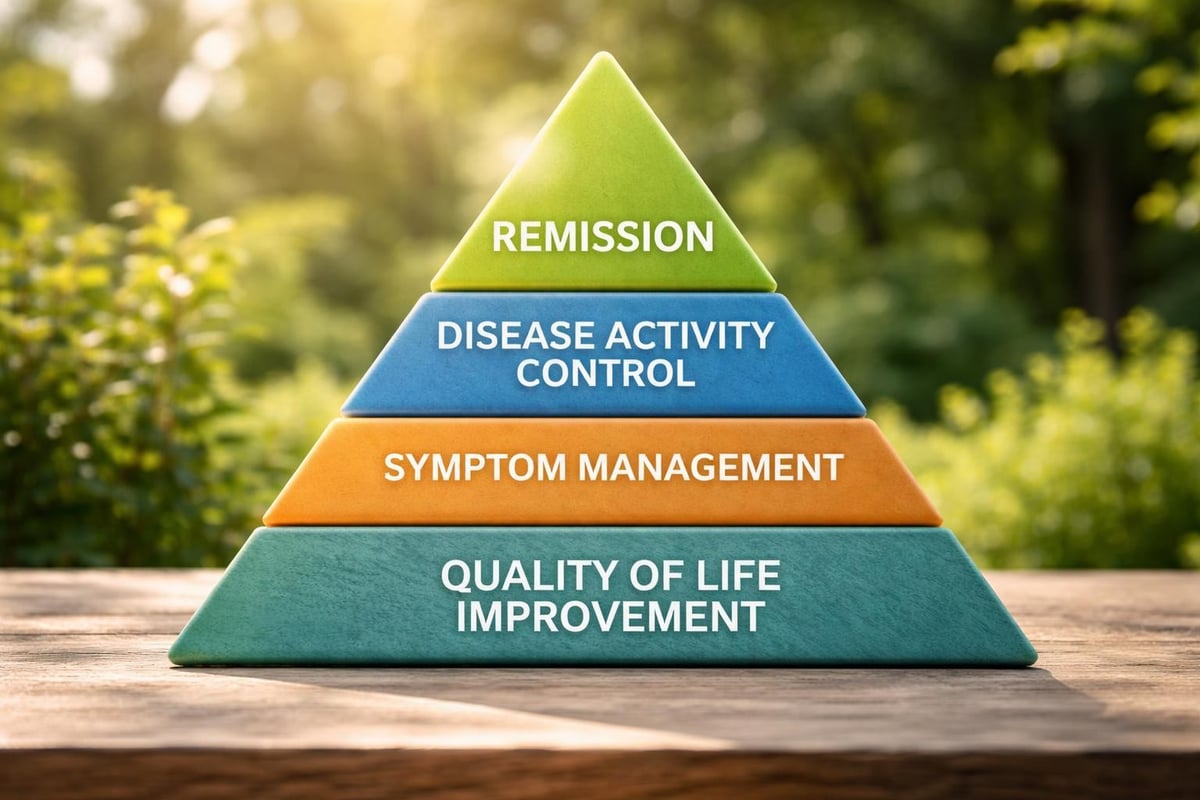
When discussing rheumatoid arthritis cures, it's essential to clarify that current medical science focuses on achieving remission rather than complete elimination of the disease. Remission means minimal or no disease activity, allowing patients to live without significant symptoms or joint damage progression.
What Constitutes Effective Treatment
Treatment success for rheumatoid arthritis encompasses several measurable outcomes:
- Reduced joint inflammation and swelling
- Pain management to comfortable levels
- Prevention of joint damage and deformity
- Maintained physical function and mobility
- Improved quality of life metrics
The American College of Rheumatology's updated guidelines emphasize a "treat-to-target" approach, where therapy is adjusted based on specific disease activity measurements rather than symptoms alone.
Conventional Medical Treatments
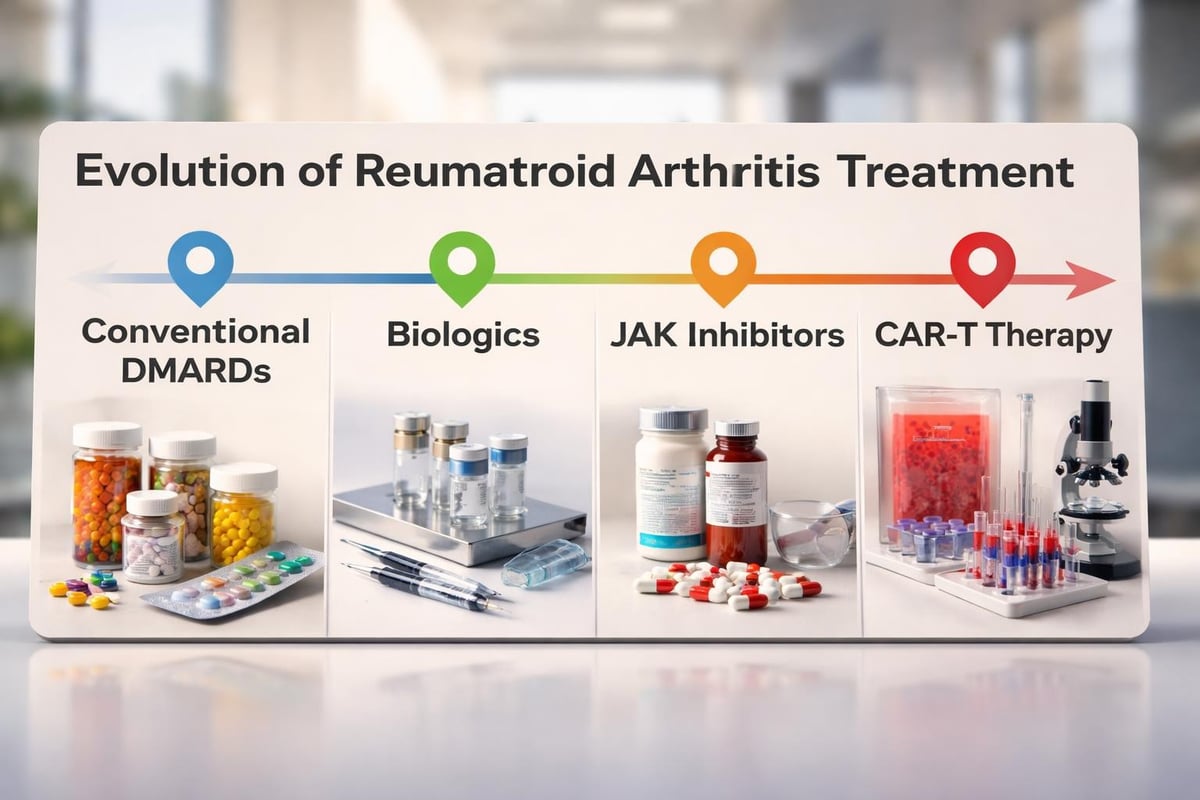
Traditional rheumatoid arthritis cures revolve around pharmaceutical interventions designed to modify disease progression and control inflammation. These medications have become increasingly sophisticated over the past two decades.
Disease-Modifying Antirheumatic Drugs (DMARDs)
DMARDs represent the cornerstone of rheumatoid arthritis treatment. These medications work by suppressing the immune system's attack on joint tissues, fundamentally altering the disease course.
Conventional DMARDs include:
- Methotrexate (the gold standard first-line treatment)
- Hydroxychloroquine (Plaquenil)
- Sulfasalazine
- Leflunomide (Arava)
Most rheumatologists start patients on methotrexate because it demonstrates excellent efficacy, established safety profiles, and affordability. According to Mayo Clinic treatment guidelines, approximately 60-70% of patients respond positively to methotrexate therapy.
Biologic Response Modifiers
Biologic medications revolutionized rheumatoid arthritis treatment by targeting specific components of the immune response. These engineered proteins interrupt inflammatory pathways at precise molecular levels.
| Biologic Type | Mechanism | Examples |
|---|---|---|
| TNF Inhibitors | Block tumor necrosis factor | Humira, Enbrel, Remicade |
| IL-6 Inhibitors | Block interleukin-6 | Actemra, Kevzara |
| B-cell Depleters | Target B lymphocytes | Rituxan |
| T-cell Inhibitors | Modify T-cell activation | Orencia |
Research published in PubMed comparing real-world effectiveness of biologics shows substantial variation in patient response, emphasizing the importance of individualized treatment selection.
JAK Inhibitors
Janus kinase (JAK) inhibitors represent the newest class of targeted synthetic DMARDs. Unlike biologics administered by injection or infusion, JAK inhibitors come in pill form, offering convenience advantages.
These medications include Xeljanz, Olumiant, and Rinvoq. They work by blocking JAK enzymes that transmit inflammatory signals inside cells. While effective, they carry specific risks that require careful monitoring, including increased infection susceptibility and cardiovascular concerns.
Emerging and Innovative Therapies
The landscape of rheumatoid arthritis cures continues evolving with groundbreaking research into novel treatment approaches. Recent innovations focus on reprogramming immune function rather than merely suppressing it.
CAR-T Cell Therapy
Originally developed for cancer treatment, CAR-T (Chimeric Antigen Receptor T-cell) therapy shows promise for autoimmune conditions. As reported by AP News, researchers are exploring how this therapy might reset the immune system in rheumatoid arthritis patients.
The process involves:
- Extracting T-cells from the patient's blood
- Genetically engineering them to recognize autoreactive B-cells
- Reinfusing the modified cells to eliminate problematic immune cells
- Allowing the immune system to rebuild with reduced autoimmune activity
While still experimental for rheumatoid arthritis, early results in related autoimmune conditions suggest potential for long-term remission.
Anti-Fibrotic Medications
For patients who develop interstitial lung disease as a rheumatoid arthritis complication, new research from National Jewish Health demonstrates that anti-fibrotic drugs can slow lung damage progression significantly.
This represents an important advancement because lung complications affect 10-20% of rheumatoid arthritis patients and previously lacked targeted treatment options.
Natural and Complementary Approaches
Many individuals seeking rheumatoid arthritis cures turn to natural alternatives either as primary treatments or complementary therapies alongside conventional medications. These approaches focus on reducing inflammation through dietary, lifestyle, and supplementation strategies.
CBD Hemp Oil for Inflammation Management
Cannabidiol (CBD) has garnered significant attention for its anti-inflammatory properties. The compound interacts with the body's endocannabinoid system, which regulates immune response and inflammation.
Key benefits of CBD for rheumatoid arthritis include:
- Reduction in inflammatory cytokine production
- Pain signal modulation through cannabinoid receptors
- Improved sleep quality, which supports healing
- Minimal side effects compared to pharmaceutical options
Quality matters tremendously when selecting CBD products. Premium CBD hemp oil products from reputable manufacturers undergo third-party testing to verify cannabinoid content and ensure absence of contaminants.
Research continues to expand understanding of how CBD works for inflammatory conditions. For those interested in beating rheumatoid arthritis pain, combining CBD with conventional treatments may offer synergistic benefits.
Omega-3 Fatty Acids
Fish oil supplements containing EPA and DHA demonstrate anti-inflammatory effects in clinical studies. According to WebMD's research overview, patients taking omega-3 supplements often report reduced joint tenderness and morning stiffness.
The recommended dosage ranges from 2-4 grams daily of combined EPA/DHA. Benefits typically become noticeable after 8-12 weeks of consistent supplementation.
Dietary Modifications
Anti-inflammatory diets show promise in managing rheumatoid arthritis symptoms. The Mediterranean diet, rich in vegetables, fruits, whole grains, fish, and olive oil, correlates with reduced disease activity in observational studies.
Foods to emphasize:
- Fatty fish (salmon, mackerel, sardines)
- Colorful vegetables and berries
- Nuts and seeds
- Turmeric and ginger
- Green tea
Foods to minimize:
- Processed meats and refined carbohydrates
- Excessive sugar and saturated fats
- Alcohol in large quantities
- Foods triggering individual sensitivities
Physical Therapy and Exercise
Physical interventions play crucial roles in comprehensive rheumatoid arthritis cures strategies. Movement maintains joint function, builds supporting muscle strength, and improves overall well-being.
Therapeutic Exercise Programs
Physical therapists design individualized programs balancing joint protection with appropriate challenge. Effective exercises include:
- Range-of-motion exercises to maintain flexibility
- Strengthening exercises for muscles supporting affected joints
- Aerobic conditioning for cardiovascular health and inflammation reduction
- Balance training to prevent falls
Low-impact activities like swimming, water aerobics, and cycling provide cardiovascular benefits without excessive joint stress. Research highlighted by WebMD shows tai chi specifically benefits rheumatoid arthritis patients through gentle, flowing movements that improve balance and reduce stress.
Occupational Therapy
Occupational therapists teach joint protection techniques and recommend assistive devices that reduce stress on affected joints during daily activities. Splints, ergonomic tools, and adaptive equipment allow patients to maintain independence while protecting vulnerable joints.
Lifestyle Factors and Symptom Management
Beyond medications and supplements, various lifestyle modifications contribute to effective rheumatoid arthritis cures approaches. These factors influence inflammation levels, pain perception, and overall disease activity.
Stress Reduction Techniques
Chronic stress exacerbates inflammation and worsens rheumatoid arthritis symptoms. Effective stress management strategies include:
- Mindfulness meditation practiced 10-20 minutes daily
- Deep breathing exercises for acute stress response
- Progressive muscle relaxation before bedtime
- Cognitive behavioral therapy for chronic stress patterns
| Technique | Time Investment | Primary Benefit |
|---|---|---|
| Meditation | 10-30 min/day | Reduces inflammatory markers |
| Yoga | 30-60 min 3x/week | Improves flexibility and mood |
| Journaling | 15 min/day | Processes emotions, reduces stress |
| Social connection | Variable | Enhances emotional support |
Sleep Optimization
Quality sleep supports immune regulation and reduces pain sensitivity. Rheumatoid arthritis patients often struggle with sleep disruption due to pain and inflammation.
Sleep hygiene strategies:
- Maintain consistent sleep-wake schedules
- Create cool, dark sleeping environments
- Limit screen exposure before bedtime
- Consider CBD for sleep support when appropriate
- Use supportive pillows to reduce joint stress
For those exploring CBD hemp seed oil for sleep, starting with lower doses in the evening may improve sleep quality without morning grogginess.
Monitoring and Adjusting Treatment
Effective pursuit of rheumatoid arthritis cures requires ongoing assessment and treatment optimization. Disease activity fluctuates over time, necessitating periodic evaluation and strategy adjustment.
Disease Activity Measurements
Rheumatologists use standardized tools to quantify disease severity:
- DAS28 (Disease Activity Score) combining joint counts, inflammation markers, and patient assessment
- CDAI (Clinical Disease Activity Index) based purely on clinical examination
- RAPID3 (Routine Assessment of Patient Index Data) focusing on patient-reported outcomes
These scores guide treatment intensification or de-escalation based on achieving and maintaining remission or low disease activity.
Laboratory Monitoring
Regular blood tests track both disease markers and medication effects:
- Inflammatory markers (ESR, CRP) indicate current inflammation levels
- Complete blood counts monitor for medication side effects
- Liver and kidney function ensure safe medication metabolism
- Rheumatoid factor and anti-CCP antibodies assess disease activity
The American Academy of Family Physicians guidelines recommend monitoring frequency based on medication types and disease stability, typically ranging from monthly to quarterly assessments.
Combining Conventional and Natural Approaches
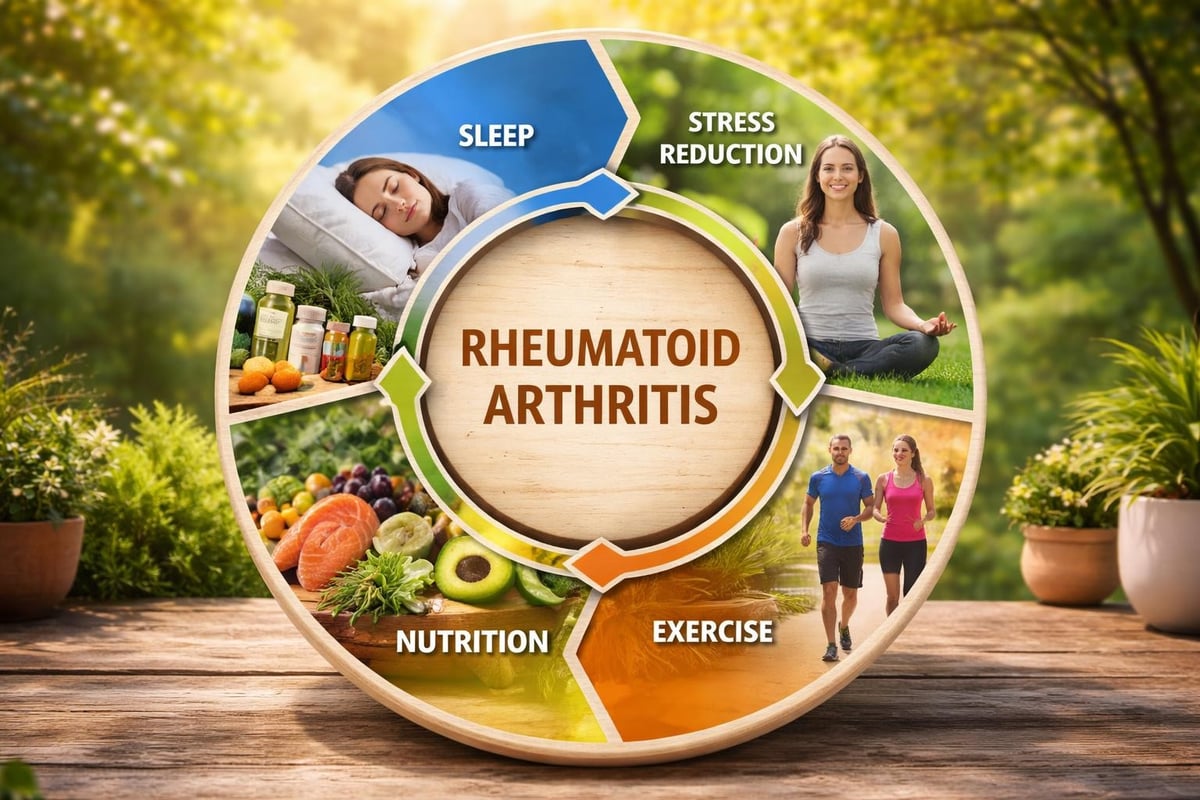
Many patients find optimal results through integrative strategies combining pharmaceutical treatments with natural interventions. This approach addresses rheumatoid arthritis from multiple angles simultaneously.
Creating a Comprehensive Treatment Plan
Successful integration requires coordination between healthcare providers and clear communication about all therapies being used. Components might include:
- Foundation: DMARD or biologic medication prescribed by rheumatologist
- Pain management: CBD products like those offered for arthritis management strategies
- Nutrition: Anti-inflammatory diet with omega-3 supplementation
- Movement: Physical therapy exercises and regular low-impact activity
- Stress reduction: Daily mindfulness practice
Safety Considerations
While natural approaches generally offer favorable safety profiles, potential interactions exist. Always inform healthcare providers about supplements and complementary therapies being used.
Important precautions:
- CBD may interact with certain medications metabolized through liver enzymes
- Turmeric and ginger have blood-thinning properties
- Some herbs may enhance or reduce pharmaceutical effectiveness
- Quality verification ensures supplements contain claimed ingredients
Working with healthcare providers familiar with both conventional and complementary approaches optimizes safety and effectiveness. For those interested in CBD hemp oil benefits for pain, starting with physician consultation ensures appropriate integration with existing treatments.
The Future of Rheumatoid Arthritis Treatment
Research into rheumatoid arthritis cures continues accelerating, with numerous promising avenues under investigation. The Arthritis Foundation's 2025 research grants fund innovative projects aimed at clarifying disease mechanisms and developing more targeted therapies.
Personalized Medicine Approaches
Future treatments will likely incorporate genetic and biomarker profiling to predict which therapies will work best for individual patients. This precision medicine approach reduces trial-and-error periods and accelerates achievement of remission.
Current research explores:
- Genetic markers predicting medication response
- Biomarker panels identifying optimal treatment timing
- Microbiome analysis revealing gut-immune system connections
- Inflammatory profiles guiding targeted therapy selection
Preventive Strategies
Understanding rheumatoid arthritis risk factors may enable preventive interventions for high-risk individuals before clinical disease develops. Research examines how dietary patterns, environmental exposures, and microbiome composition influence disease onset.
The Arthritis Foundation's research initiatives increasingly focus on prevention alongside treatment development, potentially reducing future disease burden.
Building Your Personal Treatment Strategy
While complete rheumatoid arthritis cures remain elusive, today's treatment options offer unprecedented potential for disease control and quality of life. Success requires active patient participation, consistent communication with healthcare providers, and willingness to adjust strategies based on individual response.
Steps to develop your optimal approach:
- Work with an experienced rheumatologist for pharmaceutical management
- Explore evidence-based complementary therapies like CBD and omega-3s
- Implement anti-inflammatory dietary patterns
- Establish regular exercise routines appropriate for your condition
- Practice stress management techniques daily
- Monitor symptoms and adjust strategies as needed
The journey toward managing rheumatoid arthritis effectively combines medical expertise, natural interventions, and personal commitment. Each individual's optimal combination differs, requiring patience and persistence to discover what works best.
For those seeking comprehensive support, exploring various therapeutic modalities creates the foundation for long-term symptom control. Whether considering conventional medications, natural alternatives like quality CBD products, or integrated approaches, informed decision-making leads to better outcomes.
Managing rheumatoid arthritis effectively in 2026 requires a multifaceted approach combining medical treatments, natural interventions, and lifestyle modifications tailored to individual needs. While true rheumatoid arthritis cures remain under development, achieving remission and maintaining quality of life are realistic goals with today's comprehensive treatment options. If you're exploring natural alternatives to complement your treatment plan, Reclaim Labs offers premium, third-party tested CBD hemp oil products specifically designed to support inflammation management and chronic pain relief for individuals with rheumatoid arthritis and other inflammatory conditions.