Rheumatoid arthritis foot pain represents one of the most debilitating yet frequently underestimated aspects of living with this autoimmune condition. While many people associate RA primarily with hand deformities and stiffness, the feet often experience equally severe, if not more profound, effects on quality of life. Research indicates that approximately 90% of individuals with rheumatoid arthritis will develop foot-related problems during the disease's progression, making understanding and managing these symptoms essential for maintaining mobility and independence. The complex structure of the foot, containing 28 bones and numerous joints, creates multiple vulnerable points where inflammation can settle and cause lasting damage if left unaddressed.
Understanding How RA Affects Your Feet
Rheumatoid arthritis is a systemic autoimmune disease where the body's immune system mistakenly attacks healthy joint tissue. When this process occurs in the feet, the synovial membrane that cushions joints becomes inflamed, leading to swelling, warmth, and progressive deterioration of cartilage and bone.
The feet contain multiple small joints that are particularly susceptible to RA damage. The metatarsophalangeal (MTP) joints, where the toes connect to the foot, are frequently the first areas affected. Foot pain can serve as an early warning sign that arthritis may be developing, making awareness of symptoms critical for early intervention.
Symmetrical Presentation
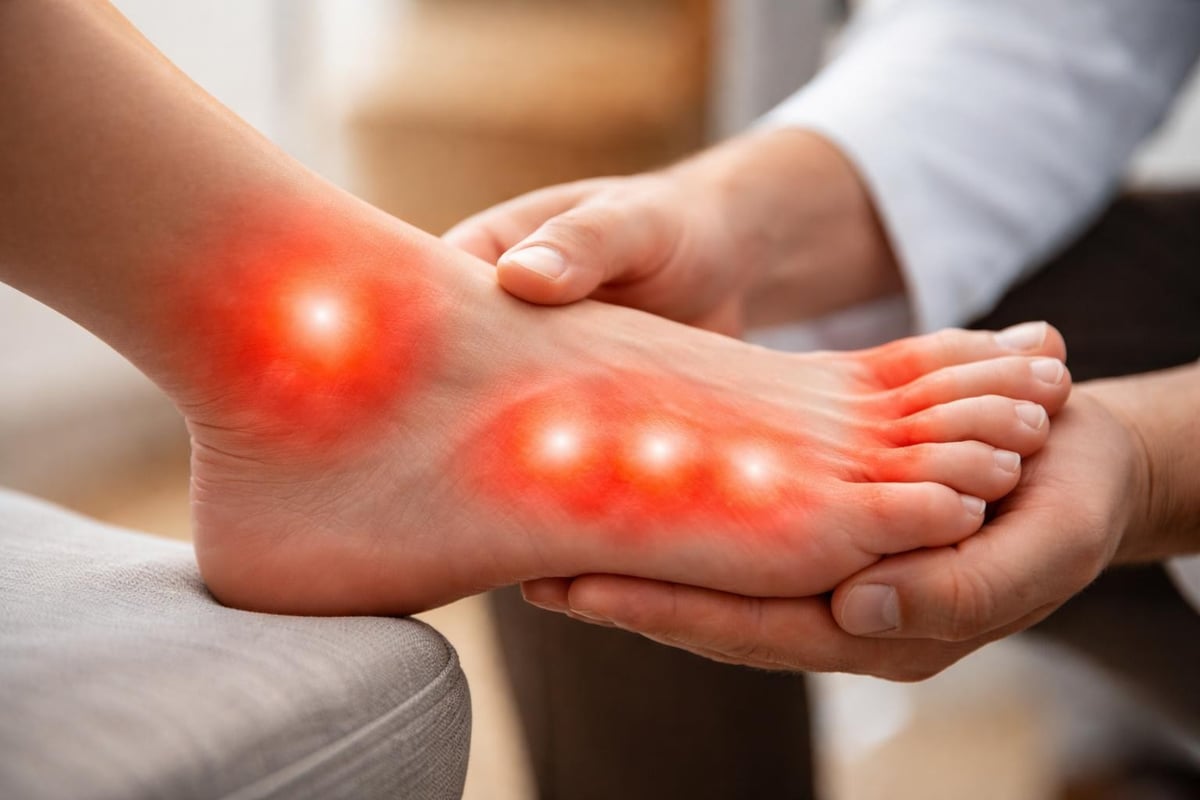
Unlike osteoarthritis, which typically affects individual joints based on wear patterns, rheumatoid arthritis foot pain usually manifests symmetrically. If inflammation develops in the right foot's second MTP joint, the corresponding joint in the left foot will likely experience similar symptoms. This bilateral pattern helps distinguish RA from other forms of arthritis and assists healthcare providers in making accurate diagnoses.
Progressive Joint Damage
Without proper treatment, chronic inflammation gradually erodes cartilage and bone. The progression of rheumatoid arthritis in the feet follows predictable patterns that can lead to permanent deformities, including hammertoes, bunions, and collapsed arches. Early intervention becomes crucial for preventing irreversible structural changes that compromise both function and comfort.
Recognizing Symptoms Beyond Simple Pain
While pain remains the most obvious symptom, rheumatoid arthritis foot pain encompasses a broader range of manifestations that affect daily activities and overall wellbeing.
Common symptoms include:
- Morning stiffness lasting more than 30 minutes
- Swelling around the ball of the foot
- Tenderness when pressing on affected joints
- Warmth and redness in inflamed areas
- Difficulty wearing regular shoes
- Sensation of walking on pebbles or marbles
- Fatigue affecting the entire body
- Reduced range of motion in ankle and toe joints
The characteristic morning stiffness associated with RA typically improves with movement throughout the day, distinguishing it from mechanical pain that worsens with activity. Many individuals describe feeling as though their feet need to "warm up" before normal walking becomes comfortable.
Specific Areas of Impact
| Foot Region | Common RA Manifestations | Functional Impact |
|---|---|---|
| Forefoot (MTP joints) | Inflammation, joint subluxation, bunions | Difficulty pushing off during walking |
| Midfoot | Collapsed arches, flat feet | Loss of shock absorption, instability |
| Hindfoot/Ankle | Tendon inflammation, limited motion | Reduced balance, ankle instability |
| Toes | Hammertoes, claw toes | Problems with shoe fitting, ulceration risk |
Understanding where symptoms manifest helps individuals communicate effectively with healthcare providers and implement targeted management strategies. Detailed information about symptoms and treatments can guide decision-making about when to seek professional evaluation.
The Hidden Prevalence of Foot Involvement
Despite the frequency with which rheumatoid arthritis affects the feet, many patients and even some healthcare providers focus primarily on hand symptoms. Research highlighted by CreakyJoints demonstrates that foot pain represents a common yet often overlooked symptom deserving comprehensive attention during joint assessments.
This oversight can have serious consequences. When foot problems remain unaddressed, compensatory gait patterns develop that place additional stress on knees, hips, and the lower back. What begins as localized rheumatoid arthritis foot pain can cascade into a complex pattern of musculoskeletal dysfunction affecting the entire kinetic chain.
Impact on Daily Activities
The relationship between foot health and quality of life cannot be overstated. Simple activities like grocery shopping, climbing stairs, or standing to prepare meals become challenging when every step triggers discomfort. Many individuals with significant foot involvement report that pain limits their ability to:
- Maintain employment requiring prolonged standing
- Participate in social activities and hobbies
- Exercise for cardiovascular health
- Complete household tasks independently
- Enjoy recreational walking or travel
These limitations extend beyond physical constraints, often contributing to social isolation, depression, and decreased overall health. Recognizing the broader implications of rheumatoid arthritis foot pain emphasizes why comprehensive management deserves priority attention.

Conventional Treatment Approaches
Managing rheumatoid arthritis requires a multifaceted approach combining pharmacological interventions, physical therapies, and lifestyle modifications. The primary goal involves controlling inflammation to prevent progressive joint damage while managing symptoms that interfere with function.
Medication Options
Disease-modifying antirheumatic drugs (DMARDs) form the foundation of RA treatment. These medications work systemically to suppress the immune response causing joint inflammation. Methotrexate remains the most commonly prescribed DMARD, often combined with biologic agents for more aggressive disease control.
Nonsteroidal anti-inflammatory drugs (NSAIDs) provide symptomatic relief by reducing inflammation and pain. However, long-term use carries risks including gastrointestinal bleeding and cardiovascular complications, making them more suitable for short-term flare management rather than sustained therapy.
Corticosteroids like prednisone offer powerful anti-inflammatory effects but come with significant side effects when used chronically. Understanding prednisone side effects and counter strategies helps individuals make informed decisions about balancing symptom control against potential risks.
Orthotic Interventions
Proper footwear and orthotics play essential roles in managing rheumatoid arthritis foot pain. The American Academy of Orthopaedic Surgeons emphasizes how custom orthotics can redistribute pressure, support weakened structures, and reduce stress on inflamed joints.
Effective orthotic features include:
- Cushioned insoles to absorb shock
- Arch support to prevent collapse
- Metatarsal pads to relieve forefoot pressure
- Heel cups for stability
- Accommodative modifications for deformities
Shoes should provide ample toe box space, adjustable closures to accommodate swelling, and firm heel counters for stability. Many individuals find that athletic shoes with removable insoles work better than traditional dress shoes for daily wear.
Physical Therapy and Exercise
Targeted exercises maintain joint mobility, strengthen supporting muscles, and improve overall function. Physical therapists design programs addressing individual limitations while respecting pain thresholds and disease activity levels.
Low-impact activities like swimming, water aerobics, and cycling provide cardiovascular benefits without excessive joint stress. Regular movement prevents stiffness and maintains the range of motion necessary for normal gait patterns.
Natural Alternatives for Inflammation Management
Growing interest in complementary approaches has led many individuals to explore natural options for managing rheumatoid arthritis foot pain. While these alternatives should not replace prescribed medications without medical supervision, they may offer additional symptom relief as part of comprehensive care strategies.
CBD Hemp Oil for RA-Related Inflammation
Cannabidiol (CBD) derived from hemp has gained attention for its potential anti-inflammatory and pain-relieving properties. Unlike THC, CBD does not produce psychoactive effects, making it appealing for individuals seeking symptom management without cognitive impairment.
Research suggests CBD interacts with the endocannabinoid system, which plays roles in regulating pain perception and inflammatory responses. When applied topically or taken orally, CBD may help reduce localized inflammation and discomfort associated with rheumatoid arthritis.
Premium products undergo rigorous third-party testing to ensure purity, potency, and absence of contaminants. Understanding CBD hemp oil benefits for arthritis helps individuals select appropriate formulations and dosing strategies aligned with their specific needs.
Application Methods
| Method | Best For | Onset Time | Duration |
|---|---|---|---|
| Topical roll-ons | Localized foot pain | 15-30 minutes | 4-6 hours |
| Oral tinctures | Systemic inflammation | 30-90 minutes | 6-8 hours |
| Transdermal patches | Sustained relief | 1-2 hours | 12-24 hours |
Topical applications allow direct delivery to affected areas, making them particularly suitable for rheumatoid arthritis foot pain. Roll-on formulations provide convenient, mess-free application that can be repeated throughout the day as needed.
Complementary Lifestyle Modifications
Dietary approaches focusing on anti-inflammatory foods may support overall disease management. Omega-3 fatty acids from fish, antioxidant-rich fruits and vegetables, and elimination of processed foods create nutritional foundations that complement medical treatments.
Stress reduction techniques including meditation, deep breathing, and gentle yoga help manage the emotional burden of chronic illness while potentially modulating inflammatory processes through mind-body connections.
Adequate sleep supports immune system regulation and pain tolerance. Establishing consistent sleep schedules and creating comfortable rest environments contribute to better overall symptom control.
Preventing Progression and Deformity
Early, aggressive treatment offers the best opportunity for preventing permanent joint damage and maintaining foot function. NRAS emphasizes the critical importance of incorporating foot assessments into routine RA care rather than waiting for problems to develop.
Regular Monitoring
Scheduled podiatric evaluations allow early detection of developing deformities before they become fixed. Biomechanical assessments identify gait abnormalities that may benefit from orthotic intervention or physical therapy.
Individuals should conduct daily self-examinations checking for new areas of swelling, redness, or tenderness. Tracking symptom patterns helps identify triggers and assess treatment effectiveness over time.

When to Escalate Care
Certain warning signs indicate the need for urgent medical attention:
- Sudden, severe pain not responsive to usual measures
- Significant swelling accompanied by fever
- Inability to bear weight
- Visible deformity developing rapidly
- Skin breakdown or ulceration
- Signs of infection including warmth, redness, and drainage
Prompt intervention during these situations prevents complications that could result in hospitalization or surgical intervention. Understanding different types of foot pain helps distinguish RA-related symptoms from other conditions requiring alternative approaches.
Building a Comprehensive Management Plan
Effective control of rheumatoid arthritis foot pain requires coordinating multiple interventions tailored to individual circumstances. Rather than relying on a single strategy, most people benefit from combining several complementary approaches.
Creating Your Treatment Team
Rheumatologists provide overall disease management, prescribing and monitoring DMARDs and other systemic therapies. They coordinate care across specialties and adjust treatment plans based on disease activity.
Podiatrists specialize in foot-specific problems, offering expertise in orthotic prescription, nail care, and biomechanical correction. Their focused knowledge proves invaluable for addressing the unique challenges RA presents in the feet.
Physical therapists design exercise programs, teach joint protection techniques, and provide modalities like ultrasound or electrical stimulation that may reduce inflammation and pain.
Pain management specialists offer additional options when conventional approaches provide insufficient relief, including advanced techniques and multimodal strategies.
Integrating Natural Solutions
Many individuals successfully incorporate natural alternatives like CBD hemp oil into their broader treatment regimens. Strategies for beating rheumatoid arthritis pain often include both conventional medications and complementary approaches that work synergistically.
Implementation considerations include:
- Discuss all supplements with your rheumatologist
- Start with conservative doses and adjust gradually
- Track responses using pain journals or apps
- Consider potential interactions with prescribed medications
- Choose products from reputable manufacturers with third-party testing
Transparency with healthcare providers ensures coordinated care and prevents potentially harmful interactions. Most physicians appreciate patients taking active roles in their treatment while valuing professional guidance.
Self-Management Strategies
Daily habits significantly influence symptom severity and overall quality of life. Implementing consistent self-care routines empowers individuals to take control of their condition rather than feeling helpless against disease progression.
Effective self-management includes:
- Pacing activities to avoid overexertion
- Using assistive devices during symptom flares
- Applying ice or heat as appropriate
- Maintaining healthy body weight to reduce joint stress
- Prioritizing rest during periods of high disease activity
- Staying connected with support communities
Learning to recognize early flare warning signs allows preemptive intervention before symptoms become severe. Many people develop personalized action plans outlining steps to take when noticing increased inflammation or pain.
The Importance of Proper Footwear
Appropriate shoe selection represents one of the most accessible yet impactful interventions for managing rheumatoid arthritis foot pain. Shoes that accommodate deformities, provide adequate support, and minimize pressure points can dramatically improve comfort and function.
Essential Shoe Features
Wide toe boxes prevent compression of the forefoot and toes, reducing irritation over bunions and hammertoes. Shoes should allow toes to move freely without rubbing against the upper material.
Adjustable closures like velcro straps or elastic laces accommodate daily fluctuations in swelling. Rigid lacing systems may become too tight during flares or too loose when inflammation subsides.
Cushioned, supportive soles absorb shock during walking while providing stability. Rocker-bottom designs facilitate smooth heel-to-toe transition without requiring excessive force from weakened toe joints.
Breathable materials prevent moisture accumulation that could lead to skin problems or fungal infections. Leather and technical fabrics often work better than synthetic materials that trap perspiration.
When Custom Solutions Become Necessary
As deformities progress, over-the-counter shoes may no longer provide adequate accommodation. Custom therapeutic footwear prescribed by podiatrists offers individualized solutions addressing specific structural abnormalities.
Prescription shoes and orthotics often receive partial insurance coverage when deemed medically necessary. The investment in proper footwear pays dividends through reduced pain, improved mobility, and prevention of secondary complications.
Living Well Despite Foot Challenges
While rheumatoid arthritis foot pain presents genuine obstacles, many individuals maintain active, fulfilling lives through comprehensive management approaches. Arthritis management strategies extend beyond symptom control to encompass maintaining independence, pursuing meaningful activities, and preserving emotional wellbeing.
Adaptive Techniques
Energy conservation principles teach efficient movement patterns that minimize joint stress. Simple modifications like sitting while preparing meals or using wheeled carts for shopping reduce cumulative trauma to feet throughout the day.
Environmental modifications create safer, more accessible living spaces. Removing tripping hazards, installing grab bars, and arranging frequently used items at convenient heights prevent falls and reduce unnecessary walking.
Activity modification allows continued participation in valued pursuits through creative adaptation. Gardeners might transition to raised beds requiring less standing, while hikers might choose flatter trails with regular rest opportunities.
Maintaining Hope and Quality of Life
Chronic pain conditions challenge emotional resilience, but focusing on retained abilities rather than lost capacities supports better mental health outcomes. Connecting with others facing similar challenges through support groups provides validation, practical advice, and emotional encouragement.
Setting realistic goals creates a sense of progress and accomplishment. Rather than comparing current abilities to pre-diagnosis function, celebrating maintained independence and successful symptom management builds positive momentum.
Exploring CBD oil for foot pain and other natural approaches empowers individuals to actively participate in their care. Taking ownership of health decisions, within appropriate medical guidance, fosters a sense of control that combats feelings of helplessness common in chronic illness.
Managing rheumatoid arthritis foot pain requires dedication, patience, and a comprehensive approach combining medical treatments with lifestyle modifications and natural alternatives. By understanding how RA affects the feet, recognizing symptoms early, and implementing multifaceted management strategies, individuals can maintain mobility and quality of life despite this challenging condition. If you're seeking natural solutions to complement your arthritis management plan, Reclaim Labs offers premium CBD hemp oil products specifically formulated to address chronic pain and inflammation, providing thoroughly tested, transparent options for those pursuing relief from rheumatoid arthritis symptoms.