Imagine waking up in 2026 with less pain and more control over your joints. For many, this could transform daily life, making simple tasks easier and restoring a sense of independence. The path to true relief can feel overwhelming, but new hope is on the horizon.
This guide delivers a deep dive into the most current, evidence-based approaches for rheumatoid arthritis pain management. You will discover the causes behind persistent pain, explore the latest therapies, and learn about personalizing your treatment.
Are you ready to take the first step toward reclaiming comfort and mobility? Let’s explore the strategies that could change your future with rheumatoid arthritis.
Understanding Rheumatoid Arthritis Pain in 2026
Living with rheumatoid arthritis pain management in 2026 means navigating a world where science and technology are transforming how pain is understood and controlled. For many, the journey begins with understanding what causes the persistent discomfort that can disrupt daily life. By exploring both the underlying mechanisms and the latest diagnostic tools, patients and clinicians can work together toward better outcomes.
The Nature and Mechanisms of RA Pain
Rheumatoid arthritis is a chronic autoimmune condition that primarily targets joints but can also impact other tissues throughout the body. The pain associated with this disease is complex and arises from multiple sources. These include active synovitis, where the lining of the joint becomes inflamed, leading to swelling and tenderness, as well as muscle weakness that develops over time due to inactivity or inflammation. Secondary osteoarthritis may also contribute, particularly in joints that have been damaged by long-term disease.
Inflammation is central to rheumatoid arthritis pain management. The body’s immune system mistakenly attacks healthy tissue, resulting in a cascade of chemical signals that amplify pain and stiffness. Nerve involvement is another factor, as chronic inflammation can alter how nerves transmit pain signals, sometimes causing heightened or persistent discomfort even when inflammation is controlled.
Individual experience of pain can vary significantly. Some may feel sharp pain during periods of active inflammation, while others notice a dull ache after using affected joints. Up to 70% of people living with RA report ongoing pain, even when their disease appears well-managed. For a more detailed breakdown of underlying causes, see Understanding Rheumatoid Arthritis Causes.
Consider the difference between pain from a sudden flare, which is often intense and localized, and the chronic, activity-related pain that can linger even during remission. Recognizing these distinctions is crucial for effective rheumatoid arthritis pain management.
Advances in Diagnosing Pain Sources
In 2026, pinpointing the exact source of pain in rheumatoid arthritis pain management has become more precise, thanks to state-of-the-art diagnostic tools. Differentiating between inflammatory pain and mechanical pain is now possible with a combination of laboratory biomarkers, such as ESR and CRP, and advanced imaging techniques like ultrasound and MRI. These technologies allow clinicians to visualize joint inflammation and detect subtle changes before symptoms worsen.
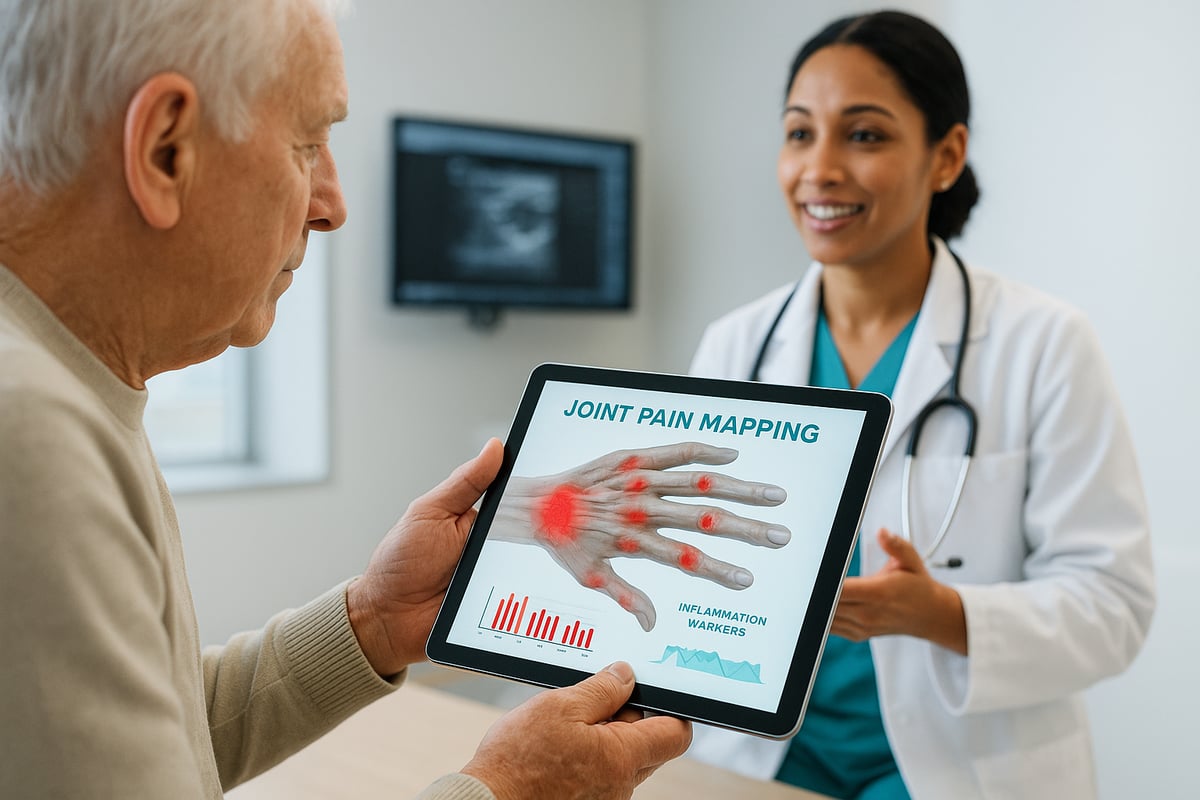
Personalized pain mapping has emerged as a valuable resource. Digital tracking applications empower patients to record their symptoms in real time, providing their healthcare team with detailed insights. Early identification of pain sources helps tailor interventions, reducing unnecessary treatments and improving outcomes.
A multidisciplinary approach is now standard in rheumatoid arthritis pain management. Rheumatologists collaborate with physiotherapists, pain specialists, and other professionals to conduct comprehensive assessments. This team-based strategy ensures that pain is addressed from every angle.
Recent data show that improved diagnostic accuracy leads to better pain control and enhanced quality of life. As technology continues to evolve, patients can expect even more targeted and effective support in their journey with rheumatoid arthritis pain management.
Latest Medical Treatments for RA Pain
The landscape of rheumatoid arthritis pain management has evolved significantly by 2026. Patients now benefit from a wider range of evidence-based treatments, advanced drug formulations, and personalized care strategies. With these new options, achieving lasting pain relief and improved joint function is more attainable than ever.

Disease-Modifying Therapies
Disease-modifying antirheumatic drugs (DMARDs) remain foundational in rheumatoid arthritis pain management. In 2026, traditional DMARDs such as methotrexate, hydroxychloroquine, and sulfasalazine continue to be widely prescribed, but with refined dosing regimens and monitoring protocols that enhance safety and efficacy.
Biologic therapies have seen substantial advancements. Current anti-TNF agents, anti-IL-6 inhibitors, rituximab, and abatacept are now offered in more targeted forms, reducing side effects and improving patient adherence. JAK inhibitors, including next-generation molecules, deliver rapid symptom control and are tailored to individual genetic and biomarker profiles.
Personalization is a hallmark of modern care. Physicians use advanced diagnostics to match patients with the most effective therapy, minimizing trial and error. Early and aggressive treatment strategies, supported by robust clinical evidence, have been shown to reduce long-term disability and persistent pain.
For a comprehensive overview of recent therapy advancements and personalized medicine strategies, refer to this Therapeutic advances in RA resource.
Case studies demonstrate that combining DMARDs with biologics or JAK inhibitors often results in greater pain relief and improved quality of life. Rheumatoid arthritis pain management today is proactive, precise, and patient-centered.
Pain-Relieving Medications
While disease-modifying therapies address the root causes of inflammation, many patients require additional support for symptom control. NSAIDs, both oral and topical, are continually refined for enhanced safety, with COX-2 inhibitors offering pain relief for those at risk of gastrointestinal side effects. Updated guidelines ensure these medications are used judiciously.
Paracetamol remains a common choice for mild pain, but its limitations are acknowledged. Corticosteroids are now reserved for short-term flare management or targeted joint injections, with improved techniques reducing complications.
Opioid analgesics are rarely used, restricted to severe pain not manageable by other means. Strict protocols and monitoring reduce dependency risks. Combination therapies, such as pairing NSAIDs with topical agents or corticosteroid injections, are tailored based on pain type and patient history.
Recent data indicate that up to 40 percent of individuals with RA utilize adjunct medications for pain relief alongside their primary regimen. This multifaceted approach is a key component of effective rheumatoid arthritis pain management, ensuring both inflammation and discomfort are addressed comprehensively.
Novel Pharmacological Approaches
Innovation continues to shape the future of rheumatoid arthritis pain management. New drug classes, such as selective pain modulators and immunometabolic agents, are emerging from clinical trials. These therapies target specific pathways involved in chronic pain, offering hope for those with difficult-to-treat symptoms.
Personalized medicine is at the forefront. Genetic and biomarker data are routinely analyzed to predict a patient’s response to therapy, reducing adverse effects and optimizing pain control. Digital health platforms facilitate ongoing monitoring, allowing clinicians to adjust regimens in real time.
AI-driven medication management systems are increasingly integrated into clinical practice. These platforms analyze patient-reported outcomes, medication adherence, and side effect profiles to recommend adjustments, ensuring optimal results. For example, patients using these systems report fewer flares and greater satisfaction with their care.
As research progresses, rheumatoid arthritis pain management will continue to evolve, offering patients safer, more effective, and more personalized solutions for lasting relief.
Non-Drug Therapies and Integrative Pain Management
Managing pain from rheumatoid arthritis goes far beyond medication. In 2026, non-drug therapies are at the heart of comprehensive rheumatoid arthritis pain management, helping patients reclaim mobility, independence, and quality of life. These evidence-based approaches, ranging from physical therapy to assistive devices and surgical interventions, play a vital role in reducing pain, improving function, and supporting long-term well-being. For a deeper understanding of integrative options, see the Non-pharmacological RA pain management review.

Physical and Occupational Therapy
Physical and occupational therapy are pillars of rheumatoid arthritis pain management. Exercise programs tailored to each person’s needs can strengthen muscles, improve joint flexibility, and boost endurance. Physiotherapy advancements in 2026 include hydrotherapy, resistance bands, and virtual coaching, making therapy more accessible and engaging.
Occupational therapists teach joint protection techniques, recommend adaptive devices, and create customized splinting strategies to minimize strain. For example, a patient might use a soft wrist splint while typing or adaptive utensils in the kitchen, reducing flare-ups and pain.
- Strengthening and flexibility routines
- Hydrotherapy and virtual coaching
- Adaptive devices for daily activities
Studies have shown that consistent therapy leads to improved mobility and less pain, allowing patients to participate more fully in life. Incorporating physical and occupational therapy into rheumatoid arthritis pain management can provide measurable improvements, especially when started early and maintained consistently.
Assistive Devices and Lifestyle Supports
Assistive devices are an essential part of rheumatoid arthritis pain management, helping to reduce joint stress and facilitate daily activities. Walking aids, ergonomic tools, and cushioned footwear are designed to provide support and comfort. In 2026, updated guidance recommends custom orthotics, splints, and braces, tailored to each patient’s needs.
Heat and cold therapy offer additional relief. Applying heat can relax tight muscles and ease chronic pain, while cold packs help reduce swelling during acute flare-ups. For example, custom footwear has been shown to significantly decrease foot pain and improve walking ability for many with RA.
- Walking aids and ergonomic kitchen tools
- Custom splints and braces for joint stability
- Heat and cold therapy for symptom management
Integrating these supports into daily routines empowers patients to maintain independence and manage pain more effectively. Consistent use of these tools is a cornerstone of modern rheumatoid arthritis pain management.
Surgical and Interventional Options
For some, surgical and interventional procedures become necessary when other rheumatoid arthritis pain management approaches are not enough. Joint replacement surgery, especially for knees, hips, and small joints, can restore function and dramatically reduce pain. In 2026, minimally invasive techniques have shortened recovery times and improved outcomes.
Patients might also benefit from procedures such as synovectomy or tendon repair, which directly address sources of pain and joint damage. Success rates are high, with many reporting significant relief and return to normal activities.
- Joint replacement for severe damage
- Minimally invasive procedures for faster recovery
- Multidisciplinary pain clinics for coordinated care
A multidisciplinary approach, involving surgeons, physical therapists, and pain specialists, ensures each patient receives personalized, evidence-based care. Surgical and interventional options remain an important component of comprehensive rheumatoid arthritis pain management when conservative therapies do not suffice.
Personalized Pain Management Plans and Digital Health Tools
Personalized care is transforming the landscape of rheumatoid arthritis pain management. No two people experience pain in the same way, so creating a tailored approach is vital for effective relief.

Creating an Individualized Pain Management Strategy
An effective rheumatoid arthritis pain management plan begins with a thorough assessment. Your healthcare team evaluates the type and intensity of pain, its impact on daily activities, and your treatment preferences. This collaborative process ensures that your plan matches your unique needs.
Key steps include:
- Identifying pain sources, such as joint inflammation or nerve involvement
- Measuring severity with validated scales and patient-reported outcomes
- Setting realistic goals for pain reduction, mobility, and overall well-being
A multidisciplinary team—rheumatologist, nurse, physical therapist, and psychologist—works together to design your plan. Regular reviews help refine strategies as your symptoms change. For example, a sample plan might track pain scores, medication adjustments, physical activity, and sleep patterns each week.
| Component | Example Goal | Method |
|---|---|---|
| Pain reduction | 30% decrease | DMARDs, NSAIDs, exercise |
| Mobility | Walk 20 min/day | Physical therapy, pacing |
| Sleep quality | 7 hours/night | Sleep hygiene, mindfulness |
| Mood | Improve by 1 scale | CBT, support group |
For additional practical advice, consider exploring 7 Tips for RA Pain Relief, which offers actionable strategies to complement your customized plan.
Digital Tools and Telehealth in 2026
Digital innovation is revolutionizing rheumatoid arthritis pain management. Mobile apps now allow you to log pain levels, track medication schedules, and record daily activities. These apps help you and your provider detect patterns, anticipate flares, and make informed decisions.
Telehealth services offer convenient access to specialists for ongoing pain assessment and support. Wearable devices monitor activity, sleep, and even inflammation markers, providing real-time feedback. Artificial intelligence analyzes this data and can suggest plan adjustments or alert your team to potential issues.
Statistics show that patients who use digital health tools are more engaged in their rheumatoid arthritis pain management, leading to improved outcomes and greater satisfaction. Embracing these technologies empowers you to take an active role in your health journey.
Lifestyle Modifications and Self-Management Strategies
Taking control of rheumatoid arthritis pain management often starts with daily lifestyle choices. While medical treatments are crucial, what you do outside the clinic can make a significant difference in how you feel and function each day.
Simple changes in movement, nutrition, stress, and sleep routines can all support your journey toward better pain control. Let’s explore the most effective self-management strategies for rheumatoid arthritis pain management in 2026.
Exercise and Physical Activity
Physical activity remains a cornerstone of rheumatoid arthritis pain management. Regular movement helps maintain joint flexibility, strengthen muscles, and reduce inflammation, leading to less pain and greater independence.
Safe exercise options include swimming, cycling, yoga, and tai chi. These activities are gentle on the joints yet improve cardiovascular health and mobility. Virtual coaching and adaptive routines make it easier than ever to get started, even during flare-ups.
Common barriers like fatigue or fear of pain can be overcome with support from physiotherapists or online communities. Many patients report that starting slow, tracking progress, and celebrating small wins keeps them motivated. In fact, research shows that up to 60% of people with RA experience reduced pain and disability through regular exercise.
For more detailed movement strategies, visit the Arthritis Management Strategies Guide, which offers step-by-step advice for building an activity plan tailored to your needs.
Nutrition and Anti-Inflammatory Diets
What you eat can directly impact your rheumatoid arthritis pain management. Diets rich in fruits, vegetables, whole grains, and healthy fats—like the Mediterranean or plant-based diet—are linked to lower inflammation and fewer flare-ups.
Omega-3 fatty acids from sources such as fish, walnuts, and flaxseed have been shown to help reduce joint pain. Antioxidant-rich foods like berries, leafy greens, and olive oil may also play a role in protecting joints. Supplements can be beneficial, but always consult your healthcare provider before adding new ones to your regimen.
Avoiding processed foods, sugars, and pro-inflammatory ingredients is key. Many people have shared stories of fewer flares and better energy after making dietary changes. For more on evidence-based diet and lifestyle approaches, see the ACR guidelines on integrative RA treatment.
Stress Management and Mental Health
The link between stress and rheumatoid arthritis pain management is well documented. Chronic pain can take a toll on mood, and stress can, in turn, worsen pain perception. Building resilience and coping skills is vital for long-term well-being.
Mindfulness practices like meditation and deep breathing can help calm the nervous system and reduce pain intensity. Cognitive-behavioral therapy (CBT) offers tools to challenge negative thoughts and build healthier responses to stress. Support groups, both in-person and online, provide a safe space to share experiences and learn from others.
Studies show that individuals who prioritize mental health often report improved pain control and a more positive outlook. Integrating stress reduction into your daily routine can be a powerful way to complement other rheumatoid arthritis pain management strategies.
Sleep Hygiene and Fatigue Management
Quality sleep is essential for effective rheumatoid arthritis pain management. Poor sleep can increase inflammation, heighten pain sensitivity, and drain your energy reserves, making daily activities more challenging.
Establishing a consistent sleep schedule, creating a restful environment, and addressing sleep disorders like insomnia or sleep apnea are critical steps. Many people benefit from using sleep tracking devices to monitor patterns and adjust routines accordingly.
Simple changes, such as limiting screen time before bed or using relaxation techniques, can lead to better rest. One RA patient shared that improving her sleep hygiene not only reduced her pain but also gave her more energy to engage in exercise and social activities—key elements of comprehensive rheumatoid arthritis pain management.
Future Trends in Rheumatoid Arthritis Pain Management
Rheumatoid arthritis pain management is evolving rapidly as we approach 2026. The future promises innovative therapies, smarter technology, and a more holistic approach to care. What are the most promising trends shaping the years ahead? Let’s explore the advances that could transform pain relief and quality of life for people with RA.
Innovations in Pharmacology and Biologics
The next era of rheumatoid arthritis pain management will be shaped by novel drug classes and personalized medicine. Biologics and targeted small molecules are being refined, with new agents entering advanced clinical trials. Gene editing and regenerative medicine are on the horizon, offering hope for actual joint repair.
AI-driven drug regimens, tailored through genomics, are becoming more common. For example, recent studies on upadacitinib have shown promising results for pain reduction in RA, highlighting the impact of Effects of upadacitinib on RA pain in modern therapy. Early adoption of these strategies is associated with improved pain control and better long-term outcomes.
The integration of smart monitoring tools helps clinicians adjust treatments in real time, minimizing side effects and maximizing relief. These pharmacological breakthroughs are setting a new standard in rheumatoid arthritis pain management.
Integrative and Complementary Approaches
Integrative therapies are gaining momentum in rheumatoid arthritis pain management. Many patients are turning to acupuncture, massage therapy, and mind-body medicine as adjuncts to standard care. Cannabinoids, including CBD, are being explored for their anti-inflammatory and analgesic effects, with ongoing research supporting their potential role.
Herbal supplements and nutraceuticals are also under study, with safety and efficacy data guiding clinical recommendations. For patients interested in natural approaches, resources such as How CBD Oil Helps Manage RA provide valuable insights into evidence-based options.
Ongoing trials continue to evaluate how these therapies fit into comprehensive rheumatoid arthritis pain management plans. The future will likely see these approaches integrated alongside medical treatments for a more holistic, patient-centered experience.
Predictive Analytics and Preventive Care
Artificial intelligence is transforming predictive analytics in rheumatoid arthritis pain management. AI-powered models can now forecast flare risk and pain severity by analyzing real-time health data from wearables, apps, and electronic records.
This predictive capability allows for earlier, proactive interventions, reducing the frequency and severity of pain flares. Personalized alerts and recommendations empower patients to take control, adjusting their routines or medications before pain intensifies.
Preventive care is becoming a cornerstone of rheumatoid arthritis pain management. By catching issues early, patients and providers can work together to avoid emergency visits and minimize disruptions to daily life.
Societal and Healthcare System Changes
Access to comprehensive rheumatoid arthritis pain management is expanding as healthcare systems recognize the need for multidisciplinary care. More patients can now benefit from integrated pain clinics, where rheumatologists, therapists, and specialists collaborate for optimal outcomes.
Insurance coverage is also improving for holistic and digital therapies, making advanced treatments more accessible. Patient advocacy groups are driving policy changes, promoting education, and supporting research into new pain management strategies.
These systemic improvements are helping to close gaps in care and ensuring that every person with RA can access the latest tools and therapies. The future of rheumatoid arthritis pain management is brighter, more equitable, and focused on empowering patients at every stage.
As you’ve learned throughout this guide, managing rheumatoid arthritis pain in 2026 means combining the best of new medical breakthroughs, digital tools, and natural alternatives for real relief. If you’re ready to explore safe, transparent, and effective CBD products that can complement your pain management plan, you don’t have to wait. At Reclaim Labs, you’ll find rigorously tested options designed for those seeking a natural approach to chronic pain and inflammation. Take the next step toward better days and more control over your health—Get Relief Now!