Managing rheumatoid arthritis requires a comprehensive approach to pain relief that addresses both symptoms and disease progression. Living with this chronic autoimmune condition means navigating a complex landscape of pharmaceutical options, each with unique benefits and considerations. While conventional rheumatoid arthritis pain medications remain the cornerstone of treatment for many patients, an increasing number of individuals are exploring complementary therapies to enhance their quality of life. Understanding the full spectrum of available options empowers patients to work effectively with their healthcare providers in creating personalized treatment plans that balance efficacy with tolerability.
Understanding How Rheumatoid Arthritis Pain Medications Work
The mechanism of pain in rheumatoid arthritis differs fundamentally from other types of chronic pain. Instead of resulting from wear and tear, RA pain stems from an overactive immune system attacking the synovial lining of joints, triggering inflammation, swelling, and eventual tissue damage.
Effective treatment requires addressing multiple pathways simultaneously. Pain relievers provide symptomatic relief by blocking pain signals, while anti-inflammatory agents reduce swelling and heat in affected joints. Disease-modifying medications work at a deeper level to slow or halt the autoimmune attack itself.
The Arthritis Foundation outlines medications for arthritis in detail, highlighting how different drug classes target specific aspects of the disease process. This multi-pronged approach explains why most rheumatologists recommend combination therapy rather than relying on a single medication.
The Role of Inflammation in RA Pain
Inflammation serves as the primary driver of pain in rheumatoid arthritis. When immune cells mistakenly attack joint tissues, they release cytokines and other inflammatory mediators that stimulate pain receptors and cause tissue swelling.
Key inflammatory markers in RA include:
- Tumor necrosis factor (TNF)
- Interleukin-6 (IL-6)
- C-reactive protein (CRP)
- Rheumatoid factor antibodies
Understanding these biological markers helps explain why certain medications prove more effective than others for individual patients. Blood tests measuring these markers often guide treatment decisions and help monitor disease activity over time.
Nonsteroidal Anti-Inflammatory Drugs for RA Management
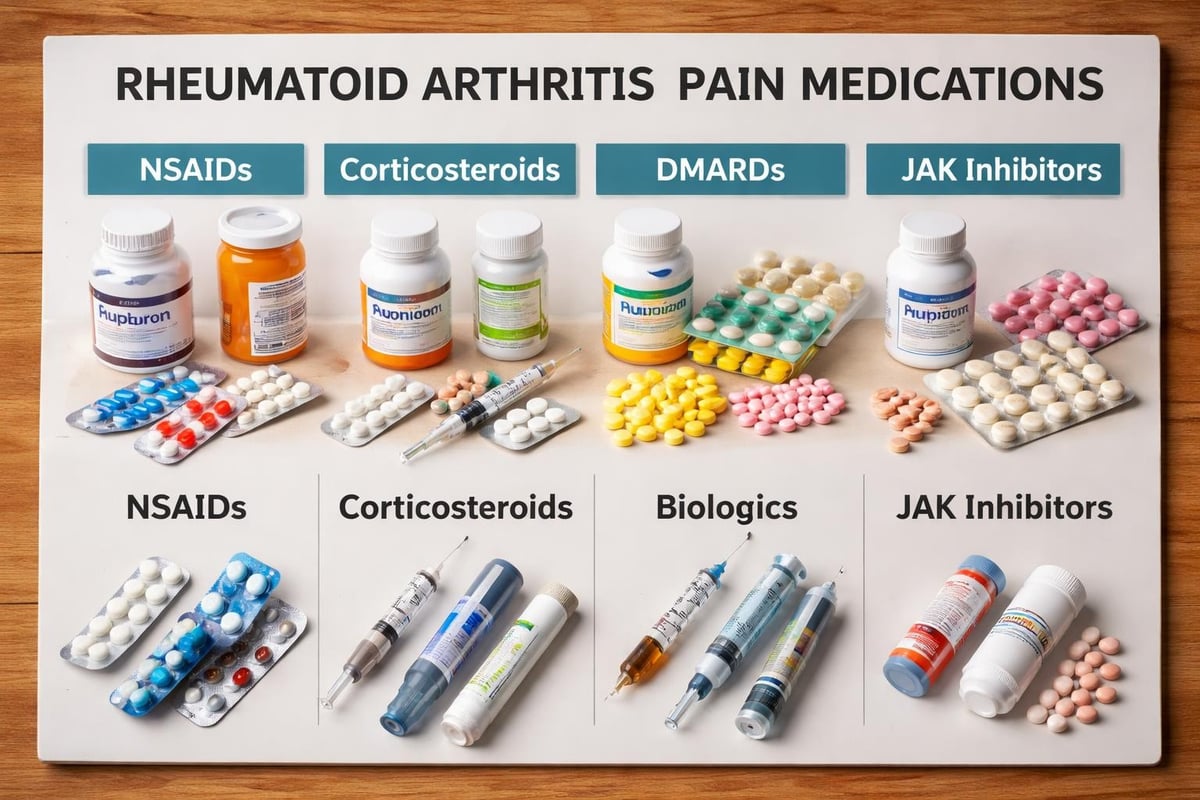
NSAIDs represent the most commonly prescribed first-line rheumatoid arthritis pain medications for managing day-to-day symptoms. These medications work by inhibiting cyclooxygenase (COX) enzymes that produce prostaglandins, the chemicals responsible for inflammation and pain signaling.
Traditional NSAIDs include ibuprofen, naproxen, and diclofenac. These medications block both COX-1 and COX-2 enzymes, providing effective pain relief but potentially causing gastrointestinal side effects in some patients. COX-2 selective inhibitors like celecoxib offer a gentler alternative for those with sensitive stomachs.
| NSAID Type | Common Medications | Primary Benefits | Main Considerations |
|---|---|---|---|
| Traditional NSAIDs | Ibuprofen, Naproxen | Effective pain relief, readily available | GI side effects, cardiovascular risks |
| COX-2 Inhibitors | Celecoxib | Reduced GI complications | Higher cost, cardiovascular monitoring |
| Topical NSAIDs | Diclofenac gel | Localized relief, fewer systemic effects | Limited to accessible joints |
The comprehensive guide on RA medications emphasizes that while NSAIDs provide valuable symptomatic relief, they do not slow disease progression. For those interested in understanding lesser-known facts about arthritis, the distinction between symptom management and disease modification becomes particularly important.
Maximizing NSAID Benefits While Minimizing Risks
Long-term NSAID use requires careful monitoring and strategic management to balance benefits against potential complications. Many rheumatologists recommend taking these medications with food, using the lowest effective dose, and scheduling regular check-ups to assess kidney function and cardiovascular health.
Strategies for safer NSAID use:
- Take with meals or milk to protect stomach lining
- Avoid alcohol consumption while on NSAIDs
- Stay well-hydrated throughout the day
- Report any signs of bleeding or stomach pain immediately
- Consider gastroprotective medications if high-risk
Patients should discuss their complete medical history with healthcare providers, as certain conditions like hypertension, kidney disease, or previous ulcers may require alternative approaches to pain management.
Disease-Modifying Antirheumatic Drugs as Foundation Therapy
DMARDs constitute the cornerstone of long-term RA treatment, functioning differently from simple pain relievers by actually modifying disease progression. These rheumatoid arthritis pain medications work by suppressing the overactive immune response that drives joint inflammation and damage.
Methotrexate stands as the gold standard DMARD, often prescribed shortly after diagnosis. This medication reduces inflammation by interfering with folate metabolism, thereby dampening immune cell activity. Other conventional DMARDs include sulfasalazine, hydroxychloroquine, and leflunomide.
Unlike NSAIDs that provide immediate relief, DMARDs typically require several weeks to months before patients notice significant improvement. This delayed onset sometimes frustrates patients, but the long-term benefits in preventing joint destruction make them indispensable.
Monitoring DMARD Therapy
Regular laboratory monitoring forms an essential component of DMARD therapy. Healthcare providers typically order blood tests every 4-12 weeks to check liver function, kidney function, and blood cell counts.
Common monitoring tests include:
- Complete blood count (CBC)
- Liver function tests (ALT, AST)
- Creatinine for kidney function
- Disease activity markers (CRP, ESR)
Understanding how early diagnosis of rheumatoid arthritis impacts treatment outcomes highlights why starting DMARD therapy promptly can preserve joint function and improve long-term prognosis.
Biologic Response Modifiers and Targeted Therapies
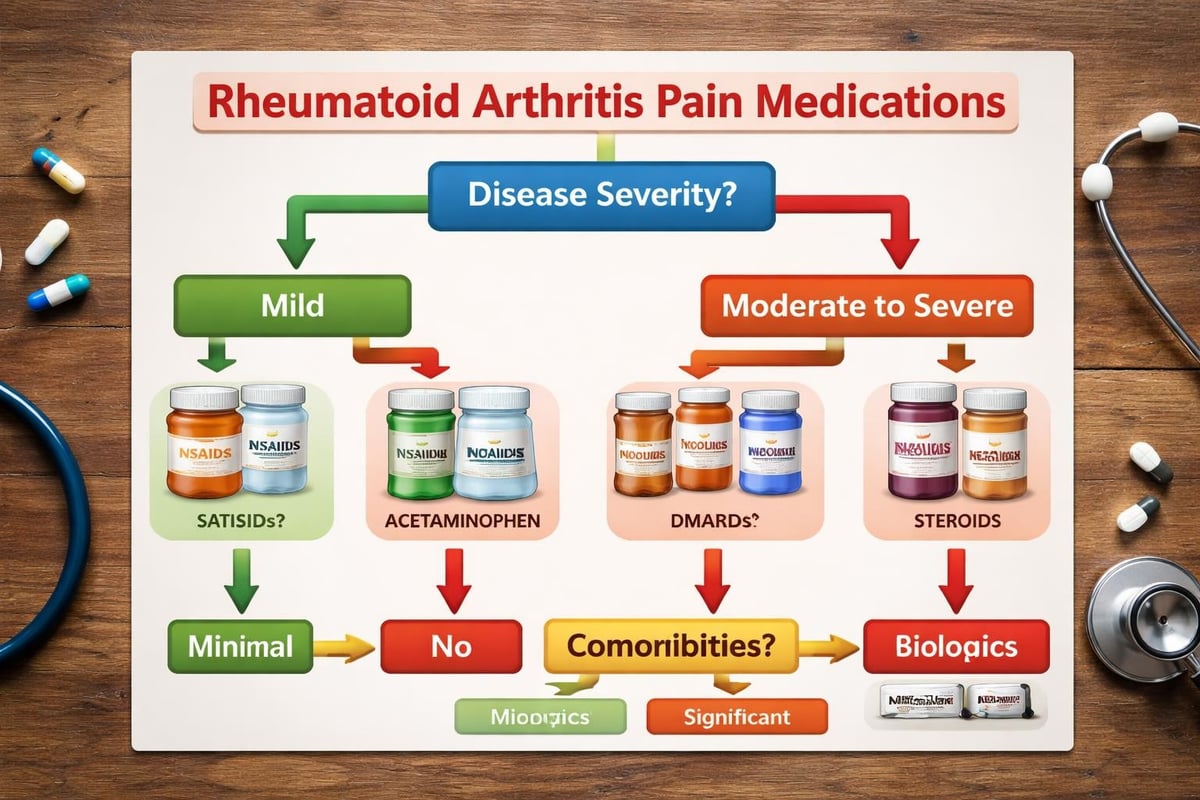
Biologic medications represent a revolutionary advancement in treating rheumatoid arthritis, offering targeted intervention against specific components of the immune system. These sophisticated rheumatoid arthritis pain medications are engineered proteins that block particular inflammatory pathways involved in RA.
TNF inhibitors like adalimumab, etanercept, and infliximab were the first biologics approved for RA. They work by neutralizing tumor necrosis factor, a key inflammatory cytokine. Other biologics target different pathways, including IL-6 inhibitors (tocilizumab), B-cell depleting agents (rituximab), and T-cell costimulation blockers (abatacept).
Harvard Health discusses treating rheumatoid arthritis with emphasis on how biologics have transformed outcomes for patients who don't respond adequately to conventional DMARDs.
The newest class of targeted therapies, JAK inhibitors like tofacitinib and baricitinib, offer oral administration rather than injections. These small molecules block Janus kinase enzymes inside cells, interrupting inflammatory signaling pathways.
| Biologic Class | Mechanism | Administration | Best For |
|---|---|---|---|
| TNF Inhibitors | Block TNF-alpha | Injection or infusion | First-line biologic therapy |
| IL-6 Inhibitors | Block interleukin-6 | Injection or infusion | Systemic symptoms, anemia |
| B-cell Depletion | Reduce B lymphocytes | Infusion | TNF-resistant cases |
| JAK Inhibitors | Block JAK enzymes | Oral tablets | Patients preferring pills |
Managing Biologic Therapy
Biologic medications require special handling and administration considerations. Most are administered by subcutaneous injection or intravenous infusion, though JAK inhibitors offer the convenience of oral dosing.
Patients starting biologics undergo screening for latent infections, particularly tuberculosis and hepatitis B, since these medications suppress immune function. Staying current with vaccinations becomes crucial, though live vaccines should be avoided while on biologic therapy.
Corticosteroids for Acute Flare Management
Corticosteroids provide powerful anti-inflammatory effects, making them valuable rheumatoid arthritis pain medications for controlling acute flares or bridging therapy while waiting for DMARDs to take effect. Prednisone remains the most commonly prescribed oral corticosteroid for RA.
These medications work by suppressing multiple inflammatory pathways simultaneously, providing rapid symptom relief often within hours to days. However, their significant side effect profile limits long-term use at higher doses.
Short-term benefits of corticosteroids:
- Rapid reduction in joint pain and swelling
- Improved morning stiffness
- Enhanced physical function
- Bridge therapy during DMARD initiation
For patients concerned about prednisone side effects and how to taper off prednisone, working closely with healthcare providers to develop an appropriate reduction schedule minimizes withdrawal symptoms and disease flares.
The NCBI resource on painkillers and steroids in RA emphasizes using the lowest effective dose for the shortest necessary duration. Many rheumatologists aim for prednisone doses below 5mg daily when long-term use proves unavoidable.
Minimizing Corticosteroid Complications
Long-term corticosteroid use carries risks including osteoporosis, weight gain, elevated blood sugar, cataracts, and increased infection susceptibility. Proactive strategies can mitigate many of these concerns.
- Take calcium and vitamin D supplements to protect bone health
- Monitor blood pressure and glucose levels regularly
- Engage in weight-bearing exercise to maintain bone density
- Follow a balanced diet to manage weight and blood sugar
- Never stop corticosteroids abruptly without medical guidance
Patients interested in exploring CBD-based alternatives to steroid medications may find complementary approaches that allow lower corticosteroid doses while maintaining symptom control.
Simple Analgesics and Pain Management Strategies
Pure analgesics like acetaminophen provide pain relief without anti-inflammatory effects, offering an option for patients who cannot tolerate NSAIDs. While less effective than other rheumatoid arthritis pain medications for inflammatory pain, they can supplement other therapies or help manage breakthrough pain.
The narrative review on pain management in RA patients examines how various analgesic approaches contribute to comprehensive pain control. Combining medications from different classes often provides superior relief compared to maximizing doses of a single agent.
Tramadol, a synthetic opioid analgesic, offers moderate pain relief for some RA patients. It works through dual mechanisms, binding to opioid receptors while also inhibiting serotonin and norepinephrine reuptake. However, concerns about dependence and abuse potential limit its routine use.
Non-Pharmacological Pain Management
Medication alone rarely provides complete relief. Integrating non-drug strategies enhances overall pain management and may reduce medication requirements.
- Physical therapy to maintain joint mobility and muscle strength
- Occupational therapy for joint protection techniques
- Heat and cold therapy for localized symptom relief
- Stress management techniques like meditation or yoga
- Adequate sleep to support healing and reduce inflammation
Many patients find that natural alternatives to prescription medications complement their pharmaceutical regimen, potentially allowing lower medication doses while maintaining quality of life.

Emerging Therapies and Future Directions
Research continues advancing our understanding of rheumatoid arthritis and developing novel therapeutic approaches. Newer JAK inhibitors with improved selectivity profiles aim to maintain efficacy while reducing side effects. Biosimilar versions of expensive biologic medications are increasing treatment accessibility.
Personalized medicine approaches using genetic markers and biomarkers promise to predict which patients will respond best to specific medications, potentially eliminating the current trial-and-error approach. This precision medicine strategy could revolutionize how clinicians select rheumatoid arthritis pain medications for individual patients.
Promising areas of investigation include:
- Next-generation biologics with enhanced targeting
- Oral formulations of existing injectable medications
- Combination therapies optimized through clinical trials
- Biomarker-guided treatment selection
- Regenerative therapies to repair damaged joints
Patients interested in the future of rheumatoid arthritis cures can find hope in ongoing research, though effective disease management remains the realistic goal for most individuals living with RA in 2026.
Complementary and Alternative Approaches
While pharmaceutical interventions remain essential, many patients explore complementary therapies to enhance their treatment regimen. The National Center for Complementary and Integrative Health provides insights into RA treatments, including both conventional and alternative approaches.
CBD hemp oil has gained attention as a potential complementary therapy for managing RA-related pain and inflammation. Research suggests that cannabinoids may interact with the endocannabinoid system to modulate pain perception and inflammatory responses, though more clinical studies are needed to establish definitive efficacy.
Quality matters significantly when considering CBD products. Third-party testing ensures purity, potency, and absence of contaminants. Understanding how CBD works in the body helps patients make informed decisions about incorporating it into their pain management strategy.
Integrating CBD with Conventional Medications
Patients should always consult healthcare providers before adding CBD or other supplements to their regimen, as interactions with rheumatoid arthritis pain medications can occur. CBD may affect how the liver metabolizes certain medications, potentially altering their effectiveness or increasing side effects.
Considerations when combining CBD with RA medications:
- Start with low doses and increase gradually
- Monitor for any changes in medication effects
- Choose high-quality, third-party tested products
- Maintain open communication with healthcare providers
- Track symptoms to assess effectiveness
For those exploring CBD for chronic pain relief, understanding proper dosing and administration methods maximizes potential benefits while minimizing risks.
Personalizing Your Treatment Plan
No single approach works for everyone with rheumatoid arthritis. Factors including disease severity, comorbid conditions, lifestyle preferences, and individual response patterns all influence optimal medication selection.
The concept of "treat to target" emphasizes adjusting therapy until achieving low disease activity or remission. This proactive approach involves regular assessment using standardized measures and medication adjustments when targets aren't met.
Working collaboratively with rheumatologists ensures treatment plans evolve as disease patterns change. Some patients achieve excellent control with conventional DMARDs, while others require biologics or combination therapy. The goal remains maximizing quality of life while minimizing medication burden and side effects.
| Patient Profile | Typical First-Line Approach | Common Escalation Strategy |
|---|---|---|
| Mild Disease | Methotrexate + NSAIDs | Add hydroxychloroquine or sulfasalazine |
| Moderate Disease | Methotrexate + corticosteroid bridge | Add biologic or JAK inhibitor |
| Severe Disease | Combination DMARD or biologic | Switch to different biologic or add JAK inhibitor |
| Multiple Comorbidities | Careful medication selection based on risk profile | Close monitoring with frequent adjustments |
Understanding rheumatoid arthritis versus osteoarthritis differences ensures patients receive treatments appropriate for their specific condition, as medication approaches differ significantly between these two forms of arthritis.
Monitoring Treatment Effectiveness and Safety
Regular follow-up appointments allow healthcare providers to assess whether rheumatoid arthritis pain medications are achieving desired outcomes. Joint examinations, patient-reported symptoms, laboratory markers, and imaging studies all contribute to comprehensive evaluation.
Key monitoring parameters include:
- Number of tender and swollen joints
- Morning stiffness duration
- Patient global assessment of disease activity
- Inflammatory markers (CRP, ESR)
- Functional ability and quality of life measures
Patients should track symptoms between appointments, noting patterns, triggers, and medication effects. This information helps providers make informed adjustments to optimize therapy.
Side effect monitoring proves equally important. Many rheumatoid arthritis pain medications require periodic blood tests to detect potential complications before they become serious. Promptly reporting new symptoms allows early intervention if problems arise.
Navigating rheumatoid arthritis pain medications requires balancing efficacy, safety, and quality of life considerations while working closely with healthcare providers to optimize treatment. While pharmaceutical interventions remain essential for disease control, many patients find that complementary approaches enhance overall symptom management. If you're seeking natural alternatives to complement your RA treatment plan, Reclaim Labs offers premium CBD hemp oil products specifically formulated for individuals managing chronic inflammatory conditions, with transparent third-party testing and a commitment to quality that supports your journey toward better pain management.