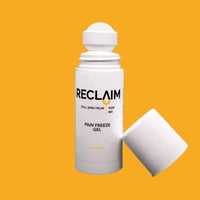
Managing chronic pain requires accessible, effective solutions that fit seamlessly into daily routines. Roll on pain relief oil has emerged as a practical option for individuals seeking targeted relief from muscle soreness, joint inflammation, and persistent discomfort. This convenient delivery method combines traditional pain-relieving ingredients with modern formulation science, offering precision application without messy creams or difficult-to-reach spray bottles. Whether you're dealing with arthritis flare-ups, post-workout muscle strain, or everyday aches, understanding how these products work can help you make informed decisions about incorporating them into your pain management strategy.
Understanding Roll On Pain Relief Oil Formulations
Roll on pain relief oil represents a sophisticated approach to topical pain management. Unlike traditional ointments or lotions, these products feature a roller ball applicator that distributes oil-based formulations directly onto affected areas. The design allows for controlled application, reducing waste while ensuring consistent coverage across painful joints, muscles, and soft tissues.
Active Ingredient Profiles
Modern formulations incorporate various active ingredients designed to address pain through multiple mechanisms. CBD (cannabidiol) has gained significant attention for its anti-inflammatory properties and ability to interact with the body's endocannabinoid system. Research on pain relief herbal roll-on formulations demonstrates how combining natural extracts with delivery optimization creates effective topical solutions.
The carrier oils in these formulations serve dual purposes. They facilitate skin absorption while often providing therapeutic benefits themselves. Common base oils include:
- Hemp seed oil: Rich in omega fatty acids that support skin health and reduce inflammation
- Coconut oil: Offers antimicrobial properties and deep moisturization
- Jojoba oil: Mimics skin's natural sebum for enhanced absorption
- Arnica oil: Traditionally used for bruising and muscle soreness
- Peppermint oil: Provides cooling sensation and improves circulation
Absorption and Bioavailability
The effectiveness of any roll on pain relief oil depends heavily on how well active ingredients penetrate the skin barrier. Transdermal delivery systems must overcome the stratum corneum, the outermost layer of skin that protects against external substances. Formulation scientists use penetration enhancers and optimized particle sizes to improve bioavailability without compromising skin integrity.

Studies examining pain relief roll-on oil development highlight the importance of formulation pH, viscosity, and ingredient solubility in determining therapeutic outcomes. These factors directly influence how quickly relief begins and how long it lasts.
Benefits for Chronic Pain Conditions
Individuals managing long-term pain conditions find roll on pain relief oil particularly valuable for several reasons. The portability factor cannot be overstated-these products easily fit into purses, gym bags, or desk drawers, enabling consistent application throughout the day.
Arthritis Management
For those living with rheumatoid arthritis or osteoarthritis, localized application addresses joint inflammation without systemic side effects common with oral medications. The benefits of CBD hemp oil for arthritis include reduced morning stiffness, improved joint mobility, and decreased swelling in affected areas.
Key advantages for arthritis sufferers:
- Targeted relief for specific joints experiencing flare-ups
- Non-invasive application that doesn't interfere with existing medications
- Ability to apply as needed throughout the day
- Reduction in reliance on oral pain relievers
- Improved sleep quality when applied before bedtime
Fibromyalgia Symptom Control
Fibromyalgia presents unique challenges with widespread pain and tender points throughout the body. A roll on pain relief oil allows patients to address multiple pain sites efficiently. The benefits of CBD oil for fibromyalgia extend beyond pain reduction to include potential improvements in sleep patterns and reduced anxiety associated with chronic pain conditions.
The tender points characteristic of fibromyalgia-located at the neck, shoulders, chest, hips, knees, and elbows-are easily accessible with roller ball applicators. This precision helps patients manage symptoms proactively rather than reactively.
Proper Application Techniques
Maximizing the effectiveness of roll on pain relief oil requires understanding proper application methods. Simply rolling the product onto skin doesn't guarantee optimal results. Technique matters significantly in achieving desired therapeutic outcomes.
Step-by-Step Application Process
- Clean the target area: Remove dirt, sweat, or other topical products that might create barriers to absorption
- Assess skin condition: Ensure no open wounds, rashes, or severe irritation exist at the application site
- Apply firm, even pressure: Roll the applicator across the affected area using moderate pressure
- Use circular motions: For joints, apply in circular patterns covering the entire joint capsule
- Allow absorption time: Wait 5-10 minutes before covering with clothing or applying other products
- Wash hands thoroughly: Prevent accidental transfer to eyes or sensitive areas
Frequency and Dosage Considerations
| Application Timing | Recommended Frequency | Best For |
|---|---|---|
| Morning application | Once daily | Reducing morning stiffness, preparing for daily activities |
| Pre-workout | 30 minutes before exercise | Preventing exercise-induced inflammation |
| Post-activity | Immediately after exertion | Addressing acute muscle soreness |
| Evening application | Before bedtime | Managing nighttime pain, improving sleep quality |
| As-needed | Up to 4 times daily | Breakthrough pain episodes |
The concentration of active ingredients influences how often you should apply roll on pain relief oil. Higher-potency formulations may require less frequent application, while lower concentrations might benefit from more regular use. CBD hemp oil benefits for pain typically manifest within 15-45 minutes of topical application, with effects lasting 4-6 hours depending on formulation and individual metabolism.

Comparing Delivery Systems
The pain relief market offers numerous delivery methods, each with distinct advantages and limitations. Understanding how roll on pain relief oil compares to alternatives helps consumers select the most appropriate option for their specific needs.
Roll-On vs. Other Topical Formats
Creams and lotions require hand application, leading to product waste and difficulty reaching certain body areas like the middle back or shoulders. They also leave residue on hands, necessitating immediate washing. Roll-ons eliminate these concerns through direct, no-touch application.
Sprays provide quick coverage over large areas but often result in uneven distribution and environmental waste through aerosol propellants. They're less suitable for precise joint targeting compared to roll on pain relief oil.
Patches deliver sustained release over extended periods but lack flexibility in coverage area and cannot be easily repositioned. For individuals managing foot pain or other mobile areas, patches may prove impractical.
Massage oils require assistance or significant flexibility to apply, making them less convenient for independent daily use. The roll-on format empowers patients with self-sufficient pain management.
Integration with Other Pain Management Strategies
Roll on pain relief oil works synergistically with other therapeutic approaches. Many individuals combine topical application with oral supplements, physical therapy, and lifestyle modifications for comprehensive pain control. Post-workout recovery supplements complement topical treatments by addressing inflammation from within while external application targets specific muscle groups.
The non-systemic nature of topical treatments means fewer drug interactions compared to oral medications. This makes roll on formulations particularly valuable for individuals taking multiple prescriptions or those seeking to reduce pharmaceutical dependency.
Ingredient Quality and Testing Standards
Not all roll on pain relief oil products meet equivalent quality standards. The hemp and CBD industry faces ongoing challenges with regulation and standardization, making third-party testing essential for consumer safety and product efficacy.
Third-Party Laboratory Verification
Reputable manufacturers submit products for independent laboratory analysis to verify:
- Cannabinoid content accuracy: Confirming labeled CBD concentrations match actual formulation
- Contaminant screening: Testing for heavy metals, pesticides, residual solvents, and microbial contamination
- Terpene profiles: Identifying aromatic compounds that contribute to therapeutic effects
- Stability testing: Ensuring products maintain potency throughout shelf life
Consumers should look for Certificate of Analysis (COA) documentation readily available from manufacturers. These documents provide transparency about what you're applying to your skin and body.
Full-Spectrum vs. Broad-Spectrum Formulations
| Feature | Full-Spectrum | Broad-Spectrum | CBD Isolate |
|---|---|---|---|
| THC Content | Up to 0.3% | 0% | 0% |
| Entourage Effect | Maximum | Moderate | Minimal |
| Additional Cannabinoids | Yes | Yes | No |
| Legal Concerns | Minimal (federally legal) | None | None |
| Best For | Maximum therapeutic benefit | THC-sensitive individuals | Pure CBD applications |
The entourage effect refers to synergistic interactions between cannabinoids, terpenes, and other hemp compounds that enhance therapeutic outcomes beyond isolated CBD. Many users find full-spectrum roll on pain relief oil provides superior results compared to isolate-based products.
Safety Considerations and Contraindications
While topical pain relief products generally pose fewer risks than oral medications, understanding safety parameters ensures appropriate use and minimizes adverse reactions.
Potential Side Effects
Most individuals tolerate roll on pain relief oil well, but some may experience:
- Mild skin irritation or redness at application sites
- Allergic reactions to carrier oils or botanical extracts
- Temporary cooling or warming sensations
- Photosensitivity from certain essential oils
Patch testing before full application helps identify sensitivities. Apply a small amount to the inner forearm, wait 24 hours, and observe for adverse reactions before using on larger or more sensitive areas.
Who Should Exercise Caution
Certain populations require additional consideration when using topical pain products:
- Pregnant or nursing women: Limited research exists on CBD absorption and fetal/infant impact
- Children: Developing skin barriers may absorb compounds differently than adult skin
- Individuals with compromised skin barriers: Eczema, psoriasis, or severe dermatitis may alter absorption rates
- Those taking blood thinners: Some botanical ingredients may affect coagulation
Consulting healthcare providers before starting any new pain management regimen, including roll on pain relief oil, ensures compatibility with existing treatments and health conditions. For those beating rheumatoid arthritis pain, medical supervision helps optimize multi-modal treatment approaches.

Storage and Shelf Life Optimization
Maintaining product integrity requires proper storage practices. Roll on pain relief oil contains natural ingredients susceptible to degradation from environmental factors.
Environmental Factors Affecting Potency
Temperature fluctuations accelerate cannabinoid degradation. Store products in cool, dark locations away from direct sunlight and heat sources. Avoid leaving roll-ons in vehicles where temperatures may exceed 100°F, particularly during summer months.
Light exposure breaks down cannabinoids and degrades carrier oils. Amber or opaque containers provide protection, but storage in drawers or cabinets offers additional safeguards.
Air exposure through improper sealing introduces oxygen that oxidizes beneficial compounds. Ensure roller ball tops remain tightly closed when not in use.
Most properly stored roll on pain relief oil maintains potency for 12-24 months from manufacture date. Check product labels for specific expiration information and discontinue use if you notice significant changes in color, smell, or consistency.
Consumer Selection Criteria
Navigating the diverse roll on pain relief oil marketplace requires evaluating multiple factors beyond marketing claims. Informed consumers consider formulation specifics, company transparency, and alignment with personal pain management goals.
Key Decision Factors
Concentration levels determine therapeutic potential. Entry-level products typically contain 250-500mg CBD per container, while therapeutic-grade options range from 1000-3000mg. Higher concentrations deliver more active ingredients per application, potentially requiring less frequent use.
Ingredient transparency separates quality manufacturers from questionable operators. Complete ingredient lists, clear cannabinoid profiles, and accessible testing documentation indicate commitment to consumer safety. Companies that provide detailed information about sourcing, extraction methods, and formulation processes demonstrate professional standards.
Price-to-potency ratios help identify value. Calculate cost per milligram of CBD by dividing total price by total cannabinoid content. This metric enables meaningful comparison across brands and product sizes.
Customer feedback provides real-world insights into effectiveness for specific conditions. Look for reviews from individuals managing similar pain conditions rather than general testimonials. Detailed accounts describing symptom improvements, onset timing, and duration of relief offer more valuable information than simple star ratings.
For those specifically interested in CBD-enhanced formulations, understanding how CBD works within the body's systems provides context for evaluating product claims and setting realistic expectations.
Special Applications for Specific Pain Types
Different pain conditions respond variably to topical treatments. Tailoring roll on pain relief oil application to specific diagnoses optimizes outcomes.
Joint-Specific Applications
Knee pain from arthritis or overuse benefits from circumferential application around the entire joint capsule, including the sides and back of the knee often missed in hasty applications. This comprehensive coverage addresses inflammation throughout the joint structure.
Hand and finger arthritis requires precision that roll-on applicators provide naturally. Apply to each affected finger joint individually, including knuckles, middle joints, and connections to the hand.
Shoulder pain often radiates across multiple areas. Apply roll on pain relief oil to the deltoid muscle, rotator cuff region, and upper trapezius to address the interconnected pain network.
Muscle-Related Discomfort
Lower back pain responds well to thorough application across the lumbar region. The extended reach of roll-on applicators helps individuals apply product independently without assistance, maintaining autonomy in pain management.
Neck tension from stress or poor posture benefits from application along cervical vertebrae and into upper shoulder muscles where tension accumulates. The cooling effect of many formulations provides additional relief beyond anti-inflammatory action.
For individuals dealing with foot pain from various conditions, roll on pain relief oil offers particular advantages. The applicator reaches arch areas, heel pain points, and toe joints without requiring excessive bending or flexibility.
Lifestyle Integration Strategies
Successful pain management extends beyond product selection to incorporate consistent application habits and complementary wellness practices.
Building Application Routines
Morning rituals that include roll on pain relief oil application help manage the morning stiffness common in arthritis and fibromyalgia. Keep the product on your nightstand or bathroom counter as a visual reminder to apply before starting daily activities.
Workplace accessibility ensures pain relief remains available during work hours. Discreet packaging allows professional application without drawing attention. The non-greasy formulation of quality products won't interfere with keyboard use or paperwork handling.
Travel convenience makes roll on pain relief oil ideal for maintaining pain management consistency during trips. TSA-compliant sizes fit easily in carry-on luggage, and the spill-proof design prevents messy accidents.
Activity-specific timing maximizes preventive benefits. Apply before gardening, household cleaning, or other activities known to trigger pain episodes. This proactive approach reduces inflammation before it escalates.
Individuals managing comprehensive arthritis management strategies find that topical treatments complement dietary modifications, exercise programs, and stress reduction techniques for holistic wellness.
Understanding Label Claims and Marketing Language
The pain relief product industry uses various terms that may confuse consumers unfamiliar with regulatory distinctions and scientific terminology.
Regulatory Classification
Structure/function claims describe how products support normal body functions without claiming to treat, cure, or prevent diseases. Roll on pain relief oil marketed as "supporting joint comfort" or "promoting muscle recovery" uses permissible structure/function language.
Drug claims such as "treats arthritis" or "cures pain" require FDA approval as pharmaceutical products. Topical CBD products cannot legally make such claims despite substantial anecdotal evidence of therapeutic benefits.
Organic and natural certifications carry specific meanings. USDA Organic certification requires compliance with rigorous agricultural standards, while "natural" lacks regulatory definition and may indicate anything from minimal processing to completely plant-derived formulations.
Understanding these distinctions helps consumers interpret product marketing accurately and set appropriate expectations for roll on pain relief oil outcomes.
Roll on pain relief oil represents a practical, accessible approach to managing chronic pain conditions through targeted topical application. The combination of convenient delivery, quality formulation, and integration with comprehensive pain management strategies offers genuine relief for many individuals struggling with arthritis, fibromyalgia, and muscle discomfort. If you're seeking premium CBD hemp oil solutions backed by rigorous third-party testing and transparent manufacturing practices, Reclaim Labs provides full-spectrum and broad-spectrum options specifically designed for chronic pain and inflammation management. Explore their tested, reliable formulations to discover natural alternatives that support your journey toward improved comfort and quality of life.