

In today's fast-paced world, the need for quick and effective pain relief has never been more important. Life rarely slows down, and persistent discomfort can disrupt everything from work to sleep.
This article unveils the best pain killers for rapid relief in 2026, drawing on the latest scientific research and real consumer feedback. Discover the unique advantages, pricing, and ideal uses for each solution, so you can make informed choices and regain control over your well-being.
Understanding Pain Relief: What Matters Most in 2026
In 2026, the need for the best pain killers has never been more pressing. As medical science advances and patient expectations evolve, understanding what truly matters in pain relief is essential for making informed choices.
Evolution of Pain Management Approaches
Over the past decade, pain management has seen a remarkable transformation. Personalized medicine now tailors the best pain killers to individual genetics, pain types, and lifestyle needs. Rapid-acting therapies have taken center stage, offering relief in minutes rather than hours. Digital health tools allow patients to track symptoms and consult experts remotely, making pain management more accessible. Telemedicine has become a core part of ongoing care, enabling continuous monitoring and timely adjustments. This evolution ensures that people receive the right treatment, at the right time, for their unique pain profiles.
Key Factors to Consider When Choosing a Pain Killer
Selecting the best pain killers requires a careful assessment of several important factors. Efficacy and speed of relief are top priorities for most users. Safety profiles, including potential side effects and interactions, should always be reviewed. Accessibility and cost-effectiveness play a major role, especially for those managing chronic pain. Compatibility with existing medical conditions, as well as current medications, must not be overlooked. Regulatory approvals and solid clinical evidence give additional peace of mind when evaluating new products. By weighing these factors, patients can confidently choose pain relief that suits their needs.
Trends Shaping the Pain Relief Market in 2026
Several trends are redefining the search for the best pain killers in 2026. There is a notable shift toward non-opioid alternatives, driven by concerns over dependency and side effects. Natural and plant-based solutions are gaining popularity with health-conscious consumers. Advances in drug delivery systems, such as rapid-dissolve tablets and topical patches, allow for faster action and greater convenience. Transparency is now expected, with buyers seeking products backed by third-party testing. Notably, regulatory milestones like the FDA's approval of suzetrigine, a non-opioid pain drug, highlight the innovation and promise shaping the future of pain relief.
Real-World Insights and Data
Chronic pain continues to affect millions, making the best pain killers a daily necessity for many. Recent studies show that up to 20% of adults experience persistent pain, impacting work, sleep, and quality of life. Case examples reveal how rapid-acting medications can restore function after injury or surgery. Surveys indicate high satisfaction rates among users who find the right match for their pain type. These real-world insights underscore the importance of fast, effective solutions tailored to each individual’s needs.
Top 9 Essential The Best Pain Killers for Fast Relief 2026
Finding the best pain killers for fast relief is crucial in 2026, with new products and research shaping the landscape. Below, we explore the top 9 essential options, highlighting their benefits, pricing, and ideal use cases. Whether you seek over-the-counter convenience, prescription strength, or natural alternatives, this list will help you make informed choices for effective relief.
1. Advil (Ibuprofen)
Advil remains a top contender among the best pain killers for fast relief in 2026. Priced between $8 and $15 for a 100-count bottle, Advil is a nonsteroidal anti-inflammatory drug (NSAID) recognized for its rapid onset and broad availability. Its effectiveness for headaches, muscle aches, arthritis, and minor injuries is well documented.

Core Features:
- NSAID with fast absorption
- Over-the-counter accessibility
- Proven effectiveness for acute pain
Key Benefits:
- Provides quick relief for mild to moderate pain
- Suitable for teens and adults
Unique Selling Points:
- Fast-acting formula, low dependency risk
Pros:
- Affordable
- Widely available
Cons:
- May cause gastrointestinal side effects
- Not ideal for people with certain health conditions
For those seeking the best pain killers that deliver reliable and speedy relief, Advil is a go-to choice.
2. Tylenol (Acetaminophen)
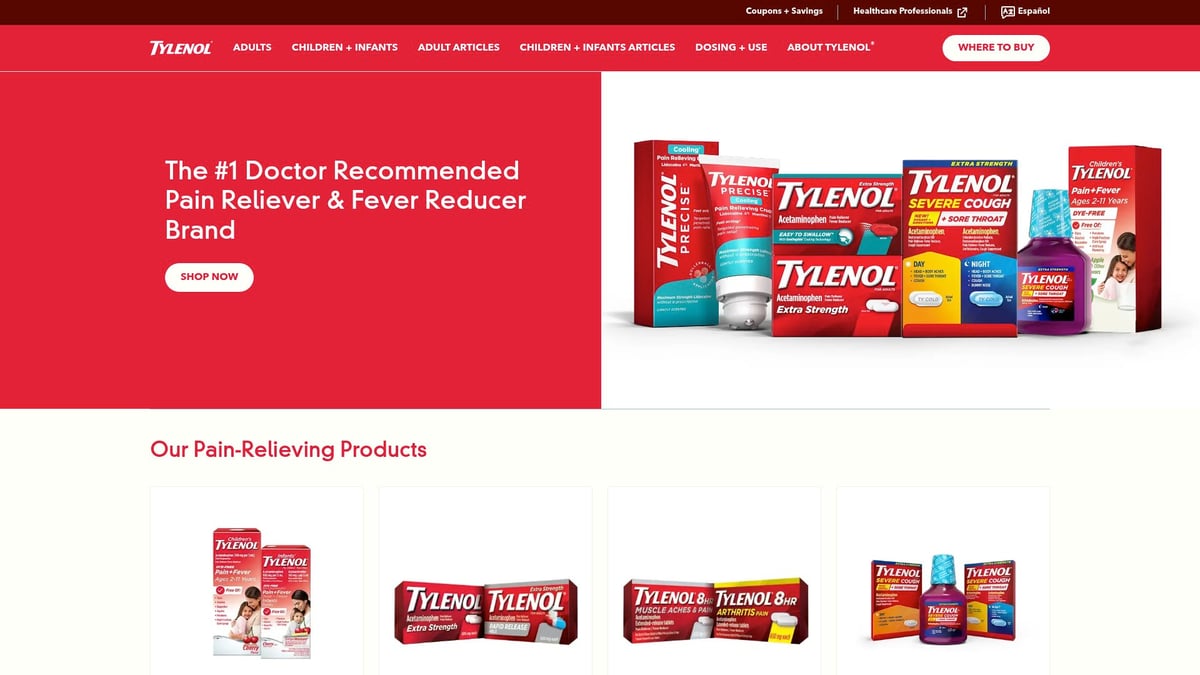
Tylenol is another staple on the list of the best pain killers, offering a gentle alternative for pain and fever. With pricing around $7 to $14 for 100 tablets, Tylenol is a non-NSAID analgesic that is easy on the stomach and comes in multiple forms.
Core Features:
- Non-NSAID, suitable for sensitive stomachs
- Available in various formats
Key Benefits:
- Effective for headaches, mild pain, and fever
Unique Selling Points:
- Safe for individuals with NSAID allergies
Pros:
- Minimal gastrointestinal issues
- Accessible at most pharmacies
Cons:
- Potential liver toxicity if overused
- Lacks anti-inflammatory effect
Tylenol is ideal for those who want the best pain killers but need to avoid NSAIDs.
3. Excedrin Extra Strength
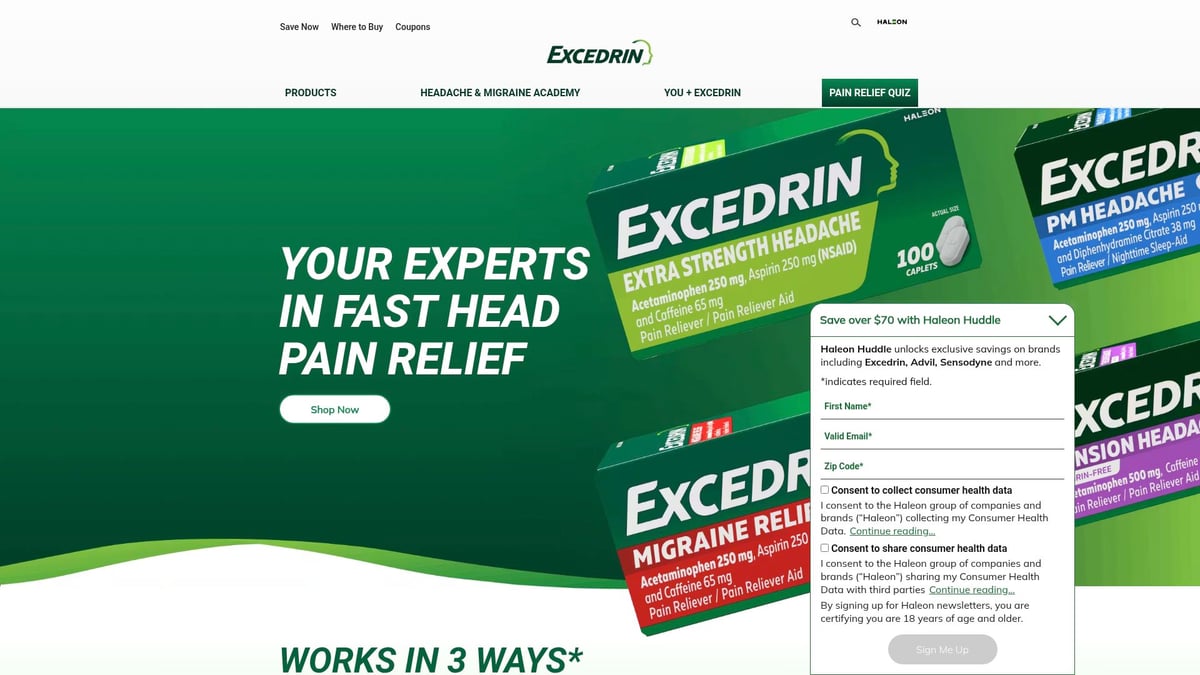
Excedrin Extra Strength stands out as one of the best pain killers for those battling migraines and tension headaches. Costing $10 to $18 for 100 tablets, it combines acetaminophen, aspirin, and caffeine for a powerful, multi-modal approach.
Core Features:
- Triple-action formula
- Designed for headaches and migraines
Key Benefits:
- Rapid relief for severe pain
- Multi-ingredient synergy
Unique Selling Points:
- Fast-acting, especially for migraines
Pros:
- Quick onset
- Effective for stubborn headaches
Cons:
- Not suitable for people sensitive to caffeine or aspirin
- Risk of rebound headaches with overuse
For migraine sufferers, Excedrin is among the best pain killers available over the counter.
4. Aleve (Naproxen Sodium)
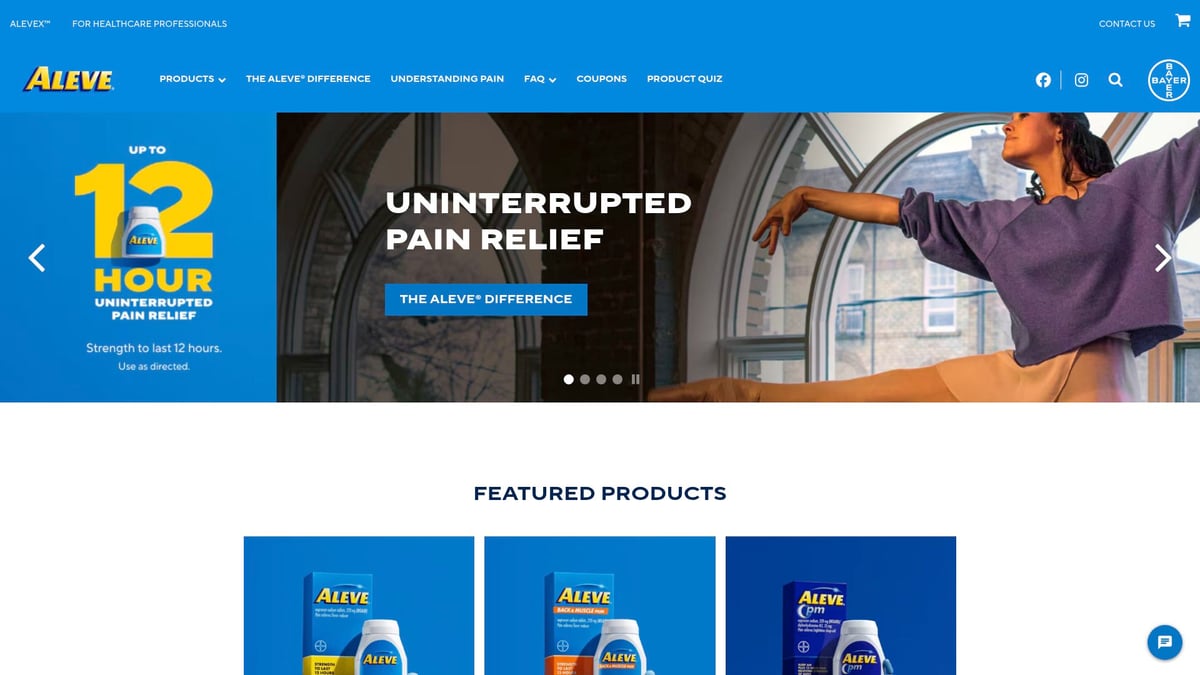
Aleve, a long-lasting NSAID, is favored for chronic pain needs and is widely recognized as one of the best pain killers for inflammation. Priced between $9 and $16 for 100 tablets, Aleve offers up to 12 hours of relief per dose.
Core Features:
- Extended-release NSAID
- Fewer daily doses required
Key Benefits:
- Effective for arthritis, menstrual cramps, and chronic pain
Unique Selling Points:
- Longer duration between doses
Pros:
- Long-lasting effect
- Reduces inflammation
Cons:
- Gastrointestinal risks
- Not suitable for all patients
Aleve is a wise choice for those who want the best pain killers for ongoing pain with fewer doses.
5. Voltaren Arthritis Pain Gel
Voltaren Arthritis Pain Gel is a topical solution, earning its place among the best pain killers for targeted relief. Prices range from $12 to $25 per tube, depending on size. Voltaren delivers anti-inflammatory action directly at the pain site, minimizing systemic side effects.
Core Features:
- Topical NSAID gel
- Applied directly to affected joints
Key Benefits:
- Reduces pain and inflammation in arthritis
Unique Selling Points:
- Non-oral, minimal gastrointestinal impact
Pros:
- Easy application
- Lower systemic risk
Cons:
- Limited to surface-level pain
- Not suitable for deep tissue pain
For arthritis sufferers, Voltaren is one of the best pain killers for localized, manageable relief.
6. Lidocaine Patch (Salonpas)
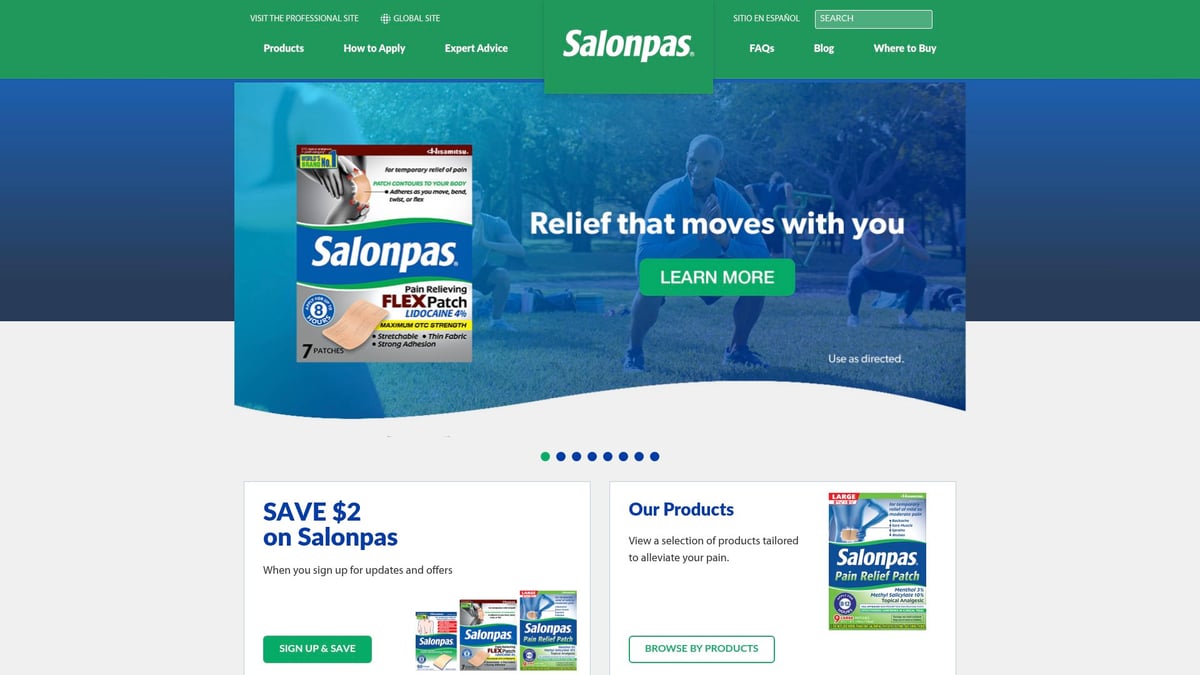
Lidocaine patches, such as those from Salonpas, are recognized as some of the best pain killers for fast, localized relief. At $10 to $20 per box, these patches provide a topical anesthetic effect, numbing the pain where it hurts most.
Core Features:
- Topical patch, delivers lidocaine to the skin
Key Benefits:
- Fast relief for back, neck, and joint pain
Unique Selling Points:
- Non-systemic, easy to use
Pros:
- Minimal side effects
- Convenient and discreet
Cons:
- Limited to surface pain
- Possible skin irritation
For those in need of the best pain killers for specific areas, lidocaine patches are an excellent solution.
7. CBD Hemp Oil (Reclaim Labs)
CBD hemp oil is increasingly popular as one of the best pain killers for natural, long-term relief. Prices typically range from $40 to $90 per bottle, depending on concentration. CBD oil offers anti-inflammatory and analgesic benefits without psychoactive effects.

Core Features:
- Full-spectrum and broad-spectrum options
- Third-party tested for quality
Key Benefits:
- Natural alternative for chronic pain and inflammation
Unique Selling Points:
- Transparency in sourcing and testing
- Non-addictive
Pros:
- Minimal side effects
- Non-psychoactive
Cons:
- Possible drug interactions
- Not regulated by FDA for all uses
For a deeper look at how CBD hemp oil supports pain relief, see CBD hemp oil benefits for pain. As more people seek the best pain killers from natural sources, CBD hemp oil stands out for its versatility and safety.
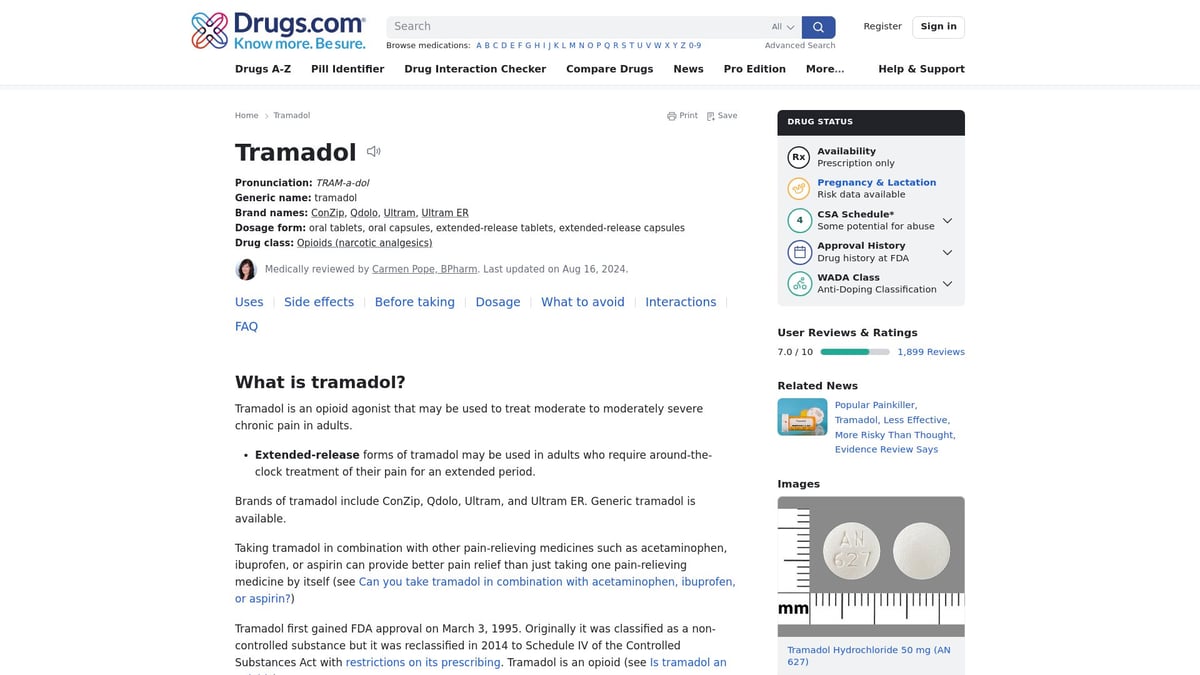
8. Tramadol (Prescription Only)
Tramadol earns its place among the best pain killers for moderate to severe pain. Available only by prescription, pricing varies by insurance and pharmacy, typically $15 to $40. Tramadol is effective for post-surgical pain, injury, and chronic pain that does not respond to over-the-counter medications.
Core Features:
- Opioid-like analgesic
- Controlled dosing
Key Benefits:
- Reliable relief for moderate to severe pain
Unique Selling Points:
- Less addictive than traditional opioids
Pros:
- Strong pain relief
- Flexible dosing
Cons:
- Prescription required
- Possible dependency and side effects
For patients under medical supervision, Tramadol is one of the best pain killers for tough pain scenarios.
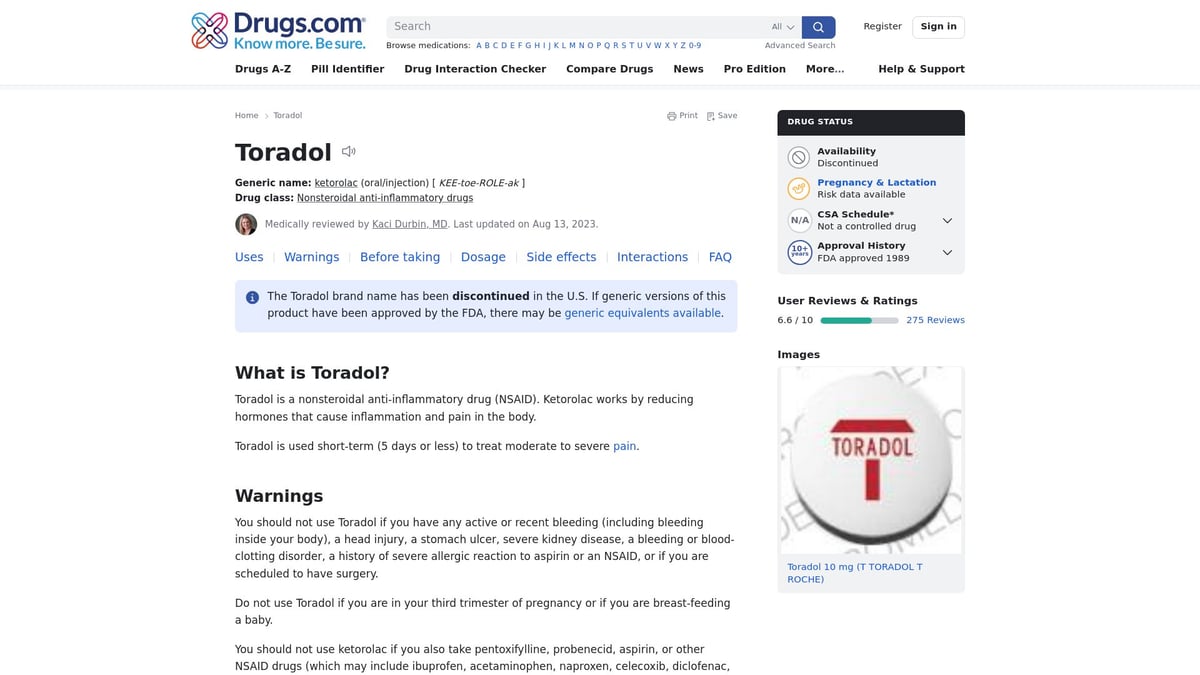
9. Toradol (Ketorolac)
Toradol is a prescription-only, hospital-grade NSAID that ranks among the best pain killers for acute, severe pain. It is usually administered as an injection or oral tablet in clinical settings, with pricing dependent on healthcare facility.
Core Features:
- Potent NSAID
- Rapid onset
Key Benefits:
- Ideal for post-operative and emergency pain
Unique Selling Points:
- Fast-acting
- Non-narcotic
Pros:
- Powerful relief without opioid risks
Cons:
- Short-term use only
- Potential gastrointestinal and renal side effects
Toradol is reserved for situations where the best pain killers must act quickly and powerfully.
Comparison Table: The Best Pain Killers for Fast Relief
| Pain Killer | Form | OTC/Prescription | Typical Use Cases | Onset Time | Duration | Key Pros | Main Cons |
|---|---|---|---|---|---|---|---|
| Advil (Ibuprofen) | Oral Tablet | OTC | Headache, muscle pain, arthritis | 30 min | 4-6 hours | Quick, affordable | GI side effects |
| Tylenol (Acetaminophen) | Oral Tablet | OTC | Fever, mild pain | 30-60 min | 4-6 hours | Gentle on stomach | Liver toxicity risk |
| Excedrin Extra Strength | Oral Tablet | OTC | Migraine, tension headache | 15-30 min | 4-6 hours | Triple action | Caffeine sensitivity |
| Aleve (Naproxen Sodium) | Oral Tablet | OTC | Chronic pain, cramps, arthritis | 30-60 min | Up to 12 hr | Long-lasting | GI risks |
| Voltaren Arthritis Pain Gel | Topical Gel | OTC | Localized joint pain | 60 min | 6-12 hours | Non-oral, targeted | Surface pain only |
| Lidocaine Patch (Salonpas) | Patch | OTC | Localized, neuropathic pain | 30 min | 8-12 hours | Non-systemic | Surface pain, irritation |
| CBD Hemp Oil (Reclaim Labs) | Oil | OTC | Chronic, inflammatory pain | 30-90 min | Varies | Natural, minimal side | Drug interactions |
| Tramadol | Oral Tablet | Prescription | Moderate-severe, chronic pain | 60 min | 4-6 hours | Strong, flexible | Dependency risk |
| Toradol (Ketorolac) | Injection/Tab | Prescription | Acute, post-op pain | 10-30 min | 4-6 hours | Potent, non-opioid | Short-term, GI/renal |
By understanding the strengths and weaknesses of each, you can choose the best pain killers that align with your pain type, speed of relief needed, and safety preferences.
Comparing the Top Pain Killers: Efficacy, Safety, and Speed
Choosing the best pain killers in 2026 means weighing several factors, from how quickly they work to their safety and cost. Each option has unique strengths, making some better suited for certain pain types and patient needs. Below, we break down how the best pain killers stack up in efficacy, safety, speed, and accessibility.
Efficacy Comparison
Efficacy is at the heart of selecting the best pain killers. Clinical trials and real-world reviews show that ibuprofen and naproxen sodium excel for acute pain, such as headaches or injuries. Tramadol and Toradol are often reserved for severe or post-surgical pain, while topical products like Voltaren gel and lidocaine patches shine for localized symptoms.
Recent studies, as covered in New research advances pain management, reveal that combination products and innovative drug delivery systems are improving outcomes for chronic and neuropathic pain. CBD-based options are gaining traction for persistent conditions, providing an alternative to traditional pharmaceuticals. Ultimately, the best pain killers achieve strong pain reduction, tailored to each patient’s needs.
| Pain Type | Best Options | Notes |
|---|---|---|
| Acute | Ibuprofen, Excedrin, Toradol | Rapid relief, proven for headaches, injury |
| Chronic | Naproxen, CBD Hemp Oil, Tramadol | Extended action, natural options growing |
| Neuropathic | Lidocaine Patch, Tramadol | Targeted or systemic relief |
Safety and Side Effects
Safety is a primary concern with the best pain killers. NSAIDs like ibuprofen and naproxen can cause gastrointestinal irritation, while acetaminophen poses risks for liver health if overused. Prescription products, including tramadol and Toradol, require careful monitoring due to dependency and side effects.
In 2026, the FDA has updated opioid labeling to highlight these risks, as detailed in FDA mandates opioid labeling changes to emphasize risks. Topical options and natural alternatives such as CBD generally have fewer systemic side effects, but may still cause skin irritation or interact with other medications. Always consult with a professional before choosing the best pain killers for your needs.
- Common side effects: Stomach upset, dizziness, skin irritation
- Serious risks: Liver or kidney issues, dependency, allergic reactions
- Regulatory updates: Stronger warnings for opioid prescriptions
Speed of Relief
The speed at which the best pain killers act can make a significant difference in patient satisfaction. Oral NSAIDs like ibuprofen and Excedrin often begin working within 30 minutes, making them ideal for acute flare-ups. Topical gels and patches can provide localized relief even faster, especially for joint or muscle pain.
Prescription options such as Toradol, available as an injection, are among the fastest for severe cases. Innovations in drug delivery, highlighted in recent research, are continually shortening onset times and improving consistency. When fast relief is critical, the best pain killers are those proven to deliver results quickly, based on both clinical data and patient feedback.
| Product | Typical Onset Time |
|---|---|
| Ibuprofen, Excedrin | 20–30 minutes |
| Naproxen | 30–60 minutes |
| Voltaren Gel, Lidocaine | 10–20 minutes |
| Toradol (injection) | 10–15 minutes |
Accessibility and Cost
Accessibility is a key differentiator among the best pain killers. Over-the-counter options like Advil, Tylenol, and Voltaren gel are widely available and affordable, making them practical for most households. Prescription-only products such as tramadol and Toradol require a doctor’s visit and may be subject to insurance restrictions.
Natural alternatives like CBD Hemp Oil can be purchased online, though prices vary based on potency and brand. Insurance coverage, out-of-pocket costs, and local regulations all play a role in determining which of the best pain killers are within reach for each individual. Evaluating both cost and ease of access will help you find the most suitable solution for your pain management needs.
How to Choose the Right Pain Killer for Your Needs
Selecting the best pain killers in 2026 requires a thoughtful, personalized approach. With so many options available, understanding your pain, medical history, and preferences is essential for safe and effective relief.
Assessing Your Pain Type and Severity
Begin by identifying whether your pain is acute or chronic. Acute pain often results from injury or surgery and may require fast-acting solutions. Chronic pain, on the other hand, persists for months, demanding long-term strategies.
Consulting a healthcare provider helps match the best pain killers to your specific situation. They can guide you towards options best suited for headaches, muscle aches, joint pain, or neuropathic discomfort.
Considering Medical History and Drug Interactions
Your medical background plays a crucial role in choosing the best pain killers. Always review your current medications and any pre-existing conditions with a doctor or pharmacist.
Some pain killers can interact with blood thinners, antidepressants, or other prescriptions. Being aware of these risks reduces the chance of harmful side effects and ensures the safest path to relief.
Lifestyle and Personal Preferences
Think about how different forms of the best pain killers fit your daily routine. Oral tablets, topical gels, patches, and natural alternatives each offer unique advantages.
For those interested in holistic options, consider exploring Natural alternatives to prescription medications, which discuss non-opioid solutions like CBD. Ease of use, dosing schedule, and long-term safety should all influence your decision.
When to Seek Professional Guidance
Certain warning signs require immediate medical attention, such as severe pain unresponsive to treatment, sudden swelling, or neurological symptoms. Never hesitate to consult a healthcare provider for persistent or worsening pain.
A personalized treatment plan ensures you are using the best pain killers safely and effectively, tailored to your unique health profile and needs.
After exploring the latest research and a wide range of expert-approved options, it’s clear that finding fast, effective pain relief in today’s world is more important than ever. Whether you’re managing chronic discomfort or looking for a natural way to ease inflammation, you deserve solutions that are transparent, high quality, and tailored to your needs. If you’re ready to take the next step toward comfort and well-being, you can discover trusted, lab-tested CBD hemp oil products designed for real results.
Get Relief Now!
