The opioid crisis continues to impact millions of Americans, with chronic pain patients often caught between inadequate relief and the risk of dependency. As healthcare providers and patients search for safer alternatives, cannabidiol (CBD) has emerged as a promising option for those seeking to manage pain without the devastating consequences of long-term opioid use. The concept of reducing opioid use with CBD represents more than just substituting one substance for another; it embodies a fundamental shift toward holistic, sustainable pain management strategies that address both physical symptoms and overall quality of life.
Understanding the Opioid Crisis and Its Impact on Chronic Pain Patients
The United States faces an unprecedented public health emergency with opioid-related deaths continuing to climb year after year. Prescription opioids, initially intended for short-term pain relief, have trapped countless individuals in cycles of dependency and addiction.
Chronic pain patients face unique challenges:
- Limited treatment options that don't carry addiction risks
- Increasing restrictions on opioid prescriptions
- Fear of dependency while managing legitimate pain conditions
- Quality of life deterioration when pain remains uncontrolled
- Stigma associated with long-term opioid therapy
For individuals living with conditions such as rheumatoid arthritis, fibromyalgia, and other inflammatory disorders, the need for effective pain management is constant. Traditional pharmaceutical approaches often involve escalating doses of opioids, leading to tolerance, dependency, and potentially life-threatening complications.
The healthcare community has recognized this crisis, prompting systematic reviews of interventions to safely reduce opioid use in chronic non-cancer pain conditions. This research has highlighted the urgent need for evidence-based alternatives that can provide meaningful relief without the dangers associated with long-term opioid therapy.
The Science Behind Reducing Opioid Use with CBD
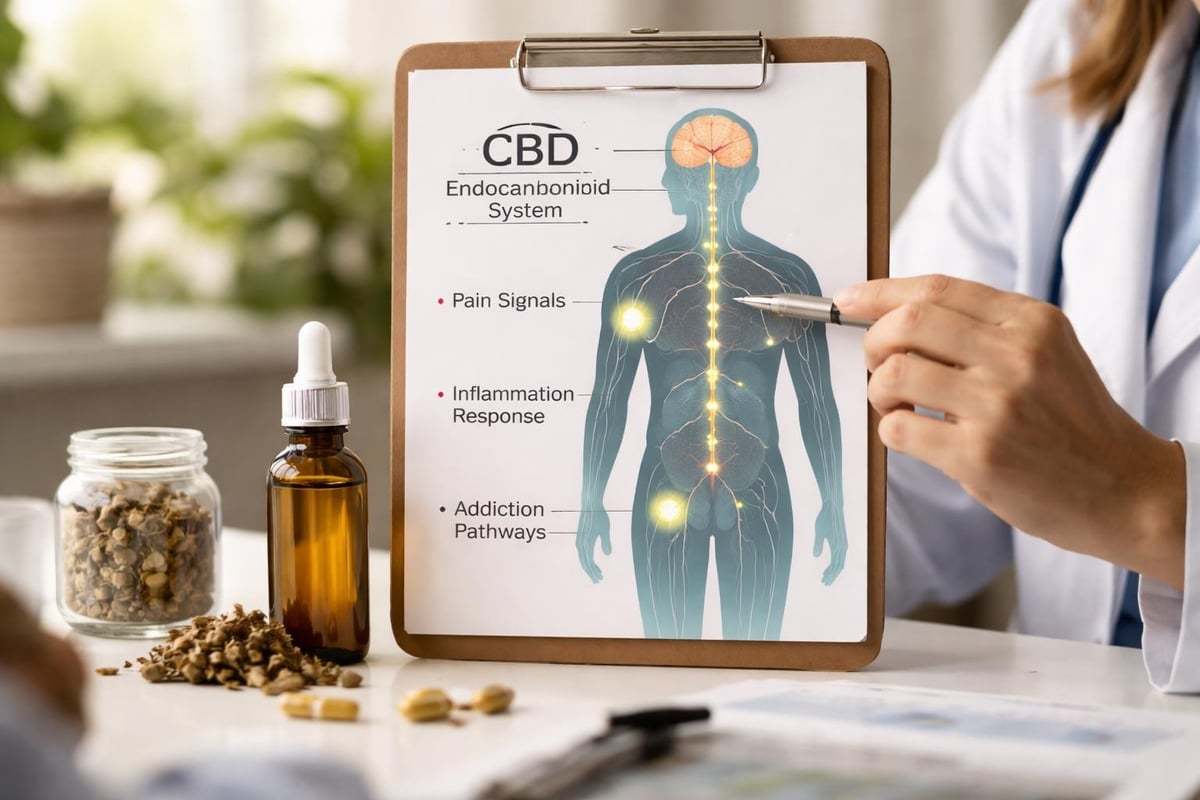
CBD's potential as an opioid alternative stems from its interaction with the endocannabinoid system, a complex network of receptors that regulates pain perception, inflammation, mood, and numerous other physiological processes. Unlike opioids, which bind directly to opioid receptors in the brain and body, CBD works through multiple pathways to provide relief without creating dependency.
Mechanisms of Action
Research demonstrates that CBD influences pain management through several distinct mechanisms. The compound interacts with CB1 and CB2 receptors in the endocannabinoid system, modulating the body's natural response to pain and inflammation. Additionally, CBD affects serotonin receptors, which play crucial roles in both pain perception and mood regulation.
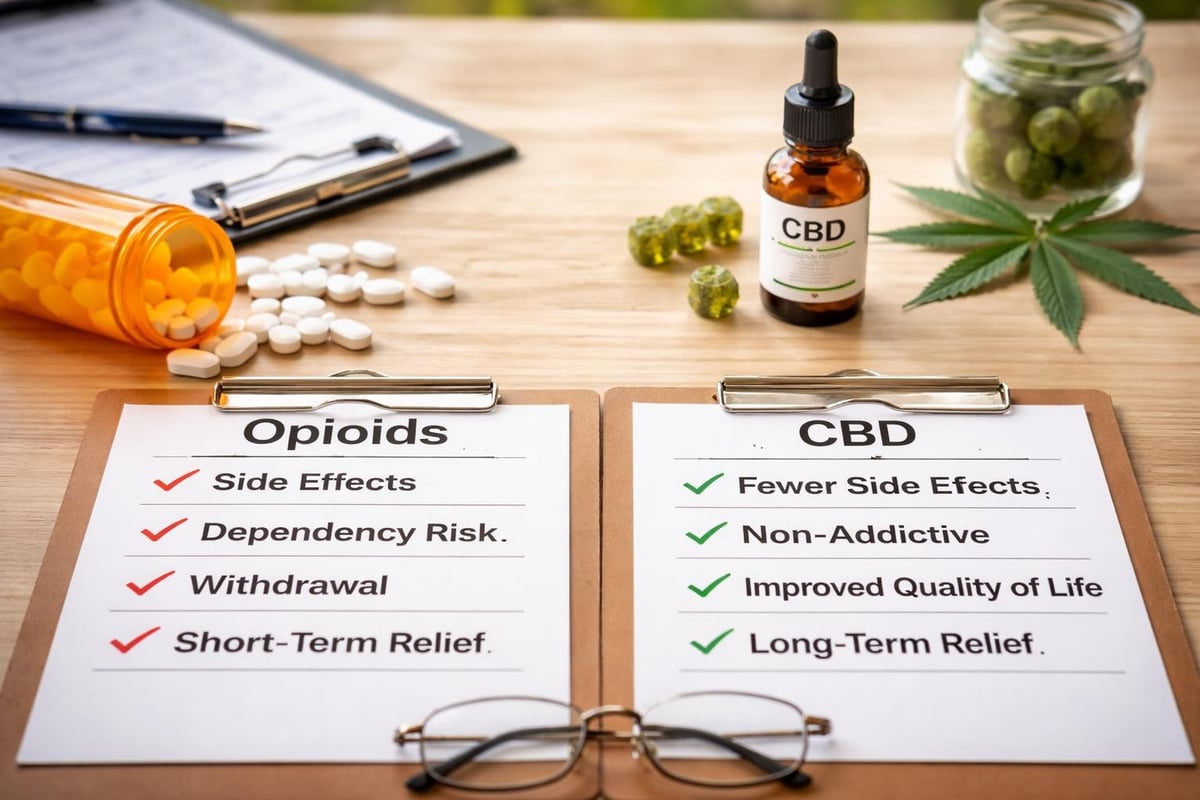
| Opioids | CBD |
|---|---|
| High addiction potential | No addiction potential |
| Respiratory depression risk | No respiratory effects |
| Tolerance develops quickly | Minimal tolerance issues |
| Overdose can be fatal | No known fatal overdose |
| Cognitive impairment | Minimal cognitive effects |
A prospective cohort study published in PubMed evaluated CBD hemp extract effects on opioid use among chronic pain patients. The results showed significant reductions in opioid consumption alongside improvements in sleep quality and overall well-being. This research provides compelling evidence that reducing opioid use with CBD represents a viable strategy for pain management.
Anti-Inflammatory Properties
The anti-inflammatory effects of CBD make it particularly relevant for conditions characterized by chronic inflammation. Understanding how CBD works reveals its ability to reduce inflammatory markers in the body, addressing one of the root causes of pain rather than merely masking symptoms.
For patients with rheumatoid arthritis, the dual benefit of pain relief and inflammation reduction proves especially valuable. This comprehensive approach to symptom management offers advantages that opioids cannot provide, as opioid medications only address pain perception without targeting underlying inflammatory processes.
Clinical Evidence for CBD as an Opioid Alternative
The body of research supporting CBD's role in pain management and opioid reduction continues to expand. Multiple studies across different populations have demonstrated promising results for individuals seeking to decrease their reliance on prescription opioids.
Research Findings and Patient Outcomes
Recent research from the NIH HEAL Initiative explores CBD's potential for treating opioid use disorder, with particular emphasis on its effects on craving and relapse prevention. These investigations reveal that CBD may help address both the physical and psychological components of opioid dependency.
Key research insights include:
- Reduced cue-induced cravings in individuals with opioid use history
- Decreased anxiety associated with withdrawal symptoms
- Improved sleep quality during opioid tapering
- Better pain control with lower opioid doses
- Enhanced quality of life indicators
A systematic review published in Addictive Behaviors assessed CBD's potential across various substance use disorders, including opioid dependency. The review synthesized findings from both animal models and human clinical trials, providing a comprehensive overview of CBD's therapeutic potential in addiction treatment.
Real-World Applications
Beyond controlled clinical trials, real-world evidence supports the effectiveness of reducing opioid use with CBD. Patients report meaningful improvements in daily functioning, reduced pain levels, and successful opioid dose reductions when incorporating high-quality CBD products into their treatment regimens.
Implementing CBD in Pain Management Protocols
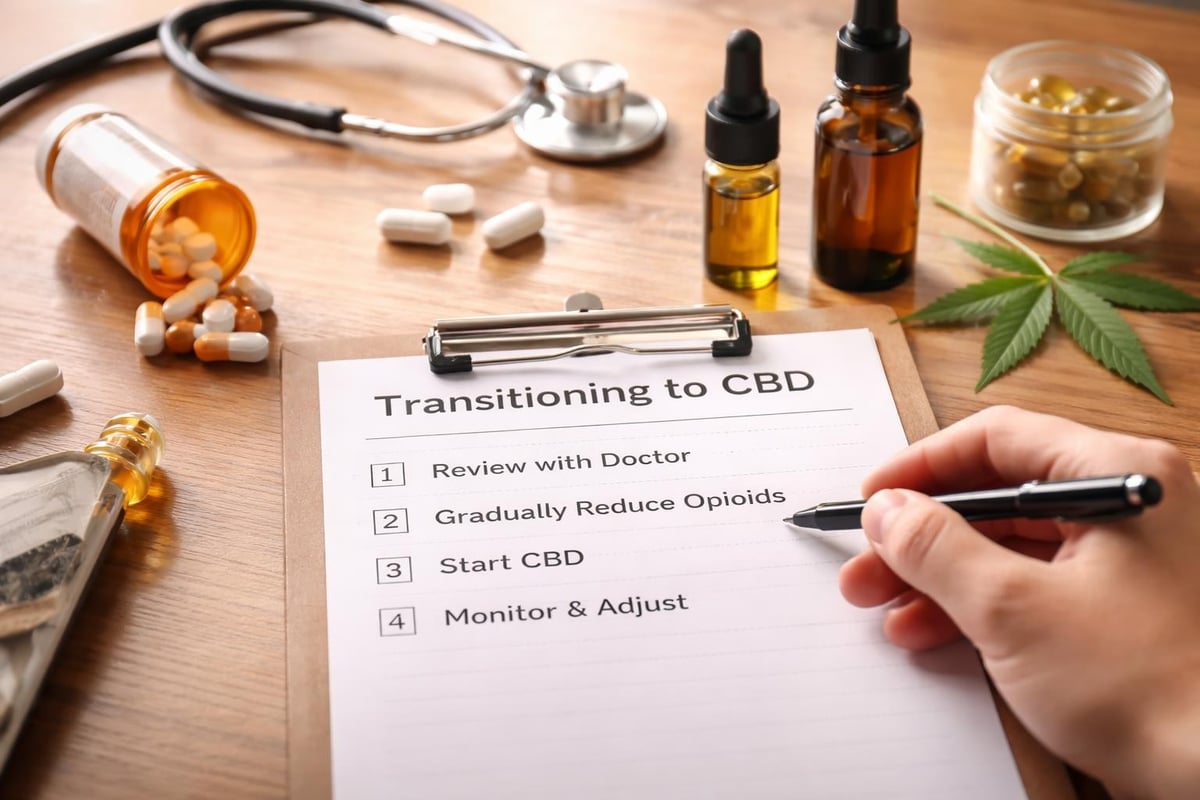
Successfully reducing opioid use with CBD requires a thoughtful, systematic approach. Patients should never abruptly discontinue opioid medications without medical supervision, as withdrawal can be dangerous. Instead, CBD integration should occur gradually under healthcare provider guidance.
Getting Started with CBD for Pain Management
The first step involves selecting appropriate CBD products. Full-spectrum and broad-spectrum options offer distinct advantages over CBD isolate, as they contain additional cannabinoids and terpenes that work synergistically to enhance therapeutic effects. For those concerned about THC content, broad-spectrum CBD oil uses provide comprehensive cannabinoid benefits without psychoactive compounds.
Implementation considerations:
- Start with low doses and increase gradually
- Maintain a symptom journal to track pain levels
- Document opioid usage patterns and any reductions
- Monitor sleep quality and mood changes
- Regular communication with healthcare providers
Understanding CBD oil dosage proves critical for achieving optimal results. Individual responses vary based on factors including body weight, metabolism, pain severity, and the specific condition being treated. Most patients benefit from starting with 10-25mg daily and adjusting based on response.
Product Selection and Quality Considerations
Not all CBD products deliver equal therapeutic value. Third-party laboratory testing ensures products contain the advertised CBD content without harmful contaminants. When evaluating options, patients should prioritize companies that provide transparent testing results and detailed product information.
| Product Type | Onset Time | Duration | Best For |
|---|---|---|---|
| Tinctures/Oils | 15-45 minutes | 4-6 hours | Systemic pain, overall management |
| Topical Roll-Ons | 5-15 minutes | 2-4 hours | Localized joint pain, arthritis |
| Capsules | 45-90 minutes | 6-8 hours | Consistent daily dosing |
For conditions like rheumatoid arthritis, combining systemic CBD intake with topical applications often provides superior relief. This multi-modal approach addresses both widespread inflammation and specific joint pain.
CBD for Specific Chronic Pain Conditions
Different chronic pain conditions respond to CBD therapy in unique ways. Understanding these distinctions helps patients optimize their treatment protocols when reducing opioid use with CBD.
Rheumatoid Arthritis and Inflammatory Conditions
Rheumatoid arthritis patients often require aggressive pain management, frequently leading to long-term opioid prescriptions. The anti-inflammatory effects of CBD make it particularly well-suited for autoimmune inflammatory conditions.
Research indicates that CBD may help modulate immune system responses that drive inflammatory arthritis. This immune-modulating effect, combined with direct pain relief, creates a comprehensive therapeutic approach that addresses disease processes rather than simply masking symptoms.
Fibromyalgia Management
Fibromyalgia presents unique challenges in pain management due to central sensitization and widespread pain distribution. CBD oil for fibromyalgia offers multi-faceted benefits including pain reduction, improved sleep, and decreased anxiety-all common concerns for fibromyalgia patients.
The compound's ability to address multiple symptom domains simultaneously makes it especially valuable for complex conditions where opioids often provide incomplete relief. Patients frequently report that CBD helps them achieve better overall function even when pain isn't completely eliminated.
Osteoarthritis and Joint Pain
For degenerative joint conditions, localized CBD application combined with systemic supplementation often yields optimal results. The best CBD for osteoarthritis typically involves both oral products for baseline management and topical formulations for acute flare-ups.
Addressing Safety and Interaction Concerns
While CBD demonstrates an excellent safety profile compared to opioids, patients must still approach supplementation thoughtfully, particularly when taking other medications. Understanding potential interactions and contraindications ensures safe implementation of CBD therapy.
Drug Interactions and Precautions
CBD can affect how the liver metabolizes certain medications through its interaction with cytochrome P450 enzymes. This interaction potentially alters blood levels of other drugs, including some pain medications, blood thinners, and anti-seizure medications.
Important safety considerations:
- Always consult healthcare providers before starting CBD
- Disclose all medications and supplements to your doctor
- Monitor for changes in medication effectiveness
- Watch for unusual side effects when combining treatments
- Consider CBD's interaction with other anti-inflammatory medications
Patients taking anti-inflammatory medications for rheumatoid arthritis should discuss CBD integration with their rheumatologist. In many cases, CBD can complement existing therapies, potentially allowing for lower doses of conventional medications.
Monitoring Progress and Adjusting Treatment
Successful implementation of reducing opioid use with CBD requires ongoing assessment and adjustment. Patients should establish clear metrics for evaluating treatment effectiveness, including pain levels, functional capacity, opioid consumption, and quality of life indicators.
Regular follow-up with healthcare providers ensures that opioid tapering proceeds safely while CBD dosing optimizes pain control. This collaborative approach maximizes the likelihood of successful transition from opioid-dependent pain management to more sustainable alternatives.
The Future of CBD in Opioid Reduction Strategies
As research continues to evolve, the role of CBD in addressing the opioid crisis appears increasingly promising. Recent studies have even explored CBD's potential in emergency medicine, with research from the American Chemical Society investigating whether marijuana-derived compounds could reverse opioid overdoses.
Emerging Research Directions
Current investigations are examining CBD's effectiveness across diverse populations and pain conditions. Studies documented in Pain and Therapy discuss medicinal cannabis as therapy for opioid use disorder, reviewing clinical implications and evidence-based applications.
Researchers are also investigating optimal formulations, dosing protocols, and combination therapies that maximize CBD's therapeutic potential. These efforts aim to establish standardized treatment guidelines that healthcare providers can confidently implement in clinical practice.
Patient Perspectives and Experiences
Understanding patient experiences provides valuable insights into CBD's real-world effectiveness. Research published in Harm Reduction Journal examined CBD use and perceptions among individuals in treatment for opioid use disorder, revealing generally positive attitudes and experiences with cannabidiol supplementation.
Many patients report that CBD helps them reclaim aspects of their lives that chronic pain and opioid dependence had stolen. Improved energy levels, better sleep, enhanced mood, and increased ability to participate in daily activities represent common benefits beyond simple pain reduction.
Practical Tips for Maximizing CBD Effectiveness
Achieving optimal results when reducing opioid use with CBD involves more than simply taking a supplement. A comprehensive approach that includes lifestyle modifications, stress management, and appropriate product selection enhances therapeutic outcomes.
Optimizing Absorption and Effectiveness
Strategies to enhance CBD benefits:
- Take CBD with healthy fats to improve absorption
- Maintain consistent dosing schedules for stable blood levels
- Combine systemic and topical applications for comprehensive relief
- Practice stress-reduction techniques that complement CBD's effects
- Ensure adequate sleep to support healing and pain management
For targeted relief of specific joints, CBD roll-ons provide convenient application directly to affected areas. Understanding how to apply CBD roll-on products correctly ensures maximum penetration and effectiveness.
Lifestyle Integration
CBD works best as part of a holistic pain management strategy. Regular gentle exercise, anti-inflammatory nutrition, adequate hydration, and stress management all support the body's natural healing processes while enhancing CBD's therapeutic effects.
Patients who view CBD as one component of comprehensive self-care typically achieve better outcomes than those who rely solely on supplementation. This integrated approach aligns with modern pain management philosophy emphasizing multi-modal treatment strategies.
Quality Standards and Product Selection
The CBD industry's rapid growth has brought both opportunities and challenges for consumers. Without FDA regulation of most CBD products, quality varies dramatically between manufacturers. Selecting high-quality, rigorously tested products proves essential for safety and effectiveness.
What to Look for in CBD Products
Third-party laboratory testing represents the gold standard for CBD product verification. Certificates of Analysis (COAs) should confirm CBD content, absence of THC (for broad-spectrum products), and lack of contaminants including heavy metals, pesticides, and residual solvents.
Quality indicators include:
- Organic hemp cultivation practices
- CO2 extraction methods
- Comprehensive third-party testing
- Clear labeling with accurate CBD content
- Transparent company practices and customer education
- Batch-specific COAs readily available
Premium manufacturers invest in quality control at every production stage, from seed selection through final packaging. This commitment to excellence ensures that patients receive consistent, effective products that support their health goals.
When comparing CBD oil vs gummies, consider factors beyond convenience. Oils typically offer more precise dosing and faster absorption, while gummies provide pre-measured doses and longer shelf stability. The best choice depends on individual preferences and therapeutic needs.
Building a Support System for Successful Transition
Reducing opioid use with CBD represents a significant healthcare decision that benefits from comprehensive support. Healthcare providers, family members, and patient communities all play valuable roles in successful treatment transitions.
Working with Healthcare Providers
Open communication with physicians, pain specialists, and other healthcare providers ensures safe, effective treatment modifications. Many healthcare professionals increasingly recognize CBD's potential but may lack detailed knowledge about specific products and protocols.
Patients can facilitate productive conversations by bringing research articles, maintaining detailed symptom journals, and clearly articulating their treatment goals. This collaborative approach respects medical expertise while advocating for evidence-based alternative therapies.
Community and Peer Support
Connecting with others who have successfully reduced opioid dependence through CBD provides practical insights and emotional encouragement. Online communities, local support groups, and patient advocacy organizations offer resources and shared experiences that complement professional medical guidance.
The growing body of evidence supporting CBD as a viable alternative for opioid-dependent pain management offers hope to millions struggling with chronic pain conditions. By addressing both pain and inflammation through natural mechanisms, CBD provides a safer, more sustainable approach to long-term symptom control. Reclaim Labs stands ready to support your journey toward natural pain management with premium, third-party tested CBD products specifically formulated for chronic pain and inflammatory conditions. Discover how our full-spectrum and broad-spectrum options can help you reclaim your life from pain without the risks associated with long-term opioid use.