Millions of Americans manage chronic health conditions with prescription medications that, while effective, often bring unwanted side effects like nausea, fatigue, digestive upset, and inflammation. As pharmaceutical regimens become increasingly complex, patients seek complementary approaches to mitigate these adverse reactions without compromising treatment efficacy. CBD for medication side effects has emerged as a promising natural option for individuals experiencing challenges with their prescription drug protocols. Understanding how cannabidiol interacts with conventional medications and influences common side effects can help patients make informed decisions about incorporating this hemp-derived compound into their wellness routines while maintaining open communication with healthcare providers.
Understanding How Medication Side Effects Impact Quality of Life
Prescription medications designed to treat chronic conditions often create secondary health challenges that significantly affect daily functioning. Patients managing rheumatoid arthritis, fibromyalgia, and inflammatory conditions frequently experience medication-induced nausea, persistent fatigue, gastrointestinal distress, and additional inflammation from their treatment protocols.
The burden of side effects sometimes becomes severe enough that patients consider discontinuing necessary medications. According to comprehensive research on CBD's clinical applications, understanding both therapeutic benefits and potential adverse effects is essential when evaluating complementary approaches.
Common Medication Side Effects That Impact Chronic Condition Management
Different medication classes produce distinct side effect profiles that interfere with treatment adherence:
- Nonsteroidal anti-inflammatory drugs (NSAIDs): Stomach upset, ulcers, cardiovascular risks
- Corticosteroids: Weight gain, mood changes, bone density loss, elevated blood sugar
- Disease-modifying antirheumatic drugs (DMARDs): Liver toxicity, infection susceptibility, fatigue
- Opioid pain medications: Constipation, drowsiness, dependency concerns
- Antidepressants and anticonvulsants: Dizziness, cognitive fog, weight fluctuations
Individuals dealing with rheumatoid arthritis anti-inflammatory medications often face a complex balancing act between managing joint inflammation and tolerating significant gastrointestinal and systemic side effects. The search for supportive therapies becomes critical for maintaining both treatment adherence and quality of life.

The Science Behind CBD for Medication Side Effects
CBD for medication side effects works through multiple biological pathways that address both the underlying mechanisms of adverse reactions and symptom management. The endocannabinoid system, which CBD influences, plays a regulatory role in nausea, inflammation, pain perception, and gastrointestinal function.
Cannabidiol's interaction with serotonin receptors particularly influences nausea and vomiting responses. Research demonstrates that CBD activates 5-HT1A receptors, which regulate nausea signaling in the brain stem. This mechanism explains why many patients report reduced medication-induced nausea when incorporating CBD into their wellness protocols.
How CBD Influences Key Physiological Systems
The therapeutic potential of CBD extends across multiple body systems that medication side effects commonly disrupt:
| Body System | CBD Mechanism | Relevant Side Effects Addressed |
|---|---|---|
| Digestive System | Reduces inflammation in GI tract, regulates motility | Nausea, cramping, diarrhea |
| Nervous System | Modulates neurotransmitter release, reduces neuroinflammation | Fatigue, cognitive fog, headaches |
| Immune System | Regulates inflammatory cytokines | Medication-induced inflammation |
| Metabolic System | Influences insulin sensitivity, lipid metabolism | Weight changes, blood sugar fluctuations |
Understanding how CBD works in the body provides essential context for why this compound shows promise in addressing medication-related complications. The anti-inflammatory properties of quality CBD products become particularly relevant for patients whose medications paradoxically increase inflammatory markers.
Addressing Nausea and Digestive Distress
Medication-induced nausea represents one of the most common and debilitating side effects across multiple drug classes. CBD for medication side effects specifically targets the biological pathways that trigger nausea responses, offering relief without additional pharmaceutical interventions.
Full-spectrum CBD products contain multiple cannabinoids and terpenes that work synergistically to enhance anti-nausea effects. The entourage effect-where hemp compounds work better together than in isolation-proves particularly beneficial for digestive symptom management.
Patients taking medications that irritate the stomach lining may find that CBD's anti-inflammatory properties help protect gastrointestinal tissues while reducing cramping and discomfort. This dual action addresses both the immediate symptoms and underlying tissue irritation that perpetuates digestive distress.
Safety Considerations and Drug Interactions
While CBD for medication side effects offers promising benefits, understanding potential interactions with prescription medications remains essential for safe use. Cannabidiol affects the cytochrome P450 enzyme system, which metabolizes many common medications, potentially altering their blood levels and effectiveness.
WebMD's comprehensive guide on CBD safety emphasizes the importance of consulting healthcare providers before combining CBD with prescription medications. This precaution becomes particularly critical for patients taking medications with narrow therapeutic windows.
Medications Requiring Extra Caution
Several medication classes warrant particular attention when considering CBD supplementation:
- Blood thinners (warfarin, heparin)
- Anti-seizure medications (phenytoin, valproate)
- Immunosuppressants (cyclosporine, tacrolimus)
- Benzodiazepines (diazepam, lorazepam)
- Certain antidepressants (citalopram, sertraline)
The interaction mechanism involves competition for the same liver enzymes that break down medications. When CBD occupies these enzymes, other medications may remain in the bloodstream longer, potentially increasing their effects and side effects.

Starting Safely with Professional Guidance
Implementing CBD for medication side effects requires a methodical approach:
- Schedule a consultation with your prescribing physician or pharmacist
- Disclose all current medications, supplements, and health conditions
- Begin with minimal CBD doses (5-10mg daily) to assess tolerance
- Monitor for changes in medication effectiveness or new symptoms
- Request medication blood level testing if appropriate for your prescriptions
- Maintain detailed records of CBD dosing, timing, and observed effects
Patients managing complex conditions like fibromyalgia often take multiple medications simultaneously, making professional oversight essential. Those interested in managing fibromyalgia symptoms with CBD should coordinate closely with their healthcare team to ensure complementary rather than conflicting therapeutic approaches.
Optimal CBD Formulations for Side Effect Management
Not all CBD products deliver equal benefits for addressing medication side effects. Product quality, cannabinoid profile, and delivery method significantly influence therapeutic outcomes and safety.
Third-party laboratory testing represents the gold standard for CBD product verification. These independent analyses confirm cannabinoid content, screen for contaminants, and verify the absence of harmful pesticides or heavy metals. Premium manufacturers provide certificates of analysis demonstrating product purity and potency.
Full-Spectrum vs. Broad-Spectrum Considerations
| Product Type | Cannabinoid Profile | THC Content | Best For |
|---|---|---|---|
| Full-Spectrum | All hemp cannabinoids, terpenes | <0.3% THC | Maximum entourage effect, comprehensive symptom relief |
| Broad-Spectrum | Multiple cannabinoids, terpenes | 0% THC | THC-sensitive individuals, drug testing concerns |
| CBD Isolate | Pure CBD only | 0% THC | Specific CBD effects, maximum control |
Individuals seeking relief from medication-induced inflammation particularly benefit from full-spectrum formulations, where minor cannabinoids like CBG and CBC contribute additional anti-inflammatory properties. The CBD hemp oil benefits for pain extend to medication-related discomfort through these synergistic compounds.
Delivery Methods and Bioavailability
Different administration routes affect how quickly and effectively CBD addresses medication side effects:
- Sublingual tinctures: Fast absorption (15-30 minutes), high bioavailability, precise dosing
- Capsules: Delayed onset (45-90 minutes), convenient, consistent dosing
- Topical applications: Localized relief, no systemic drug interactions, ideal for inflammation
- Nano-emulsified formulas: Enhanced absorption, faster onset, lower doses required
For acute medication-induced nausea, sublingual administration provides the quickest relief. Patients experiencing chronic fatigue or persistent digestive issues may prefer the sustained effects of capsules taken with meals. Those dealing with CBD for eczema inflammation or medication-induced skin reactions find topical products particularly effective.
Addressing Specific Medication Side Effects with CBD
CBD for medication side effects demonstrates particular promise for several common adverse reactions that significantly impact patient wellbeing and medication adherence.
Combating Medication-Induced Fatigue
Corticosteroids, antidepressants, and many chronic disease medications cause persistent fatigue that interferes with daily activities. While CBD doesn't act as a traditional stimulant, it supports energy regulation through several mechanisms.
CBD influences adenosine signaling, which regulates sleep-wake cycles and energy levels. By modulating adenosine reuptake, CBD may help normalize disrupted energy patterns caused by medications. Additionally, reducing medication-related inflammation and pain allows the body to redirect energy toward normal functioning rather than constant damage control.
Patients report that consistent CBD use helps them maintain more stable energy throughout the day, reducing the dramatic fatigue peaks associated with medication timing. According to Medical News Today's analysis of CBD oil effects, supporting overall homeostasis contributes to improved energy regulation.
Managing Corticosteroid-Related Side Effects
Prednisone and other corticosteroids effectively reduce inflammation but create numerous challenging side effects including weight gain, mood disturbances, elevated blood sugar, and bone density loss. CBD for medication side effects becomes particularly relevant for patients seeking to minimize steroid dependence.
Research suggests CBD's anti-inflammatory properties may allow some patients to reduce corticosteroid doses under medical supervision. The benefits of CBD oil for arthritis include addressing joint inflammation without the systemic complications associated with long-term steroid use.
Key considerations for combining CBD with corticosteroids:
- Monitor blood sugar levels closely as both substances affect glucose metabolism
- Track inflammatory markers to assess potential steroid-sparing effects
- Report mood changes to healthcare providers promptly
- Never discontinue corticosteroids without medical guidance
- Consider gradual dose adjustments coordinated with CBD introduction
Understanding prednisone side effects and countering strategies helps patients develop comprehensive approaches that may include CBD as part of a broader wellness protocol.
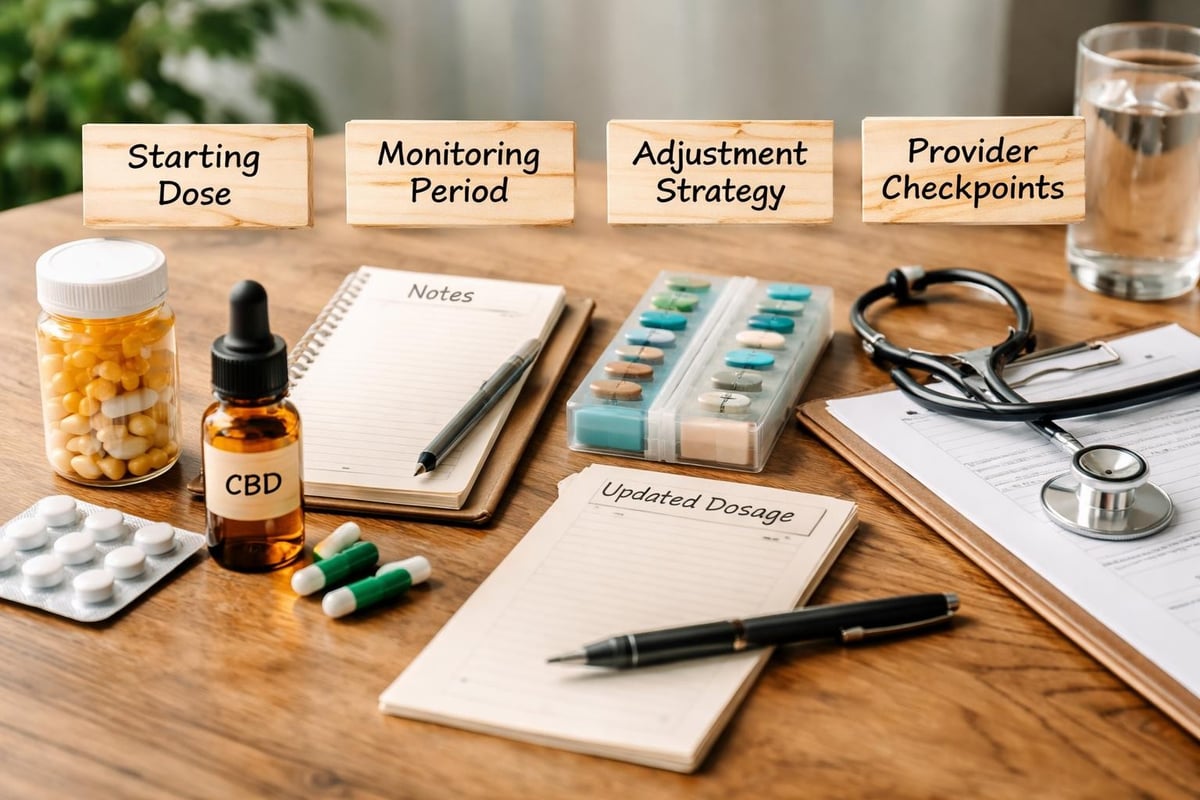
Dosing Strategies for Medication Side Effect Relief
Determining the optimal CBD dose for managing medication side effects requires individualized assessment based on body weight, metabolism, specific symptoms, and concurrent medications. No universal dosing protocol applies to all patients.
Evidence-Based Starting Points
General dosing frameworks based on severity and symptom type:
- Mild side effects (occasional nausea, minor fatigue): 5-15mg daily
- Moderate symptoms (frequent digestive upset, persistent fatigue): 15-30mg daily
- Significant challenges (severe medication reactions, multiple side effects): 30-60mg daily, divided doses
These ranges serve as starting points only. Some individuals respond to minimal doses while others require substantially higher amounts to achieve symptom relief. The relationship between dose and effect isn't always linear-sometimes moderate doses prove more effective than high doses due to CBD's biphasic effects.
Timing CBD Around Medication Schedules
Strategic timing maximizes benefits while minimizing interaction risks:
- Take CBD 2-4 hours offset from prescription medications when possible
- For medication-induced nausea, administer CBD 30-60 minutes before problematic medications
- Address nighttime medication side effects with evening CBD doses
- Maintain consistent daily timing to establish stable blood levels
Patients managing multiple daily medications should work with pharmacists to identify optimal CBD timing that minimizes enzyme competition while maximizing symptom relief. Those experiencing pain relief challenges may need to coordinate CBD dosing with pain medication schedules.
Quality Markers for Therapeutic CBD Products
The CBD market includes products of vastly different quality, with therapeutic efficacy directly correlating to manufacturing standards and ingredient integrity. Patients using CBD for medication side effects must prioritize verified quality to ensure safety and effectiveness.
Essential quality indicators include:
- Third-party laboratory certification confirming cannabinoid content and purity
- Organic hemp cultivation minimizing pesticide exposure
- CO2 extraction methods preserving beneficial compounds without chemical residues
- Transparent sourcing with clear origin information for all ingredients
- Batch tracking systems enabling quality verification for specific products
Premium manufacturers provide detailed certificates of analysis accessible through QR codes or product-specific web pages. These documents reveal the complete cannabinoid profile, confirm THC content below legal limits, and verify the absence of heavy metals, microbial contamination, and residual solvents.
Recognizing Marketing Claims vs. Scientific Evidence
The CBD industry includes numerous unsupported claims that mislead consumers seeking legitimate therapeutic benefits. Common myths about CBD include exaggerated cure-all promises and misrepresentation of research findings.
Realistic expectations for CBD for medication side effects:
- CBD may reduce specific side effect symptoms, not eliminate all adverse reactions
- Individual responses vary significantly based on genetics, health status, and medications
- Benefits often emerge gradually over weeks rather than providing instant relief
- CBD complements rather than replaces medical treatment and professional guidance
- Quality products from reputable companies deliver more consistent results
Patients should approach CBD as one component of comprehensive symptom management rather than a standalone solution. The health benefits of CBD exist within a broader context of lifestyle factors, medical treatment, and individual physiology.
Monitoring and Adjusting Your CBD Protocol
Successful use of CBD for medication side effects requires systematic tracking and periodic adjustment based on observed outcomes. Maintaining detailed records helps identify patterns and optimize dosing strategies.
Creating an Effective Tracking System
Document the following information daily:
- CBD dose, timing, and product used
- Medication schedule and any changes
- Side effect severity on a 1-10 scale
- Energy levels throughout the day
- Digestive symptoms and appetite
- Sleep quality and duration
- Pain or inflammation levels
- Mood and cognitive function
After 2-4 weeks of consistent use, review records to identify trends. Many patients notice gradual improvements that become apparent only when comparing early and later entries. This documentation also provides valuable information for healthcare providers assessing CBD's role in your overall treatment plan.
When to Adjust Your Approach
Consider modifying your CBD protocol if:
- No improvement appears after 4-6 weeks of consistent use
- Side effects worsen or new symptoms develop
- Medication blood levels change significantly
- Desired benefits plateau despite dose increases
- Financial constraints make current protocol unsustainable
Some individuals achieve optimal results by cycling CBD-using it intensively during periods of severe medication side effects and reducing or pausing during more stable phases. Others maintain consistent baseline doses with flexibility to increase temporarily when symptoms flare.
Integration with Comprehensive Wellness Strategies
CBD for medication side effects works most effectively when integrated with broader lifestyle approaches that support medication tolerance and overall health. Isolated interventions rarely provide the comprehensive support needed for complex chronic conditions.
Complementary strategies that enhance CBD effectiveness:
- Anti-inflammatory nutrition: Emphasizing omega-3 fatty acids, colorful vegetables, and reduced processed foods
- Stress management: Meditation, gentle yoga, and breathing exercises that reduce cortisol
- Movement practices: Appropriate exercise that doesn't exacerbate underlying conditions
- Sleep hygiene: Consistent schedules and environmental optimization for restorative rest
- Hydration: Adequate water intake supporting medication metabolism and toxin elimination
Patients dealing with fibromyalgia pain often find that combining CBD with gentle movement, stress reduction, and improved sleep creates synergistic benefits greater than any single intervention. The same principle applies to managing medication side effects-comprehensive approaches outperform isolated solutions.
Building Your Healthcare Team
Successfully navigating CBD for medication side effects benefits from collaborative relationships with multiple healthcare professionals. Beyond your primary physician, consider consulting:
- Clinical pharmacists who specialize in drug interactions and can model potential CBD effects on your medication regimen
- Integrative medicine practitioners who understand both conventional and complementary approaches
- Nutritionists who can optimize diet to support medication tolerance and CBD effectiveness
- Physical therapists who address movement-related aspects of chronic conditions
This team approach ensures comprehensive oversight while respecting patient autonomy in exploring complementary therapies. Transparency with all providers about CBD use prevents gaps in care coordination and maximizes safety.
Managing medication side effects represents a significant challenge for individuals treating chronic conditions, but CBD for medication side effects offers a promising complementary approach when used thoughtfully and under professional guidance. By understanding the science, prioritizing quality products, and maintaining systematic monitoring, patients can potentially reduce adverse reactions while supporting overall wellness. Reclaim Labs provides premium, third-party tested CBD hemp oil products specifically designed for individuals managing chronic pain and inflammation, offering transparent sourcing and reliable formulations that support your journey toward better medication tolerance and improved quality of life.