Managing chronic pain requires making informed decisions about which treatments work best for your specific condition. As more people seek natural alternatives to conventional medications, the debate between cbd vs ibuprofen for pain has become increasingly relevant. Understanding how these two approaches differ in mechanism, effectiveness, and safety profile helps individuals with conditions like rheumatoid arthritis and fibromyalgia make choices that align with their health goals and lifestyle needs.
How CBD and Ibuprofen Work Differently in Your Body
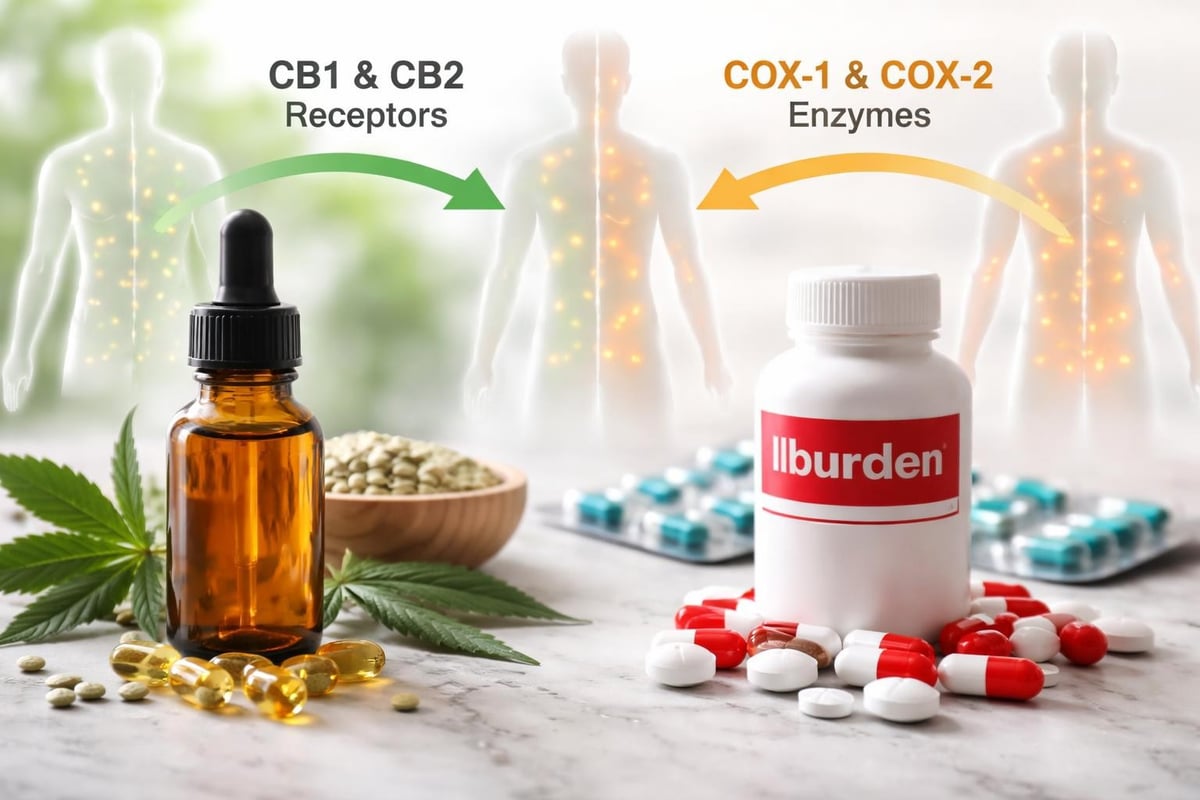
CBD (cannabidiol) interacts with the body's endocannabinoid system, a complex network of receptors that regulate pain perception, inflammation, and immune response. This natural compound binds to CB1 and CB2 receptors throughout the nervous system and immune cells, modulating pain signals and reducing inflammatory responses without directly blocking pain pathways.
Ibuprofen, classified as a nonsteroidal anti-inflammatory drug (NSAID), works by inhibiting cyclooxygenase (COX) enzymes. These enzymes produce prostaglandins, which are chemicals that promote inflammation, pain, and fever. By blocking prostaglandin production, ibuprofen reduces inflammation and provides relief from acute and chronic pain conditions.
Mechanism Comparison
The fundamental difference in how these substances work creates distinct therapeutic profiles:
- CBD: Modulates pain perception through endocannabinoid system interaction
- Ibuprofen: Blocks inflammatory chemical production through enzyme inhibition
- CBD: Influences multiple physiological systems simultaneously
- Ibuprofen: Targets specific inflammation pathways
When exploring CBD and traditional painkillers, the mechanism distinction matters significantly. CBD's multi-system approach may offer broader benefits for complex pain conditions, while ibuprofen provides targeted anti-inflammatory action.
Effectiveness for Different Pain Types
The question of cbd vs ibuprofen for pain effectiveness depends heavily on the type and source of pain you're experiencing. Each option demonstrates varying levels of success across different conditions.
Acute Pain Management
| Pain Type | Ibuprofen Effectiveness | CBD Effectiveness | Onset Time |
|---|---|---|---|
| Headaches | High | Moderate | 30-60 minutes |
| Muscle strains | High | Moderate to High | Variable |
| Post-surgical | High | Moderate | Depends on delivery |
| Menstrual cramps | High | Moderate to High | 30-90 minutes |
For immediate relief from acute inflammation, ibuprofen typically works faster, with effects noticeable within 30 minutes. However, CBD for managing pain may provide longer-lasting relief without the digestive side effects associated with NSAIDs.
Chronic Pain Conditions
Chronic pain presents a different scenario where the comparison between cbd vs ibuprofen for pain becomes more nuanced:
- Arthritis pain: Both show anti-inflammatory properties, but CBD may offer sustained relief without long-term NSAID risks
- Neuropathic pain: CBD demonstrates particular promise for nerve-related pain conditions
- Fibromyalgia: CBD oil for fibromyalgia addresses multiple symptoms simultaneously
- Inflammatory conditions: Ibuprofen provides rapid inflammation reduction; CBD offers systemic modulation
Research examining CBD as an anti-inflammatory versus ibuprofen suggests that while ibuprofen may work more quickly for acute flare-ups, CBD's influence on the endocannabinoid system provides comprehensive support for chronic inflammatory conditions.
Safety Profile and Side Effects
Understanding the safety considerations for cbd vs ibuprofen for pain helps prevent adverse reactions and long-term health complications.
Ibuprofen Side Effects
Long-term or high-dose ibuprofen use carries documented risks:
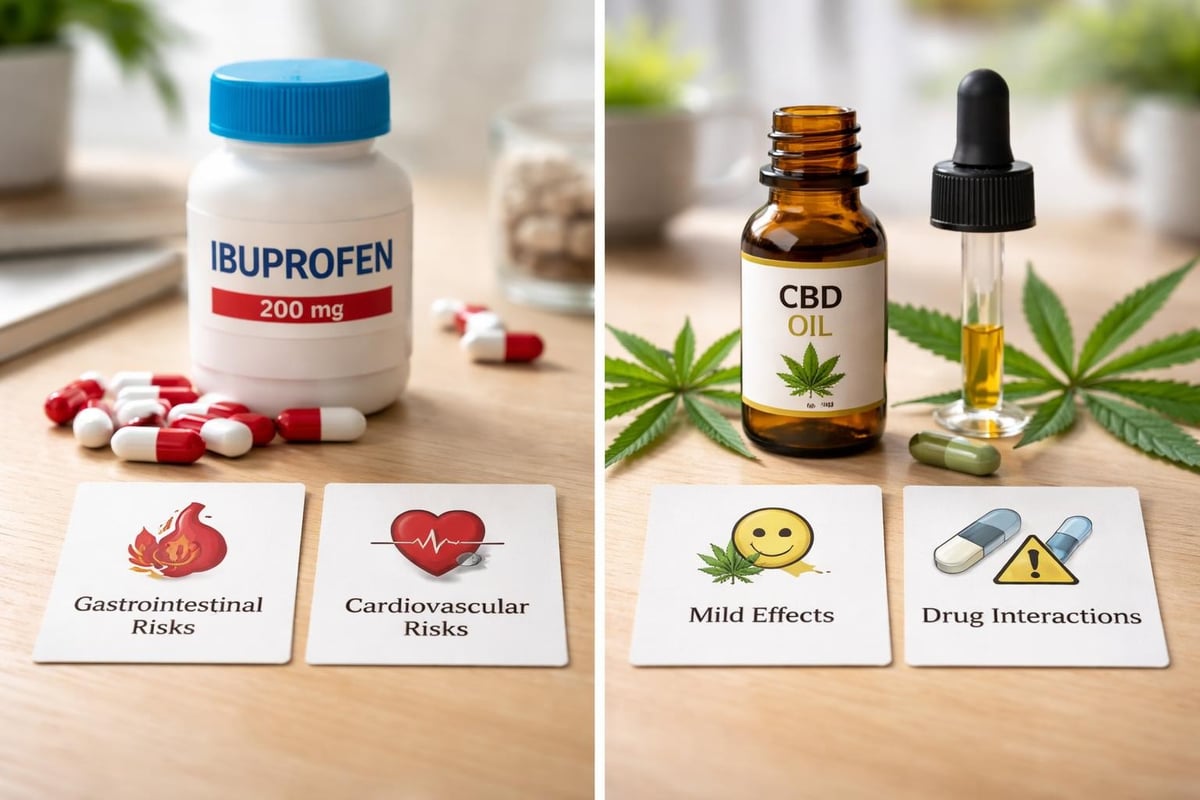
- Gastrointestinal issues: Stomach ulcers, bleeding, and digestive discomfort
- Cardiovascular concerns: Increased risk of heart attack and stroke with prolonged use
- Kidney damage: Potential impairment with chronic use or high doses
- Drug interactions: Conflicts with blood thinners, certain antidepressants, and other medications
The FDA recommends using the lowest effective dose for the shortest duration necessary, highlighting concerns about regular NSAID use.
CBD Safety Considerations
CBD generally demonstrates a favorable safety profile, though users should remain aware of potential effects:
- Mild side effects: Fatigue, changes in appetite, or digestive changes in some users
- Drug interactions: May affect metabolism of certain medications through cytochrome P450 enzymes
- Quality concerns: Unregulated products may contain contaminants or inaccurate labeling
- Dosage variability: Individual response varies significantly, requiring personalized approaches
Third-party tested products ensure safety and consistency. Premium CBD manufacturers conduct rigorous testing to verify purity, potency, and absence of heavy metals or pesticides.
Dosage and Administration Methods
Determining appropriate dosages for cbd vs ibuprofen for pain requires different approaches based on the substance and individual factors.
Ibuprofen Dosing Guidelines
| Condition | Typical Dose | Maximum Daily | Frequency |
|---|---|---|---|
| Mild pain | 200-400mg | 1200mg (OTC) | Every 4-6 hours |
| Moderate pain | 400-600mg | 2400mg (Rx) | Every 6-8 hours |
| Arthritis | 400-800mg | 3200mg (Rx) | 3-4 times daily |
Healthcare providers recommend taking ibuprofen with food to minimize gastrointestinal irritation. Never exceed recommended dosages without medical supervision.
CBD Dosing Strategies
CBD dosing remains more individualized, with no universal standard. Effective approaches include:
- Start low: Begin with 10-20mg daily and observe effects
- Gradually increase: Add 5-10mg every few days until desired relief achieved
- Monitor response: Track pain levels, sleep quality, and side effects
- Adjust as needed: Optimal doses range from 20mg to 100mg+ depending on condition severity
Different administration methods affect bioavailability and onset time. Full-spectrum CBD hemp oil provides comprehensive cannabinoid benefits, while topical applications like CBD relief roll-ons target specific pain areas directly.
Can You Combine CBD and Ibuprofen?
Many individuals wonder whether combining these approaches provides enhanced benefits when considering cbd vs ibuprofen for pain management.
Research on understanding the interaction between CBD and ibuprofen indicates that concurrent use may be safe for many people, though considerations exist.
Potential Benefits of Combination Therapy
- Complementary mechanisms: Different pathways may provide more comprehensive pain relief
- Dose reduction: Using both might allow lower doses of each substance
- Multi-symptom relief: Addresses both inflammatory and neuropathic pain components
- Transition support: CBD may help reduce dependence on NSAIDs over time
Important Precautions
Before combining these substances, understand these considerations:
Metabolism interactions: Both are processed through liver enzymes, potentially affecting how your body handles each substance. CBD can inhibit certain cytochrome P450 enzymes, which may increase ibuprofen levels in the bloodstream.
Increased side effects: While rare, combining substances may amplify certain side effects. Monitor for unusual symptoms when first introducing both together.
Medical supervision: Consult healthcare providers before combining CBD with any medication, especially if you have liver conditions, take multiple medications, or have cardiovascular concerns.
For those exploring whether CBD and ibuprofen can be taken together, starting with lower doses of each and monitoring effects provides the safest approach.
Long-Term Pain Management Considerations
Evaluating cbd vs ibuprofen for pain requires thinking beyond immediate relief to consider sustained, long-term management strategies.
Sustainability and Health Impact
Ibuprofen limitations: Regular NSAID use presents cumulative risks. The longer you use ibuprofen, the greater your exposure to potential gastrointestinal, cardiovascular, and renal complications. Many healthcare providers recommend against continuous long-term use without medical oversight.
CBD advantages: Current research suggests CBD may be used more sustainably over extended periods. The absence of major organ toxicity at therapeutic doses makes CBD attractive for chronic conditions requiring ongoing management.
Cost-Effectiveness Analysis
| Factor | Ibuprofen | CBD |
|---|---|---|
| Initial cost | Low ($5-15/month) | Moderate to High ($30-150/month) |
| Long-term medical costs | Potential complications increase costs | Lower risk of additional medical expenses |
| Effectiveness duration | Short-acting, frequent dosing | Longer-lasting effects possible |
| Quality variations | Minimal between brands | Significant quality differences exist |
While ibuprofen appears more affordable initially, potential medical complications from long-term use may increase overall healthcare costs. Quality CBD products represent a higher upfront investment but may reduce long-term medical expenses and improve overall quality of life.
Choosing the Right Option for Your Needs
The decision between cbd vs ibuprofen for pain ultimately depends on your specific circumstances, pain type, and health profile.
When Ibuprofen Makes Sense
Consider ibuprofen for:
- Acute injuries: Sprains, strains, or short-term inflammatory conditions
- Immediate relief needs: Situations requiring fast-acting pain reduction
- Budget constraints: When cost is the primary consideration for short-term use
- Proven response: If you've successfully used ibuprofen without side effects
When CBD Offers Better Solutions
CBD may be preferable for:
- Chronic conditions: Ongoing pain from arthritis, fibromyalgia, or neuropathy
- NSAID intolerance: Individuals who experience side effects from ibuprofen
- Complex pain: Conditions with both inflammatory and neuropathic components
- Preventive approach: Managing pain while supporting overall wellness
Understanding rheumatoid arthritis and anti-inflammatory medications helps contextualize how different approaches fit into comprehensive treatment plans.
Quality and Sourcing Considerations
For those choosing CBD as part of their pain management strategy, quality matters significantly more than with standardized pharmaceutical products like ibuprofen.
What to Look for in CBD Products
Premium CBD products should demonstrate:
- Third-party testing: Independent laboratory verification of potency and purity
- Clear labeling: Accurate CBD content per serving, full ingredient disclosure
- Extraction methods: CO2 extraction produces cleaner, safer products
- Hemp source: Organically grown hemp reduces pesticide and heavy metal exposure
- Spectrum type: Full-spectrum, broad-spectrum, or isolate based on your needs
Researching CBD hemp oil benefits from reputable sources ensures you understand what to expect and how to evaluate products effectively.
Red Flags to Avoid
Be cautious of CBD products that:
- Make unrealistic medical claims or guarantee specific results
- Lack third-party testing certificates or refuse to provide them
- Price significantly below market average (suggesting low quality or mislabeling)
- Come from unknown sources or have poor customer reviews
- Contain unclear ingredient lists or proprietary blends
Real-World Applications and User Experiences
Beyond clinical considerations, understanding how people use cbd vs ibuprofen for pain in daily life provides practical insights.
Practical Integration Strategies
Morning routine: Some individuals use CBD oil upon waking to establish baseline pain management, reserving ibuprofen for unexpected flare-ups or breakthrough pain during the day.
Activity-based approach: Athletes and active individuals might apply topical CBD before physical activity and use ibuprofen only when acute inflammation occurs from overexertion or injury.
Nighttime management: CBD's potential sleep benefits make evening doses particularly valuable for those whose pain disrupts rest, while avoiding ibuprofen close to bedtime may reduce gastrointestinal distress.
Condition-specific protocols: Those with conditions like osteoarthritis may use CBD as daily baseline support while keeping ibuprofen available for severe weather-related flare-ups.
Monitoring and Adjusting Your Approach
Successful pain management requires ongoing assessment:
- Keep a pain journal tracking intensity, timing, and triggers
- Document which interventions provide relief and for how long
- Note any side effects or changes in overall well-being
- Adjust dosages and timing based on observed patterns
- Communicate findings with healthcare providers regularly
Whether you choose CBD, ibuprofen, or a strategic combination, informed monitoring helps optimize your approach over time.
Both CBD and ibuprofen offer distinct advantages for pain management, with the best choice depending on your specific condition, health status, and treatment goals. While ibuprofen provides rapid relief for acute pain, CBD offers sustainable support for chronic conditions without the cumulative risks associated with long-term NSAID use. If you're seeking natural, effective alternatives for managing chronic pain and inflammation, Reclaim Labs provides premium, third-party tested CBD hemp oil products specifically formulated for conditions like rheumatoid arthritis and fibromyalgia, helping you reclaim comfort and quality of life with transparency and proven efficacy.