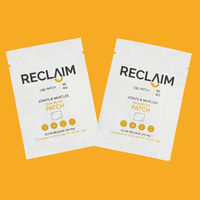
Living with chronic pain affects millions of Americans who face daily challenges managing discomfort from conditions like arthritis, fibromyalgia, and nerve damage. While traditional pain management often relies on pharmaceuticals with unwanted side effects, more people are exploring natural alternatives. CBD patches have emerged as a promising option, offering localized, long-lasting relief through a convenient delivery method. Finding the best CBD patches for chronic pain requires understanding how they work, what ingredients matter, and which products deliver measurable results for your specific condition.
Understanding CBD Patch Technology
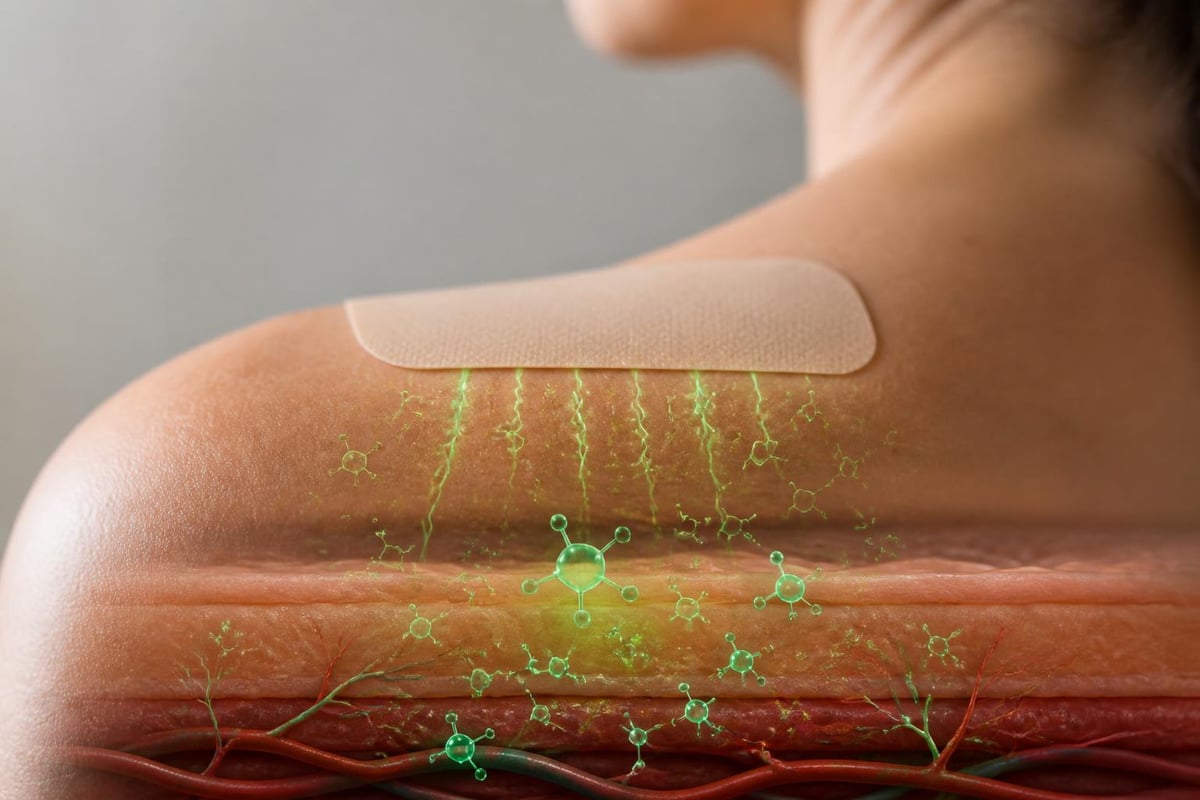
CBD patches use transdermal delivery to administer cannabidiol directly through the skin and into the bloodstream. This method bypasses the digestive system, allowing for more consistent absorption and longer-lasting effects compared to oral CBD products.
How Transdermal CBD Absorption Works
The skin contains cannabinoid receptors that interact with CBD molecules. Patches are designed with specialized formulations that help CBD penetrate the skin's outer layers and reach the underlying tissue and bloodstream. This process typically involves permeation enhancers that open pathways through the skin barrier.
Key advantages of transdermal delivery include:
- Steady release of CBD over 8-12 hours
- Avoidance of first-pass metabolism in the liver
- Targeted application to specific pain areas
- Discreet and convenient usage
- Predictable dosing without measuring
Research on CBD patches for pain management shows that transdermal application can provide sustained relief while minimizing systemic side effects. The patch adheres to clean, dry skin and gradually releases CBD throughout the day or night.
Top Features to Look for in CBD Pain Patches
Selecting the best CBD patches for chronic pain requires evaluating several critical factors that impact effectiveness and safety. Not all patches are created equal, and quality varies significantly across brands.
CBD Concentration and Dosage
The amount of CBD in each patch directly influences its potential effectiveness. Patches typically contain between 10mg and 100mg of CBD per application. For chronic pain management, higher concentrations often provide better results, though individual needs vary based on pain severity and personal tolerance.
| CBD Dose per Patch | Best For | Duration |
|---|---|---|
| 10-25mg | Mild, localized pain | 8-10 hours |
| 30-50mg | Moderate chronic pain | 10-12 hours |
| 60-100mg | Severe pain conditions | 12-24 hours |
Spectrum Type and Additional Cannabinoids
CBD patches come in three main types: isolate, broad-spectrum, and full-spectrum. Full-spectrum patches contain multiple cannabinoids and terpenes that work together through the entourage effect, potentially enhancing pain relief. Broad-spectrum options offer similar benefits without THC, making them ideal for those who need to avoid even trace amounts of the psychoactive compound.
The effectiveness of CBD to manage chronic pain has been examined in systematic reviews, with evidence suggesting that full-spectrum formulations may provide superior results for certain pain conditions.
Third-Party Testing and Transparency
Quality manufacturers provide certificates of analysis (COA) from independent laboratories. These documents verify CBD content, confirm the absence of harmful contaminants like heavy metals and pesticides, and validate the product's purity. Companies committed to transparency make COAs easily accessible to consumers.
Evaluating the Best CBD Patches for Chronic Pain in 2026
The market for CBD pain relief patches has expanded significantly, with numerous brands offering varying quality levels and formulations. Understanding what separates premium products from inferior options helps consumers make informed decisions.
Premium Full-Spectrum Patches
High-quality full-spectrum patches contain CBD alongside other beneficial cannabinoids like CBG, CBN, and CBC. These compounds work synergistically to enhance pain relief and reduce inflammation. Premium patches typically use organic hemp, advanced extraction methods, and pharmaceutical-grade adhesives that stay secure without irritating skin.
What distinguishes premium patches:
- Organically grown hemp from certified farms
- CO2 extraction preserving beneficial compounds
- Hypoallergenic adhesive materials
- Consistent dosing within 5% variation
- Comprehensive third-party testing results
Targeted Pain Relief Formulations
Some manufacturers create specialized patches for specific conditions. Joint-focused patches may include additional anti-inflammatory ingredients like menthol or camphor. Nerve pain formulations might incorporate lidocaine or capsaicin alongside CBD. These combination products can provide enhanced relief for particular pain types.
At Reclaim Labs, we understand that managing chronic pain requires targeted solutions, which is why our products are formulated specifically for conditions like rheumatoid arthritis and fibromyalgia.
Application Techniques and Best Practices
Maximizing the effectiveness of the best CBD patches for chronic pain depends largely on proper application and usage protocols. Even the highest-quality patches won't deliver optimal results if applied incorrectly.
Optimal Placement Strategies
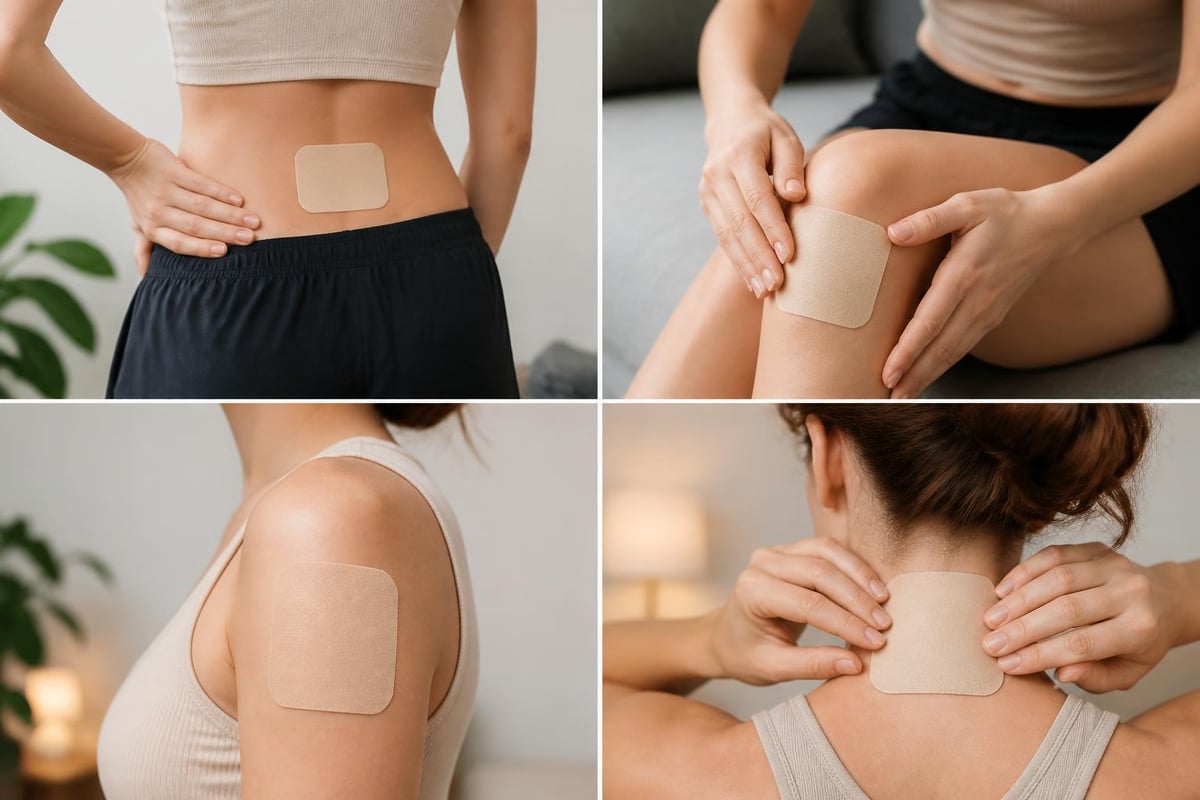
Choose application sites based on your specific pain location. For localized pain, place the patch directly over or near the affected area. For systemic relief, apply to areas with thin skin and good blood flow, such as the inner wrist, ankle, or upper arm.
Preparation steps for maximum absorption:
- Clean the application area with soap and water
- Dry thoroughly, avoiding lotions or oils
- Avoid areas with hair, cuts, or irritation
- Press firmly for 10-15 seconds after application
- Rotate application sites to prevent skin sensitivity
Duration and Replacement Schedule
Most CBD patches remain effective for 8-24 hours depending on the formulation. Follow manufacturer guidelines for replacement timing. Some users find alternating application times (day versus night) helps maintain consistent relief without building tolerance.
Comparing CBD Patches to Other Delivery Methods
While exploring the best CBD patches for chronic pain, it's valuable to understand how they compare to alternative CBD delivery methods. Each approach has distinct advantages and limitations.
Patches Versus Oral CBD Products
Oral CBD oils and capsules pass through the digestive system, where absorption rates vary based on factors like recent food intake and individual metabolism. Patches provide more consistent bioavailability, though total absorption may be lower than sublingual oils.
| Delivery Method | Onset Time | Duration | Bioavailability |
|---|---|---|---|
| Transdermal Patch | 30-60 minutes | 8-24 hours | 25-45% |
| Sublingual Oil | 15-30 minutes | 4-6 hours | 35-50% |
| Oral Capsule | 60-90 minutes | 6-8 hours | 15-20% |
| Topical Cream | 10-20 minutes | 2-4 hours | Localized only |
For comprehensive information about various CBD formulations, explore the CBD hemp oil benefits for pain resources available through trusted manufacturers.
Topical Creams and Roll-Ons
Unlike patches, topical applications don't enter the bloodstream but work locally on skin-level receptors. This makes them excellent for surface-level inflammation but less effective for deep tissue or systemic pain. Patches offer the advantage of continuous delivery without reapplication throughout the day.
Safety Considerations and Potential Side Effects
Understanding safety profiles helps users of the best CBD patches for chronic pain make informed decisions about incorporating them into pain management routines.
Common Side Effects and Mitigation
CBD patches generally produce minimal side effects compared to pharmaceutical pain medications. The most common issues relate to skin reactions at the application site rather than systemic effects.
Potential reactions include:
- Mild skin irritation or redness
- Allergic reactions to adhesive
- Occasional drowsiness (less common with patches)
- Dry mouth if significant systemic absorption occurs
Rotating application sites reduces the likelihood of skin irritation. If persistent redness or rash develops, discontinue use and consult a healthcare provider.
Drug Interactions and Precautions
CBD can interact with certain medications, particularly those metabolized by liver enzymes CYP3A4 and CYP2D6. Anyone taking blood thinners, antidepressants, or anti-seizure medications should consult their physician before using CBD patches. While transdermal delivery produces lower blood concentrations than oral methods, interactions remain possible.

Specific Conditions and CBD Patch Effectiveness
Different chronic pain conditions respond variably to CBD patch therapy. Understanding which conditions show the most promising results helps set realistic expectations.
Arthritis and Joint Pain
CBD patches designed specifically for joint pain have shown particular promise for arthritic conditions. The anti-inflammatory properties of CBD target the underlying inflammation that drives arthritis pain, while the localized delivery concentrates relief where it's needed most.
Patients with rheumatoid arthritis and osteoarthritis report significant improvements in morning stiffness, range of motion, and pain levels when using high-quality patches consistently. For those interested in natural arthritis management strategies, CBD patches represent a valuable tool in a comprehensive approach.
Fibromyalgia and Widespread Pain
Fibromyalgia presents unique challenges due to its widespread nature and complex pain mechanisms. While localized patches help with specific tender points, some fibromyalgia patients use multiple patches or combine them with oral CBD for more comprehensive coverage.
Understanding what fibromyalgia pain feels like helps explain why CBD's interaction with the endocannabinoid system may provide relief by modulating pain signals and reducing central sensitization.
Neuropathic Pain Conditions
Nerve pain from conditions like diabetic neuropathy or post-herpetic neuralgia often resists conventional treatments. CBD's neuroprotective and anti-inflammatory effects show promise for these difficult-to-treat conditions. Patches applied near affected nerve pathways may provide sustained relief throughout the day.
Cost Analysis and Value Considerations
Investing in the best CBD patches for chronic pain requires evaluating cost-effectiveness alongside quality factors. Price varies significantly across brands and formulations.
Price Ranges and What They Indicate
CBD patches typically cost between $15 and $60 for a package of 3-10 patches. Higher prices don't always guarantee better quality, but extremely low prices often indicate inferior hemp sources, weak concentrations, or lack of proper testing.
Value indicators to consider:
- Cost per milligram of CBD
- Number of applications per package
- Duration of relief per patch
- Quality of ingredients and testing
- Company reputation and transparency
Insurance and FSA/HSA Coverage
Most insurance plans don't currently cover CBD products, though this landscape is evolving. Some flexible spending accounts (FSA) and health savings accounts (HSA) now accept CBD purchases when recommended by a healthcare provider for specific medical conditions. Check with your plan administrator for current policies.
Making Your Selection: Decision Framework
Choosing from among the best CBD patches for chronic pain requires a systematic approach tailored to your individual needs and circumstances.
Assessment Criteria
Start by evaluating your pain type, severity, and location. Consider whether you need daytime relief, nighttime support, or 24-hour coverage. Factor in any medication interactions or skin sensitivities that might limit your options.
- Identify your primary pain condition and severity level
- Determine your preferred spectrum type based on THC tolerance
- Set a realistic budget considering long-term use
- Research manufacturer transparency and testing practices
- Read verified customer reviews from people with similar conditions
- Start with moderate doses and adjust based on response
Trial Period Strategies
Begin with a smaller package or variety pack to test effectiveness before committing to bulk purchases. Track your pain levels, sleep quality, and functional abilities during the trial period. Most people need 7-14 days of consistent use to accurately assess results.
Quality Standards and Regulatory Landscape
The CBD industry lacks comprehensive federal regulation, making it essential for consumers to understand quality benchmarks and verify product legitimacy independently.
What Third-Party Testing Should Reveal
Legitimate certificates of analysis test for potency, contaminants, and consistency. Look for testing that confirms CBD content matches label claims within acceptable margins, verifies the absence of pesticides and heavy metals, and screens for microbial contamination.
Essential testing components:
- Cannabinoid profile with specific percentages
- Heavy metal screening (lead, mercury, arsenic, cadmium)
- Pesticide panel covering common agricultural chemicals
- Microbial testing for bacteria, mold, and fungi
- Residual solvent testing from extraction processes
Organic Certification and Hemp Sources
Hemp plants absorb compounds from soil, making source quality critical. Organic certification ensures plants weren't exposed to synthetic pesticides or fertilizers. Domestically grown hemp from states with strict agricultural oversight typically offers higher quality than imported alternatives.
Storage and Shelf Life Optimization
Proper storage extends the effectiveness and lifespan of the best CBD patches for chronic pain, protecting your investment while ensuring consistent results.
Environmental Factors Affecting Potency
CBD degrades when exposed to heat, light, and moisture. Store patches in their original packaging in a cool, dark location. Avoid bathroom storage where temperature and humidity fluctuate. A bedroom drawer or closet typically provides ideal conditions.
Most CBD patches maintain potency for 12-24 months when stored properly. Check expiration dates and use older products first if you maintain a supply. Patches that have discolored, smell unusual, or lost adhesiveness should be discarded.
User Experience and Real-World Results
Examining authentic user experiences with the best CBD patches for chronic pain provides valuable insights beyond marketing claims and theoretical benefits.
Success Factors and Common Patterns
Users reporting the best results typically combine patches with other pain management strategies rather than relying solely on CBD. Consistency matters significantly, with regular users experiencing better outcomes than those applying patches sporadically.
Patterns among successful users:
- Maintain consistent application schedules
- Combine patches with gentle movement or physical therapy
- Adjust placement based on pain pattern changes
- Use patches as part of comprehensive wellness plans
- Give adequate trial periods before judging effectiveness
Managing Expectations Realistically
CBD patches aren't a cure for chronic pain conditions but rather a management tool. Most users report 30-60% pain reduction rather than complete elimination. This level of relief often significantly improves quality of life, enabling better sleep, increased activity levels, and reduced reliance on pharmaceutical pain medications.
For individuals exploring alternatives to medications with concerning side effects, understanding prednisone side effects and how to counter those highlights why natural options appeal to many chronic pain sufferers.
Integration with Comprehensive Pain Management
The best CBD patches for chronic pain work most effectively as part of a multi-modal approach rather than as standalone treatments.
Complementary Therapies and Lifestyle Factors
Combine CBD patches with proven pain management strategies for optimal results. Physical therapy, appropriate exercise, stress reduction techniques, and proper sleep hygiene all enhance CBD's effectiveness. Anti-inflammatory diets and adequate hydration support the body's natural healing processes.
When to Seek Professional Guidance
While CBD patches offer safe, natural pain relief for many people, certain situations warrant medical consultation. Seek professional advice if pain suddenly worsens, new symptoms develop, or current management strategies stop working. Healthcare providers can help identify underlying issues requiring different interventions.
Finding the best CBD patches for chronic pain involves careful evaluation of quality factors, appropriate dosing, and alignment with your specific condition and needs. High-quality patches from transparent manufacturers using third-party testing deliver the most reliable results for conditions like arthritis, fibromyalgia, and nerve pain. At Reclaim Labs, we're committed to providing premium CBD solutions backed by rigorous testing and transparency, helping you reclaim your life from chronic pain through effective, natural alternatives designed specifically for your wellness journey.