Chronic inflammation affects millions of Americans, contributing to conditions ranging from rheumatoid arthritis to fibromyalgia. As researchers continue exploring natural alternatives to traditional anti-inflammatory medications, cannabidiol (CBD) has emerged as a promising therapeutic compound. Understanding cbd anti-inflammatory properties explained requires examining how this non-psychoactive cannabinoid interacts with our body's complex biological systems to reduce inflammation at the cellular level. This comprehensive guide explores the science behind CBD's anti-inflammatory mechanisms, helping individuals make informed decisions about incorporating hemp-derived products into their wellness routines.
The Science Behind CBD's Anti-Inflammatory Action
CBD interacts with the endocannabinoid system (ECS), a complex network of receptors, enzymes, and endogenous cannabinoids that regulate numerous physiological processes. This system plays a crucial role in maintaining homeostasis, including immune function and inflammatory responses.
How the Endocannabinoid System Regulates Inflammation
The ECS comprises two primary receptor types: CB1 receptors, predominantly found in the central nervous system, and CB2 receptors, concentrated in immune cells and peripheral tissues. When inflammation occurs, the body's immune system releases pro-inflammatory cytokines and chemokines as protective measures.
Key components of the ECS inflammatory response:
- CB2 receptor activation in immune cells
- Endocannabinoid production at inflammation sites
- Enzyme regulation controlling cannabinoid breakdown
- Receptor-mediated signaling pathways affecting immune cell migration
CBD's interaction with CB2 receptors is particularly significant for understanding cbd anti-inflammatory properties explained. Unlike THC, which directly binds to these receptors, CBD acts as an allosteric modulator, indirectly influencing receptor activity and downstream signaling cascades.
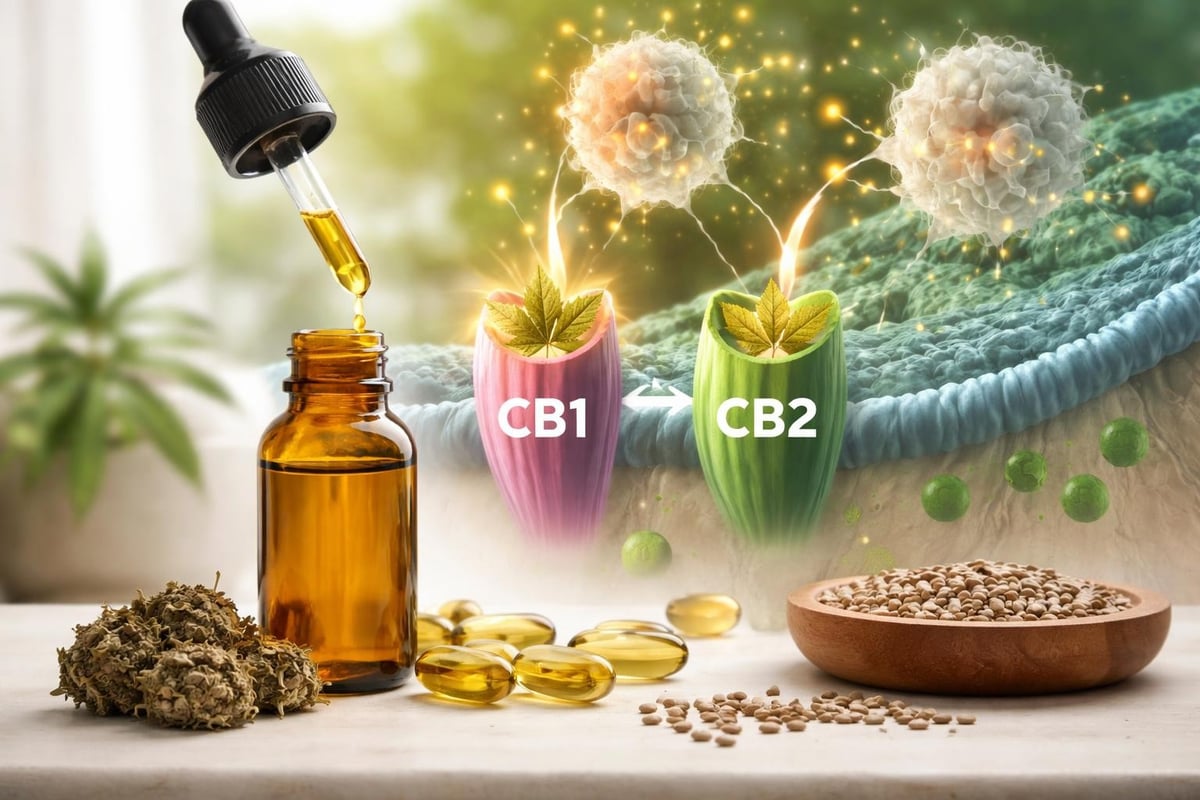
Research published in peer-reviewed journals demonstrates that CBD's molecular mechanisms involve modulation of chemokines, cytokines, and receptor-mediated pathways, providing a foundation for its therapeutic applications. This multi-targeted approach distinguishes CBD from single-pathway anti-inflammatory drugs.
Cytokine Suppression and Immune Modulation
Cytokines are signaling proteins that mediate and regulate immunity and inflammation. Pro-inflammatory cytokines like TNF-alpha, IL-1β, and IL-6 drive chronic inflammatory conditions, while anti-inflammatory cytokines help resolve inflammation and promote tissue healing.
CBD demonstrates remarkable ability to suppress pro-inflammatory cytokine production while potentially promoting anti-inflammatory mediators. This dual action creates a more balanced immune response rather than completely suppressing immune function.
| Cytokine Type | Effect Without CBD | Effect With CBD |
|---|---|---|
| TNF-alpha | Elevated in chronic inflammation | Significantly reduced |
| IL-1β | Promotes inflammatory cascade | Suppressed production |
| IL-6 | Contributes to tissue damage | Decreased expression |
| IL-10 | Anti-inflammatory mediator | Potentially enhanced |
For individuals with rheumatoid arthritis, this cytokine modulation may help reduce joint inflammation, swelling, and associated pain. The ability to influence multiple inflammatory pathways simultaneously makes CBD particularly valuable for complex inflammatory conditions.
Molecular Pathways and Receptor Interactions
Understanding cbd anti-inflammatory properties explained requires examining the specific molecular pathways through which CBD exerts its effects. These mechanisms extend beyond the endocannabinoid system to include various receptor types and signaling cascades.
Non-Cannabinoid Receptor Targets
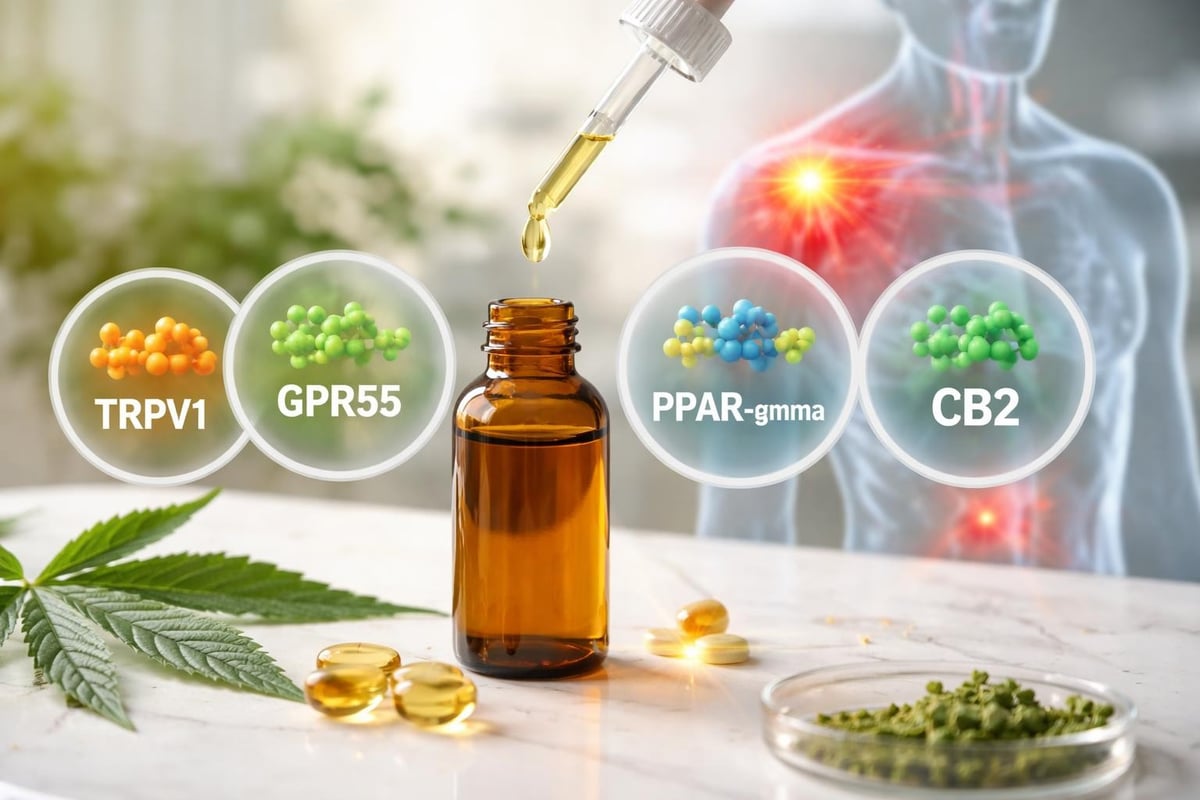
CBD interacts with several receptor systems beyond CB1 and CB2, contributing to its broad anti-inflammatory profile:
- TRPV1 receptors: CBD activates these vanilloid receptors, influencing pain perception and inflammatory responses
- GPR55 receptors: Antagonism of these orphan receptors may reduce inflammatory signaling
- 5-HT1A receptors: Serotonin receptor interaction contributes to anxiety reduction and pain modulation
- PPAR-gamma receptors: Activation promotes anti-inflammatory gene expression and metabolic regulation
This multi-receptor activity explains why CBD demonstrates effectiveness across diverse inflammatory conditions, from arthritis to autoimmune disorders.
Oxidative Stress Reduction
Inflammation and oxidative stress form a destructive cycle, with each exacerbating the other. CBD functions as an antioxidant, neutralizing free radicals and reducing oxidative damage to cells and tissues.
Antioxidant mechanisms of CBD:
- Direct free radical scavenging
- Enhancement of endogenous antioxidant systems
- Protection of mitochondrial function
- Reduction of lipid peroxidation
Recent studies, including research on CBD flowers and their anti-inflammatory benefits, demonstrate that whole-plant extracts may offer superior antioxidant activity compared to isolated CBD. This supports the use of full-spectrum and broad-spectrum formulations for maximum therapeutic benefit.
CBD Applications for Specific Inflammatory Conditions
The practical applications of cbd anti-inflammatory properties explained become most apparent when examining specific health conditions. Clinical observations and emerging research suggest CBD may benefit various inflammatory disorders.
Rheumatoid Arthritis and Joint Inflammation
Rheumatoid arthritis (RA) involves chronic inflammation of joint tissues, leading to pain, stiffness, and progressive damage. The autoimmune nature of RA means the body's immune system attacks its own tissues, creating persistent inflammation.
CBD's multi-faceted approach addresses several RA pathophysiology aspects:
- Suppression of pro-inflammatory cytokines driving joint destruction
- Modulation of immune cell activity to reduce autoimmune responses
- Direct analgesic effects complementing anti-inflammatory action
- Protection of cartilage and bone tissue from inflammatory damage
Individuals exploring arthritis management strategies often find CBD offers symptom relief without the side effects associated with long-term NSAID use or corticosteroids.
Fibromyalgia and Systemic Inflammation
Fibromyalgia presents a complex inflammatory picture characterized by widespread musculoskeletal pain, fatigue, and heightened pain sensitivity. Research suggests low-grade systemic inflammation and endocannabinoid system dysfunction contribute to fibromyalgia symptoms.
| Fibromyalgia Aspect | CBD's Potential Impact |
|---|---|
| Widespread pain | Multi-pathway pain relief through receptor modulation |
| Inflammation markers | Reduction of pro-inflammatory cytokines |
| Sleep disturbances | Indirect improvement through pain and anxiety reduction |
| Fatigue | Potential energy regulation through ECS balance |
| Cognitive difficulties | Neuroprotective and anti-inflammatory brain effects |
For those seeking information about fibromyalgia pain characteristics, understanding cbd anti-inflammatory properties explained provides insight into why CBD may offer comprehensive symptom management beyond traditional approaches.
Neuropathic Pain and Neuroinflammation
Chronic pain conditions often involve neuroinflammation, where inflammatory processes affect nerve tissues and central nervous system function. CBD's ability to cross the blood-brain barrier allows it to address neuroinflammation directly.
Studies examining mechanisms behind CBD's anti-inflammatory action reveal that CBD influences glial cell activity in the brain and spinal cord. These cells, when activated by injury or disease, release inflammatory mediators that sensitize pain pathways.
Neuroinflammation reduction mechanisms:
- Microglial cell deactivation
- Astrocyte inflammatory response suppression
- Reduction of spinal cord inflammatory signaling
- Protection of neurons from inflammatory damage
- Modulation of pain signal transmission
Full-Spectrum vs. Broad-Spectrum: Maximizing Anti-Inflammatory Effects
The form of CBD product significantly impacts anti-inflammatory efficacy. Understanding the differences between full-spectrum, broad-spectrum, and isolate formulations helps optimize therapeutic outcomes.
The Entourage Effect and Enhanced Anti-Inflammatory Action
Full-spectrum CBD products contain the complete range of cannabinoids, terpenes, and flavonoids naturally occurring in hemp plants. This complex mixture creates synergistic effects known as the entourage effect, potentially enhancing anti-inflammatory properties beyond isolated CBD.
Components contributing to anti-inflammatory synergy:
- Minor cannabinoids: CBG, CBC, and CBN demonstrate independent anti-inflammatory activity
- Terpenes: Beta-caryophyllene directly activates CB2 receptors; other terpenes like myrcene and pinene offer anti-inflammatory benefits
- Flavonoids: Plant compounds with antioxidant and anti-inflammatory properties
- Essential fatty acids: Omega-3 and omega-6 fatty acids supporting healthy inflammatory responses
Broad-spectrum products maintain this synergy while removing THC, making them ideal for individuals requiring THC-free options without sacrificing the entourage effect's benefits.
Bioavailability and Delivery Methods
How CBD enters the body affects its anti-inflammatory effectiveness. Different delivery methods offer varying absorption rates, onset times, and duration of effects.
| Delivery Method | Bioavailability | Onset Time | Best For |
|---|---|---|---|
| Sublingual tinctures | 12-35% | 15-45 minutes | Systemic inflammation, daily maintenance |
| Topical applications | Localized | 15-30 minutes | Joint inflammation, localized pain |
| Transdermal patches | Sustained release | 1-2 hours | Consistent delivery, chronic conditions |
| Oral capsules | 6-15% | 45-90 minutes | Convenience, precise dosing |
For targeted joint inflammation, topical applications deliver CBD directly to affected areas, bypassing first-pass metabolism. Systemic conditions benefit from sublingual or transdermal delivery, ensuring CBD reaches circulation and can interact with immune cells throughout the body.

Dosing Considerations for Anti-Inflammatory Benefits
Determining optimal CBD dosing for inflammation represents one of the most challenging aspects of cbd anti-inflammatory properties explained. Individual factors including body weight, metabolism, condition severity, and product potency all influence effective dosing.
Starting Point and Titration Strategy
Healthcare professionals typically recommend a "start low and go slow" approach, beginning with minimal doses and gradually increasing until desired effects are achieved.
Recommended titration protocol:
- Begin with 5-10mg CBD twice daily
- Maintain this dose for one week while monitoring effects
- Increase by 5-10mg increments weekly if needed
- Continue adjusting until optimal symptom relief is achieved
- Establish and maintain effective maintenance dose
For chronic inflammatory conditions like fibromyalgia, higher doses (ranging from 50-200mg daily) may prove necessary to achieve meaningful anti-inflammatory effects. Some individuals respond to lower doses, emphasizing the importance of personalized dosing strategies.
Timing and Consistency
Consistency matters significantly when using CBD for inflammation management. Regular dosing maintains stable cannabinoid levels in the body, supporting sustained anti-inflammatory effects rather than intermittent relief.
- Morning doses: Address inflammation and pain upon waking
- Evening doses: Support nighttime recovery and sleep quality
- Pre-activity dosing: Preventive approach before activities that typically trigger inflammation
- Split dosing: Divided doses throughout the day maintain consistent blood levels
Quality and Testing: Ensuring Anti-Inflammatory Efficacy
The effectiveness of cbd anti-inflammatory properties explained depends heavily on product quality. Third-party laboratory testing verifies cannabinoid content, confirms the absence of contaminants, and ensures product safety.
Critical Quality Indicators
Premium CBD products demonstrate specific quality characteristics that support therapeutic efficacy:
Essential quality markers:
- Certificate of Analysis (COA) from independent laboratories
- Verification of cannabinoid profile matching label claims
- Heavy metal, pesticide, and microbial contamination testing
- Residual solvent testing for extraction purity
- Terpene profile analysis for full-spectrum products
Products lacking proper testing documentation may contain inconsistent CBD concentrations, reducing anti-inflammatory effectiveness or potentially introducing harmful contaminants that could worsen inflammation.
Extraction Methods and Purity
The extraction process significantly impacts CBD product quality and anti-inflammatory potential. CO2 extraction represents the gold standard, producing pure cannabinoid extracts without residual solvents.
| Extraction Method | Purity | Cannabinoid Preservation | Safety |
|---|---|---|---|
| CO2 extraction | Excellent | Complete profile | Very safe |
| Ethanol extraction | Good | Good preservation | Safe when properly purged |
| Hydrocarbon extraction | Variable | Good preservation | Requires thorough purging |
| Olive oil extraction | Lower concentration | Moderate | Very safe |
Understanding extraction methodology helps consumers select products that deliver consistent anti-inflammatory benefits. Companies committed to quality transparency typically provide detailed information about their extraction processes and testing protocols.
Complementary Approaches to Enhance CBD's Anti-Inflammatory Effects
While cbd anti-inflammatory properties explained demonstrates CBD's standalone potential, combining it with complementary approaches may amplify therapeutic benefits for chronic inflammatory conditions.
Dietary Considerations
Nutrition plays a fundamental role in inflammation regulation. Anti-inflammatory dietary patterns enhance CBD's effects while reducing inflammatory triggers.
Anti-inflammatory dietary principles:
- Increase omega-3 fatty acid consumption from fish, flax, and walnuts
- Emphasize colorful fruits and vegetables rich in antioxidants
- Reduce processed foods, refined sugars, and trans fats
- Include anti-inflammatory spices like turmeric and ginger
- Maintain adequate hydration supporting cellular function
Lifestyle Modifications
Physical activity, stress management, and sleep optimization work synergistically with CBD to reduce chronic inflammation. Regular movement promotes anti-inflammatory cytokine production, while stress reduction prevents inflammatory cascade activation.
- Exercise: Moderate activity reduces systemic inflammation markers
- Stress management: Meditation and mindfulness decrease cortisol-driven inflammation
- Sleep hygiene: Adequate rest supports immune system regulation and tissue repair
- Weight management: Reducing excess adipose tissue decreases inflammatory mediator production
For individuals managing chronic pain conditions, integrating these lifestyle approaches with quality CBD products creates a comprehensive anti-inflammatory strategy addressing multiple pathways simultaneously.
Recent Research Developments and Future Directions
The scientific understanding of cbd anti-inflammatory properties explained continues evolving as researchers conduct more rigorous studies. Recent investigations have expanded knowledge of specific mechanisms and potential applications.
Novel Cannabinoid Derivatives
Scientists are developing C-methylated phytocannabinoids with enhanced anti-inflammatory properties, potentially offering improved therapeutic profiles. These synthetic variations aim to optimize receptor binding while minimizing unwanted effects.
Emerging cannabinoid derivatives like H4-CBD demonstrate unique CB1 receptor binding characteristics that may offer distinct anti-inflammatory advantages. As research progresses, these compounds could provide additional options for inflammation management.
Clinical Trial Progress
While preclinical evidence strongly supports CBD's anti-inflammatory properties, large-scale human trials remain limited. Ongoing clinical investigations examine CBD's efficacy for specific inflammatory conditions including:
- Inflammatory bowel disease (Crohn's disease, ulcerative colitis)
- Multiple sclerosis and neuroinflammation
- Autoimmune disorders including lupus and psoriasis
- Chronic pain syndromes with inflammatory components
Results from these trials will further clarify optimal dosing protocols, identify responder characteristics, and establish CBD's position within conventional treatment paradigms.
Safety Profile and Potential Interactions
Understanding cbd anti-inflammatory properties explained includes recognizing CBD's generally favorable safety profile. Unlike NSAIDs and corticosteroids, CBD demonstrates minimal adverse effects at therapeutic doses.
Common Side Effects and Management
Most individuals tolerate CBD well, though some experience mild, transient side effects:
Potential side effects:
- Fatigue or drowsiness (typically resolves with continued use)
- Digestive changes including diarrhea or appetite fluctuations
- Dry mouth requiring increased hydration
- Blood pressure changes (usually slight decrease)
These effects are generally dose-dependent and can often be managed through dosage adjustment or administration timing modifications.
Drug Interactions and Precautions
CBD inhibits certain cytochrome P450 enzymes responsible for metabolizing many medications. This interaction may alter blood levels of concurrent medications, requiring dosage adjustments.
| Medication Class | Interaction Risk | Recommendation |
|---|---|---|
| Blood thinners | Moderate to high | Medical supervision required |
| Immunosuppressants | Moderate | Monitor with healthcare provider |
| Sedatives | Moderate | Start with lower CBD doses |
| NSAIDs | Low | Generally safe combination |
| Corticosteroids | Low to moderate | Professional guidance recommended |
Individuals taking prescription medications should consult healthcare providers before starting CBD, particularly those managing conditions requiring precise medication dosing. For those considering alternatives to steroid medications, professional guidance ensures safe integration of CBD into existing treatment plans.
Understanding cbd anti-inflammatory properties explained empowers individuals managing chronic inflammatory conditions to make informed decisions about incorporating CBD into their wellness strategies. The compound's ability to modulate multiple inflammatory pathways, suppress pro-inflammatory cytokines, and interact with diverse receptor systems creates comprehensive anti-inflammatory effects that address the complex nature of conditions like rheumatoid arthritis and fibromyalgia. If you're seeking premium, third-party tested CBD products specifically formulated for inflammation and chronic pain management, Reclaim Labs offers full-spectrum and broad-spectrum options designed to deliver consistent, reliable therapeutic benefits backed by transparent testing and quality assurance.