Joint inflammation affects millions of Americans, causing chronic pain, reduced mobility, and significantly diminished quality of life. Whether triggered by rheumatoid arthritis, osteoarthritis, or other inflammatory conditions, the relentless swelling and discomfort drive many to seek effective relief beyond traditional pharmaceutical interventions. CBD for joint inflammation has emerged as a promising natural alternative, with growing research supporting its anti-inflammatory and analgesic properties. Understanding how cannabidiol works within the body's complex systems can help you make informed decisions about incorporating it into your wellness routine.
Understanding Joint Inflammation and Its Impact
Joint inflammation occurs when the body's immune system responds to injury, infection, or autoimmune triggers. This response causes swelling, redness, heat, and pain in affected joints. Chronic inflammatory conditions like rheumatoid arthritis involve persistent immune system activation, leading to progressive joint damage and disability.
The inflammatory process involves multiple cellular pathways and signaling molecules called cytokines. These chemical messengers coordinate immune responses but can become dysregulated in chronic conditions. Traditional anti-inflammatory medications often target these pathways but frequently come with significant side effects ranging from gastrointestinal issues to increased cardiovascular risk.
Why Traditional Treatments Fall Short
Many individuals find conventional inflammation management inadequate for several reasons:
- Side effect profiles that limit long-term use
- Incomplete pain relief despite medication adherence
- Drug interactions with other necessary medications
- Tolerance development requiring dose escalation
- Organ damage risks with prolonged NSAID or steroid use
This gap in effective, safe treatment options has driven interest in alternative approaches. Understanding arthritis management strategies becomes essential when conventional methods prove insufficient.
The Science Behind CBD for Joint Inflammation
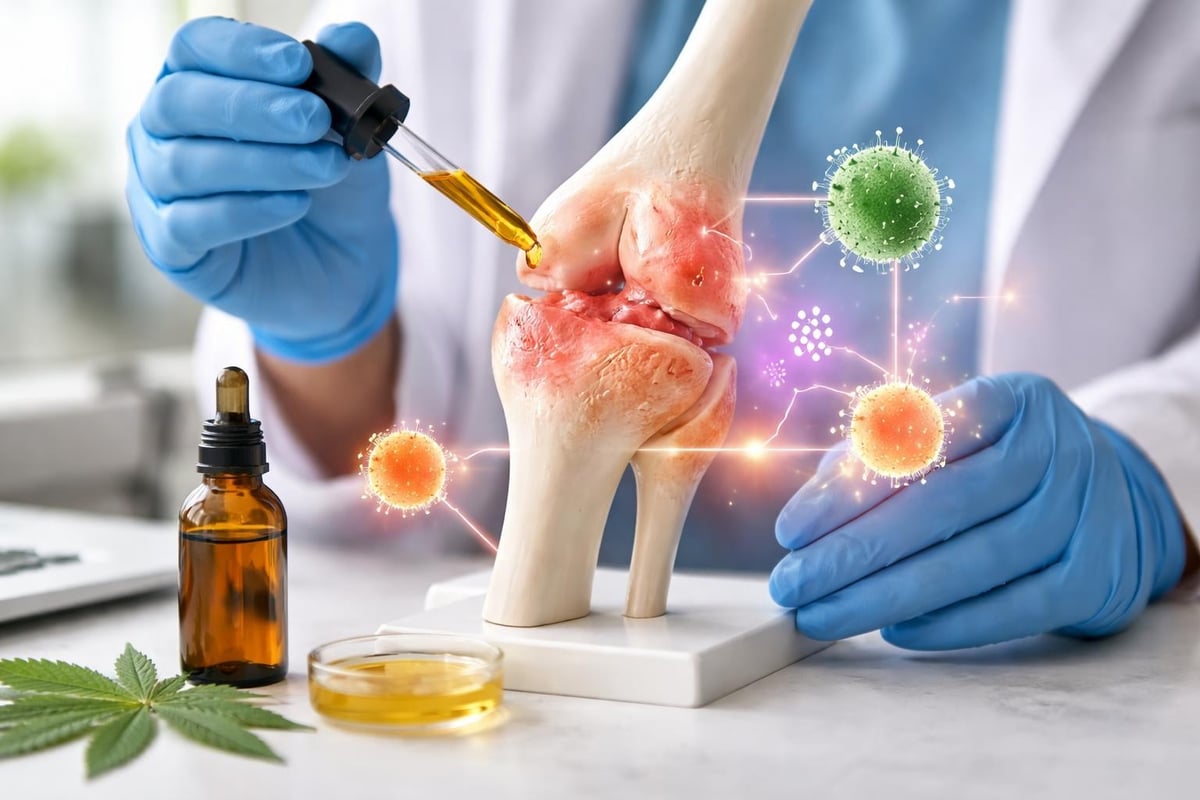
CBD for joint inflammation works through multiple mechanisms within the endocannabinoid system (ECS), a complex network of receptors, enzymes, and signaling molecules that regulate various physiological processes. The ECS plays a crucial role in maintaining homeostasis, including modulation of immune responses and inflammatory pathways.
Cannabinoid Receptors and Inflammation Control
The endocannabinoid system contains two primary receptor types: CB1 receptors found predominantly in the central nervous system and CB2 receptors concentrated in immune tissues and peripheral organs. CBD interacts with these receptors indirectly, influencing their activity without producing intoxicating effects.
Research demonstrates that CBD affects inflammation through several distinct pathways. A study published in Nature revealed that CBD induces cell death in rheumatoid arthritis synovial fibroblasts, cells responsible for perpetuating joint inflammation. This targeted action suggests CBD could address inflammation at its source.
| Mechanism | Effect | Clinical Relevance |
|---|---|---|
| NLRP3 Inflammasome Modulation | Reduces inflammatory cascade activation | Decreases cytokine production |
| COX-2 Inhibition | Blocks prostaglandin synthesis | Reduces pain and swelling |
| Immune Cell Regulation | Balances T-cell responses | Addresses autoimmune components |
| Oxidative Stress Reduction | Neutralizes free radicals | Protects joint tissue from damage |
Additionally, research on the NLRP3 inflammasome highlights CBD's ability to mediate anti-inflammatory effects through this critical pathway. The NLRP3 inflammasome serves as a molecular platform that activates inflammatory responses, making it a significant target for therapeutic intervention.
Clinical Evidence Supporting CBD Use
The body of evidence supporting CBD for joint inflammation continues to expand, with both preclinical and clinical studies demonstrating promising results. While research remains ongoing, existing data provides valuable insights into CBD's therapeutic potential.
An exploratory cross-sectional study examined patient-reported outcomes regarding CBD use for arthritis and joint pain. Participants reported significant improvements in both pain levels and physical function, suggesting real-world efficacy beyond laboratory findings.
What the Research Shows
Key findings from multiple studies include:
- Reduced inflammatory markers in blood samples from CBD users
- Improved joint function measured through standardized assessments
- Decreased pain scores across various pain rating scales
- Enhanced quality of life indicators in long-term users
- Favorable safety profiles compared to traditional medications
A comprehensive review of CBD and its analogs examined their effects on inflammation, concluding that cannabidiol demonstrates significant anti-inflammatory properties through multiple mechanisms. This multi-target approach may explain why many users report benefits exceeding single-mechanism drugs.
Choosing the Right CBD Product for Joint Inflammation
Not all CBD products deliver equal therapeutic potential for joint inflammation. Understanding product types, formulations, and quality markers helps ensure you select options most likely to provide relief.
Full-Spectrum vs. Broad-Spectrum CBD
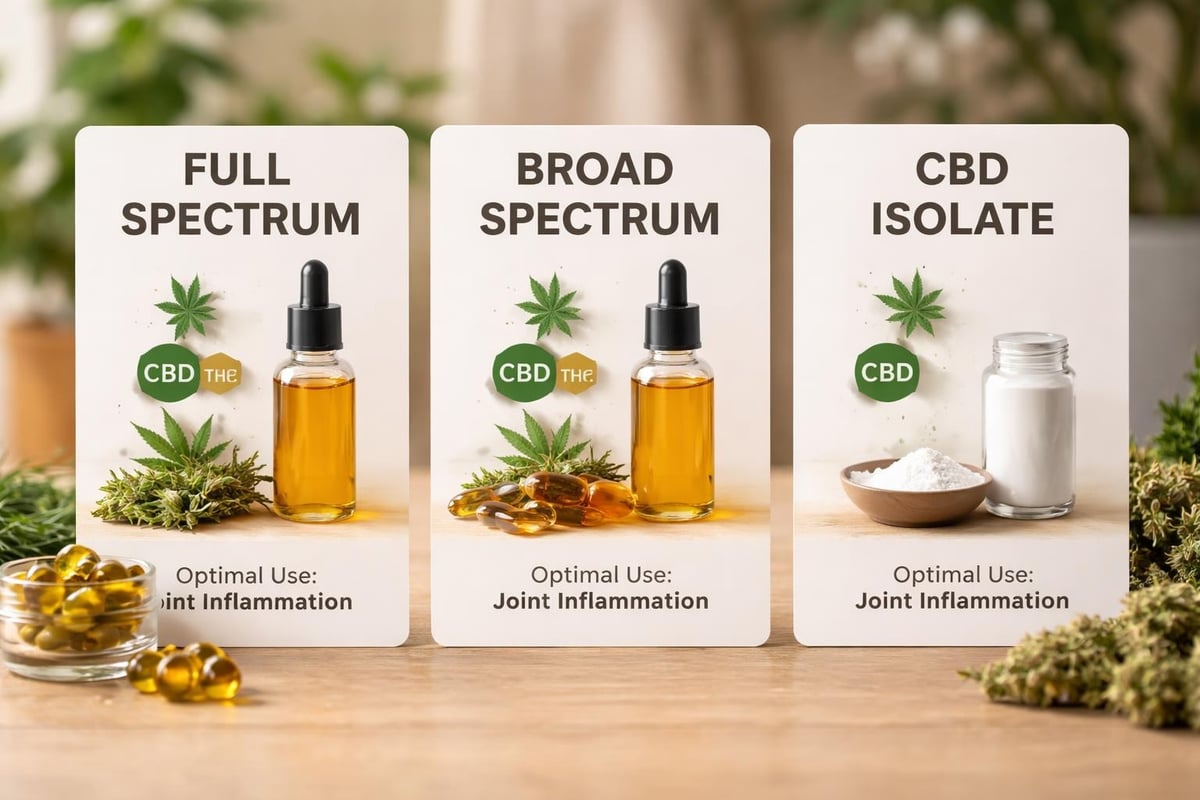
Full-spectrum CBD contains all naturally occurring cannabinoids, terpenes, and compounds from hemp, including trace amounts of THC (under 0.3%). This composition creates an "entourage effect" where compounds work synergistically to enhance therapeutic benefits.
Broad-spectrum CBD offers similar benefits without THC, making it ideal for those concerned about drug testing or THC sensitivity. Products like the 2800mg Broad Spectrum CBD Hemp Oil provide concentrated doses without psychoactive components.
Application Methods for Joint Relief
Different delivery methods offer distinct advantages:
- Oral oils and tinctures provide systemic effects lasting 4-6 hours
- Topical applications target specific joints with localized relief
- Transdermal patches deliver consistent dosing over extended periods
- Roll-on formulations combine CBD with other therapeutic ingredients
The CBD hemp-infused relief roll-on stick offers convenient targeted application for inflamed joints, while CBD patches for pain relief provide steady medication levels throughout the day.
| Product Type | Onset Time | Duration | Best For |
|---|---|---|---|
| Sublingual Oil | 15-45 minutes | 4-6 hours | Systemic inflammation |
| Topical Cream | 5-15 minutes | 2-4 hours | Localized joint pain |
| Transdermal Patch | 30-60 minutes | 8-12 hours | Consistent relief |
| Capsules | 45-90 minutes | 6-8 hours | Convenience, dosing precision |
Dosing Considerations and Safety
Determining the appropriate CBD dosage for joint inflammation requires individualized consideration. Variables including body weight, inflammation severity, metabolism, and previous cannabinoid exposure all influence optimal dosing.
Starting Your CBD Regimen
Healthcare professionals typically recommend beginning with low doses and gradually increasing until desired effects occur. This "start low, go slow" approach minimizes side effects while identifying your therapeutic threshold.
General dosing guidelines suggest:
- Start with 10-20mg daily for mild inflammation
- Increase by 5-10mg increments every 3-5 days
- Monitor symptom changes through journaling
- Adjust timing based on symptom patterns
- Maintain consistency for at least 2-4 weeks before evaluating efficacy
Research indicates CBD for joint inflammation demonstrates excellent safety profiles. Side effects, when they occur, typically remain mild and may include fatigue, diarrhea, or appetite changes. These effects often resolve with dose adjustment.
Quality and Third-Party Testing
Product purity and potency verification through independent laboratory testing ensures you receive accurate cannabinoid content and confirms absence of contaminants. Reputable manufacturers provide certificates of analysis (COA) documenting:
- Cannabinoid concentration accuracy
- Absence of heavy metals, pesticides, and solvents
- Microbial contamination testing
- Terpene profiles
Transparency in testing demonstrates commitment to consumer safety. When exploring CBD hemp oil benefits for arthritis, prioritize products with readily accessible third-party verification.
Integrating CBD with Comprehensive Inflammation Management
CBD for joint inflammation works most effectively as part of a holistic approach addressing multiple aspects of inflammatory conditions. Combining cannabidiol with complementary strategies optimizes outcomes and supports overall joint health.
Synergistic Lifestyle Modifications
Dietary interventions play crucial roles in inflammation management. Anti-inflammatory eating patterns emphasizing omega-3 fatty acids, colorful vegetables, and whole foods create internal environments less conducive to chronic inflammation. Reducing processed foods, refined sugars, and trans fats further supports this goal.
Physical activity paradoxically helps joint inflammation despite initial discomfort concerns. Low-impact exercises like swimming, cycling, and yoga maintain joint mobility while strengthening supporting muscles. Movement promotes synovial fluid circulation, nourishing cartilage and removing inflammatory byproducts.
Stress management techniques address inflammation's psychological components. Chronic stress elevates cortisol and other hormones that exacerbate inflammatory responses. Meditation, deep breathing, and adequate sleep support balanced immune function.

Monitoring Progress and Adjusting Approaches
Systematic tracking helps identify what works for your unique situation. Consider documenting:
- Daily pain levels using standardized scales
- Functional abilities through specific activity completion
- CBD dosing including timing and formulation
- Other interventions such as diet changes or exercise
- Sleep quality and energy levels
This data reveals patterns and correlations, enabling informed adjustments. Many individuals find their optimal CBD regimen differs from initial expectations, with managing chronic pain requiring personalized fine-tuning.
Specific Inflammatory Conditions and CBD Application
Different types of joint inflammation respond variably to interventions. Understanding condition-specific considerations helps optimize CBD use for your particular diagnosis.
Rheumatoid Arthritis and Autoimmune Inflammation
Rheumatoid arthritis involves immune system attacks on joint tissue, creating persistent inflammation and progressive damage. Research on CBD oil for rheumatoid arthritis suggests cannabidiol may modulate autoimmune responses while providing symptomatic relief.
CBD for joint inflammation in rheumatoid arthritis addresses both pain and the underlying immune dysfunction. Its immunomodulatory effects may help rebalance overactive immune responses without the broad immunosuppression associated with conventional disease-modifying drugs.
Osteoarthritis and Degenerative Joint Disease
Osteoarthritis results from cartilage breakdown and mechanical joint stress rather than autoimmune processes. CBD's anti-inflammatory and analgesic properties still provide significant benefits by reducing reactive inflammation and pain signaling. CBD oil for osteoarthritis may also protect remaining cartilage through antioxidant mechanisms.
Ankylosing Spondylitis and Spinal Inflammation
This inflammatory arthritis primarily affects the spine and sacroiliac joints. CBD's potential in managing ankylosing spondylitis symptoms includes reducing spinal inflammation and associated pain. The condition's impact on mobility makes effective inflammation control particularly valuable.
Medical Considerations and Professional Consultation
While CBD for joint inflammation demonstrates excellent safety profiles, medical oversight ensures appropriate integration with existing treatments and monitoring for potential interactions.
Drug Interactions and Contraindications
CBD affects cytochrome P450 enzymes responsible for metabolizing many medications. This interaction can alter blood levels of drugs including:
- Blood thinners like warfarin
- Anti-seizure medications
- Certain antidepressants
- Immune suppressants used in rheumatoid arthritis
Consultation with healthcare providers before starting CBD prevents adverse interactions and enables coordinated care. Many physicians increasingly recognize cannabidiol's therapeutic potential and can provide valuable guidance.
When to Seek Additional Medical Evaluation
While CBD offers significant benefits, certain symptoms warrant prompt medical attention:
- Sudden joint swelling with fever
- Severe pain unresponsive to interventions
- Significant mobility loss
- Joint deformity or instability
- Systemic symptoms like unexplained weight loss
These signs may indicate disease progression or complications requiring medical intervention beyond CBD supplementation. Information on beating rheumatoid arthritis pain emphasizes comprehensive medical management.
Real-World Experiences and Patient Perspectives
Understanding how others navigate CBD for joint inflammation provides practical insights beyond clinical data. Patient experiences reveal common patterns, helpful strategies, and realistic expectation setting.
Many users report initial skepticism followed by gradual recognition of benefits. Unlike pharmaceutical pain relievers with immediate effects, CBD often requires consistent use before full benefits emerge. This delayed onset can discourage premature discontinuation.
Common Success Factors
Individuals reporting significant improvement with CBD for joint inflammation typically share several characteristics:
- Consistent daily use rather than occasional dosing
- Adequate dosing often higher than initial conservative attempts
- Quality product selection from reputable manufacturers
- Patience allowing 2-4 weeks for full effects
- Comprehensive approach combining CBD with lifestyle modifications
Patient testimonials about beating arthritis illustrate these success factors, demonstrating how dedication to the process yields results.
Managing Expectations Realistically
CBD for joint inflammation represents a powerful tool but not a miracle cure. Setting realistic expectations prevents disappointment and supports sustained commitment to your wellness plan.
Reasonable goals include:
- Reduced pain intensity rather than complete elimination
- Improved function allowing increased activity
- Decreased reliance on other medications
- Better sleep quality despite ongoing discomfort
- Enhanced quality of life through better symptom management
The Role of Product Quality in Therapeutic Outcomes
CBD product quality varies dramatically across manufacturers, directly impacting therapeutic effectiveness. Understanding quality markers helps you select products most likely to deliver promised benefits.
Sourcing and Cultivation Practices
Hemp cultivation methods significantly influence final product quality. Organically grown hemp without pesticides or herbicides produces cleaner extracts. Growing conditions, harvest timing, and plant genetics all affect cannabinoid and terpene profiles.
Extraction methods determine cannabinoid preservation and product purity. CO2 extraction, while more expensive, produces superior quality compared to solvent-based methods that may leave residual chemicals.
Transparency and Consumer Information
Reputable manufacturers provide comprehensive product information including:
- Complete cannabinoid profiles
- Extraction method details
- Third-party testing results
- Clear dosing instructions
- Ingredient transparency
Companies committed to customer education demonstrate deeper investment in therapeutic outcomes versus profit maximization. Resources explaining CBD hemp oil benefits for pain reflect this educational commitment.
Future Directions in CBD Inflammation Research
The expanding research landscape continues revealing new insights into CBD for joint inflammation. Ongoing studies investigate optimal formulations, dosing protocols, and combination therapies that may enhance cannabidiol's already impressive therapeutic profile.
Emerging Research Areas
Scientists are exploring several promising directions:
- Targeted delivery systems maximizing CBD concentration at inflammation sites
- Cannabinoid combinations optimizing entourage effects
- Personalized dosing based on genetic markers
- Long-term safety studies in chronic use populations
- Comparative effectiveness versus standard treatments
As medical marijuana and CBD oil research advances, evidence-based guidelines will emerge, helping clinicians make informed recommendations.
The Path Toward Mainstream Medical Integration
Growing acceptance within medical communities reflects accumulating evidence supporting CBD's therapeutic value. Insurance coverage, prescription guidelines, and integration into standard treatment protocols may follow as research solidifies.
This evolution promises improved access for individuals seeking natural alternatives to conventional pharmaceuticals. The intersection of traditional medicine and botanical therapeutics creates exciting possibilities for comprehensive inflammation management.
CBD for joint inflammation offers a scientifically supported, natural approach to managing chronic pain and swelling associated with arthritis and related conditions. The evidence demonstrates multiple mechanisms through which cannabidiol reduces inflammation while maintaining excellent safety profiles, making it an attractive option for those seeking alternatives to conventional medications. Reclaim Labs provides premium, third-party tested CBD products specifically formulated for inflammation management, offering full-spectrum and broad-spectrum options designed to deliver consistent, reliable relief. Explore their range of solutions to discover how quality CBD can support your journey toward reduced pain and improved mobility.