Millions of women experience debilitating menstrual cramps each month, disrupting daily activities and significantly impacting quality of life. While conventional treatments like nonsteroidal anti-inflammatory drugs (NSAIDs) provide relief for some, others seek natural alternatives with fewer side effects. CBD hemp oil has emerged as a promising option for managing menstrual pain, offering anti-inflammatory and analgesic properties that address the root causes of dysmenorrhea. Understanding how cbd for menstrual cramps pain works can help you make informed decisions about incorporating this natural remedy into your monthly wellness routine.
Understanding Menstrual Cramps and Their Underlying Causes
Menstrual cramps, medically known as primary dysmenorrhea, affect approximately 50-90% of menstruating women worldwide. These painful sensations result from the uterus contracting to shed its lining during menstruation.
The biological mechanism behind menstrual pain involves prostaglandins-hormone-like compounds that trigger inflammation and uterine muscle contractions. Higher levels of prostaglandins correlate with more severe cramping, nausea, and overall discomfort. Research on dysmenorrhea indicates that excessive prostaglandin production creates a cascade of inflammatory responses throughout the pelvic region.
Common Symptoms Beyond Cramping
Women experiencing menstrual pain often report multiple concurrent symptoms:
- Lower abdominal pain radiating to the lower back and thighs
- Headaches and migraines
- Nausea and digestive upset
- Fatigue and mood changes
- Muscle tension and body aches
Secondary dysmenorrhea, caused by underlying conditions like endometriosis or fibroids, presents even more complex pain patterns. These conditions create chronic inflammation that extends beyond the menstrual cycle itself.
How CBD Addresses Menstrual Pain Through Multiple Pathways
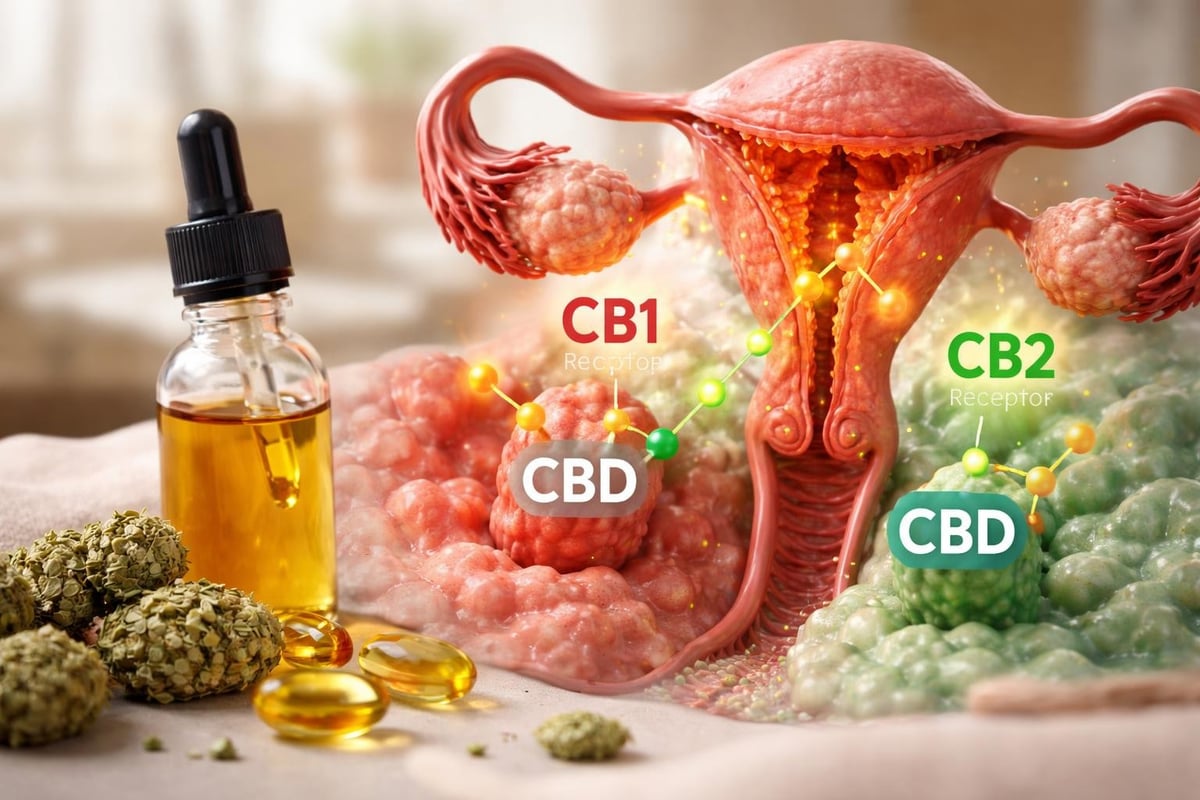
CBD interacts with the body's endocannabinoid system (ECS), a complex network of receptors that regulate pain perception, inflammation, and immune responses. This interaction makes cbd for menstrual cramps pain particularly effective through several distinct mechanisms.
The endocannabinoid system contains CB1 receptors primarily located in the central nervous system and CB2 receptors found throughout the immune system and peripheral tissues. When CBD activates these receptors, it modulates the inflammatory response associated with prostaglandin release.
Anti-Inflammatory Properties
CBD's anti-inflammatory effects have been well-documented in scientific literature. Studies on transdermal cannabidiol demonstrate significant reductions in inflammatory markers and pain-related behaviors. For menstrual cramps, this translates to decreased prostaglandin activity and reduced tissue inflammation.
The compound inhibits cyclooxygenase (COX) enzymes, similar to how traditional NSAIDs work, but without the gastrointestinal side effects. This mechanism directly targets the inflammatory cascade that generates menstrual pain.
Muscle Relaxation and Spasm Reduction
Uterine contractions during menstruation can become excessive and painful. CBD demonstrates muscle-relaxing properties that help ease these spasms. By modulating calcium ion channels and neurotransmitter release, CBD reduces the intensity and frequency of uterine contractions.
| Mechanism | How CBD Works | Impact on Menstrual Pain |
|---|---|---|
| Prostaglandin Inhibition | Blocks COX enzyme activity | Reduces inflammatory pain signals |
| Receptor Modulation | Activates CB1 and CB2 receptors | Alters pain perception |
| Muscle Relaxation | Regulates calcium channels | Decreases uterine cramping |
| Neurotransmitter Balance | Influences serotonin and dopamine | Improves mood and pain tolerance |
Choosing the Right CBD Product for Menstrual Relief
Not all CBD products deliver equal results for menstrual pain management. Understanding the differences between product types, concentrations, and delivery methods helps maximize therapeutic benefits.
Full-Spectrum vs. Broad-Spectrum CBD
Full-spectrum CBD contains all naturally occurring compounds in the hemp plant, including trace amounts of THC (below 0.3%), terpenes, and flavonoids. These compounds work synergistically in what scientists call the "entourage effect," potentially enhancing pain relief.
Broad-spectrum CBD offers similar benefits without any THC content, making it ideal for those who prefer to avoid THC entirely or face drug testing requirements. Both options provide comprehensive cannabinoid profiles that support the management of chronic inflammation, similar to how CBD addresses conditions like rheumatoid arthritis.
Product Format Considerations
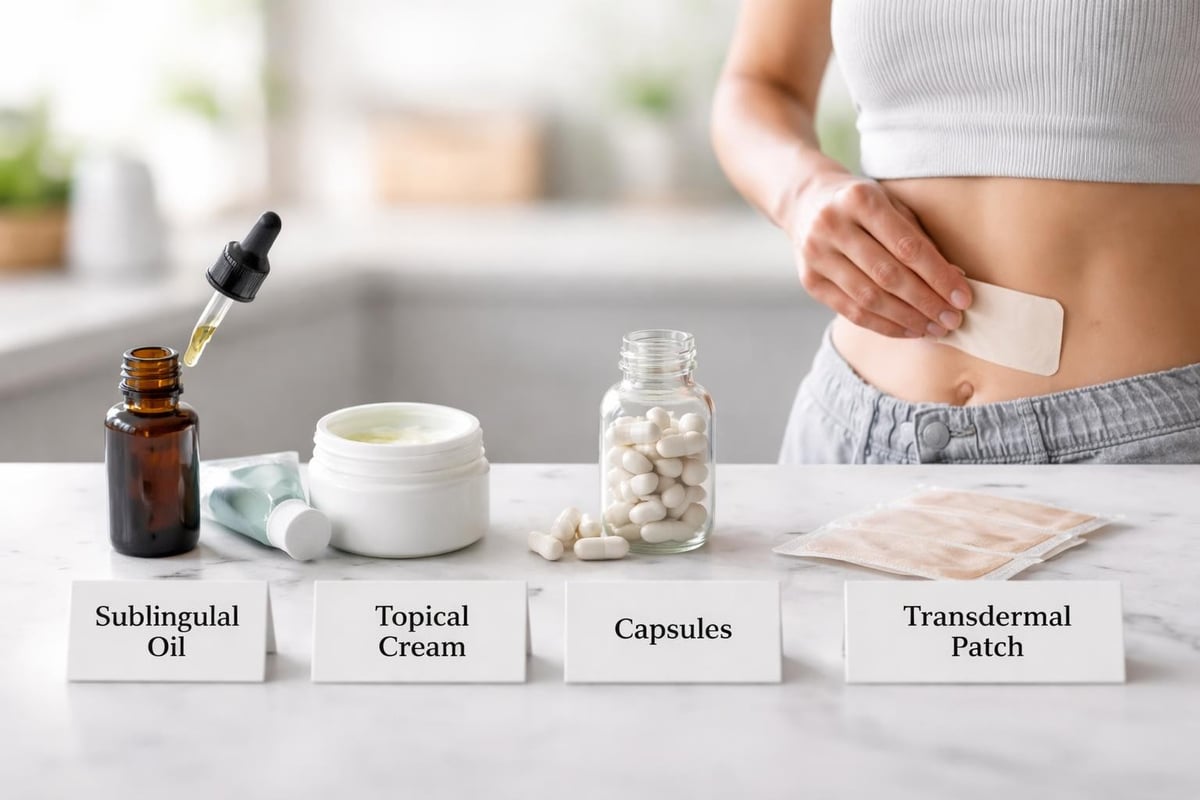
Different delivery methods affect how quickly and effectively cbd for menstrual cramps pain provides relief:
Sublingual oils and tinctures absorb rapidly through mucous membranes under the tongue, providing relief within 15-45 minutes. This method offers precise dosing control and sustained effects lasting 4-6 hours.
Topical applications including creams, balms, and roll-ons deliver localized relief directly to the lower abdomen and back. These products work best for surface-level muscle tension and can be combined with systemic approaches.
Capsules and edibles provide convenient, pre-measured doses with longer-lasting effects (6-8 hours), though they take longer to activate (45-90 minutes) due to digestive processing.
Transdermal patches release CBD steadily over extended periods, maintaining consistent blood levels throughout the day. This method excels for preventing pain rather than treating active symptoms.
Evidence-Based Dosing Strategies for Menstrual Pain
Finding the optimal CBD dose for menstrual cramps requires individual experimentation, as factors like body weight, metabolism, and pain severity influence effectiveness. However, research and clinical experience provide helpful starting points.
Starting Doses and Titration
Begin with a low dose of 10-15mg of CBD twice daily, starting 2-3 days before your expected period. This proactive approach allows CBD to build up in your system and potentially prevent the inflammatory cascade before it intensifies.
Monitor your response over one complete cycle, noting pain levels, symptom duration, and any side effects. If relief remains inadequate, increase the dose by 5-10mg increments during subsequent cycles until you achieve optimal results.
Most women find effective relief at doses ranging from 20-50mg daily, though some with severe symptoms or conditions like endometriosis may require higher amounts. Research published in npj Women's Health examined high-CBD suppositories and found significant pain reduction at therapeutic doses.
Timing Your CBD Intake
Strategic timing enhances cbd for menstrual cramps pain effectiveness:
- Preventive dosing (days 25-28 of cycle): Establish baseline CBD levels before symptom onset
- Active symptom management (days 1-3 of menstruation): Increase frequency to 3-4 times daily
- Recovery phase (days 4-7): Gradually reduce to maintenance doses as symptoms subside
| Cycle Phase | Recommended Dose | Frequency | Primary Goal |
|---|---|---|---|
| Pre-menstrual | 15-20mg | Twice daily | Prevention |
| Active menstruation | 25-40mg | 3-4 times daily | Acute relief |
| Late menstruation | 15-25mg | Twice daily | Sustained comfort |
| Post-menstrual | 10-15mg | Once daily (optional) | Inflammation control |
Integrating CBD with Complementary Pain Management Approaches
CBD works most effectively when combined with other evidence-based pain management strategies. This multimodal approach addresses menstrual discomfort from multiple angles simultaneously.
Lifestyle Modifications That Enhance CBD Effectiveness
Regular physical activity increases endocannabinoid production naturally, potentially enhancing CBD's effectiveness. Low-impact exercises like yoga, swimming, or walking during the luteal phase help regulate inflammatory responses.
Self-management strategies studied among women with endometriosis revealed that combining CBD with heat therapy, dietary changes, and stress reduction techniques produced superior outcomes compared to single interventions.
Dietary considerations that support CBD for menstrual pain management include:
- Omega-3 fatty acids that reduce prostaglandin production
- Magnesium-rich foods that relax uterine muscles
- Anti-inflammatory spices like turmeric and ginger
- Adequate hydration to support toxin elimination
When to Consider Additional Medical Interventions
While CBD offers significant relief for many women, certain situations warrant medical evaluation. Seek professional guidance if you experience:
- Pain severe enough to prevent normal daily activities
- Symptoms that worsen progressively over multiple cycles
- Bleeding patterns that change significantly
- Pain accompanied by fever or unusual discharge
Understanding the comprehensive benefits of CBD hemp oil for pain management helps contextualize its role within broader treatment strategies.
Quality Standards and Third-Party Testing Considerations
The CBD industry remains largely unregulated, making product quality highly variable. Selecting premium CBD for menstrual cramps pain requires careful attention to testing, transparency, and manufacturing standards.
Essential Quality Markers
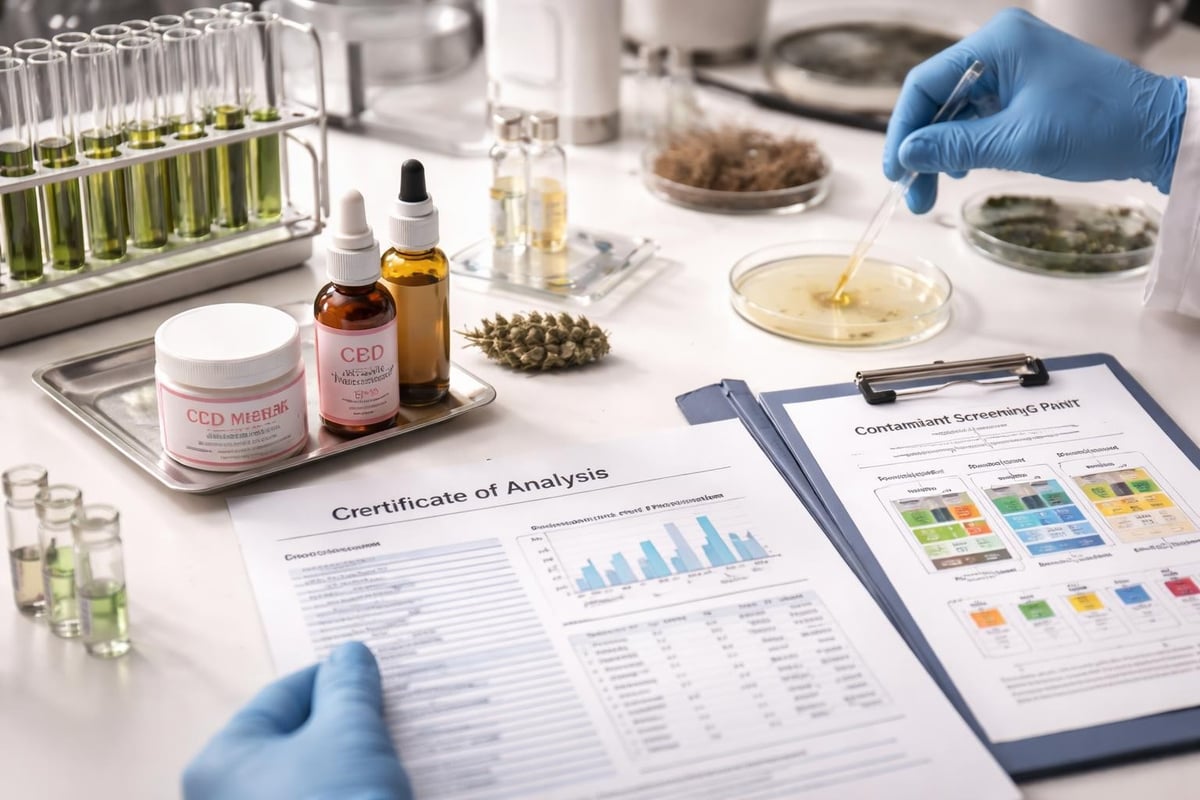
Reputable CBD manufacturers provide comprehensive third-party laboratory testing results, often called Certificates of Analysis (COAs). These documents verify cannabinoid content, confirm THC levels remain within legal limits, and screen for contaminants including pesticides, heavy metals, and residual solvents.
Look for products that clearly display:
- Batch-specific COA accessibility
- Cannabinoid profile with CBD and other compound percentages
- Terpene analysis (for full and broad-spectrum products)
- Microbiological testing results
- Manufacturing date and expiration information
Extraction Methods and Purity
CO2 extraction represents the gold standard for CBD production, preserving beneficial compounds while eliminating unwanted substances. This method avoids harsh chemical solvents that may leave residues affecting product purity and safety.
Organic hemp sources minimize exposure to agricultural chemicals that could trigger additional inflammation or allergic responses. Since hemp bioaccumulates substances from soil, organic certification provides assurance of cleaner, safer CBD oil.
Safety Profile and Potential Side Effects
CBD demonstrates an excellent safety profile with minimal adverse effects reported in clinical studies. Medical reviews of CBD for menstrual cramps consistently note its favorable risk-benefit ratio compared to conventional pain medications.
Common Mild Effects
Most women tolerate cbd for menstrual cramps pain extremely well. When side effects occur, they typically remain mild and transient:
- Mild drowsiness or fatigue (especially at higher doses)
- Dry mouth requiring increased water intake
- Slight changes in appetite
- Occasional digestive adjustments during initial use
These effects usually resolve within days as your body adapts to regular CBD use. Starting with conservative doses and gradual titration minimizes the likelihood of experiencing any discomfort.
Drug Interactions to Consider
CBD metabolizes through the liver's cytochrome P450 enzyme system, the same pathway used by many medications. This creates potential for interactions, particularly with blood thinners, certain antidepressants, and anti-seizure medications.
If you take prescription medications regularly, consult your healthcare provider before starting CBD supplementation. This precaution ensures safe integration without compromising your existing treatment effectiveness.
Comparing CBD to Traditional Menstrual Pain Treatments
Understanding how CBD stacks up against conventional therapies helps women make informed choices about incorporating it into their pain management routines.
NSAIDs and Over-the-Counter Options
Ibuprofen, naproxen, and aspirin remain first-line treatments for menstrual cramps due to their prostaglandin-blocking effects. However, regular NSAID use carries risks including gastrointestinal ulcers, kidney stress, and cardiovascular concerns with prolonged use.
CBD offers similar anti-inflammatory mechanisms without documented organ toxicity risks. Systematic reviews of lifestyle interventions for primary dysmenorrhea suggest natural approaches like CBD provide viable alternatives or complementary options to pharmaceutical interventions.
Hormonal Contraceptives
Birth control pills, patches, and hormonal IUDs reduce menstrual pain by thinning the uterine lining and decreasing prostaglandin production. While highly effective, hormonal methods affect the entire endocrine system and carry their own side effect profiles.
CBD provides targeted relief without systemic hormonal disruption, making it suitable for women who cannot or prefer not to use hormonal contraception.
| Treatment Option | Mechanism | Onset Time | Duration | Side Effect Profile |
|---|---|---|---|---|
| CBD Oil | ECS modulation, anti-inflammatory | 15-45 min | 4-6 hours | Minimal, well-tolerated |
| NSAIDs | Prostaglandin inhibition | 30-60 min | 4-6 hours | GI upset, kidney stress |
| Hormonal BC | Endometrial suppression | Preventive (ongoing) | Continuous | Hormonal changes, mood effects |
| Prescription analgesics | Central pain suppression | 30-90 min | 4-8 hours | Dependency risk, drowsiness |
Real-World Applications and User Experiences
Clinical research continues evolving, but real-world experiences provide valuable insights into cbd for menstrual cramps pain effectiveness. Women report varying degrees of relief based on product selection, dosing strategies, and individual physiology.
Practical Implementation Strategies
Successful CBD users for menstrual pain typically employ systematic approaches rather than sporadic dosing. Keeping a pain diary that tracks cycle days, CBD doses, product types, and symptom severity helps identify patterns and optimize protocols.
Many women find combination approaches most effective-using sublingual oils for systemic relief while applying topical formulations directly to cramping areas. This dual strategy addresses both the inflammatory cascade and localized muscle tension simultaneously.
Similar to how patients approach CBD for chronic conditions like fibromyalgia, menstrual pain management requires patience during the initial adjustment period. Full benefits often emerge after 2-3 complete menstrual cycles as the endocannabinoid system becomes better regulated.
Complementary Techniques
Enhancing CBD effectiveness through supportive practices creates comprehensive relief:
- Apply heating pads to the abdomen 15-20 minutes after taking CBD oil to improve absorption and compound muscle-relaxing effects
- Practice gentle stretching or restorative yoga poses that target pelvic floor tension
- Utilize stress-reduction techniques like meditation or deep breathing that calm the nervous system
- Maintain consistent sleep schedules to support natural anti-inflammatory processes
Scientific Research Directions and Future Potential
Current research into cannabinoids for gynecological pain continues expanding. Peer-reviewed studies examining cannabinoids for gynecological conditions highlight promising mechanisms and therapeutic potential, though researchers acknowledge the need for larger clinical trials.
Emerging Research Areas
Scientists are investigating specific cannabinoid ratios that may optimize menstrual pain relief. While CBD demonstrates clear benefits, minor cannabinoids like CBG, CBC, and CBN may contribute additional therapeutic effects through the entourage effect.
Research into delivery method optimization explores which formats provide ideal bioavailability for gynecological applications. Vaginal suppositories and transdermal patches show particular promise for delivering high concentrations directly to affected tissues.
Regulatory Landscape Evolution
As CBD gains mainstream acceptance, regulatory frameworks continue developing. The FDA's evolving position on CBD products may eventually lead to standardized formulations specifically approved for menstrual pain management, providing women with physician-recommended protocols.
Understanding current regulations helps consumers navigate the market safely. While hemp-derived CBD remains legal federally when containing less than 0.3% THC, state laws vary regarding sales, labeling requirements, and medical claims.
Selecting Premium CBD Products for Menstrual Health
Quality differences among CBD products significantly impact therapeutic outcomes. Investing in premium formulations ensures you receive therapeutic doses of pure, effective compounds without contaminants or misleading labeling.
Brand Transparency and Customer Support
Reputable companies provide detailed product information, accessible testing results, and responsive customer service. They educate consumers about appropriate usage, clearly communicate what CBD can and cannot treat, and stand behind their products with satisfaction guarantees.
Look for brands that specialize in pain and inflammation management rather than general wellness companies that offer CBD as one of many unrelated products. Specialized manufacturers typically invest more heavily in research, formulation optimization, and quality control.
Evaluating Product Concentrations
CBD concentration directly impacts value and effectiveness. A 1000mg bottle may seem less expensive than a 2800mg option, but calculating cost per milligram reveals the true value. Higher concentrations also allow more precise dosing adjustments without consuming large volumes of oil.
For menstrual pain management requiring therapeutic doses of 25-50mg per serving, lower concentration products may prove impractical. Choose formulations that deliver your target dose in reasonable serving sizes (typically 0.5-1mL of oil).
Premium manufacturers offer various concentration options, allowing you to select products matching your specific needs. Starting with moderate concentrations provides flexibility to adjust without wasting product or compromising results.
Understanding how cbd for menstrual cramps pain works through anti-inflammatory mechanisms, muscle relaxation, and endocannabinoid system modulation empowers women to make informed decisions about natural pain management. While individual responses vary, the growing body of research and real-world experiences suggest CBD offers a safe, effective alternative or complement to conventional treatments for many women experiencing monthly discomfort. Reclaim Labs provides premium, third-party tested CBD hemp oil products specifically formulated for managing chronic pain and inflammation, offering women transparent, reliable solutions backed by rigorous quality standards. Explore our range of full-spectrum and broad-spectrum options designed to support your journey toward natural, effective menstrual pain relief.