Millions of Americans experience debilitating migraine headaches that disrupt daily activities, reduce productivity, and significantly impact quality of life. While traditional pharmaceutical interventions remain the standard approach, many individuals seek natural alternatives that address pain without harsh side effects. CBD hemp oil has emerged as a promising option for managing migraine symptoms, with growing research supporting its potential to reduce pain intensity and frequency. Understanding how cbd for migraine headache relief works requires examining the science behind cannabinoid therapy and its interaction with neurological pathways.
Understanding Migraine Pathophysiology and CBD Mechanisms
Migraines involve complex neurological processes that extend beyond simple headaches. These events trigger inflammation in blood vessels surrounding the brain, activate pain pathways, and create sensitivity to light, sound, and movement.
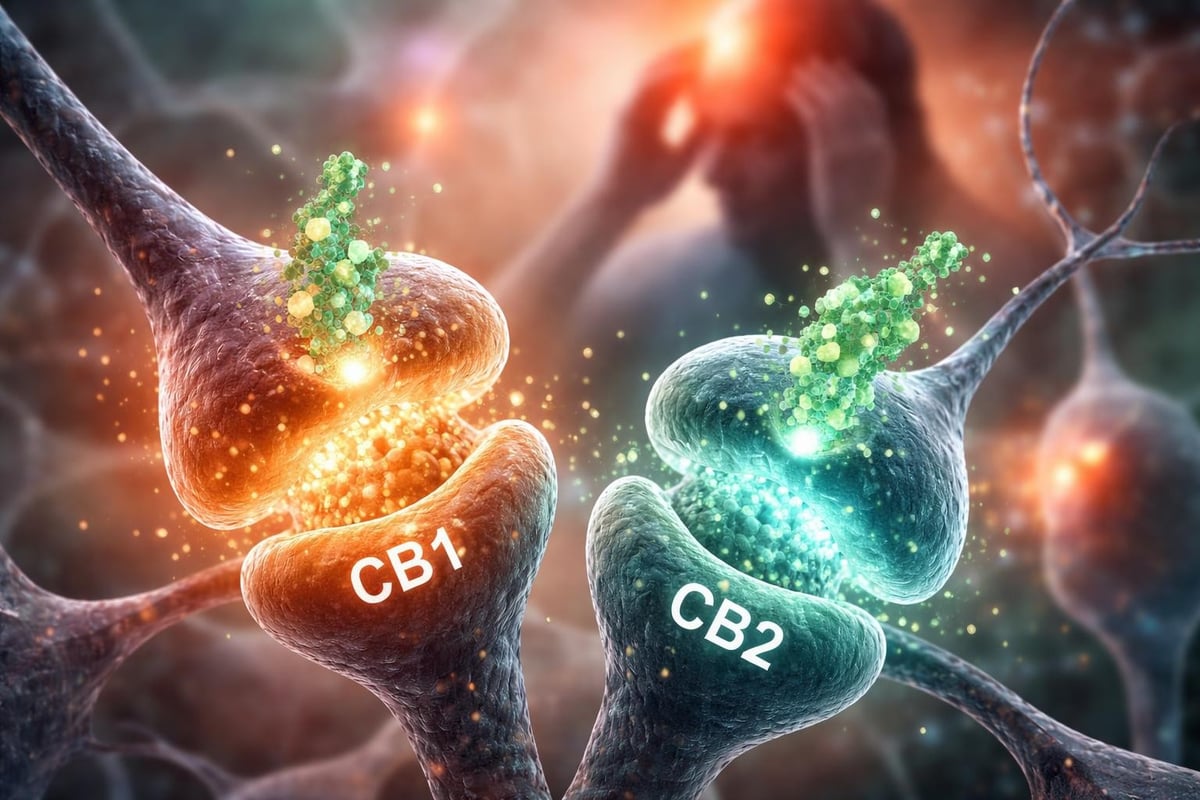
CBD, or cannabidiol, interacts with the body's endocannabinoid system (ECS), which regulates pain perception, inflammation, and neurological function. This system contains CB1 and CB2 receptors distributed throughout the central nervous system and peripheral tissues. When CBD binds to these receptors, it modulates pain signals and reduces inflammatory responses.
Research indicates that cbd for migraine headache relief may work through multiple mechanisms:
- Pain Modulation: CBD influences serotonin receptors, which play crucial roles in migraine development
- Anti-Inflammatory Action: Reduces neuroinflammation that contributes to migraine severity
- Vasodilation Regulation: Helps stabilize blood vessel constriction and dilation patterns
- Neuroprotection: Provides antioxidant properties that protect brain cells during migraine episodes
The therapeutic potential extends beyond acute symptom management. Similar to how CBD addresses inflammation in conditions like eczema, it targets the underlying inflammatory processes that trigger migraine attacks.
The Role of Full-Spectrum vs. Broad-Spectrum CBD
Product formulation significantly impacts therapeutic outcomes. Full-spectrum CBD contains trace amounts of THC (below 0.3%), while broad-spectrum formulations contain multiple cannabinoids without THC.
According to research on cannabis effectiveness for migraines, combinations of CBD and THC may provide enhanced relief compared to CBD alone. The entourage effect, where multiple cannabinoids work synergistically, amplifies therapeutic benefits without requiring high doses of individual compounds.
| Product Type | THC Content | Entourage Effect | Best For |
|---|---|---|---|
| Full-Spectrum | <0.3% | Maximum | Comprehensive relief |
| Broad-Spectrum | 0% | Moderate | Drug testing concerns |
| CBD Isolate | 0% | Minimal | Specific applications |
Clinical Evidence Supporting CBD for Migraine Relief
Scientific research continues expanding our understanding of cannabinoid therapy for neurological conditions. Multiple studies demonstrate promising results for cbd for migraine headache relief.
A groundbreaking clinical trial examined vaporized cannabis for acute migraine treatment, revealing that participants experienced rapid and sustained pain reduction. The study documented significant improvements in migraine intensity within two hours of administration, with effects lasting up to 24 hours.
Additional research published through clinical trials on inhaled cannabis confirmed superior outcomes compared to placebo treatments. Participants reported decreased pain levels, reduced nausea, and improved functional capacity during migraine episodes.
Dosage Considerations and Administration Methods
Determining optimal dosages requires individualized approaches based on several factors:
- Body weight and metabolism
- Migraine frequency and severity
- Previous cannabinoid exposure
- Concurrent medications
- Product concentration and formulation
Starting with low doses (10-20mg daily) allows individuals to assess tolerance and effectiveness. Gradual increases of 5-10mg weekly help identify the minimum effective dose while minimizing potential side effects.
Administration methods influence onset time and duration:
- Sublingual tinctures: 15-45 minute onset, 4-6 hour duration
- Capsules: 45-90 minute onset, 6-8 hour duration
- Topical applications: Variable onset, localized effects
- Vaporized options: 5-15 minute onset, 2-4 hour duration
Many individuals managing chronic pain conditions, similar to those dealing with rheumatoid arthritis, benefit from consistent daily dosing rather than waiting for symptom onset.
Integration with Conventional Migraine Treatments
CBD therapy complements rather than replaces traditional migraine management strategies. Understanding potential interactions ensures safe, effective integration.

Medication Interactions and Safety Profile
CBD metabolism occurs through the cytochrome P450 enzyme system, which also processes many pharmaceutical medications. This overlap creates potential for drug interactions, particularly with:
- Anticoagulants (blood thinners)
- Antiepileptic medications
- Certain antidepressants
- Beta-blockers
- Calcium channel blockers
Consultation with healthcare providers before starting cbd for migraine headache relief prevents adverse interactions and ensures appropriate monitoring. Medical guidance on CBD use emphasizes coordinated care between patients and providers.
Third-party laboratory testing verifies product purity and potency, ensuring consistency and safety. Reputable manufacturers provide certificates of analysis documenting cannabinoid concentrations, heavy metal testing, and pesticide screening.
Quality Indicators for CBD Products
Selecting premium CBD products requires understanding quality markers that distinguish effective formulations from inferior alternatives. The cbd hemp oil industry lacks comprehensive federal regulation, making consumer education essential.
Key quality indicators include:
- Third-party testing: Independent laboratory verification of contents
- Organic certification: Pesticide-free cultivation practices
- Extraction methods: CO2 extraction preserves beneficial compounds
- Transparency: Clear labeling of cannabinoid concentrations
- Source verification: Hemp grown in regulated environments
| Quality Factor | Why It Matters | What to Look For |
|---|---|---|
| Lab Testing | Verifies contents | Published COAs |
| Hemp Source | Purity guarantee | USA-grown, organic |
| Extraction | Compound preservation | CO2 method |
| Concentration | Dosing accuracy | Mg per serving |
| Additives | Safety concerns | Minimal ingredients |
Premium products undergo rigorous testing protocols that exceed industry standards. Just as individuals managing chronic pain conditions require reliable formulations, migraine sufferers benefit from consistent, high-quality CBD sources.
Understanding Cannabinoid Profiles
Beyond CBD concentration, complete cannabinoid profiles influence therapeutic outcomes. Minor cannabinoids like CBG (cannabigerol) and CBN (cannabinol) contribute additional benefits through the entourage effect.
CBG demonstrates anti-inflammatory properties that complement CBD's migraine-fighting capabilities. CBN offers sedative qualities beneficial for individuals whose migraines disrupt sleep patterns. Full cannabinoid profiles create comprehensive therapeutic effects exceeding isolated CBD benefits.
Lifestyle Integration and Trigger Management
Effective cbd for migraine headache relief requires holistic approaches combining cannabinoid therapy with lifestyle modifications. Identifying and managing migraine triggers maximizes treatment effectiveness.
Common migraine triggers include:
- Dietary factors (aged cheeses, processed meats, alcohol)
- Sleep disruption or irregular patterns
- Hormonal fluctuations
- Environmental stimuli (bright lights, strong odors)
- Stress and emotional factors
- Weather changes and barometric pressure shifts

Maintaining detailed symptom journals helps identify personal trigger patterns and assess CBD effectiveness. Recording migraine frequency, intensity, duration, and concurrent CBD dosages reveals correlations between treatment and outcomes.
Preventive Strategies and Daily Routines
Preventive approaches reduce migraine frequency and severity. Consistent CBD supplementation may provide prophylactic benefits when incorporated into daily wellness routines.
Establishing regular schedules for:
- Sleep-wake cycles: Maintaining consistent bedtimes
- Meal timing: Avoiding prolonged fasting periods
- Hydration: Adequate water intake throughout the day
- Stress management: Meditation, yoga, or breathing exercises
- CBD administration: Same time daily for optimal blood levels
Research continues exploring CBD's preventive potential. The mechanisms that make CBD effective for managing chronic inflammatory conditions suggest similar benefits for reducing migraine occurrence through sustained anti-inflammatory action.
Monitoring Effectiveness and Adjusting Protocols
Systematic evaluation determines whether cbd for migraine headache relief meets individual needs. Objective measurement tools guide protocol adjustments and optimize outcomes.
Tracking metrics should include:
- Migraine frequency per month
- Average pain intensity (0-10 scale)
- Duration of episodes
- Medication usage (rescue medications)
- Functional impact (missed work/activities)
- Side effects or adverse reactions
Allow 4-6 weeks for full therapeutic effects to manifest. CBD builds within the endocannabinoid system gradually, with cumulative benefits appearing over time rather than immediately.
When to Modify Treatment Approaches
Several indicators suggest protocol modifications may enhance results:
Insufficient Relief: If migraines persist at similar frequency or intensity after eight weeks, dosage increases or formulation changes warrant consideration. Switching from broad-spectrum to full-spectrum products or adjusting administration methods may improve outcomes.
Side Effects: While CBD demonstrates excellent safety profiles, some individuals experience drowsiness, dry mouth, or digestive changes. Reducing dosages or splitting daily amounts into multiple smaller doses often resolves these issues.
Tolerance Development: Unlike opioid medications, CBD rarely produces tolerance requiring escalating doses. However, periodic breaks (3-5 days monthly) may reset receptor sensitivity for individuals using CBD long-term.
The same principles guiding arthritis pain management strategies apply to migraine treatment: personalized approaches based on individual responses yield optimal results.
Cost-Effectiveness and Long-Term Considerations
Economic factors influence treatment sustainability. Evaluating cost-effectiveness compares CBD therapy expenses against traditional pharmaceutical approaches and indirect costs from migraine-related disability.
Average monthly costs for quality CBD products range from $50-150 depending on dosage requirements and product concentration. This compares favorably to prescription migraine medications, particularly when considering potential side effect management and healthcare utilization.
Indirect cost savings include:
- Reduced emergency room visits for severe episodes
- Decreased missed workdays and lost productivity
- Lower prescription medication expenses
- Minimal side effect management needs
| Cost Category | Traditional Treatment | CBD Approach |
|---|---|---|
| Monthly Medication | $100-300 | $50-150 |
| Side Effect Management | $50-200 | Minimal |
| Healthcare Visits | $150-500 | Reduced |
| Lost Productivity | Variable | Decreased |
Long-term sustainability requires balancing effectiveness with affordability. High-quality products justify premium pricing through superior results, consistent potency, and verified safety profiles. However, comparing cost per milligram of CBD across brands identifies value without compromising quality.
Patient Experiences and Real-World Outcomes
Clinical trials provide controlled evidence, but patient testimonials offer practical insights into cbd for migraine headache relief applications. Individual experiences vary based on migraine characteristics, CBD formulations, and concurrent treatments.
Common themes from patient reports include:
Gradual Improvement: Most individuals notice subtle changes initially, with progressive benefits over 4-8 weeks. Migraine intensity often decreases before frequency reduction becomes apparent.
Enhanced Quality of Life: Beyond pain reduction, users report improved sleep quality, decreased anxiety about impending migraines, and better overall functioning. These secondary benefits significantly impact daily life satisfaction.
Reduced Medication Dependency: Many individuals decrease reliance on prescription medications or over-the-counter pain relievers. This reduction minimizes medication overuse headaches, a common complication of frequent analgesic use.
Success stories from individuals managing various chronic pain conditions demonstrate CBD's versatility across different inflammatory and neurological disorders. The mechanisms providing relief for arthritis, fibromyalgia, and neuropathic pain similarly benefit migraine sufferers.
Safety Profile and Potential Side Effects
Understanding CBD's safety characteristics enables informed decision-making. While generally well-tolerated, awareness of potential side effects ensures appropriate expectations and management strategies.
Most common side effects remain mild and transient:
- Drowsiness or fatigue
- Dry mouth
- Digestive changes (diarrhea or appetite changes)
- Dizziness
- Changes in weight or metabolism
Serious adverse effects remain rare in clinical studies. The safety profile documented in research supports CBD's reputation as a low-risk therapeutic option compared to many pharmaceutical alternatives.
Certain populations require additional caution:
- Pregnant or nursing individuals: Insufficient safety data warrants avoidance
- Children and adolescents: Limited pediatric research requires medical supervision
- Individuals with liver conditions: CBD metabolism may stress compromised liver function
- Those taking multiple medications: Interaction risks increase with polypharmacy
Starting with conservative doses and monitoring responses closely minimizes risk while identifying optimal therapeutic ranges.
Future Research Directions and Emerging Evidence
The scientific understanding of cbd for migraine headache relief continues evolving as researchers conduct larger, more rigorous studies. Current evidence primarily derives from small trials and observational studies, creating opportunities for expanded investigation.
Promising research areas include:
- Dose-response relationships: Defining optimal dosing protocols for different migraine types
- Combination therapies: Synergies between CBD and conventional treatments
- Preventive applications: Long-term CBD use for migraine prophylaxis
- Biomarker identification: Predicting which patients respond best to CBD therapy
- Formulation optimization: Enhanced delivery systems for improved bioavailability
According to emerging clinical evidence, the next decade will likely produce definitive answers about CBD's role in comprehensive migraine management. As regulatory frameworks evolve and research funding increases, higher-quality studies will establish evidence-based treatment guidelines.
The same scientific rigor applied to understanding how CBD works for other conditions will illuminate its migraine-specific mechanisms and optimal application strategies.
CBD represents a promising natural approach for individuals seeking alternatives to traditional migraine treatments, with growing evidence supporting its effectiveness for pain reduction and improved quality of life. When sourced from reputable manufacturers committed to quality and transparency, CBD therapy offers a safe addition to comprehensive migraine management protocols. Reclaim Labs provides premium, third-party tested CBD hemp oil products specifically formulated for chronic pain and inflammation management, helping individuals reclaim their lives from debilitating conditions including migraine headaches.