Athletes constantly push their bodies to the limit, creating microscopic tears in muscle fibers that lead to soreness, inflammation, and extended downtime. Traditional recovery methods like ice baths, NSAIDs, and compression therapy have dominated sports medicine for decades, but growing evidence suggests that cbd for muscle recovery athletes offers a promising natural alternative. As cannabidiol becomes more accepted in professional sports and the World Anti-Doping Agency removed CBD from its prohibited substances list in 2018, more athletes are exploring its potential to accelerate healing, reduce inflammation, and improve overall performance. Understanding the science behind CBD's interaction with the body's recovery processes can help athletes make informed decisions about incorporating this compound into their training regimen.
Understanding CBD's Mechanism in Athletic Recovery
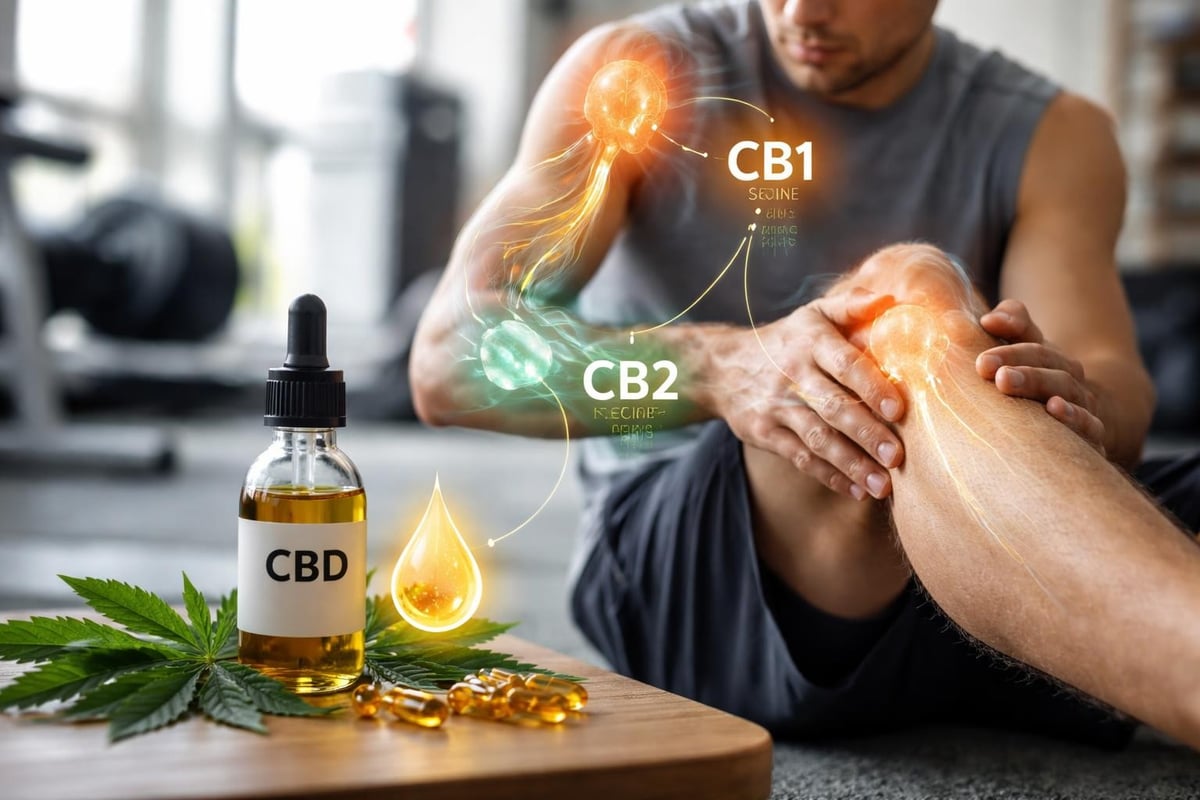
The endocannabinoid system (ECS) plays a crucial role in regulating inflammation, pain perception, and immune function. When athletes engage in intense physical activity, their bodies experience oxidative stress and inflammatory responses that the ECS helps manage. CBD interacts with this system differently than traditional recovery supplements, binding to CB1 and CB2 receptors throughout the body.
Research published in peer-reviewed journals demonstrates that CBD's anti-inflammatory properties may significantly impact post-exercise recovery. The compound influences cytokine production, which directly affects how the body responds to muscle damage and tissue repair. Unlike NSAIDs that can impair muscle growth when used chronically, CBD appears to support natural recovery processes without interfering with strength adaptations.
How CBD Differs from Traditional Pain Relievers
Athletes often turn to over-the-counter medications for muscle soreness, but these options come with notable drawbacks. NSAIDs can cause gastrointestinal issues, kidney stress, and may actually slow muscle repair when used regularly. CBD for muscle recovery athletes presents a different approach entirely.
| Recovery Method | Mechanism | Potential Drawbacks | CBD Advantage |
|---|---|---|---|
| NSAIDs | COX enzyme inhibition | GI issues, kidney stress | No organ toxicity |
| Opioids | Mu-receptor activation | Addiction risk, performance impairment | Non-addictive, no impairment |
| Ice therapy | Vasoconstriction | May slow healing if overused | Systemic inflammation reduction |
| CBD | ECS modulation | Minimal side effects | Supports natural recovery |
The endocannabinoid system's role in pain modulation offers insights into why many athletes report improved comfort levels when using CBD products. This modulation doesn't simply mask pain but appears to address underlying inflammatory processes that contribute to discomfort.
Evidence-Based Benefits for Athletic Performance
Scientific literature continues to expand regarding cbd for muscle recovery athletes, with several key mechanisms emerging as particularly relevant. Understanding these benefits helps athletes optimize their recovery protocols and make evidence-based decisions about supplementation.
Inflammation Reduction and Tissue Repair
Post-exercise inflammation serves a purpose in muscle adaptation, but excessive or prolonged inflammation can impede recovery. CBD's ability to modulate inflammatory responses without completely suppressing them represents an important distinction. Studies indicate that CBD can reduce pro-inflammatory cytokines while maintaining the beneficial aspects of acute inflammation necessary for muscle growth.
Athletes experiencing chronic inflammation from overtraining or accumulated microtrauma may find particular value in CBD's systemic effects. Unlike topical treatments that only address surface-level symptoms, CBD products can provide whole-body support for managing inflammation throughout various tissue types.
For those managing conditions beyond typical athletic soreness, understanding CBD's broader anti-inflammatory applications can provide additional context for its potential benefits.
Sleep Quality and Recovery Optimization
Recovery doesn't happen during training but during rest periods, particularly sleep. Research examining cannabinoid effects on sleep quality reveals that CBD may help regulate sleep-wake cycles and improve overall sleep architecture. For athletes, this translates to more restorative rest and enhanced muscle protein synthesis during crucial overnight recovery periods.
Key sleep benefits athletes report:
- Reduced time to fall asleep
- Fewer nighttime awakenings
- Improved deep sleep phases
- Better morning alertness
- Reduced anxiety before competitions
The relationship between sleep and athletic performance cannot be overstated. Athletes who consistently achieve quality sleep demonstrate improved reaction times, better decision-making, enhanced coordination, and superior strength gains compared to sleep-deprived counterparts.
Optimal Dosing Strategies for Athletes
Determining the right CBD dosage for muscle recovery requires individual experimentation, as factors like body weight, metabolism, training intensity, and specific recovery needs vary significantly among athletes. However, established guidelines can help create an effective starting point.
Full-Spectrum vs. Broad-Spectrum Considerations
Athletes subject to drug testing must carefully consider which CBD formulation best suits their needs. Full-spectrum products contain trace amounts of THC (below 0.3%), which could potentially accumulate with high doses or frequent use. Broad-spectrum products provide the entourage effect of multiple cannabinoids without THC, making them preferable for tested athletes.
Spectrum comparison for athletic use:
- Full-spectrum: Contains all plant compounds including trace THC
- Broad-spectrum: Multiple cannabinoids without THC
- CBD isolate: Pure CBD only, no additional compounds
- Nano-emulsified: Enhanced bioavailability for faster absorption
For comprehensive pain management applications, learning about CBD hemp oil benefits for chronic pain can inform dosing decisions beyond athletic recovery alone.
Timing and Delivery Methods
When athletes take CBD matters as much as how much they take. Different delivery methods offer distinct advantages depending on recovery goals and timing needs.
| Delivery Method | Onset Time | Duration | Best For |
|---|---|---|---|
| Sublingual oil | 15-45 min | 4-6 hours | Daily maintenance |
| Topical application | 10-20 min | 2-4 hours | Localized muscle soreness |
| Capsules | 45-90 min | 6-8 hours | Overnight recovery |
| Transdermal patches | 30-60 min | 8-12 hours | Sustained relief |
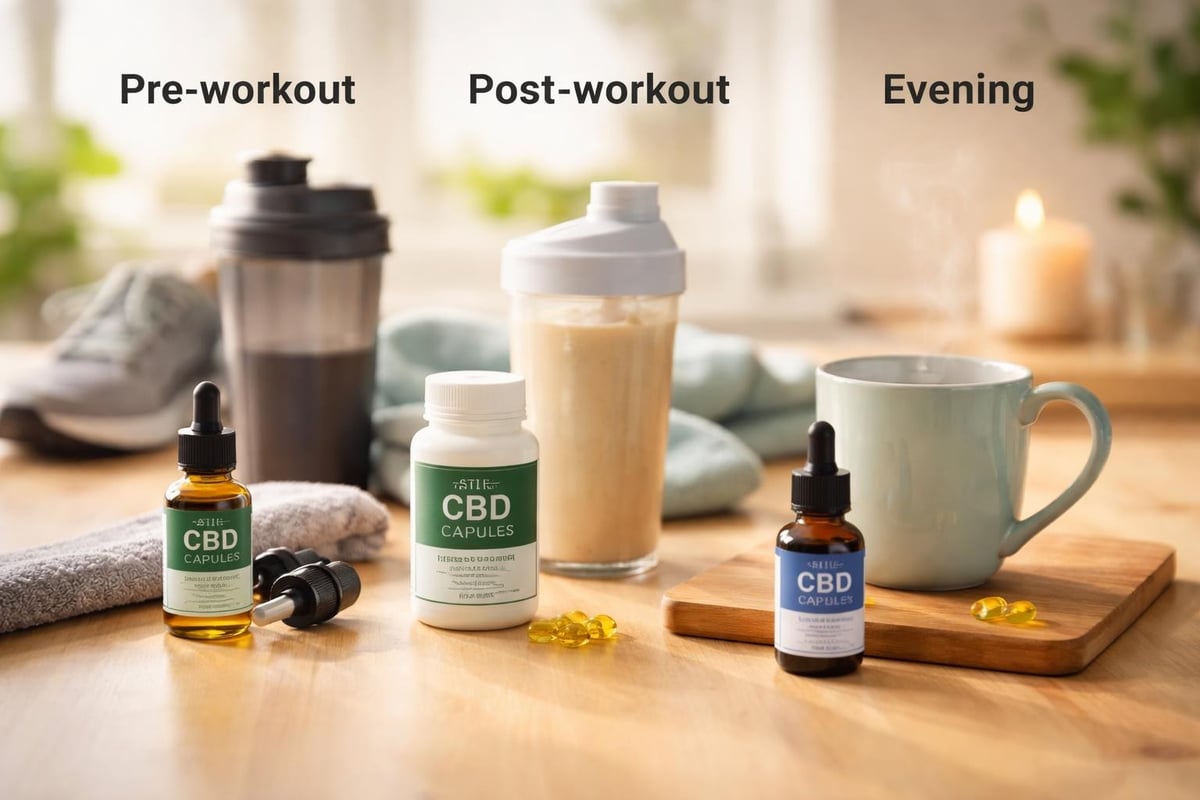
Post-workout represents an optimal window for CBD administration, as the body's inflammatory response peaks within the first few hours after intense exercise. Taking CBD during this period may help modulate excessive inflammation while supporting the natural repair processes.
Safety Considerations and Quality Standards
While research examining the safety and side effects of CBD generally shows favorable results, athletes must remain vigilant about product quality and potential interactions. The supplement industry faces minimal regulation, making third-party testing essential for ensuring purity and potency.
Third-Party Testing and Certificate of Analysis
Reputable CBD manufacturers provide Certificates of Analysis (COA) from independent laboratories, verifying cannabinoid content, absence of heavy metals, pesticides, and microbial contamination. Athletes should never purchase CBD products without reviewing current COA documentation.
Essential COA verification points:
- Cannabinoid profile matches label claims
- THC content below legal limits (0.3% or less)
- Absence of pesticides and heavy metals
- Microbial contamination screening
- Testing date within six months
Understanding comprehensive anti-inflammatory medication alternatives helps athletes contextualize CBD within broader pain management strategies.
Potential Drug Interactions
CBD can interact with certain medications through cytochrome P450 enzyme inhibition. Athletes taking prescription medications should consult healthcare providers before incorporating cbd for muscle recovery athletes into their regimen. This precaution becomes particularly important for those managing chronic conditions alongside athletic pursuits.
Common interactions include blood thinners, certain antibiotics, and medications metabolized through the same liver pathways. While CBD itself demonstrates excellent safety profiles in healthy individuals, these interactions warrant professional medical guidance.
Integration with Comprehensive Recovery Protocols
CBD works most effectively when integrated into a holistic recovery approach rather than used as a standalone solution. Elite athletes combine CBD with proven recovery modalities to create synergistic effects that exceed individual interventions.
Complementary Recovery Strategies
Combining CBD with established recovery techniques can amplify overall benefits. Progressive athletes view cbd for muscle recovery athletes as one component within a comprehensive system.
Effective recovery stack components:
- Nutrition: Adequate protein intake (1.6-2.2g per kg body weight)
- Hydration: Electrolyte balance and fluid replacement
- Active recovery: Low-intensity movement promoting blood flow
- CBD supplementation: Anti-inflammatory and sleep support
- Soft tissue work: Massage, foam rolling, mobility exercises
- Sleep hygiene: Consistent schedule and optimal environment
Athletes managing specific pain conditions can explore specialized applications, such as CBD oil for foot pain when dealing with plantar fasciitis or running-related injuries.
Periodization and Recovery Cycles
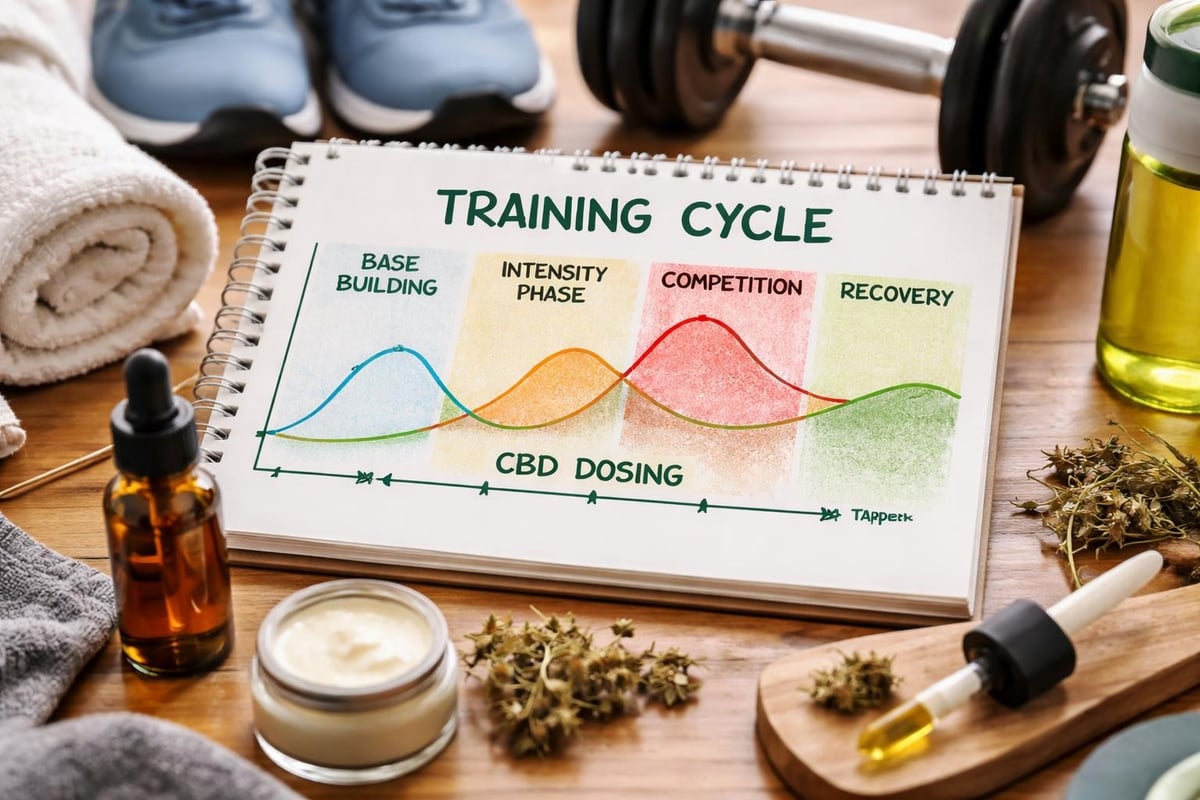
Training periodization extends to recovery strategies as well. Athletes might adjust CBD dosing based on training intensity, competition schedules, and recovery needs throughout different phases.
During high-volume training blocks, increased CBD doses may help manage cumulative inflammation. During taper periods before competitions, athletes might reduce supplementation to establish baseline performance without additional support. Off-season recovery phases offer opportunities to experiment with different products and dosing strategies without performance pressure.
Real-World Applications Across Different Sports
Different athletic disciplines create unique recovery challenges that cbd for muscle recovery athletes can address in sport-specific ways. Understanding these nuances helps athletes optimize their CBD protocols for maximum benefit.
Endurance Athletes
Distance runners, cyclists, and triathletes face prolonged inflammatory stress from repetitive impact and extended training sessions. These athletes often benefit from consistent daily CBD supplementation rather than acute post-workout dosing alone. The cumulative anti-inflammatory effects help manage chronic overuse conditions while supporting adaptation to increasing training loads.
Endurance athletes particularly value CBD's sleep-enhancing properties, as their training volume demands exceptional recovery capabilities. Many report that CBD helps them achieve deeper sleep despite the residual nervous system activation that often follows intense or lengthy training sessions.
Strength and Power Athletes
Weightlifters, CrossFit competitors, and team sport athletes experience different recovery demands centered around muscle damage from maximal efforts and explosive movements. These athletes often use CBD both pre-workout to manage anxiety and post-workout to address acute inflammation from heavy training sessions.
The potential of cannabinoids in managing chronic pain becomes relevant when strength athletes push through accumulated microtrauma that characterizes progressive overload training.
Combat and Contact Sports Athletes
Athletes in MMA, boxing, rugby, and football deal with both training-induced inflammation and impact-related tissue damage. CBD's potential neuroprotective properties add another dimension to its recovery benefits for these athletes, though research in this area remains preliminary.
Contact sport athletes frequently report using CBD topicals for localized bruising and joint stress while maintaining systemic supplementation for overall inflammation management. This dual approach addresses both acute injuries and chronic overuse conditions simultaneously.
Product Selection and Quality Indicators
Choosing appropriate CBD products requires understanding beyond marketing claims. Athletes need products that deliver consistent results while meeting stringent purity standards necessary for competitive sports participation.
Extraction Methods and Purity
CO2 extraction represents the gold standard for CBD production, preserving beneficial plant compounds while avoiding solvent residues that cheaper extraction methods may leave behind. Athletes should prioritize products using this method to ensure both purity and cannabinoid profile completeness.
Quality indicators to evaluate:
- Organic hemp source certification
- CO2 extraction methodology
- Third-party testing transparency
- Cannabinoid concentration accuracy
- Batch consistency tracking
- Manufacturing facility certifications
Premium products justify their cost through superior sourcing, rigorous testing, and reliable potency. Athletes investing in their recovery should view CBD quality as an extension of their commitment to performance optimization.
Carrier Oil Considerations
CBD requires lipid carriers for optimal absorption. The carrier oil choice impacts both bioavailability and additional nutritional benefits athletes receive.
| Carrier Oil | Benefits | Absorption Rate | Additional Nutrients |
|---|---|---|---|
| MCT oil | Fast absorption, clean taste | High | Quick energy |
| Hemp seed oil | Omega fatty acids | Moderate | Anti-inflammatory fats |
| Olive oil | Heart health support | Moderate | Polyphenols |
| Coconut oil | Antimicrobial properties | High | Lauric acid |
Athletes can explore various CBD hemp oil formulations designed specifically for different recovery needs and preferences.
Regulatory Landscape and Athletic Organizations
Understanding how various sports organizations view CBD helps athletes navigate rules while optimizing recovery. The regulatory environment continues evolving as more evidence emerges regarding CBD's safety and efficacy.
WADA and Professional Sports
The World Anti-Doping Agency's 2018 decision to remove CBD from prohibited substances represented a watershed moment for cbd for muscle recovery athletes. However, all other cannabinoids, including THC, remain banned in competition. This creates a responsibility for athletes to verify their products contain no prohibited substances.
Key regulatory considerations:
- Only CBD is permitted; all other cannabinoids prohibited
- In-competition testing includes THC metabolites
- Full-spectrum products carry trace THC risks
- Supplement contamination remains athlete's responsibility
- Documentation requirements vary by organization
Professional leagues including the NFL, NBA, MLB, and NHL have adopted varying policies regarding CBD use, with most removing it from banned substance lists while maintaining prohibitions on THC and other cannabinoids.
NCAA and Amateur Athletics
Collegiate athletes face stricter regulations, as the NCAA maintains THC prohibitions with testing thresholds that could potentially be exceeded through consistent full-spectrum CBD use. Student-athletes should consult compliance officers before incorporating any CBD products into recovery protocols.
Amateur athletes competing under different governing bodies should verify specific organizational policies, as regulations vary considerably across different sports and competitive levels.
CBD for muscle recovery athletes represents a scientifically-supported approach to managing inflammation, enhancing sleep quality, and optimizing overall recovery processes. As research continues expanding our understanding of how CBD interacts with athletic performance and recovery, athletes gain increasingly sophisticated tools for maintaining peak physical condition. For those seeking premium, third-party tested CBD products specifically formulated to address chronic pain and inflammation, Reclaim Labs offers full-spectrum and broad-spectrum options designed with transparency and efficacy as foundational principles, helping athletes and active individuals achieve their recovery goals through natural, reliable hemp solutions.